


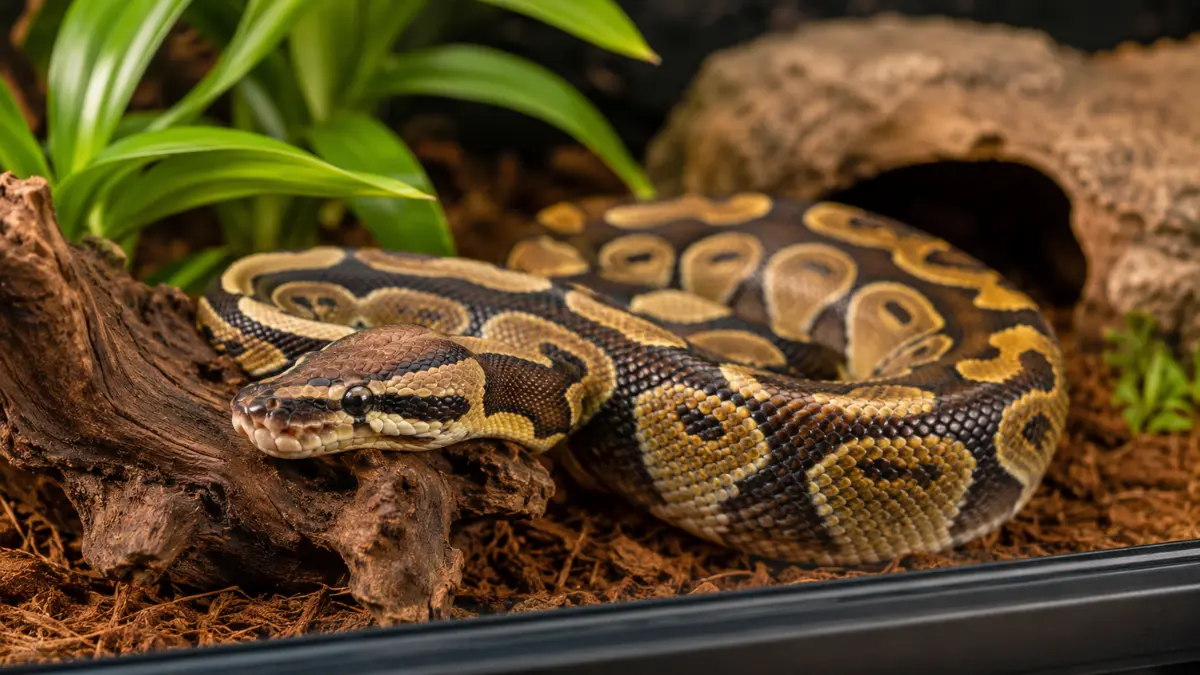
Ball pythons are widely celebrated among reptile enthusiasts for their docile nature, making sudden unprovoked aggression extremely unusual. When a normally calm snake suddenly strikes or bites its owner, underlying pain, illness, or severe neurological distress is often to blame. Misinterpreting these aggressive outbursts as simple behavioral mood swings can delay critical medical care and endanger other pets in your home. Identifying whether an infectious pathogen or neurological condition is driving this abnormal behavior is essential for safety. Discover what illnesses cause a ball python to suddenly bite and learn the 3 urgent signs requiring immediate quarantine today!
- Decoding Sudden Ball Python Attacks: Medical Disease vs. Natural Instincts
- 3 Critical Warning Signs Demanding Immediate Ball Python Quarantine
- Expert Steps for Handling a Ball Python Bite and Safe Release
- Long-Term Solutions to Eliminate Sudden Bites and Optimize Enclosures
- Frequently Asked Questions About Ball Python Aggression
- Comprehensive Recovery and Environmental Strategy for Ball Python Owners
When a usually placid ball python strikes out at its owner without warning, the immediate cause is almost always an underlying medical condition, extreme stress, or a lingering scent confusion rather than unprovoked malice. Identifying the root trigger quickly is essential to protect both yourself and your reptile companion from further physiological harm.
Decoding Sudden Ball Python Attacks: Medical Disease vs. Natural Instincts
Understanding why suddenly turns aggressive requires separating biological reflexes from genuine symptoms of underlying disease.
Demystifying Misconceptions About “Mad Snake Syndrome” or Sudden Personality Shifts
Reptiles do not experience sudden emotional mood swings or spontaneous behavioral malice. When a ball python suddenly exhibits defensive biting, owners frequently misinterpret this as a psychological breakdown or permanent temperament collapse.
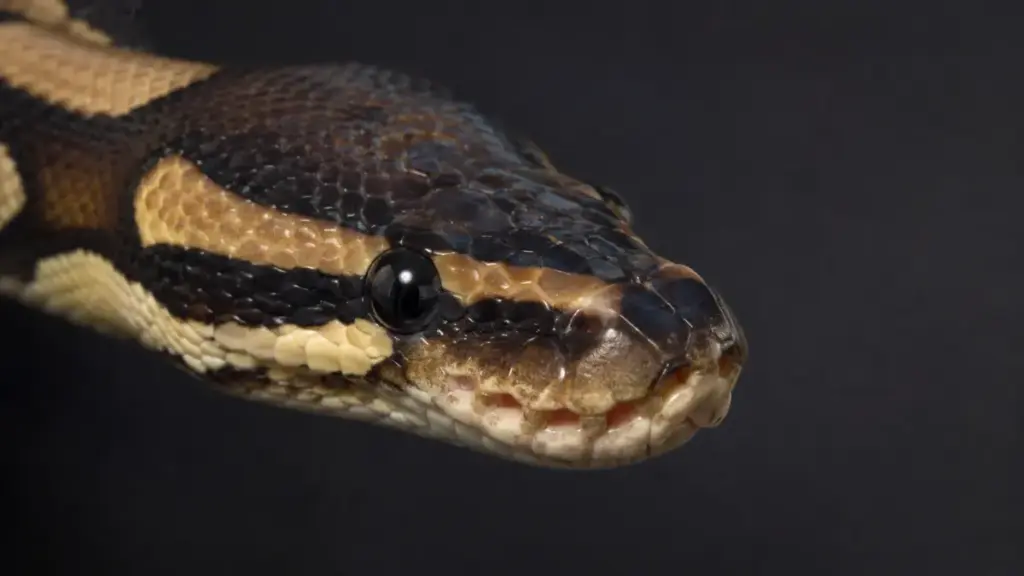
In reality, a ball python operates purely on survival instincts and sensory input. Sudden aggression is almost always a physical signal that the snake feels vulnerable, trapped, or incapacitated by physical distress.
Biological Functions of the Vomeronasal System and Sensory Precision
The vomeronasal organ, commonly known as Jacobson’s organ, allows a ball python to analyze chemical particles collected by its flicking tongue with extraordinary precision. This olfactory apparatus processes environmental cues far beyond human perception. If airborne scents or residual chemicals confuse the organ, may respond with an immediate instinctual strike.
Distinguishing Defensive Bites from Feeding Strikes
A defensive bite from is fast, sharp, and designed purely to push away a perceived predator; the snake strikes and instantly lets go. Conversely, a feeding strike involves a firm latch, wrapping coils tightly around the target, because genuinely mistakes your hand for prey.
Scent Transfer from Other Animals Triggering Predatory Excitement
Residual scents on an owner’s hands represent one of the most common non-illness reasons suddenly strikes during handling sessions.
Analyzing Bites After Handling Cats, Dogs, or Feeder Rodents
If you handle a pet rodent, dog, or cat before reaching into your enclosure, your ball python relies on heat signatures and scent cues rather than sharp visual recognition. The heavy scent of mammalian fur tricks the sensory pits of into initiating an immediate predatory response.
Mechanics of Temporary Sensory Overload from Prey Pheromones
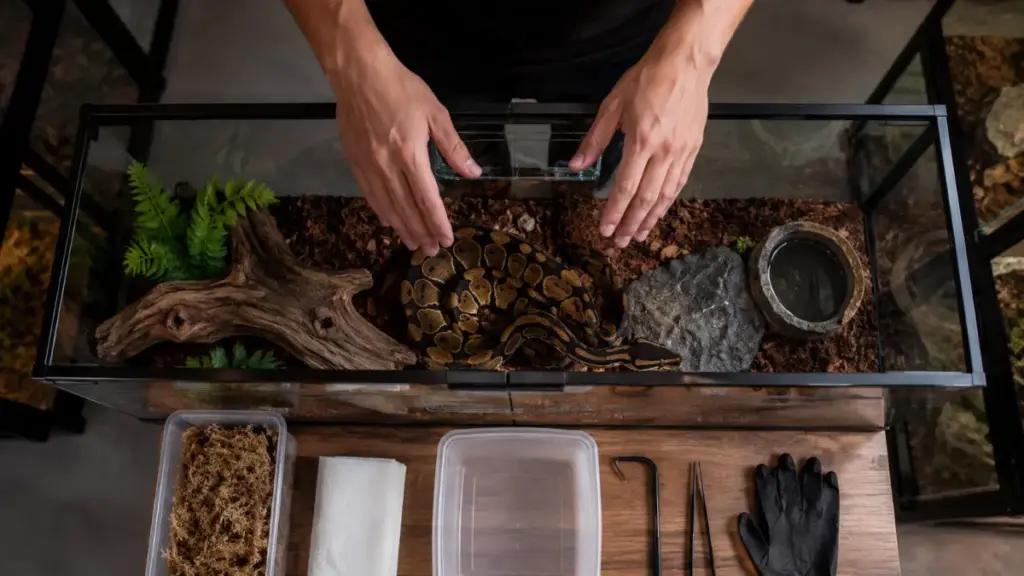
When prey pheromones cling to human skin, a experiences a temporary loss of discernment. The predatory drive completely overrides its domestic habituation, causing to strike instinctually before its brain processes that the object is its human keeper.
3 Critical Warning Signs Demanding Immediate Ball Python Quarantine
When sudden biting coincides with physical illness, isolating your animal prevents disease spread and facilitates fast therapeutic recovery.
Recognizing Physical and Behavioral Changes Indicating High Stress
A sick ball python communicates its internal agony through defensive body postures long before systemic failure occurs.
Sign 1: Tense Body Language, Persistent S-Curve Posture, and Panic Wandering
A healthy moves smoothly or remains loosely coiled in a hide. If your ball python assumes a tight, rigid S-curve, freezes when you approach, or paces its enclosure frantically during daylight hours, it is experiencing severe physiological pressure.
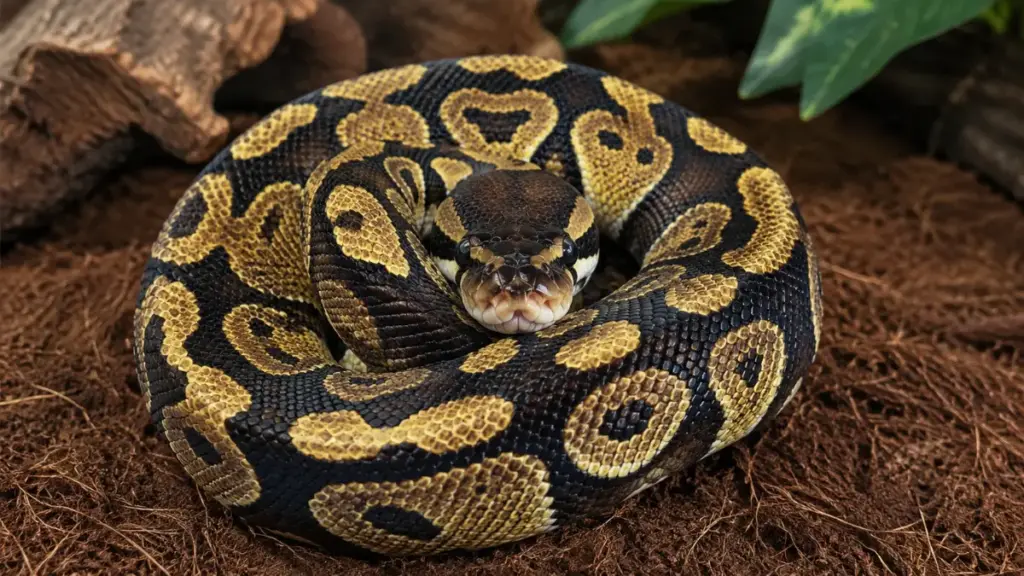
This heightened state of panic makes any attempt at handling a prime trigger for a defensive bite.
Sign 2: Prolonged Anorexia Accompanied by Wheezing and Nasal Discharge
While an occasional missed meal is normal, prolonged refusal of food coupled with audible wheezing, clicking sounds during respiration, or bubbly nasal discharge signals a serious Respiratory Infection (RI). Breathing difficulty causes immense stress, making a ball python hyper-reactive and aggressive when touched due to physical discomfort.
Neurological Symptoms and Tissue Damage Requiring Medical Intervention
Advanced internal infections and neurological disorders represent severe threats that turn handling into a painful ordeal for your reptile.
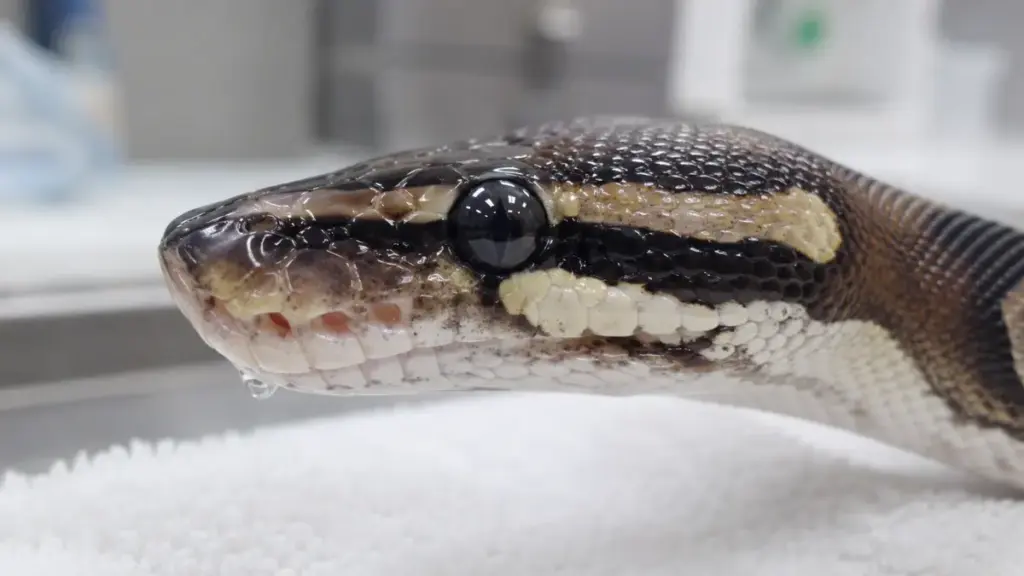
Sign 3: Star-Gazing Phenomena and Involuntary Motor Disorientation
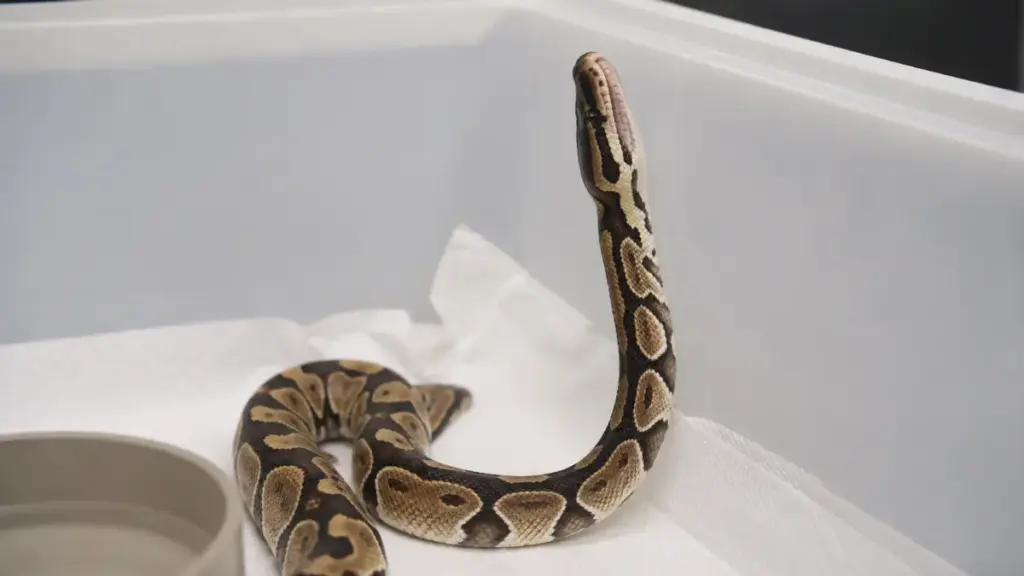
Star-gazing describes a condition where a stares vertically at the ceiling for extended periods, frequently losing balance or corkscrewing its neck.
Understanding the true medical and environmental triggers behind sudden aggression in your ball python is the key to transforming panic into effective care and rebuilding a calm, trusting connection with your reptile
Anna Miller
This symptom often points to viral pathogens, such as Inclusion Body Disease (IBD), or severe neurotoxin exposure. Disoriented by a lack of spatial awareness, will lash out blindly out of sheer fear.
Inspecting Mouth Rot Lesions and Scale Necrosis Causing Aggressiveness
Pain from Infectious Stomatitis (Mouth Rot) or ulcerative scale necrosis makes any contact with the head or body agonizing
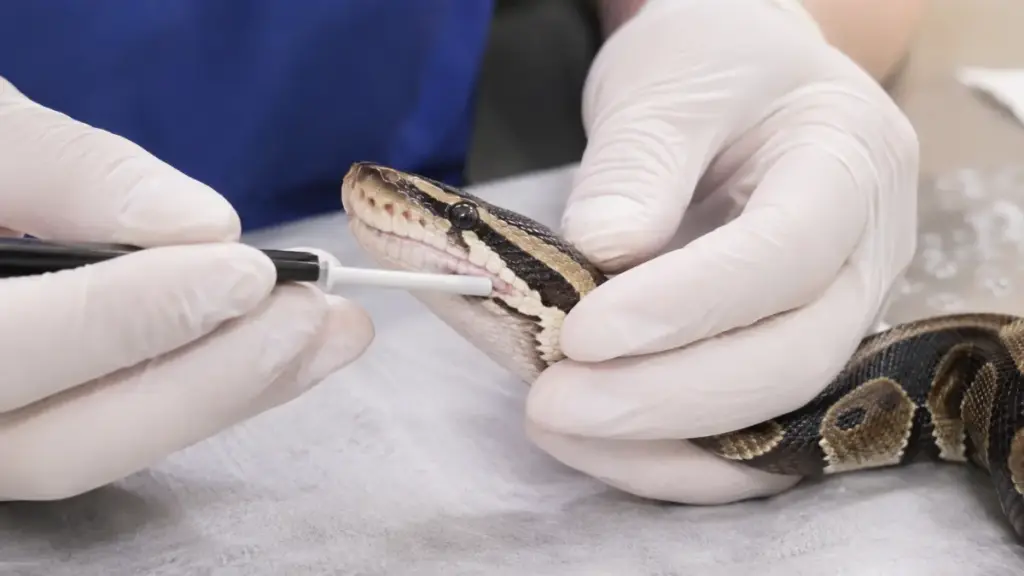
If your ball python suffers from inflamed, cheesy pus buildup along its gumline, even gentle petting triggers an immediate reflex bite to defend its injured tissue.
Expert Steps for Handling a Ball Python Bite and Safe Release
Experiencing a bite can be startling, but reacting correctly protects both you serious physical trauma.
More Read

Step-by-Step Technique to Disengage a Biting Snake Safely
Panicking during a strike is the single leading cause of broken teeth and jaw dislocation in captive reptiles.
The Fatal Error of Instinctively Pulling Away
When clamps onto your skin, pulling back sharply is catastrophic. The backward-curving teeth of a ball python act like tiny fishhooks; pulling away tears your skin severely while simultaneously ripping teeth from the snake’s jaw, causing severe oral bleeding and secondary infections.
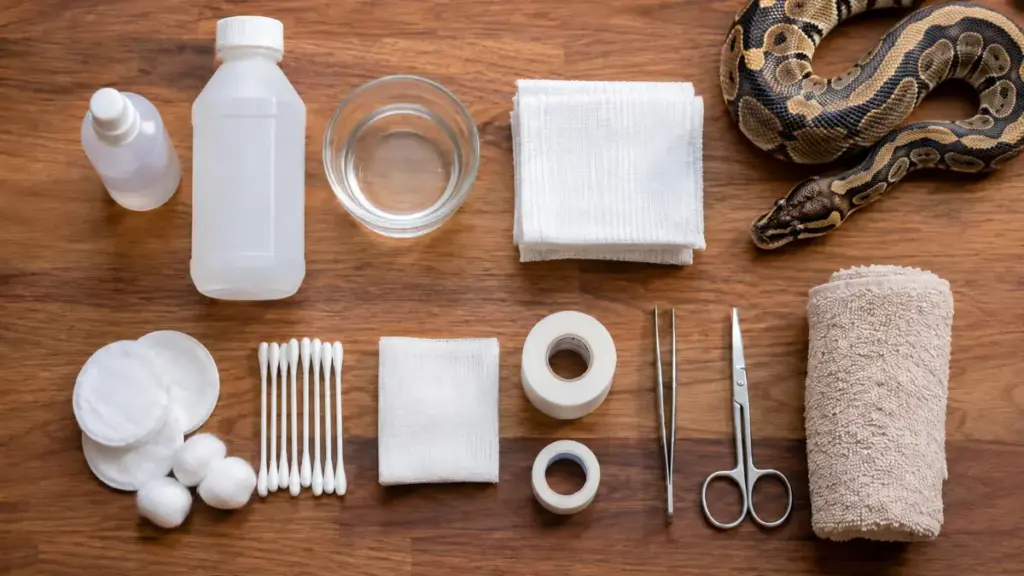
Cold Water and Antiseptic Rubbing Alcohol Application Techniques
To force a stubborn to release its grip safely, remain still and apply a small amount of cold water over its snout. Alternatively, soak a cotton swab in rubbing alcohol or hand sanitizer and hold it near the nostril line. The sharp vapor prompts the ball python to open its mouth and release instantly without physical force.
First Aid for Humans and Post-Incident Reptile Stabilization
Once the snake is disengaged, proper care for both parties ensures long-term health and restores trust.
Wound Sanitation Steps to Prevent Bacterial Contamination
Although a ball python is non-venomous, its mouth harbors natural oral bacteria that can cause localized skin infections.
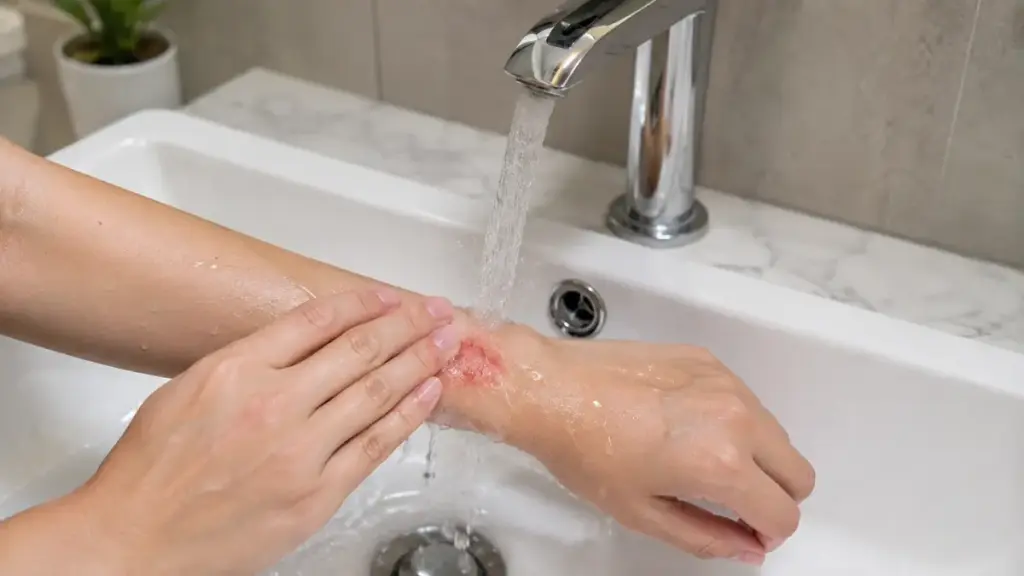
Wash the bite thoroughly with warm water and antibacterial soap for two full minutes, apply an antiseptic cream, and cover it with a sterile bandage.
Safely Returning the Snake to Its Enclosure for Cool-Down
Carefully support the body of your ball python and place it back inside its enclosure without sudden movements. Close and secure the lid immediately, leaving in a dark, quiet room for at least 48 to 72 hours to allow adrenaline levels to stabilize naturally.
Long-Term Solutions to Eliminate Sudden Bites and Optimize Enclosures
Preventing future defensive strikes requires systematic hygiene habits and precise environmental engineering for your ball python.
Establishing Rigorous Safety Protocols Before Handling
Implementing consistent pre-handling routines eliminates accidental feeding strikes and reduces overall handling stress.
Handwashing Standards to Remove Mammalian Scents
Always scrub your hands and forearms thoroughly with unscented antibacterial soap prior to interacting with your ball python. Removing all traces of dog, cat, or rodent scent ensures relies on visual and thermal cues rather than false prey odors.
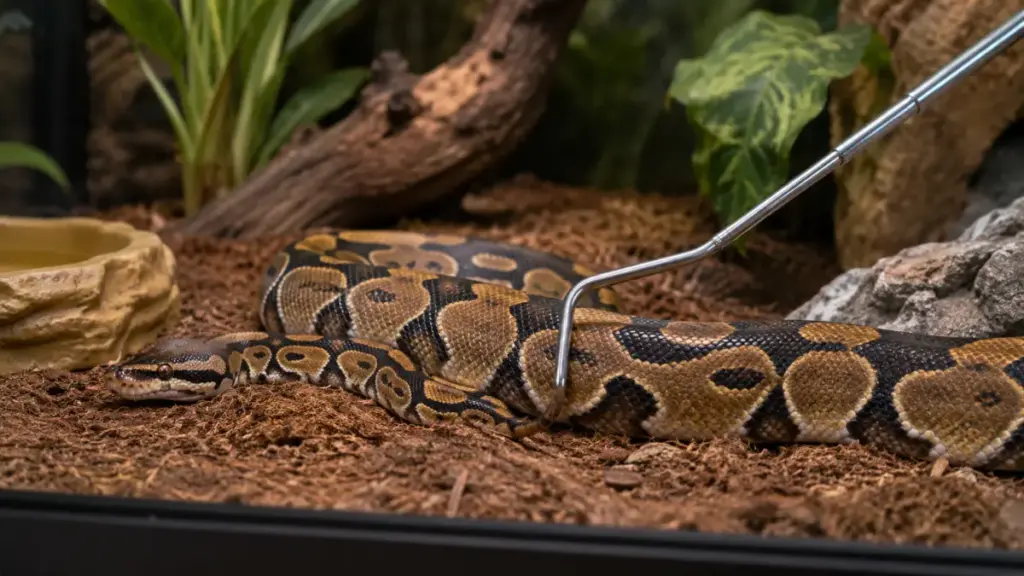
Utilizing Hook Training to Distinguish Feeding Time from Handling Time
Hook training establishes clear operational boundaries for your. Gently tapping the snake on its mid-body with a smooth snake hook before lifting alerts the ball python that it is handling time, effectively switching off its hunting reflexes before your hands enter the tub.
Standardizing Environmental Parameters to Eradicate Stress
A stable habitat is the foundation of a calm, predictable temperament in any captive ball python.
Maintaining Exact Temperature and Humidity Gradients
Improper cage parameters cause chronic stress and immune suppression.
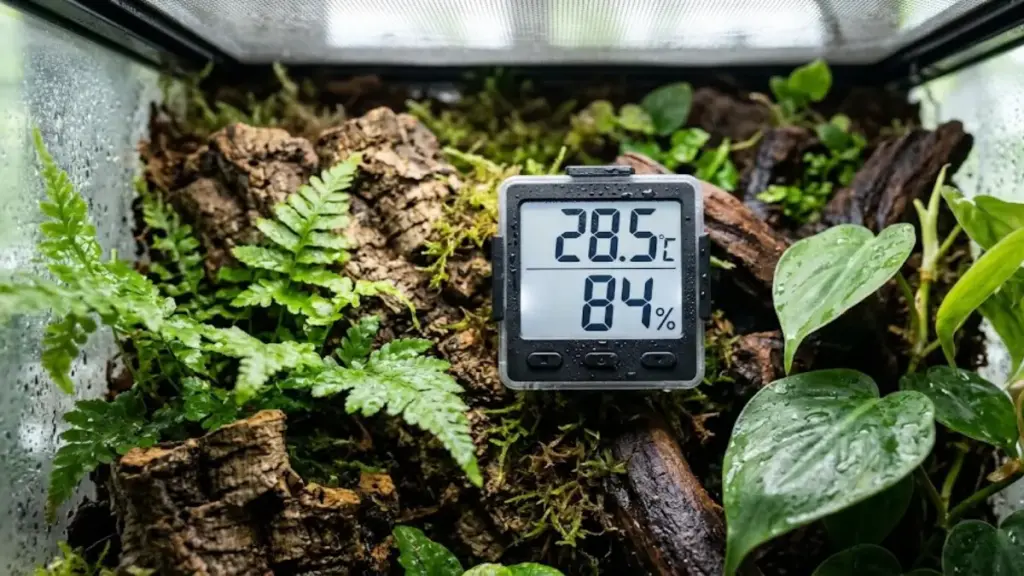
Maintain a warm basking spot of 88–92°F (31–33°C), a cool side of 78–80°F (25–26°C), and a constant humidity level between 60% and 80% to ensure your ball python stays healthy.
Providing Adequate Dark Hide Boxes for Psychological Security
Insecurity directly fuels defensive behavior. Every ball python enclosure requires at least two snug, opaque hide boxes—one on the warm end and one on the cool end.
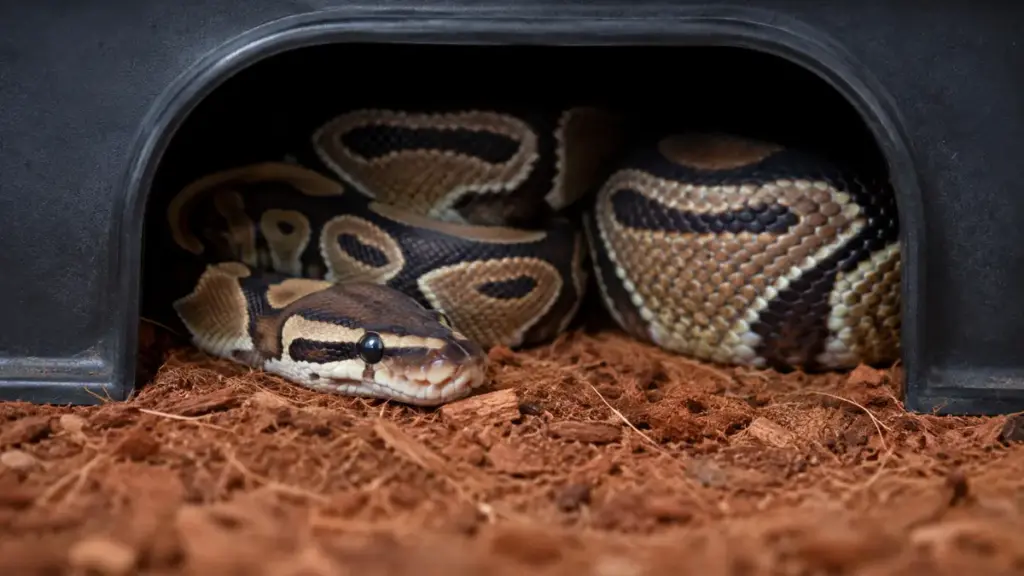
When a ball python feels completely hidden and secure, its physiological stress drops, virtually eliminating unprovoked defensive strikes.
Frequently Asked Questions About Ball Python Aggression
Can a Respiratory Infection cause to bite suddenly?
Yes, acute respiratory infections cause significant fluid buildup, chest discomfort, and breathing difficulty. A sick feels highly vulnerable and distressed, making it far more likely to strike defensively when handled or startled.
How can I tell if my ball python is striking out of fear or hunger?
A fear-based strike is extremely fast, delivered from a tight S-curve posture, and released instantly without coiling. A hunger strike is preceded by intense tracking behavior, followed by a firm bite and immediate wrapping coils around the target.
What should I do immediately after my ball python bites me?
Remain calm and do not pull away violently. Use cold water or a alcohol-soaked swab near its snout to prompt a swift release, sanitize your wound with soap and water, and return your to a secure, quiet enclosure to rest.
Comprehensive Recovery and Environmental Strategy for Ball Python Owners
Recognizing that sudden biting in a ball python is a symptom of underlying distress rather than behavioral malice allows keepers to respond with targeted medical care and environmental adjustments. By systematically inspecting your reptile for signs of respiratory infection, mouth rot, or neurological illness, you can isolate affected animals early and initiate veterinary intervention before minor issues escalate into severe health crises.
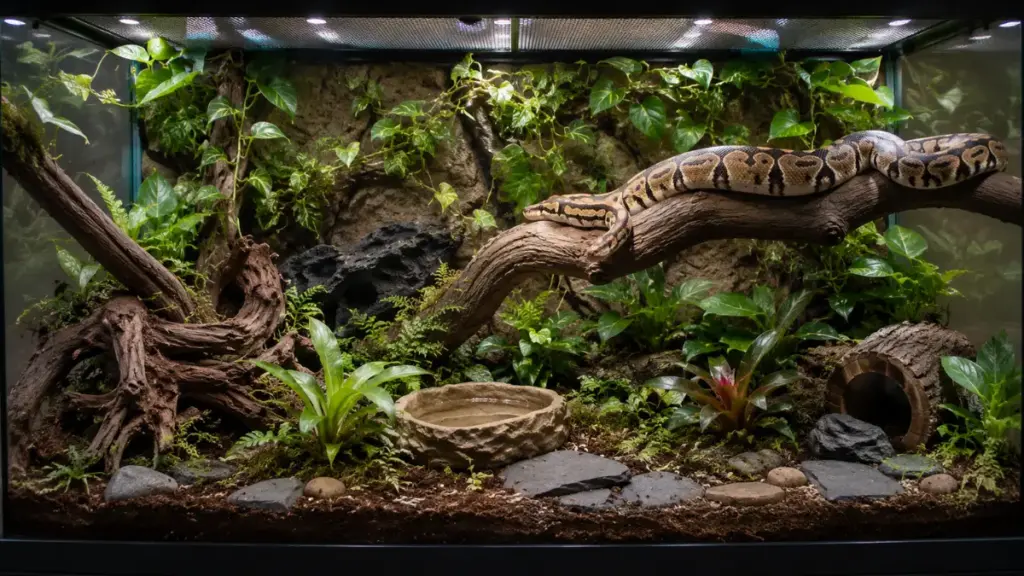
Combining strict pre-handling hygiene protocols with precise temperature and humidity monitoring creates a safe, stable ecosystem where your reptile can thrive safely for decades.
PLEASE LEAVE A COMMENT TO SHARE YOUR FAVORITE THOUGHTS OR FOLLOW OUR BLOG FOR THE LATEST UPDATES.