

Staring at the first teaser of a legendary video game remake and wondering if Nintendo will protect its original magic or modernize its gameplay mechanics can leave the Zelda community deeply divided. Assuming that veteran fans and younger gamers share the exact same wishlist for the Ocarina of Time Remake means overlooking a fascinating generational divide in modern gaming culture.
- The Generational Divide: Two Opposing Views on the Ocarina of Time Remake
- Brian Altano’s Vision: The Faithful Remake Preserving Heritage
- Logan Plant’s Vision: Reimagining Mechanics for the Modern Era
- Common Ground: Iconic Moments Both Generations Crave
- Nintendo’s Challenge: Balancing Nostalgic Purity and Modern Innovation
- Frequently Asked Questions About the Ocarina of Time Remake
- Bridging the Past and Future of Hyrule
Bridging the gap between nostalgic purity and modern quality-of-life innovations requires analyzing how different gamer eras process classic titles. By contrasting the expectations of IGN’s Logan Plant and Brian Altano—exploring modern action-adventure standards versus nostalgic preservation—you can discover what each generation truly wants from Hyrule’s return and how a potential Ocarina of Time Remake could bridge both worlds.
The Generational Divide: Two Opposing Views on the Ocarina of Time Remake
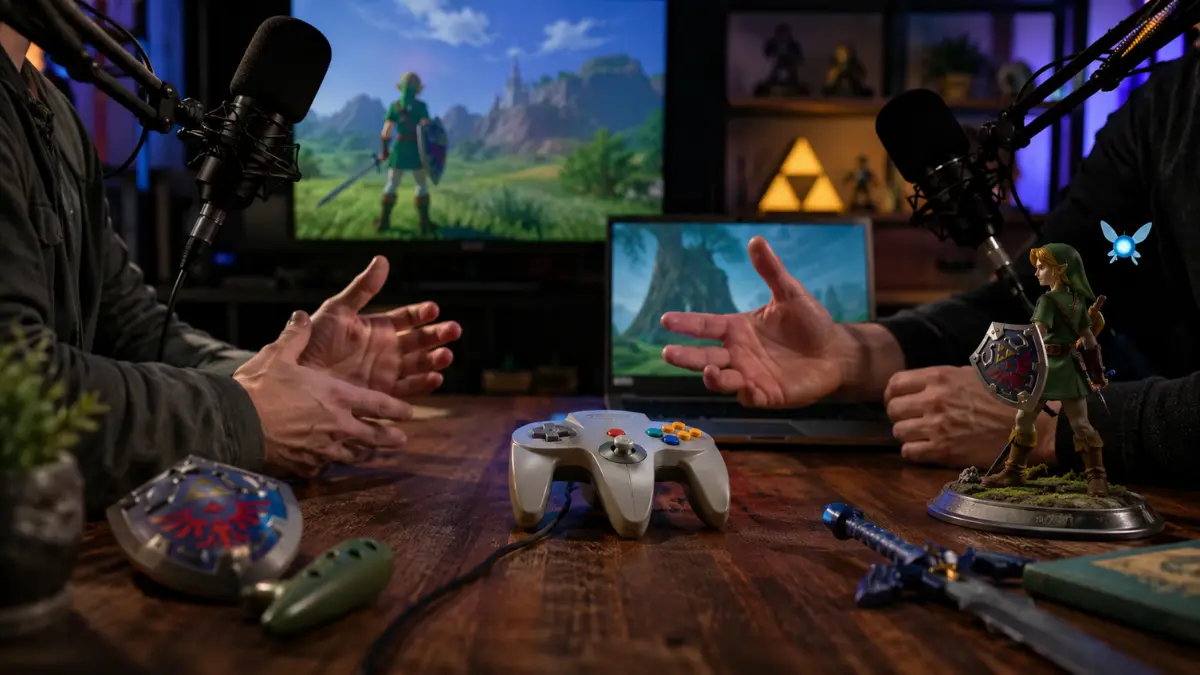
Few video games carry the historical weight of Nintendo’s 1998 masterpiece. As rumors of a full structural rebuild intensify, the conversation among gaming journalists highlights a broader cultural split. At the center of this debate are two prominent voices whose personal histories with the franchise shape their expectations for an Ocarina of Time Remake.
Brian Altano: The Millennial Perspective Rooted in 1998 Revolution
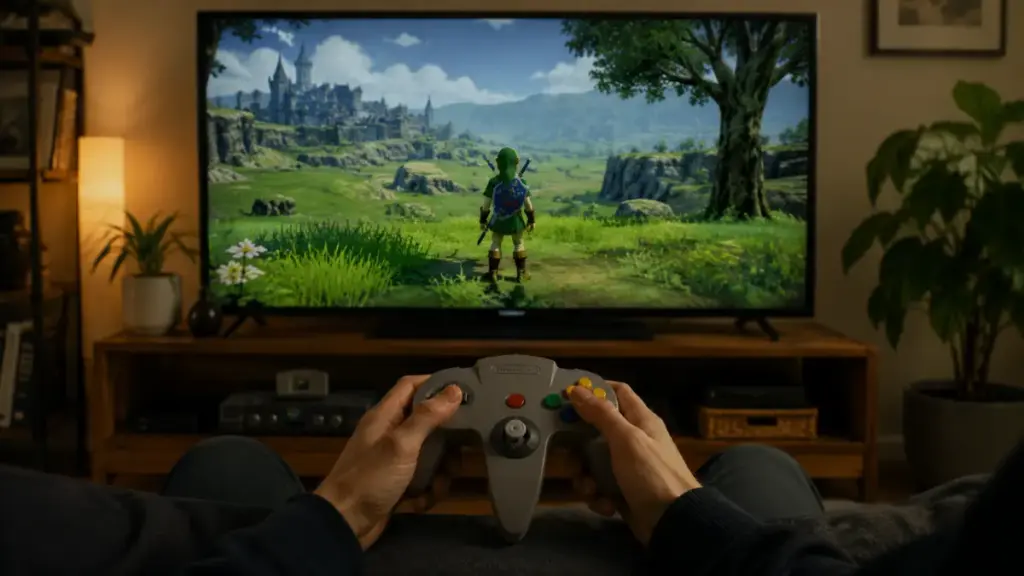
For Brian Altano, the original title is not merely a game; it is a foundational cultural event. Growing up alongside the Nintendo 64’s early 3D revolutions, Altano’s gaming identity was forged when players first stepped onto the vast expanse of Hyrule Field in 1998. That moment redefined spatial freedom and environmental scale in interactive media.
- Emotional Childhood Connection: Stepping onto Hyrule Field in 1998 delivered a sense of wonder that defined a generation’s gaming expectations.
- Preservation Pressure: Veteran fans feel a deep responsibility to protect legendary artistic heritage from being erased by modern trends.
- Structural Purity: Preserving original dungeon designs ensures that the fundamental mechanical genius of the 1998 release remains intact.
- Atmospheric Integrity: The moody, textured aesthetic of the Nintendo 64 era provides a grounded tone that high-gloss graphics can accidentally ruin.
This background creates a sense of nostalgic reverence and an intense desire for preservation. From this perspective, the primary goal of an Ocarina of Time Remake must be honoring the structural integrity and moody atmosphere of the original masterpiece rather than altering its DNA to fit current trends.
Logan Plant: The Modern Gamer Raised in the Open-World Era
Conversely, Logan Plant represents a younger generation of gamers who came of age during the polished open-world era defined by titles like Breath of the Wild and Tears of the Kingdom. Viewing classic titles through the lens of contemporary design, Plant approaches the 1998 release with respect for its history, yet remains acutely aware of its mechanical age.
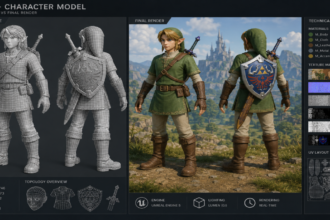
For Plant’s generation, outdated camera systems, rigid inventory management, and empty travel corridors can create friction that detracts from the core experience. He envisions an Ocarina of Time Remake that bridges the gap between historical significance and modern playability, transforming aging mechanics into a fluid, contemporary action-adventure title that feels natural to today’s players.
Brian Altano’s Vision: The Faithful Remake Preserving Heritage
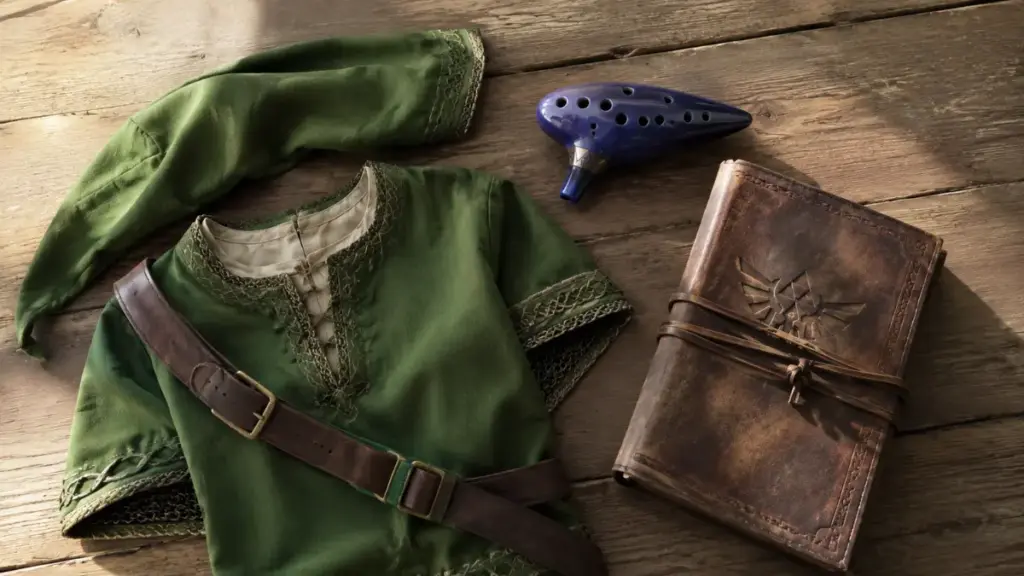
Brian Altano’s wishlist centers on the concept of faithful preservation. He argues that changing the core gameplay loop or altering landmark dungeon layouts risks destroying the exact qualities that made the game legendary in the first place, compromising the essence of an Ocarina of Time Remake.
Read More: Don’t Let Its Size Fool You When This asus mini gaming pc Packs Massive Power With a Steep Price!
Preserving Original Dungeon Design and Dark Emotional Themes
Altano believes the original pacing—from the Deku Tree through the Temple of Time—represents peak level design that requires no fundamental overhaul. Furthermore, he emphasizes the importance of keeping the game’s dark, unsettling undertones intact, particularly in eerie locations like the Bottom of the Well and the Shadow Temple.
- Pacing Integrity: Maintaining the exact progression from child to adult Link preserves the original emotional narrative arc.
- Uncompromising Tone: Eerie locations like the Shadow Temple require dark visual contrast to retain their psychological impact.
- Grounded Art Style: Avoiding overly cartoonish visual overhauls preserves the grit and weight of the original Hyrule kingdom.
- Orchestral Fidelity: Re-recording Koji Kondo’s legendary composition with full orchestral arrangements elevates emotional resonance without changing melodies.
Diluting these darker elements to appeal to broader audiences would strip the world of its emotional weight. A successful Ocarina of Time Remake must retain these intense atmospheric moments to deliver an authentic experience.
Modernizing Graphics Without Losing the 1998 Visual Soul
While Altano welcomes 4K resolution and modern lighting engines, he insists the visual direction must stay true to the 1998 original. Transforming Hyrule into a bright, cartoonish world would erase the nostalgic grit that gave the N64 version its distinct personality.
Regarding sound design, Altano expects Koji Kondo’s iconic melodies to be re-recorded with a live symphonic orchestra. However, these arrangements must strictly adhere to the original compositions, enhancing the music’s emotional depth without altering its timeless structure in an Ocarina of Time Remake.
Logan Plant’s Vision: Reimagining Mechanics for the Modern Era
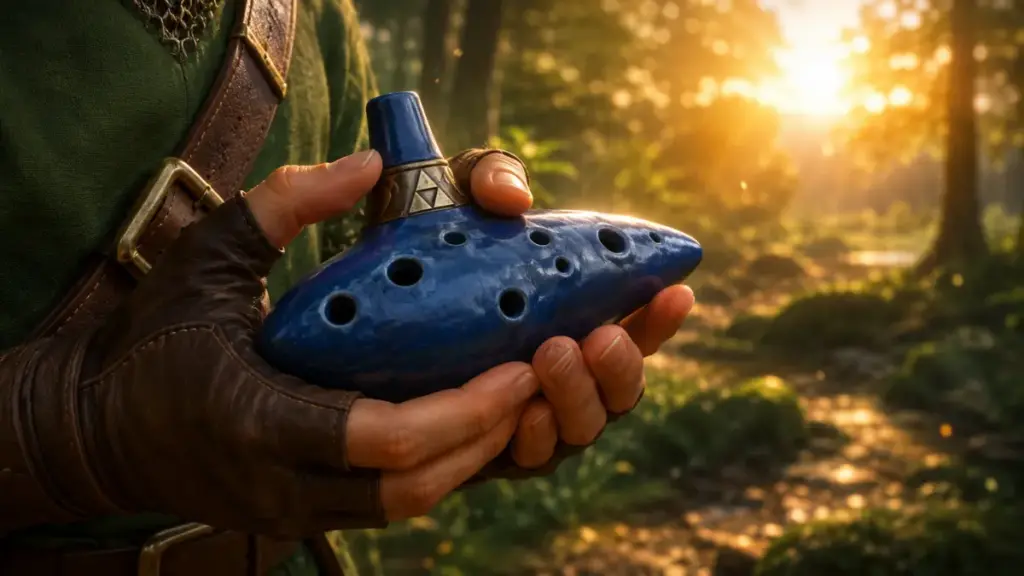
Logan Plant presents a compelling case for a comprehensive redesign, arguing that simply updating the graphics is not enough to satisfy modern gaming expectations. To resonate with today’s audience, the underlying systems must be updated for an Ocarina of Time Remake.
Overhauling Camera Controls, UI, and Fluid Combat
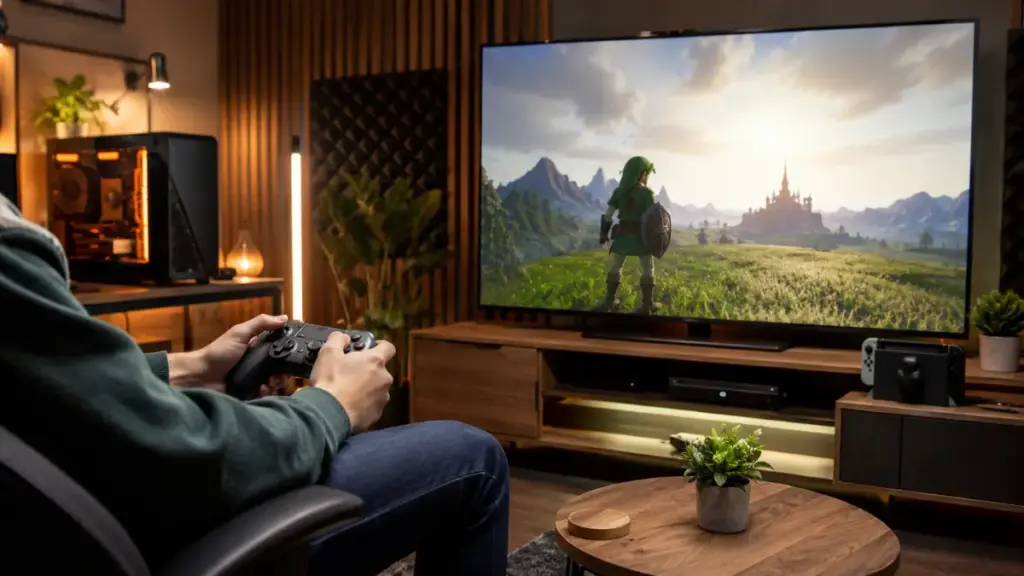
Plant advocates replacing the rigid Z-targeting system with a free-flowing camera and a dynamic locking mechanism similar to modern action titles. He also highlights the need for a streamlined interface, eliminating the tedious menu pauses previously required to swap gear like the Iron Boots during the Water Temple.
- Fluid Combat Systems: Implementing free-camera movement and seamless target switching aligns the game with modern action standards.
- Instant Item Swapping: Eliminating menu pauses for gear changes removes friction from complex puzzle dungeons like the Water Temple.
- Living Open World: Transforming Hyrule Field into an interactive space filled with wildlife, mini-dungeons, and traveling NPCs adds depth.
- Fleshed-Out Lore: Expanding side quests for the Seven Sages and Gerudo tribe enriches world-building for new and returning players alike.
These quality-of-life improvements would reduce mechanical friction, making dungeon exploration far more engaging. Streamlining these systems allows an Ocarina of Time Remake to feel fresh while respecting its original design roots.
Expanding Hyrule’s Scale and Deepening Side Narratives
In the 1998 original, Hyrule Field functioned largely as a hub connecting major regions. Plant envisions turning this empty expanse into a vibrant, living ecosystem packed with secret caves, roaming enemies, and meaningful side activities inspired by modern open-world games.
Additionally, Plant hopes the remake expands on narrative elements that were originally constrained by N64 cartridge limits. Deepening story arcs for the Seven Sages and exploring Gerudo culture would add rich lore, giving long-time fans fresh narrative discoveries in an Ocarina of Time Remake.
Common Ground: Iconic Moments Both Generations Crave
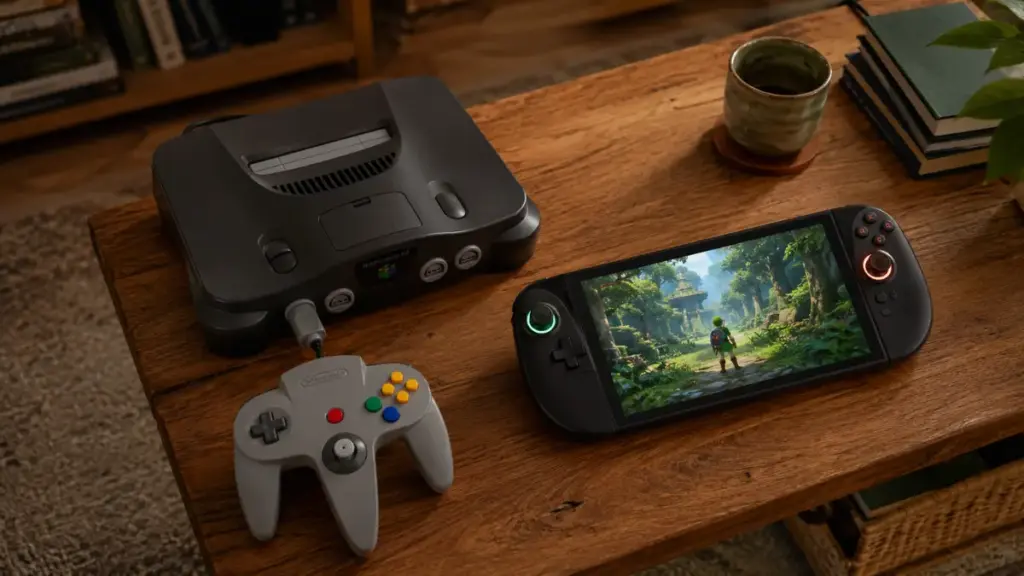
Despite their differing philosophies on gameplay design, both Altano and Plant agree on one fundamental point: certain legendary moments are sacred and must be recreated with breathtaking cinematic spectacle in an Ocarina of Time Remake.
More Read

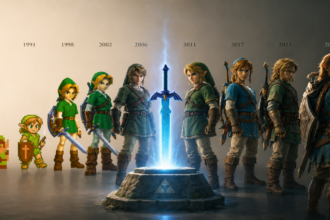
Drawing the Master Sword and Traversing Seven Years of Time
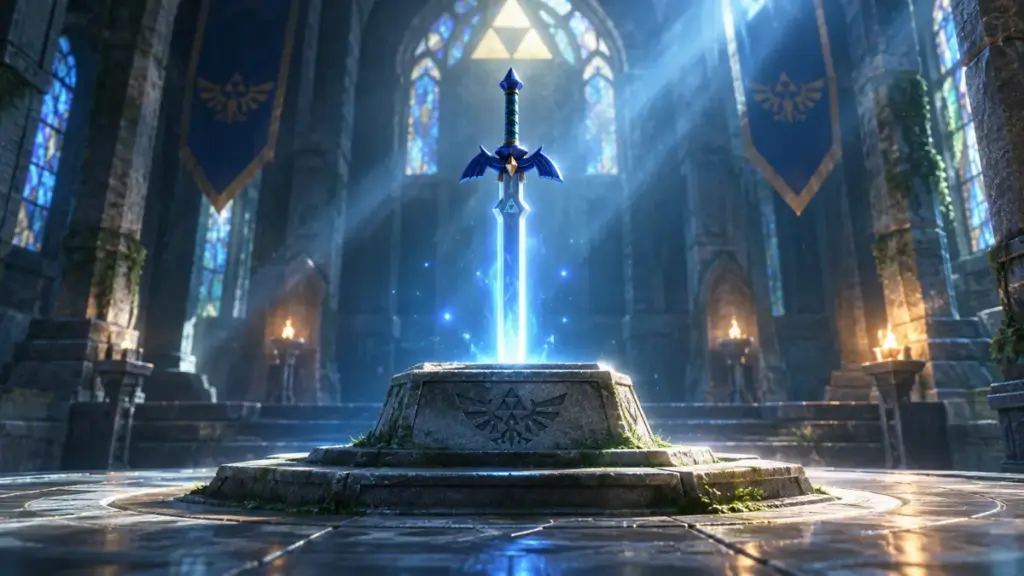
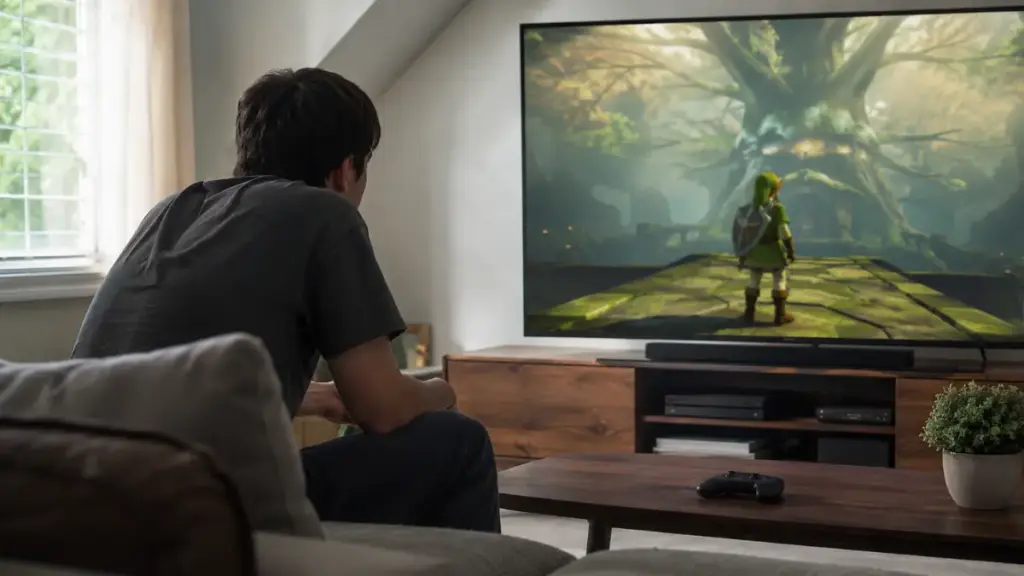
The pivotal scene where Link pulls the Master Sword from the Pedestal of Time, entering a seven-year slumber, remains one of the most powerful sequences in gaming history. Both generations eagerly anticipate seeing this transformation reimagined with modern particle effects, volumetric lighting, and high-fidelity character models.
Witnessing the sudden shift from a colorful kingdom to a ruined, post-apocalyptic Hyrule under Ganondorf’s reign holds immense dramatic potential. Updating this atmospheric transition with modern tech would deliver a powerful emotional punch in an Ocarina of Time Remake.
Reaching your long-term health goals is a journey built on daily, intentional choices; true physical resilience comes from prioritizing simple, whole-food nutrition, maintaining strict hygiene habits, and supporting your body’s natural healing capacity with a personalized plan to master your Ocarina of Time Remake.
Luna
The Climax: Phantom Ganon, Ganondorf’s Castle, and the Escape
Another shared priority is the game’s boss encounters, particularly the eerie duel with Phantom Ganon inside the Forest Temple and the final ascent up Ganondorf’s Castle. Both journalists want these battles updated with dynamic lighting, terrifying boss animations, and responsive swordplay mechanics.
Furthermore, the tense escape sequence down the collapsing tower alongside Princess Zelda demands cinematic camera direction and realistic physics effects. Executing these climax set-pieces with modern cinematic flair ensures that an Ocarina of Time Remake lives up to its legendary status for all players.
Nintendo’s Challenge: Balancing Nostalgic Purity and Modern Innovation
Nintendo faces a delicate balancing act with this project. Altering the core structure too aggressively risks alienating veteran fans, while making zero gameplay adjustments could leave the title feeling outdated to younger audiences, complicating the release of an Ocarina of Time Remake.
- Preservation vs. Modernization: Striking the right balance between faithful recreation and necessary quality-of-life updates is critical.
- Lessons from Industry Remakes: Examining titles like Final Fantasy VII Remake and Resident Evil 4 offers valuable blueprints for balancing change and tradition.
- Optional Control Toggles: Offering classic and modernized control modes allows players to tailor the experience to their personal preferences.
- Dual-Mode Gameplay: Providing separate difficulty or camera modes ensures both veteran purists and newcomers enjoy the game.
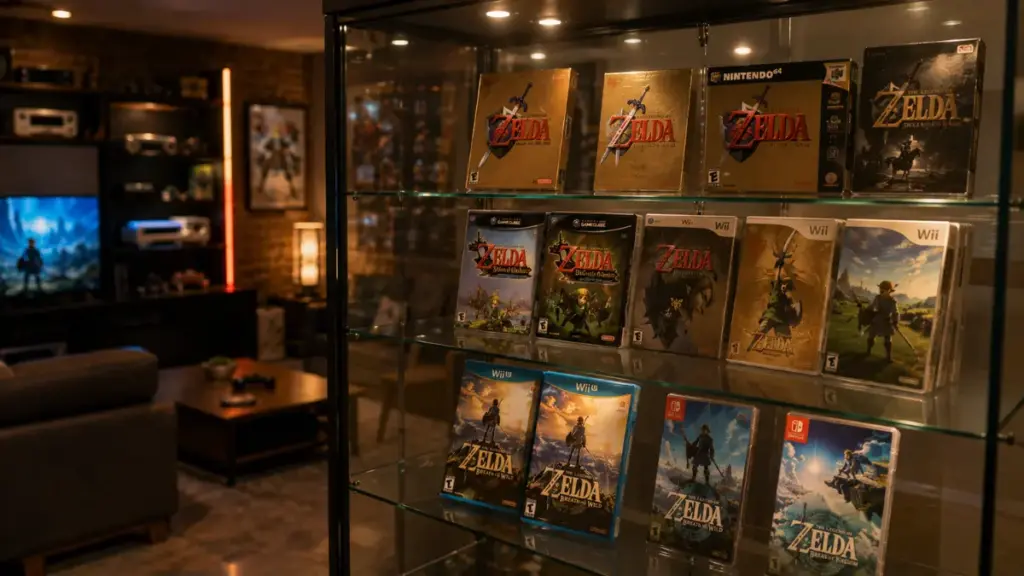
Industry remakes provide helpful lessons for this challenge. Square Enix’s Final Fantasy VII Remake reimagined its classic world through a modern action lens, whereas Capcom’s Resident Evil 4 Remake carefully modernized controls while preserving the original’s core atmosphere. Nintendo must navigate this middle ground carefully.
One potential solution is offering dual gameplay modes. A “Classic Mode” could preserve fixed camera angles, original movement speeds, and traditional item menus for purists like Brian Altano. Meanwhile, a “Modern Mode” could introduce free-camera controls, fluid combat mechanics, and expanded side quests for players like Logan Plant, maximizing the appeal of an Ocarina of Time Remake.
Frequently Asked Questions About the Ocarina of Time Remake
How would a full Ocarina of Time Remake differ from the 2011 3DS version?
The 2011 3DS release was a faithful remaster that updated textures, added stereoscopic 3D, and implemented gyroscope aiming while keeping the underlying N64 game engine intact. A full modern remake would rebuild the game from scratch on a new engine. This approach enables expanded environments, seamless level transitions, advanced physics, dynamic lighting, and fully voiced dialogue, moving far beyond the scope of the 3DS remaster for an Ocarina of Time Remake.
- Remaster vs. Full Remake: The 3DS version updated surface graphics, whereas a full remake rebuilds core gameplay engines.
- Expanded Environment Scale: Modern hardware allows for seamless transitions and denser worlds without loading screens.
- Advanced Audio and Voice Work: Full orchestral scores and cinematic voice acting replace midi compositions and text boxes.
- Redesigned Engine Mechanics: Updated physics engines enable dynamic combat, environmental interaction, and fluid movement in an Ocarina of Time Remake.
Read More: Unknown Worlds Leadership After Ted Gill: Who Will Shape Subnautica 2 Now?
Which approach is more likely to succeed: faithful preservation or complete reimagining?
A hybrid approach that preserves core dungeon layouts and story beats while modernizing controls, camera systems, and inventory UI generally yields the highest critical and commercial success. Complete overhauls risk losing the game’s original magic, while zero mechanical updates can alienate modern players. Blending mechanical refinements with faithful level design creates the ideal balance for an Ocarina of Time Remake.
- Hybrid Design Success: Combining classic dungeon layouts with modern control schemes pleases both audience segments.
- Preserving Story Beats: Keeping core narrative beats intact protects the emotional resonance that defined the original.
- Modern Quality-of-Life: Streamlining inventory menus and camera controls removes frustrating mechanical friction.
- Broad Market Appeal: Balancing nostalgia with modern usability maximizes player engagement in an Ocarina of Time Remake.
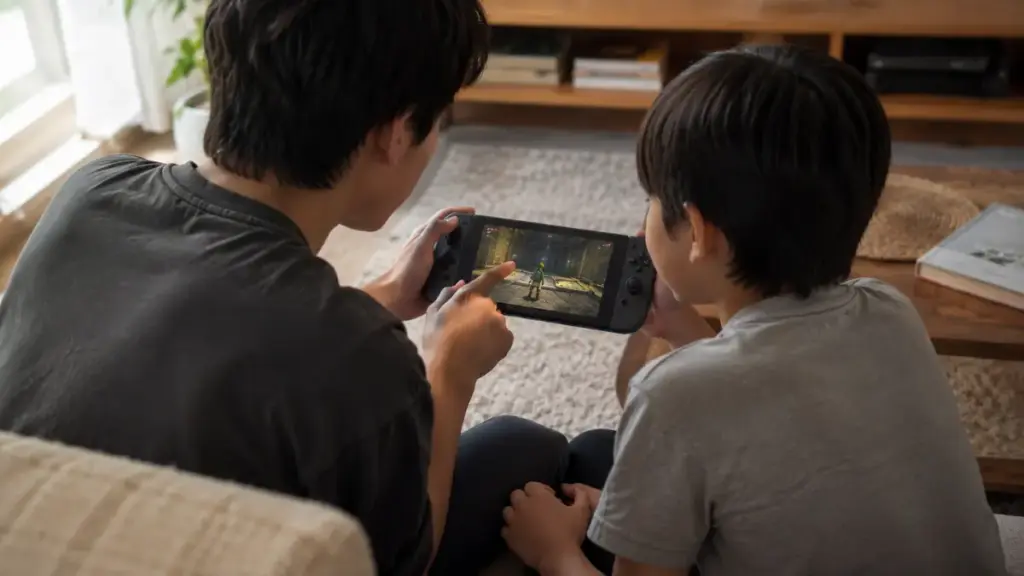
Can newcomers who never played the 1998 original enjoy an Ocarina of Time Remake?
Yes, provided the remake incorporates modern quality-of-life updates like intuitive camera movement, fluid combat, and clear objective tracking. The core story, dungeon design, and iconic music remain timeless. Modernizing outdated mechanics allows a new generation of players to experience why this title is considered one of the greatest video games ever made through an Ocarina of Time Remake.
- Timeless Narrative Core: The classic hero’s journey story resonates just as strongly with modern audiences today.
- Masterclass Dungeon Design: Puzzle layouts from the 1998 original remain gold standards in level design.
- Accessible Mechanics: Modernized controls ensure new players can focus on adventure rather than fighting outdated systems.
- Bridging Generations: Quality-of-life improvements allow younger players to appreciate gaming history through an Ocarina of Time Remake.
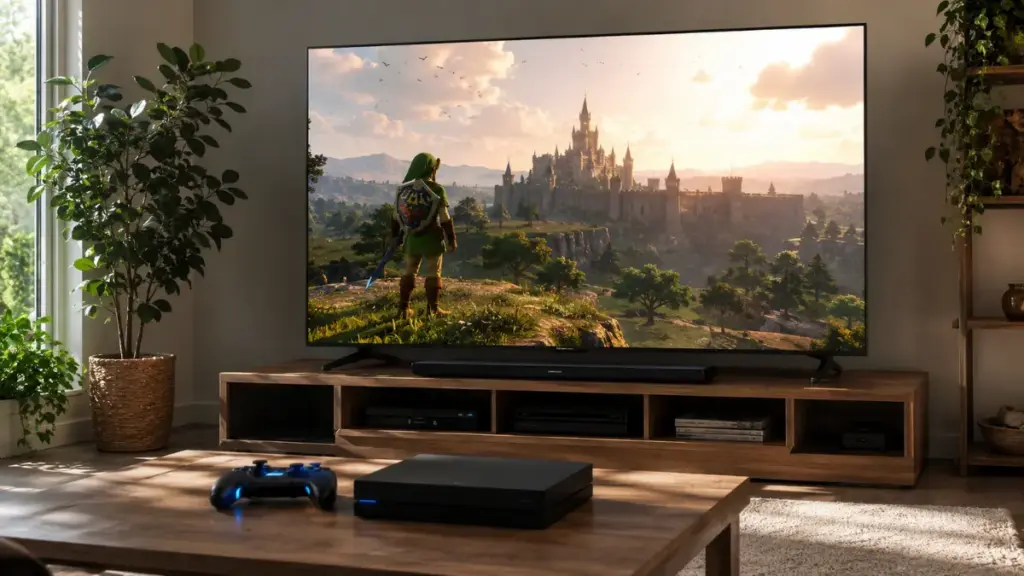
Bridging the Past and Future of Hyrule
The debate between Logan Plant and Brian Altano reflects a broader conversation about how the gaming industry should handle its most treasured classics. An Ocarina of Time Remake is more than just a product; it represents a bridge connecting the pioneering era of 3D gaming with the technological possibilities of the modern age.

By honoring Koji Kondo’s musical legacy, preserving the dark atmosphere of iconic dungeons, and updating mechanical systems for modern hardware, Nintendo can satisfy both nostalgic purists and a new generation of adventurers. When Hyrule’s gates open once again, players of all eras will stand together, ready to draw the Master Sword and embark on an unforgettable journey through an Ocarina of Time Remake.
PLEASE LEAVE A COMMENT TO SHARE YOUR FAVORITE RECOVERY HABITS OR FOLLOW OUR BLOG FOR THE LATEST HEALTH ADVICE.