

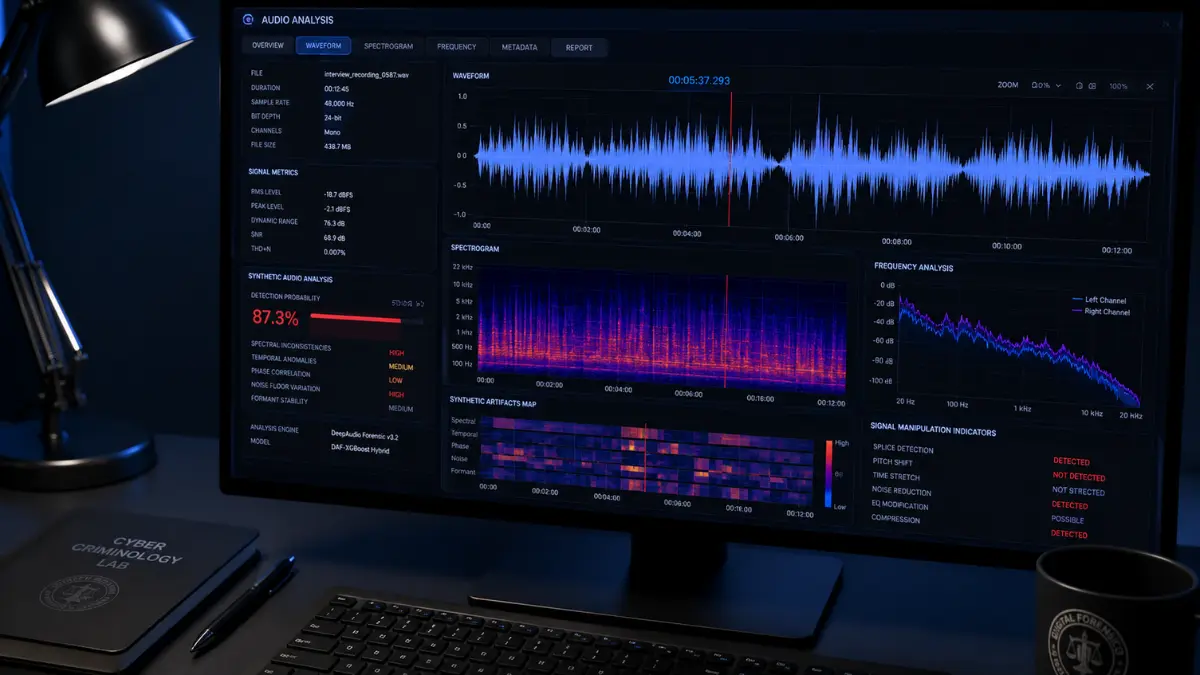
Modern cybercrime has shifted dramatically from traditional phishing emails toward sophisticated synthetic audio operations. By exploiting synthetic speech generation software, attackers replicate personal vocal attributes with stunning precision. These evolving AI scams specifically exploit human emotion and technical authorization frameworks, allowing bad actors to manipulate unsuspecting family members and bypass established banking security controls. Understanding the mechanics behind voice synthesis tools is now essential for protecting modern personal assets against calculated digital impersonation schemes.
- The Evolution of Voice Cloning in Modern AI Scams
- How Fraudsters Deceive Relatives Using Deepfake Audio
- Dissecting the Process of Bank OTP Bypass via Audio Spoofing
- Recognizing Common Patterns in Voice Cloning AI Scams
- Proactive Defense Strategies to Protect Personal Finance
- Historical Lessons and Continuous Awareness for Digital Safety
- Conclusion
The Evolution of Voice Cloning in Modern AI Scams
Historically, social engineering required extensive manual research and crude impersonation techniques. Today, deep learning algorithms extract complex vocal parameters from just a few seconds of raw audio scraped from social media video posts, public livestreams, or discarded voicemail archives. Consequently, AI scams have transformed into hyper-realistic threat vectors capable of executing convincing voice replication on demand.
Read more: Why Switching to Mobile Hotspots Protects Your Sensitive Data Better Than Public Wi-Fi
When audio synthesis models combine with automated dialing networks, malicious actors can stage highly convincing phone conversations without complex technical hardware setups. The rapid democratization of neural rendering software significantly lowers the barrier to entry, exposing everyday banking clients to automated financial fraud schemes driven by AI scams.
“The migration of deep learning tools into social engineering represents a fundamental shift where sensory trust can no longer serve as primary identity verification.”
Luna

How Fraudsters Deceive Relatives Using Deepfake Audio
To maximize success, perpetrators build complex scenarios around simulated crises. Attackers often harvest personal information from public online profiles to craft believable background narratives. Armed with localized details, bad actors deploy specialized AI scams designed to exploit high-stress emotional triggers.
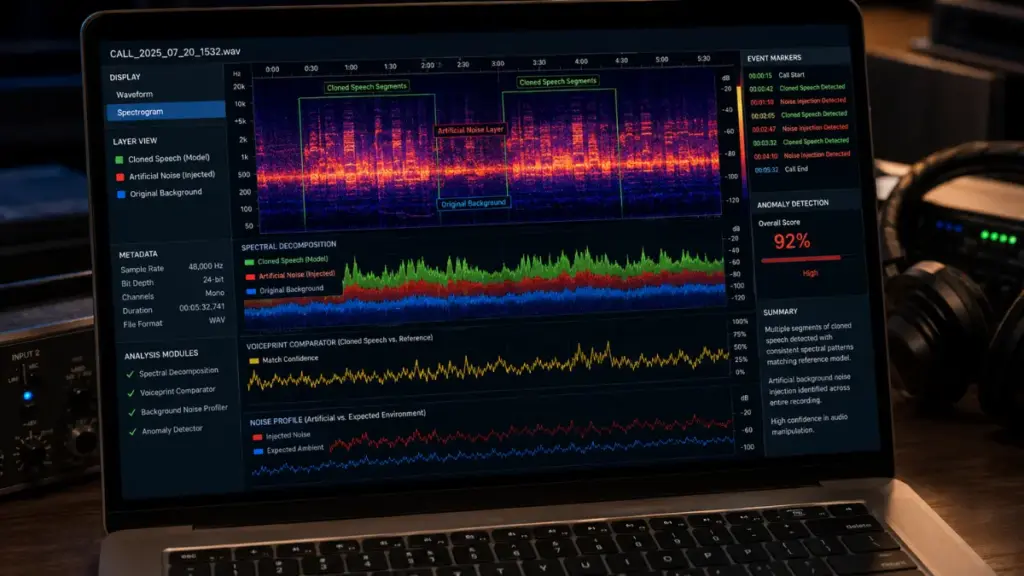
These operations frequently mimic emergency situations, such as sudden vehicular accidents, unexpected international travel detentions, or urgent hospital admission fees. By pairing cloned voices with convincing background sounds—like distant sirens or chaotic hospital corridors—attackers force targets into immediate compliance.
Psychological Manipulation Tactics in AI Scams
During targeted impersonation attempts, scammers intentionally induce severe cognitive overload. By emphasizing extreme urgency, perpetrators prevent victims from pausing to verify facts through alternative communication channels.
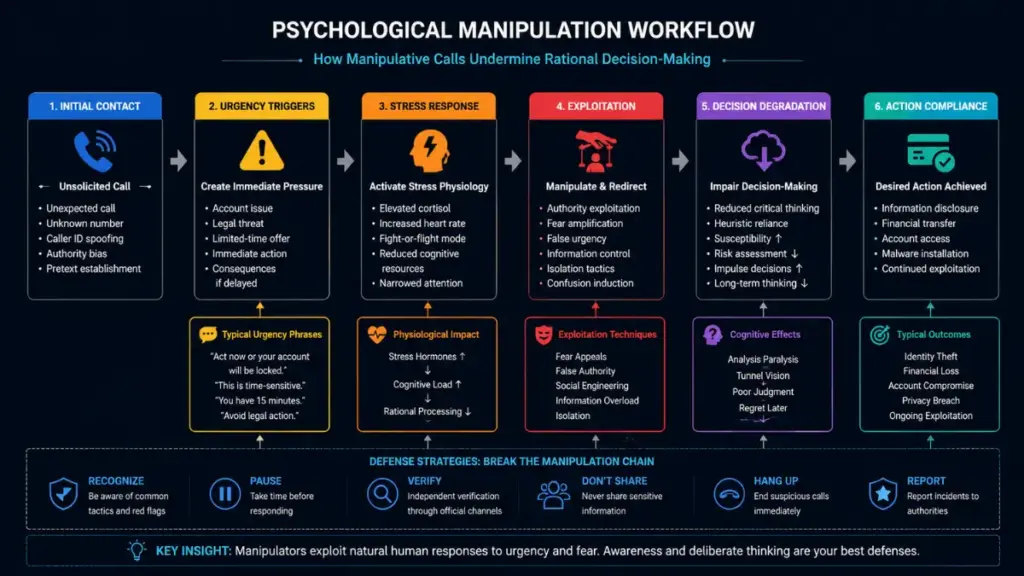
When fear takes over, targets consistently bypass standard safety precautions. Understanding how emotional manipulation degrades critical thinking remains vital when analyzing how deceptive AI scams achieve high conversion rates across diverse demographic groups.
Read more: How Commercial VPNs Fast-Talk Audit Reports to Claim No-Logs Guarantees

Dissecting the Process of Bank OTP Bypass via Audio Spoofing
Beyond family extortion schemes, advanced criminal syndicates weaponize voice synthesis directly against automated banking platforms. Modern financial institutions rely heavily on multi-factor authentication, including SMS passcodes and interactive voice response systems, to validate high-value transactions.
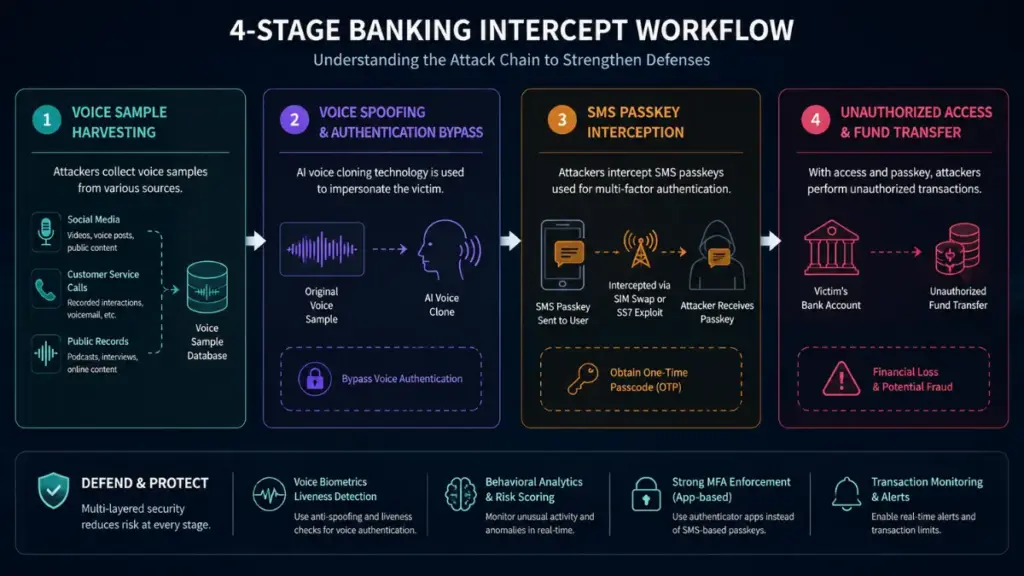
By executing precise real-time impersonation, malicious operators trick targets into disclosing live authorization codes while fake bank interactions occur. Fraudulent AI scams exploit the target’s trust by presenting a convincing, synthetic vocal profile alongside a spoofed official bank phone number.
Exploiting Voice Biometrics and Authorization Checks
Many modern banking institutions deploy voice biometric verification as a frictionless authentication tool for phone support. However, advanced neural audio generators can replicate pitch, cadence, and vocal timber accurately enough to trick legacy acoustic comparison systems.
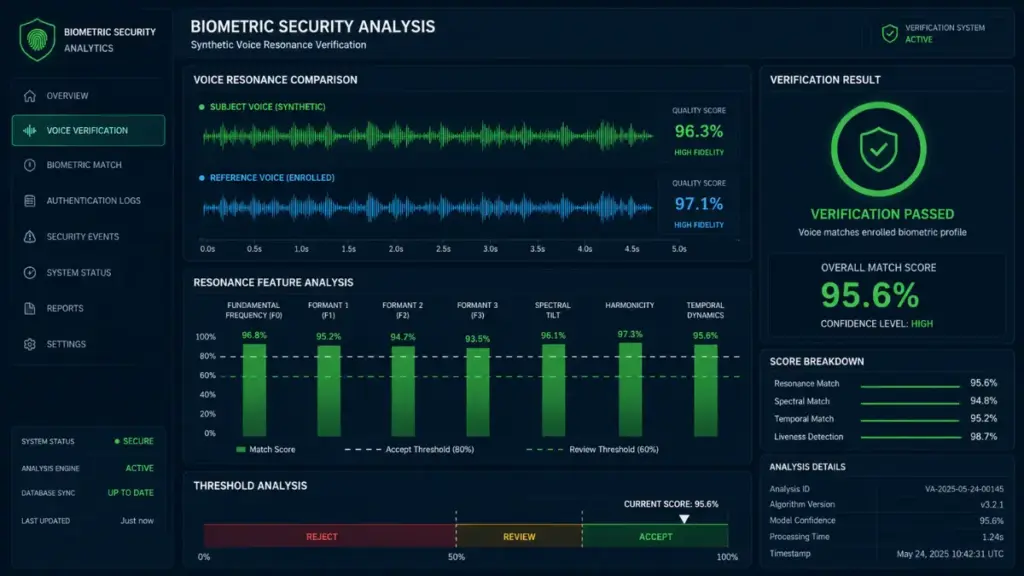
When automated security gates evaluate synthesized voice inputs, legacy algorithms may incorrectly match the acoustic signature to the legitimate owner’s profile. As a result, technical loopholes within legacy on-page SEO frameworks and banking portals can expose sensitive user credentials if left unmonitored.
Recognizing Common Patterns in Voice Cloning AI Scams
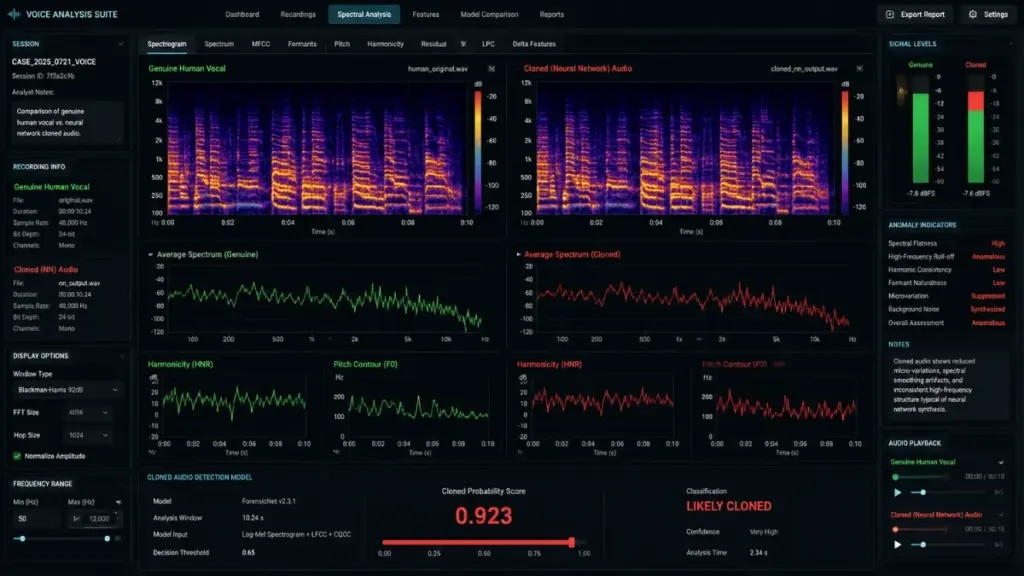
Despite rapid advancements in audio synthesis, synthetic speech patterns retain distinct technical markers. Evaluating these subtle operational artifacts enables targets to identify fraudulent interactions before initiating any financial transactions.
More Read

- Unnatural Cadence and Robotic Pauses: Neural rendering models occasionally introduce awkward pauses or unnatural breathing patterns between complex sentences.
- Persistent Background Artifacts: Scammers often layer synthetic static or ambient room noise to obscure glitches in the cloned voice profile.
- Immediate Requests for Non-Standard Payment Methods: Fraudulent operators consistently demand rapid transfers via cryptocurrency, wire services, or digital prepaid cards.
- Refusal to Accept Callback Verification: Attackers aggressively discourage ending the current call, claiming that dropping the connection will cause immediate negative consequences.
Recognizing these key indicators allows users to disrupt ongoing AI scams before critical account credentials or personal assets are compromised.
Proactive Defense Strategies to Protect Personal Finance
Defending against sophisticated social engineering requires combining robust physical verification habits with modern digital security measures. Establishing clear communication protocols within families drastically reduces vulnerability to unexpected imposter calls.
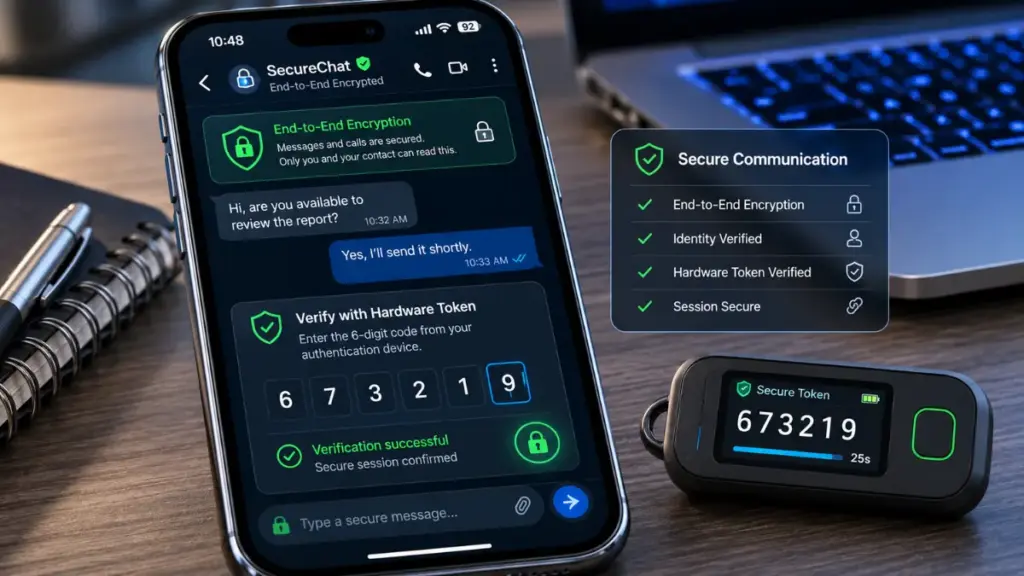
One highly effective tactic is setting up a unique, unwritten “family safe word.” If an individual receives a call claiming a loved one is in danger, requesting this secret passphrase immediately exposes synthetic voice impersonation attempts.
Technical Tools to Block Sophisticated AI Scams
Implementing strong technical security layers helps neutralize phone-based intrusion vectors. Utilizing app-based multi-factor authenticators instead of SMS-based passcodes mitigates interception risks. Furthermore, managing external navigation structures through strategic internal links within personal password managers prevents credential leaks across phishing domains.

“Establishing out-of-band verification procedures remains the definitive defense against real-time synthetic voice spoofing attacks.”
Luna
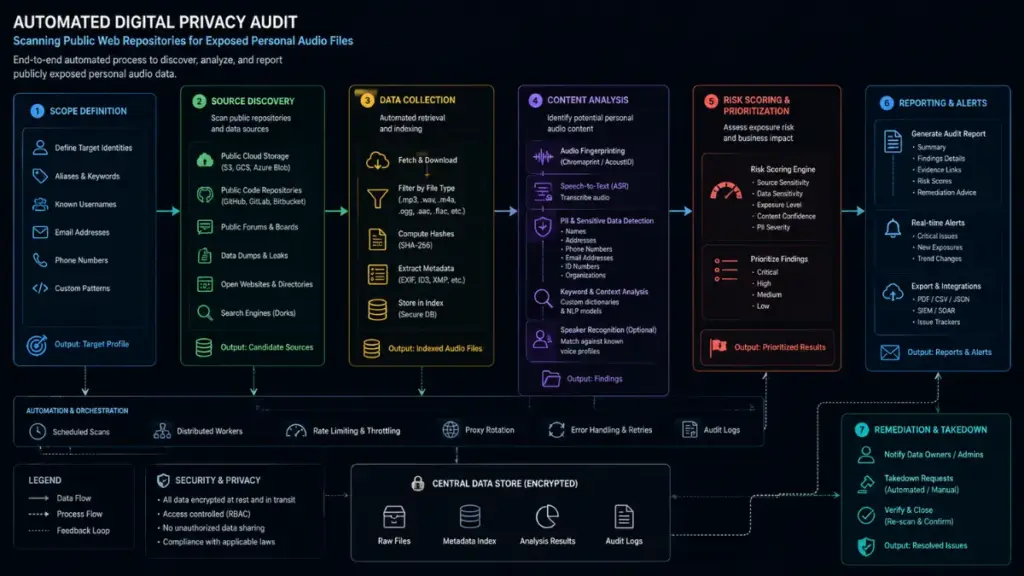
Regularly adjusting privacy settings across social media accounts also restricts public access to personal voice samples, starving automated collection bots of the training data required to build cloned voice models.
Historical Lessons and Continuous Awareness for Digital Safety
As artificial intelligence technologies evolve, cybercriminals continuously refine their technical tactics to bypass security filters. Maintaining active security hygiene requires staying informed about emerging phone fraud methodologies, updated authentication standards, and modern defense frameworks.
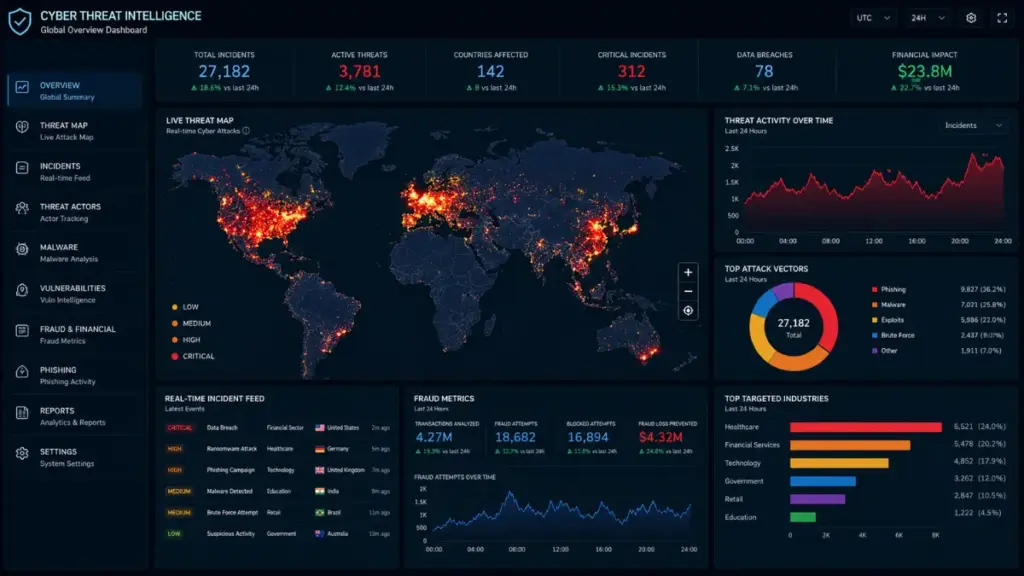
Combining hardware-level authentication with systematic operational habits ensures your personal finances remain protected against synthetic voice schemes and advanced electronic fraud.
Conclusion
Synthesized speech technologies present unprecedented challenges to personal financial privacy and traditional identity verification models. By understanding how attackers manipulate voice samples, bypass passcodes, and exploit psychological vulnerabilities, individuals can construct resilient defensive measures. Adopting verification habits, securing personal media assets, and maintaining strong authentication protocols effectively neutralizes modern AI scams, protecting personal wealth from automated digital exploitation.
PLEASE LEAVE A COMMENT BELOW TO RECEIVE FREE EXPERT CONSULTATION OR FOLLOW OUR WEBSITE THE COUCH INSIDER TO STAY UPDATED WITH THE LATEST KNOWLEDGE.