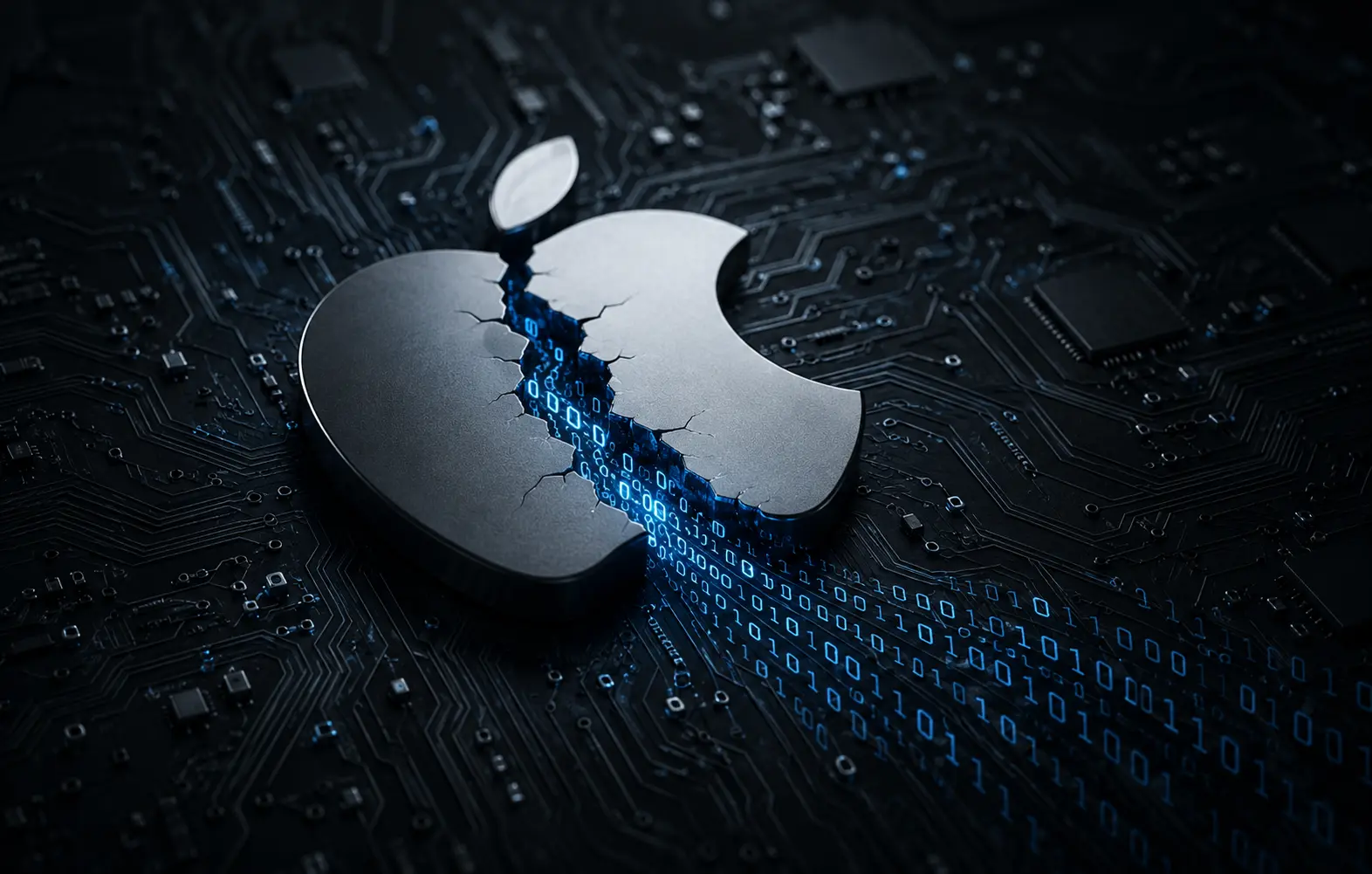

In the early days, Apple’s reputation for absolute secrecy was built on a foundation of mystery and tight-knit control. As the company grew, however, the Apple supplier security framework has transformed from preventing lost prototypes at a local pub to managing complex, globalized data protection across thousands of miles of production lines.
- From a Forgotten Bar to a Global Supply Chain: How Apple’s Biggest Leaks Have Changed
- Why Did Apple Become Much Harder to Keep Secret?
- Steve Jobs Built Apple’s Culture of Secrecy. Can Tim Cook’s Supply Chain Preserve It?
- Why Modern Leaks No Longer Come From Lost Prototypes
- How Apple Is Quietly Reinventing Its Security Strategy
- Is Apple Actually Losing Control—or Simply Playing a Different Game?
- Frequently Asked Questions
- Conclusion
Read more: The Dark Side of Silicon-Carbon Batteries: The Real Reason Apple and Samsung Are Staying Away.
From a Forgotten Bar to a Global Supply Chain: How Apple’s Biggest Leaks Have Changed
2010: The iPhone 4 prototype left in a California bar—and why the leak shocked Apple
The 2010 incident involving a lost iPhone 4 prototype at a bar remains a historic turning point. This event shocked the tech industry because it was a rare physical slip-up by a company that prioritized total control. It forced an internal audit of how engineers handled hardware outside of restricted zones, setting the stage for future strictness toward every Apple supplier.

2021: The Quanta ransomware attack proved Apple’s suppliers had become the weakest link
The digital threat landscape underwent a fundamental transformation by 2021. When a high-profile ransomware incident targeted a primary assembly specialist, the resulting exposure of confidential technical schematics underscored a harsh reality. Protecting trade secrets no longer depends solely on internal protocols, but rather on the collective cyber resilience of every entity across the decentralized production ecosystem.
2026: The Tata incident shows leaks are no longer isolated accidents, but part of a larger trend
Recent security breaches underscore that data exposure is no longer limited to individual negligence or localized theft. Within today’s interconnected global landscape, industrial protection must evolve to address the realities of a vast, decentralized production network, where sensitive intelligence is susceptible to exfiltration from any point in the supply chain.
Why Did Apple Become Much Harder to Keep Secret?
From a handful of trusted partners to hundreds of suppliers across multiple countries
The sheer volume of logistics involved today makes isolation difficult. As Apple expanded its supply chain management, the number of individuals at every Apple supplier with access to pre-release information grew exponentially.

How India’s growing manufacturing role expanded Apple’s attack surface
The shift to new regions like India has provided significant production advantages. However, this expansion also broadens the geographical and organizational attack surface, requiring a more nuanced strategy for every Apple supplier that operates in different regulatory and operational environments.
Every new production partner increases efficiency—but also creates another potential leak point
While scale drives profit, every new Apple supplier added to the ecosystem is a potential chasm for information. Balancing output with internal protocol is the central challenge for modern operations.
Steve Jobs Built Apple’s Culture of Secrecy. Can Tim Cook’s Supply Chain Preserve It?
“True security in the modern industrial age is not merely about keeping a door locked; it is about managing the infinite points of failure inherent in a globalized, hyper-connected manufacturing ecosystem.”
Luna
Steve Jobs’ obsession with compartmentalization and absolute secrecy
Under Jobs, the culture was defined by “need to know” silos. It was a philosophy where secrecy was treated as a premium product feature, just as essential as the design of the devices produced by any Apple supplier.
Tim Cook transformed Apple into the world’s most efficient manufacturing network
Tim Cook successfully scaled the company into a global juggernaut. He prioritized lean operational excellence, which demanded deep collaboration with partners that were previously kept at arm’s length.
The unavoidable trade-off between global scale and perfect secrecy
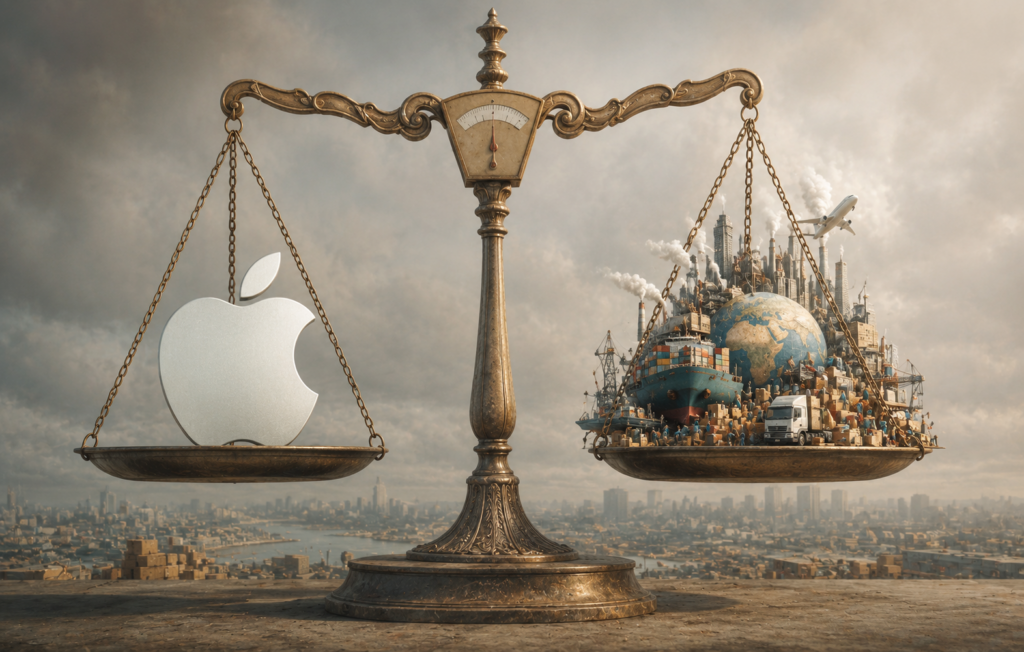
The company now faces a fundamental tension. While global scale provides massive competitive advantages, it inherently dilutes the airtight, “ivory tower” control that characterized the early, smaller iteration of the business and its relationship with each Apple supplier.
Why Modern Leaks No Longer Come From Lost Prototypes
Digital CAD files, internal collaboration platforms and cloud-based manufacturing workflows
Today, the most critical secrets are stolen from servers, not bars. CAD files and secure collaborative platforms utilized by an Apple supplier have become the primary targets for industrial espionage.

AI, cyberattacks and ransomware have fundamentally changed industrial espionage
Sophisticated AI tools allow attackers to scan vast amounts of stolen data quickly. Ransomware groups now specialize in targeting the intellectual property of an Apple supplier, forcing a complete overhaul of how data security is implemented.
More Read


Today’s most valuable Apple secrets often leak before a physical device even exists
The highest-value information today exists in the design phase. Preventing leaks during this stage, specifically regarding an Apple supplier, is far more difficult than securing a physical warehouse.
How Apple Is Quietly Reinventing Its Security Strategy
Zero-trust access instead of organization-wide trust
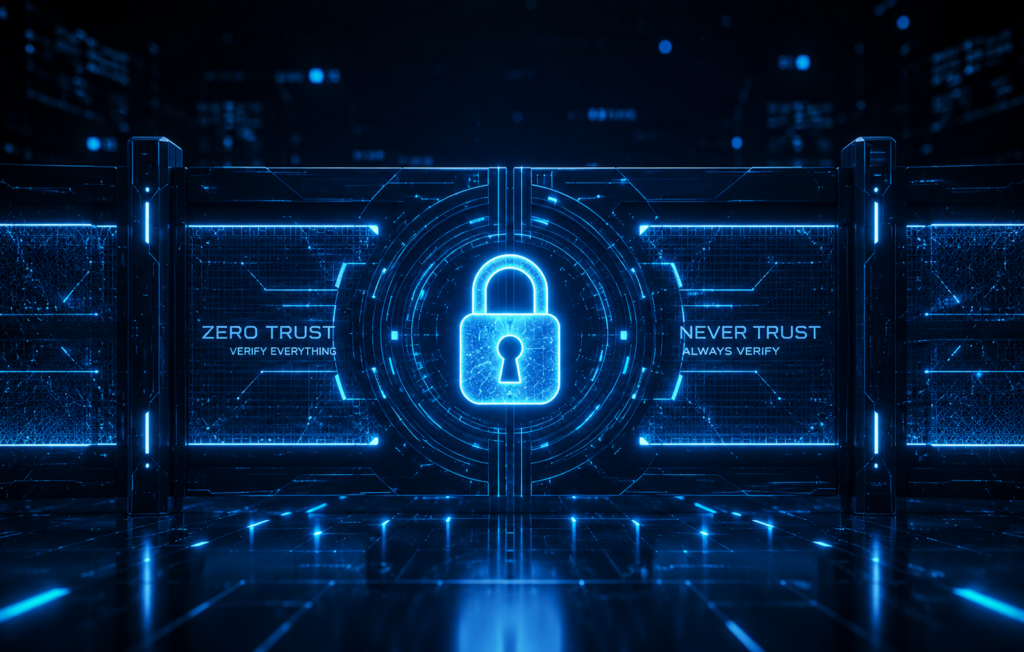
Apple is moving toward a zero-trust model where every data request from an Apple supplier, whether internal or external, must be verified. This prevents lateral movement if one segment of the supply chain is compromised.
Watermarked engineering files and traceable digital fingerprints
By embedding invisible watermarks in CAD drawings, the company can trace any leaked document back to the specific workstation or user account at an Apple supplier that accessed it.
Smaller development circles, segmented permissions and tighter supplier audits
The strategy now involves restricting sensitive project access to the absolute minimum number of people required, combined with rigorous, ongoing supplier security audits for every Apple supplier.

Is Apple Actually Losing Control—or Simply Playing a Different Game?
“In an era of ubiquitous digital intelligence, total secrecy is an illusion. The real competitive advantage lies in the ability to pivot rapidly and maintain execution speed even when the element of surprise is compromised.”
Luna
Why some leaks may be impossible to eliminate in today’s manufacturing ecosystem
In a world of tens of thousands of workers across an Apple supplier network, absolute silence is a mathematical impossibility. Managing expectations about these leaks has become part of the game.
The difference between preventing every leak and controlling the narrative
The current strategy regarding an Apple supplier often shifts focus from stopping information entirely to controlling how that information is perceived, ensuring that rumors do not damage the official launch cycle.
Apple’s biggest competitive advantage may no longer be secrecy—but execution
Perhaps the most significant realization is that while secrecy is nice, the company’s real power is its ability to deliver products at an unmatched scale and quality, regardless of whether a few details leak beforehand from an Apple supplier.
Frequently Asked Questions
What was Apple’s biggest product leak before the Tata incident?
The 2010 iPhone 4 prototype lost at a bar is widely considered the most damaging physical leak in the company’s history, long before the modern Apple supplier complexities existed.
Why are suppliers now responsible for many Apple leaks?
As manufacturing moved to decentralized global networks, an Apple supplier gained access to sensitive engineering data, making them primary targets for cyberattacks.
Has Apple officially changed its secrecy policies?
While internal policies are never public, industry analysts have noted a transition toward zero-trust digital architecture and stricter auditing protocols for every Apple supplier.
Will future products like the iPhone Fold be harder to keep secret?
Complex, novel form factors involve longer development cycles and more experimental manufacturing processes, inherently increasing the risk of information surfacing early via an Apple supplier.
Conclusion
The security strategy regarding every Apple supplier is a testament to the company’s ability to adapt. While the days of absolute, impenetrable silence may be fading in the face of globalized manufacturing, the company has pivoted toward sophisticated digital containment and narrative control.
FOR FURTHER ASSISTANCE OR TO EXPLORE MORE INDUSTRY INSIGHTS, FEEL FREE TO LEAVE A COMMENT OR FOLLOW THE COUCH INSIDER FOR THE LATEST UPDATES.