
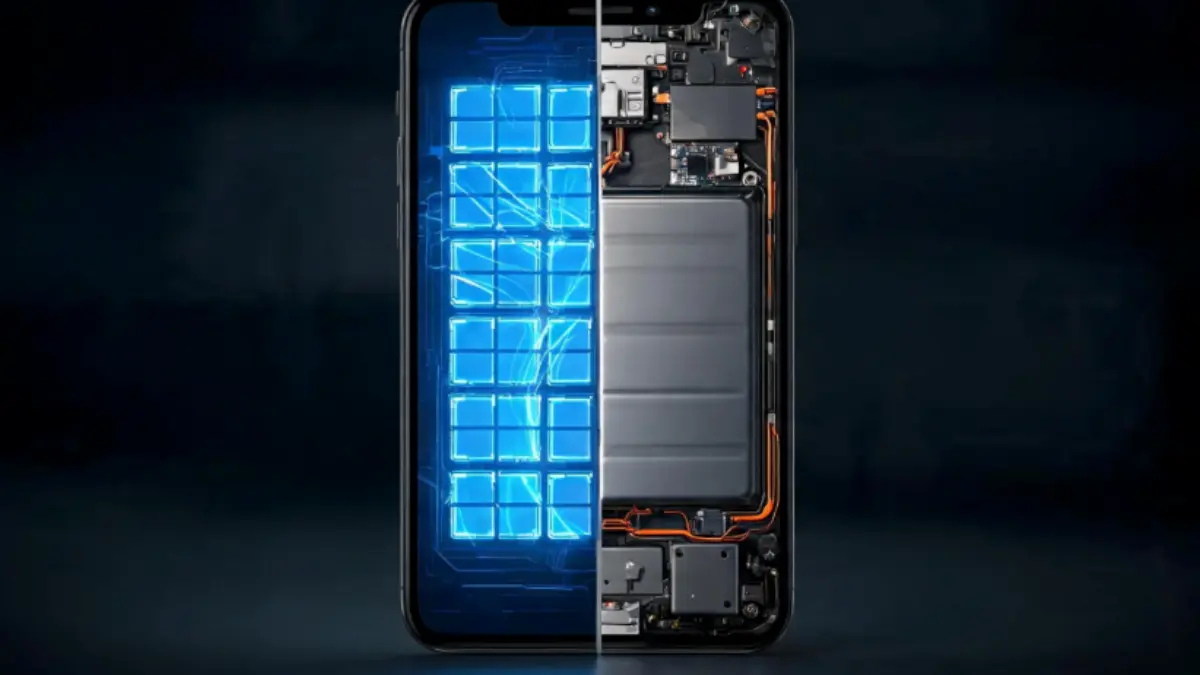

Imagine a smartphone so incredibly thin it feels like a simple pane of glass, yet it houses a massive 6,000 mAh battery that easily survives two days of heavy use. This is the real-world promise of silicon-carbon batteries, a technology heavily praised as the next mobile revolution. However, a glaring paradox exists: despite massive marketing pushes overseas, premium titans like Apple and Samsung have completely blacklisted this technology from their flagship devices in the U.S. market. Why would industry leaders willingly let competitors beat them on raw battery specs? The truth lies in a web of severe engineering risks, brutal U.S. regulatory roadblocks, and geopolitical supply chain monopolies that make this “miracle” battery a strategic nightmare.
- The Hype vs. The Silence: What Are Silicon-Carbon Batteries?
- The Physics Problem: Severe Degradation and the Swelling Risk
- The Regulatory Nightmare: Why You Can’t Buy Them in the U.S.
- The Geopolitical Trap: Supply Chain Monopolies
- The Silver Linings: Where This Chemistry Actually Excels
- Fast Facts: Answering Your Biggest Battery Questions
- The Smart Consumer’s Verdict
The Hype vs. The Silence: What Are Silicon-Carbon Batteries?
To understand the hesitation of Western tech giants, you first need to understand the underlying chemistry of silicon-carbon batteries. Traditional lithium-ion smartphone batteries rely on graphite for the negative electrode (the anode). Silicon-carbon chemistry replaces or blends that graphite with silicon nanostructures.
Because silicon can absorb and store up to 10 times more lithium ions than standard graphite, these next-generation cells can pack drastically more energy into the exact same physical footprint. Currently, this technology is almost exclusively driven by Chinese smartphone manufacturers. Brands like Honor, Xiaomi, and Vivo use it to achieve impossibly thin foldable profiles or to offset the bulk of massive camera sensors.
However, cramming that much energy into a tiny space breaks fundamental laws of physical stability, leading us directly to the technology’s dark side.
The Physics Problem: Severe Degradation and the Swelling Risk
The primary reason Apple and Samsung are refusing to adopt this technology comes down to the brutal laws of physics during the charging cycle. When a battery charges, lithium ions insert themselves into the anode structure.
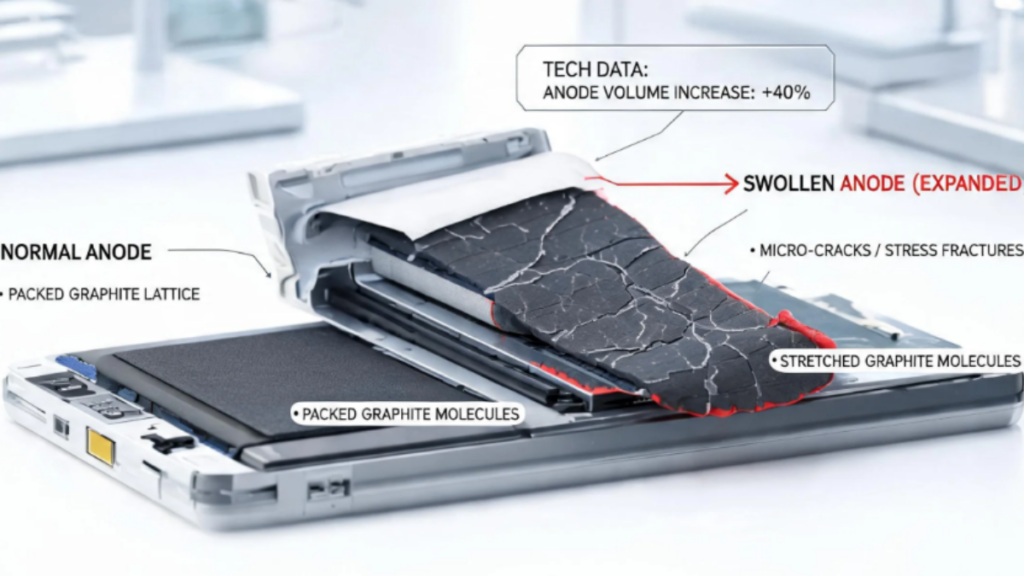
Silicon absorbs these ions so aggressively that the anode inside silicon-carbon batteries swells up to 300% in volume compared to its discharged state. By contrast, traditional graphite expands by a highly manageable 10%. This continuous, violent ballooning and shrinking during every single charge cycle eventually shatters the internal structure of the battery.
This mechanical stress leads to two devastating consequences for the consumer:
- Rapid Battery Degradation: The protective surface layer of the anode is repeatedly destroyed and reformed. This causes the real-world capacity of silicon-carbon batteries to plummet rapidly, severely degrading the device’s lifespan after just 1 to 2 years of daily use.
- The Threat of Deflection: Extreme internal pressure inside a tightly sealed smartphone chassis can easily rupture internal separator membranes. This directly causes smartphone battery swelling, warped frames, and in worst-case scenarios, catastrophic short circuits and fires.
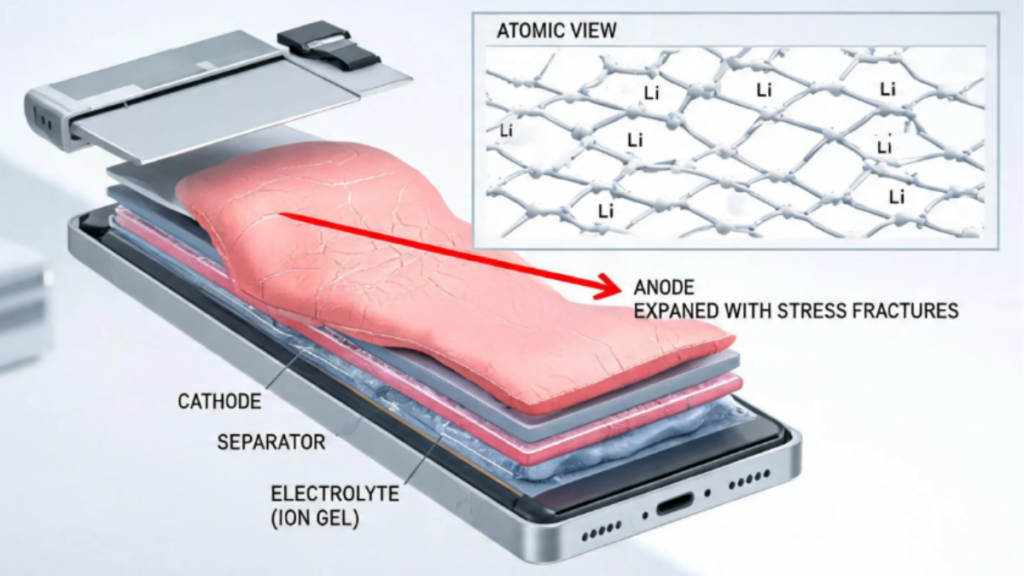
Key Insight: TThe American consumer upgrade cycle now stretches to 4 or 5 years. Apple and Samsung prioritize long-term hardware reliability above all else. They simply cannot risk their brand reputations on silicon-carbon batteries, a volatile chemistry that could severely degrade or physically warp the phone within 18 months.
The Regulatory Nightmare: Why You Can’t Buy Them in the U.S.
Beyond raw engineering flaws, the United States enforces some of the most unforgiving product safety regulations in the world. Having learned costly historical lessons from the infamous Galaxy Note 7 recall, regulatory bodies view high-energy-density batteries with extreme, uncompromising scrutiny.
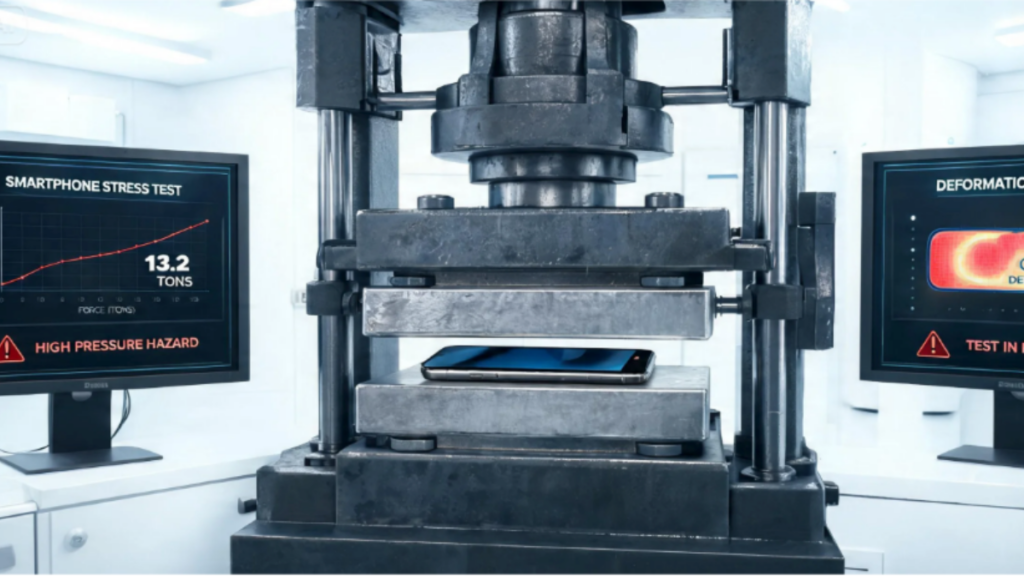
For a smartphone to be sold en masse through major U.S. carriers like AT&T or Verizon, it must pass brutal physical stress, drop, and thermal shock testing mandated by the Consumer Product Safety Commission (CPSC) and the FAA. Because of their inherent volumetric expansion and internal stress, current silicon-carbon batteries cannot guarantee a 100% safety margin under these standardized American carrier tests.
The Geopolitical Trap: Supply Chain Monopolies
Even if the engineering flaws were magically solved tomorrow, a massive geopolitical chess game prevents immediate adoption. The core patents, chemical processing facilities, and manufacturing infrastructure for silicon-carbon batteries are heavily monopolized by Chinese energy giants like CATL and Amperex Technology (ATL).
Amid ongoing U.S.-China trade tensions, aggressive tech decoupling, and unpredictable tariff structures surrounding technologies like silicon-carbon batteries, Apple and Samsung are actively diversifying their supply chains away from China into countries like India and Vietnam.
Committing their flagship devices to a battery technology where the entire global supply chain is controlled by a single geopolitical rival is a strategic nightmare. It would leave both Western tech giants highly vulnerable to sudden component shortages and political leverage.
More Read

The Silver Linings: Where This Chemistry Actually Excels
To be objective, silicon-carbon batteries are not inherently bad; they are just highly specialized. While they lack the endurance for a 5-year lifespan, they offer unique technical benefits that traditional batteries cannot match.
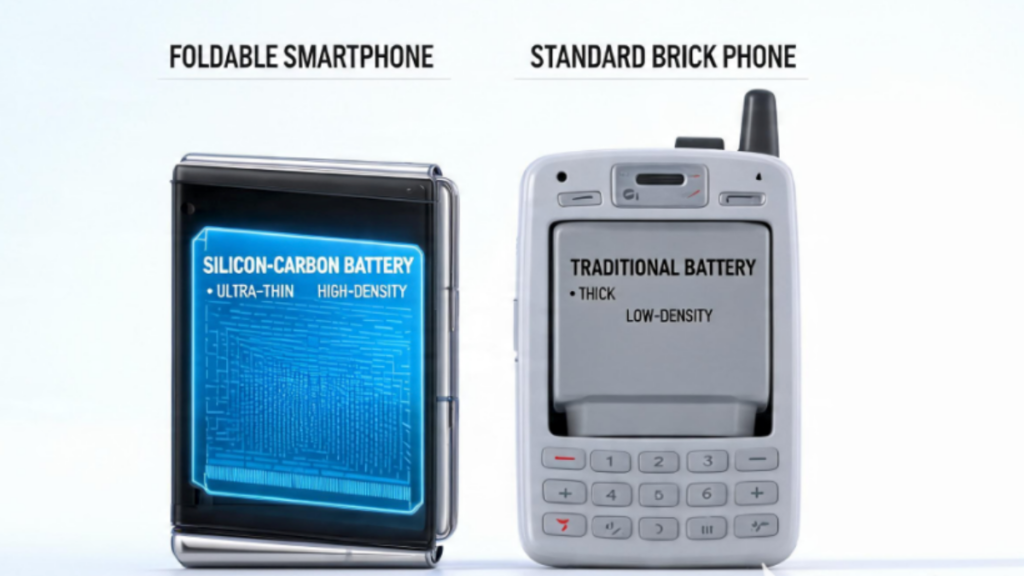
- Unrivaled Volumetric Density: This chemistry allows intricate foldable phones to stay razor-thin while actually outlasting standard, thicker brick phones.
- Cold Weather Dominance: Unlike traditional lithium-ion batteries that lose voltage rapidly in freezing temperatures, silicon-carbon batteries retain their charge and operational output remarkably well in extreme cold.
Head-to-Head: Silicon-Carbon vs. Traditional Lithium-Ion
| Technical Feature | Silicon-Carbon Battery (Next-Gen) | Traditional Lithium-Ion (Apple / Samsung) |
| Energy Density | Ultra-High (~700-800 Wh/L). Enables massive capacities in tight spaces. | Moderate (~550-650 Wh/L). Reaching its absolute physical limits. |
| Long-Term Durability | Poor. High tendency to degrade noticeably within 1 to 2 years due to micro-cracking. | Excellent. Highly stable chemistry that maintains optimal capacity over 4+ years. |
| Swelling & Deflection | Extremely High. Anode expands up to 300%, putting severe pressure on the chassis. | Very Low (~10%). Retains structural shape and stability under intense pressure. |
| Repair & Parts | Difficult. Replacement parts are scarce in Western markets; repair costs are high. | Easy. Vast global network of authorized service centers with cheap, available parts. |
Fast Facts: Answering Your Biggest Battery Questions
Will the iPhone or upcoming Samsung Galaxy flagships use silicon-carbon batteries soon?
It is highly unlikely for the U.S. market in the near future. While Apple and Samsung are reportedly researching silicon-anode materials internally, they will not deploy them globally until the mechanical swelling issues are entirely solved and the supply chains shift away from China.
Are silicon-carbon batteries safe to use right now?
Yes, they are generally safe for daily use under normal conditions. Current manufacturers use advanced software algorithms and reinforced titanium structural cages to contain the swelling. However, their long-term thermal runaway risks over a 4-to-5-year lifespan remain largely unproven compared to traditional cells.
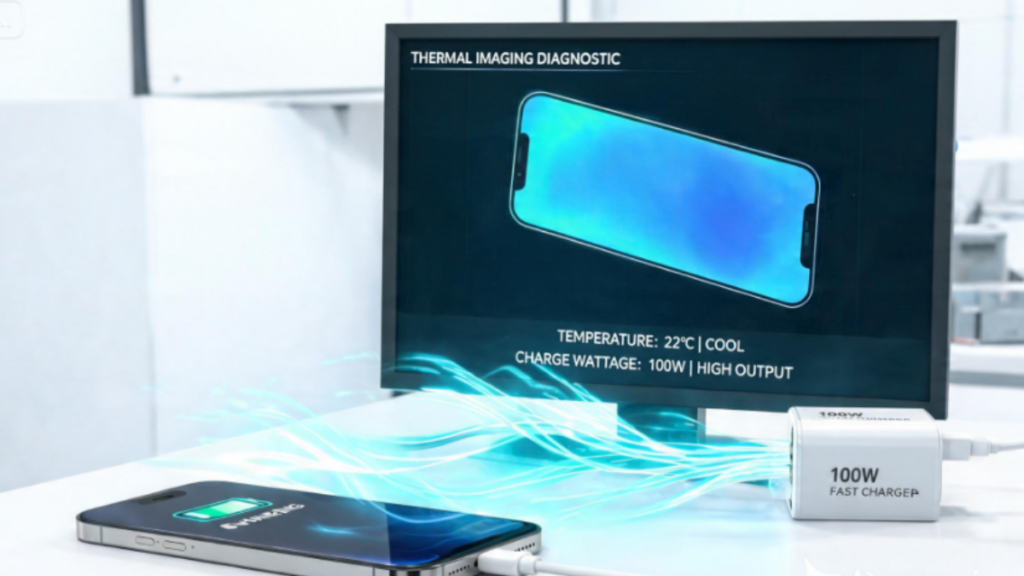
How do I know if my smartphone battery is beginning to swell?
Key warning signs include the screen or back glass subtly lifting or separating from the metal frame, unusual internal warmth during basic tasks, or the phone rocking unsteadily when placed flat on a hard table.
The Smart Consumer’s Verdict
A silicon-carbon batteries is very much like a high-end, exotic racecar: it offers breathtaking speed, gorgeous ultra-thin engineering, and cutting-edge specs. However, it requires high maintenance and carries a significantly higher risk of breaking down prematurely. Conversely, the traditional lithium-ion batteries utilized by Apple and Samsung are like a dependable family SUV: they won’t break any speculative records, but they are incredibly safe, highly reliable, and will easily get you through years of daily use without a hitch.
Ultimately, whether you should seek out a phone with this new battery tech depends entirely on your lifestyle. If you are a hardcore tech enthusiast who upgrades every 12 months and demands the thinnest foldable designs, silicon-carbon offers a fantastic glimpse into the future.
However, if you view your smartphone as a long-term investment—demanding absolute safety, predictable reliability, and easy repairs over a half-decade—sticking with the tried-and-true engineering of Apple and Samsung remains the smartest bet.
Want to stay ahead of the curve on the technology powering your daily life? Dive deeper into our Mobile Tech and Consumer Electronics archives at The Couch Insider to uncover the real engineering secrets behind the devices you use every day.