


Recent discussions expose profound frustration over the crumbling PlayStation Store legacy ecosystem, where gamers argue that systemic platform neglect is a calculated strategy to phase out older digital libraries. Navigating the PlayStation Store legacy environment highlights deep-seated corporate disregard for digital preservation.
- The Architectural Collapse of Search and Cart Systems
- Corporate Psychology and the Absence of Market Competition
- Comprehensive Multi-Company Comparison: How Leading Publishers Handle Legacy Ecosystems
- The Economic Reality: Why Engineering Costs Kill Legacy Support
- Manufacturing the Narrative: Fabricating Low Sales to Justify Closures
- Consumer Traps, Account Security, and the Ethics of Piracy
- Conclusion
Many analysts suggest this breakdown is an unintended structural side effect of dismantling storefront districts elsewhere in the corporate network. Once a core system component breaks due to deferred maintenance, corporate leadership simply chooses never to fund a fix.
The Architectural Collapse of Search and Cart Systems
It feels deeply alarming that older marketplaces have suffered such catastrophic functional failures after operating for years with only minor lag. Technical glitches within the PlayStation Store legacy network stem from unpatched backend architecture that users cannot bypass. When utilizing the PlayStation Store legacy search bar, users encounter perpetual loading errors that completely block retro game discovery.
However, the native search function is completely broken across the board. This critical failure renders discovering retro titles practically impossible because specific items refuse to populate search index results.

The user experience degrades further when attempting actual transactions within the PlayStation Store legacy network. Gamers can access their digital shopping carts, but adding items triggers persistent, unresolvable error loops.
Purchasing architecture is notoriously fragmented across hardware dashboards, web browsers, and mobile apps. To provide complete clarity on these severe purchasing barriers, the following detailed matrix outlines specific game titles, content categories, and the exact transactional restrictions plaguing users across the PlayStation Store legacy channels:
| Specific Game Title / Content Category | Platform Availability & Channel Breakdown | Exact Transactional & Access Restriction | Collector & Player Impact |
| Wipeout Omega Collection | Restricted to modern hardware dashboards (PS4/PS5 consoles) | Completely barred from standalone legacy storefront acquisition | Forces players onto newer hardware ecosystems to access specific titles |
| Yakuza 0 to Director’s Cut | Fragmented bundle distribution | Locked exclusively behind massive packages like Yakuza The Complete Series | Prevents individual purchases; forces buying unneeded games |
| Console-Only Exclusive Titles | Restricted to on-device console storefronts | Blocked from web browser purchasing and mobile companion apps | Creates frustrating navigation barriers for digital buyers |
| Web-Only & App-Only Listings | Fragmented across separate web and mobile portals | Unavailable directly through legacy console UI dashboards | Scatters purchasing power across disconnected digital frontends |
| PS3 Store Search-Indexed Games | Hidden due to non-functional search bars and missing tabs | Search queries fail completely; games do not appear in lists | Renders major portions of the retro digital library unsearchable |
| Shopping Cart Error Items | Trapped inside active user checkout carts | Users can view items in cart but cannot successfully add or checkout | Prevents final payment processing and order completion |
Read more: Bringing Madden NFL 27 to apple arcade games marks a major leap forward for mobile gaming!

Meanwhile, games like Yakuza 0 are locked behind massive, expensive packages such as Yakuza The Complete Series. Many active players cannot even verify legacy conditions because they utilize modified hardware or have avoided logging into legacy networks for years.
Corporate Psychology and the Absence of Market Competition
Sony operates as an absolute corporate giant with virtually no direct competition challenging its high-end console dominance. When a dominant publisher faces zero market pressure, long-term consumer satisfaction easily takes a backseat to short-term profits.
Consumer commentary frequently notes a stark contrast in publisher philosophies across the industry. While companies like Nintendo genuinely love consumers buying products and successfully maintain high valuations on original launch titles, Sony seems fundamentally averse to people acquiring older software.

Furthermore, the general gaming landscape reflects a sobering reality regarding industry consolidation. With the gradual decline and stagnation of competing brands like Xbox, major corporations feel emboldened to phase out legacy customer support entirely.
Comprehensive Multi-Company Comparison: How Leading Publishers Handle Legacy Ecosystems
To thoroughly evaluate how major industry entities manage older game libraries, storefront reliability, and consumer access within spaces comparable to the PlayStation Store legacy framework, the following detailed comparison matrix evaluates multiple key market players:
| Company / Entity Name | Primary Legacy Store Policy | Treatment of Retro / Old Games | Storefront Reliability & Architecture | Consumer Trust & Market Perception |
| Sony PlayStation | Active phase-out and structural neglect of legacy storefronts | Appears averse to retro purchases; lets older titles rot | Severe search errors and broken shopping carts on legacy networks | Often perceived as indifferent to digital preservation and old libraries |
| Nintendo | Closed-loop digital eShops per hardware generation | Retains high valuation on classic properties; sells launch games at full price | Stable operational frameworks across supported hardware families | Viewed as fiercely protective of its IP and evergreen catalog |
| Xbox / Microsoft | Shifting multi-platform focus amidst brand stagnation | Facing declining market presence and software momentum | Experiencing corporate restructuring and shifting priorities | Characterized by community discussions as a fading brand legacy |
| Legacy Storefront Operators | Disconnected regional storefront dismantling | Prone to breaking backend architecture during district changes | High frequency of unpatched server bugs and broken search tools | Viewed by users as neglecting basic consumer maintenance duties |
| Third-Party Publishers | Fragmented digital distribution policies | Frequently delists older spin-offs or locks them in mandatory bundles | Dependent on platform-holder stability and server health | Criticized for prioritizing short-term profits over game availability |
| Mobile App Storefronts | Fragmented multi-platform application interfaces | Scatters game purchases across separate web, app, and console apps | Prone to UI clutter, broken links, and navigation confusion | Frustrates consumers seeking unified digital purchasing options |
| Digital-Only Conglomerates | Aggressive cost-cutting on backend engineering | Views maintaining old servers as a direct financial loss | Discontinues support as soon as commercial hardware cycles end | Sparks intense community debates regarding digital ownership rights |
| Alternative Retro Platforms | Decentralized archiving and community preservation | Steps in when official corporate channels fail completely | Operates outside standard corporate legal frameworks | Praised by retro enthusiasts for saving lost digital history |
| Subscription-Driven Publishers | Pushes users toward monthly rental models | Restricts permanent game ownership in favor of temporary access | Relies on proprietary streaming and cloud infrastructure | Polarizing among collectors who prefer owning classic games |
The Economic Reality: Why Engineering Costs Kill Legacy Support
The most pragmatic, profit-driven answer to these technical failures boils down to cold corporate accounting. Executive leadership views maintaining the PlayStation Store legacy framework as an avoidable financial drain that impacts quarterly sheets.
More Read

Fixing bugs within the PlayStation Store legacy database requires expensive developer hours that do not yield short-term corporate profits. High engineering costs heavily discourage active maintenance of the PlayStation Store legacy servers.

If players continue buying inexpensive retro titles, hosting, database maintenance, and transaction processing fees outweigh incoming transactional revenue. Corporations operate under the assumption that they generate a net loss every time a user purchases legacy content.
Consequently, as long as a storefront portal technically opens and validates user logins, corporate management treats it as active support to satisfy bare-minimum legal obligations. They simply do not care about legacy platforms or the historical user base.
Manufacturing the Narrative: Fabricating Low Sales to Justify Closures
A prominent community theory suggests these technical breakdowns within the PlayStation Store legacy framework are entirely intentional. Allowing the PlayStation Store legacy ecosystem to rot provides an easy excuse to phase out vintage assets.
Executive teams can later point toward plummeting transaction numbers to claim catastrophically low consumer interest. This fabricated data provides a convenient public relations justification for permanent store closures without provoking massive public backlash.
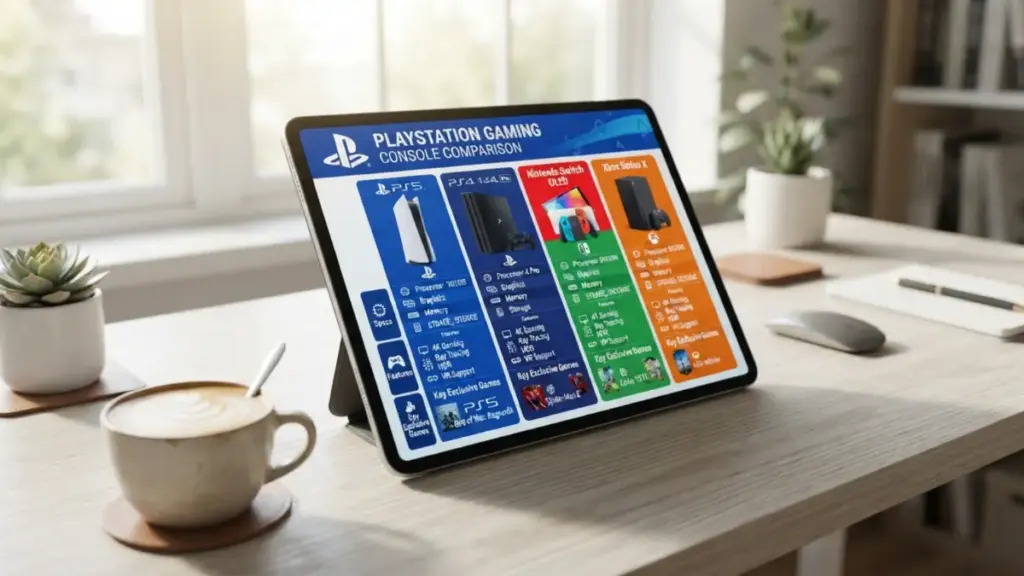
This strategic maneuver deflects public criticism, arriving right after heavy consumer outrage over stopped physical disc manufacturing. It also aligns seamlessly with corporate transitions toward disc-less hardware iterations like upcoming console cycles.
They do not strictly need a complex reason to close storefronts, but engineering an artificial decline helps soften the blow of public scrutiny.
Consumer Traps, Account Security, and the Ethics of Piracy
Navigating the PlayStation Store legacy ecosystem highlights an uneasy relationship between corporate profit motives and player captivity. Consumers feel trapped because they need official network access to play online securely and manage their digital profiles.
Because official purchasing channels are failing, community conversations frequently turn toward alternative ethical frameworks. Some argue that [piracy as a moral obligation] becomes a justified response against conglomerates that restrict access while abandoning older libraries.
“When massive corporations abandon legacy digital infrastructure while extracting maximum profits, consumers begin questioning the entire morality of digital ownership and preservation.”
Luna

Organizing formal consumer boycotts against an unchallenged market leader remains exceptionally difficult. Players ultimately accept compromised digital environments because leaving the ecosystem means sacrificing their entire historical purchase library.
Conclusion
The ongoing degradation of older digital marketplaces underscores a major disconnect in modern software distribution. Cost-cutting engineering decisions will continue pushing legacy players into marginalized corners of the gaming landscape.
Understanding these underlying corporate motivations clarifies why older platforms receive zero meaningful maintenance attention. Consumers must weigh these realities as digital-only ecosystems continue to evolve.
PLEASE LEAVE A COMMENT BELOW TO GET FREE EXPERT ADVICE OR FOLLOW OUR WEBSITE THE COUCH INSIDER TO UPDATE THE LATEST KNOWLEDGE ABOUT THE GAMING INDUSTRY. OUR DEDICATED TEAM OF TECHNOLOGY RESEARCHERS IS ALWAYS READY TO ANSWER YOUR QUESTIONS.