

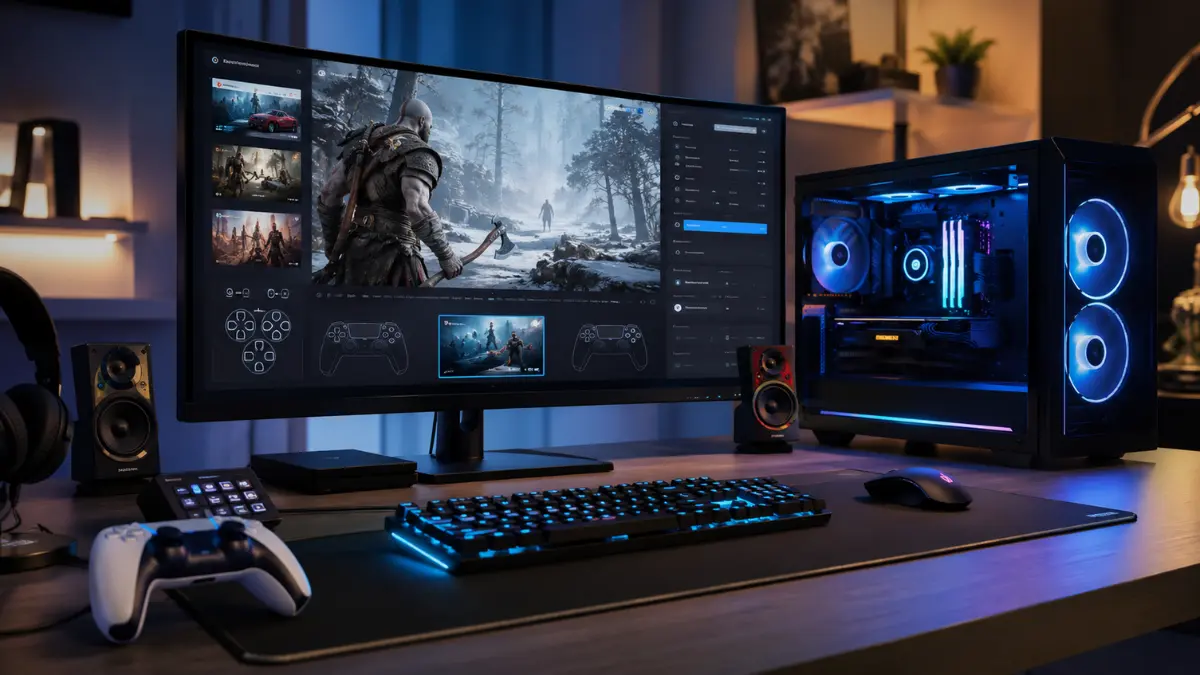
PS5 emulator pc development has reached a major milestone as emerging open-source projects attempt to translate complex console architecture to Windows operating systems. Achieving playable frame rates on exclusive PlayStation titles requires sophisticated Vulkan shader translation layers to render modern graphic pipelines accurately.
- Technical Architecture of the Modern ps5 emulator pc
- Hardware Requirements for Running a ps5 emulator pc
- Leading Software Projects in the ps5 emulator pc Ecosystem
- Legal Landscape and Sony’s Copyright Enforcement Strategies
- Step-by-Step Configuration Guide for Experimental Emulation
- Frequently Asked Questions About ps5 emulator pc
- The Road Ahead for ps5 emulator pc Development
Emerging open-source software projects have successfully booted commercial PlayStation 5 titles on personal computers, marking an unprecedented leap forward in reverse engineering modern x86-64 console architecture. While booting a title is a massive technical victory, running full games at locked 60 frames per second requires overcome severe architectural hurdles, custom GPU driver abstraction, and high hardware overhead.
Technical Architecture of the Modern ps5 emulator pc
CPU Instruction Set Translation and Memory Management
Emulating a modern system demands translating custom AMD Zen 2 CPU instructions directly into x86-64 commands executable by modern desktop processors. Standard execution threads require precise instruction timing to prevent severe thread synchronization deadlocks.
AMD Zen 2 Architecture Translation Layers
The custom AMD Zen 2 processor inside Sony’s console utilizes eight physical cores operating at variable frequencies up to 3.5 GHz. A functional ps5 emulator pc environment must isolate these core instructions and map them directly onto modern multi-threaded desktop processors like AMD Ryzen 7000 or Intel Core 14th Gen chips. Because both systems share the foundational x86-64 instruction set, low-level translation bypasses full CPU emulation, relying instead on dynamic recompilation to maintain real-time performance.
Unified Memory Architecture Virtualization
Sony’s hardware utilizes a unified 16GB GDDR6 memory sub-system shared between the CPU and GPU with a massive 448 GB/s bandwidth. Virtualizing this architecture on standard computers represents a significant bottleneck because desktop PCs separate system DDR5 RAM from dedicated GPU VRAM. The software must implement a high-speed software MMU (Memory Management Unit) to manage virtual addresses, preventing severe latency penalties when transferring data across the system PCIe bus.
Graphics Pipeline Rendering and Vulkan Translation
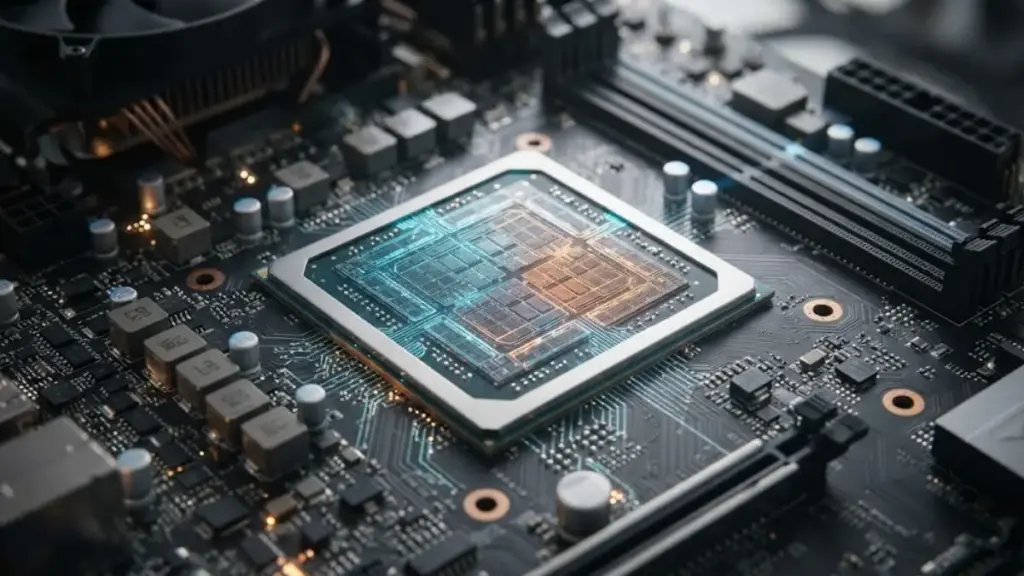
Rendering complex next-gen graphics pipelines requires seamless dynamic conversion of custom AMD RDNA 2 GPU instructions into cross-platform graphical APIs.
The journey to build a stable ps5 emulator pc setup represents the absolute pinnacle of modern open-source software engineering and hardware reverse engineering.
Alex Mercer
Custom RDNA 2 Shader Recompilation
The console’s custom graphics processing unit features 36 Compute Units operating at up to 2.23 GHz, utilizing custom primitive shaders and ray tracing hardware acceleration. A ps5 emulator pc application uses specialized dynamic recompilation compilers to convert native console shaders into standardized SPIR-V intermediate code. This transformation enables host GPUs from NVIDIA, AMD, and Intel to process complex lighting models and shadow passes correctly.
DirectStorage and SSD Controller Emulation
The hardware’s standout feature is its ultra-fast custom NVMe SSD with a raw bandwidth of 5.5 GB/s, driven by a proprietary custom I/O co-processor. Software developers must virtualize these custom hardware decompression blocks, mapping them directly to modern Microsoft DirectStorage APIs on Windows. Without precise I/O emulation, open-world games suffer from aggressive asset pop-in, severe audio desynchronization, or complete runtime freeze events.
Read more: Bringing Madden NFL 27 to apple arcade games marks a major leap forward for mobile gaming!
Hardware Requirements for Running a ps5 emulator pc
Minimum System Specifications and Component Bottlenecks
Attempting to run current experimental builds requires substantial compute hardware. Entry-level desktop configurations will frequently encounter severe processing bottlenecks across graphics and physics threads.
Processor and Vector Instruction Requirements
To maintain baseline operational stability, a ps5 emulator pc setup demands a modern processor equipped with robust AVX-512 or AVX2 vector instruction sets. Processors featuring at least 8 physical cores and 16 threads are mandatory to prevent micro-stuttering during background shader compilation. Older CPUs lacking fast single-core clock speeds will suffer from crippling frame drops during physics-heavy gameplay sequences.
System Memory and Bandwidth Demands
System memory requirements are exceptionally strict due to unified memory virtualization mechanics. Running a stable ps5 emulator pc program mandates a minimum of 32GB high-speed DDR4 or DDR5 RAM operating in dual-channel mode. System memory bandwidth directly dictates how smoothly the system handles real-time texture swapping between physical host RAM and dedicated GPU VRAM storage pools.
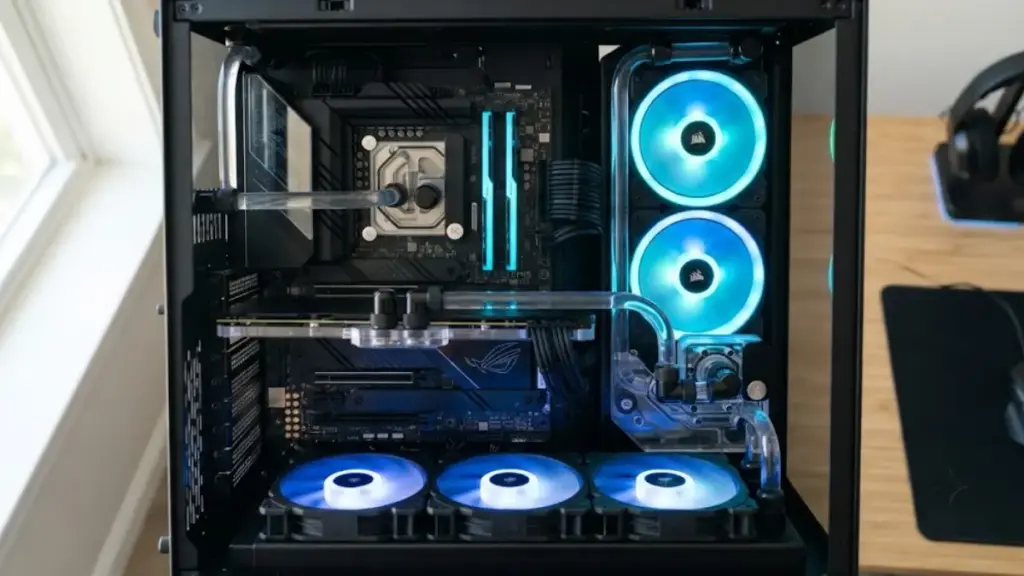
Recommended Setup for Playable Performance
Achieving consistent performance across demanding exclusive software titles requires top-tier enthusiast desktop hardware equipped with high VRAM allocations.
GPU Selection and Dedicated VRAM Limits
Graphics processing demands are intense when executing complex Vulkan rendering translation pipelines. A successful ps5 emulator pc system should be paired with a graphics card featuring at least 12GB to 16GB of dedicated VRAM, such as an NVIDIA RTX 4070 or AMD Radeon RX 7800 XT. Insufficient VRAM causes immediate buffer overflows, crashing the software to the desktop instantly during heavy action scenes.
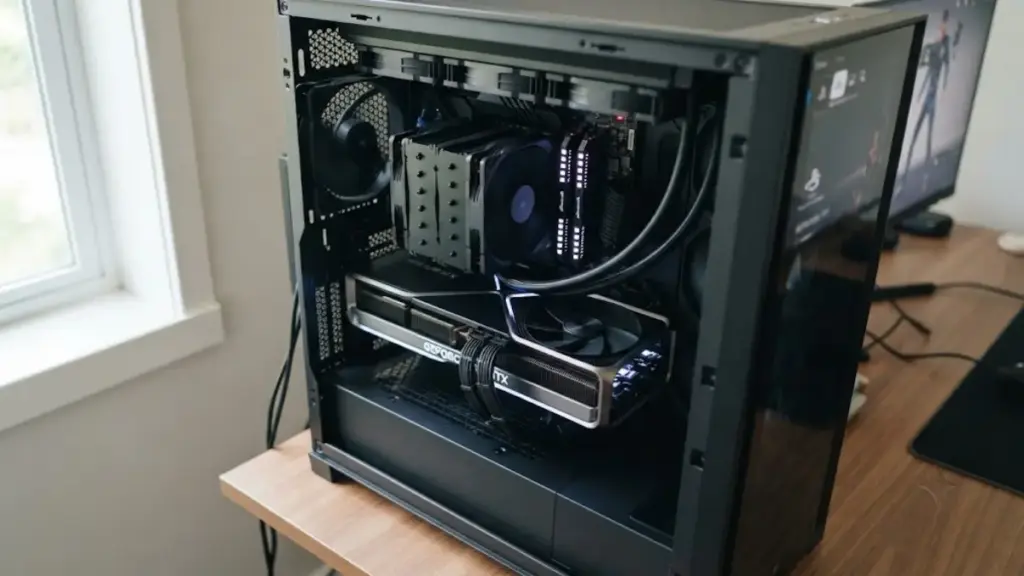
Storage Speed and PCIe Gen 4 Integration
Standard SATA solid-state drives and traditional mechanical hard drives are completely inadequate for modern console virtualization efforts. Running an advanced ps5 emulator pc build requires installing both the operating system and game files on a fast PCIe Gen 4 or Gen 5 NVMe SSD capable of sequential read speeds exceeding 5000 MB/s to prevent asset streaming hitches.
Leading Software Projects in the ps5 emulator pc Ecosystem
Kyty and Early Stage Experimental Applications
Early development milestones were established by pioneering open-source efforts aimed at mapping basic boot cycles and homebrew executables.
Kyty Architecture and Initial Milestones
Kyty emerged as one of the earliest public open-source projects attempting to emulate both PlayStation 4 and PlayStation 5 software environments on Windows. While early builds demonstrated basic 2D commercial game rendering, the project highlighted the extreme difficulties of handling unified memory translation on a standard ps5 emulator pc setup. Kyty established foundational open-source code libraries that paved the way for subsequent developers.
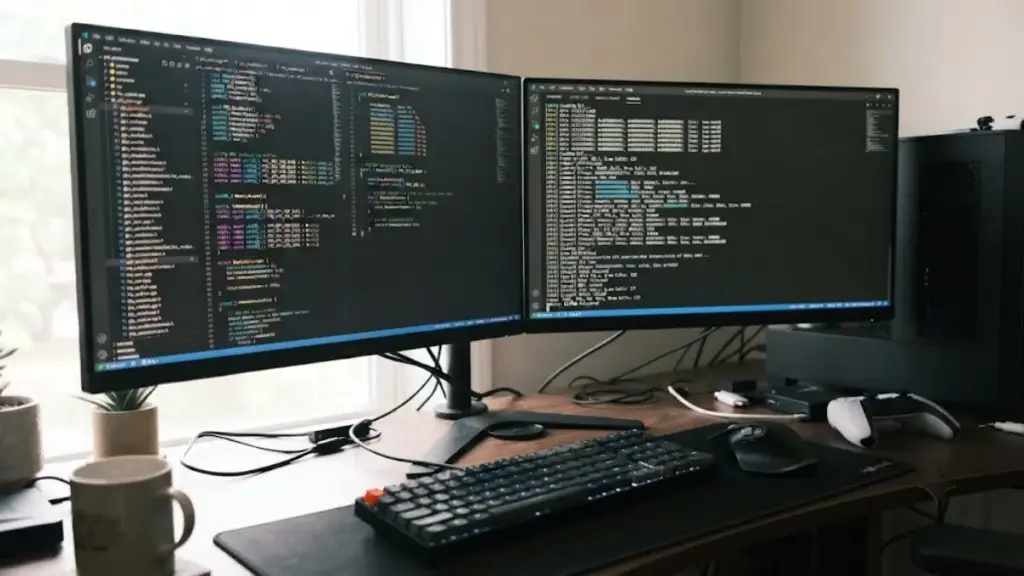
Current Rendering Compatibility Limits
Despite rapid initial development, early projects like Kyty hit technical walls regarding complex 3D graphics rendering pipeline translation. Most 3D exclusive titles executed on an early ps5 emulator pc application suffer from missing textures, corrupted geometry, broken lighting calculation layers, and frequent kernel panic crashes during early boot sequences.
Read more: Mass Exit Warning: Xbox Game Pass Discloses Late July 2026 Departures Far Beyond 8 Titles
InoriPS5 and Modern Open-Source Branch Developments
Second-generation development efforts have focused on modular architecture, isolating specific hardware subsystems into dedicated software abstraction modules.
Modular Subsystem Translation Improvements
Modern software builds like InoriPS5 utilize highly modular system architectures designed to isolate the console’s custom operating system kernel. By separating audio processing, network stack emulation, and input handling into independent threads, a modern ps5 emulator pc platform can achieve far higher operational stability. This modular approach drastically reduces main-thread blocking during complex CPU operations.
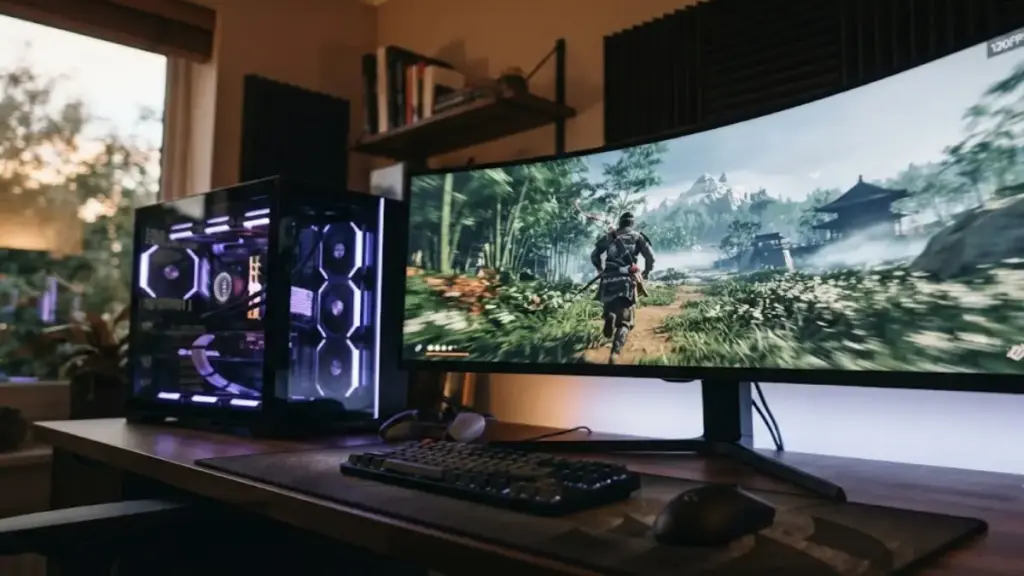
Vulkan API Driver Layer Optimization
Recent advances in custom Vulkan driver layer integration have unlocked significant rendering speed gains. Modern ps5 emulator pc developers leverage specialized Vulkan extensions to match custom RDNA 2 primitive shader behaviors directly on desktop GPUs. These driver-level optimizations eliminate thousands of conversion micro-stutters, allowing experimental software builds to render complex 3D scenes at interactive frame rates.
RPCSX and the Evolution of PS4/PS5 Cross-Emulation
The historical lineage of PlayStation emulation has transitioned from mature PS3 and PS4 architectures toward current-generation console hardware.
Leveraging RPCS3 and Spine Foundations
The rapid progress achieved by current projects relies heavily on code structures pioneered by legendary projects like RPCS3 and Spine. Developers working on ps5 emulator pc projects repurpose proven instruction cache algorithms and virtual memory allocation routines. This cross-pollination of open-source knowledge speeds up development cycles by years, avoiding the need to reinvent basic low-level translation tools.
Kernel Level Command Buffer Emulation
A critical step in reaching commercial game compatibility involves precisely virtualizing the console’s custom FreeBSD-based kernel system calls. A modern ps5 emulator pc engine intercepts GPU command buffers sent by the game executable, mapping them instantly into Windows DirectX 12 or Vulkan queue pipelines. Accurate command buffer translation ensures that complex draw calls are executed without causing system memory access violations.
Legal Landscape and Sony’s Copyright Enforcement Strategies
Digital Rights Management and System Firmware Decryption
Emulating modern hardware is legally distinct from circumvention of proprietary encryption keys and copyrighted system software.
More Read

Proprietary Keys and OS Firmware Legality
Sony protects its console hardware using complex hardware-level Digital Rights Management (DRM) and cryptographically signed system firmware. Running commercial titles on a ps5 emulator pc environment requires decryption keys that cannot legally be bundled or distributed alongside open-source software. Users must extract their own legal cryptographic keys from physical console hardware they personally own to avoid violating federal copyright protection laws.
The DMCA and Reverse Engineering Boundaries
Under the Digital Millennium Copyright Act (DMCA), reverse engineering hardware for interoperability is generally protected, provided no proprietary code is directly copied. Open-source ps5 emulator pc developers must maintain strict “clean room” reverse engineering protocols. If developers incorporate leaked Sony software development kits (SDKs) or proprietary dynamic link libraries, the entire open-source repository faces immediate copyright takedowns.
Case Law Precedents and Distribution Safeguards
Historical legal battles between console manufacturers and software developers have set strict legal boundaries for current open-source projects.
Bleem! and Sony v. Connectix Precedents
Legal precedents established in historic court cases like Sony Computer Entertainment v. Connectix Corp reaffirmed that clean-room hardware emulation is legal under United States copyright law. As long as a ps5 emulator pc project does not contain copyrighted BIOS code or proprietary system files, the software remains entirely legal to develop and distribute publicly under open-source licenses.

Monetization Limits and Patreon Legal Risks
While open-source development is protected, commercial monetization introduces significant legal exposure. Funding a ps5 emulator pc project through platforms like Patreon or SubscribeStar can trigger aggressive legal intervention if early access builds offer playability for unreleased or current commercial exclusives. Developers must maintain strict non-profit operational models to avoid corporate litigation.
Step-by-Step Configuration Guide for Experimental Emulation
Preparing the Host Operating System and Drivers
Achieving maximum operational stability requires precise host operating system configuration and clean graphics driver installation procedures.
Graphics Driver Optimization and Vulkan Runtimes
Outdated graphics drivers are the single most common cause of boot crashes in experimental software builds. Operating a ps5 emulator pc build requires updating your GPU to the latest manufacturer display drivers equipped with full Vulkan 1.3 runtime support. Nvidia and AMD regularly release specialized display driver updates that fix specific Vulkan SPIR-V compiler bugs essential for clean graphics translation.
Windows Memory Page Allocation Settings
Windows default virtual memory settings are often inadequate for heavy unified memory translation. Configured properly, your ps5 emulator pc host system should have pagefile size manually set to a minimum of 32,000 MB across fast NVMe storage drives. Additionally, enabling “Large System Cache” and granting administrative user privileges for hardware memory locking prevents random out-of-memory crashes during prolonged play sessions.
Game Dumping and File Structure Preparation
Converting physical optical discs or legitimate digital purchases into readable software image formats requires specific hardware tools.
Decrypting Native Blu-ray Image Files
Commercial games stored on physical Ultra HD Blu-ray discs use proprietary optical disc filesystems that standard computer disc drives cannot read natively. To run legitimate software on a ps5 emulator pc platform, owners must dump the game contents using a modified console running custom firmware. The resulting decrypt files are exported as uncompressed package structures containing native ELF executables and asset archives.
Directory Mapping and Executable Mounting
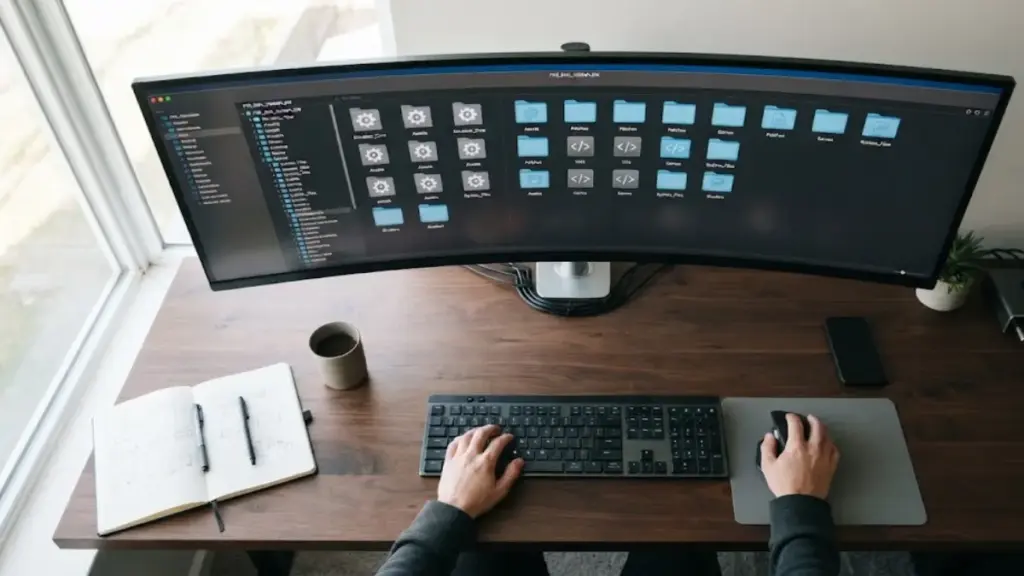
Once game files are decrypted, the software requires structured directory paths to load game assets seamlessly. Placing game packages into a ps5 emulator pc root directory requires matching specific region codes (CUSA/PPSA identifiers) and patch update folders. Correct directory hierarchy ensures that the virtualized operating system kernel locates the primary boot ELF file and loads custom graphic shaders without runtime path errors.
Frequently Asked Questions About ps5 emulator pc
Can a ps5 emulator pc run commercial games at 60 FPS currently?
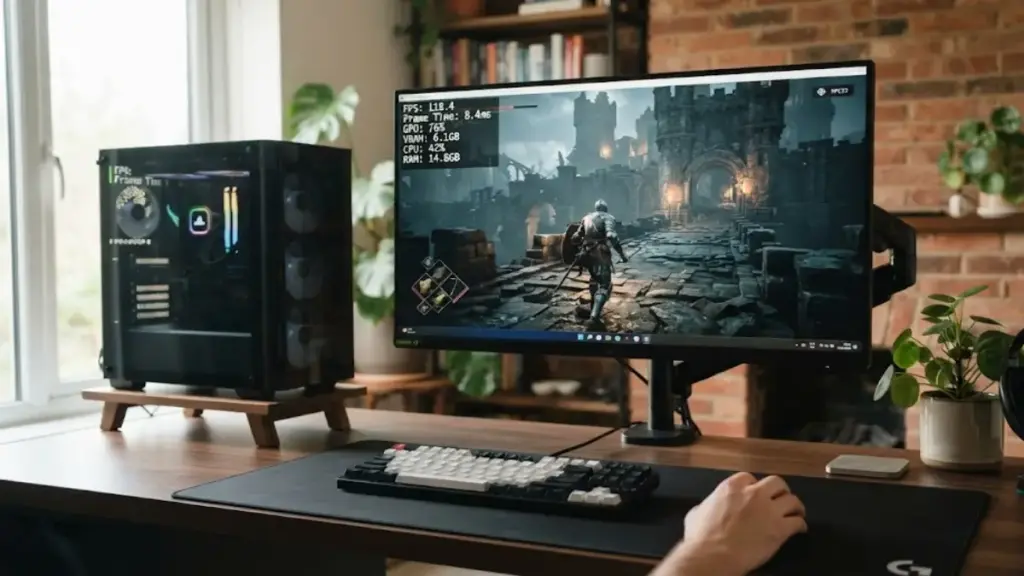
While rapid technological progress is being made daily, running major AAA 3D commercial titles at locked 60 FPS on a ps5 emulator pc application remains experimental. Current software builds can successfully boot select 2D indie titles, homebrew games, and early 3D renders, but full commercial playability across demanding exclusive titles requires ongoing shader optimization and future hardware cycles.
Is it legal to download and use a ps5 emulator pc software?
Yes, downloading and operating open-source ps5 emulator pc software is completely legal under United States copyright laws regarding reverse engineering and software interoperability. However, downloading copyrighted game ISO files, decrypted system firmware, or proprietary cryptographic keys from the internet without owning the physical media remains strictly illegal.
What hardware is the biggest bottleneck for a ps5 emulator pc?
The primary hardware bottleneck for any ps5 emulator pc configuration is single-core CPU IPC performance combined with system RAM bandwidth. Virtualizing unified GDDR6 memory structures across separate DDR5 system RAM and GPU VRAM buses creates severe latency penalties, requiring high-end processors and top-tier graphics cards with large dedicated VRAM buffers to maintain smooth frame rates.
The Road Ahead for ps5 emulator pc Development
The rapid advancement of open-source console emulation continues to push desktop computer hardware to its absolute limits. Developing a fully functional, highly performant ps5 emulator pc platform requires solving unprecedented architectural challenges, from virtualizing high-bandwidth unified GDDR6 memory to dynamically translating complex RDNA 2 primitive shaders in real-time.
As multi-threaded CPU IPC speeds advance and open-source Vulkan translation layers mature, playing modern console exclusives on personal computers will gradually transition from experimental open-source engineering achievements to seamless daily gaming experiences for enthusiasts worldwide.
PLEASE LEAVE A COMMENT TO SHARE YOUR FAVORITE THOUGHTS OR FOLLOW OUR BLOG FOR THE LATEST UPDATES.