

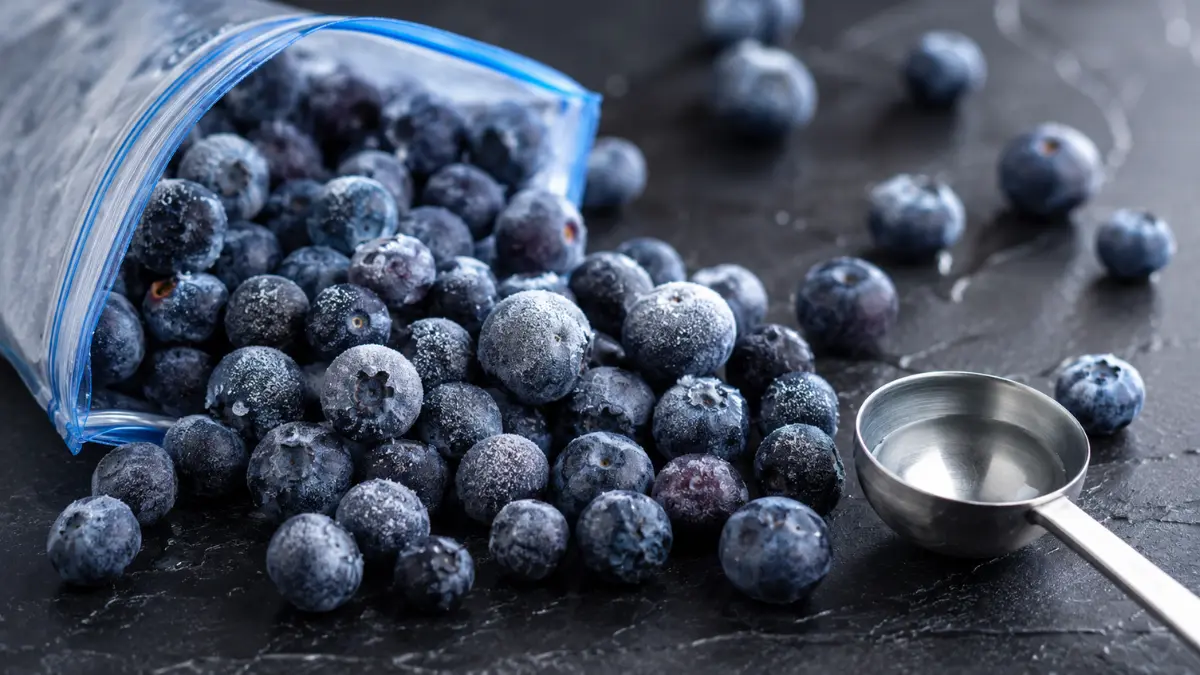

Assuming that a quick rinse under the tap or a high-speed spin in your kitchen blender is enough to sanitize frozen blueberries and make them safe to eat is a dangerous misconception. With the recent FDA recall of organic frozen berries due to Shiga toxin-producing E. coli O145 contamination, millions of consumers are realizing that standard home cleaning methods are completely useless against deep-seated, microscopic pathogens frozen directly into the fruit’s skin.
- Debunking Dangerous Myths About Washing and Blending Frozen Blueberries
- The Greenwise Scandal: How Contaminated Blueberries Sparked E. Coli Alarms
- Decisive Action Plans to Continue Safely Enjoying Blueberries
- Frequently Asked Questions About Pathogen Risks in Frozen Blueberries
- Cultivating Smart Consumer Habits and Enjoying Clean Blueberries
- Reclaiming Your Kitchen Safety and Protecting Your Family
Combating foodborne bacteria in raw produce requires a realistic look at food safety science rather than relying on kitchen myths. By analyzing how freezing preserves pathogens instead of killing them, understanding why blending simply distributes contamination throughout your smoothie, and tracking the critical details of the current recall, you can protect your family from severe health risks and safely handle your blueberries at home.
Transitioning from uncalibrated cleaning habits to scientifically verified food safety protocols protects your household from preventable foodborne illnesses smoothly. Sourcing tested, certified fresh fruit instead of relying on compromised bulk freezer stock preserves your physical wellness completely, ensuring your daily diet remains both highly nutritious and perfectly safe.
Debunking Dangerous Myths About Washing and Blending Frozen Blueberries
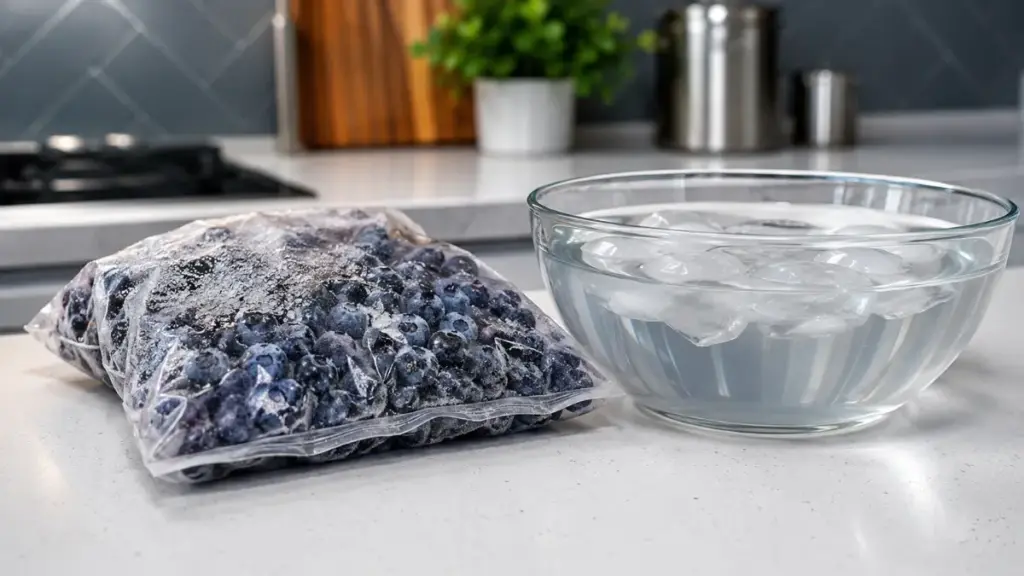
Many busy individuals assume that running raw fruit under a kitchen faucet for a few seconds removes all surface impurities before eating. When dealing with frozen products, this quick washing method is completely ineffective at removing deeply embedded bacteria from the delicate outer skins. The natural texture of these small berries features tiny crevices and microscopic folds where bacteria can cling tightly, easily resisting the gentle pressure of running tap water. Attempting to wash frozen fruits also causes them to soften rapidly, creating a wet environment that can spread pathogens across your kitchen counters. Preparing your sweet blueberries requires a more rigorous approach to food hygiene to ensure your meals remain safe and healthy.
The Mechanical Illusion of Rinsing Frozen Blueberries under Tap Water
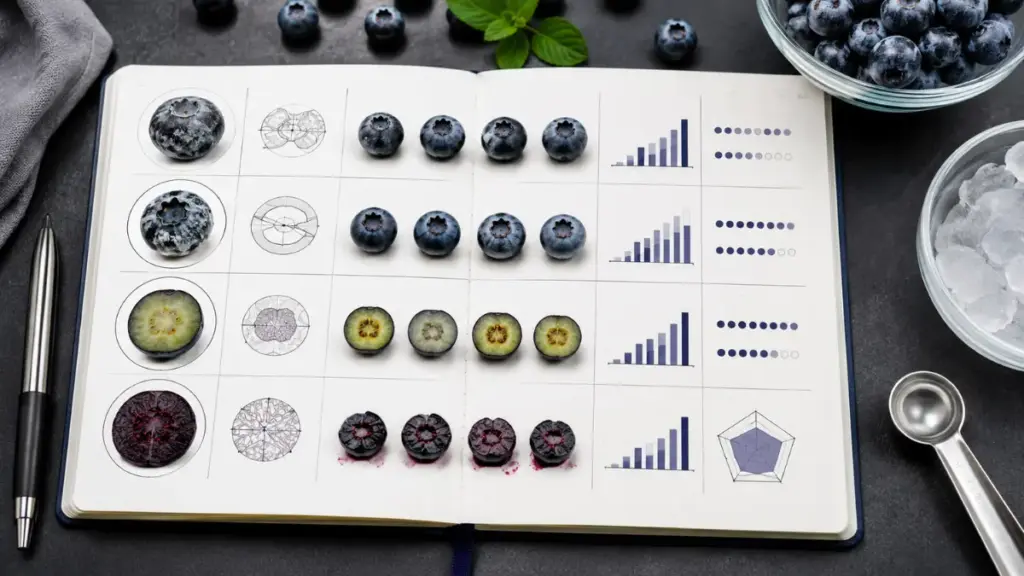
Rinsing frozen fruits under cold tap water creates a false sense of security that can lead to severe cross-contamination. Cold water does not have the chemical power to break the sticky bond between bacterial cells and the rough skin of the fruit. When you run water over contaminated fruits, the force of the stream can splash tiny, invisible water droplets onto nearby cutting boards, knives, and kitchen sinks. This splash zone spreads dangerous bacteria across your clean food prep surfaces, creating a hidden hazard that can contaminate other foods. Rinsing these fragile blueberries simply spreads the pathogen around your kitchen, putting your family at risk of foodborne illness.
Furthermore, water alone cannot penetrate the protective waxy coating that naturally covers the skin of raw berries. This natural barrier shields bacteria from simple rinses, allowing pathogens to survive untouched even after thorough washing. To keep your kitchen clean, avoid rinsing contaminated frozen fruits in open sinks where water can splash onto clean dishes.
Read More: Cut Your Electric Bill With This Easy 3-Ingredient No-Bake Blueberry Lemon Tart
Why Blending Frozen Blueberries Fails as a Sanitizing Method
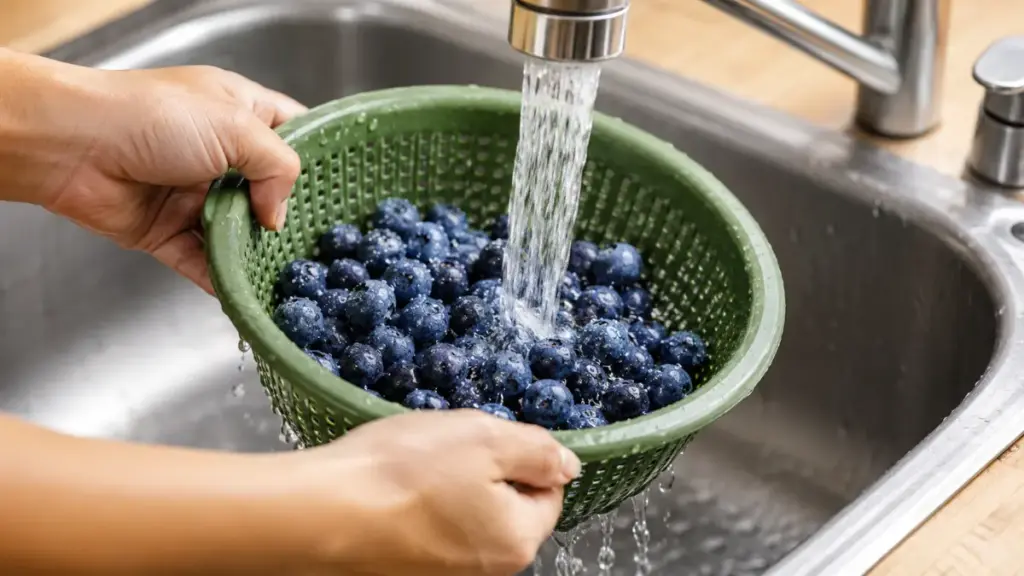
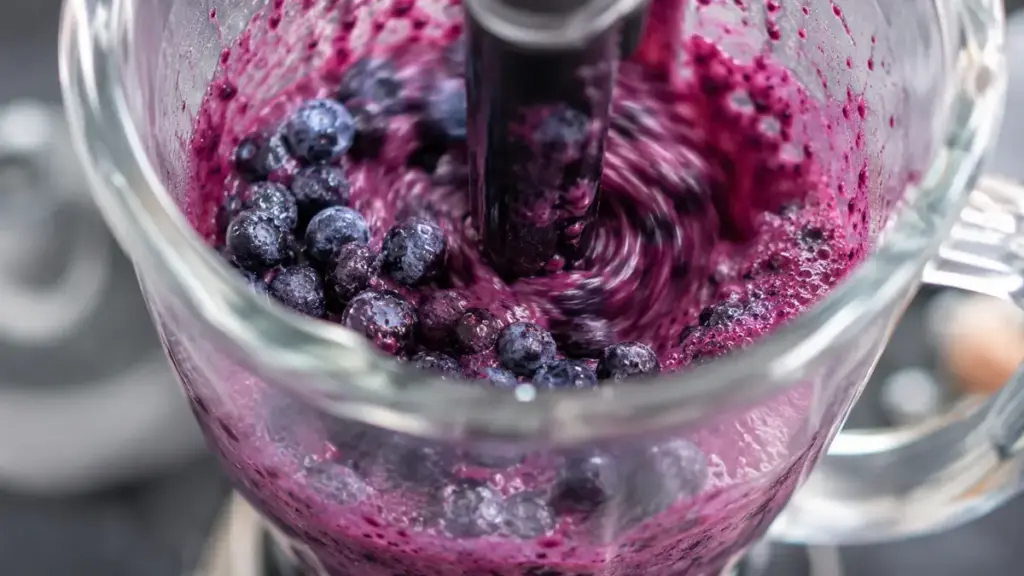
Many home cooks believe that the high-speed blades of a kitchen blender are powerful enough to destroy microscopic pathogens. In reality, the rapidly spinning blades only chop the fruit into tiny pieces without harming the cellular structure of bacteria. Instead of sanitizing your food, blending takes the localized contamination and spreads it evenly throughout your entire beverage. This mechanical mixing ensures that every single sip of your morning smoothie contains a uniform dose of active bacteria. When dealing with infected blueberries, using a blender only makes the pathogens easier to swallow, accelerating their journey into your digestive tract.
Additionally, the cold temperatures of a home freezer do not kill foodborne pathogens; they merely pause their growth cycle. Bacteria enter a dormant state in the freezer, waiting for warmer temperatures to wake up and multiply rapidly. When you blend frozen fruit into a smoothie and let it sit at room temperature, the dormant bacteria wake up instantly, multiplying quickly in the nutrient-rich liquid.
The Greenwise Scandal: How Contaminated Blueberries Sparked E. Coli Alarms
The safety of frozen organic fruit became a major concern following a massive recall of frozen berries sold at major grocery chains. Regulatory agencies issued urgent warnings after routine testing detected Shiga toxin-producing Escherichia coli O145 in select retail batches. This dangerous strain of bacteria is known for causing severe abdominal pain, high fever, and permanent organ damage in vulnerable individuals. The affected bags of organic blueberries were distributed across multiple states, turning a popular breakfast staple into a major public health hazard.
This widespread recall highlighted the hidden dangers of modern industrial food packaging, where a single contaminated processing facility can spread pathogens to thousands of homes. Many families who purchased these organic fruits for healthy morning meals unknowingly stored active bacterial cultures in their home freezers. The slow reveal of the contamination details left many consumers worried about the safety of their organic frozen foods.
The Hidden Time Bomb in American Household Freezers
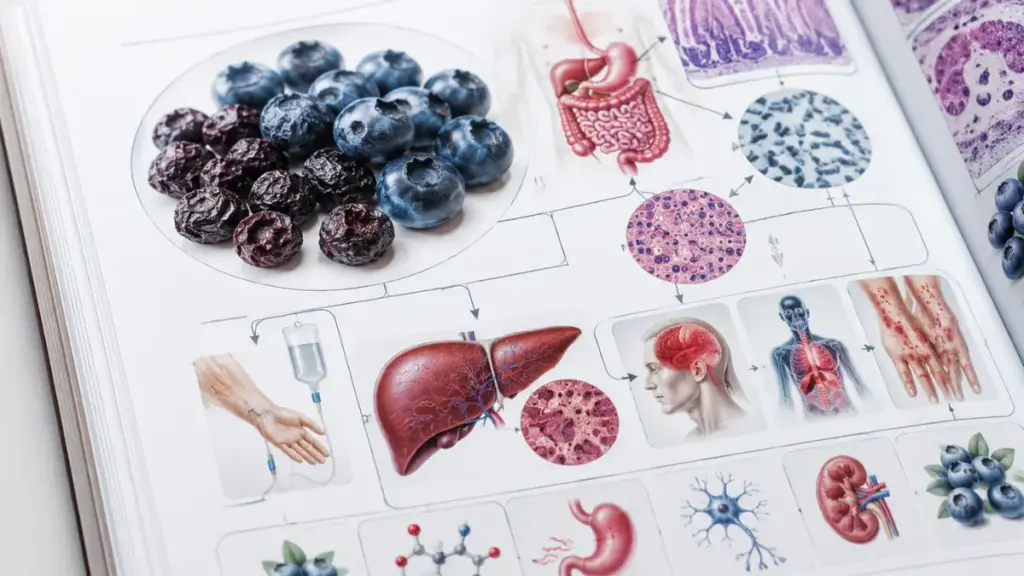
Frozen fruits have a long shelf life, meaning contaminated packages can sit in home freezers for months before being consumed. This long storage time makes foodborne pathogens a quiet, slow-moving hazard that can strike long after the original purchase date. The recalled frozen blueberries were sold under popular organic brands, causing many health-conscious shoppers to buy and store them in large quantities. This long-term storage keeps the threat active in your home, waiting for a busy morning to cause a serious medical emergency.
To protect your family, check your freezer stock regularly against the official FDA recall lists. Identifying and discarding contaminated bags before they are opened is the most effective way to keep your kitchen safe.
Clinical Symptoms That Severely Damage the Digestive System
Ingesting Shiga toxin-producing bacteria can lead to severe digestive issues that require immediate professional medical care. The toxins attach to the lining of the small intestine, causing deep inflammation, severe stomach cramps, and painful bloody diarrhea. These symptoms usually appear within three to four days of eating the contaminated food, rapidly draining your body of fluids and strength. Ingesting the toxic blueberries can quickly turn a routine breakfast into a painful, life-threatening medical emergency.
In severe cases, the infection can trigger a serious blood condition known as Hemolytic Uremic Syndrome, which destroys red blood cells and causes sudden kidney failure. This dangerous condition is especially risky for young children and elderly family members with weaker immune systems. Recognizing the early warning signs of infection and seeking prompt medical care is essential to protect your family from permanent organ damage.
Decisive Action Plans to Continue Safely Enjoying Blueberries
Step One: Auditing Your Freezer and Discarding Suspect Blueberries
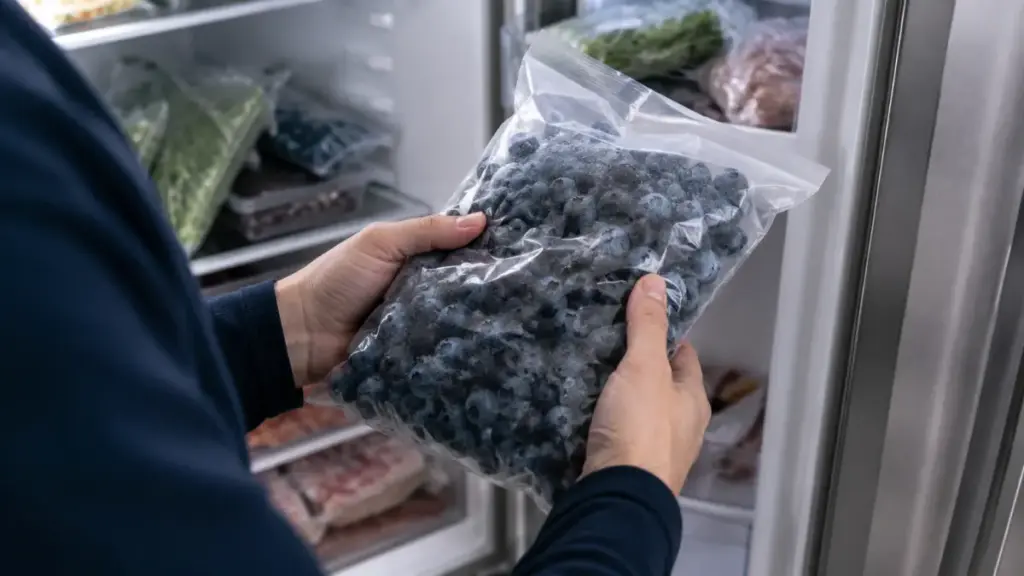
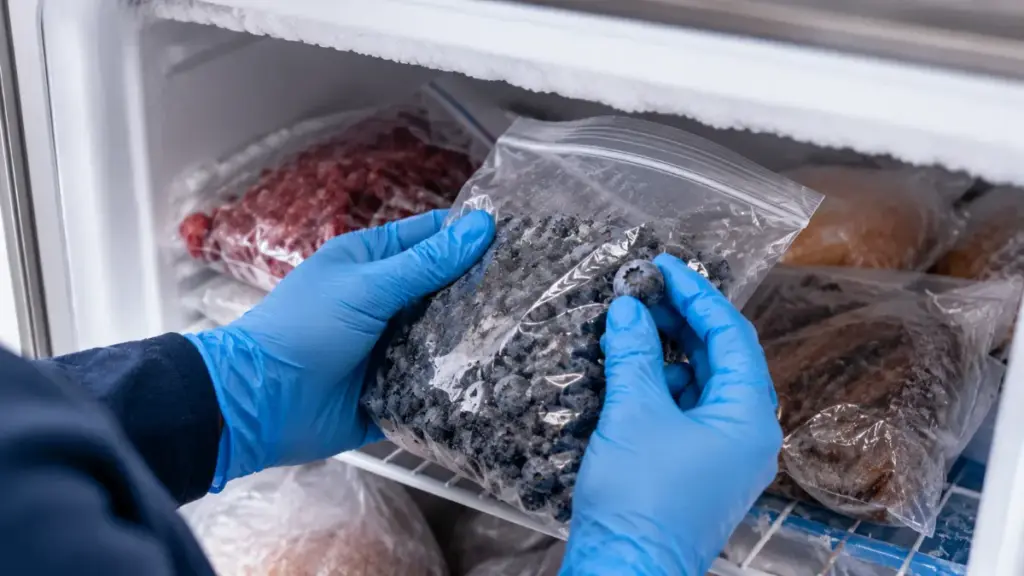
The first step in protecting your home from foodborne pathogens is conducting a thorough audit of your frozen food inventory. Open your freezer and inspect every bag of frozen fruit, checking the brand names and expiration dates carefully. Pay close attention to organic brands purchased over the last several months, as these items are more likely to be part of the active recall. Checking your packages of stored blueberries allows you to identify and remove any high-risk foods before they can cause harm.
More Read

If you find a package that matches the recalled lot numbers or has missing production codes, discard the entire bag immediately. Place the contaminated bag into a sealed trash container outside your home to prevent pets or wildlife from finding it. Never taste the fruit to check for safety, as even a single contaminated berry contains enough active bacteria to cause a severe illness. Discarding the recalled brand of blueberries protects your home from dangerous pathogens, keeping your family safe.
Step Two: Sanitizing Kitchen Tools That Contacted the Blueberries
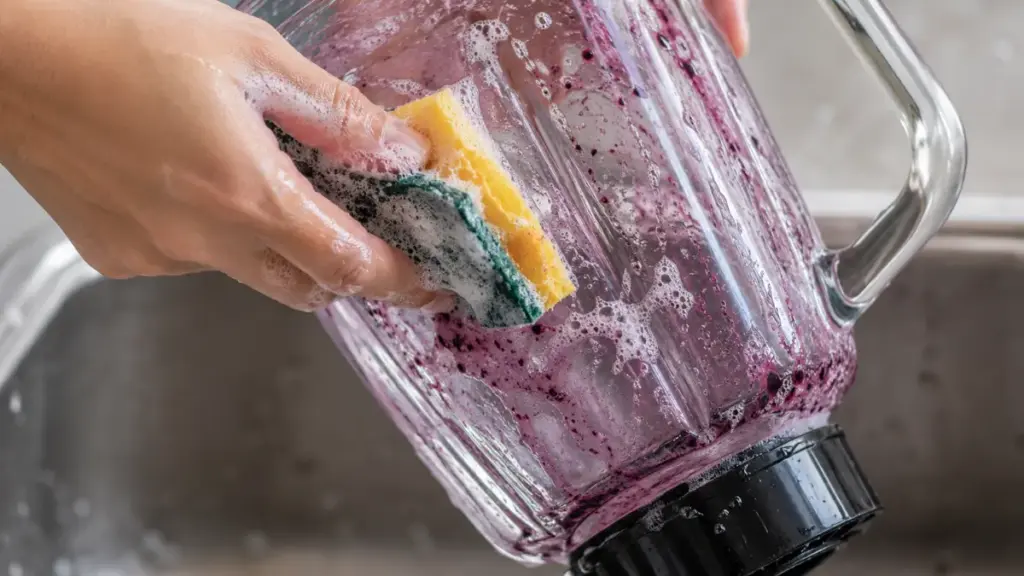
If you have recently opened or used a recalled bag of fruit, you must sanitize all kitchen tools and surfaces that touched the food. Bacteria can easily transfer from the frozen packaging onto your hands, refrigerator shelves, countertops, and blender jars. Use a hot, soapy water solution followed by a diluted bleach spray to sanitize all prep surfaces thoroughly. Cleaning everything that touched the bad blueberries prevents the bacteria from spreading to other fresh foods in your kitchen.
Pay close attention to your kitchen blender, as tiny fruit residues can easily hide inside the rubber seals and blade assemblies. Take the blender jar apart completely, soaking all the pieces in hot, soapy water before scrubbing them with a clean brush. Rinsing the sanitized parts under clean running water removes any remaining soap and bacteria, ensuring your kitchen tools are perfectly clean and safe to use.
Step Three: Shifting to Fresh Blueberries or Applying Heat Treatment
To enjoy delicious fruit without the risk of foodborne illness, consider switching to fresh, locally sourced berries during active recalls. Fresh berries are harvested and sold quickly, making them easier to inspect and wash safely under clean water. Buying your fresh raw blueberries from local farms supports your community while ensuring your ingredients are fresh, delicious, and free from industrial processing risks.
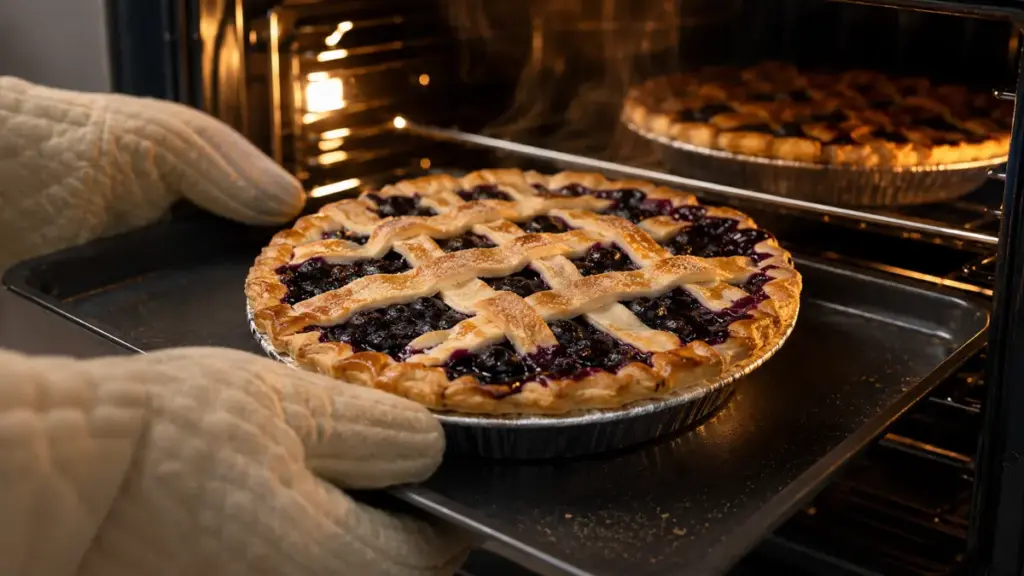
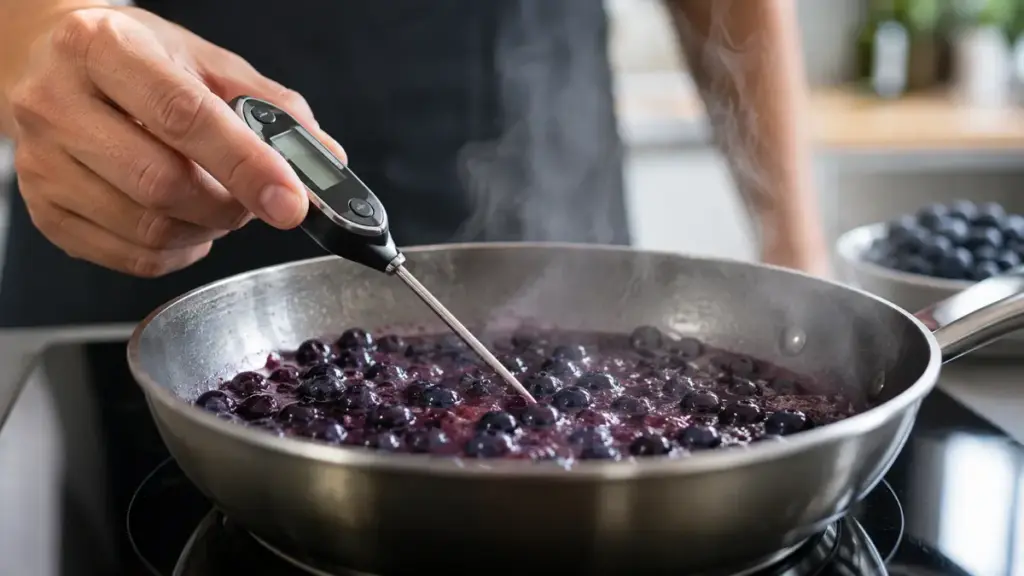
If you prefer to use frozen fruit for your baking or cooking, always apply high heat to destroy any hidden pathogens. Cooking your frozen blueberries in a hot saucepan at temperatures above 160 degrees Fahrenheit for at least one minute breaks down and destroys the bacteria completely. This simple heat treatment makes the fruit perfectly safe to use in hot sauces, jams, and delicious baked desserts.
Frequently Asked Questions About Pathogen Risks in Frozen Blueberries
What Should I Do If I Already Ate Recalled Blueberries But Feel Fine?
If you have eaten fruit from a recalled batch but do not show any symptoms, there is no need to panic. The incubation period for Shiga toxin-producing E. coli is usually three to four days, but symptoms can take up to nine days to appear. Discard any remaining fruit immediately and monitor your digestion closely for any changes over the next week.
Drink plenty of water and rest to help your body stay strong and healthy during this waiting period. If you develop severe stomach pain, fever, or vomiting, contact your doctor immediately for professional medical advice. Monitoring your health closely ensures you receive prompt care if any symptoms develop, protecting your long-term wellness.
Read More: 5 Restaurant Sauce Secrets To Rescue Your Dry Chicken Pot Pie From Disaster
Why Are Frozen Organic Blueberries More Susceptible to Pathogens Than Thick-Skinned Fruits?
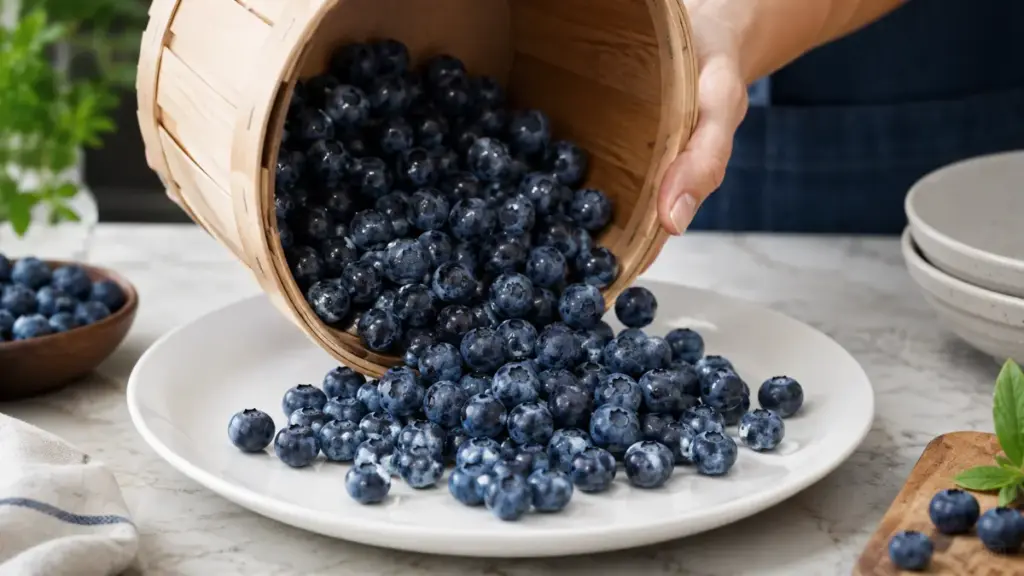
Small berries are more vulnerable to contamination because they grow close to the ground, where they can easily touch damp soil and irrigation water. If agricultural water is contaminated with animal waste, pathogens can easily stick to the thin, delicate skins of the growing fruit. Unlike oranges or bananas, these berries are eaten whole with the skin on, meaning any surface contamination goes directly into your body.
Creating a refreshing summer dessert is a masterclass in balancing moisture and temperature; true blueberries success requires removing excess surface water and tracking freezer chilling times with absolute discipline to complete your presentation properly.
Chef David
Additionally, the quick-freezing process used for commercial fruits is designed to preserve freshness, which also preserves any bacteria on the skin. Thick-skinned fruits are peeled before eating, naturally removing any surface dirt or pathogens. Understanding these physical differences helps you make smart food safety choices, ensuring your meals remain healthy and safe.
Do Commercial Veggie Washes or Vinegar Dips Kill E. Coli on Berries?
Commercial fruit washes and diluted vinegar solutions are useful for removing surface dirt and pesticide residues, but they are not strong enough to kill tough foodborne bacteria. Pathogens like E. coli can cling tightly to the rough skin of the fruit, easily resisting mild acid washes. Relying on these gentle washes to clean contaminated fruit creates a false sense of security that can lead to severe illness.
To protect your family from foodborne pathogens, avoid buying recalled retail batches and use heat pasteurization for all frozen fruit. This approach ensures your ingredients are clean and safe, protecting your family’s health and wellness.
Cultivating Smart Consumer Habits and Enjoying Clean Blueberries
Rebuilding strong, healthy eating habits after a major food safety scare requires a basic understanding of food science and kitchen hygiene. When you choose your ingredients carefully and use safe preparation methods, you can enjoy delicious, nutrient-rich meals without worrying about foodborne illness. This careful approach to food safety protects your family, helping you maintain a healthy, active lifestyle.
Let the target ratio of fresh, locally sourced ingredients to processed frozen foods in your weekly meal plan be represented by a simple balance where the ratio of fresh to frozen is approximately three to one.
Ratio of Fresh to Frozen is approximately 3 to 1blueberries
Using this balanced approach ensures your diet is packed with fresh, nutrient-rich foods while keeping your exposure to processed freezer risks low. This simple ratio helps you plan healthy, delicious meals that support your family’s long-term wellness.
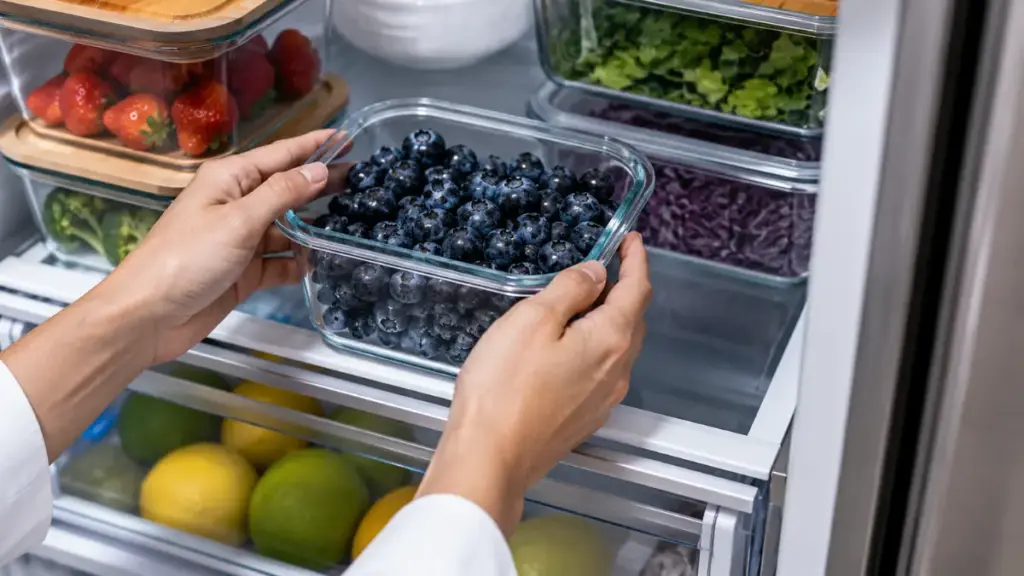
Furthermore, keeping your kitchen clean and organizing your refrigerator regularly prevents cross-contamination, ensuring your fresh foods remain safe. Discarding old packages and washing your storage bins with hot, soapy water removes any hidden bacteria before they can spread. This simple, consistent care keeps your kitchen safe, letting you prepare delicious meals with confidence.

Reclaiming Your Kitchen Safety and Protecting Your Family
Learning to respect the unique physical limits of your kitchen appliances helps you prepare meals confidently without wasting time on frustrating food safety issues. A healthy, delicious diet does not require complicated sanitizing tools or expensive chemical washes to keep your family safe. True kitchen safety shines when you choose fresh, high-quality ingredients, wash your tools thoroughly, and use heat pasteurization for your frozen desserts. By adjusting your cooking habits to match basic food science, you protect your family from foodborne pathogens and enjoy delicious meals whenever you want.
Embracing these precise guidelines guarantees your daily routine remains rewarding, safe, and perfectly consistent, making your kitchen a clean, comfortable space for preparing healthy meals. Rejecting unverified kitchen myths allows modern home cooks to turn daily cooking routines into systematic expressions of health management, keeping your family both healthy and completely stress-free. Maintain clean prep surfaces, check your freezer stock regularly, and enjoy a comfortable, quiet environment that supports your natural lifestyle, ensuring your home-cooked meals remain safe and nutritious.
PLEASE LEAVE A COMMENT TO RECEIVE A FREE CONSULTATION FROM OUR EXPERTS OR FOLLOW OUR WEBSITE THE COUCH INSIDER TO UPDATE THE LATEST KNOWLEDGE.