

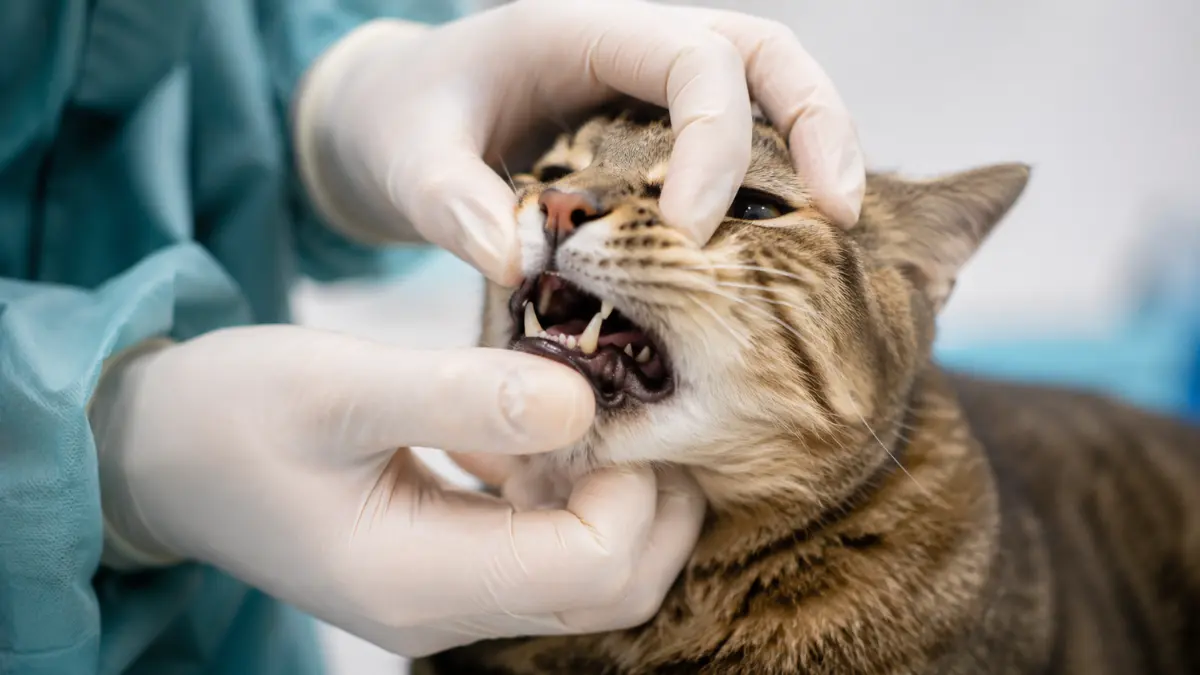
Mealtime is typically a predictable, enjoyable routine for felines, making any sudden changes in their eating habits easy to notice. However, subtle or unusual habits displayed while eating are often dismissed by owners as simple picky eating or quirky mood swings. In reality, persistent unusual actions while consuming food frequently signal underlying dental issues, gastrointestinal distress, or severe pain.
- Dangerous Misconceptions About Cat Strange Behaviors in Daily Meals
- Unveiling 4 Strange Mealtime Behaviors Signaling Feline Danger
- Medical Root Causes Behind Cat Strange Behaviors
- Medical Protocols and Veterinary Solutions
- Long-Term Benefits of Timely Intervention
- Frequently Asked Questions
- Recognizing and Addressing Mealtime Health Warnings
Ignoring these subtle warning signs can lead to worsening medical conditions that threaten your pet’s long-term health and well-being. Discover these 4 cat strange behaviors during mealtime that require immediate medical intervention from a veterinarian today!
Unusual actions during feeding are almost never harmless quirks; they are direct physical reactions to acute oral pain, severe nausea, or neurological discomfort. When felines alter how they chew, approach, or move away from their food bowl, they are attempting to navigate internal physical distress while attempting to satisfy basic metabolic hunger. Immediate veterinary diagnostic intervention is required to isolate the pathology before structural damage or chronic systemic inflammation progresses.
Dangerous Misconceptions About Cat Strange Behaviors in Daily Meals
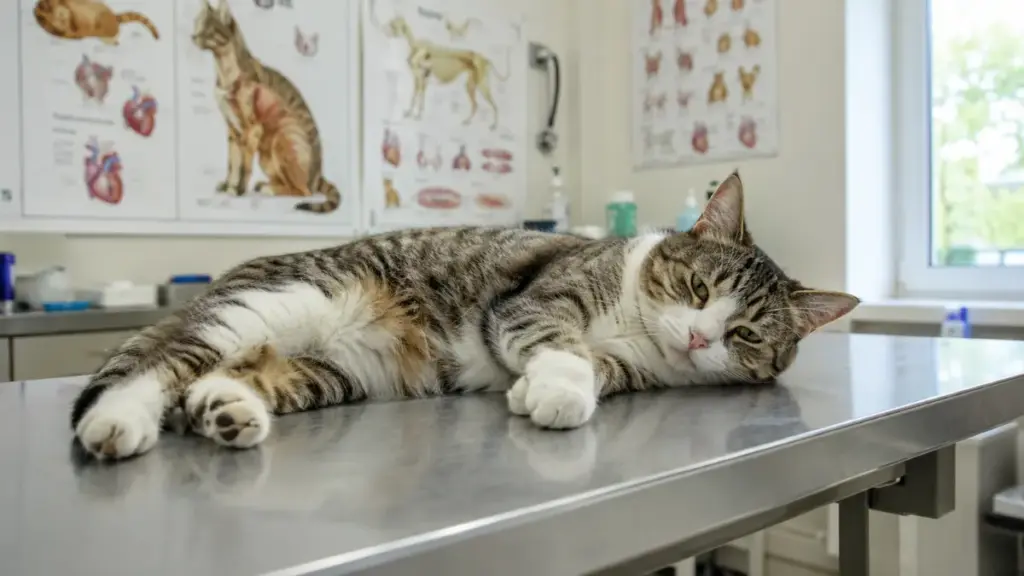
Felines possess a evolutionary drive to conceal physical vulnerability, stemming from their dual role as predators and prey in the wild. Consequently, subtle signs of physiological suffering often manifest as slight behavioral adjustments during routine tasks like eating. Carers frequently misinterpret these signs, delaying critical clinical support.
Dismissing Abnormal Expressions as Spoiled Nature or Bad Habits
A common clinical mistake is attributing altered mealtime habits to behavioral stubbornness or picky eating. When a feline hesitates at the dish, it is rarely exercising selective preference without an underlying physiological trigger.
Confusing Affectionate Actions with Pain-Induced Stress Responses
Carers often mistake an anxious cat rubbing against their legs or vocalizing prior to feeding as affection. However, when accompanied by hesitate eating, this dynamic frequently indicates an approach-avoidance conflict caused by severe oral pain.
Approach Drive (Hunger / Scent of Food) ───┐
├─► Approach-Avoidance Conflict ──► Erratic Mealtime Behavior
Avoidance Drive (Anticipated Mouth Pain) ──┘
The animal is ravenously hungry and seeks help, yet fears the immediate pain that accompanies mastication, resulting in nervous vocalizations and frantic pacing.
Consequences of Missing the Golden Window in Chronic Disease Diagnosis
Delaying diagnostic evaluation when observing cat strange behaviors allows progressive pathologies—such as Feline Chronic Gingivostomatitis (FCGS) or renal insufficiency—to reach advanced stages. Early medical intervention prevents irreversible alveolar bone resorption and systemic organ damage caused by chronic bacterial migration.
Unilaterally Changing Food or Force-Feeding Instead of Finding Root Causes
When a pet stops eating normally, well-intentioned owners frequently rotate through various commercial diets, toppers, or force-feeding techniques. This approach treats a symptom while allowing the primary pathology to worsen unaddressed.
The Mistake of Assuming Cats Are Just Bored with Flavor
Switching flavors continuously provides temporary novelty that may briefly overcome a cat’s pain threshold due to extreme hunger. However, this pattern masks worsening oral or systemic disease.
Read more: Is a house cat bite dangerous? What diseases cause sudden aggressive cat attacks?
The underlying tissue degradation continues unabated beneath the gumline, leading carers into a false sense of security while the animal suffers silent, ongoing pain.
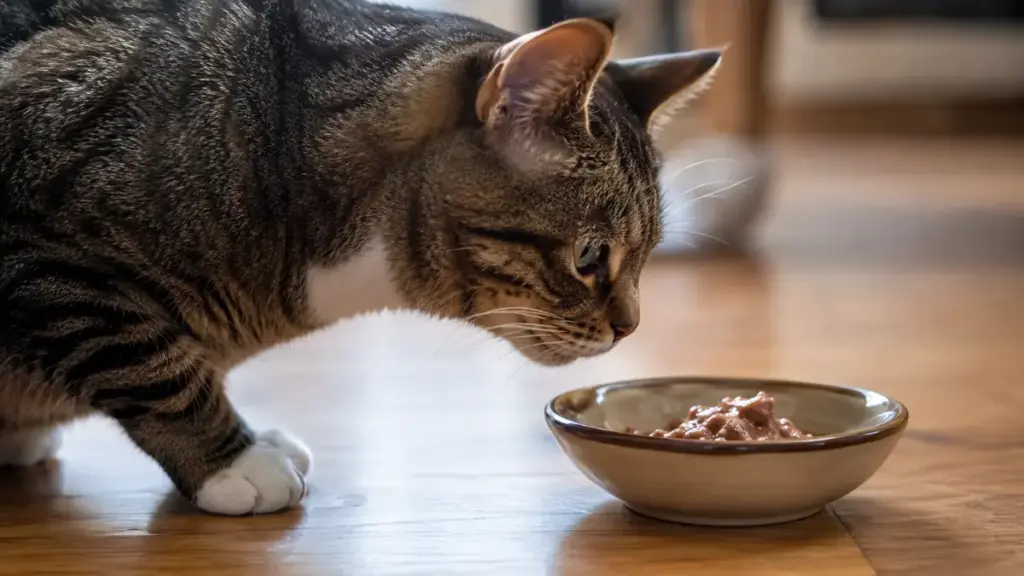
Risks of Escalating Physical Trauma Due to Delayed Veterinary Visits
Force-feeding a distressed feline with acute stomatitis or temporomandibular trauma causes severe physical pain and psychological trauma. This practice risks aspiration pneumonia, creates food aversion, and damages the human-animal bond while delaying necessary clinical interventions like nerve blocks, dental extractions, or targeted liquid therapies.
Unveiling 4 Strange Mealtime Behaviors Signaling Feline Danger
Systematic clinical observation reveals that specific physical movements during feeding correlate directly with distinct anatomical pathologies. Identifying these patterns allows for rapid veterinary diagnosis.
Eating a Few Bites Then Demanding a New Bowl Location
A distinct behavioral pattern involves a cat taking one or two bites, backing away abruptly, and demanding food in a different spot. This cycle often repeats across multiple locations in the home.
Dental Pain and Gingivitis Causing Spatial Association of Discomfort
When a feline with tooth resorption or active gingival inflammation bites down, it experiences a sharp, shooting pain. The animal’s nervous system incorrectly associates this sudden sensation with the physical location of the bowl rather than its own mouth.
| Pathology Stage | Physical Tissue Condition | Behavioral Manifestation |
| Stage 1: Gingivitis | Erythematous gums, mild plaque | Hesitation, slow chewing |
| Stage 2: Early FORL | Enamel defect, dentin exposure | Bowl location switching, head shaking |
| Stage 3: Advanced FORL | Structural crown loss, root destruction | Vocalization, food dropping, fleeing bowl |
Consequently, the cat seeks a “safe” eating location, hoping the pain will not recur in a new spot.
Whisker Fatigue Stress Syndrome or Ocular Impairments
Whisker fatigue occurs when deep, narrow bowls continuously compress the sensitive tactile receptors (vibrissae) at the base of the whiskers. This overstimulates the trigeminal neural pathway, causing sensory overload.
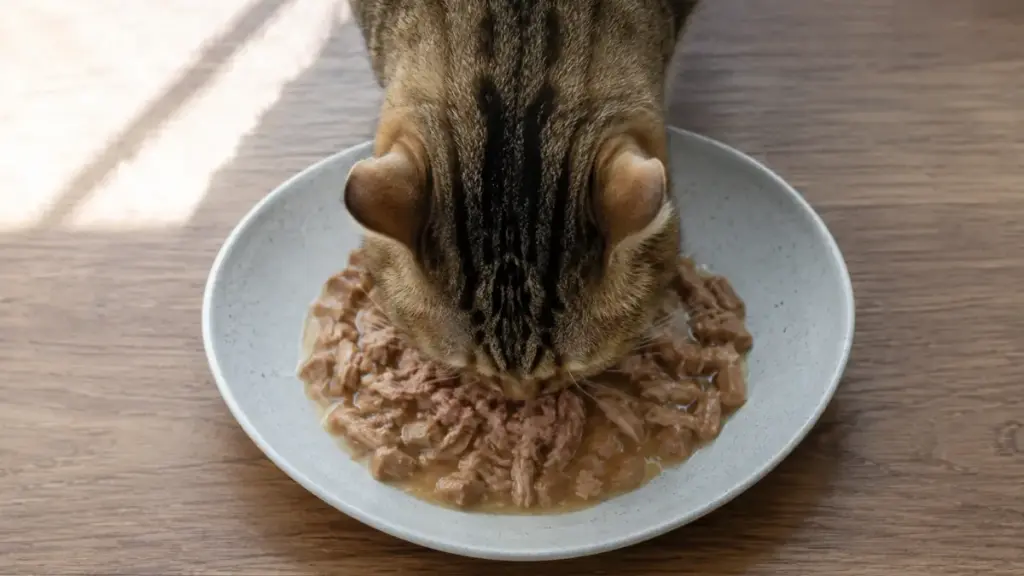
Additionally, acute vision loss or depth perception issues can cause cats to bump their faces into bowl edges, prompting them to move around nervously during meals.
Scratching the Floor Around the Bowl or Hiding Food
Cats possess a wild instinct to bury uneaten prey to avoid attracting larger predators. When this action occurs immediately before or during feeding, it indicates distress rather than satiety.
Involuntary Pawing Driven by Acute Nausea or Gastrointestinal Upset
When a cat experiences severe medical conditions, the mere smell of food can trigger acute nausea.
Olfactory/Visual Stimulus ──► Triggering Nausea Sub-center ──► Involuntary Burying Reflex ──► Floor Pawing
The pawing motion is an involuntary reflex to cover the source of the nausea, signaling gastrointestinal inflammation, hepatic lipidosis, or uremic toxin accumulation.
Panic Reactions Driven by Immediate Gastric Pain
When food enters an inflamed stomach lining affected by gastritis, ulceration, or lymphoma, it causes acute pain.
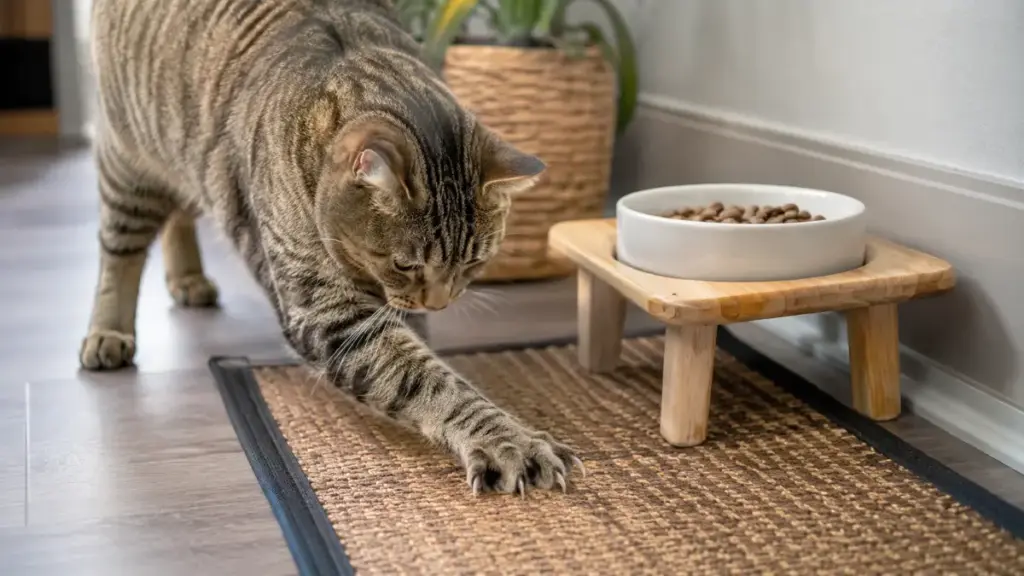
This sudden onset of pain causes the animal to panic, attempt to bury the dish, and retreat from the feeding area.
Growling, Hissing, or Suddenly Running Away While Chewing
One of the most alarming cat strange behaviors is a violent physical reaction mid-chew, where the animal growls, vocalizes loudly, drops its food, and flees as if pursued.
Severe Dental Pathologies Like Tooth Resorption (FORL)
Feline Odontoclastic Resorptive Lesions (FORL) involve the painful breakdown of tooth structure, exposing sensitive nerve endings in the dentin and pulp canal.
Recognizing subtle changes during feeding is one of the most effective ways to protect your pet’s health. By taking action when you observe cat strange behaviors, you can help prevent chronic pain and support your feline companion’s long-term well-being.
Anna Miller
When hard food contacts these exposed nerves, it causes an intense neural shock. The sudden pain triggers an immediate fight-or-flight response, causing the cat to vocalize and flee.
Sciatic Nerve Pain or Spinal Injuries Triggered by Neck Flexion
Lowering the head to feed from a floor-level dish strains the cervical, thoracic, and lumbar spine.
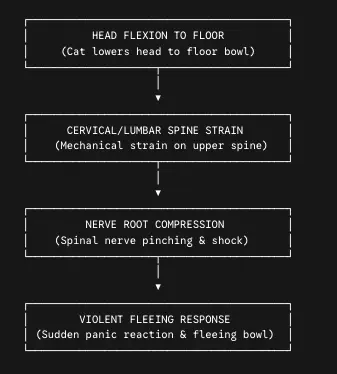
In cats with osteoarthritis, intervertebral disc disease, or spinal trauma, this angle compresses spinal nerve roots, causing sharp pain down the spine and limbs during feeding.
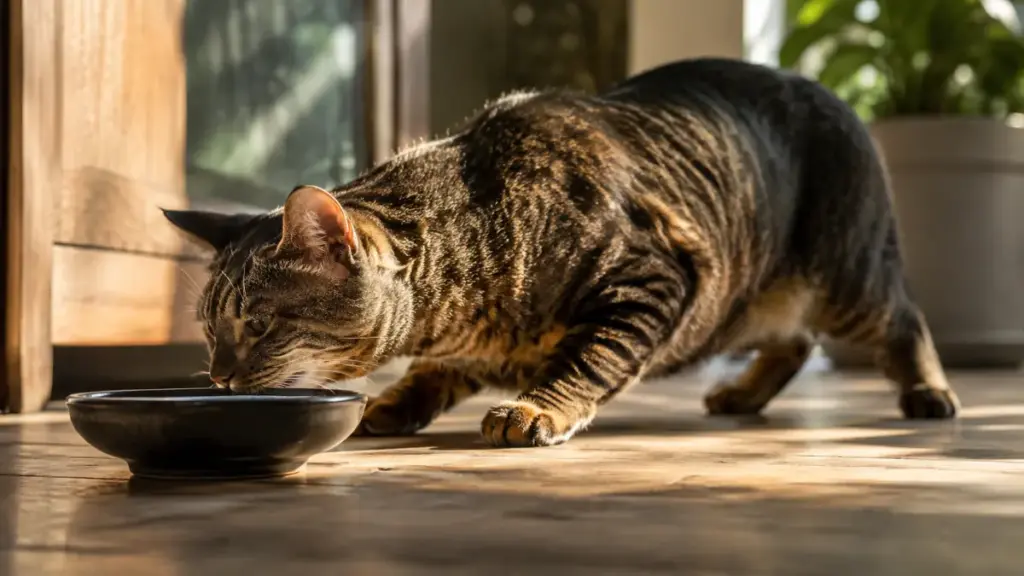
Chewing Solely on One Side and Dropping Kibble Repeatedly
Unilateral mastication—chewing exclusively on one side of the jaw while letting food fragments fall out—is a classic sign of localized oral dysfunction.
Oral Mucosal Lesions, Foreign Bodies, or Oropharyngeal Tumors
Cats favor one side of the mouth when the opposite side has severe tissue damage, such as ulcerative stomatitis, a embedded foreign object (like a bone fragment or plant awn), or a growing mass like squamous cell carcinoma. Chewing on the affected side causes intense pain, forcing the cat to tilt its head and use only the functional side.
Temporomandibular Joint Disorders and Partial Swallowing Reflex Paralysis
The temporomandibular joint (TMJ) connects the lower jaw to the skull. Luxation, arthritis, or dysplasia in this joint disrupts jaw alignment and causes severe pain during movement.
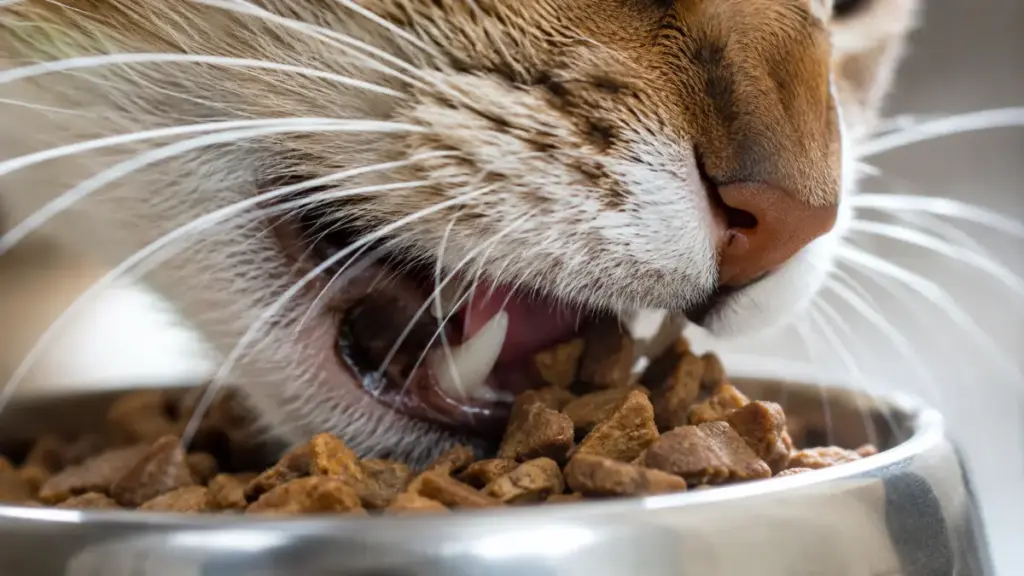
This joint dysfunction, combined with localized cranial nerve paralysis, prevents complete jaw closure and alters normal swallowing reflexes, causing food to drop continuously from the mouth.
Medical Root Causes Behind Cat Strange Behaviors
Identifying the underlying cause of mealtime abnormalities requires a systematic veterinary evaluation of both oral and internal systems.
High-Risk Dental and Oral Cavity Diseases
Oral pathologies account for a significant portion of mealtime behavioral changes in domestic felines.
Periodontal Disease and Calculus Accumulation Leading to Sepsis
Bacterial plaque hardens into calculus, causing deep inflammation of the periodontal ligament and alveolar bone loss.
Calculus Accumulation ──► Gingival Recession ──► Periodontal Pocketing ──► Systemic Bacterial Sepsis
Without treatment, chronic periodontal infections enter the bloodstream, potentially causing secondary damage to the kidneys, liver, and heart valves.
Feline Chronic Gingivostomatitis (FCGS) Causing Severe Swallowing Pain
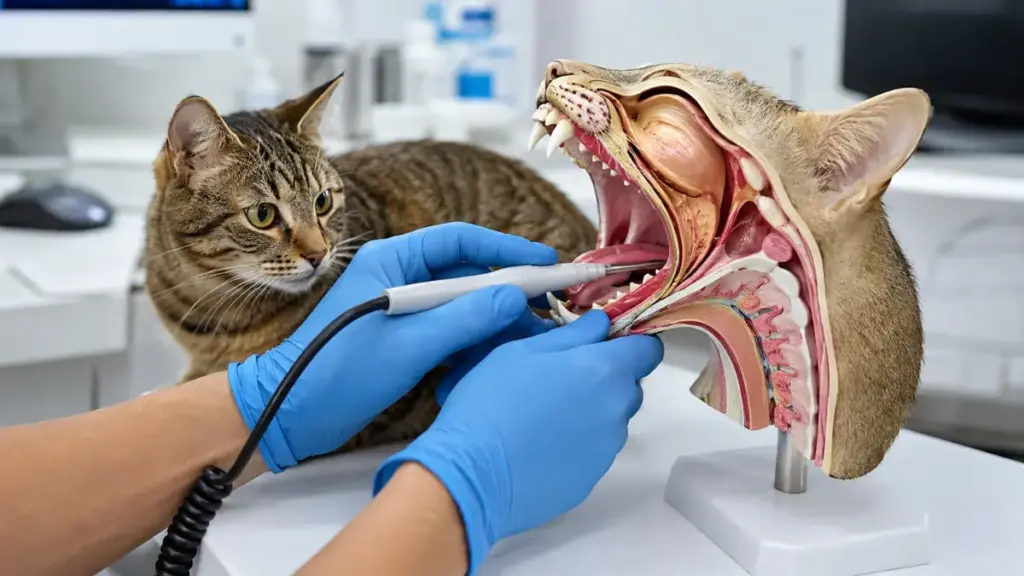
FCGS is a painful immune-mediated disease causing extensive inflammation of the oral mucosa and pharyngeal arches.
Read more: Clinical pathways to diagnose cat strange behaviors associated with FCGS
The ulcerative lesions turn every swallowing attempt into an agonizing experience, leading to severe nutritional compromise.
Internal Pathologies and Neurological Conditions Affecting Reflexes
Systemic organ failure and neurological disorders frequently manifest as abnormal feeding behaviors.
Chronic Kidney Disease (CKD) and Hepatic Encephalopathy Inducing Nausea
As renal or hepatic function declines, metabolic waste products build up in the bloodstream. Uremic toxins cause oral ulceration and persistent central nausea.
Renal/Hepatic Decline ──► Uremic Toxin Accumulation ──► Gastric Ulceration & Nausea ──► Food Aversion
This nausea makes food unappealing, causing cats to approach the bowl when hungry but back away once they smell it.
Central Nervous System Dysfunctions Altering Spatial Perception
Intracranial lesions, central vestibular disease, or cognitive dysfunction syndrome disrupt a cat’s spatial orientation.
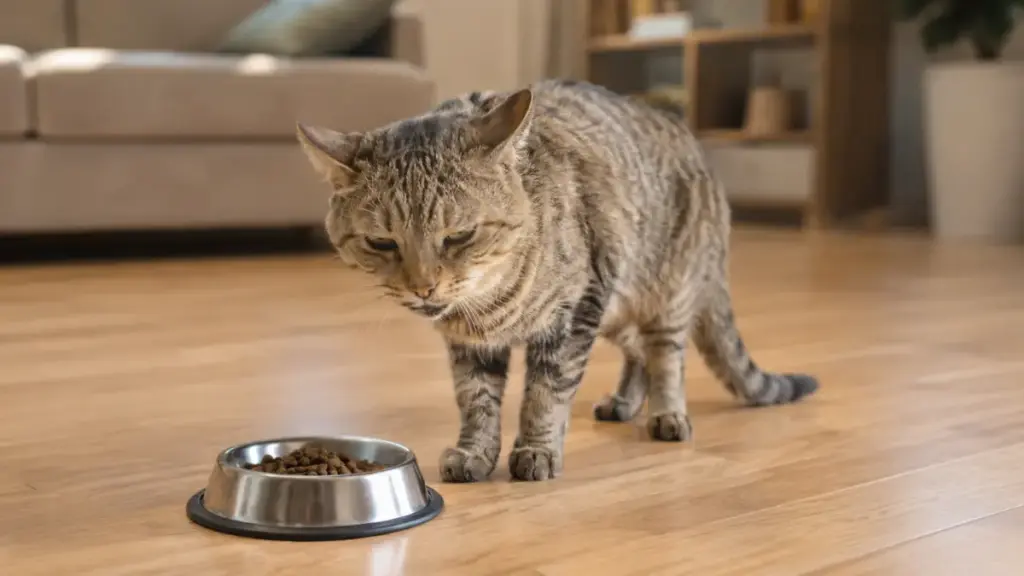
This disorienting state causes cats to miscalculate the distance to their food dish, lick air, or tilt their heads unnaturally during meals.
Medical Protocols and Veterinary Solutions
Addressing changes in feeding behavior requires professional diagnostics combined with supportive home care adjustments.
Required In-Clinic Veterinary Diagnostic Procedures
A thorough veterinary examination is essential to identify hidden anatomical issues.
| Medical Procedure | Diagnostic Target | Clinical Purpose & Capabilities |
| 1. Full Oral Cavity Radiography | Uncovering sub-gingival pathology | Diagnostic dental X-rays reveal root resorption, bone loss, and hidden abscesses beneath the gumline that are invisible during a routine physical exam. |
| 2. Comprehensive Blood & Metabolic Panels | Assessing internal organ health | Blood chemistry analysis screens for kidney dysfunction, liver enzymes, pancreatic inflammation, and systemic markers of infection. |
| 3. Advanced Diagnostic Imaging | Evaluating neurological & spinal structures | X-rays, CT scans, or MRIs assess spinal alignment, joint integrity, and potential soft tissue masses in the neck or jaw. |
Full Oral Cavity Radiography for Hidden Root Pathology
More Read
Over 50% of dental pathology exists below the gumline. Intraoral dental radiography is critical for detecting subgingival tooth resorption, retained root fragments, and periapical bone loss.
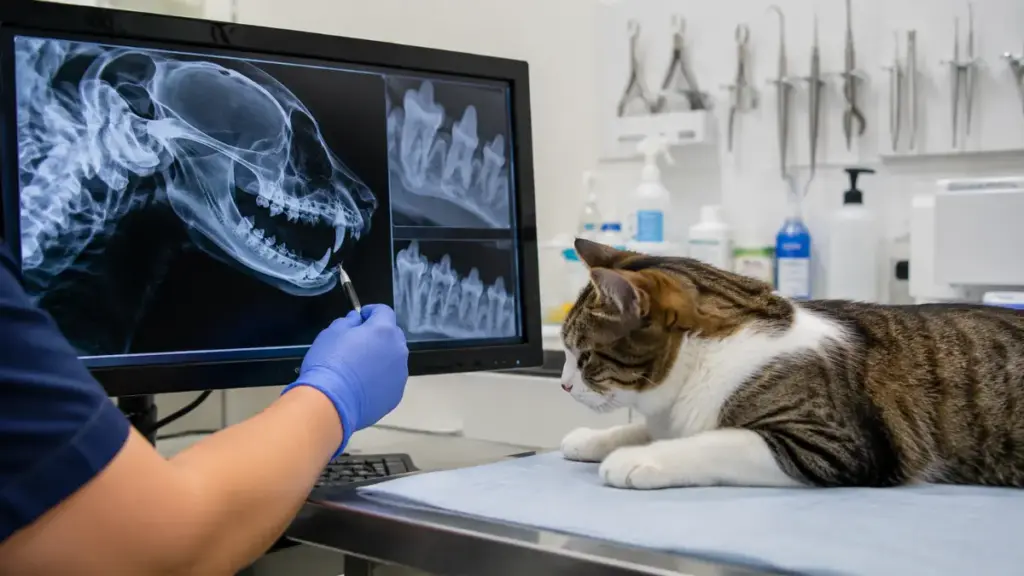
Comprehensive Blood Panels to Screen Liver, Kidney, and Inflammatory Markers
Blood tests evaluate renal parameters (BUN, Creatinine, SDMA), hepatic markers (ALT, ALP), serum lipase, and complete blood counts. These tests help identify metabolic causes of nausea and systemic inflammation.
Environmental Feeding Adjustments Supporting Recovery
Alongside medical treatment, optimizing the feeding environment helps minimize discomfort during meals.
Elevated, Tilted, and Wide Bowls to Ease Neck and Whisker Strain
Tilted, elevated food dishes reduce cervical spine flexion and lower the physical strain associated with eating.
Standard Floor Bowl: High Neck Flexion Angle ──► Spinal Strain & Joint Pressure
Elevated Tilted Bowl: Neutral Neck Alignment ──► Eased Swallowing & Reduced Strain
Switching to broad, shallow plates prevents whisker compression, reducing sensory stimulation during feeding.
Transitioning to Soft, Easily Swallowed Formatures During Care
During active dental treatment or recovery, hard kibble can damage healing tissues.
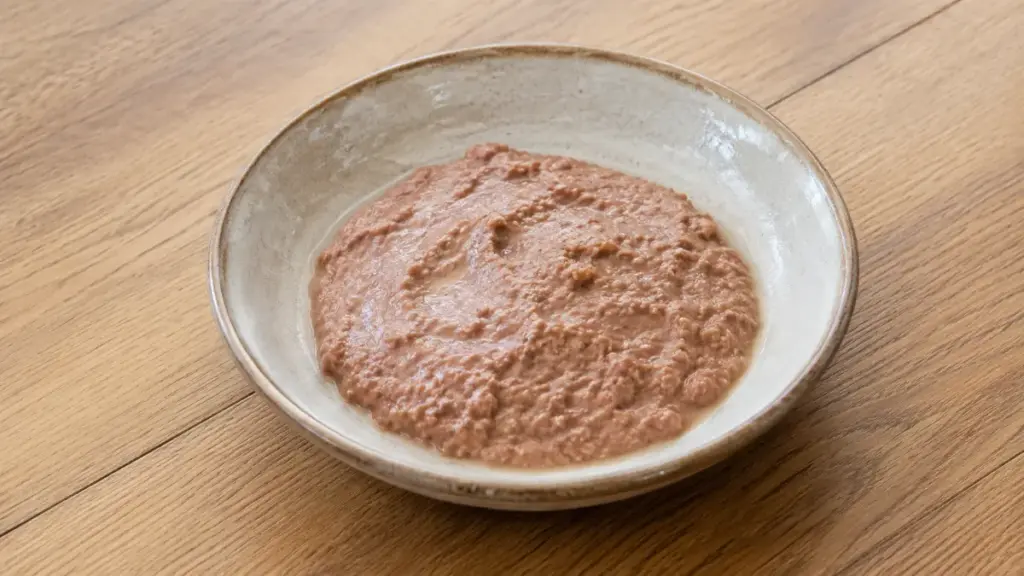
Transitioning to warmed, pureed wet foods or liquid nutritional supplements maintains essential calorie intake while minimizing the need for chewing.
Long-Term Benefits of Timely Intervention
Addressing changes in eating habits early helps protect a cat’s overall health and improves long-term quality of life.
Preserving Quality of Life and Maximizing Pet Longevity
Prompt medical care prevents minor oral or metabolic issues from escalating into life-threatening complications.
Early intervention helps prevent severe body weight loss, dehydration, and systemic organ stress.
Preventing Malnutrition and Dehydration Complications
Untreated pain or nausea can lead to hepatic lipidosis—a severe liver condition caused by rapid fat breakdown during periods of anorexia.
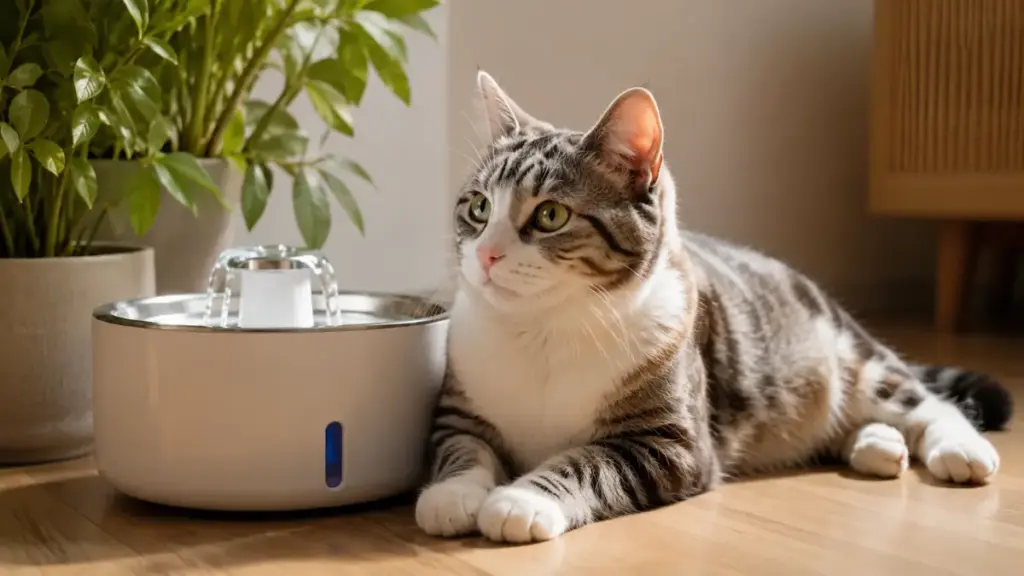
Prompt treatment breaks the pain-anorexia cycle, protecting liver function and maintaining healthy hydration levels.
Restoring Emotional Stability and Eliminating Mealtime Stress
Eliminating physical pain during feeding relieves chronic stress. Once eating is no longer associated with discomfort, cats return to calm, predictable feeding habits.
Building Proactive Monitoring and Care Habits
Observing daily routines allows owners to catch subtle health changes early.
Creating a Mealtime Behavioral Monitoring Log
Maintaining a simple log of your cat’s feeding habits helps identify subtle changes over time.
| Observation Parameter | Normal Baseline | Warning Sign Requiring Evaluation |
| Approach Speed | Eager, direct movement to bowl | Hesitation, pacing, vocalizing |
| Chewing Mechanics | Bilateral, smooth crunching | Unilateral chewing, head tilting, food dropping |
| Post-Meal Behavior | Grooming, relaxed resting | Pawing floor, fleeing, hiding |
Optimizing Veterinary Costs Through Early Disease Detection
Treating mild gingivitis or early-stage renal disease is far simpler and less costly than managing advanced conditions like full-mouth extractions or acute kidney crises. Early diagnostic intervention reduces overall treatment costs while delivering better medical outcomes.
Frequently Asked Questions
Can changing a cat’s bowl material resolve mealtime distress?
If the behavior is caused solely by whisker fatigue or plastic-induced chin acne, switching to a wide ceramic or stainless steel bowl can help. However, if the issue stems from dental disease, nausea, or spinal pain, changing the bowl material will not address the underlying medical problem.
How quickly should I seek veterinary care after noticing feeding changes?
You should schedule a veterinary evaluation within 24 to 48 hours of noticing persistent changes in feeding behavior. If the cat stops eating entirely, seek veterinary care immediately, as 24 to 48 hours of total anorexia can trigger life-threatening hepatic lipidosis.
Is kibble better than wet food for feline dental health?
Kibble does not reliably prevent dental disease. Most kibble shatters easily upon contact with teeth, offering minimal abrasive cleaning at the gumline. A combination of professional veterinary dental cleanings, home tooth brushing, and appropriate diets provides the most effective oral care.
Recognizing and Addressing Mealtime Health Warnings
Mealtime behaviors offer valuable insights into a cat’s internal health. What may appear to be a simple habit or quirky behavior is often a clear signal of physical discomfort, oral pain, or systemic illness. By recognizing these signs early and seeking professional veterinary care, you can address underlying medical issues before they escalate, ensuring your pet enjoys a healthy, comfortable life.
PLEASE LEAVE A COMMENT TO SHARE YOUR FAVORITE THOUGHTS OR FOLLOW OUR BLOG FOR THE LATEST UPDATES.