

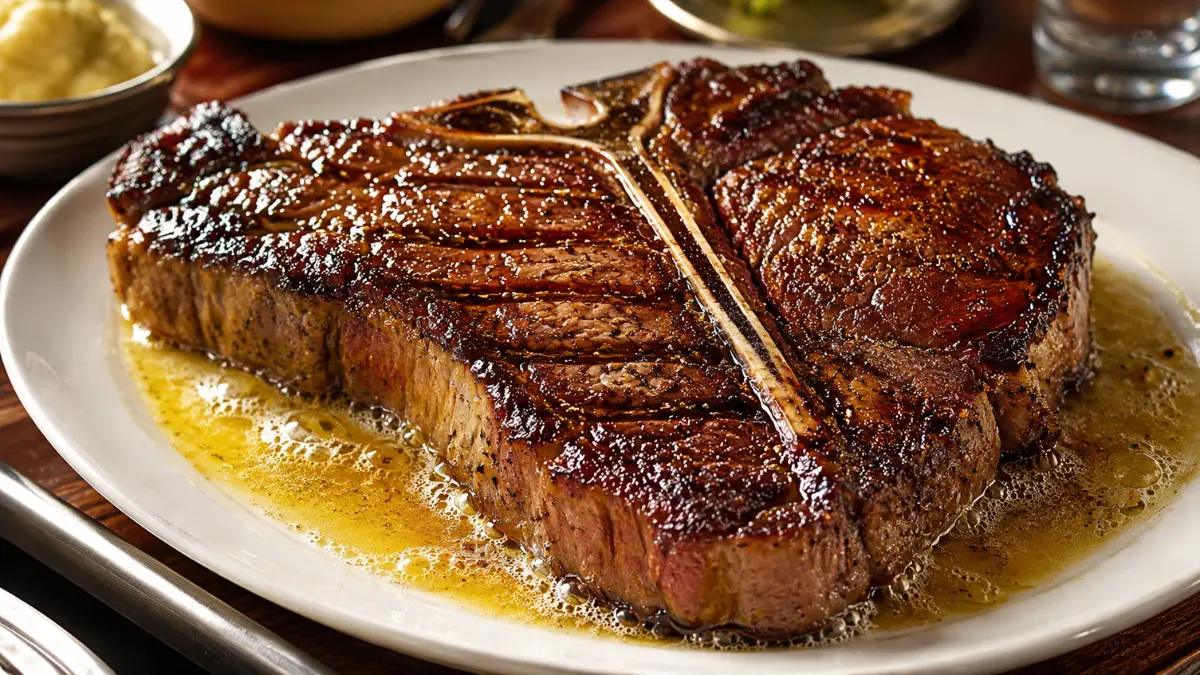

Porterhouse Steak enthusiasts often debate whether legacy steakhouses justify their premium prices compared to high-end modern chains. While saving $30 by choosing Del Frisco’s Double Eagle Steakhouse might sound tempting, the legendary dry-aging mastery at Peter Luger Steak House creates a distinct flavor profile that standard dining simply cannot match.
- The $30 Savings Trap: Risks of Trading off a Porterhouse Steak Experience at Del Frisco’s
- The Defining Factors Behind the Superiority of a Porterhouse Steak at Legendary Peter Luger
- Experience Scenarios: When Does the $30 Price Difference Deliver Maximum Value?
- Practical Battle-Tested Tips to Fully Enjoy an Authentic Brooklyn-Style Porterhouse Steak
- Frequently Asked Questions About Porterhouse Steak
- Conclusion: Why Peter Luger Remains Worth Every Extra Penny
Saving $30 by picking Del Frisco’s Double Eagle Steakhouse over Peter Luger Steak House is a false economy for true beef purists. The core reason lies in Peter Luger’s uncompromising, century-old custom dry-aging protocol and high-heat broiling technique, which delivers an intense, nutty umami depth and mineral complexity that high-end modern chains cannot replicate. When you order a Porterhouse Steak at Peter Luger, every single dollar goes directly into irreplaceable meat craftsmanship rather than corporate restaurant aesthetics.
The $30 Savings Trap: Risks of Trading off a Porterhouse Steak Experience at Del Frisco’s
When dining out at high-end American beef establishments, diners often calculate value strictly by comparing menu price tags against surrounding ambiance. However, opting to save thirty dollars at a polished, modern corporate chain introduces subtle but significant compromises in raw material quality, aging longevity, and culinary consistency.
Attractive Pricing Accompanied by Substantial Core Quality Differences
The initial price tag at modern upscale dining venues frequently tempts guests seeking a luxurious evening without the legendary price markup. Yet, evaluating beef solely on menu pricing overlooks the substantial operational differences in sourcing, custom aging facilities, and artisan butchery.
Price Analysis: Is the $30 Saved Paying for Modern Ambiance or Meat Quality?
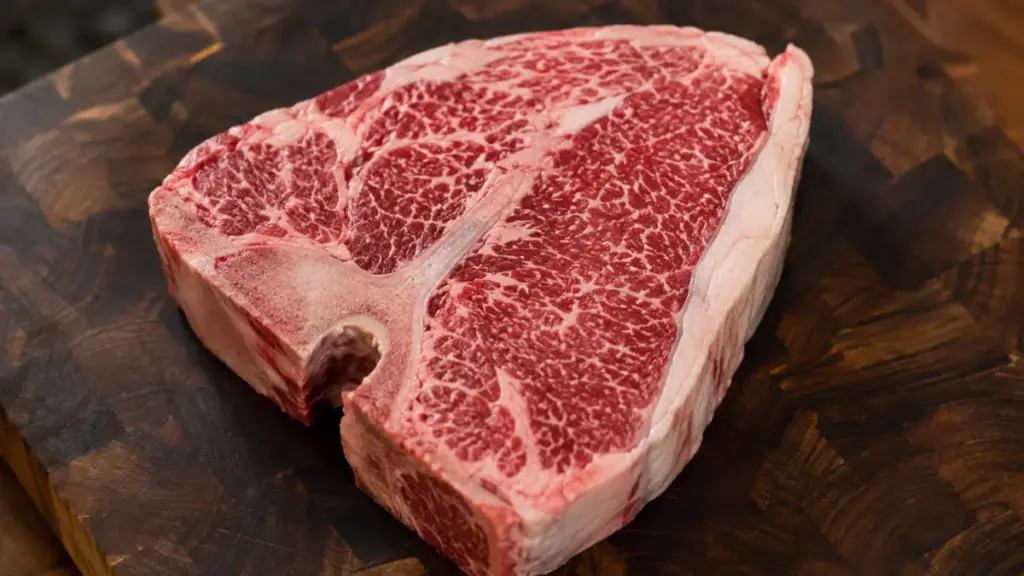
At corporate chains like Del Frisco’s, a major portion of your check covers prime commercial real estate overhead, expansive architectural design, and massive wine towers. Conversely, legendary institutions focus their capital directly on raw ingredient acquisition. A genuine Porterhouse Steak requires two distinct, premium cuts—the tenderloin and the top loin—divided by a T-shaped bone. When purchasing lower-priced alternatives, you are frequently paying for lush interior decor rather than extended, expensive dry-aging weight loss.
Risks of Experiencing Inconsistent Doneness and Flavor in High-Value Cuts
Mass-volume luxury kitchens handle vast quantities of orders simultaneously, which can lead to variance in broiler heat retention and timing. When dealing with a thick-cut Porterhouse Steak, achieving a uniform crust without overcooking the delicate Filet Mignon side demands extreme precision. Commercial chains often rely on wet-aging or brief dry-aging cycles, resulting in higher moisture content that steam-cooks the interior and creates inconsistent thermal gradients across the bone.
Read more: Crush Steakhouse Bills With This 15-Minute Ultra Recipe Quick Steak Hack
The Contrast Between Commercial Chain Steakhouses and F&B Heritage Icons
Navigating the landscape of top-tier dining requires understanding the operational philosophies that separate commercial expansion models from single-minded culinary institutions.
Del Frisco’s and the High-End Corporate Chain Model: Streamlined Efficiency vs. Uniqueness
Del Frisco’s Double Eagle Steakhouse excels at delivering reliable, corporate-friendly luxury, pristine service, and extensive beverage programs across multiple metropolitan markets. However, scaled corporate operations require standardized meat distribution systems. This standardization inherently limits the length of dry-aging times, producing a Porterhouse Steak that prioritizes broad, approachable tenderness over concentrated, funky, mineral-rich beef flavors.
Why True Culinary Enthusiasts Consider Swapping Restaurants for $30 a “Flawed Investment”
For discerning gastronomes, a thirty-dollar discount represents a poor return on investment when it sacrifices a world-class dining memory. The unique, concentrated flavor profile achieved through traditional aging methods cannot be simulated by atmospheric dining spaces. Trading away the unmatched crust and deep flavor of a hand-selected Porterhouse Steak to save a small fraction of the total bill ultimate diminishes the entire dining occasion.
The Defining Factors Behind the Superiority of a Porterhouse Steak at Legendary Peter Luger
Peter Luger Steak House in Williamsburg, Brooklyn, has maintained its status as an international benchmark for beef excellence since 1887. Its reputation is not built on fancy marketing or trendy decor, but on an ironclad commitment to traditional meat handling.
Secrets Behind the Exclusive Dry-Aging Technique of a Century-Old Brand
The fundamental difference between acceptable beef and extraordinary beef lies in what happens weeks before the meat ever touches a hot grill surface.
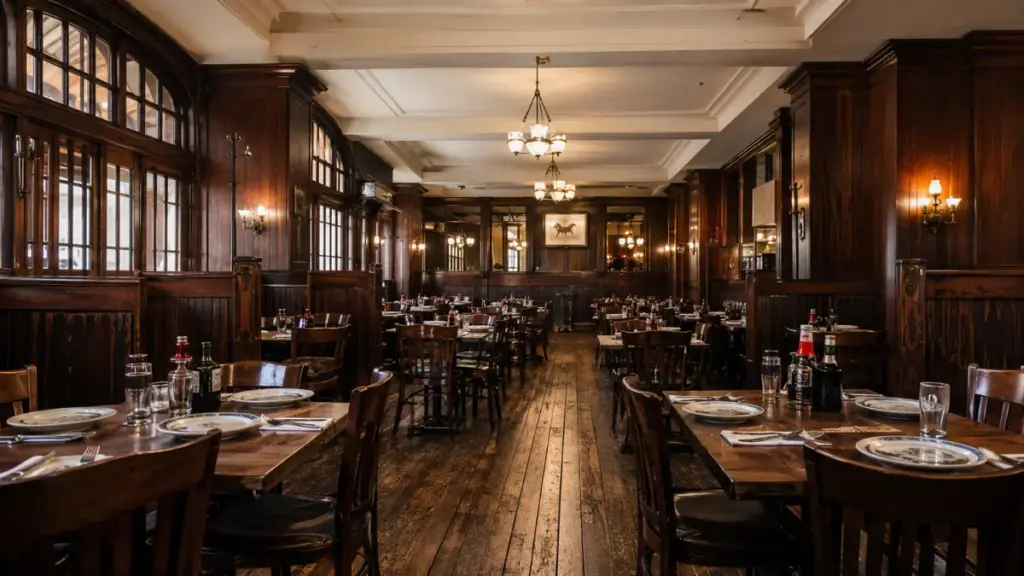
Strict USDA Prime Selection: Only Top 2% of US Beef Meets the Standard
Long before aging begins, expert buyers physically inspect raw short loins at wholesale markets, selecting only the absolute top tier of USDA Prime beef. This rigorous selection process screens for abundant, delicate intramuscular marbling, structural density, and ideal fat caps. Only a fraction of available Prime beef makes the cut to become a signature Porterhouse Steak at Peter Luger.
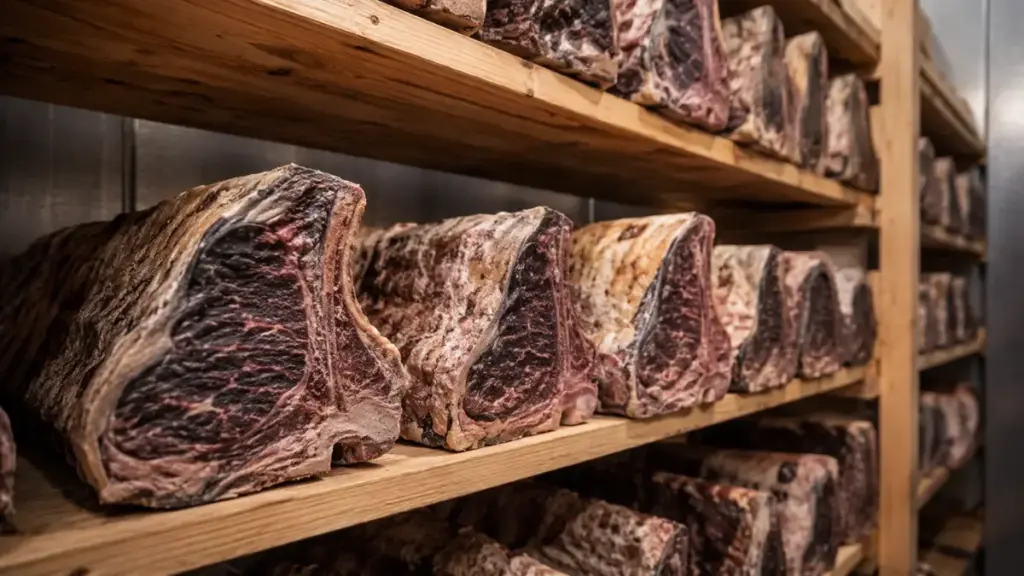
Dedicated Natural Dry-Aging Rooms with Unique Microclimates
Selected short loins are transferred to custom-built, temperature- and humidity-controlled dry-aging rooms located on-site. Over several weeks, naturally occurring enzymes break down complex muscle fibers while moisture steadily evaporates. This controlled environment concentrates natural glutamate compounds within every Porterhouse Steak, developing signature notes of roasted nuts, blue cheese, and deep earthy undertones.
Industrial-Grade High-Heat Broiling and the Famous Clarified Butter Finish
Selecting superior beef is only half the battle; executing high-heat thermal transformation without destroying internal juices represents the crucial second half.
Specialized Ceramic Broilers at Extreme Temperatures for a Perfect Golden Crust
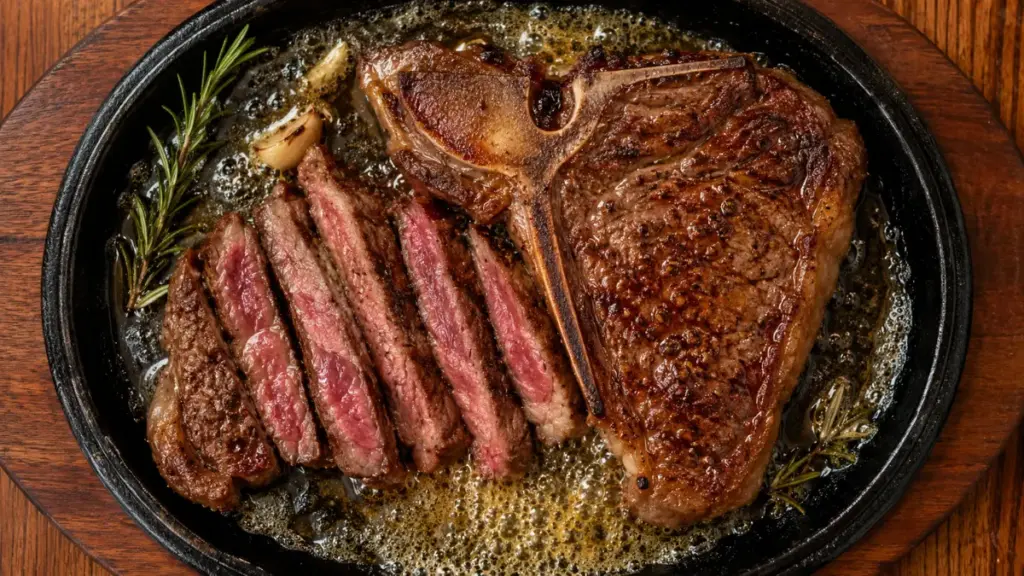
Peter Luger utilizes custom-built, gas-fired ceramic broilers that generate temperatures exceeding 800–1,000 degrees Fahrenheit. This intense thermal energy instantly sear the exterior, creating a rich caramelized crust through the Maillard reaction. This golden crust locks in internal moisture while giving the Porterhouse Steak its distinctive textural contrast between crunchy exterior and melt-in-your-mouth interior.
Choosing an authentic culinary institution over modern shortcuts transforms a simple meal into an unforgettable memory, especially when indulging in a legendary Porterhouse Steak.
Jame
The Harmony of Tender Filet Mignon and Rich Strip Loin on One Cut
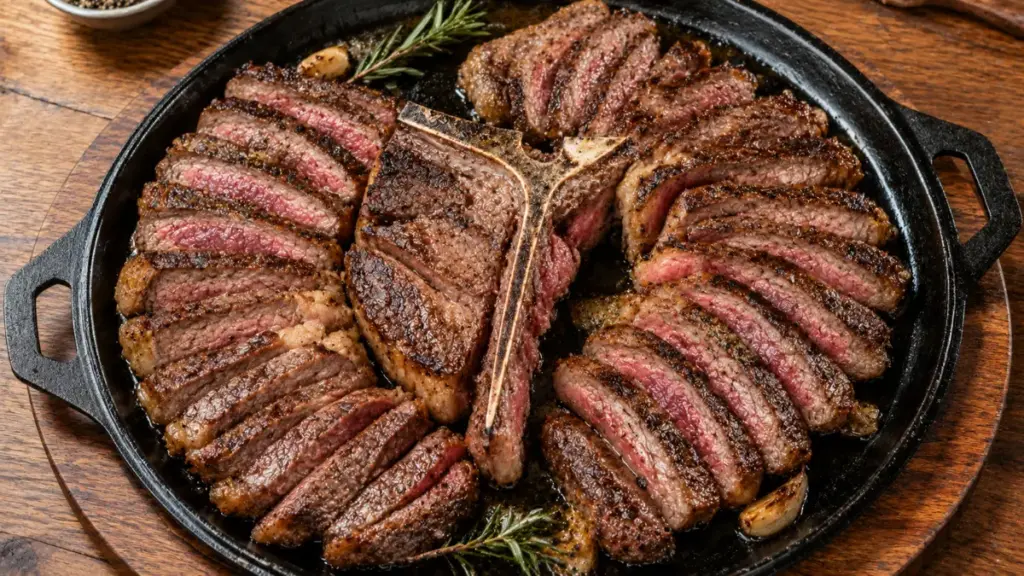
Serving this dual-cut masterpiece requires slicing the meat off the bone, pre-cutting it into thick strips, and returning it to a piping-hot platter bathed in clarified butter. The platter continues to sizzle violently as it arrives at the table. Diners enjoy two distinct textures in a single Porterhouse Steak: the velvety, mild tenderness of the Filet Mignon on one side and the robust, beef-forward chew of the New York Strip on the other.
Experience Scenarios: When Does the $30 Price Difference Deliver Maximum Value?
Understanding when to choose an unpretentious culinary cathedral over a modern corporate steakhouse helps diners align their expectations with the appropriate dining occasion.
More Read
Scenario 1: Celebrating Culinary Heritage and Peak Authentic Value
When the primary objective of your evening is pure gastronomic indulgence, historic authenticity outweighs all modern conveniences.
Booking at Peter Luger for Special Occasions: Where Meat is the Sole Protagonist
At Peter Luger, there are no modern mixology distractions, complex sauces, or elaborate garnishes designed to hide mediocre raw ingredients. The entire culinary experience centers around a perfectly aged Porterhouse Steak. For birthdays, anniversaries, or pilgrimages for dedicated food lovers, paying the extra thirty dollars ensures an uncompromising focus on world-class beef.
Experiencing Classic, Decisive Service and the Legendary Brooklyn Atmosphere
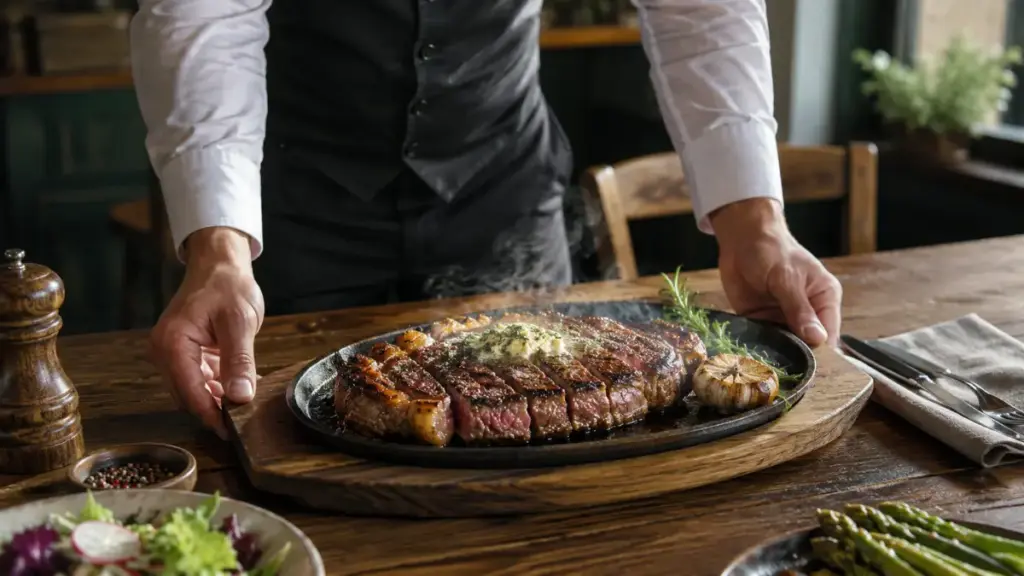
The atmosphere in Williamsburg is unapologetically old-school: bare wooden tables, bow-tied veteran waiters, and a fast-paced, straightforward service style. This sensory environment enhances the historic charm of enjoying a Porterhouse Steak. You are participating in a living F&B tradition that has operated continuously for well over a century.
Scenario 2: Business Dining Prioritizing Ambiance and Modern Amenities
Certain dining situations prioritize comfortable seating arrangements, hushed acoustics, and extensive beverage options over maximum beef flavor concentration.
Selecting Del Frisco’s When Core Needs Include Extensive Wine Lists and Privacy
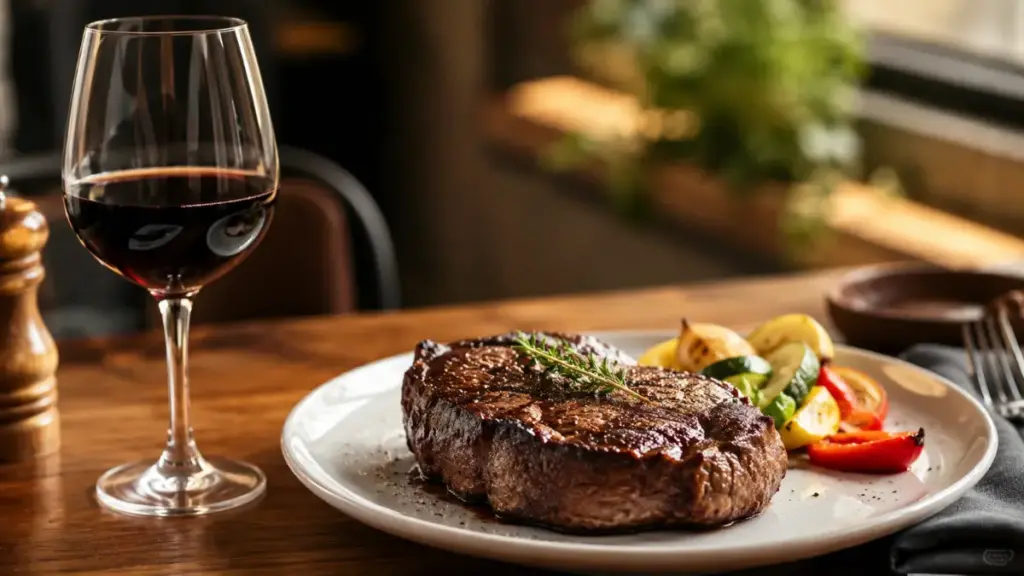
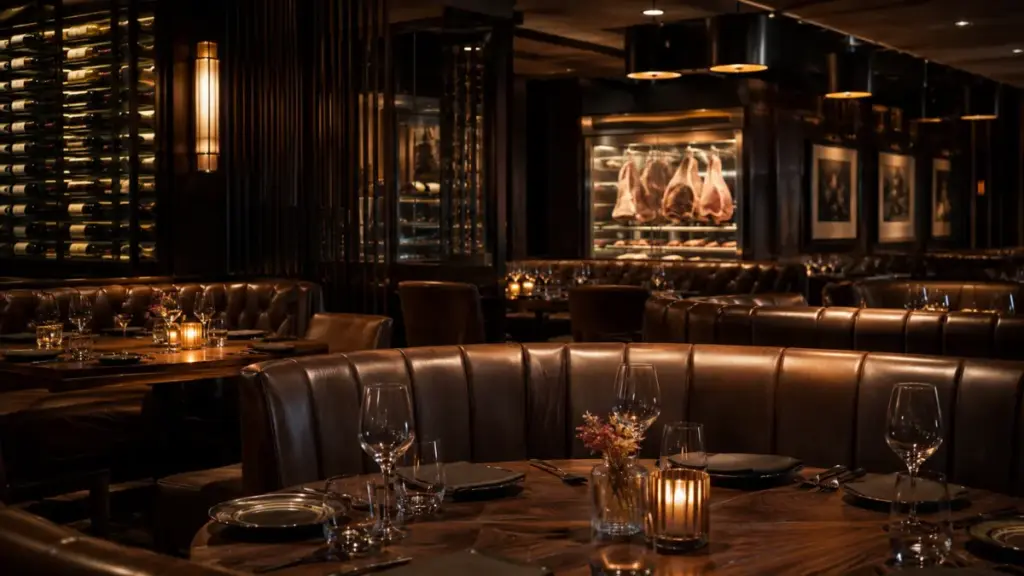
If you are hosting executive clients who expect plush booth seating, quiet acoustics, and a 1,000-label wine list, Del Frisco’s offers an excellent environment. While their Porterhouse Steak lacks the intense dry-aged character found in Brooklyn, the overall corporate hosting experience is smooth, comfortable, and predictable.
The Acceptable Trade-Off: Sacrificing Deep Flavor Concentration for Luxurious Comfort
Choosing Del Frisco’s means accepting a milder, less complex beef flavor profile in exchange for climate-controlled valet parking, soft lighting, and flexible reservation systems. It represents a valid trade-off when the business conversation takes priority over evaluating the nuances of a Porterhouse Steak.
Practical Battle-Tested Tips to Fully Enjoy an Authentic Brooklyn-Style Porterhouse Steak
Visiting a historic dining establishment requires a bit of insider knowledge to maximize your meal and avoid common rookie mistakes.
Guide to Portion Ordering and Controlling Perfect Doneness for Groups
Because these cuts are massive and cooked on hot platters, ordering requires a different approach than standard single-serving restaurants.
How to Order Portion Sizes “Steak for Two/Three/Four” for Optimal Butchery Ratios
Peter Luger cuts their short loins extra thick to withstand high-temperature broiling. Instead of individual cuts, guests order a Porterhouse Steak sized “for Two,” “for Three,” or “for Four.” Ordering larger shared portions guarantees a thicker cut of beef, which allows the kitchen to build a crispy outer crust while keeping the interior rich, rare, and succulent.
Read more: The Quick Meal Blacklist: 7 Dangerous Dishes You Must Never Cook Fast
Why Medium-Rare is the Mandatory “Golden” Doneness to Preserve Natural Juices
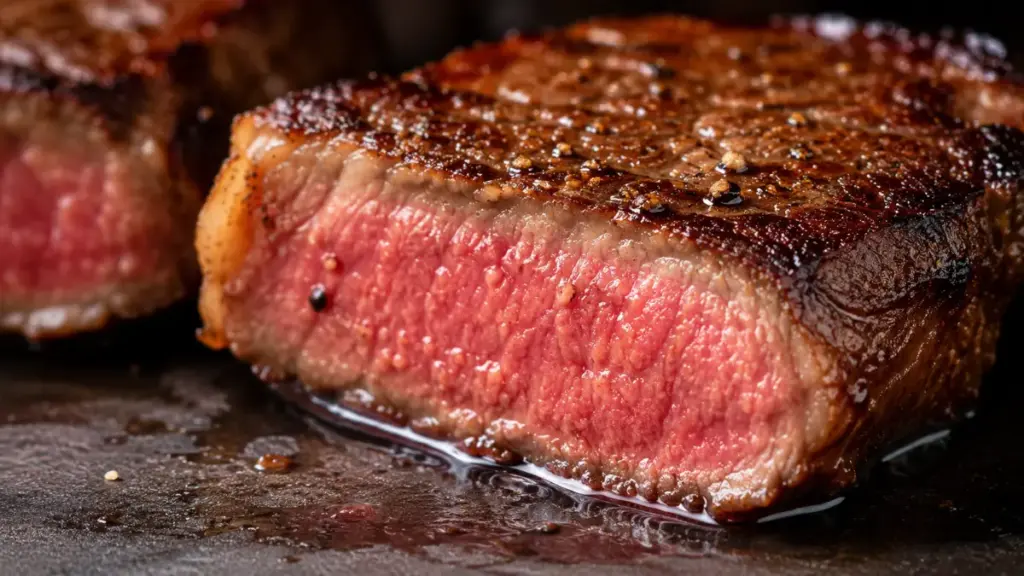
To appreciate a dry-aged Porterhouse Steak, request Medium-Rare. The rendering fat marinates the muscle tissue at this temperature without drying out the lean Filet Mignon side. Furthermore, because the serving platter arrives bubbling hot with clarified butter, the meat continues to cook slightly at the table, naturally bringing rare sections closer to medium-rare as you dine.
Side Dish Pairing Strategy and Pre-Arrival Preparation for Peter Luger
A legendary meal involves more than just the main protein; selecting time-tested side dishes completes the historic experience.
Selecting Classic Accompaniments: Luger’s Sizzling Bacon, German Potatoes, and Creamed Spinach
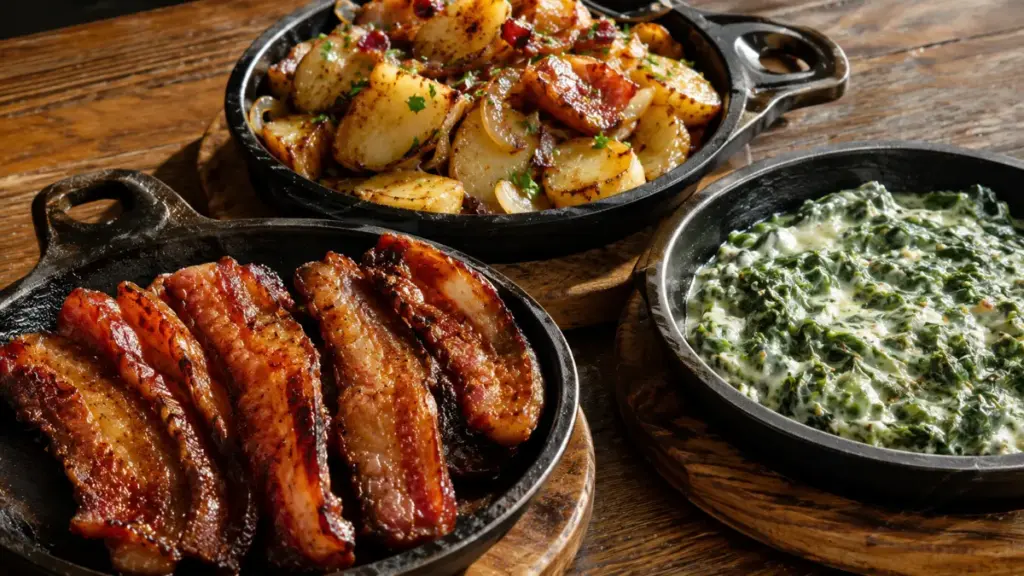
Start your feast with thick-cut Luger’s Sizzling Bacon—a cross between pork belly and Canadian bacon. Alongside your main Porterhouse Steak, order German Fried Potatoes for a crispy, onion-infused crunch, and Creamed Spinach to balance the intense savory richness of the dry-aged beef fat.
Important Notes on Payment Methods: Cash or House Accounts Only
A critical operational detail for first-time visitors: Peter Luger does not accept standard commercial credit cards (Visa, MasterCard, or Discover). They accept cash, US debit cards, personal checks, or official Peter Luger House Account cards. Preparing cash in advance ensures your legendary Porterhouse Steak dinner ends as smoothly as it began.
Frequently Asked Questions About Porterhouse Steak
What is the main difference between a T-Bone and a Porterhouse Steak?
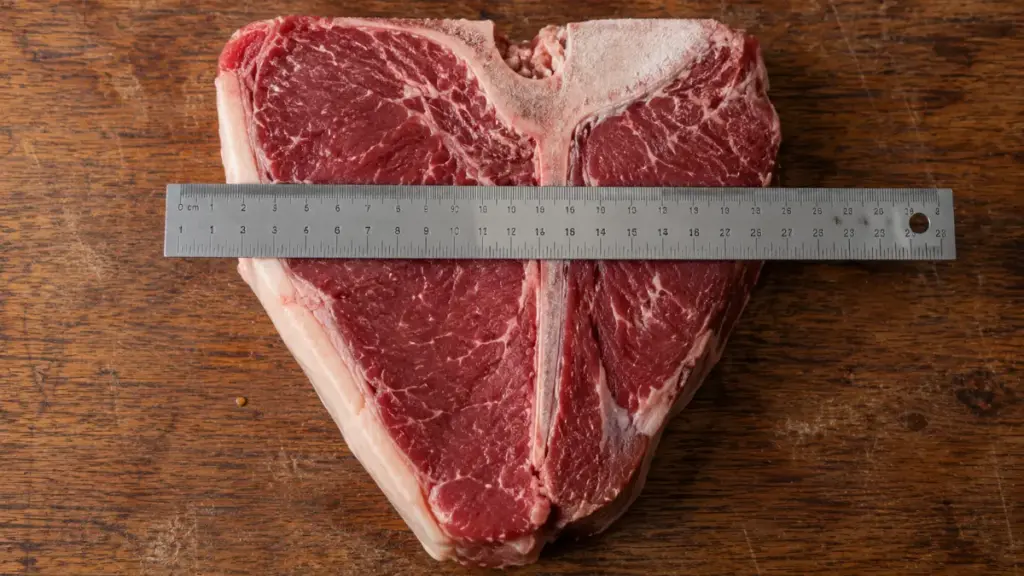
While both cuts feature a T-shaped bone dividing a strip loin and a tenderloin, USDA regulations mandate that a Porterhouse Steak must have a tenderloin section at least 1.25 inches thick at its widest point. A T-Bone’s tenderloin section measures between 0.5 inches and 1.24 inches thick.
Is dry-aged beef always better than wet-aged beef?
Dry-aging evaporates moisture and uses enzymes to deepen beef flavor, yielding a complex, nutty umami profile ideal for a Porterhouse Steak. Wet-aging retains moisture in plastic vacuum bags, producing a tender but milder taste. For deep flavor lovers, dry-aged beef is vastly superior.
Can two people share a Porterhouse Steak for Two at Peter Luger?
Yes, a “Steak for Two” is specifically butchered and portioned to generously feed two adults. Combined with starters like Luger’s Sizzling Bacon and classic sides, a shared Porterhouse Steak provides a thoroughly satisfying dining experience.
Conclusion: Why Peter Luger Remains Worth Every Extra Penny
While saving $30 at a corporate chain like Del Frisco’s offers convenient luxury, it cannot match the legendary culinary depth of Brooklyn’s finest institution. From custom dry-aging rooms to extreme-heat broiling and clarified butter finishes, every detail contributes to an iconic flavor profile. Choosing a Porterhouse Steak at Peter Luger is not merely buying a meal—it is investing in an authentic F&B heritage experience that stays with you long after the final bite.
PLEASE LEAVE A COMMENT TO SHARE YOUR FAVORITE THOUGHTS OR FOLLOW OUR BLOG FOR THE LATEST UPDATES.