



The human gastrointestinal tract houses a complex ecosystem of trillions of microorganisms that continuously regulate systemic immunity, nutrient synthesis, and metabolic balance. Over the past decade, the rapid expansion of microbiome science in the United States has elevated probiotics for digestive health from a specialized medical intervention to a multi-billion-dollar daily wellness staple. From functional yogurts to maximum-strength shelf-stable capsules, American consumers are consistently told that flooding their intestines with beneficial bacteria is the ultimate path to digestive wellness.
- The Enteric Biology: How Probiotics for Digestive Health Can Paradoxically Trigger Distress
- 3 Critical Mistakes to Avoid When Using Probiotics
- Clinical Assessment: Normal Adjustment vs. Adverse Reactions
- Best Practices for Administering Probiotics Safely
- High-Risk Categories: Who Should Avoid Probiotics Without Medical Guidance
- Frequently Asked Questions
- Final Thoughts
However, international clinical research indicates that this generalized approach to gut health can frequently backfire. Ingesting industrial quantities of live microorganisms without evaluating individual physiology can cause severe gastrointestinal distress, worsen underlying conditions, and lead to unnecessary medical visits.
To achieve a balanced, symptom-free gut, you must learn how to navigate the market for Probiotics using evidence-based parameters. This comprehensive guide details the biological mechanics of bacterial fermentation, exposes common supplementation errors, and provides a clear framework to safely use probiotics for digestive health.
Read More: The Clinical Reality Behind a High Protein Breakfast: 5 Groups Who Should Avoid It

The Enteric Biology: How Probiotics for Digestive Health Can Paradoxically Trigger Distress
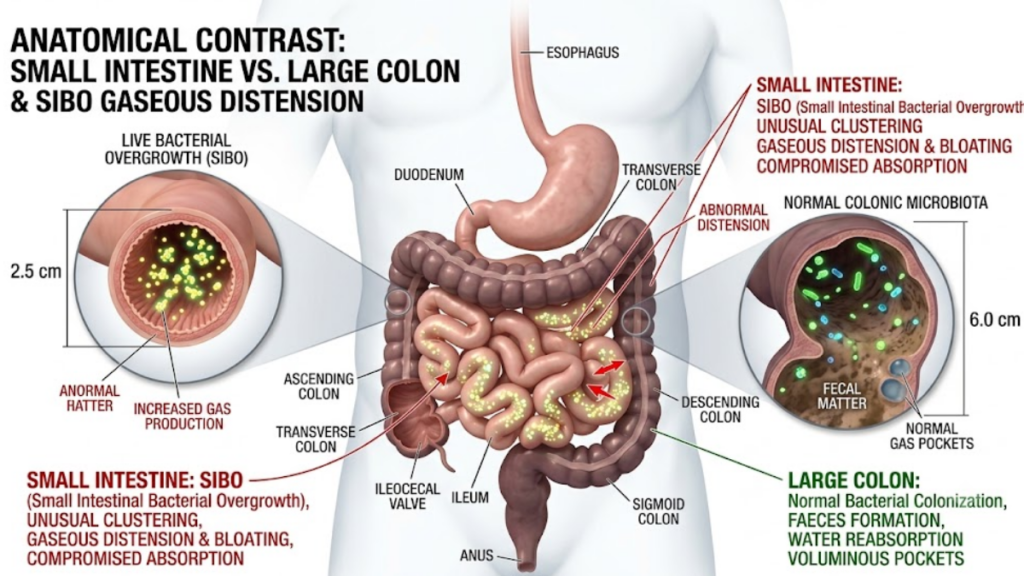
To understand why a healthy supplement can sometimes make you feel worse, we must look closely at the physical anatomy of the upper and lower intestines. The human gut is strictly compartmentalized. The large intestine (colon) naturally holds the vast majority of your resident gut bacteria, while the small intestine is kept clear of heavy microbial activity so it can efficiently absorb nutrients from your food.
The Small Intestinal Overload Phenomenon
When individuals consume high-dose probiotics for digestive health indiscriminately, they risk introducing massive amounts of live bacteria into the small intestine before the capsules can reach the colon. If these strains settle in the small intestine, they immediately begin fermenting incoming dietary carbohydrates.
This premature fermentation produces large amounts of hydrogen and methane gases directly within the narrow, highly sensitive loops of the small bowel. The result is rapid, painful abdominal distension, severe bloating, and visible swelling that occurs shortly after eating.
The Nervous System and Microbiome Adjustments
The gastrointestinal tract is lined by the enteric nervous system (ENS), an intricate meshwork of millions of neurons often called the “second brain.” The ENS continuously monitors the chemical environment and internal pressure of the gut lining. When you introduce targeted probiotics for digestive health, these beneficial live bacteria interact directly with this neural network to modulate your intestinal environment.
By actively communicating with the ENS, the right strains of probiotics for digestive health can help regulate motility, reduce localized sensitivity, and improve the overall signaling pathways that control smooth, pain-free elimination…

The enteric nervous system’s response unfolds in the following stages:
- Microbial Influx: A large dose of newly introduced beneficial bacteria abruptly alters the gut’s internal environment. While millions of people turn to high-dose probiotics for digestive health to fix their chronic gut issues, this sudden influx can inadvertently shock a sensitive microbiome.
- Neurological Response: The enteric nervous system interprets this sudden change as a potential threat. Instead of calming the gut, the unmanaged introduction of probiotics for digestive health triggers a localized defensive warning response along the intestinal walls.
- Symptom Manifestation: The intestinal muscles contract abnormally, leading to alternating episodes of diarrhea and constipation, along with persistent dull abdominal pain. This clear neurological overreaction proves that even beneficial probiotics for digestive health can destabilize your bowel movements if the initial dosage is too aggressive for your unique system to handle smoothly.
For individuals with heightened gut sensitivity or structural issues like Irritable Bowel Syndrome (IBS),this adjustment period can trigger significant discomfort. If you have IBS, you may also benefit from our article on Foods That Can Trigger IBS Symptoms. This adjustment period can easily trigger significant physical discomfort rather than providing relief.
3 Critical Mistakes to Avoid When Using Probiotics
Maximizing the therapeutic value of your supplements requires avoiding the most common consumer errors found in today’s wellness landscape.

1. Assuming All Microscopic Strains Offer Uniform Benefits
The most frequent mistake consumers make is treating all Probiotics as if they serve the exact same purpose. Bacterial benefits are entirely strain-specific, defined by a distinct combination of genus, species, and alphanumeric designations.
Details on the naming of a clinical bacterial strain:
- Genus: Lactobacillus
- Species: rhamnosus
- Genetic Strain: GG (LGG)
For instance, Lactobacillus rhamnosus GG has extensive clinical backing for reducing antibiotic-associated diarrhea, but it may do very little to relieve chronic, sluggish constipation. Conversely, specific strains of Bifidobacterium lactis excel at improving regular intestinal transit times but may not address upper gastric issues. Selecting a product without matching the specific strain to your personal symptoms will rarely deliver the results you want. The NIH Office of Dietary Supplements also notes that probiotics are identified by their genus, species, and strain, and different strains may have different health effects rather than providing the same benefits
2. Simultaneous Dosing Schedules During Antibiotic Therapies
Antibiotics are lifesaving medications, but they also disrupt many beneficial bacteria that live in the gut. Our guide on How Antibiotics Affect the Gut Microbiome explains why rebuilding the microbiome takes time. but they are completely non-selective; they eliminate beneficial residential microbes right along with the target pathogens. To counteract this side effect, many people take their probiotic supplements at the exact same time as their antibiotic prescription.
This is a counterproductive practice. The active antibiotic molecules will easily destroy the live probiotic bacteria within the stomach and upper duodenum before they can ever colonize the lower tract. If you are taking therapeutic probiotics for digestive health concurrently with an antibiotic prescription, this immediate destruction completely neutralizes the clinical benefits of the supplement.
To preserve your investment, always separate your probiotic dose from your antibiotic medication by a window of at least two to three hours. This careful timing window guarantees that your daily probiotics for digestive health can pass through the stomach unharmed, allowing the beneficial strains to successfully reach and repopulate the lower bowel without being wiped out by the medication.
3. Ignoring High Concentrations of Added Sugars and Extraneous Sweeteners
The American consumer market is flooded with convenient probiotic delivery systems, including flavored yogurt drinks, chewable tablets, and sugary gummies. While these items are appealing, they are frequently loaded with added cane sugars, high-fructose corn syrup, or sugar alcohols like sorbitol and maltitol. Relying on these sweet vehicles means you are inadvertently selecting sub-optimal probiotics for digestive health that may do more harm than good to your internal ecosystem.
High sugar intake feeds opportunistic pathogenic yeasts in the gut, while sugar alcohols draw excess water into the large intestine, causing osmotic diarrhea. Consuming these products regularly introduces a significant amount of unnecessary sugar into your daily diet, which directly compromises your long-term health goals. To achieve true therapeutic benefits, you must look past the marketing and select clean, sugar-free probiotics for digestive health that protect your microbiome without triggering inflammatory blood sugar spikes.
“In the world of probiotics, volume is a poor substitute for precision. A hundred billion random cultures cannot do what one perfectly matched, strain-specific ally can achieve when guided by clinical science instead of wellness marketing.”
Julian Mercer, Consumer Health Advocate & Founder of The Clean Gut Initiative.
Clinical Assessment: Normal Adjustment vs. Adverse Reactions
When incorporating new active cultures into your daily regimen, you must monitor how your body responds over the first two weeks. Use this clinical reference matrix to help differentiate between standard adjustment phases and adverse reactions:
| Gastrointestinal Monitoring Criteria | Standard Microbiological Adjustment Phase | Adverse Reaction / Discontinuation Required |
| Abdominal Bloating & Gas | Mild, transient gas that resolves naturally within 3 to 5 days. | Severe, progressive distension that worsens daily and limits clothing comfort. |
| Pain & Intestinal Cramping | Mild, short-lived shifts in gas pressure that pass quickly. | Persistent, sharp lower-quadrant abdominal pain or severe cramping. |
| Bowel Movement Regularity | Slight, temporary shifts in stool consistency that normalize within a week. | Ongoing, watery diarrhea, severe constipation, or any visible blood in the stool. |
| Systemic Symptoms | No impact on your overall energy, skin health, or body temperature. | Development of skin rashes, hives, low-grade fever, or persistent nausea. |
Best Practices for Administering Probiotics Safely
To ensure your chosen cultures support your digestive wellness effectively without causing internal irritation, incorporate these professional guidelines into your daily routine.
Read More: 5 High Fiber Foods That Cause Constipation That Ruin Gut
Select a Balanced, Evidence-Based CFU Count
Not every digestive symptom requires a probiotic supplement. Our article on Common Mistakes People Make When Taking Probiotics explains how choosing the wrong strain, dose, or timing may reduce their effectiveness.
More Read

CFU stands for Colony Forming Units, which quantifies the volume of live, viable bacteria contained in each dose. The health market often pushes the narrative that higher numbers are automatically better, leading to products boasting 50 to 100 billion CFUs per serving. This aggressive marketing can easily mislead consumers into purchasing oversized doses, assuming they are the most effective probiotics for digestive health available.
For standard daily maintenance and general digestive support, extensive clinical trials show that a range of 1 to 10 billion CFUs is completely sufficient. Super-high doses do not guarantee superior colonization and are much more likely to trigger acute gas and bloating in sensitive individuals. Reserve maximum-strength formulations for specific clinical conditions under the direct guidance of a medical professional. When choosing everyday probiotics for digestive health, prioritizing strain diversity and survival rates over raw, excessive CFU counts will deliver much safer and more sustainable results for your microbiome.

Optimize Your Dosing Schedule Around Meal Consumption
The primary obstacle a live probiotic faces is the highly acidic environment of the human stomach, which is designed to destroy incoming pathogens. To maximize survival rates, take your supplement either twenty minutes before a meal or directly alongside your food.
Eating dilutes stomach acid and raises the internal gastric pH. This creates a much safer pathway for the live cultures to pass through the stomach unharmed and successfully colonize the lower intestines. Taking your daily probiotics for digestive health with a meal or within thirty minutes of eating provides the exact structural buffering these delicate microorganisms need to survive.
By utilizing food as a natural shield against harsh digestive fluids, you maximize the survival rate of the beneficial bacteria. This simple timing adjustment ensures that your investment in probiotics for digestive health yields the highest possible biological return, allowing the active strains to reach the lower bowel intact and begin actively supporting your immune and metabolic pathways.
High-Risk Categories: Who Should Avoid Probiotics Without Medical Guidance
While active cultures are completely safe for the vast majority of healthy adults, certain groups face a higher risk of rare but serious complications, such as bacteremia or fungemia (live bacteria or fungi entering the bloodstream). You must consult a qualified medical professional before using these products if you fall into any of the following categories. For individuals with severely compromised biological systems, blindly introducing external probiotics for digestive health can inadvertently lead to systemic micro-infections rather than wellness benefits.
Medical surveillance is absolutely critical because highly concentrated formulas can act aggressively in vulnerable internal environments. Before incorporating commercial probiotics for digestive health into a complex treatment plan, a thorough clinical evaluation ensures that the selected strains will safely support the body without overwhelming its natural defenses.
- Severely Immunocompromised Individuals: Patients undergoing active chemotherapy, radiation treatments, or taking systemic immunosuppressive medications.
- Critically Ill Patients: Individuals recovering from major invasive surgeries, or those currently utilizing central venous catheters in clinical environments.
- Advanced Gastrointestinal Disease: Patients managing severe structural issues, such as active, perforated Crohn’s disease or advanced ulcerative colitis.

Frequently Asked Questions
Why do I feel incredibly bloated after taking a new probiotic supplement?
This reaction typically occurs because the introduced bacterial strains are fermenting carbohydrates in your upper digestive tract, producing excess gas. If this bloating is mild and tapers off over a few days, it is simply a sign that your gut microbiome is adjusting. If the distension remains severe or causes pain, stop taking the supplement and re-evaluate the strain and dose.
Experiencing temporary gas does not mean your new routine has failed; rather, it indicates a shifting internal landscape. When introducing probiotics for digestive health, starting with a lower dose minimizes this initial fermentation spike. By giving your system a few days to stabilize, you allow these specific probiotics for digestive health to seamlessly integrate into your intestinal tract without causing prolonged, uncomfortable abdominal swelling.
How long does it take for my gut to reset after I stop taking probiotics?
Most transient probiotic strains do not permanently colonize the gut; they typically pass through your system within one to two weeks after you stop taking them. If your symptoms were caused by supplement overload, you should notice a gradual reduction in bloating and gas during this timeframe.
Can I get enough probiotics for digestive health solely from whole foods?
Yes, absolutely. For general health maintenance, consuming natural, traditionally fermented foods—such as unpasteurized kefir, raw sauerkraut, kimchi, miso, and traditional kombucha—is a fantastic way to support your gut. These whole foods also provide complex matrices of organic acids, enzymes, and vital nutrients that commercial capsules lack.
Final Thoughts
Investing in probiotics for digestive health can be an exceptionally rewarding step toward long-term wellness, provided you approach the process with clear clinical logic. By matching specific bacterial strains to your individual symptoms, choosing sensible CFU counts, and prioritizing a foundational diet of whole, fiber-rich foods, you can easily support a resilient microbiome without causing unnecessary internal distress.
For more expert consumer protection reports, advanced digital media insights, and modern lifestyle strategies, make sure to follow The Couch Insider . If you are looking to optimize physical stamina, enhance cellular vitality, and build nutrient-dense daily menus using clean, verified ingredients, explore our extensive library of veterinary-reviewed guides in the Meals section today!