



Rescue dogs offer a wonderful opportunity to open your heart and give a deserving pet a loving forever home. However, navigating the adoption process for rescue dogs often comes with strict screening requirements designed to ensure the animal’s safety. If you want to adopt rescue dogs without running into unnecessary hassles, this guide details the 12 critical conditions every prospective owner needs to prepare in advance for a seamless approval!
To successfully bring home rescue dogs from reputable shelters, prospective owners must immediately fulfill three core criteria: stable housing with landlord approval, financial readiness for veterinary care, and an active schedule that prevents prolonged isolation. Rescue groups prioritize applicants who demonstrate long-term commitment and lifestyle compatibility, ensuring these animals never face abandonment again.
Core Requirements to Prepare Before Applying for Rescue Dogs
Adopting rescue dogs requires careful planning and a thorough understanding of rescue organization expectations. Shelters rigorously screen applicants to guarantee that every placed animal lands in a safe, permanent environment. Preparing your mindset and home structure well before submitting an application dramatically accelerates the verification workflow and builds trust with adoption coordinators.
Financial Readiness and Budget Allocation
Taking care of rescue dogs demands consistent financial stability. Beyond initial adoption fees, long-term maintenance requires dedicated funds for high-quality food, preventative medicines, and unexpected emergency medical treatments.
“Dogs have a way of finding the people who need them, and filling the space we didn’t even know was empty.”
Anna
Calculating Initial Adoption Fees and Immediate Setup Expenses
Initial expenses for rescue dogs typically range from two hundred to six hundred dollars, covering spaying or neutering, microchipping, and primary vaccinations. Immediately after bringing your pet home, you must purchase essential supplies including an orthopedic bed, crate, sturdy leash, stainless steel bowls, and appropriate training aids. Preparing this initial setup budget guarantees a smooth transition without financial strain during your first week together.

Establishing an Ongoing Healthcare and Emergency Veterinary Fund
Routine care for rescue dogs involves monthly flea, tick, and heartworm preventatives alongside annual health checkups. In addition, setting up a dedicated emergency savings account or securing comprehensive pet insurance protects against sudden illnesses or accidental injuries. Shelters explicitly look for applicants who possess a clear financial safety net capable of handling unexpected medical bills without hesitation.
Housing Stability and Living Space Suitability
Your living arrangement serves as the foundational environment for rescue dogs recovering from past trauma or neglect. Rescue committees evaluate space safety, lease permissions, and outdoor accessibility to verify environmental compatibility.
Securing Explicit Landlord Approval and Pet Policy Verification
Renting a property requires presenting official written consent from your landlord authorizing rescue dogs on the premises. Many lease agreements impose strict weight, size, or breed restrictions that can derail an application if not addressed beforehand. Providing explicit lease documentation or a signed letter from your property manager upfront eliminates delays and proves responsible tenant behavior.

Assessing Physical Space, Fencing Integrity, and Neighborhood Safety
Physical security is vital when introducing rescue dogs to a new yard or residential area. Fences should stand at a secure height without structural gaps, loose boards, or dig zones where an anxious animal might escape. Apartment dwellers must identify nearby dog-friendly parks, safe walking routes, and green spaces suitable for daily exercise routines.
12 Essential Conditions Every Owner Must Fulfill for Rescue Dogs
Meeting shelter standards involves satisfying twelve concrete operational conditions across lifestyle, health, and social readiness. Addressing these checkpoints systematically guarantees your application stands out to adoption committees evaluating rescue dogs.
Household Alignment and Lifestyle Adaptation
Harmonious living relies on full household agreement and realistic scheduling. Shelters check whether every family member is ready to share daily care responsibilities.
Ensuring Whole-Family Consent and Active Involvement in Daily Care
Every member of the household must enthusiastically agree to welcome rescue dogs into the home. Unanimous consent prevents future conflicts regarding exercise duties, feeding schedules, and household rules. Adoption shelters frequently require all permanent residents, including children, to attend the meet-and-greet session to observe behavioral interactions firsthand.
Read More: The Costly Misconceptions About Pet Insurance for Adopted Dogs

Time Management: Eliminating Prolonged Isolation and Planning Work Routines
Rescue dogs thrive on predictable schedules and structured social human interaction. Leaving a newly adopted animal alone for more than eight consecutive hours often triggers severe separation anxiety and destructive behavior. Applicants who work long office hours must present a clear management strategy, such as hiring a professional dog walker, utilizing doggy daycare, or working remotely during the adjustment phase.
Health, Nutrition, and Preventative Medical Standards
Maintaining optimal physical health requires continuous preventative care and appropriate nutritional planning tailored to the animal’s specific physical needs.
Selecting Age-Appropriate Nutrition and Preventative Healthcare Programs
Proper nutrition directly influences the physical recovery and energy levels of rescue dogs. Puppies require high-calorie growth formulas, whereas adult or senior animals benefit from joint support supplements and weight management kibble. Establishing a consistent feeding routine alongside vet-approved preventative treatments guards against parasites and gastrointestinal distress.

Partnering with a Licensed Veterinarian for Long-Term Care
Establishing a relationship with a local veterinary clinic before submitting your adoption application demonstrates proactive responsibility. Shelter screeners frequently call prospective veterinarians to verify past pet care records, vaccination compliance, and routine medical history. Providing a pre-selected clinic contact speeds up background checks significantly.
Safety Infrastructure and Secure Environment Setup
Creating a physically secure home prevents accidental escapes and reduces environmental stressors for newly placed animals.
Proofing the Indoor Environment: Toxic Hazard Removal and Crate Setup
Indoor spaces must be thoroughly proofed before rescue dogs arrive at your front door. Remove toxic house plants, secure household chemicals behind latched doors, and conceal electrical cords. Setting up a comfortable crate with soft blankets creates a safe sanctuary where an overwhelmed animal can retreat and rest undisturbed.
Read More: 5 Best Ways on How to Train Your Dog at Home Effectively

Outdoor Containment Security and Escape-Prevention Protocols
Outdoor areas demand rigorous safety inspections to prevent sudden flight responses caused by unexpected loud noises. Ensure all yard gates possess self-latching hardware, lock systems, and flush boundaries with the ground. Inspect perimeter walls for low jumping points or loose wire netting that could compromise security during outdoor exercise sessions.
Behavioral Readiness, Training, and Socialization Strategy
Understanding canine behavior allows owners to handle transitional challenges with patience, empathy, and positive reinforcement techniques.
Preparing Positive Reinforcement Training Tools and Decompression Tactics
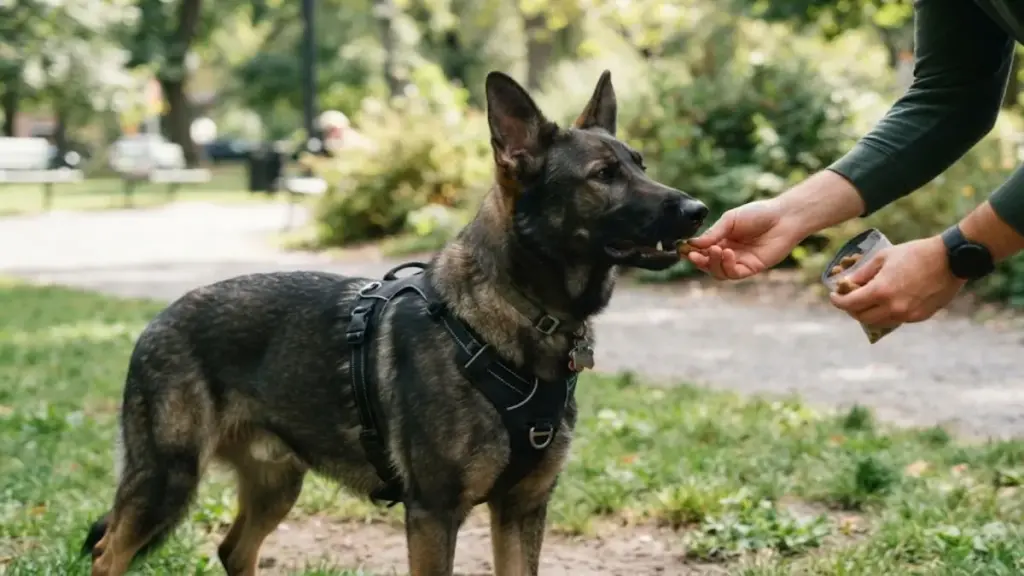
Newly adopted rescue dogs require clear structure, quiet spaces, and positive reinforcement rather than harsh corrections. Equipping yourself with high-value treat pouches, clickers, and non-tightening harnesses facilitates calm learning. Allowing a decompression period known as the 3-3-3 rule gives the animal time to adjust without overwhelming social exposure.
Managing Pre-Existing Traumas, Anxiety, and Gradual Socialization
Many rescue dogs carry emotional baggage from past instability, manifesting as leash reactivity, resource guarding, or fear of strangers. Prospective owners should study basic behavioral signals and research certified local dog trainers. Gradual exposure to neighborhood environments helps build confidence without overstimulating the dog’s nervous system.
Navigating the Approval Process for Rescue Dogs Smoothly
Understanding the step-by-step workflow of rescue organizations streamlines your application and prevents common administrative errors. Rescue teams work tirelessly to ensure ideal matches between animals and prospective owners.
More Read

Step-by-Step Guidance Through Application to Home Arrival
The adoption journey follows a structured sequence designed to evaluate compatibility from paper screening to final placement.
Submitting Flawless Applications and Preparing Personal References
Accurate and honest documentation is paramount when applying for rescue dogs. Fill out every section of the application form completely, detailing past pet ownership experience, home activity levels, and daily work schedules. Notify your personal and veterinary references in advance so they respond promptly when shelter volunteers reach out for verification interviews.

Aceing the Home Check Inspection and In-Person Meet-and-Greet Sessions
Home visits—whether conducted in person or virtually—allow screeners to assess physical safety and living conditions. Ensure your fence line is intact, dangerous items are stored away, and all family members are present. During the meet-and-greet, approach rescue dogs calmly, allowing the animal to initiate physical contact at its own comfortable pace.
Avoiding Common Mistakes That Cause Application Rejection
Recognizing why applications get denied empowers you to fix potential issues before shelter representatives flag them.
Resolving Discrepancies in Lease Agreements and Reference Responses
Unclear lease policies remain one of the top reasons shelters decline applications for rescue dogs. Always attach official written landlord permission directly to your application packet. Furthermore, ensure your listed personal references are aware of your plans and hold positive views regarding your capability to care for a pet responsibly.

Addressing Unrealistic Expectations Regarding Immediate Behavior Adaptations
Expecting rescue dogs to behave perfectly from day one often leads to disappointment and adoption failures. Shelters reject applicants who display impatience or demand immediate performance without offering grace during adjustment periods. Demonstrating realistic expectations regarding housebreaking accidents and initial shyness proves your commitment to long-term success.
Frequently Asked Questions About Rescue Dogs
Addressing common concerns helps prospective adopters navigate post-adoption adjustments with confidence and clarity.
How long does the decompression period take for rescue dogs?
Most rescue dogs follow the general 3-3-3 guideline during decompression: three days to overcome initial overwhelm, three weeks to settle into daily household routines, and three months to build true trust and feel entirely secure in their new home environment. Individual timelines vary depending on past trauma and temperament.

Can I adopt rescue dogs if I live in a high-rise apartment?
Yes, living in an apartment does not automatically disqualify you from adopting rescue dogs. Shelters evaluate your plan for physical exercise, potty breaks, and mental stimulation. Breeds or individual dogs with lower energy requirements or quiet temperaments often adapt exceptionally well to apartment environments.
What should I do if my rescue dog displays severe separation anxiety?
Manage separation anxiety by establishing predictable daily routines, providing interactive puzzle toys during departures, and avoiding dramatic hellos or goodbyes. Desensitize the dog to departure cues like picking up keys. If anxiety persists, consult a certified professional canine behaviorist or your veterinarian for structured desensitization protocols.

Final Checklist: Bringing Home Your Rescue Dogs with Confidence
Welcoming rescue dogs into your life stands as one of the most fulfilling experiences a pet lover can undertake. By meticulously addressing financial preparation, securing living environments, aligning household expectations, and committing to patient training, you build a permanent foundation where your new companion can truly flourish.
Preparing your home and mindset in advance transforms the screening process from an intimidating hurdle into a smooth, rewarding journey. Work closely with shelter staff, stay patient through the adjustment period, and celebrate every small milestone as your rescued dog learns to trust, love, and feel safe in its forever home.

PLEASE LEAVE A COMMENT TO SHARE YOUR FAVORITE THOUGHTS OR FOLLOW OUR BLOG FOR THE LATEST UPDATES.