

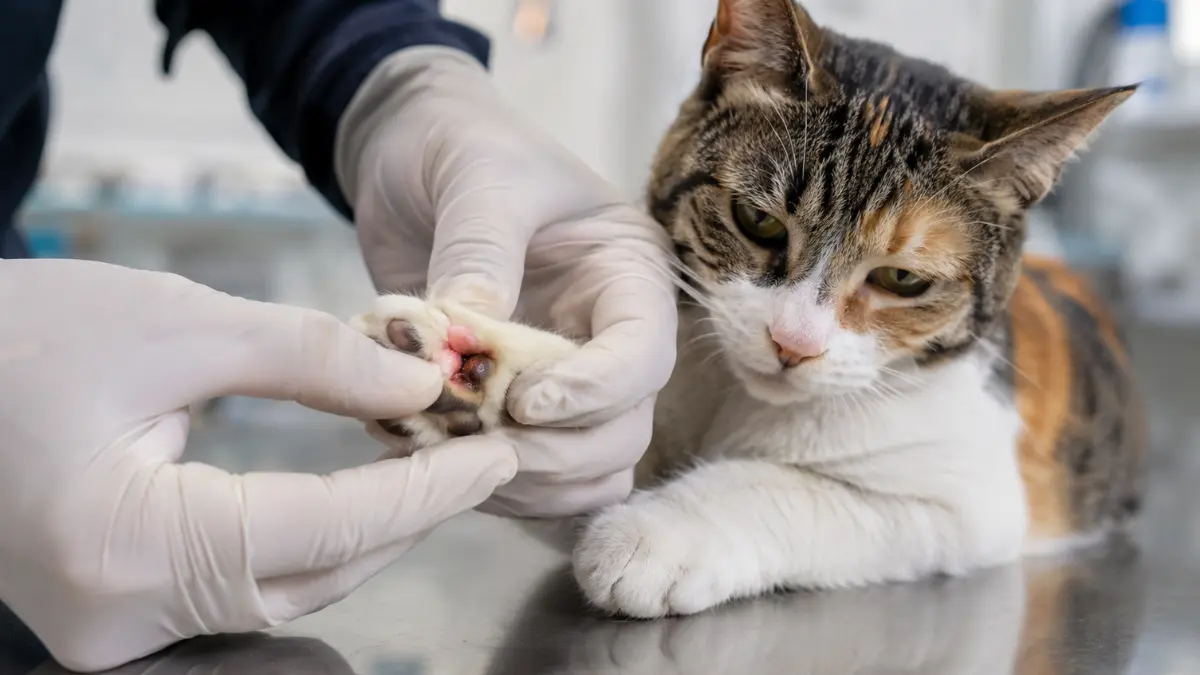

Discovering that your beloved indoor feline companion was involved in a territorial outdoor fight can be a deeply alarming moment for any pet owner. Outdoor animals carry high risks of transmitting severe bacterial infections along with the deadly, incurable rabies virus through deep puncture wounds.
- What Are the Severe Risks When Your Pet Is Bitten by a Stray Cat?
- 7 Urgent First Aid Steps when Your Pet Is Bitten by a Stray Cat
- Essential Owner Safety Rules When Managing a Pet Bitten by a Stray Cat
- Long-Term Preventive Strategies to Protect Your Pet from Being Bitten by a Stray Cat
- Frequently Asked Questions About Handling Pets Bitten by a Stray Cat
- Conclusion: Protecting Your Companion After Being Bitten by a Stray Cat
Immediate action taken during the first few minutes after an attack is absolutely vital to minimize health complications and virus transmission. Knowing how to properly clean, treat, and monitor wounds at home before reaching the vet clinic can save your companion’s life. Learn what urgent actions to take when your pet is bitten by a stray cat with these 7 essential first aid steps to prevent rabies!
If your feline companion was bitten by a stray cat, you must immediately flush the wound thoroughly under clean running water with antiseptic soap for 10 to 15 minutes, apply a mild topical antiseptic like diluted Povidone-Iodine, and take your pet to a licensed veterinarian within 24 hours for a rabies booster shot and broad-spectrum antibiotics. Feline teeth act like natural hypodermic needles, sealing dangerous pathogens beneath the skin surface, making instant physical cleansing and urgent veterinary intervention the only effective path to preventing abscesses, sepsis, and fatal rabies infection.
What Are the Severe Risks When Your Pet Is Bitten by a Stray Cat?
Understanding the hidden dangers behind feline aggression requires analyzing both the biological load carried within feral saliva and the mechanical structure of a feline jaw strike. Outdoor strays survive in unhygienic conditions, carrying dense microbial colonies that easily transfer during territorial combat.

Pathogen Transmission Dynamics and Salivary Toxicity from Stray Cat Attacks
The mouth of an unvaccinated outdoor animal is a reservoir for dangerous pathogens. When your household pet is bitten by a stray cat, pathogens transfer directly into subcutaneous tissue layers.
Bitten by a Stray Cat: Pasteurella multocida and Rabies Virus Transmission via Salivary Fluids
Pasteurella multocida is a gram-negative bacterium residing naturally in the oral cavity of over 90% of feral felines. Upon skin penetration, this organism multiplies rapidly, causing acute local swelling, severe pain, and tissue necrosis within six to twelve hours. Concurrently, if the attacking animal carries the active rabies virus, the pathogen travels through the peripheral nervous system directly toward the brain, making immediate medical counteraction essential.
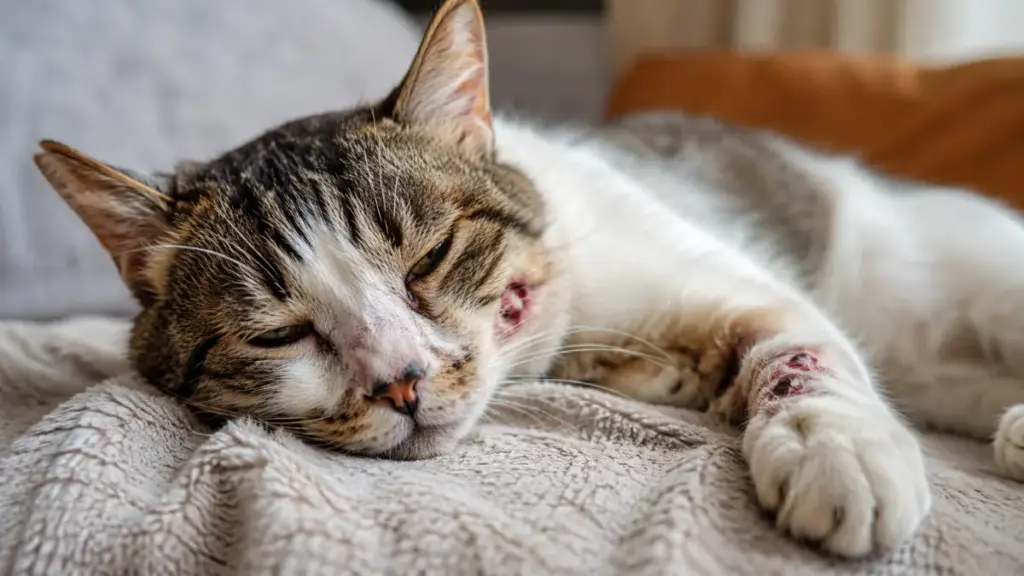
Fast Skin Closure over Deep Canine Puncture Wounds Leading to Abscesses
Feline teeth are narrow, sharp, and needle-like. When these teeth penetrate skin, they push bacteria deep into muscle and fascia. Because the entry holes on the skin surface are tiny, they seal over quickly within hours. This creates an anaerobic, oxygen-deprived environment beneath the skin—ideal for anaerobic bacteria to multiply, leading to painful, pus-filled abscesses that can rupture internally.
Early Clinical Signs of Severe Bacterial Infection or Rabies Exposure
Recognizing early warning signs allows owners to react before systemic infection or neurological impairment becomes irreversible. Monitoring must begin immediately post-attack.
Identifying Localized Swelling, Foul-Smelling Discharge, and Behavioral Changes
Within hours of an attack where your pet was bitten by a stray cat, observe the affected area closely. Early bacterial infection presents as localized skin heat, reddening, severe touch sensitivity, and clear or blood-tinged oozing. As anaerobic bacteria thrive, the wound produces a thick, foul-smelling yellow or green purulent discharge, often accompanied by sudden lethargy, loss of appetite, and fever.
Bitten by a stray cat: Warning Signs of Rabies: Abnormal Aggression, Hydrophobia, and Muscle Paralysis
Rabies incubation varies, but early clinical symptoms demand extreme caution. Watch for drastic personality shifts, such as an affectionate pet becoming aggressive or hide-seeking. As encephalopathy progresses, animals exhibit excessive salivation, difficulty swallowing, fear of water (hydrophobia), uncoordinated walking, and eventual muscular paralysis starting near the bite site.
7 Urgent First Aid Steps when Your Pet Is Bitten by a Stray Cat
Taking swift, structured action in the initial hour after an altercation minimizes bacterial load and protects your household from secondary contamination risks.
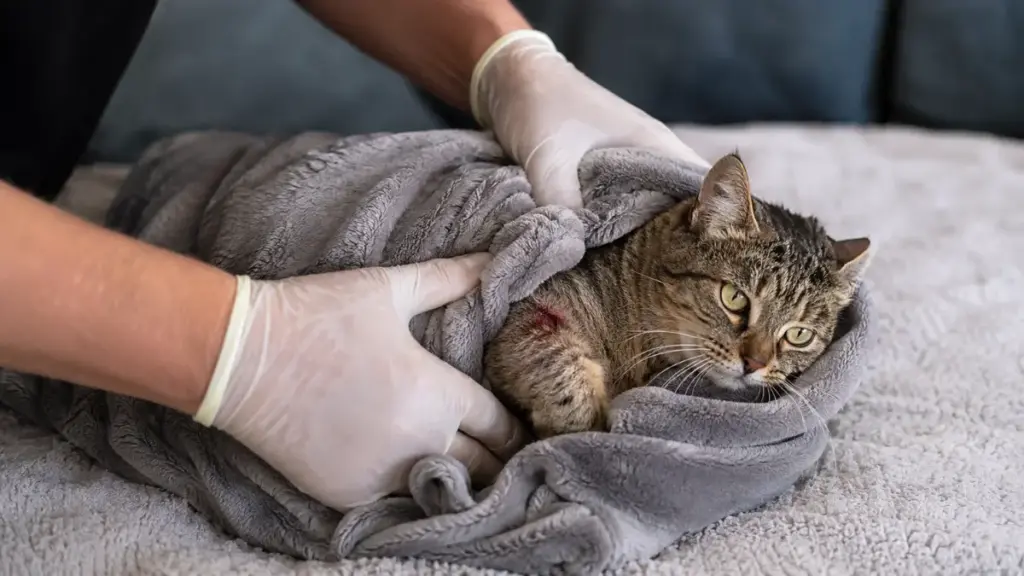
Step 1 & Step 2: Psychological Control and Safe Initial Wound Hygiene
An injured animal experiences severe adrenaline spikes and high pain levels. Protecting both your companion and yourself is the mandatory first line of defense.
How to Gently Restrain an Injured Cat to Prevent Panic Bites
Even the gentlest pet may bite or scratch reflexively when experiencing acute pain from being bitten by a stray cat. Wrap your pet securely in a thick bath towel or blanket using the “burrito method,” leaving only the affected limb or body area exposed. Handle the animal with calm, low voices in a dimly lit, quiet room to minimize sensory overload.
Rinsing the Puncture Wound Continuously under Running Water and Antiseptic Soap for 10–15 Minutes
The single most effective mechanical step to remove viral particles and surface bacteria is immediate, continuous irrigation. Hold the punctured skin under warm running tap water combined with mild antibacterial soap for a minimum of 10 to 15 full minutes. Mechanical flushing removes up to 90% of free virus particles present in residual stray saliva before they bond to cellular structures.
Step 3 & Step 4: Deep Antiseptic Application and Temporary Dressing Techniques
Once mechanical flushing is complete, chemical neutralization of remaining microorganisms must be executed properly without sealing in anaerobic pathogens.
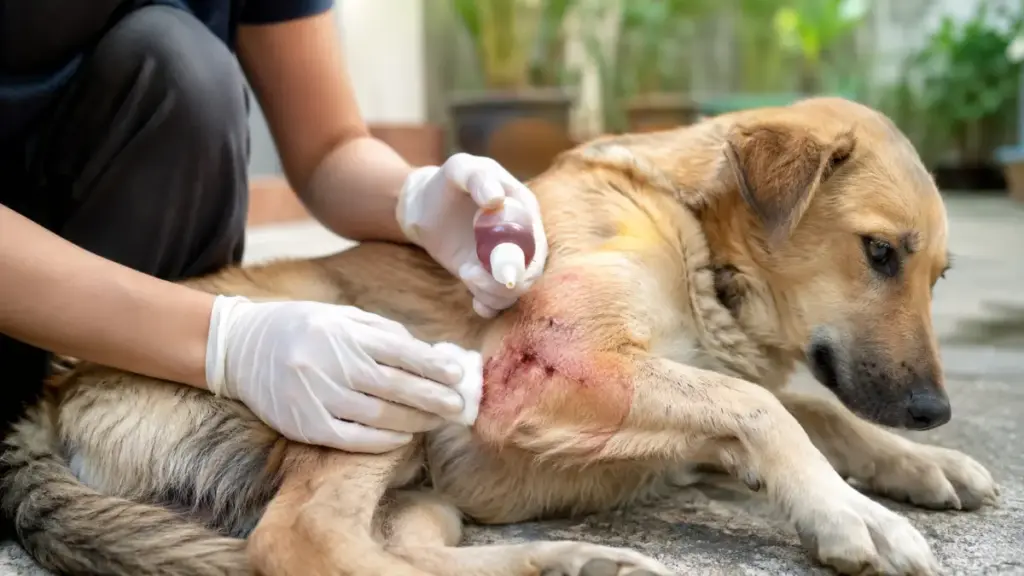
Using Povidone-Iodine or Betadine Solutions for Effective Surface Sterilization
Dab the irrigated area dry with clean paper towels. Apply a diluted Povidone-Iodine (Betadine) solution (diluted with clean water until it resembles the color of weak tea) directly onto the puncture marks using sterile gauze. Avoid concentrated hydrogen peroxide or rubbing alcohol, as these harsh chemicals destroy healthy living cells and delay natural tissue healing.
Light Pressure Bandaging: Why You Must Never Seal a Puncture Wound Completely
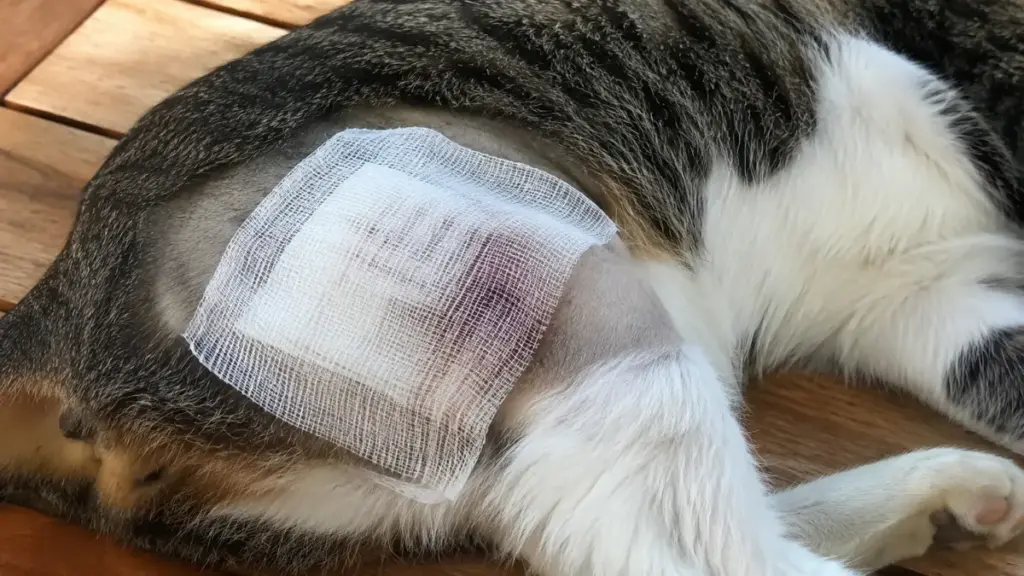
Puncture wounds caused when a pet is bitten by a stray cat must retain natural drainage. Never seal puncture marks tightly with airtight adhesive bandages, liquid skin, or heavy wraps. Place a loose, clean gauze pad over the site to absorb exudate, securing it lightly with medical tape to keep dirt out while allowing essential fluid drainage.
Step 5 & Step 6: Checking Vaccination History and Enforcing Home Isolation
Navigating rabies risk requires verifying previous immunizations and creating a controlled environment for close daily monitoring.
Bitten by a stray cat: Reviewing the Latest Rabies Vaccination Records of Your Household Pet
Locate your pet’s official veterinary health booklet immediately. Check the exact date of their last rabies vaccination. If your pet has received an approved rabies vaccine within the past 1 to 3 years (depending on local vaccine legislation), their immune memory will respond much faster when a post-exposure booster is administered.
Taking immediate first aid action and securing professional veterinary boosters when your companion is bitten by a stray cat is the ultimate act of responsible, loving pet ownership.
Anna
Setting Up a Dedicated Isolation Area for a 10–14 Day Observation Period
Even vaccinated animals require temporary isolation after being bitten by a stray cat. Confine your pet to a clean, well-ventilated, easy-to-clean room (such as a spare bathroom or utility room) away from other household pets and children. Observe your companion daily for 10 to 14 days, tracking appetite, vocalization changes, coordination, and wound healing progress.
Read more: Do Cats Get Seizures? 3 Signs & Emergency First Aid Guide
Step 7: Urgent Veterinary Intervention and Specialized Clinical Protocols
Home first aid is a vital bridge, but it can never replace professional veterinary treatment and clinical medication management.
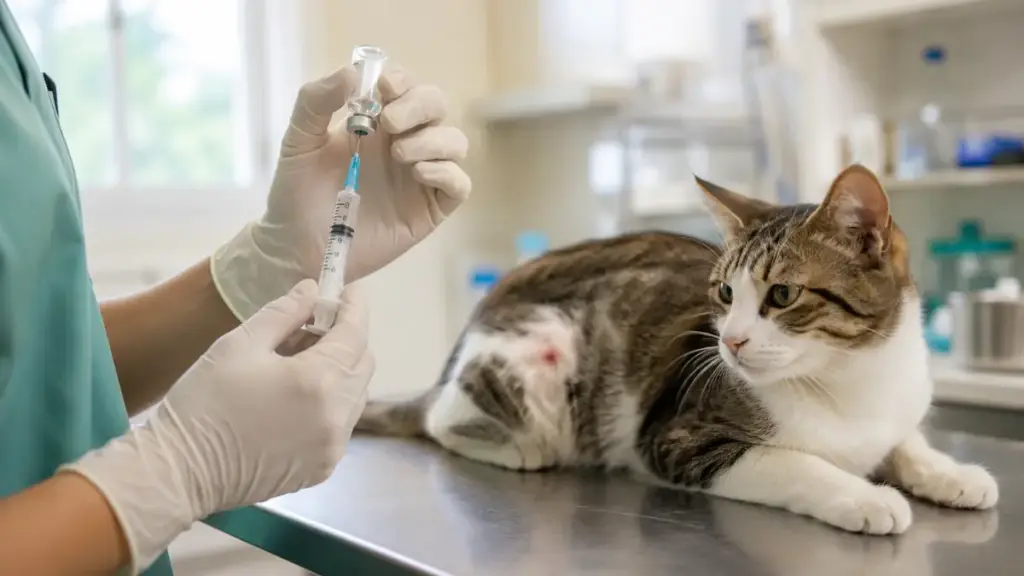
Visiting the Vet Clinic Within 24 Hours for a Post-Exposure Rabies Booster
Schedule an emergency visit to your veterinary clinic within 24 hours of the incident. Even if your pet’s rabies vaccine is up to date, receiving an immediate rabies booster shot dramatically elevates neutralizing antibody titers, effectively stopping any potential rabies virus transmission before it can reach the central nervous system.
Bitten by a stray cat: Administration of Prescribed Broad-Spectrum Antibiotics to Prevent Systemic Sepsis
Veterinarians will inspect the depth of tissue injury and typically prescribe a 7-to-14-day course of oral broad-spectrum antibiotics (such as Amoxicillin-Clavulanate or Cefovecin). Completing the full antibiotic regimen is non-negotiable to prevent localized Pasteurella infections from progressing into bone infections (osteomyelitis) or fatal systemic sepsis.
Essential Owner Safety Rules When Managing a Pet Bitten by a Stray Cat
Protecting human health during animal trauma handling is just as critical as caring for the injured animal. Zoonotic diseases cross species lines easily through compromised human skin.
More Read

Protecting Yourself from Cross-Contamination Risks via Rabid Saliva
Stray feline saliva lingering on your pet’s fur or within open wound fluid contains living bacteria and viral particles. Direct contact with broken human skin presents immediate infection threats.
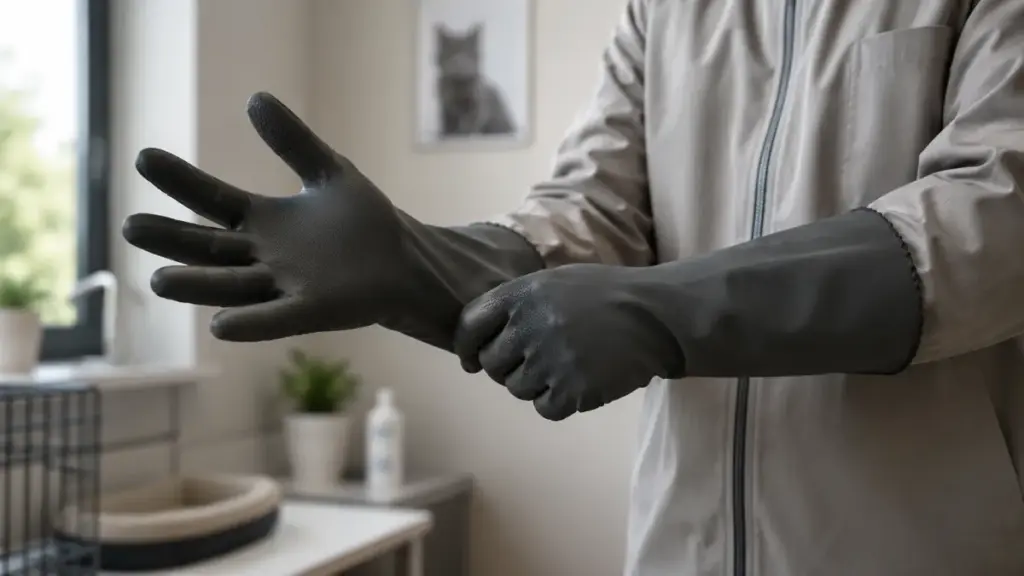
Wearing Heavy Protective Gloves and Personal Protective Equipment
Before touching an injured pet that was bitten by a stray cat, equip yourself with heavy leather work gloves or thick rubber gloves. Wear long-sleeved shirts to cover exposed forearm skin. If the animal is thrashing, wear safety glasses to prevent infectious body fluids or saliva from splashing into your eyes or mouth.
Bitten by a stray cat: Immediate Action Required If the Owner Is Accidental Scratched or Bitten
If you sustain a skin breach while assisting your pet, stop handling the animal immediately. Wash your own wound under high-pressure running water with soap for 15 minutes. Disinfect the skin with rubbing alcohol or iodine, and seek immediate human medical evaluation at an urgent care facility or hospital for potential human rabies post-exposure prophylaxis (PEP) and tetanus coverage.
Isolation Protocols and Reporting Suspected Rabid Feral Animals
Containing potential rabies threats extends beyond individual home boundaries—it constitutes an essential community public health responsibility.
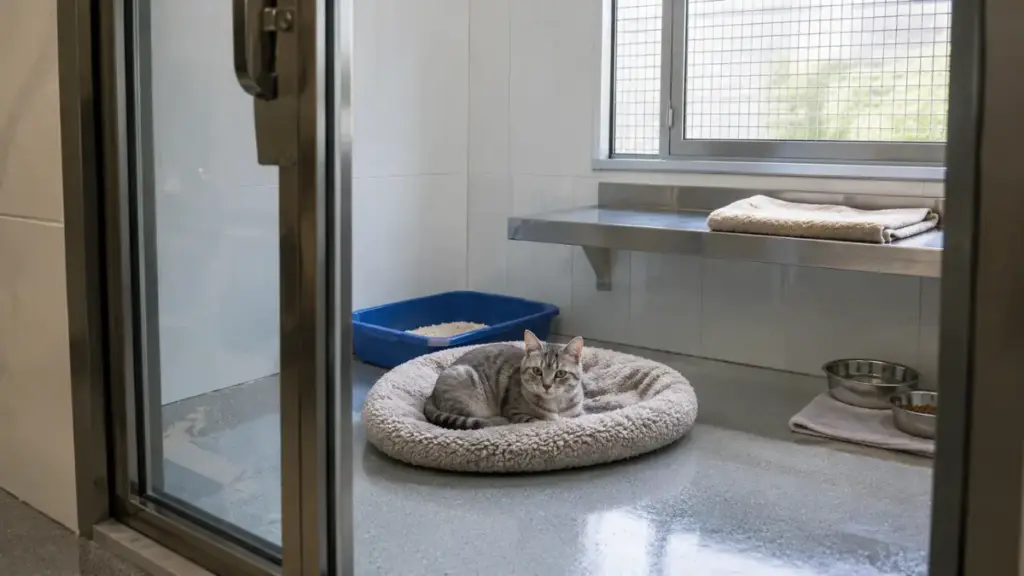
Establishing a Secure Quarantine Space Free from Contact with Other Pets
Maintain strict quarantine boundaries inside your home. Do not allow your quarantined pet to share water bowls, litter boxes, grooming tools, or sleeping bedding with other family pets. Disinfect all hard surfaces with a 1:32 diluted household bleach solution to eradicate lingering pathogens shed from the stray’s mouth.
Contacting Local Animal Control Services to Capture Stray Animals Exhibiting Abnormal Behavior
Never attempt to capture or corner an aggressive stray animal yourself. Note the stray animal’s physical appearance, color markings, and last known direction of travel, then contact your local animal control agency or municipal health department immediately. Professional animal control officers have specialized equipment to safely capture and quarantine potentially rabid strays for public testing.
Long-Term Preventive Strategies to Protect Your Pet from Being Bitten by a Stray Cat
Preventing territorial fights requires environmental engineering, behavioral management, and proactive biological defense mechanisms.

Building Environmental Barriers and Habitat Management for Felines
Controlling your pet’s physical boundaries eliminates chance encounters with territorial feral colonies roaming residential neighborhoods.
Transitioning to an Indoor-Only Lifestyle or Installing Secure Outdoor Catios
The most effective way to guarantee your pet is never bitten by a stray cat again is establishing an strictly indoor lifestyle. Enrich indoor spaces with vertical climbing trees, window perches, and interactive puzzle toys. If your cat craves outdoor stimulation, build an enclosed outdoor patio (“catio”) using heavy-gauge wire mesh that allows outdoor access while physically excluding stray intruders.
Bitten by a stray cat: Effective Techniques for Deterring Roaming Feral Cats from Your Yard
Discourage stray animals from frequenting your property by eliminating food attractants. Secure all outdoor garbage cans with tight lids, and never leave outdoor pet food bowls out overnight. Install motion-activated water sprinklers or ultrasonic animal repellents along fence lines to keep territorial strays far away from your perimeter.

Maintaining Immunization Schedules and Strengthening Immune Resilience
Building a robust biological barrier ensures that even if an unexpected breach occurs, your pet’s internal defense system remains fully equipped to neutralize incoming pathogens.
Annual Rabies and Core Infectious Disease Vaccination Timelines
Strict compliance with veterinary immunization schedules is your pet’s ultimate shield. Ensure your companion receives core vaccines—including Rabies, Feline Panleukopenia, Feline Calicivirus, and Feline Rhinotracheitis (FVRCP)—on schedule. Keeping rabies titers high guarantees that if your pet is bitten by a stray cat, their immune system recognizes and destroys viral particles rapidly.

Nutritional Supplements to Enhance Systemic Immunity and Wound Recovery
Accelerate healing and bolster natural resistance by providing balanced, protein-rich diets supplemented with Omega-3 fatty acids (EPA/DHA) and Vitamin C/E complexes. High-quality marine lipid supplements reduce systemic inflammatory responses, promote tissue regeneration, and support skin barrier recovery after traumatic puncture injuries.
Frequently Asked Questions About Handling Pets Bitten by a Stray Cat

How Long Does It Take for an Infection to Develop After a Stray Cat Bite?
Bacterial infections from feline bites develop rapidly. Because Pasteurella multocida multiplies aggressively in low-oxygen environments, signs of infection like swelling, pain, skin warmth, and pus usually manifest within 6 to 24 hours after your pet is bitten by a stray cat. Without antibiotic intervention, an abscess will typically form within 2 to 4 days.
Can My Pet Get Rabies If They Were Previously Vaccinated?
While no vaccine offers a 100% mathematical guarantee, a previously vaccinated pet has extraordinarily high protection levels. If a vaccinated pet is bitten by a stray cat, the rabies virus encounters pre-existing antibodies. However, administering a post-exposure booster shot within 24 to 48 hours is mandatory to instantly reactivate memory T-cells and ensure complete viral neutralization.
Bitten by a stray cat: What Should I Do If I Cannot Capture the Stray Cat That Bit My Pet?
If the stray animal flees and cannot be tested or observed for rabies, health authorities treat the incident as a high-risk rabies exposure. Do not attempt to track down wild strays yourself. Report the incident location to animal control, provide your vet with complete details, and follow a strict post-exposure booster and 45-day home observation protocol as recommended by veterinary health guidelines.
Conclusion: Protecting Your Companion After Being Bitten by a Stray Cat

Taking fast, calculated action during the first few minutes after an outdoor altercation makes the difference between a swift recovery and severe medical complications. By applying immediate running water flushing, administering mild topical antiseptics, securing loose protective dressings, and rushing to the clinic for post-exposure rabies boosters and antibiotics, you safeguard your pet’s life against hidden biological threats. Combine these immediate first-aid procedures with indoor lifestyle enrichment and up-to-date annual immunizations to ensure your beloved companion remains healthy, vibrant, and safe from outdoor hazards.
PLEASE LEAVE A COMMENT TO SHARE YOUR FAVORITE THOUGHTS OR FOLLOW OUR BLOG FOR THE LATEST UPDATES.