

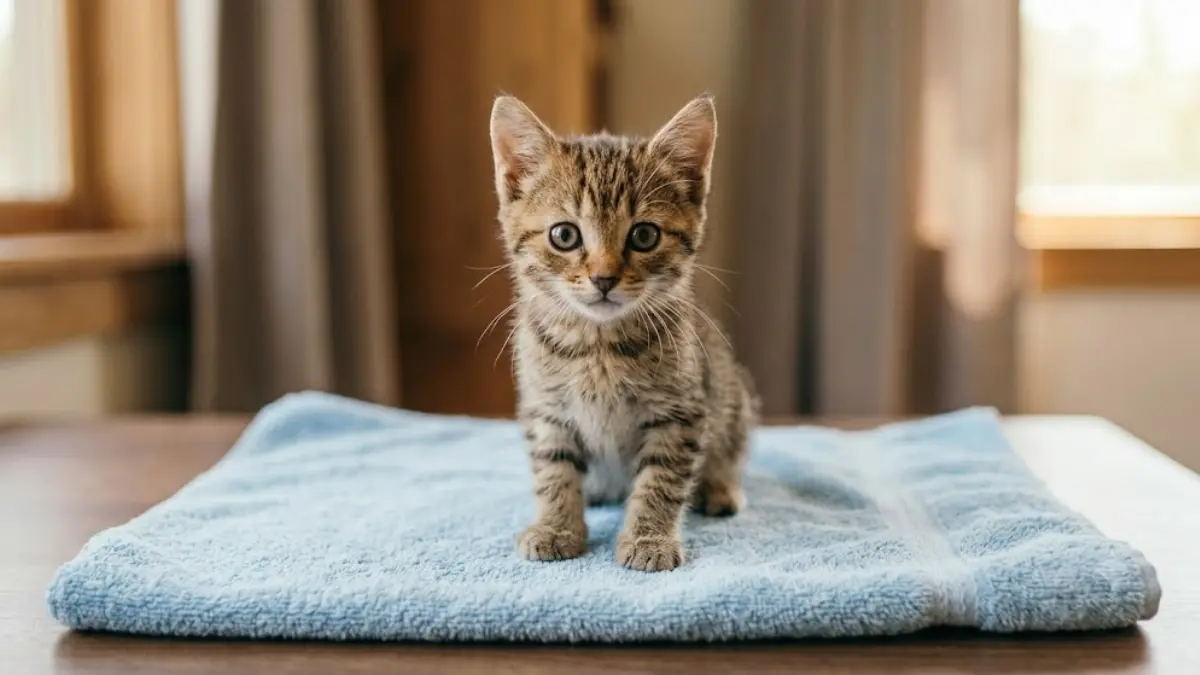

Bringing a rescued street animal into your living space is a compassionate gesture, but it requires careful health precautions. Felines living outdoors frequently carry hidden parasites, viral infections, or contagious skin conditions that spread easily to healthy pets. Introducing a new rescued companion without proper isolation can put your resident animals at high risk of severe illness.
- Cross-Contamination Mechanisms and Why Raising a Stray Cat Demands Extreme Caution
- The 5-Step Safe Isolation Protocol When Raising a Stray Cat at Home
- Cleaning and Disinfecting Living Spaces to Eliminate Pathogens
- Safe Introduction Scenarios when Raising a Stray Cat with Existing Pets
- Frequently Asked Questions About Raising a Stray Cat
- Conclusion: Successfully Raising a Stray Cat While Protecting Your Home
Taking proactive steps like health screening, quarantine, and sanitization ensures a smooth and safe transition for every animal in your home. Discover the essential guidelines to follow when raising a stray cat so you can keep your existing household pets healthy and safe!
When raising a stray cat, the primary safety protocol is immediate, absolute quarantine combined with comprehensive veterinary testing before allowing any physical contact or shared air space with resident pets. Rescued street felines frequently harbor asymptomatic viral pathogens, blood-borne parasites, and persistent dermatological infections that spread silently across household boundaries. By prioritizing strict bio-security, complete physical separation, and rigorous sanitization, caregivers can successfully rescue vulnerable street animals while completely safeguarding the long-term health of their resident domestic companions.
Cross-Contamination Mechanisms and Why Raising a Stray Cat Demands Extreme Caution
Understanding the biological pathways through which street felines transmit pathogens is fundamental to protecting resident animals. Rescued animals have survived in environments teeming with opportunistic microbes, parasites, and competing wildlife. Consequently, successfully raising a stray cat alongside established indoor pets requires a granular understanding of how viruses, bacteria, and external parasites travel across household barriers.
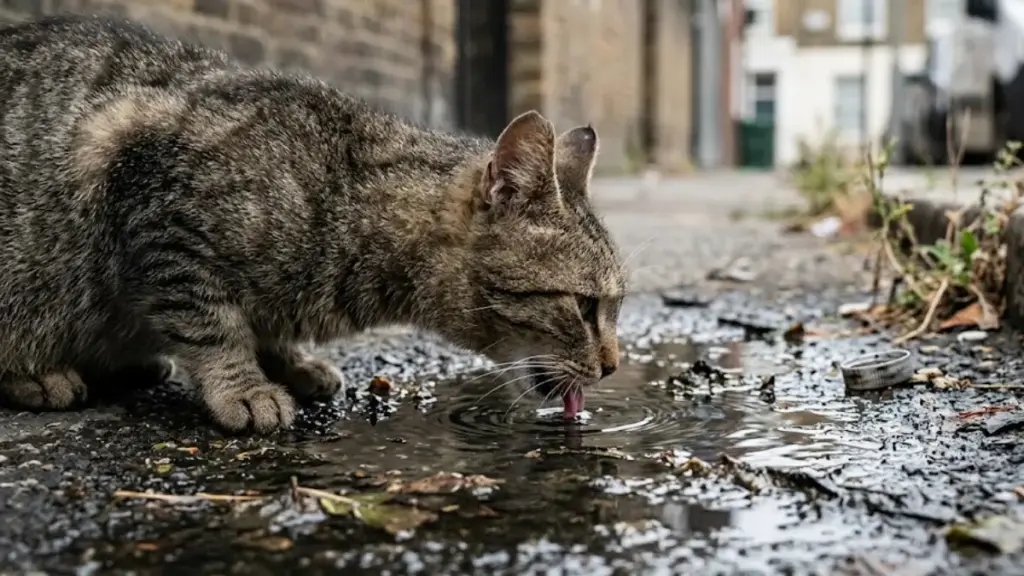
Dangerous Pathogen Transmission Routes from Stray to House Cats
The biological risk profile of an unvetted street feline is complex. Outdoor cats are routinely exposed to non-sterile food sources, contaminated water, and aggressive encounters, making them vectors for various communicable diseases.
Transmission Through Direct Contact, Waste, and Body Secretions
Direct exposure remains the most efficient route for feline disease transmission. Pathogens such as Feline Calicivirus (FCV) and Feline Herpesvirus (FHV-1) shed prolifically through ocular, nasal, and oral secretions. When raising a stray cat, allowing mutual grooming or shared feeding bowls enables immediate viral transfer. Furthermore, Feline Panleukopenia (distemper) spreads via infected feces, remaining infectious on surfaces for months. Shared litter boxes create a direct transmission bridge, as microscopic fecal particles cling to paws and propagate across living quarters.
Threats from Hitchhiking Parasites and Infectious Bacteria Fleas
External parasites represent active mobile vectors capable of breaching physical room barriers. Fleas (Ctenocephalides felis) transfer rapidly between animals, carrying Bartonella henselae (the causative agent of cat scratch disease) and tapeworm larvae (Dipylidium caninum). Ticks carries Lyme disease and Anaplasmosis, while microscopic ear mites (Otodectes cynotis) crawl effortlessly between bedding areas. Successfully raising a stray cat mandates eradicating these hitchhikers before they establish a persistent infestation within carpets, upholstery, and resident animal coats.
Read more: Allergies in British Shorthair cats: 3 severe shock symptoms you must never ignore
Initial Health Status Checklist Before Deciding to Adopt
Before integrating a rescued animal permanently into a household environment, caregivers must perform a structured health evaluation to identify critical medical interventions and behavioral baselines.
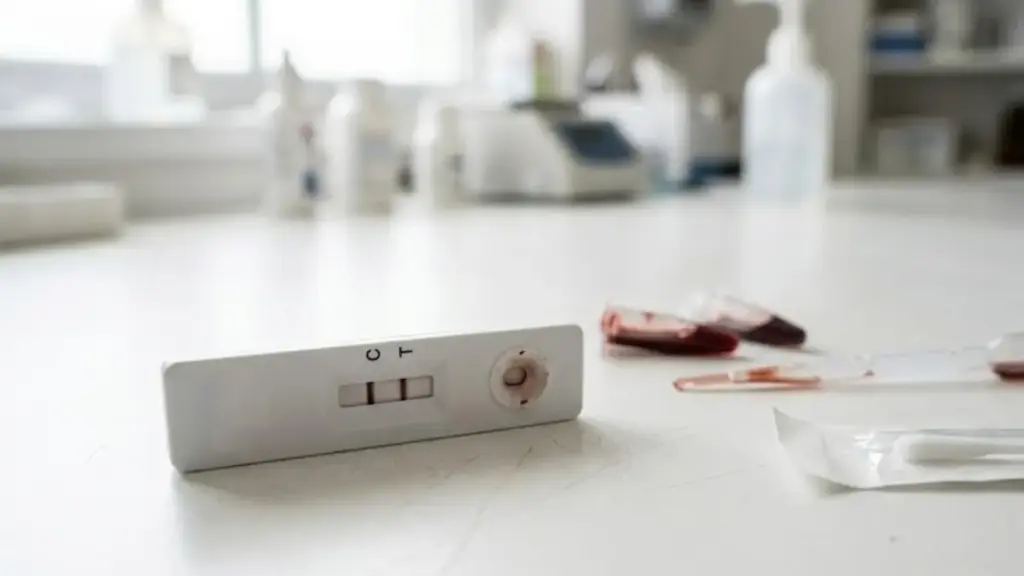
Signs of Dangerous Infectious Diseases Like FIP, FeLV, and FIV
Viral screening is non-negotiable when raising a stray cat alongside resident felines. Feline Leukemia Virus (FeLV) and Feline Immunodeficiency Virus (FIV) compromise immune function, spreading through saliva, bite wounds, and bodily fluids. Caregivers must inspect for lethargy, pale gums, chronic stomatitis, enlarged lymph nodes, and persistent fever. Feline Infectious Peritonitis (FIP), mutated from benign enteric coronaviruses, presents as abdominal distension (wet form) or neurological deficits (dry form). Immediate isolation prevents these severe viral agents from infiltrating your domestic feline population.
Assessing Psychological State and Survival Aggression
Street felines operate under constant survival stress, leading to heightened territorial defensiveness. When raising a stray cat, caregivers must evaluate behavioral cues including flattened ears, dilated pupils, low growling, and tail-lashing. Aggressive displays during handling are not merely behavioral challenges; they present serious medical risks. Deep bite wounds and severe scratches transfer Pasteurella multocida and FIV to resident animals, turning territorial disputes into immediate medical emergencies.
The 5-Step Safe Isolation Protocol When Raising a Stray Cat at Home
Quarantine is the single most effective tool for preventing cross-contamination during rescue operations. A haphazard isolation space invites accidental exposure, rendering health precautions useless. Establishing a structured, multi-week containment system allows latent illnesses to manifest safely while protecting established household pets.

Establishing an Independent Quarantine Area for the First 14 to 21 Days
The minimum quarantine duration when raising a stray cat is two to three weeks. This window covers the incubation period for most common feline viral infections, including Panleukopenia and Upper Respiratory Infection (URI) complexes.
Complete Separation of Living Space, Litter Boxes, and Feeding Bowls
The quarantine area must be a dedicated room with a solid door, such as a guest bedroom or bathroom, rather than a space split by temporary screens. Non-porous flooring simplifies daily sanitation. The isolated feline requires dedicated litter trays, ceramic or stainless steel food bowls, fresh water stations, and washable bedding. Never share items between the quarantine zone and resident pet areas when raising a stray cat, as fomites easily transport viral particles across clean thresholds.

Controlling Indirect Transmission via Handler Clothing and Hands
Human caregivers frequently act as accidental vectors for viral pathogens and parasite eggs. When raising a stray cat, implement a strict personal decontamination routine. Wear dedicated clothing or a smock inside the quarantine room and change shoes before exiting. Wash hands thoroughly with warm water and antibacterial soap or use a bleach-based sanitizer immediately after handling the rescued feline or servicing their waste.
Conducting Comprehensive Veterinary Examinations and Initial Screening Tests
Relying solely on visual health checks is dangerous. Many street felines carry significant pathogen loads while appearing completely healthy during initial rescue phases.
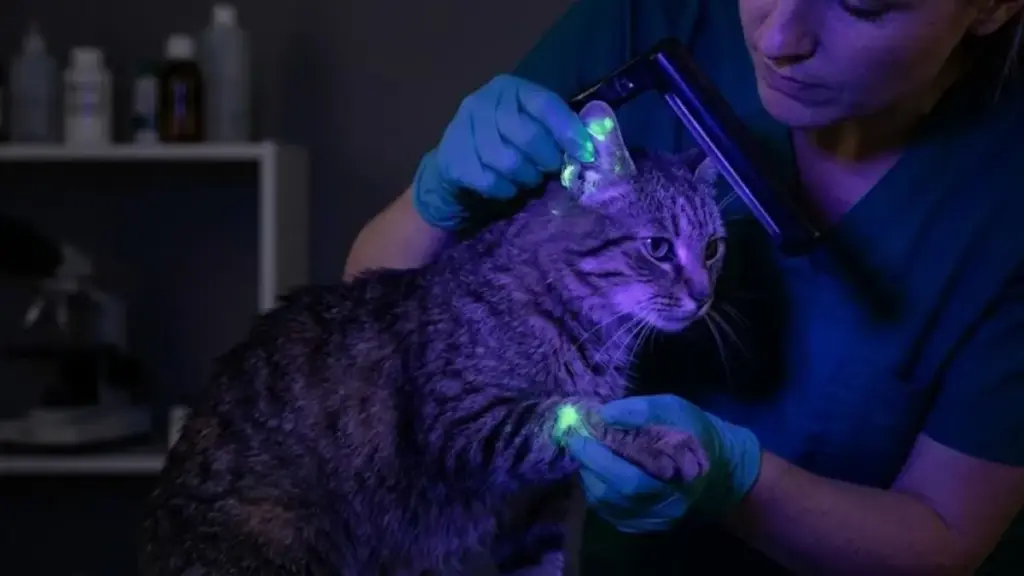
Rapid Blood Test Procedures, Deworming, and Specialized Flea Treatments
Upon intake, schedule a broad-spectrum veterinary assessment. The clinician will run rapid ELISA blood tests for FeLV antigen and FIV antibodies. Deworming treatment must target intestinal parasites, including roundworms, hookworms, and tapeworms, using broad-spectrum medications like praziquantel and pyrantel pamoate. Additionally, apply prescription topical parasiticides (such as sarolaner or selamectin) to eliminate fleas and ear mites when raising a stray cat, preventing environmental contamination.
Scheduling Core Vaccine Booster Schedules per Veterinary Guidance
Vaccination builds crucial immunological defenses before household integration occurs. Core vaccines include FVRCP (Feline Viral Rhinotracheitis, Calicivirus, and Panleukopenia) and Rabies. Street felines with unknown medical histories require an initial FVRCP dose followed by a booster three to four weeks later. While raising a stray cat, ensure resident pets are fully boosted against core pathogens before initiating physical introductions.
Cleaning and Disinfecting Living Spaces to Eliminate Pathogens
Pathogen control extends far beyond medical treatments; environmental decontamination is essential. Feline viruses and fungal spores can linger on hard surfaces, fabrics, and air ducts, creating persistent environmental risks if not systematically eradicated.
More Read

Using Disinfectants Safe for Feline Respiratory Systems
Felines possess highly sensitive respiratory tracts susceptible to aerosolized chemical irritants. Selecting appropriate cleaning agents ensures pathogen destruction without inducing chemical bronchitis or toxic exposure.
Cleaning Quarantine Areas with Specialized Fungal and Viral Solutions
Standard household cleaners often fail to destroy non-enveloped viruses like Panleukopenia or resilient fungal spores like Microsporum canis (ringworm). When raising a stray cat, utilize veterinary-grade potassium peroxymonosulfate solutions or diluted sodium hypochlorite (bleach at a 1:32 dilution ratio with a 10-minute contact time). Avoid phenols, essential oils, and pine-based cleaners, which are highly toxic to feline liver metabolism.
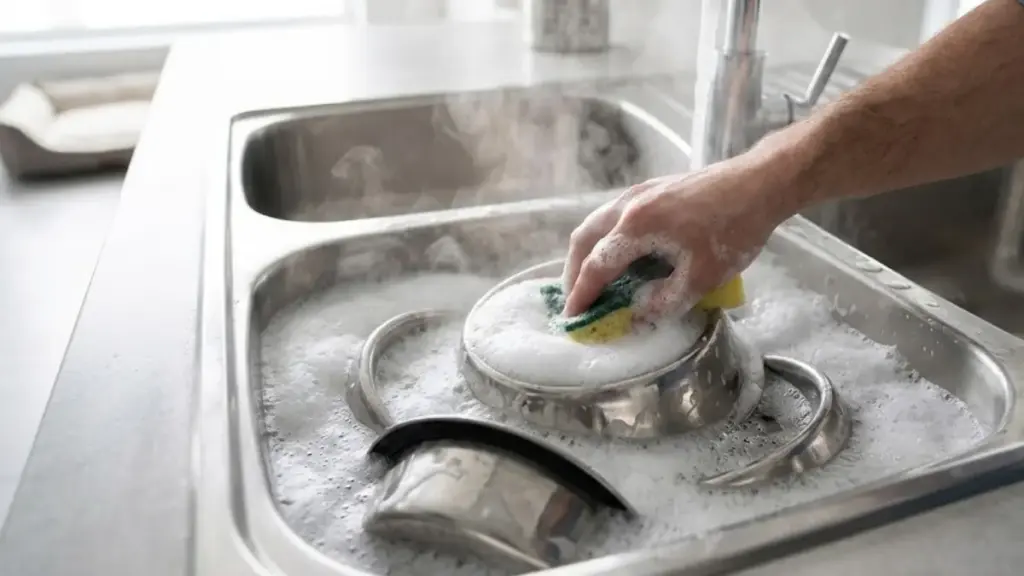
Sanitizing Rescued Cat Accessories with Hot Water and Safe Cleaners
All plastic toys, grooming tools, and feeding equipment must undergo rigorous, regular sanitization. Wash bowls daily in hot water exceeding 140°F (60°C) with unscented dish detergent. Fabric items, soft bedding, and towel linings used when raising a stray cat must be laundered at high temperatures with an added sanitizing rinse to ensure complete parasite egg destruction.
Welcoming a street rescue into your living space is a profound act of compassion that transforms two lives at once. By applying strict quarantine standards and methodical health protocols when raising a stray cat, you build a safe bridge between outdoor survival and lifelong domestic harmony.
Anna Miller
Proper Medical Waste and Litter Management During Monitoring
Cat litter serves as a primary environmental reservoir for parasites, protozoa like Toxoplasma gondii, and viral particles shedding through the gastrointestinal tract.
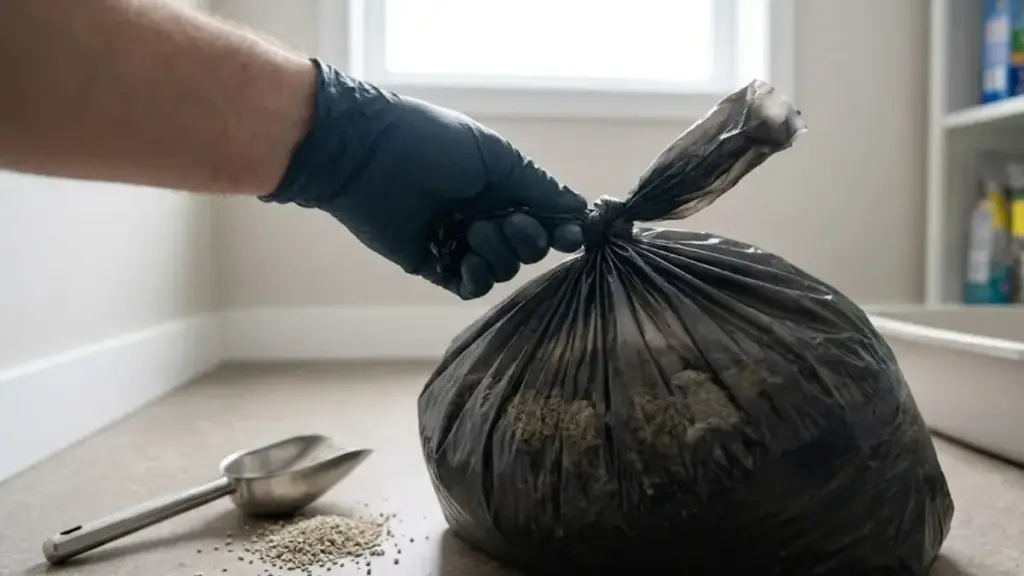
Collecting and Disposing of Soiled Litter to Prevent Environmental Contamination
Scoop quarantine litter boxes at least twice daily while wearing disposable nitrile gloves. Sealed waste bags must be placed immediately into outdoor trash receptacles rather than indoor bins. When raising a stray cat, never dump used litter near gardens or runoff areas, as microscopic parasites like Giardia cysts can pollute domestic surroundings and contaminate local soil.
Periodically Disinfecting Litter Trays Daily to Prevent Bacterial Buildup
Litter trays require a complete breakdown and chemical scrub weekly during the quarantine phase. Empty all litter, scrub the plastic container with warm water and enzymatic cleaner, and sanitize with dilute bleach. When raising a stray cat, ensure the tray is rinsed thoroughly and completely dry before refilling with fresh, dust-free litter to protect sensitive airway tissues.
Safe Introduction Scenarios when Raising a Stray Cat with Existing Pets
Once health screenings, vaccinations, and quarantine periods conclude successfully, integration begins. Merging a rescued feline into an established pet household requires a slow, scent-based behavioral introduction strategy to prevent physical fights, chronic stress, and behavioral regression.

Step-by-Step Scent Familiarization Before Direct Contact
Felines perceive their environment primarily through olfactory cues. Forcing direct visual or physical contact without prior scent familiarization frequently triggers territorial aggression.
Swapping Bedding Towels or Toys to Familiarize Both Cats with Scents
Begin scent swapping by rubbing a soft cloth along the cheek and neck glands of the rescued feline, then place it near the resident pet’s resting area, repeating the process in reverse. When raising a stray cat, this technique allows both animals to process each other’s presence, pheromones, and identity without feeling threatened in their physical space.
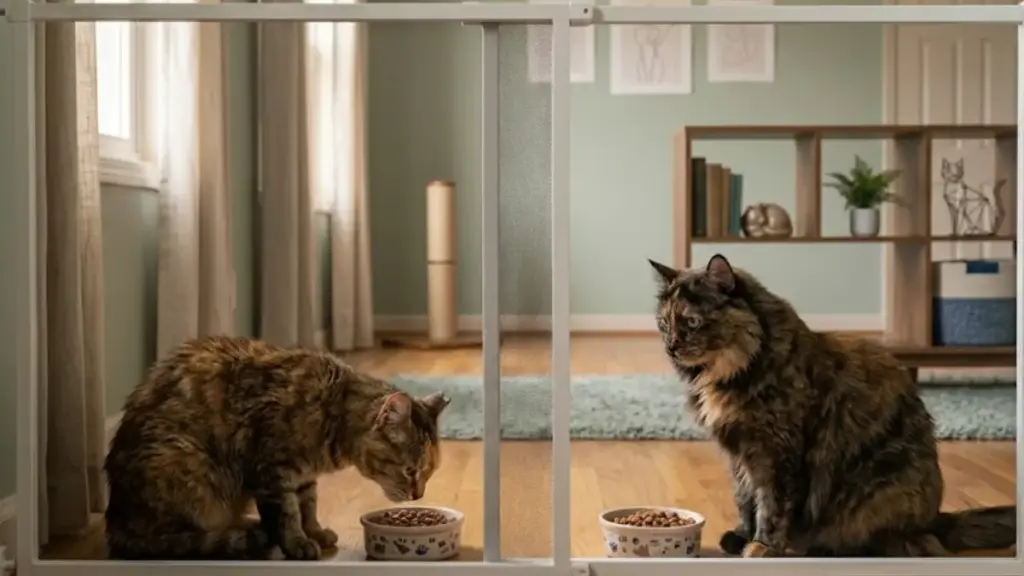
Feeding on Opposite Sides of a Mesh Barrier to Build Positive Associations
Advance to controlled visual introductions by placing a tall mesh barrier or screen in the doorway of the quarantine room. Feed both animals simultaneously on opposite sides of the barrier, gradually moving their food bowls closer over several days. While raising a stray cat, associating the sight and scent of the new companion with high-value food builds positive neuro-associations and reduces territorial anxiety.
Read more: 5 Dangerous Signs of Food Poisoning in Kittens to Know
Managing First Face-to-Face Meetings and Territorial Conflicts
Direct interactions should occur only after both animals display relaxed body language near the shared barrier, showing curiosity rather than fixation or defensiveness.
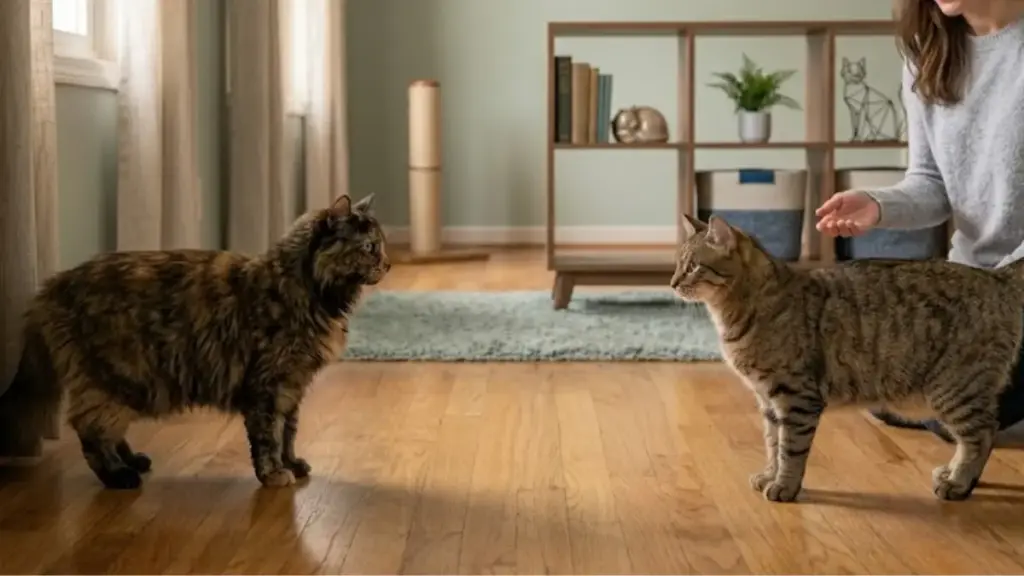
Observing Body Language and Intervening Promptly at Stress Signs
Initial physical meetings must be brief, fully supervised, and conducted in a neutral area of the house. Carefully observe tail movement, ear placement, and pupil dilation. Direct eye contact, growling, or flattened ears indicate rising stress. When raising a stray cat, redirect escalating tension immediately using a distraction like a toy or treat, separating the animals calmly before physical fighting occurs.
Increasing Vertical Territory to Relieve Space Pressure for Both Animals
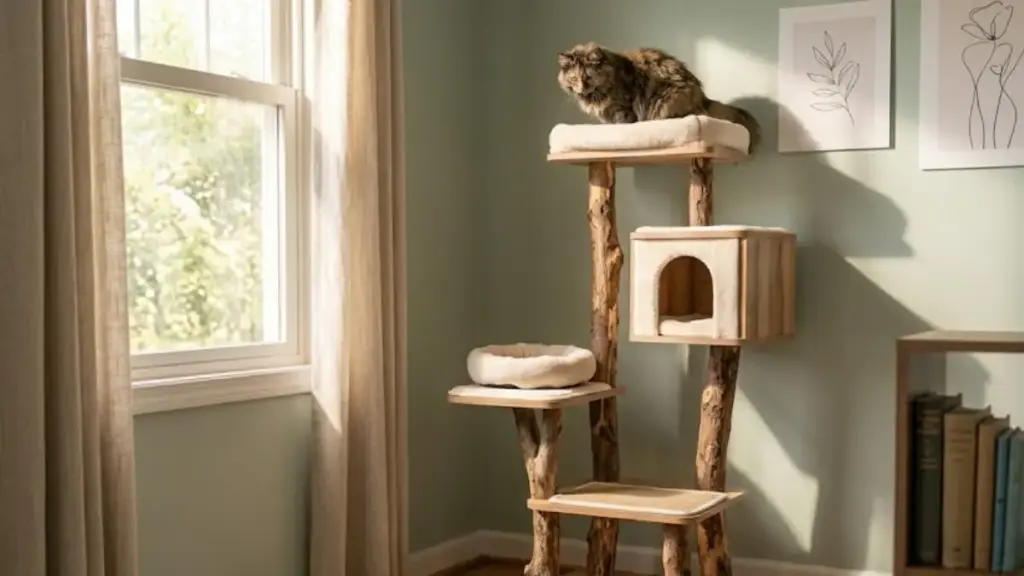
Space pressure is a primary driver of feline territorial conflict. Expand available living space by installing cat trees, wall shelves, and window perches throughout the home. When raising a stray cat, providing accessible vertical retreat routes enables anxious animals to navigate shared rooms safely, avoiding ground-level confrontations and building long-term confidence.
Frequently Asked Questions About Raising a Stray Cat
How long should I isolate a stray cat before introducing it to my current pets?
Isolate the rescued feline for a minimum of 14 to 21 days. This quarantine timeframe allows latent upper respiratory and enteric infections to manifest safely while ensuring veterinary treatments for internal and external parasites take full effect.
Can a stray cat transmit diseases to my indoor pets through humans?
Yes. Humans can act as mechanical fomites, transferring infectious viral particles, ringworm spores, and microscopic parasite eggs on hands, clothing, and footwear. Practicing strict hand hygiene and changing clothes after servicing an isolated animal is crucial when raising a stray cat.
What initial veterinary tests are most critical when rescuing a street feline?
The most vital intake tests include rapid ELISA blood screens for FeLV (Feline Leukemia Virus) and FIV (Feline Immunodeficiency Virus), comprehensive fecal flotation for gastrointestinal parasites, skin scrapings or Wood’s lamp tests for ringworm, and a physical exam for external vectors like fleas and mites.
Conclusion: Successfully Raising a Stray Cat While Protecting Your Home
Rescued animals bring incredible joy and companion loyalty to a home, but safety requires diligence, patience, and strict adherence to veterinary protocols. By prioritizing initial health screenings, maintaining a strict 14 to 21-day quarantine, sanitizing living spaces with appropriate solutions, and managing scent-based introductions, caregivers can seamlessly integrate a street rescue into their home without compromising the health of established pets. Thoughtful preparation, strict hygiene practices, and patient behavioral management ensure a safe, lifelong transition for every animal under your roof.
PLEASE LEAVE A COMMENT TO SHARE YOUR FAVORITE THOUGHTS OR FOLLOW OUR BLOG FOR THE LATEST UPDATES.