

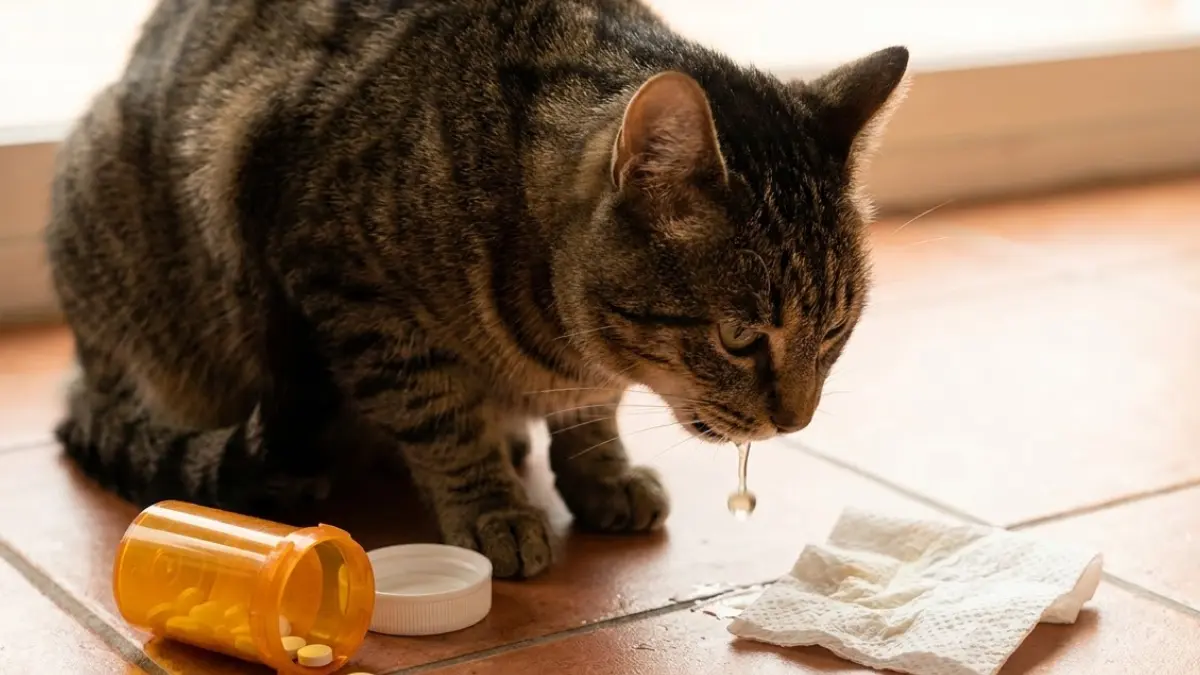

Dealing with a feline companion that experiences persistent gastrointestinal distress is a stressful scenario for any dedicated pet parent. When prescribed medications fail to stop chronic throwing up, it often indicates a deeper underlying medical issue or treatment-resistant infection.
- Dangerous Myths When a Cat Is Constantly Vomiting While Owners Continue Home Medication
- Uncovering the True Causes of Persistent Feline Vomiting
- 2 Urgent Signs Requiring Immediate Cat Quarantine to Prevent Human Transmission
- Definitive Management Protocol When Vomiting Fails to Respond to Medication
- Long-Term Preventive Solutions and Health Management Post-Recovery
- Frequently Asked Questions About Feline Vomiting
- Summary and Final Expert Guidance
More alarmingly, certain severe pathogens causing gastrointestinal distress in felines are zoonotic, meaning they can potentially transmit to humans. Allowing a sick animal with uncontrolled symptoms to roam freely around your living space poses serious health risks to your entire household. Discover what steps to take when your cat is constantly vomiting despite medication and learn the 2 urgent signs requiring immediate quarantine today!
When a cat is constantly vomiting despite receiving prescribed antiemetics or antibiotics, your immediate action must be to cease all unprescribed home treatments, isolate the animal from family members, and arrange emergency diagnostic testing. Uncontrolled emesis indicates that the medication is either failing to address the primary cause—such as a foreign body obstruction, acute organ failure, or severe viral infection—or actively irritating the gastric mucosa.
Dangerous Myths When a Cat Is Constantly Vomiting While Owners Continue Home Medication
Many well-meaning owners fall into dangerous traps when home treatments show zero improvement over forty-eight hours. Continuing to administer pills to an animal that cannot retain fluids frequently worsens internal damage and Delays critical emergency care.
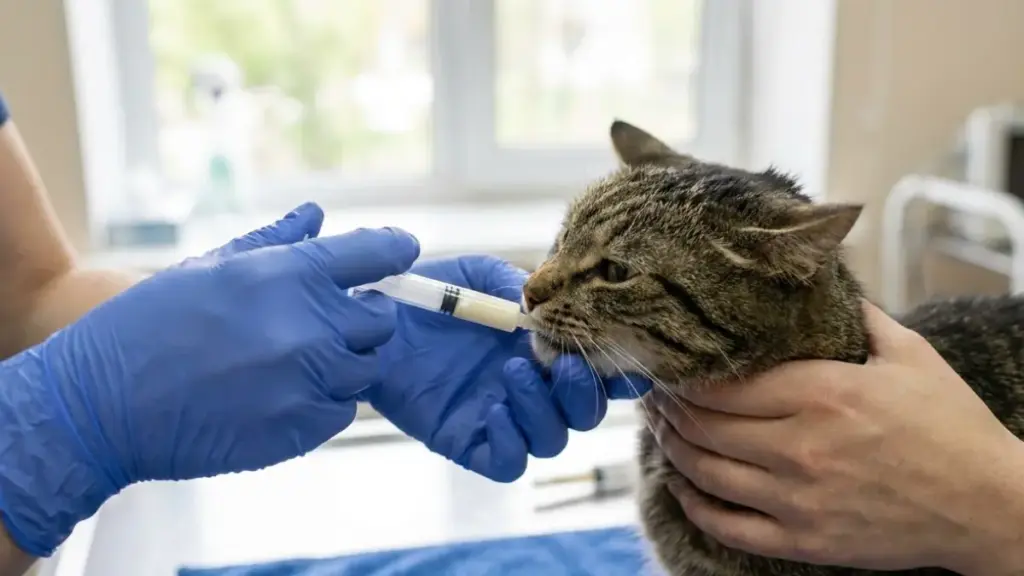
Why Vomiting Persists Despite Continuous Medication
Antiemetic drugs like maropitant citrate or ondansetron function by blocking specific neural receptors that trigger the emetic center in the brain. However, if the underlying physical trigger remains active—such as toxic metabolite accumulation from kidney failure or mechanical blockage from a swallowed string—the mechanical or physiological urge to expel stomach contents easily overrides chemical suppression.
Drug Resistance and Misidentified Root Causes
When owners observe that a cat is constantly vomiting, they often reuse old prescriptions or over-the-counter antiemetics without a definitive diagnosis. Masking symptoms without neutralizing the underlying pathogen allows bacteria or parasites to develop resistance. Furthermore, suppressing the vomit reflex while a mechanical obstruction exists in the pylorus can lead to stomach rupture or severe aspiration pneumonia as fluid backs up into the esophagus.
Severe Gastric Mucosal Damage from Improper Dosing
Repeatedly administering oral medications to an inflamed gastric lining creates severe mechanical and chemical irritation. Non-steroidal anti-inflammatory drugs (NSAIDs) or incorrect doses of antibiotics cause direct erosions on the stomach wall. When a cat is constantly vomiting, the gastric acid combined with unabsorbed drug compounds strips the protective mucosal barrier, converting mild gastritis into bleeding peptic ulcers.
Common Mistakes Accelerating Feline Health Deterioration
When feline health deteriorates rapidly, human error during the initial twenty-four hours is frequently a primary contributing factor. Misinterpreting systemic disease as simple stomach upset prevents timely medical intervention.
Self-Diagnosing Simple Upset over Foreign Bodies or Viruses
Pet parents frequently assume dietary indiscretion is the sole cause when a cat is constantly vomiting hairballs or yellow bile. This assumption overlooks critical diagnostic possibilities like feline panleukopenia virus or linear foreign body ingestion. Assuming a benign cause leads owners to wait several days while internal tissue necrosis or systemic viral replication progresses unabated throughout the gastrointestinal tract.
Delaying Veterinary Care and Missing the “Golden Window”
The “golden window” for veterinary intervention represents the critical timeframe before irreversible hypovolemic shock, severe electrolyte collapse, or organ failure sets in. When a cat is constantly vomiting, cellular dehydration occurs within twelve to twenty-four hours. Delaying professional diagnostics to try alternative home remedies frequently transforms an easily treatable localized condition into a fatal systemic collapse.
Uncovering the True Causes of Persistent Feline Vomiting
Uncovering the root cause of non-responsive gastrointestinal distress requires evaluating severe infectious pathogens, end-stage organ dysfunction, and mechanical blockages.
Dangerous Infectious Diseases Directly Impacting the Digestive System
Infectious agents represent some of the most aggressive threats to the feline digestive tract, requiring rapid isolation and specialized antimicrobial or supportive therapy.
Feline Panleukopenia Virus Destroying Intestinal Mucosa
Feline Panleukopenia Virus (FPV), often referred to as feline distemper, rapidly attacks rapidly dividing cells in the crypts of the intestinal mucosa. As the virus destroys the intestinal lining, the animal loses its ability to absorb nutrients or retain fluids, leading to a state where the cat is constantly vomiting severe mucous and blood-tinged fluid while experiencing profound immunosuppression.
Intestinal Parasite Outbreaks Causing Obstruction and Toxemia
Heavy infestations of Toxocara cati (roundworms) or Giardia duodenalis induce severe mechanical blockage and inflammation in the small intestine. Parasites release metabolic waste products directly into the intestinal lumen, causing severe endogenous toxemia. This toxic burden triggers continuous central nervous system stimulation, ensuring the cat is constantly vomiting while suffering from progressive abdominal distension and malnutrition.
Recognizing the critical threshold when home treatments fail and taking immediate quarantine action when a cat is constantly vomiting can save your pet’s life while shielding your family from severe zoonotic risks.
Anna
Chronic Internal Complications and Cumulative Toxicity Risks
Systemic internal diseases outside the gastrointestinal tract frequently express themselves through persistent emetic episodes due to toxin accumulation in the bloodstream.
Acute and Chronic Renal Failure Driving Uremic Vomiting
When kidney function drops below twenty-five percent, nitrogenous waste products like blood urea nitrogen (BUN) and creatinine accumulate rapidly in the bloodstream. High uremic toxin concentrations directly stimulate the brain’s chemoreceptor trigger zone and cause severe uremic ulceration along the tongue and stomach lining. Consequently, a cat is constantly vomiting clear gastric juice while exhibiting extreme lethargy and unquenchable thirst.
Necrotizing Gastrointestinal Foreign Bodies Causing Peritonitis
Swallowed objects such as hair ties, thread, or plastic wrappers often lodge in the pylorus or jejunum. Left untreated, the pressure against the intestinal wall causes ischemia, tissue necrosis, and eventual perforation. Once toxic intestinal contents leak into the abdominal cavity, septic peritonitis develops rapidly, resulting in a life-threatening crisis where the cat is constantly vomiting foul-smelling bilious or fecal material.
2 Urgent Signs Requiring Immediate Cat Quarantine to Prevent Human Transmission
Certain pathogens causing persistent emesis are classification level 2 zoonotic hazards. Identifying specific clinical presentations demands instant home quarantine protocols to shield human family members.
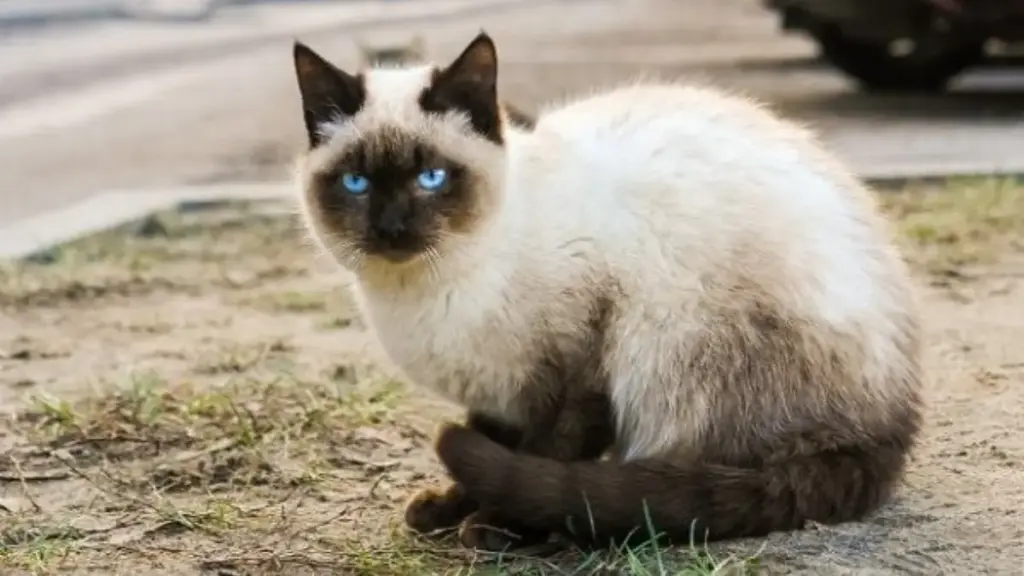
Sign 1: Vomiting Combined with Black or Fresh Blood Stools Having a Foul Odor
The co-occurrence of severe emesis with melena (digested black blood in stool) or hematochezia (bright red fresh blood in stool) accompanied by an overpowering, metallic, putrid odor indicates extensive mucosal sloughing and shedding of dangerous bacterial pathogens.
Transmission Mechanisms of Campylobacter and Salmonella
Bacterial pathogens such as Campylobacter jejuni and Salmonella enterica cause severe hemorrhagic gastroenteritis in felines. These micro-organisms are shed in massive quantities within vomitus and diarrhea. When a cat is constantly vomiting contaminated fluid, microscopic aerosol droplets settle on fur, bedding, and carpet fibers. Humans contracting these bacteria experience severe gastroenteritis, high fever, and abdominal cramping.
Safe Quarantine Protocol: Gloves, Masks, and Isolated Spaces
To isolate a feline shedding zoonotic pathogens, immediately move the animal into a dedicated room with washable tile flooring, such as a spare bathroom. You must wear disposable nitrile gloves and an N95 respirator mask when handling the animal or cleaning waste. Keep dedicated feeding dishes and a litter box inside the isolation zone, ensuring the door remains closed to maintain a strict physical containment barrier.
Sign 2: Neurological Symptoms Paired with Vomiting and Uncontrolled Hypersalivation
When persistent emesis occurs alongside ataxia (wobbly gait), muscle tremors, head tilting, or continuous profuse drooling, the underlying cause has breached the central nervous system or involves severe neurotoxicosis.
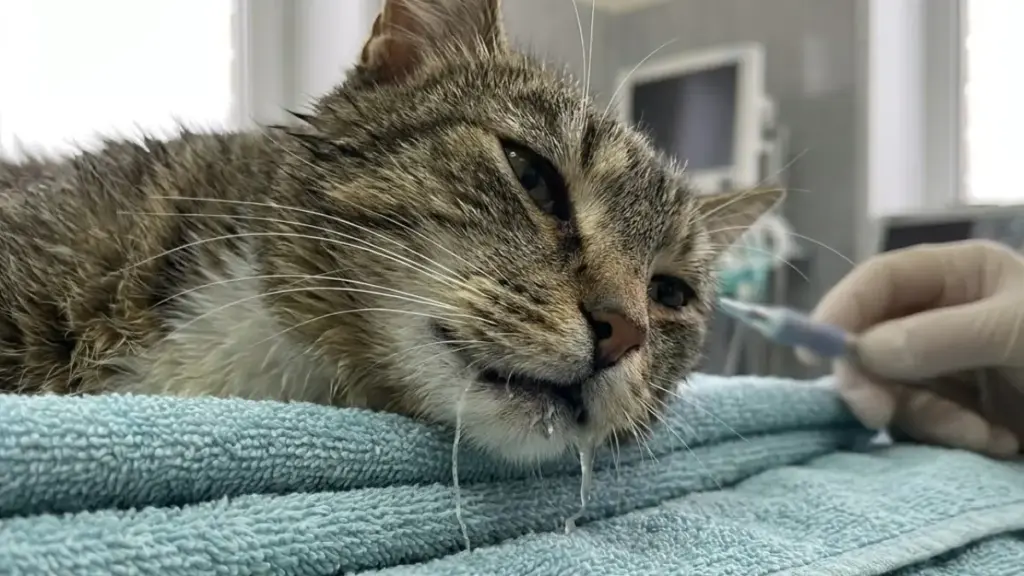
Transmission Risks of Dangerous Zoonotic Parasites and Infections
Neurological impairment combined with digestive collapse often signals advanced toxicosis, severe Toxoplasma gondii encephalitis, or rabies exposure in unvaccinated animals. Toxoplasma oocysts shed by infected felines undergo sporulation in the environment, posing extreme risks to human health. When a cat is constantly vomiting saliva and bile uncontrollably, these infectious oocysts and viral particles easily spread across household surfaces.
Establishing Protective Boundaries for Vulnerable Family Members
Pregnant women, elderly individuals, young children, and immunocompromised individuals must maintain zero physical contact with the isolated animal. Airborne or contact exposure to zoonotic parasites can cause severe birth defects, systemic toxoplasmosis, or secondary bacterial infections in vulnerable human hosts. Restrict isolation room access strictly to one primary adult caregiver who follows rigid personal protective equipment protocols.
Definitive Management Protocol When Vomiting Fails to Respond to Medication
When initial home or outpatient medications fail to stabilize your pet, you must immediately transition from home care to systematic medical intervention under direct veterinary supervision.
More Read


Immediate At-Home First Aid and Monitoring Before Hospitalization
Before transporting your pet to an emergency clinic, specific immediate actions must be taken to prevent further physical deterioration or accidental aspiration.
Halting All Oral Food, Water, and Pills While Maintaining Calmns
Immediately withhold all oral food, standing water, and oral medications. Attempting to force water or pills down the throat of an animal experiencing severe nausea triggers immediate vomiting, increasing the risk of fluid entering the lungs (aspiration pneumonia). Place the animal in a darkened, temperature-controlled room with minimal noise to lower blood pressure and reduce central nervous system stimulation.
Collecting Vomitus, Stool Samples, and Medication History
Use a clean plastic container to collect fresh samples of the vomitus and stool for laboratory analysis. Document the precise timeline of every symptom, including exact times, frequency, color, consistency, and a complete list of all medications administered over the past seventy-two hours. Providing this comprehensive medical log allows the emergency veterinarian to eliminate duplicate treatments and identify potential drug toxicity immediately.
Read more: Allergies in British Shorthair cats: 3 severe shock symptoms you must never ignore
Advanced Veterinary Interventions at an Accredited Clinic
Upon arrival at an emergency facility, your pet will undergo comprehensive diagnostic screening to identify internal structural or biochemical abnormalities.
Conducting Complete Bloodwork, Abdominal Ultrasound, and X-Rays
Veterinarians run a Complete Blood Count (CBC) and serum biochemistry panel to evaluate white blood cell levels, liver enzymes, and renal values. High-contrast abdominal X-rays and high-resolution ultrasound scans are performed to visualize foreign bodies, intestinal intussusception, or tumors. These imaging modalities reveal precise structural details when a cat is constantly vomiting due to mechanical blockages that blood tests cannot detect.
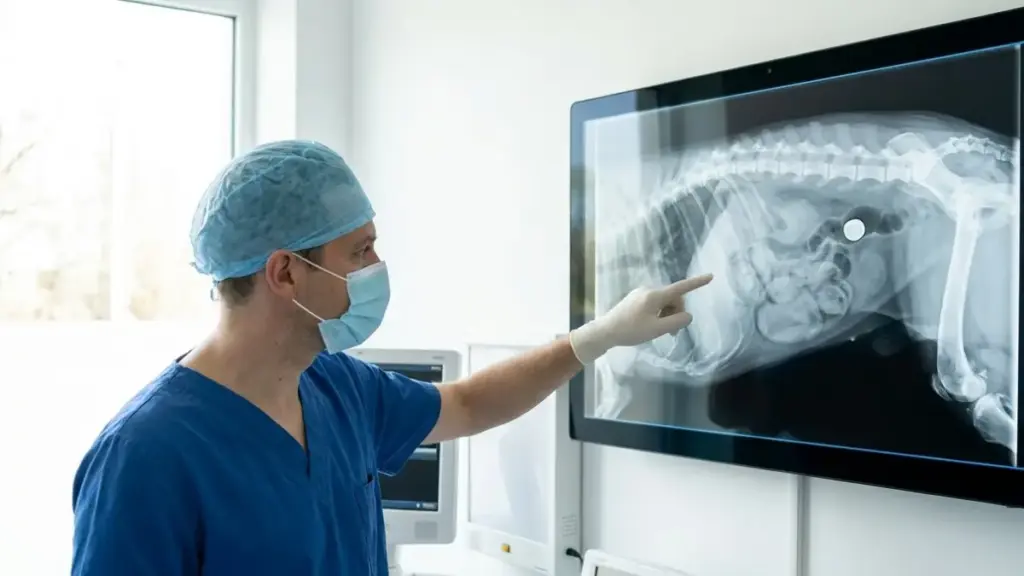
Intravenous Fluid Resuscitation and Root-Cause Specialized Protocols
Once diagnostics confirm the underlying issue, the medical team initiates intravenous (IV) fluid therapy to correct severe dehydration and restore critical electrolyte balances (potassium and sodium). Injectable antiemetics, gastroprotectants, and targeted broad-spectrum antibiotics or surgical interventions are administered directly into the bloodstream, bypassing the compromised gastrointestinal tract completely to stabilize the patient.
Long-Term Preventive Solutions and Health Management Post-Recovery
Achieving full recovery requires a structured rehabilitation plan focused on gentle dietary restoration and stringent environmental hygiene to prevent recurrence.

Science-Backed Nutritional and Lifestyle Restructuring
Restoring a fragile digestive system demands controlled dietary intake and removing environmental hazards that trigger emetic episodes.
Transitioning to Highly Digestible Diets and Micro-Meals
Post-recovery nutrition requires transitioning the animal to a prescription gastrointestinal diet containing hydrolyzed proteins and prebiotics. Instead of offering large portions twice daily, divide the total daily caloric requirement into five or six small micro-meals. Micro-meals prevent stomach distension, reduce gastric acid secretion spikes, and ensure the digestive tract processes nutrients efficiently without triggering nausea.
Utilizing Hairball Control Gels and Eliminating Household Hazards
Regularly administer veterinary-approved hairball lubricant gels to assist in passing ingested fur naturally through the intestinal tract. Inspect living areas meticulously to eliminate common household hazards such as loose strings, sewing needles, toxic houseplants (e.g., lilies), small plastic objects, and exposed electrical cords. Preventing foreign object ingestion eliminates one of the primary reasons a cat is constantly vomiting unexpectedly.
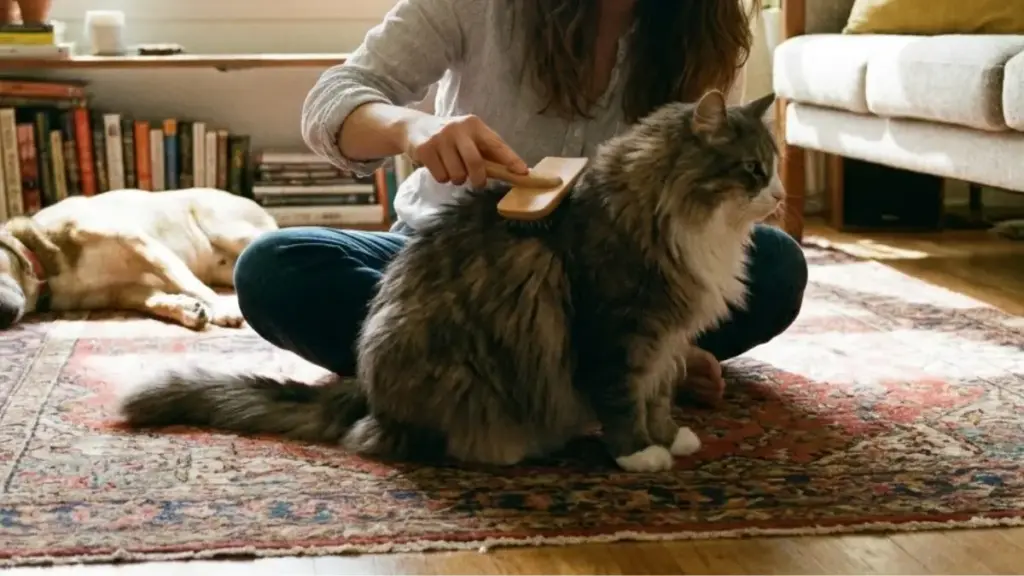
Medical Care Schedules Protecting Pets and Families
Establishing a consistent preventive medical protocol safeguards your pet’s long-term health while eliminating zoonotic disease threats to your home environment.
Adhering to Strict Vaccination and Parasite Deworming Protocols
Maintain an up-to-date core vaccination schedule including Feline Viral Rhinotracheitis, Calicivirus, Panleukopenia (FVRCP), and Rabies. Administer broad-spectrum internal parasite deworming medications quarterly as recommended by your veterinarian. Consistent preventive treatments prevent infectious pathogens from establishing a foothold in your pet’s digestive system.
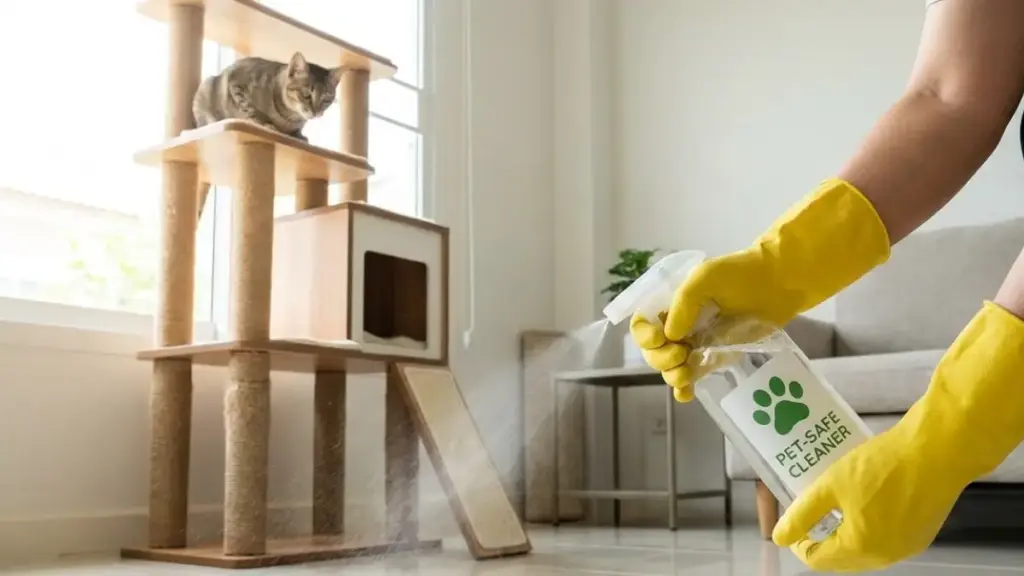
Sanitizing Living Environments with Pet-Safe Veterinary Disinfectants
Following any severe illness, deep clean all hard surfaces, food bowls, and litter boxes using veterinary-grade potassium peroxymonosulfate or diluted bleach solutions capable of neutralizing non-enveloped viruses and bacterial spores. Wash all fabric bedding at high temperatures (at least 60°C). Thorough environmental decontamination removes residual infectious particles, ensuring long-term biosecurity for both animals and humans.
Frequently Asked Questions About Feline Vomiting
Why is my cat still throwing up after taking antiemetic medication?
Antiemetics block vomiting signals in the brain, but they cannot resolve physical blockages, severe kidney toxicity, or deep tissue necrosis. If the physical or biochemical cause persists, the body overrides chemical suppression, meaning the cat is constantly vomiting despite medication.
Can humans catch a stomach bug from a vomiting cat?
Yes. Certain bacterial strains like Salmonella and Campylobacter, as well as parasites like Giardia and Toxoplasma, are zoonotic. They can transfer from feline vomitus or fecal matter to humans through accidental oral contact or contaminated surfaces.
How long can a cat go without food or water while vomiting?
A cat should never go more than 24 hours without retaining fluids. Severe dehydration and electrolyte imbalances occur rapidly, and prolonged fasting in felines can trigger hepatic lipidosis (fatty liver disease), a potentially fatal liver condition.
Summary and Final Expert Guidance
Navigating a crisis where your cat is constantly vomiting despite receiving prescribed medication requires swift, decisive action, acute attention to clinical signs, and strict adherence to quarantine protocols when zoonotic risks emerge. Never rely on unverified home remedies or continue ineffective oral drugs when your pet’s gastrointestinal tract is compromised. Timely veterinary diagnostics, professional fluid resuscitation, and stringent biosecurity measures remain the absolute gold standard for protecting your cherished feline companion and ensuring the safety of your entire household.
PLEASE LEAVE A COMMENT TO SHARE YOUR FAVORITE THOUGHTS OR FOLLOW OUR BLOG FOR THE LATEST UPDATES.