



Canine health care is a top priority for every dog owner, yet much of the popular advice circulating online and by word-of-mouth is surprisingly misleading. Well-intentioned dog lovers often follow outdated tips that can inadvertently do more harm than good to their furry companions.
- Debunking Dietary Myths in Canine Health Care
- Hygiene and Preventive Errors in Daily Canine Health Care
- Misunderstanding Parasite Control and Exercise Standards
- Medical and Behavioral Misconceptions in Canine Health Care
- Frequently Asked Questions About Canine Health Care
- Transitioning to Evidence-Based Canine Health Care
The most critical mistake in modern canine health care is relying on anecdotal myths—such as assuming a wet nose signals perfect health or that raw bones are inherently safe—rather than science-backed veterinary guidance. Mismanaging basic nutrition, dental hygiene, and preventive care can silently compromise your dog’s internal organs and drastically shorten their life expectancy. By debunking these prevalent misconceptions today, you can immediately realign your routine with actual medical standards, ensuring your pet enjoys a vibrant, pain-free life.
Debunking Dietary Myths in Canine Health Care
Mistake 1: Assuming Raw Food Diets Are Always Superior
The Pathogen and Bacterial Contamination Risks
Feeding raw meat is frequently marketed as a natural approach to canine health care, yet it presents severe biological hazards. Raw poultry and red meat often harbour dangerous pathogens such as Salmonella, E. coli, and Listeria. These bacteria do not merely pose a threat to your dog’s gastrointestinal tract; they contaminate household surfaces, feeding bowls, and human family members through direct contact or saliva. Medical studies show that raw-fed dogs shed bacteria continuously, compromising vulnerable household members.
Nutritional Imbalance and Micronutrient Deficiencies
Creating a balanced raw diet at home requires precise biochemical calculations that commercial raw preps often lack. Without exact ratios of calcium to phosphorus, home-prepared raw meals can lead to severe skeletal deformities, bone fractures, and metabolic disorders. Puppies are especially sensitive to these imbalances. Proper canine health care dictates that any raw diet must be meticulously formulated by a board-certified veterinary nutritionist rather than assembled using generic online recipes.

Mistake 2: Believing Cooked Bones Are Safe Chew Toys
Structural Splintering and Intestinal Perforation
Many pet owners consider bones the ultimate natural chew toy, but offering cooked bones is a disastrous choice for canine health care. Thermal processing alters the cellular structure of bone tissue, rendering it brittle and prone to shattering into razor-sharp shards upon chewing. When ingested, these fragments easily slice through the delicate lining of the esophagus, stomach, and intestines, resulting in life-threatening internal hemorrhaging or severe peritonitis requiring emergency surgery.
Replacing widespread myths with scientifically backed habits is the ultimate gift you can give your dog; proactive, informed choices today pave the way for a vibrant, long, and joyful life together filled with unconditional love and optimum canine health care.
Anna
Dental Fractures and Gastrointestinal Blockages
Even if a cooked bone does not splinter into sharp needles, its extreme hardness poses an immediate threat to canine dentition. Veterinarians frequently treat slab fractures on upper premolars caused by chewing hard bones. Furthermore, ingested bone dust and larger solid chunks can coalesce inside the colon, forming dense, impacted blockages. Maintaining optimal canine health care involves choosing flexible, veterinary-approved dental chews that satisfy the chewing urge without risking emergency hospitalization.
Read more: 3 Shocking Dangerous Colors of Dog Feces You Must Check in the Poop Bag!
Hygiene and Preventive Errors in Daily Canine Health Care
Mistake 3: Relying on Wet Noses as the Ultimate Health Indicator
Temperature Fluctuations and Environmental Factors
A widespread misconception in basic canine health care is that a cold, wet nose guarantees a healthy dog, while a warm, dry nose indicates fever or illness. In reality, a dog’s nose texture and moisture level fluctuate constantly based on ambient humidity, indoor heating, weather conditions, and recent nap cycles. A completely healthy dog can wake up with a warm, dry nose simply due to reduced tear duct drainage during sleep.

True Clinical Indicators of Illness
Evaluating your pet’s physical state requires looking far beyond nasal moisture. True clinical signs of illness include lethargy, loss of appetite, persistent vomiting, pale gums, and sudden changes in water consumption. If you suspect an underlying issue, relying on nasal temperature delays critical diagnosis. Professional canine health care relies on objective clinical parameters such as digital rectal temperature, heart rate assessment, and comprehensive blood panels conducted by licensed veterinary practitioners.
Mistake 4: Over-Bathing and Using Human Hygiene Products
Disruption of the Skin Acid Mantle
Bathing your dog too frequently or using human shampoos destroys the natural epidermal barrier. Canine skin has an acidic pH range of 6.2 to 7.4, whereas human skin is much more acidic (around 5.5). Using human products strips away the protective lipid layer, leaving the dermis defenseless against opportunistic bacterial and fungal invasions. Advanced canine health care emphasizes preserving this natural acid mantle through species-specific, pH-balanced grooming formulations.

Triggering Chronic Dermatitis and Dryness
Excessive washing removes essential natural oils produced by the sebaceous glands, resulting in dry, flaky, and itchy skin. When dogs scratch continuously to relieve this irritation, they create micro-abrasions that invite secondary infections like hot spots and pyoderma. Proper canine health care routines recommend limiting full baths to once every four to six weeks unless your dog gets unusually muddy or carries a veterinary-prescribed medicated shampoo regimen.
Mistake 5: Neglecting Daily Dental Hygiene Routines
Periodontal Disease and Systemic Organ Damage
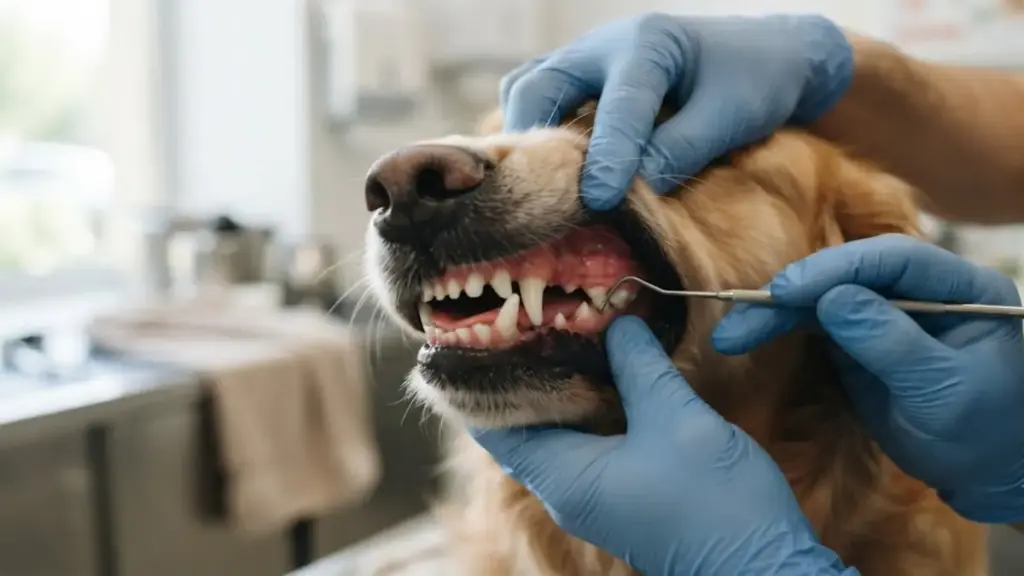
Ignoring oral hygiene is one of the most damaging oversights in long-term canine health care. Plaque hardens into tartar within 48 hours, creating a breeding ground for anaerobic bacteria below the gumline. As periodontal disease advances, bacteria enter the bloodstream through inflamed gingival capillaries, traveling directly to the heart, kidneys, and liver. Chronic systemic inflammation caused by poor dental habits significantly reduces a dog’s overall lifespan and quality of life.
Effective Alternatives to Traditional Brushing
While daily toothbrushing with enzymatic pet toothpaste remains the gold standard, many owners struggle with compliance. Modern canine health care offers effective supporting solutions, including Veterinary Oral Health Council (VOHC) approved dental chews, water additives, and specialized plaque-reducing diets. Integrating these tools into your daily routine helps minimize bacterial accumulation, preventing painful tooth extractions and costly veterinary dental procedures under general anesthesia.
Read more: 2026 Pet Food Recall Comparison: Is Pedigree Really The Only Dangerous Brand?
Misunderstanding Parasite Control and Exercise Standards
Mistake 6: Stopping Parasite Prevention in Winter Months
Year-Round Flea and Tick Survival Mechanisms
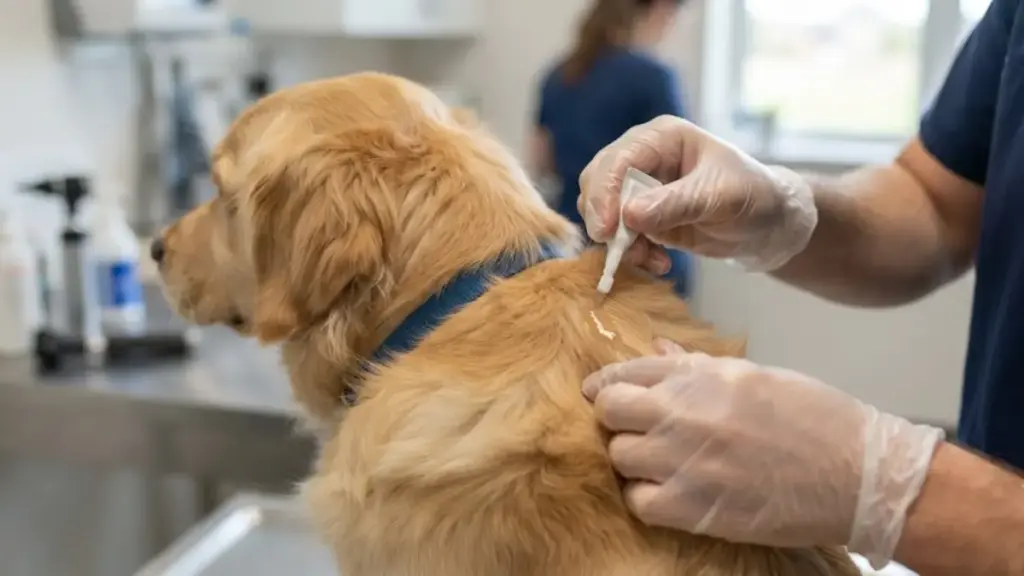
A common mistake in seasonal canine health care is stopping flea and tick preventatives during cold weather. Modern climate shifts and heated indoor home environments allow parasites to survive easily throughout winter. Flea pupae can lie dormant inside carpets and baseboards for months before hatching, while adult ticks remain active whenever ambient temperatures rise above freezing. Year-round protection is essential to prevent severe household infestations.
More Read

Mosquito Vectors and Heartworm Disease Risks
Heartworm transmission relies on mosquitoes, which frequently take refuge inside heated garages, basements, and homes long after the first frost. A single bite from an infected mosquito can transmit heartworm microfilariae into your dog’s bloodstream. Because heartworm treatment is physically demanding and costly, comprehensive canine health care protocols mandate 12-month continuous heartworm preventatives regardless of geographic location or seasonal changes.
Mistake 7: Misjudging Exercise Needs Based on Breed Size
Over-Exertion Risks in Small Breed Dogs
Assuming small dogs need minimal exercise is a major flaw in modern canine health care. Compact breeds such as Jack Russell Terriers, Dachshunds, and French Bulldogs possess high energy levels and require structured physical activity to prevent anxiety and behavioral issues. Furthermore, without regular physical exertion, small breeds rapidly develop canine obesity, putting excessive strain on their delicate spinal columns and joints.

Joint Stress and Growth Plate Damage in Large Breeds
Conversely, forcing large or giant breed puppies to engage in high-impact running or repetitive jumping before their growth plates close is equally dangerous. Forced prolonged exercise on hard surfaces like concrete causes micro-trauma to developing cartilage, accelerating hip and elbow dysplasia. Proactive canine health care involves tailoring exercise intensity to your dog’s developmental stage, breed traits, and structural maturity under professional guidance.
Read more: Dog Treat Toys: 3 Shocking Tricks To Calm Your Flat Dog Fast
Medical and Behavioral Misconceptions in Canine Health Care
Mistake 8: Delaying Spaying or Neutering Without Professional Medical Guidance
Increased Risks of Pyometra and Mammary Tumors
Deciding when to spay or neuter requires careful consideration rather than following internet trends. Intact female dogs face a significant risk of developing pyometra—a severe, life-threatening infection of the uterus requiring emergency surgical intervention. Furthermore, spaying before the first or second heat cycle dramatically decreases the incidence of malignant mammary tumors. Misinformed delays in basic canine health care expose female dogs to entirely preventable medical emergencies.

Behavioral Instability and Prostatic Diseases
For male dogs, delaying neutering past sexual maturity can reinforce unwanted behaviors such as urine marking, aggression, and wandering tendencies. Medically, intact males have a much higher rate of benign prostatic hyperplasia, perineal hernias, and testicular cancers as they age. Comprehensive canine health care strategies evaluate the exact timing of spay/neuter procedures based on breed size, orthopedic risk factors, and individual health profiles.
Mistake 9: Treating Human Medications as Safe Pain Relief Options
Acetaminophen and Ibuprofen Toxicity
Administering over-the-counter human pain relievers like Tylenol (acetaminophen) or Advil (ibuprofen) is one of the most fatal mistakes in home-based canine health care. Canine liver and kidney enzymes cannot metabolize these compounds safely. Acetaminophen causes irreversible destruction of liver cells and methemoglobinemia, severe blood impairment where red blood cells lose their capacity to transport oxygen throughout the body.

Severe Gastrointestinal Ulceration and Acute Renal Failure
Non-steroidal anti-inflammatory drugs (NSAIDs) formulated for humans quickly erode the protective mucosal lining of a dog’s stomach, resulting in severe perforating ulcers within hours. Furthermore, human NSAIDs cause acute renal ischemia and complete kidney collapse. Evidence-based canine health care strictly prohibits human pharmaceuticals; only veterinarian-prescribed, canine-specific NSAIDs should ever be administered for pain management.
Frequently Asked Questions About Canine Health Care
How often should I take my healthy dog to the vet for a checkup?
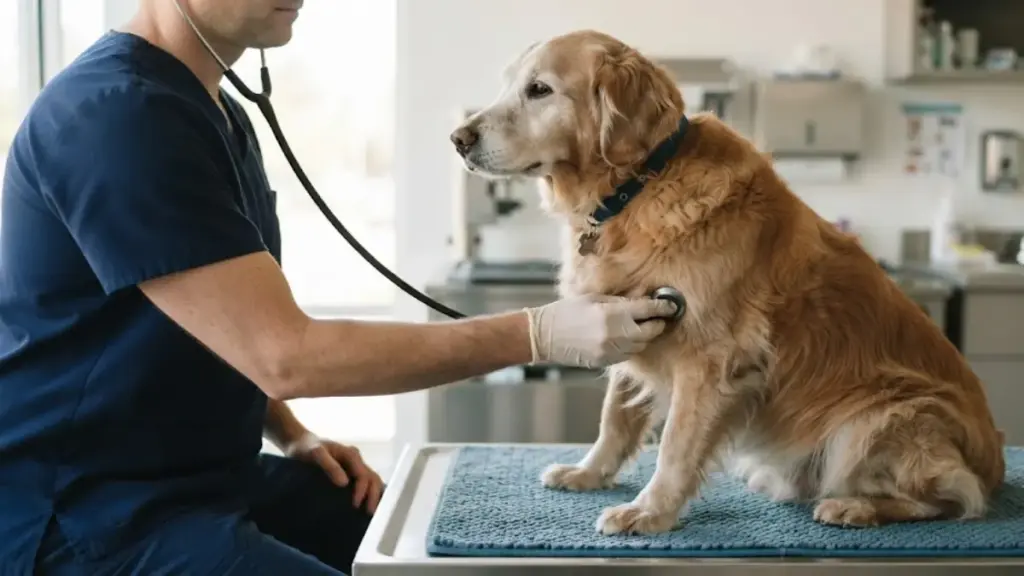
Healthy adult dogs should receive a comprehensive veterinary wellness examination at least once a year. During this visit, your veterinarian evaluates cardiovascular health, performs routine blood screenings, updates vaccinations, and assesses dental status. For senior dogs (typically aged seven and older), bi-annual wellness exams are recommended, as early detection of chronic conditions like renal disease or arthritis significantly improves treatment outcomes in modern canine health care.
Are grain-free diets safe for long-term dog health?
Grain-free diets should be approached with caution in standard canine health care. The U.S. Food and Drug Administration (FDA) has investigated potential links between grain-free diets—specifically those heavily reliant on legumes, lentils, or potatoes—and Non-Hereditary Dilated Cardiomyopathy (DCM) in dogs. Unless your dog has a medically diagnosed grain allergy confirmed by a veterinarian, feeding a balanced, grain-inclusive diet formulated to meet AAFCO standards is generally recommended.
What are the earliest signs that my dog needs immediate emergency care?
Immediate emergency attention in canine health care is required if your dog exhibits non-productive retching or abdominal distension (signs of GDV/Bloat), sudden collapse, pale or blue gums, difficulty breathing, seizures lasting over two minutes, or known ingestion of toxic substances like chocolate, xyliitol, or human medications. Never delay professional intervention when these severe clinical symptoms manifest.

Transitioning to Evidence-Based Canine Health Care
Re-evaluating your daily routine and removing outdated myths is the most effective step you can take toward securing your pet’s long-term vitality. True wellness relies on evidence-based practices: balanced nutrition, continuous parasite control, diligent dental hygiene, safe exercise routines, and regular professional veterinary consultations. By making informed decisions today, you protect your companion from unnecessary pain, prevent costly medical emergencies, and build a solid foundation for many happy years together.

PLEASE LEAVE A COMMENT TO SHARE YOUR FAVORITE THOUGHTS OR FOLLOW OUR BLOG FOR THE LATEST UPDATES.