

Learn to identify critical medical red flags behind abnormal dog body behavior, including head pressing, orthopnea, and vital internal organ failures.
- Clinical Dark Side Hidden Beneath the Variations of Abnormal Dog Body Behavior
- Sign 1 – Head Pressing Against Walls Indicating an Extreme Abnormal Dog Body Behavior Variant
- Sign 2 – Prolonged Play Bow Posture as an Acute Abnormal Dog Body Behavior Warning
- Sign 3 – Heavy Abdominal Breathing and Elbow Abduction (Orthopnea) Forming a Respiratory Crisis Profile
- Hematological and Peripheral Physiological Shifts Matching Unusual Behavioral Signs
- Physiological Matrix for Interpreting Abnormal Dog Body Behavior Variations
- FAQ
- Conclusion
Clinical Dark Side Hidden Beneath the Variations of Abnormal Dog Body Behavior
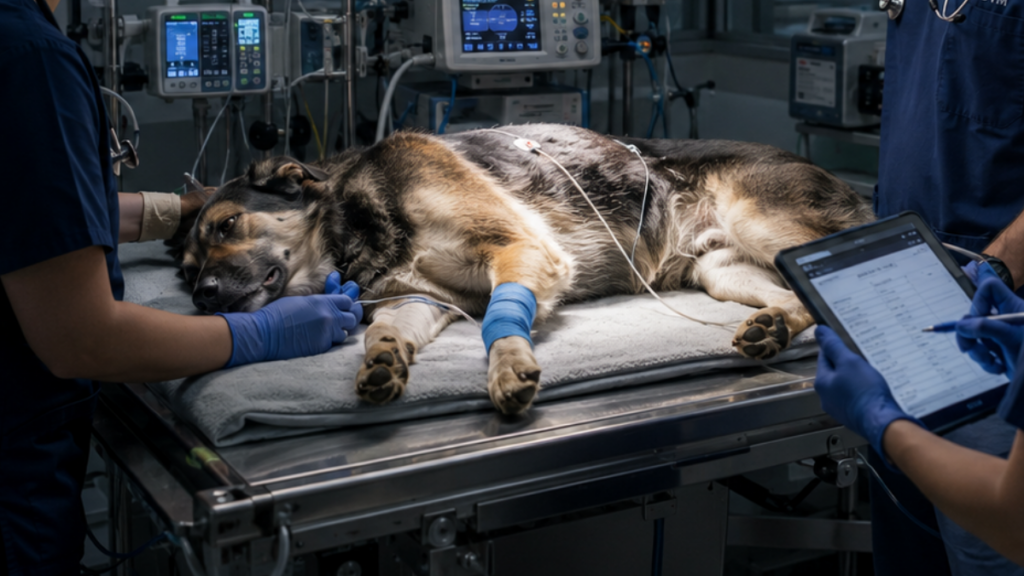
Recognizing early shifts in canine physical expressions is the absolute boundary between timely recovery and permanent internal organ damage. When internal physiological systems face critical survival stress, typical biological habits fade, replaced by highly specific anatomical anomalies. Monitoring these subtle shifts in abnormal dog body behavior allows clinical professionals to localize internal acute trauma accurately.
A persistent breakdown in standard posturing confirms that a hidden crisis is altering the nervous system from within. These physical indicators do not represent minor temperamental quirks but signal systemic internal pressure breaching vital physical limits. Overlooking these early warning markers routinely allows acute internal emergencies to advance to fatal, irreversible stages before treatment begins.
Spasmodic Diaphragmatic and Intercostal Contractions Driven by Elevated Internal Visceral Pressure
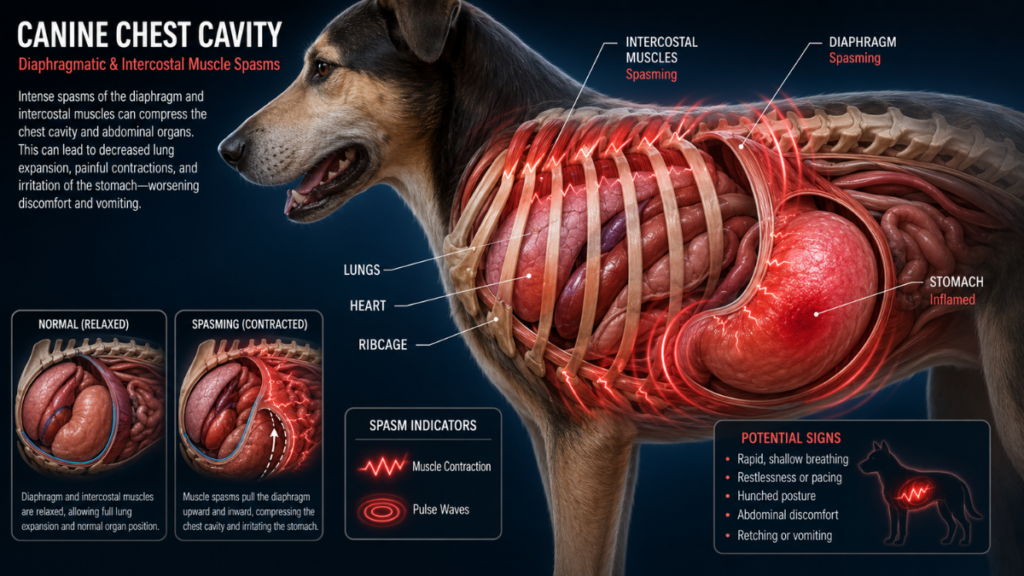
When internal abdominal organs like the stomach or pancreas suffer from severe swelling, they exert immense mechanical pressure on surrounding tissues. To mitigate this localized agony, the central nervous system automatically fires continuous, heavy spasms throughout the diaphragm and intercostal muscles.
This constant muscular tightening leaves the animal physically incapable of standing or resting in standard, comfortable postures on the floor. The shifting weight distribution functions as a passive defensive response, yet it drastically reduces the overall efficiency of respiratory air exchange. The emergence of this specific abnormal dog body behavior variant proves internal tissue damage has compromised primary cardiovascular and breathing pathways.
Peripheral Tissue Hypoxia Triggering Unusual Anatomical Postures
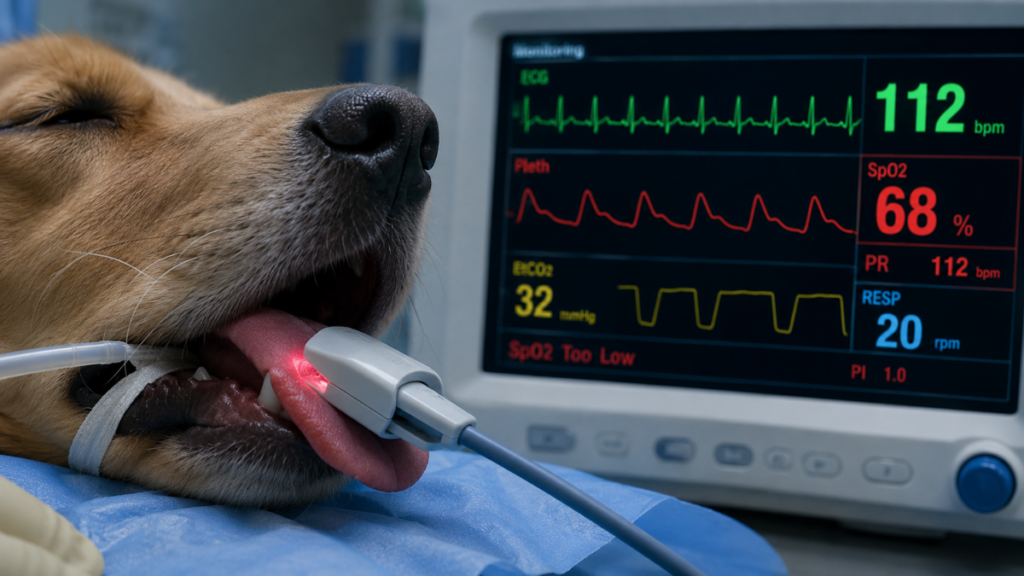
When streaming blood volume carrying vital oxygen drops dangerously due to myocardial weakness or vascular obstruction, the body enters acute shock. Peripheral tissues located far from the heart send immediate neural emergency signals, forcing the animal to alter its anatomy instantly.
The canine responds by fully extending its neck, opening its front limbs wide, or seeking cold household surfaces to lower core temperatures. These unusual anatomical positions represent a final circulatory effort to protect blood delivery to the brain and renal cortex. An unchecked drop in internal saturation levels continues to deform natural motor patterns, creating highly visible signs of distress. Without high-pressure oxygen therapy inside a professional veterinary facility, this ongoing peripheral hypoxia rapidly destroys healthy cellular tissues.
Serum Glucose Depletion Causing Absolute Loss of Autonomous Motor Control

Brain cells rely exclusively on stable serum glucose levels to maintain proper membrane potential and transfer neural impulses across synapses. When blood sugar curves drop far below safe baseline thresholds, the motor cortex loses its capability to manage autonomous muscle movements.
The animal begins displaying clear abnormal dog body behavior expressions, such as hind limb tremors, an unstable gait, or spatial disorientation. The total failure of natural balancing reflexes causes the dog to stumble frequently or collide directly into household furniture boundaries. This intense physical instability leaves the animal completely vulnerable, signaling a complete metabolic breakdown inside the system. Prolonged metabolic hypoglycemia does not simply cause temporary movement issues but actively triggers full-body tonic-clonic seizures that threaten survival.
Sign 1 – Head Pressing Against Walls Indicating an Extreme Abnormal Dog Body Behavior Variant

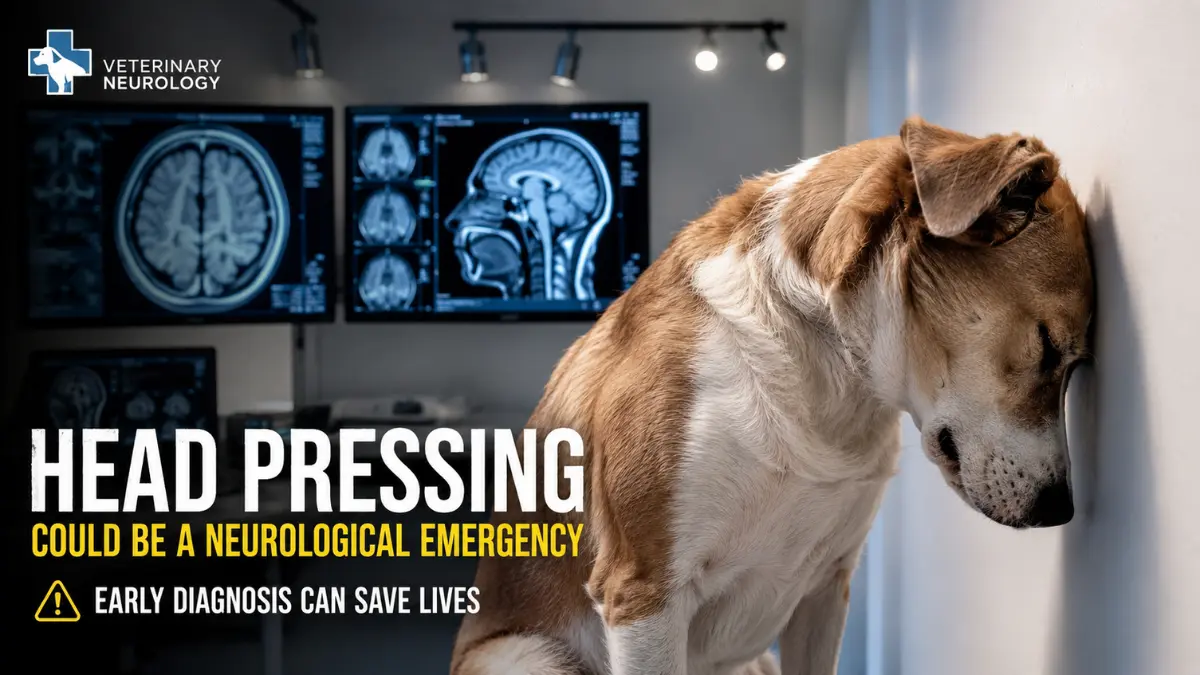
Sustained forehead pressing against rigid vertical surfaces or household furniture represents one of the most severe neurological emergencies in veterinary medicine. This quiet, intense posture is frequently misinterpreted by pet owners as an amusing trick or a simple behavioral phase.
In reality, this specific abnormal dog body behavior is a primary physical cry for help during active cerebral cell destruction. The animal seeks relief from an expanding internal force that slowly cuts off normal cognitive processing. If left unchecked, this profound physical compression will permanently alter the dog’s baseline mental functions.
Elevated Intracranial Pressure From Cerebrospinal Fluid Accumulation Forcing Pain-Relief Adjustments

Severe congenital hydrocephalus or expanding brain tumors physically obstruct the natural drainage pathways of cerebrospinal fluid inside the deep ventricles. This fluid retention generates massive hydrostatic pressure, crushing delicate meninges and restricting blood flow across the surrounding cerebral cortex layers.
The canine experiences a blinding, continuous headache, forcing the animal to seek out rigid corners or heavy walls immediately. This persistent compression acts as a mechanical counterweight, helping to minimize the agonizing internal pressure building within the skull bones. This distinct presentation remains a primary abnormal dog body behavior red flag, indicating that the central nervous system is facing destructive trauma.
Secondary Hepatic Toxicity Disrupting the Metabolic Conversion of Free Ammonia Into Urea
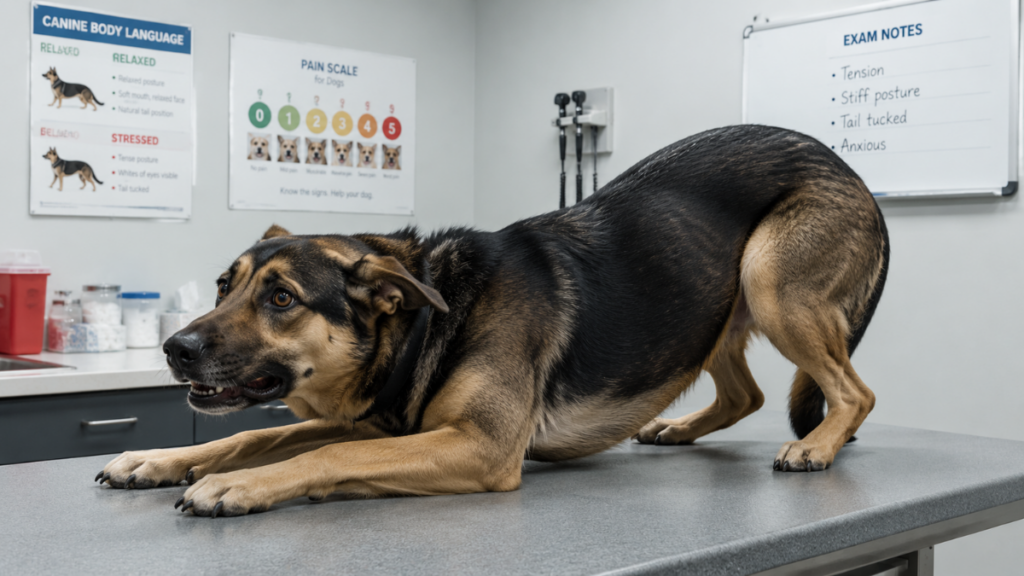
When functional liver mass declines sharply due to advanced cirrhosis or a portosystemic shunt, internal toxin filtration loops fail completely. Free ammonia generated during basic protein digestion avoids hepatic processing, building up rapidly within the primary bloodstream pathways.
Read more: 5 lethal and dangerous toxic ingredients to avoid in a homemade dog treats recipe.
These circulating toxins cross the blood-brain barrier unhindered, launching a direct chemical assault on sensitive astrocytic neural cells. This biological poisoning triggers hepatic encephalopathy, a severe metabolic brain disorder that completely corrupts the animal’s natural lifestyle habits. The sudden emergence of this abnormal dog body behavior shows toxic compounds have breached brain tissues, requiring immediate clinical detoxification.
Localized Frontal Lobe Lesions Destroying Autonomous Spatial Navigation Capabilities
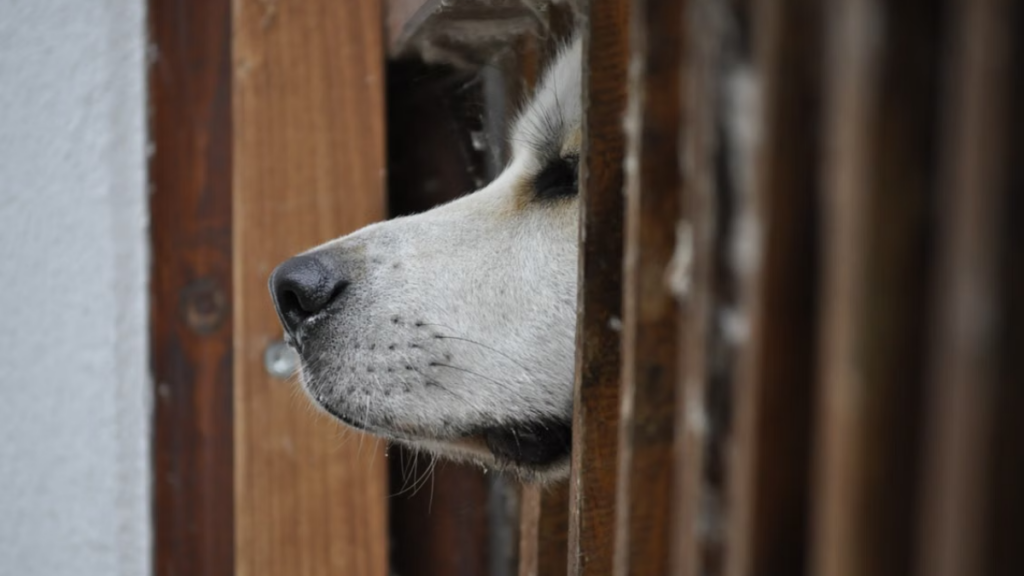
The frontal lobe serves as the primary control center for complex spatial awareness, orientation tracking, and intentional motor planning. Localized lesions within this region, caused by viral meningoencephalitis, deep hemorrhages, or expanding abscesses, disrupt vital neural pathways completely.
The dog loses all cognitive connection to its immediate surroundings, entering a helpless state of being stuck in corners. They cannot execute the motor planning required to back away or pivot, instead pushing forward into the obstacle unceasingly. This total breakdown of spatial navigation stands as clear clinical proof of deep, physical structural damage inside the skull. The loss of cortical governance locks the pet into an unending loop of repetitive, destructive physical contact.
Sign 2 – Prolonged Play Bow Posture as an Acute Abnormal Dog Body Behavior Warning

When an animal holds a rigid posture with its chest pressed to the floor while its hind limbs remain fully upright, danger is close. Outside of standard social play interactions, this frozen position indicates agonizing, sharp pain radiating through the abdominal cavity.
The animal uses this specific abnormal dog body behavior to physically alter its anatomy, protecting sensitive internal tissues from gravity. This sustained, painful stretching is a vital indicator that separates visceral illness from benign, happy behaviors. Failing to recognize this posture allows severe internal bleeding or tissue death to expand unhindered within the gut.
Lowering the Front Torso While Raising the Hips to Physically Relieve Epigastric Pressure
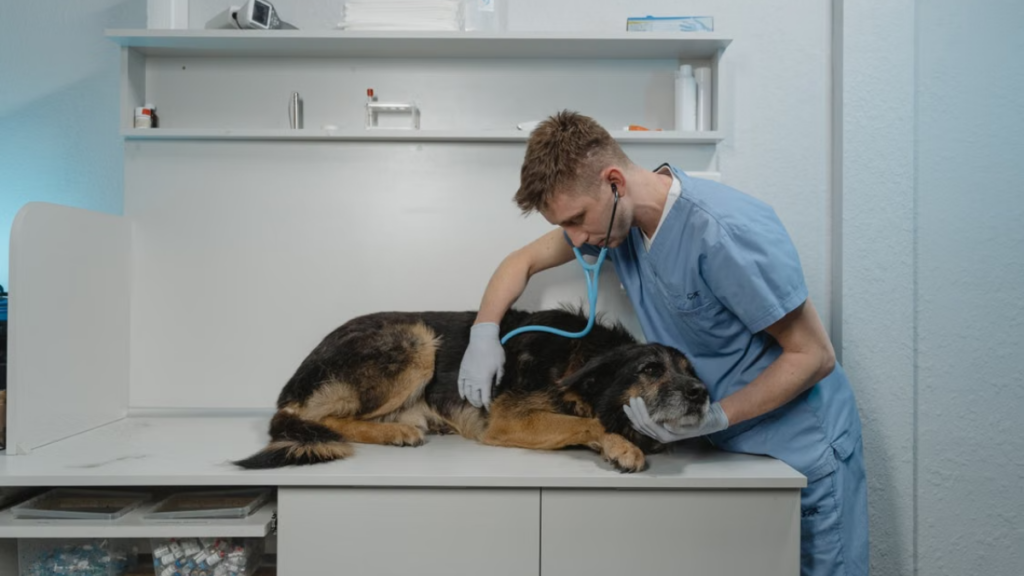
In a healthy canine, internal epigastric organs like the stomach and pancreas are suspended by strong mesenteric tissue sheets. When these vascular structures suffer from acute swelling or rapid gas expansion, gravity pulls them downward, irritating deep visceral nerves.
By dropping its front chest while keeping its rear limbs extended, the animal alters the internal angle of the abdomen. This structural shift pulls the heavy organs away from the diaphragm, lowering the physical compression hitting the injured tissue zones. This distinct abnormal dog body behavior variation is a highly intelligent mechanical adaptation to visceral pain, signaling a severe internal emergency.
Read more: 3 lethal errors in homemade low fat dog food for pancreatitis
Acute Pancreatitis Inducing Peritonitis and Firing Deep Visceral Sensory Nerves
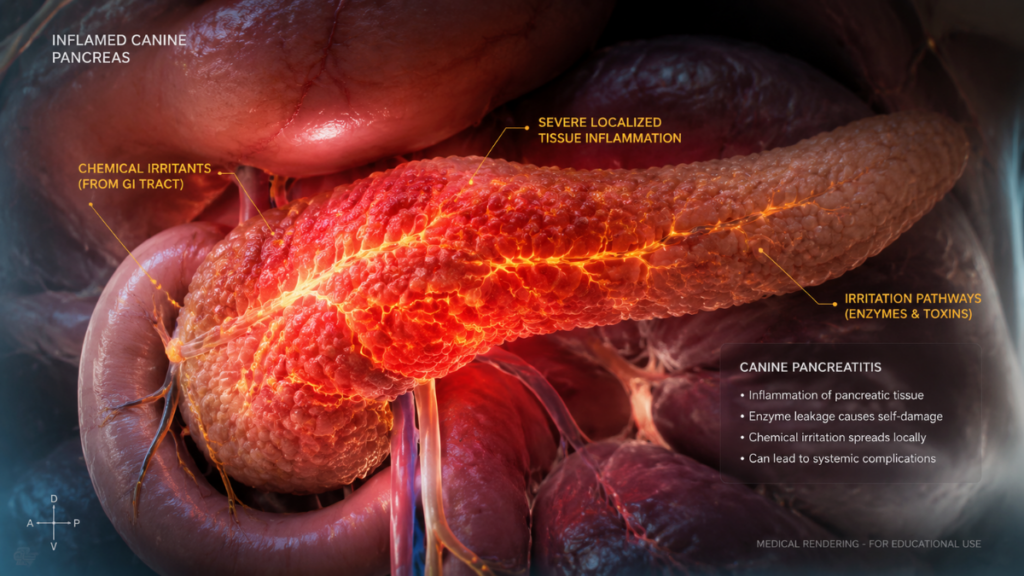
Canine pancreatitis is a highly destructive condition where digestive enzymes activate prematurely directly inside the delicate pancreatic tissue mass. This enzyme leakage leads to widespread auto-digestion, causing rapid fat necrosis and intense localized peritonitis within the upper abdomen.
The damaged tissues release a massive flood of chemical inflammatory markers, overstimulated the surrounding visceral sensory nerve networks. This intense, burning pain forces the animal into a state of silent panic, compelling them to hold the protective play bow. This classic variation remains an undeniable abnormal dog body behavior red flag, pointing toward a severe abdominal crisis that requires immediate hospitalization.
Gastric Dilatation-Volvulus Syndrome Causing Immediate Localized Vascular Occlusion

Gastric Dilatation-Volvulus occurs when the stomach fills rapidly with gas before twisting along its longitudinal axis, sealing both entry valves. This mechanical rotation twists the main gastric arteries completely shut, halting blood delivery and causing tissue necrosis within hours.
The expanding stomach operates like a high-pressure balloon, compressing the vena cava and blocking blood return to the heart. The dog experiences excruciating pain alongside rapid cardiovascular shock, forcing them to stand rigidly or repeat the play bow posture. Without immediate surgical intervention to relieve the pressure, this catastrophic abnormal dog body behavior path ends in death. The rapid physical deterioration demands a surgical response before the internal vascular walls collapse completely.
Sign 3 – Heavy Abdominal Breathing and Elbow Abduction (Orthopnea) Forming a Respiratory Crisis Profile

When the respiratory system can no longer maintain safe blood oxygen margins, the canine activates emergency muscle groups to survive. Standing completely still with the elbows abducted wide and the neck fully extended is a physical expression of mechanical suffocation.
More Read

This structural shift is a primary abnormal dog body behavior sign proving the lungs are failing to transfer oxygen into the blood. Every single breath requires full concentration from the animal, forcing them to remain upright and stiff. If the dog attempts to sit or rest, the fluid inside the chest cavity expands, suffocating vital tissues instantly.
Exudate Accumulation Within Alveoli Spaces Destroying the Functional Surface Area for Oxygen Diffusion
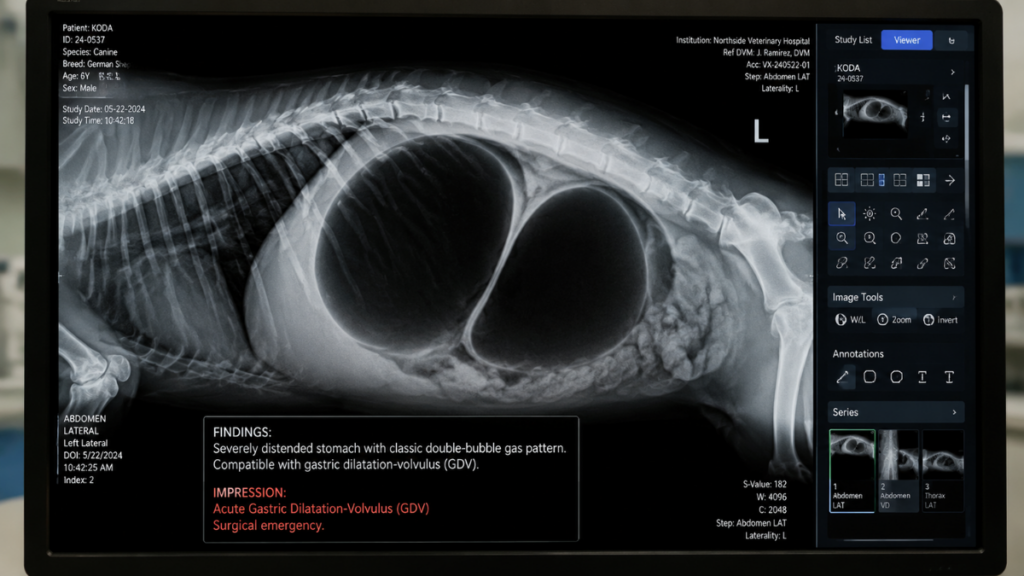
Advanced bacterial pneumonia, acute cardiogenic edema, or internal pulmonary hemorrhage causes the tiny air sacs to fill with inflammatory fluid. This liquid accumulation destroys the delicate surfactant layers, preventing oxygen molecules from passing through the alveolar walls into the capillaries.
To compensate for this internal blockage, the animal must exert heavy mechanical force using its external abdominal wall muscles. This heavy abdominal breathing displays as intense, synchronized contractions of the lower flank with every single breath cycle. The loss of functional lung tissue forces the canine to use its entire core strength just to maintain vital gas exchange.
Abducting the Front Limbs Outward to Maximize Available Thoracic Volume
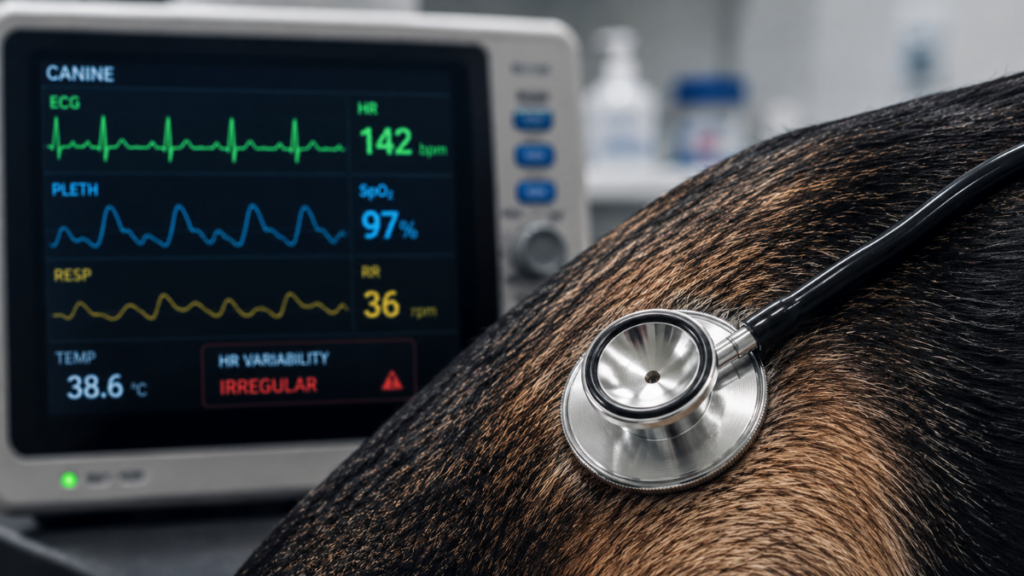
The orthopnea position occurs when the animal intentionally alters its shoulder anatomy by pushing its front elbows far outward. This physical adjustment pulls the heavy pectoral muscles away from the rib cage, allowing the chest walls to expand fully.
Simultaneously, the dog rifts its head high to straighten the airway path, minimizing air friction inside the trachea channels. This specific body shift is an automated mechanical response to expand lung capacity when the internal tissue layers are failing. The presence of this abnormal dog body behavior confirms your companion is exhausting its physical reserves simply to draw a breath. The defensive widening of the chest wall is the final anatomic barrier keeping the animal from losing consciousness.
Elevated Pulmonary Venous Pressure Inside a Failing Left-Sided Congestive Heart Matrix

When the left ventricle suffers from advanced myocardial failure or mitral valve degradation, it cannot pump blood efficiently to the body. The fluid backs up inside the left atrium, building intense hydrostatic pressure throughout the pulmonary venous network.
This back-pressure forces blood plasma to leak out into the open air sacs, causing the lungs to fill with fluid. The dog experiences a terrifying internal drowning sensation, making it physically impossible to lie down flat on the floor. Converted into a permanent standing posture, the animal fights against its own internal fluid accumulation constantly. Convulsive breaths shake the entire frame as this advanced abnormal dog body behavior profile indicates final-stage heart failure.
Hematological and Peripheral Physiological Shifts Matching Unusual Behavioral Signs
Beyond large postural changes, specific adjustments across your pet’s peripheral organs provide vital data to complete a diagnosis. Owners must inspect these subtle physiological indicators carefully to give accurate details to emergency veterinary teams. Every minor color modification or physical reflex lapse mirrors the true state of your dog’s internal vascular health.
Sustained Pupillary Dilation Lacking Light Reflex Indicators Signaling Septic Shock
When bacterial endotoxins flood the primary bloodstream, they cause massive systemic vasodilation and catastrophic blood pressure drops. To keep blood moving to vital survival organs, the sympathetic nervous system fires an immediate adrenaline surge.
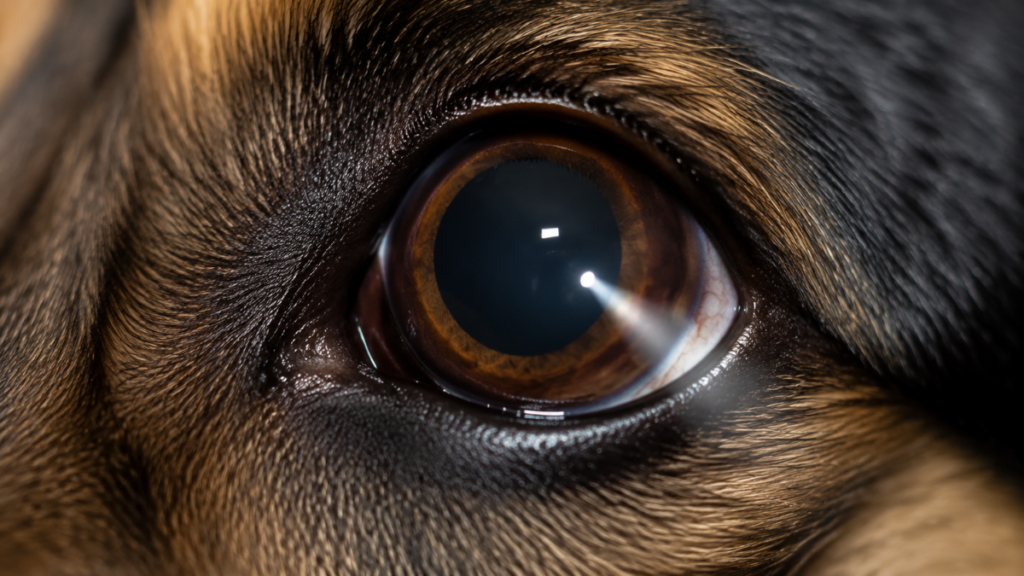
This massive hormonal release paralyzes the pupillary sphincter muscles, causing maximum dilation across both eyes. Even when you shine a bright medical light directly into the eyes, the pupils remain fully expanded, failing to contract. This ocular abnormal dog body behavior variation confirms the nervous system is operating under extreme, life-threatening shock conditions.
Localized Muscular Tetany Driven by Systemic Calcium-Magnesium Electrolyte Imbalances
Calcium and magnesium ions are vital components needed to distinguish cellular membranes and control acetylcholine release at neuromuscular junctions. When ionized calcium drops sharply due to eclampsia in nursing mothers or parathyroid failure, muscle membranes depolarize automatically.
The muscle fibers fire continuously without receiving commands from the motor cortex, causing localized tetany or severe muscle tremors. The dog’s limbs turn rigid as wood, making movement difficult while facial muscle spasms produce an expression of intense worry. This electrolyte failure requires immediate, precise intravenous fluid therapy to prevent the spasms from damaging the heart muscle.
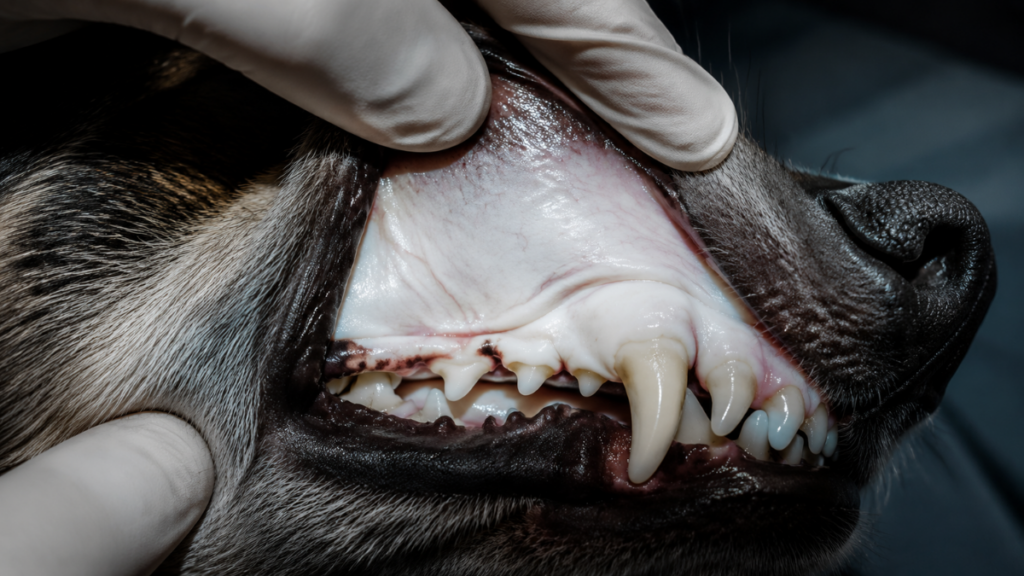
Pale or White Gum Tissue Alterations Reflecting Deep Hidden Internal Bleeding Crises

The mucous membranes inside the mouth serve as a direct visual monitor tracking systemic blood volume and oxygenation. When an internal rupture occurs, such as a burst splenic hemangiosarcoma or rodenticide poisoning, internal blood volume drops instantly.
The vascular system responds by constricting peripheral blood vessels, diverting remaining flow to the heart core. This internal survival shift strips the gums of their healthy pink color, turning them completely pale, white, or ash-grey. An elongated capillary refill time matching this abnormal dog body behavior confirms an emergency requiring immediate surgical intervention.
Physiological Matrix for Interpreting Abnormal Dog Body Behavior Variations
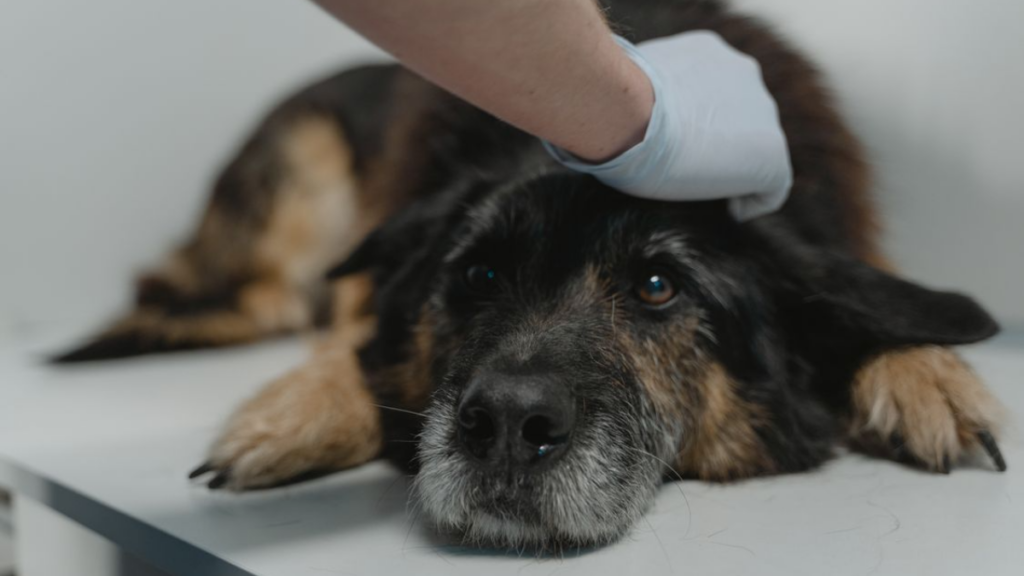
This analytical reference chart helps owners differentiate between natural canine movement cycles and critical internal medical emergencies.
| Natural Behavioral Expression | Pathological Internal Red Flag | Clinical Diagnostic Significance |
| Temporary muscle stretching to restore flexibility after a deep sleep cycle. | Head pressing continuously against rigid vertical surfaces or walls. | Confirms advanced intracranial pressure spikes or severe hepatic brain toxicity. |
| Brief physical stretching of the limbs while maintaining soft, relaxed facial muscles. | Prolonged play bow posture held rigidly alongside low abdominal groaning. | Indicates intense visceral pain caused by acute pancreatitis or stomach rotation. |
| Elevated breathing rates designed to dump excess body heat during hot weather. | Orthopnea position with wide elbows, extended neck, and heavy abdominal effort. | Warns of complete respiratory failure or fluid accumulation from heart disease. |
FAQ
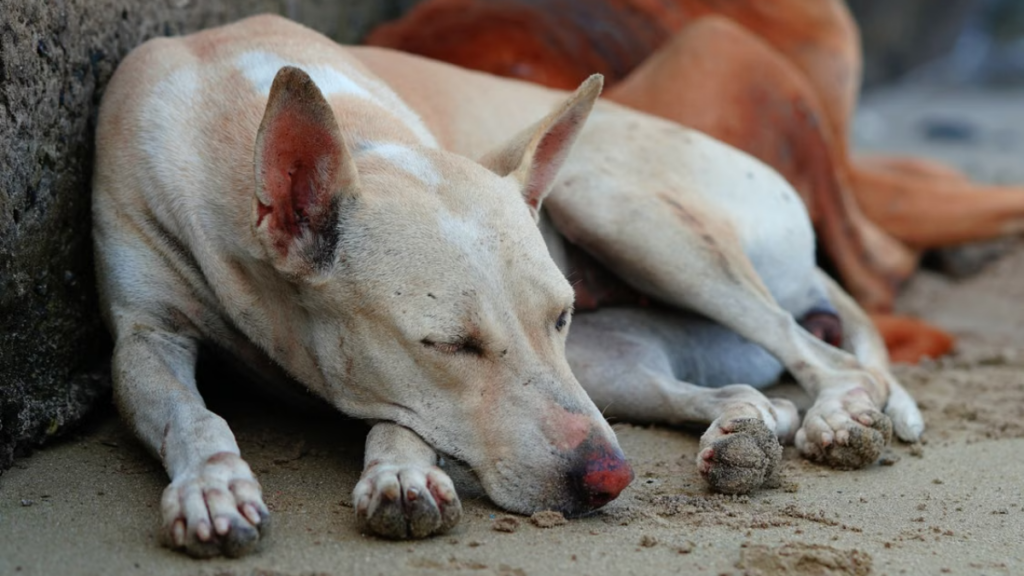
How do I differentiate between a normal physical stretch and a painful abdominal posture?
A normal behavioral stretch occurs briefly right after an animal wakes up or shifts from a resting position. During a healthy stretch, the facial muscles remain soft, the eyes look relaxed, and the dog returns to normal walking workflows immediately after.
Conversely, a painful play bow posture driven by an abdominal emergency lasts for minutes or hours without stopping. The dog’s body stays frozen and rigid, its tail tucks deeply between its hind limbs, its abdominal muscles spasm tightly, and its eyes display maximum pupillary dilation due to extreme visceral pain. Catching this specific abnormal dog body behavior distinction saves your dog from enduring a fatal, hidden internal organ rupture.
What are the specific dangers of using human pain medications during a physical crisis?
Never administer human over-the-counter pain medications like acetaminophen, ibuprofen, or aspirin to an animal showing abnormal dog body behavior signs. The canine liver lacks the specific metabolic pathways needed to break down and excrete these human chemical formulas safely.
Even a small dose of human medication can destroy red blood cells rapidly, causing acute liver necrosis and stomach ulcers within twenty-four hours. Attempting to mask an advanced abnormal dog body behavior crisis with human drugs actively speeds up internal organ destruction, stripping away any realistic chance of survival.
What is the long-term complication of head pressing if clinical treatment is delayed?
If head pressing behavior is caused by ammonia accumulation or intracranial pressure and goes untreated, the final complication is generalized cerebral edema leading to cerebellar herniation through the foramen magnum.
“Visceral toxins destroy neural boundaries. Delayed treatment allows structural pressure to crush the brain stem, ending vital survival functions permanently.”
Senior Veterinary Neurology Specialist
When ammonia concentrations permanently compromise the blood-brain barrier, cerebral tissues swell uncontrollably against the skull bones. This advanced abnormal dog body behavior path triggers permanent cortical cell death as the swollen brain shifts downward. The animal passes from disorientation into a deep coma, suffers full-body seizures, and dies as the respiratory centers inside the brain stem are crushed.
Conclusion
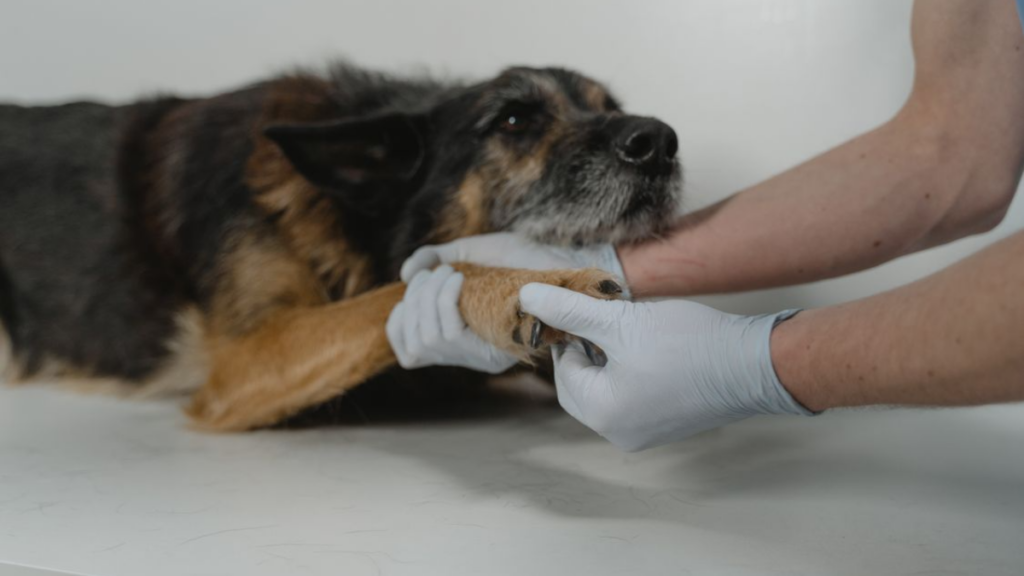
Analyzing and reacting to sudden variations in abnormal dog body behavior is the absolute boundary separating recovery from sudden pet loss. By identifying early head pressing postures, persistent play bow pain responses, and wide-elbow orthopnea signs, you can secure life-saving medical help in time. Prioritizing accurate anatomical tracking over simple behavioral guesswork safeguards your pet’s life during complex physiological failures. Always work closely with licensed veterinary professionals to ensure your four-legged family companion remains fully protected from silent internal health threats.
PLEASE LEAVE A COMMENT BELOW FOR FREE EXPERT CONSULTATION OR FOLLOW OUR WEBSITE THE COUCH INSIDER FOR THE LATEST CULINARY AND CANINE KNOWLEDGE.