

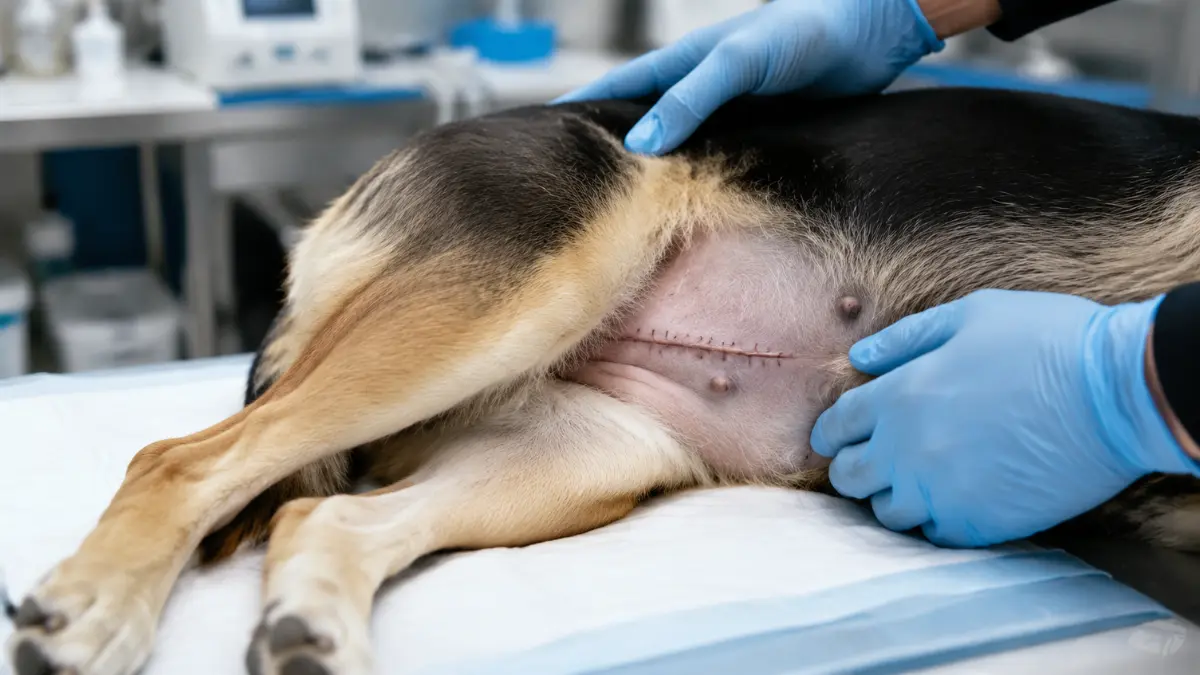

Dog spaying and neutering is a routine surgical procedure, but finding unexpected bruising around your pet’s incision site can naturally cause panic. While mild skin discoloration is often a normal part of the body’s natural healing process, extensive or worsening bruising can point to post-operative complications like internal bleeding or tissue trauma.
- Understanding normal vs. abnormal bruising after dog spaying and neutering
- Primary causes of post-operative bruising in dogs
- 3 alarming signs accompanying dog spaying and neutering bruising that need immediate vet care
- Essential recovery care steps to minimize bruising after dog spaying and neutering
- Frequently asked questions about dog spaying and neutering
- Final recovery summary for pet owners
Experiencing mild bruising after dog spaying and neutering is typically a standard, harmless physiological reaction to surgical tissue manipulation and broken micro-capillaries. However, if the discoloration rapidly spreads, becomes raised and firm, or is accompanied by pale gums and lethargy, it indicates a serious complication requiring immediate veterinary intervention.
Understanding normal vs. abnormal bruising after dog spaying and neutering
To monitor your dog safely through their recovery, you must learn to distinguish between expected post-surgical skin discoloration and warning signs of surgical complications.
Tissue Response Mechanisms and Physiological Hematoma Post-Surgery
Surgical procedures inherently trigger a localized inflammatory response as the body initiates tissue repair. Understanding this biological mechanism helps alleviate unnecessary owner anxiety while maintaining appropriate vigilance during recovery.
Capillary Rupture During Surgical Intervention
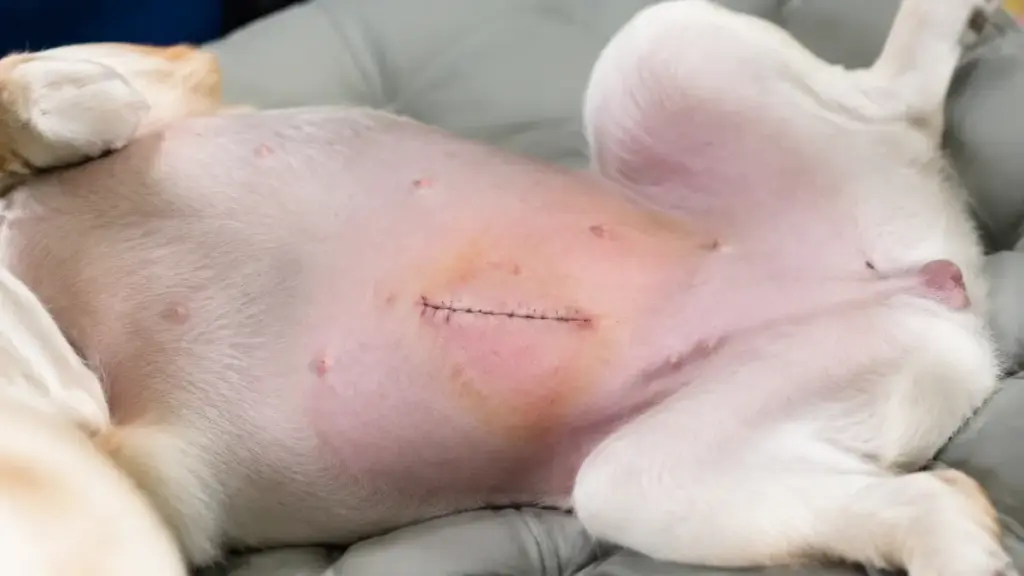
During dog spaying and neutering, the veterinarian must cut through skin, subcutaneous fat, and muscle layers or connective tissues. This precise surgical incision inevitably severs tiny blood vessels known as micro-capillaries. As these tiny vessels bleed into the surrounding subcutaneous tissue layers before clotting occurs, localized pooling of red blood cells forms minor bruises under the skin.
Natural Color Progression From Red to Purple to Pale Yellow Over Time
Healthy healing follows a predictable chromatic progression. Initially, fresh surgical bruising appears light red or pink. Within 24 to 48 hours following dog spaying and neutering, cellular breakdown of hemoglobin causes the mark to turn deep purple or bluish. As macrophages break down the trapped blood pigments into biliverdin and bilirubin over the next several days, the site shifts to greenish-yellow before fading completely.
Boundary Between Natural Recovery and Post-Operative Complications
Recognizing where physiological healing ends and pathological internal bleeding begins is critical for every pet owner managing post-op care.
Limited Bruising Area Surrounding Incision Subsiding Within 3 to 5 Days
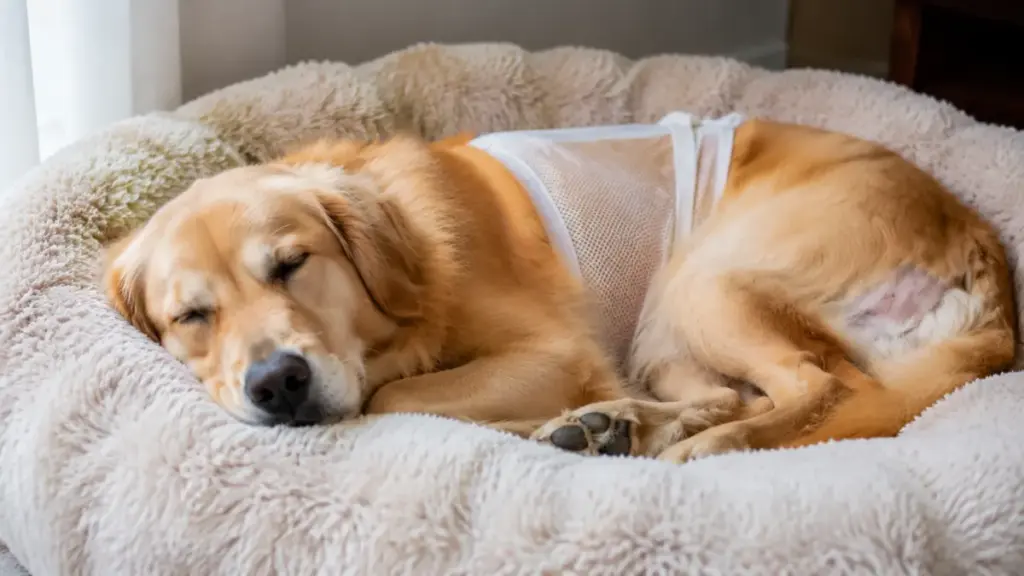
Normal skin discoloration following dog spaying and neutering remains localized within a small margin—typically within one inch—around the suture line. Standard bruising should peak within 48 hours and visibly begin fading or shrinking after 3 to 5 days, showing no signs of warm skin swelling or firm fluid buildup.
Abnormal Spreading Discoloration Accompanied by Severe Swelling and Seeping
In contrast, abnormal discoloration expands rapidly past the surgical boundary, covering large patches of the inner thighs or abdomen. Severe swelling, hot skin, or active fluid leakage accompanying this spreading discoloration signals active subcutaneous hemorrhage or tissue infection following dog spaying and neutering.
Maintaining strict rest and monitoring your dog’s incision daily ensures that mild skin discoloration resolves smoothly after dog spaying and neutering, keeping your companion safe and comfortable throughout recovery.
Dr. Sarah Jenkins, DVM
Primary causes of post-operative bruising in dogs
Understanding why tissue trauma occurs allows owners to take preventative measures during the delicate two-week healing window.
Mechanical Impact and Pet Overexertion Post-Surgery
Excessive physical activity remains the single most common trigger for secondary internal bleeding and severe skin discoloration during home care.
Running, Jumping, or Excessive Licking Rupturing Healing Micro-Vessels
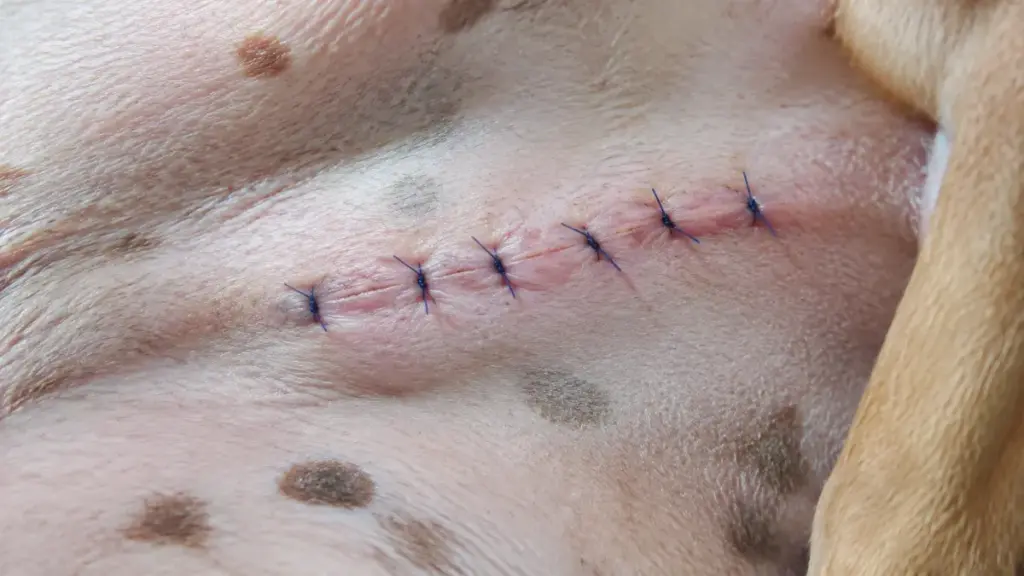
When a dog runs, jumps onto furniture, or vigorously licks their surgical site, the mechanical strain pulls against the delicate healing tissues. This friction ruptures delicate newly formed capillary networks established after dog spaying and neutering, causing fresh blood to spill into tissue pockets under the skin.
Prevention Strategies Using E-Collars and Crate Space Confinement
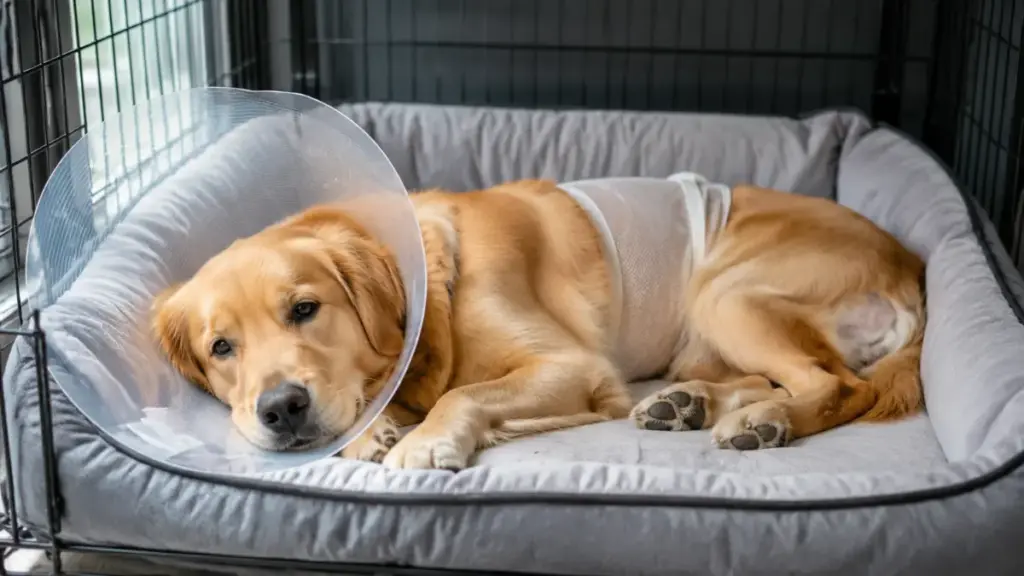
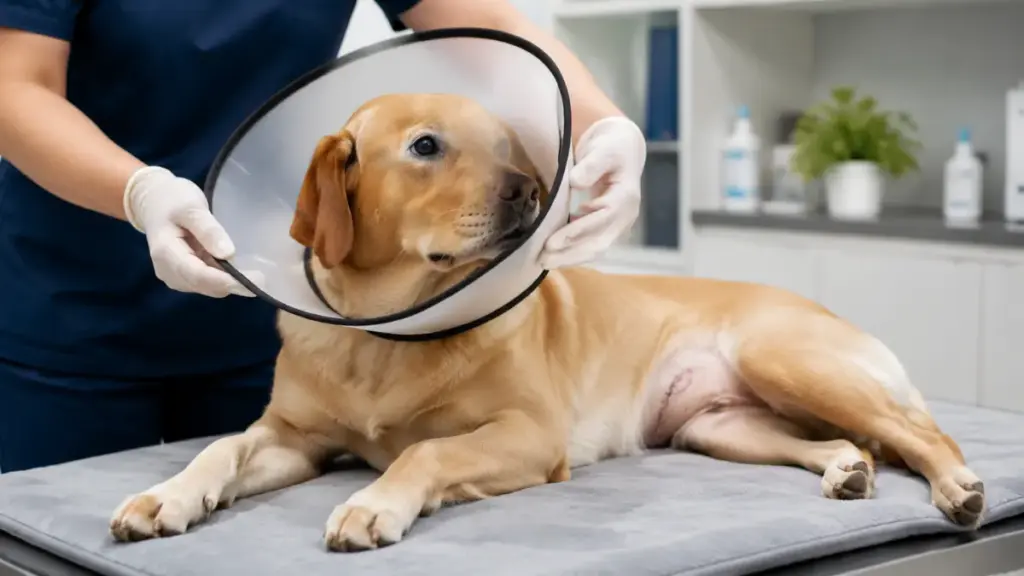
To safeguard healing vessels, dogs must wear an Elizabethan collar (E-collar) or inflatable protective cone continuously. Combining protective collars with strict space confinement inside a soft-padded crate or quiet room prevents sudden mechanical forces from causing internal trauma after dog spaying and neutering.
Surgical Techniques and Individual Physiological Factors
Physiological differences between gender, age, and breed genetics directly influence how noticeably a canine body reacts to surgical trauma.
Sensitive Tissue Reactions in Females (Spay) vs. Males (Neuter)
Spaying females involves entering the abdominal cavity to remove the ovaries and uterus, requiring broader tissue disruption and internal ligation. Consequently, females often exhibit slightly larger areas of abdominal bruising after dog spaying and neutering compared to males, whose external scrotal procedures involve less deep muscle disruption.
Underlying Coagulation Disorders or Capillary Fragility in Specific Breeds
Certain dog breeds suffer from hidden genetic clotting deficits, such as von Willebrand’s disease in Doberman Pinschers or Golden Retrievers. These underlying coagulation disorders prevent blood platelets from clumping efficiently, turning minor vessel friction into extensive subcutaneous hemorrhage following dog spaying and neutering.
Read more: 3 Critical Facts of a Rabies Injection for Dog You Must Monitor!
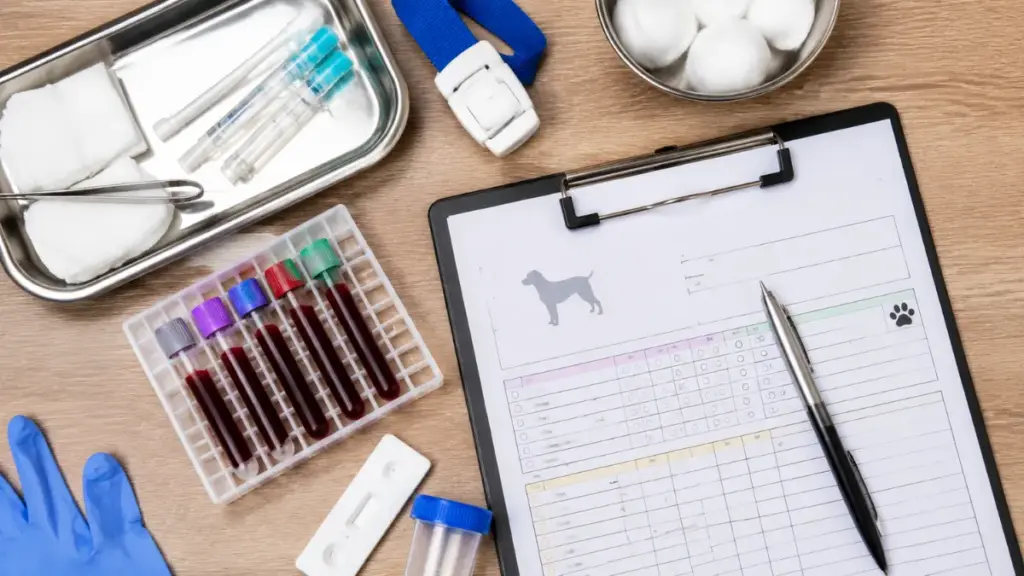
3 alarming signs accompanying dog spaying and neutering bruising that need immediate vet care
While mild discoloration resolves on its own, three specific clinical warning signs signal life-threatening emergencies requiring urgent veterinary intervention.
More Read
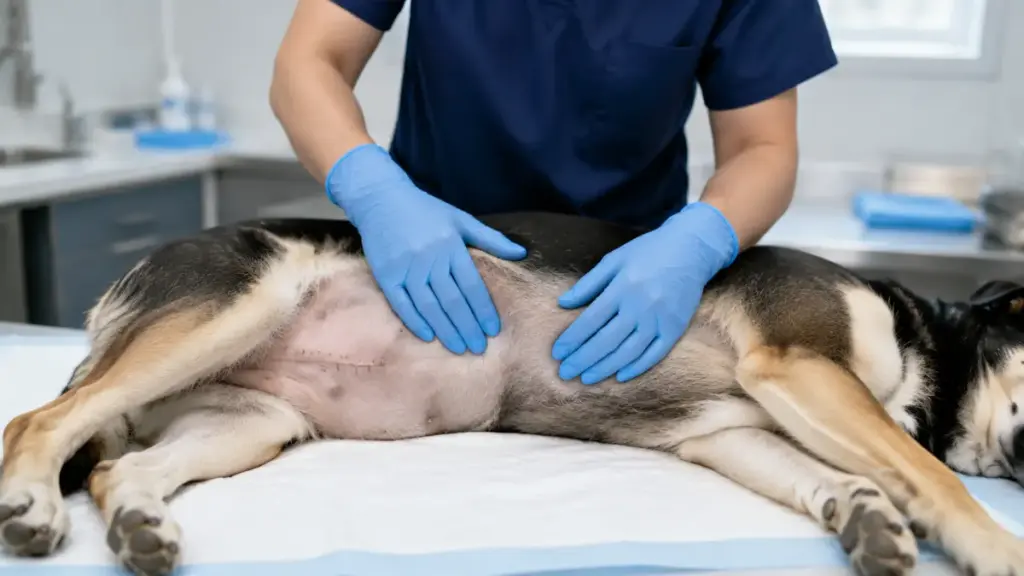
Sign 1: Rapidly Expanding Discoloration With Hard Hematoma Formation
A sudden, aggressive expansion of skin discoloration combined with a firm, bulging mass under the incision line is a severe red flag.
Hard Swelling Under Skin From Uncontrolled Internal Bleeding
When an internal blood vessel tie slips or a vessel continues to bleed beneath the closed skin, blood pools rapidly to form a firm pocket called a hematoma. If you observe a hard, tense mass expanding beneath the skin alongside worsening discoloration after dog spaying and neutering, active bleeding is taking place.
Risk of Internal Dehiscence or Abdominal Cavity Infection Requiring Emergency Intervention
Uncontrolled hematoma pressure puts extreme strain on internal suture lines. This pressure can cause internal dehiscence—where the abdominal muscle wall opens—allowing abdominal organs to herniate or introducing catastrophic bacterial infections after dog spaying and neutering.
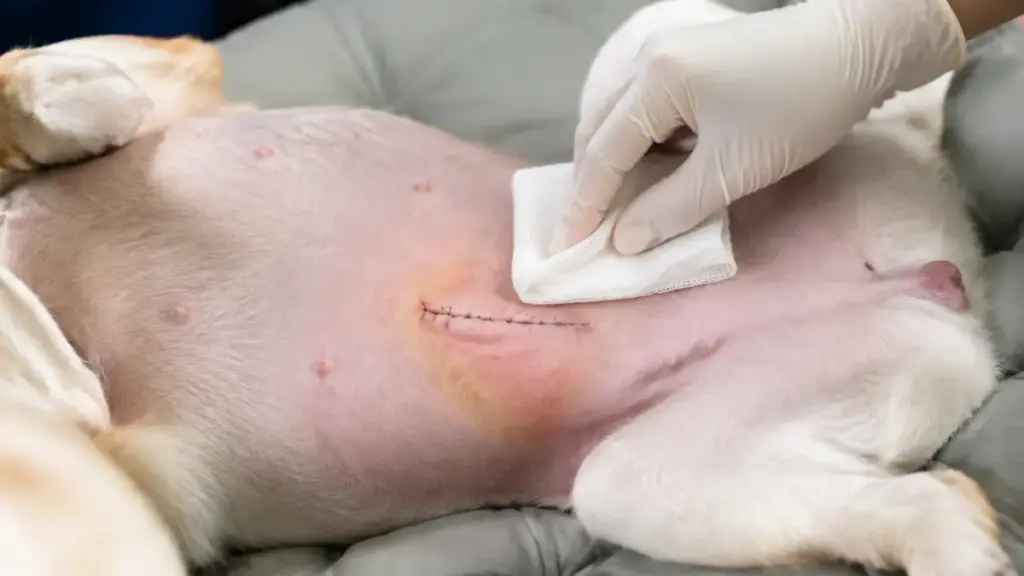
Sign 2: Incision Site Abnormal Seeping, Malodor, or Wound Dehiscence
The physical condition of the surgical seam itself offers vital clues regarding deep tissue health and infection risk.
Continuous Discharge of Yellow Fluid, Green Pus, or Fresh Red Blood
While a few drops of clear or light pink serous fluid can be normal during the first 24 hours, continuous leakage of bright red blood, cloudy yellow fluid, or thick green pus indicates active breakdown of internal tissues following dog spaying and neutering.
Severe Threats of Tissue Necrosis and Acute Sepsis
Fluid discharge accompanied by a foul odor or gaping suture margins signals deep tissue necrosis or bacterial infection. Left untreated, bacteria enter the bloodstream, causing septic shock and systemic inflammatory failure shortly after dog spaying and neutering.
Read more: 9 Canine Health Care Advice Mistakes That Many People Still Believe Are True!
Sign 3: High Fever, Extreme Lethargy, Anorexia, and Pale Gums
Systemic behavioral and physiological changes reflect how well the internal organs are coping with surgical recovery.
Systemic Reactions Warning of Internal Hemorrhage or Septic Shock
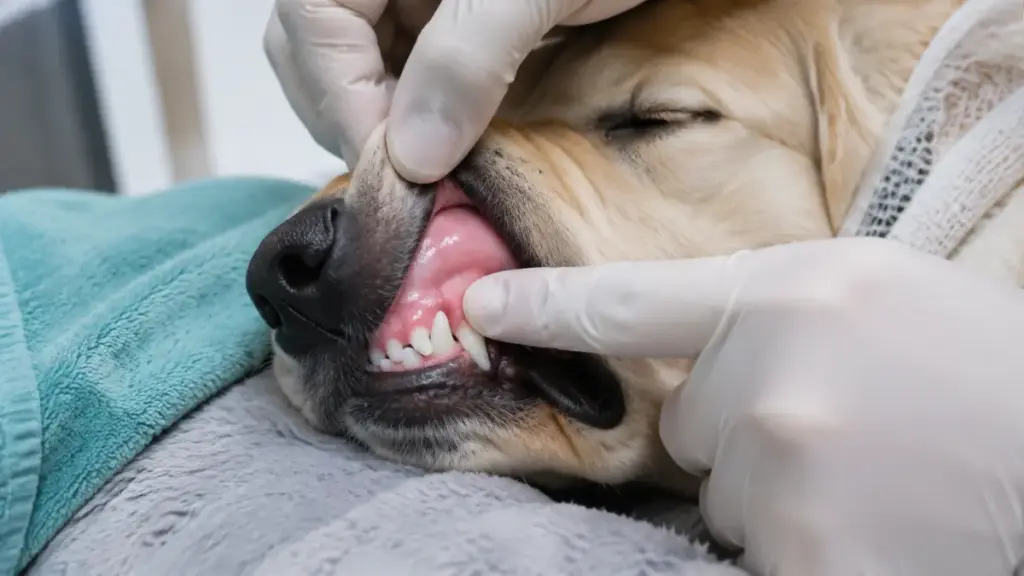
If your pet refuses food completely for over 24 hours, cannot stand up, or exhibits dark purple or porcelain-white gums, they may be suffering from acute hypovolemic shock due to concealed internal blood loss after dog spaying and neutering.
Immediate First Aid Steps Before Urgent Transport to Nearest Clinic
If systemic shock symptoms appear, keep your pet warm using a soft blanket, minimize all body movement, avoid offering food or water, and transport them immediately to an emergency veterinary hospital following dog spaying and neutering.
Essential recovery care steps to minimize bruising after dog spaying and neutering
Proper home nursing care significantly reduces the risk of post-operative tissue trauma, supporting swift and uneventful physical healing.
Medical-Grade Recovery Management and Strict Activity Restriction
Restricting physical movement is the most influential factor under an owner’s control during the two-week recovery phase.
Establishing Quiet Rest Zones and Eliminating Stairs or Jumping for 10–14 Days
Designate a quiet, confined room free from household commotion. Prevent your dog from negotiating stairs, jumping on beds, or running outdoors for 10 to 14 days following dog spaying and neutering. Leash walks must be strictly limited to short bathroom breaks.
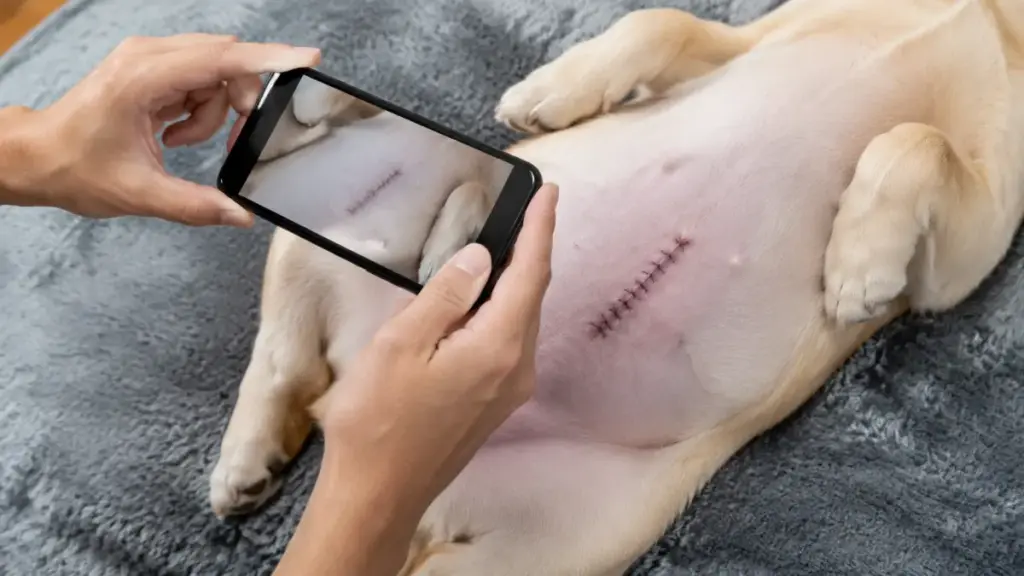
Documenting and Photographing the Incision Site Daily for Trend Comparison
Take a clear, well-lit photograph of your pet’s incision site at the same time every day. Comparing daily photos allows you to objectively evaluate whether discoloration is fading naturally or worsening after dog spaying and neutering.
Optimizing Medication Regimens and Safe Wound Hygiene
Administering prescribed veterinary pharmaceuticals correctly prevents secondary inflammation and protects fragile tissue beds.
Absolute Compliance With Prescribed Painkillers and NSAIDs (Avoid Human Meds)
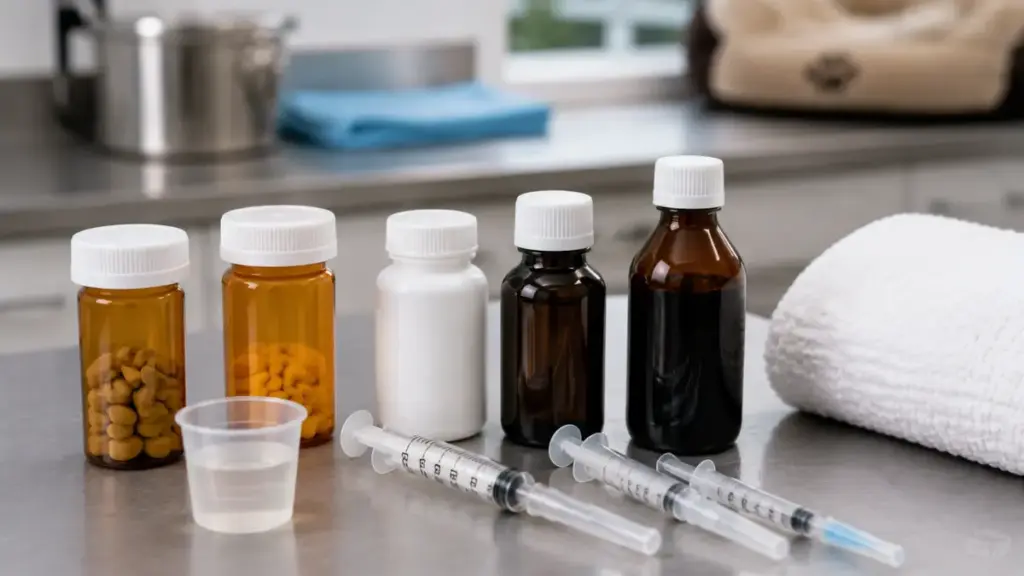
Always complete the full course of veterinary-prescribed anti-inflammatory drugs and painkillers. Never administer human medications like ibuprofen, aspirin, or acetaminophen, as they induce severe gastric ulceration and fatal bleeding disorders after dog spaying and neutering.
Keeping Incisions Dry and Refraining From Unapproved Topical Applications
Keep the surgical area completely dry. Do not bathe your dog, allow them to swim, or apply unapproved ointments, alcohol, or hydrogen peroxide to the skin following dog spaying and neutering, as liquids introduce external bacteria directly into healing tissue layers.
Frequently asked questions about dog spaying and neutering
How long should skin discoloration last after surgical recovery starts?
Standard skin discoloration typically reaches its peak intensity within 48 hours and gradually fades over 5 to 7 days. Complete visual resolution of minor bruising should occur within 10 to 14 days following dog spaying and neutering.
Can I apply a cold or warm compress to reduce incision swelling?
Never apply cold or ice packs or warm compresses unless explicitly instructed by your veterinarian. Excess moisture softens skin tissues and risks introducing environmental contaminants into the surgical seam after dog spaying and neutering.
What should I do if my dog accidentally jumps off the couch?
Inspect the incision site immediately for fresh bleeding, gaping edges, or sudden swelling. Restrain your dog, enforce strict crate confinement, and contact your vet clinic for evaluation advice following dog spaying and neutering.

Final recovery summary for pet owners
Monitoring your pet’s recovery with calm vigilance guarantees that minor post-surgical skin discoloration remains a harmless, temporary step toward complete healing. By enforcing strict activity restrictions, keeping protective collars on continuously, and recognizing critical red flags early, you protect your companion from preventable post-operative complications.
PLEASE LEAVE A COMMENT TO SHARE YOUR FAVORITE THOUGHTS OR FOLLOW OUR BLOG FOR THE LATEST UPDATES.