

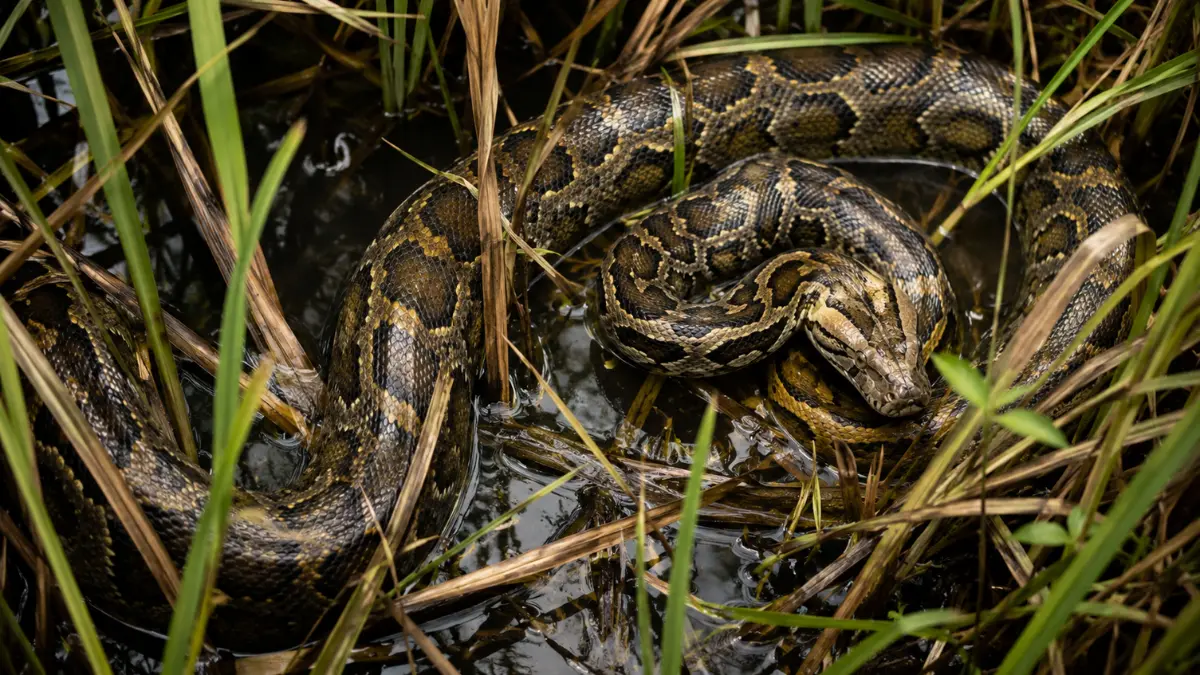

Burmese python populations have exploded across the Florida Everglades, posing a growing physical threat to outdoor enthusiasts, hunters, and local residents. While these massive invasive constrictors are non-venomous, a bite from their backward-curved teeth can inflict deep lacerations, severe soft-tissue damage, and bacterial infection.
- Invasive Burmese python Context in Florida and the Threat to Humans
- 3-Step Emergency First-Aid Protocol When Encountering a Burmese python
- Deadly Mistakes to Avoid When Attacked by a Burmese python
- Self-Defense Skills and Advanced Safety Principles in Python Habitats
- Frequently Asked Questions About Burmese python Attacks
- Conclusion: Staying Prepared in Invasive Python Territory
Knowing how to act rapidly in the immediate aftermath of an attack can prevent severe blood loss, tissue contamination, and shock. Here are 3 life-saving emergency first-aid steps you must know following an invasive Burmese python bite before it is too late!
The immediate priority following an ambush strike by an invasive Burmese python is to disengage its backward-curved teeth without yank-tearing your flesh, apply firm direct pressure to control arterial or venous hemorrhaging, and immediately flush the wound with antiseptic before calling emergency medical services. Because these massive reptiles lack venom, death or permanent disability from an encounter stems primarily from secondary soft-tissue tearing caused by instinctive panicking, rapid blood loss, or severe oral bacterial infections.
Invasive Burmese python Context in Florida and the Threat to Humans
The ecological crisis unfolding across Southern Florida represents one of the most severe biological invasions in North American history. The establishment of the Burmese python in marshy subtropical habitats has altered local food webs and created an unpredictable physical hazard for researchers, contractors, and outdoor recreationalists venturing into remote backcountry zones.

The Escalating Population Crisis of the Burmese python in the Everglades Ecosystem
Over the past three decades, thousands of these apex predators have adapted seamlessly to the sprawling wetland geography of Southern Florida. The cryptic coloration and semi-aquatic behavior of the Burmese python make population estimation extraordinarily difficult, but wildlife biologists agree that tens of thousands now inhabit state parks, wildlife refuges, and agricultural drainage canals.
History of Infiltration: From Released Pets to a Statewide Ecological Disaster
The invasion originated during the late twentieth century through a combination of intentional pet releases by overwhelmed owners and catastrophic facility breaches during Hurricane Andrew in 1992. Freed into an environment with abundant prey and no natural apex predators, the exotic constrictor established self-sustaining breeding populations that swiftly decimated native mammal populations throughout the region.
High-Risk Terrains Where Unexpected Human-Python Encounters Occur
Unintended interactions happen most frequently along canal levees, boardwalk margins, maintenance culverts, and dense sawgrass borders. When field workers or hikers tread close to hidden embankments, a resting Burmese python may strike defensively if startled, misidentifying a moving boot or limb as natural prey or an immediate physical threat.
Attack Characteristics and Genuine Destruction Caused by Python Bites
Understanding the biomechanics of a constrictor strike is essential for effective emergency response. Unlike venomous pit vipers that strike and release, a large Burmese python clamps down with immense jaw pressure to anchor its target before attempting to throw constricting loops around the victim’s torso or limbs.
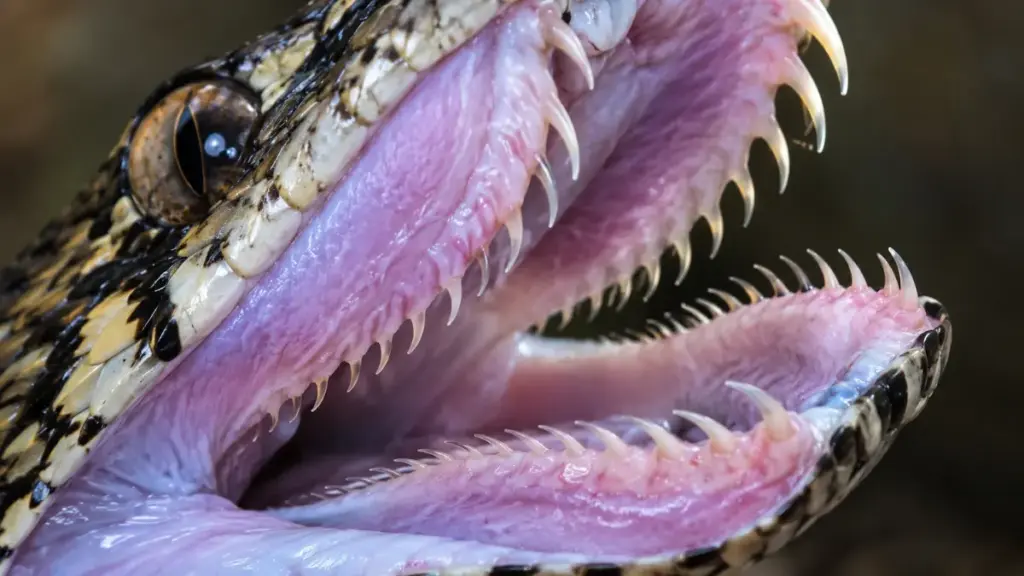
Backward-Curved Tooth Mechanics and Severe Muscle Lacerations
The jaw apparatus contains multiple rows of sharp, rearward-pointing teeth designed specifically to prevent prey from pulling backward. When a human instinctively jerks away from a clamped Burmese python, these needle-like teeth slice through skin, fascia, and underlying muscle tissue like razor blades, transforming simple puncture marks into deep, jagged lacerations that bleed profusely.
Distinguishing Independent Laceration Bites from Life-Threatening Constriction Behavior
A defensive bite consists of a rapid snap-and-release mechanism meant to deter an intruder, resulting in superficial or deep punctures. In contrast, a predatory strike involves sustained clamping combined with immediate wrapping of body coils; a fully grown Burmese python can exert enough compressive force during constriction to cut off blood circulation and restrict chest expansion, creating a life-threatening crisis within minutes.
3-Step Emergency First-Aid Protocol When Encountering a Burmese python
When an unexpected strike occurs deep in the field, structured emergency action is your single best defense against severe trauma. Following a standardized three-step medical protocol ensures that you disengage safely from the Burmese python, stabilize soft-tissue damage immediately on site, and coordinate rapid medical transport without succumbing to disorientation or shock.
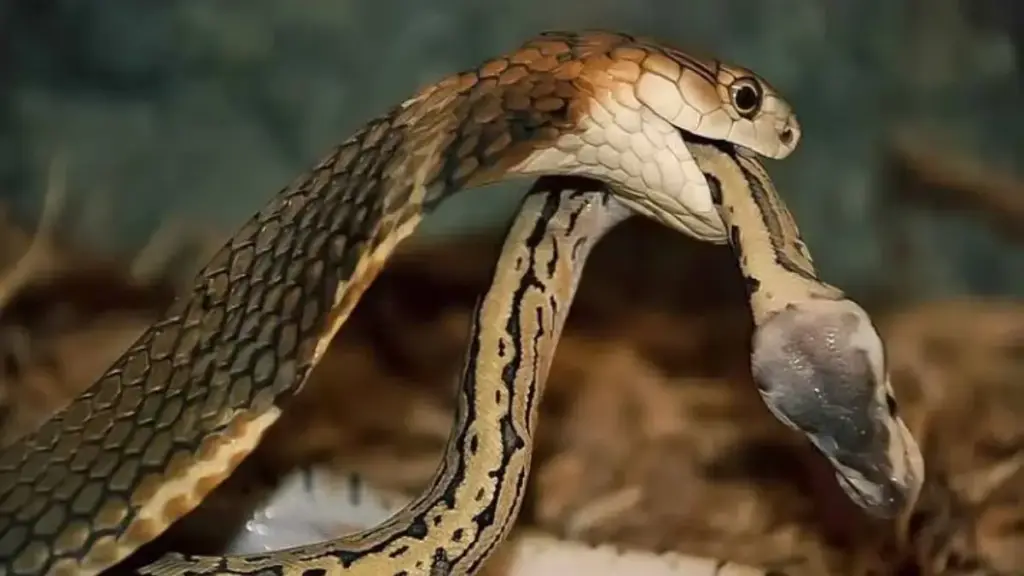
Step 1: Safe Disengagement and Scene Control Immediately Post-Bite
The absolute first priority in any field incident is securing the safety of both the victim and surrounding team members. Attempting complex wound care while still entangled with a live, agitated Burmese python increases the risk of secondary bites and severe crushing trauma to fragile extremities.
Proper Techniques for Unlatching Python Jaws Without Tearing Flesh
If the reptile maintains its grip, never try to pry the jaws open by raw strength alone. Instead, slide a flat, rigid object—such as a sturdy knife spine, credit card, or specialized snake hook—behind the rearmost tooth line of the Burmese python and gently push forward toward the snout to disengage the backward-facing hooks without ripping the victim’s skin.
Methods to Neutralize Initial Constriction Force Using Pressure Points or Irritants
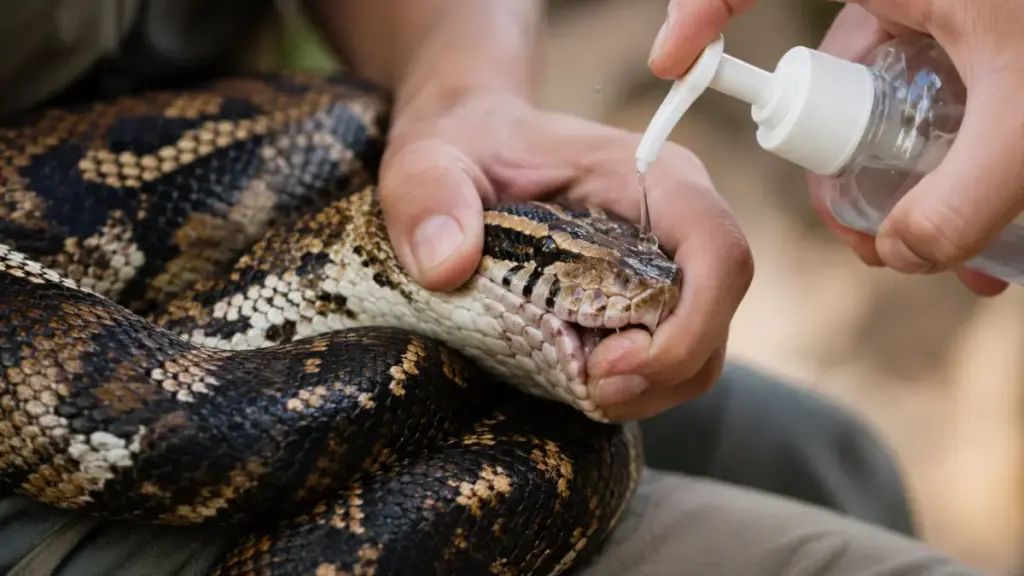
To force a constricting snake to uncoil immediately, apply a small amount of high-proof alcohol, hand sanitizer, or vinegar directly over its nostrils and mouth cavity. Alternatively, grabbing the tail tip of the Burmese python and firmly bending it backward or squeezing the cloacal region disrupts its muscular grip, forcing the animal to unwind its coils to protect itself.
Step 2: On-Site Wound Processing to Prevent Infection and Blood Loss
Once the animal is detached and secured away from the team, immediate attention must shift to hemorrhage control and decontamination. The deep punctures inflicted by a wild Burmese python introduce complex bacterial populations directly into deep muscular tissue layers, creating a high risk of systemic infection if left untreated.
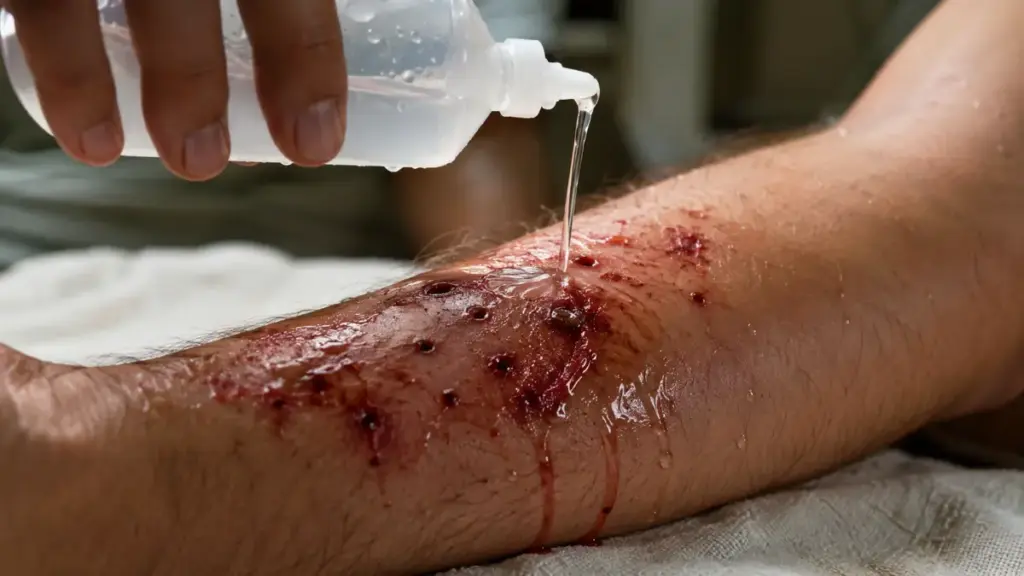
Washing Bite Marks with Specialized Antiseptics to Remove Oral Bacteria
Rinse the wound aggressively with clean, potable water or sterile saline solution for at least five minutes to flush out foreign material. Follow this initial rinse by applying povidone-iodine or chlorhexidine antiseptic solution directly into the deep punctures left by the Burmese python to neutralize Gram-negative pathogens residing in reptile saliva.
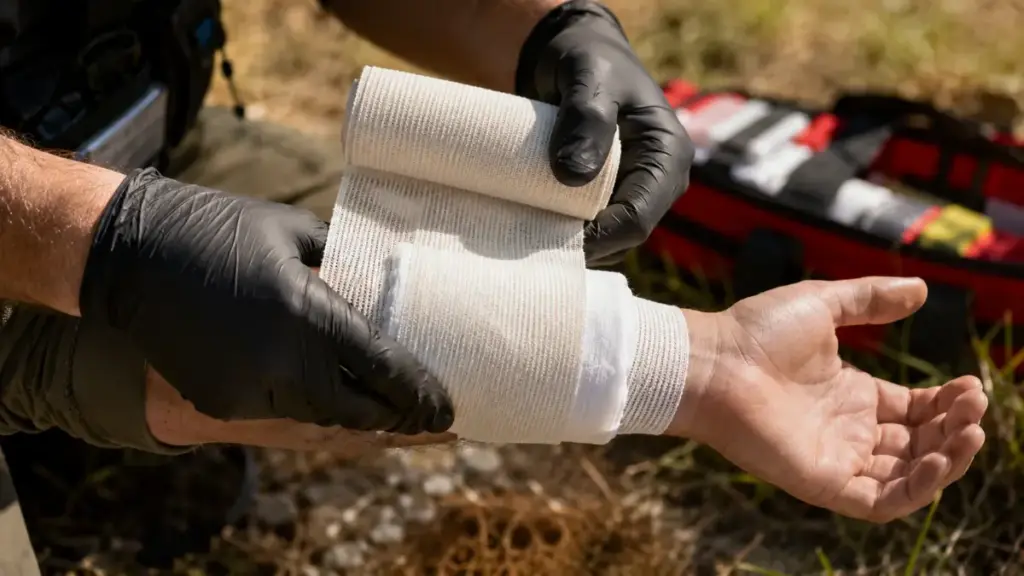
Correct Pressure Bandaging Techniques to Stop Hemorrhaging Before Moving
Place sterile gauze pads directly over the lacerations and exert firm, continuous manual pressure for ten minutes to halt venous bleeding. Once the bleeding slows, wrap the affected limb with an elastic compression bandage, ensuring the wrap is tight enough to hold dressings in place over the Burmese python bite marks without cutting off distal arterial circulation.
Step 3: Activating Emergency Rescue Systems and Medical Evacuation
Stabilizing the wound on site is only a temporary measure while professional medical support is organized. Navigating out of remote Everglades locations after an attack by a giant Burmese python requires precise coordination with regional emergency responders and wildlife law enforcement authorities.
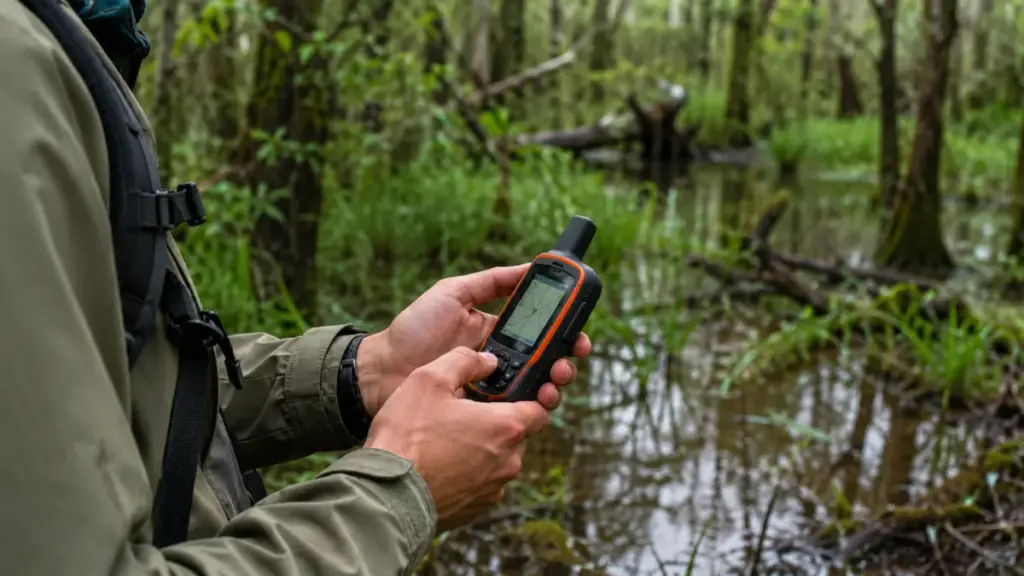
Relaying GPS Coordinates and Contacting Florida Wildlife Rescue Services
Immediately call 911 or dispatch regional wildlife law enforcement via satellite messenger if operating outside cell service coverage. Provide exact GPS coordinates, the physical status of the victim, and specify that the injury involved a large Burmese python so responders can dispatch appropriate air-ambulance or tracked-vehicle extraction units.
Assessing Trauma Shock and Monitoring Victim Status During Transport
Keep the patient lying flat, warm, and calm throughout the extraction process to minimize cardiovascular strain. Monitor vital signs continuously, watching for symptoms of hypovolemic shock or vasovagal syncope resulting from panic and pain following the harrowing confrontation with the Burmese python.
Deadly Mistakes to Avoid When Attacked by a Burmese python
Panicked reactions during a wildlife emergency frequently transform manageable injuries into life-threatening medical crises. Knowing what not to do during a high-stress confrontation with a large Burmese python is just as crucial as executing proper first-aid steps.
More Read

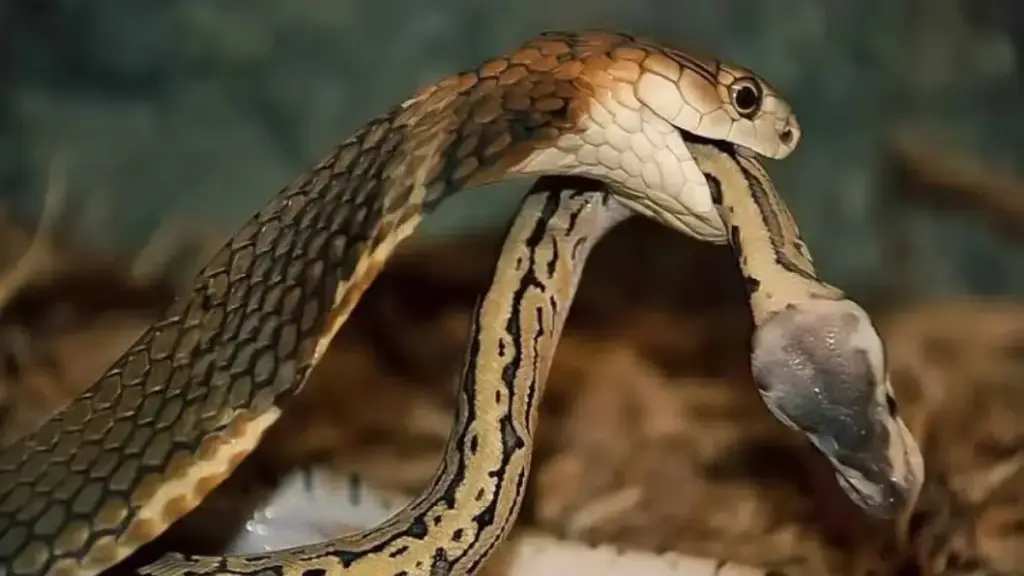
Harmful Mistakes Stemming from Panicked Psychological Reactions
When a large predator strikes, human instinct triggers a violent recoil response that plays directly into the mechanics of the snake’s anatomy. Overcoming these instinctive panics prevents minor punctures from becoming major surgical nightmares when handling a Burmese python.
Severe Consequences of Violently Jerking Limbs Away from Clamped Jaws
Yanking your arm or leg away while the teeth are embedded acts like pulling a sheet of paper across a row of curved fishhooks. The backward angle of the jaw structure of a Burmese python converts pulling forces into deep lateral shear forces, slicing major muscle bundles and blood vessels open along the entire length of the strike zone.
Venturing into the untamed wetlands of Florida demands both environmental respect and tactical preparedness. Equipping yourself with expert first-aid knowledge and staying vigilant against the invasive Burmese python ensures that every backcountry trek remains a safe and empowering experience.
Anna
Dangers of Applying Tight Tourniquets or Unverified Folk Remedies
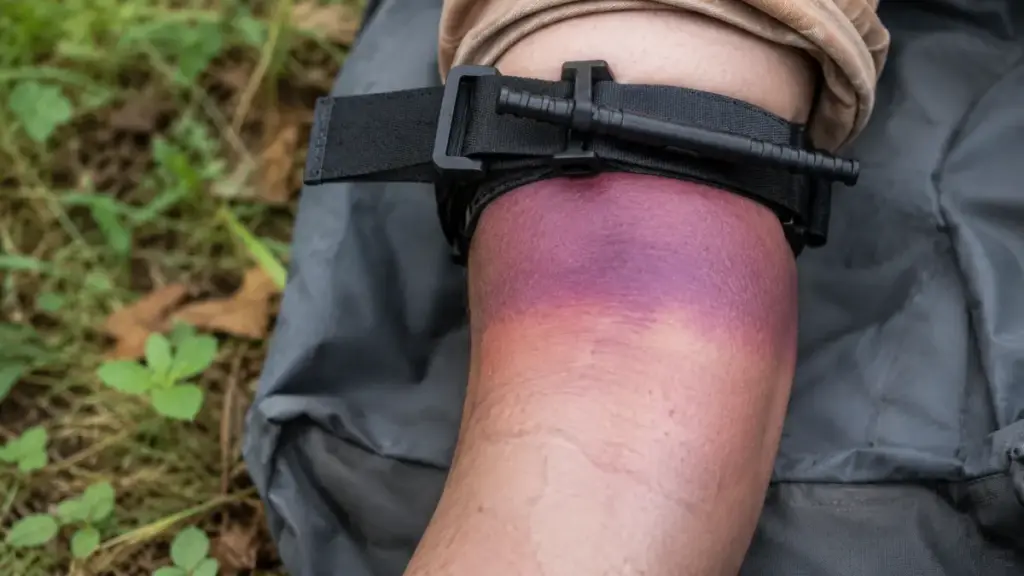
Because constrictors do not possess venom, applying a tight arterial tourniquet is completely unnecessary and dangerous, risking tissue ischemia and limb loss. Furthermore, smearing crushed leaves, mud, or unsterilized chemical compounds onto a fresh Burmese python laceration introduces environmental fungal spores and clostridial bacteria into open deep tissues.
Attempting Self-Treatment at Home Instead of Visiting Specialized Medical Facilities
Some experienced outdoorsmen make the grave error of washing a bite at home and skipping professional medical evaluation. Underestimating the biological hazard posed by an exotic Burmese python bite often leads to rapid hospitalization days later due to systemic complications.
Ignoring Risks of Tetanus Infection and Necrotizing Mouth Bacteria
Reptile oral cavities harbor diverse pathogenic bacteria, including Salmonella, Aeromonas hydrophila, and anaerobic organisms that thrive in deep, closed puncture wounds. Without professional surgical debridement, antibiotic therapy, and an updated tetanus booster following a Burmese python strike, localized tissue necrosis and severe sepsis can develop rapidly.
Failure to Check for Hidden Internal Injuries Caused by Constriction Forces
Even if a bite appears superficial, underlying muscular bruising, cracked ribs, or compartment syndrome can result from even brief constriction attempts. A thorough evaluation by emergency physicians ensures that compression forces exerted by a heavy Burmese python have not compromised deep vascular channels or internal organ systems.
Self-Defense Skills and Advanced Safety Principles in Python Habitats
Prevention remains the ultimate defense against wildlife trauma in Southern Florida’s wilderness. Equipping yourself with specialized field gear and adhering to strict safety protocols dramatically reduces the probability of an aggressive encounter with a hidden Burmese python.
Preparing Outdoor First-Aid Kits and Specialized Protective Gear
Standard consumer first-aid kits are entirely insufficient for handling severe mechanical trauma inflicted by giant constrictors. Customizing your medical pack before entering known habitats of the Burmese python ensures you possess the heavy-duty supplies required for rapid field stabilization.
Essential Medical Items Required When Entering Everglades Territories
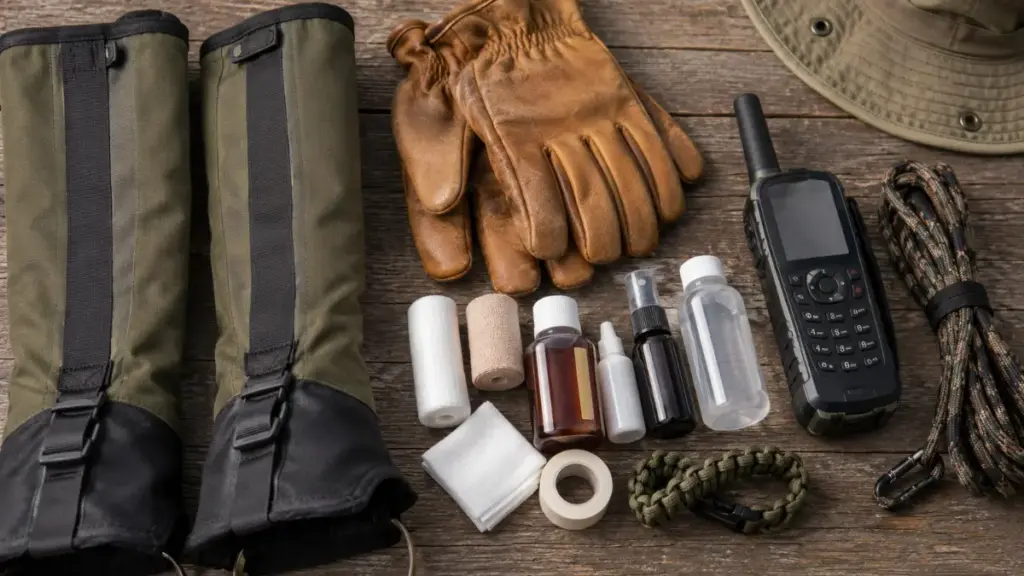
Your backcountry medical pack should include trauma shears, multiple 4-inch pressure dressings, sterile saline flushes, povidone-iodine antiseptic, high-strength elastic bandages, medical tape, and a small spray bottle filled with rubbing alcohol to force jaw release if a Burmese python latches on.
Protective Apparel Including High-Top Boots, Bite-Proof Gaiters, and Heavy Gloves
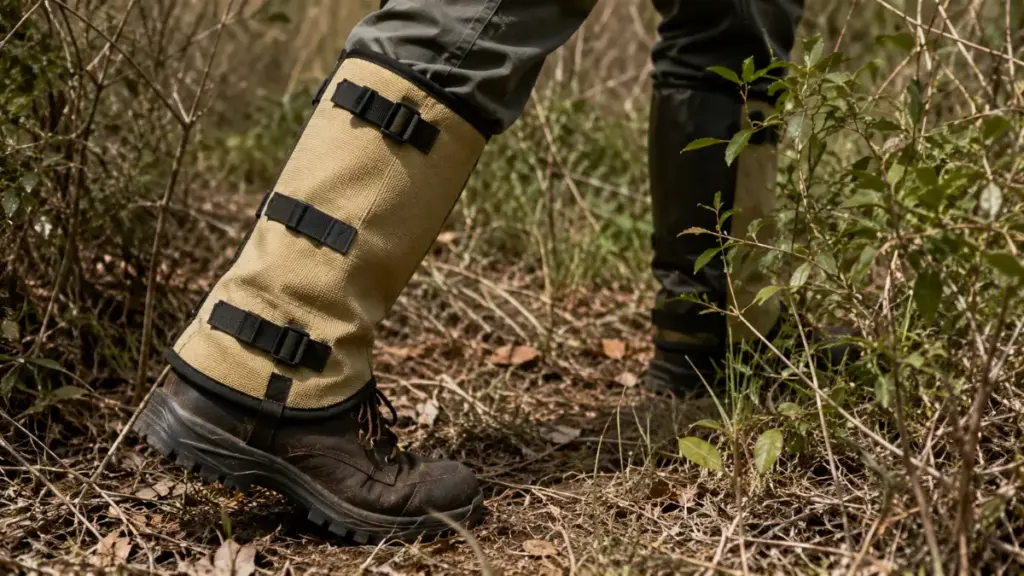
Wearing heavy leather work boots paired with thick, puncture-resistant Kevlar gaiters creates a mechanical barrier against defensive low-level strikes. When clearing brush or working along waterlines, heavy leather gloves prevent embedded tooth penetration if your hands accidentally cross the strike path of a camouflaged Burmese python.
Navigation Rules and Handling Confrontations in the Wild
Maintaining spatial awareness and recognizing threat postures allows outdoor enthusiasts to bypass resting reptiles safely. Most defensive strikes by a Burmese python occur when humans unknowingly step directly into the animal’s immediate striking radius.
Maintaining Safe Distance and Identifying Python Threat Signals
Always maintain a minimum standoff distance of ten feet from any large snake observed in the field. A threatened Burmese python typically lowers its head, draws its neck back into a tight S-shaped curve, and emits a loud, deep hissing sound, signaling an immediate intention to strike defensively if approached further.
Team Coordination Protocols to Rescue Group Members Under Attack
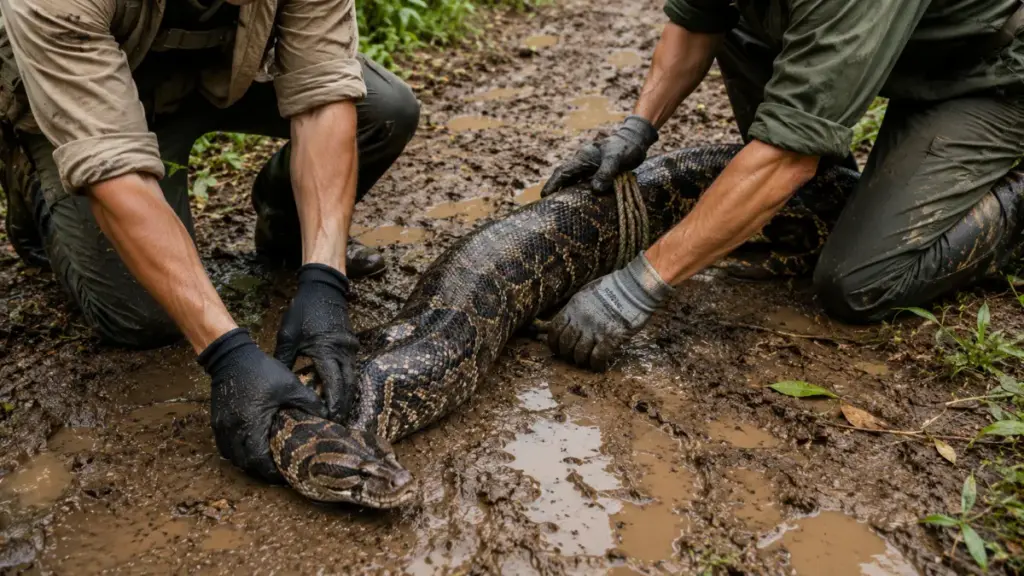
Never venture into remote Everglades zones alone; always work in pairs or groups. If a companion is ambushed by a giant Burmese python, one partner must immediately control the snake’s head and neck while the second partner uncoils the tail and body, ensuring a swift and controlled rescue before constriction can fully lock down.
Frequently Asked Questions About Burmese python Attacks
Are Burmese python bites venomous or toxic to humans?
No, the Burmese python is a non-venomous constrictor snake that possesses no venom glands or toxic saliva. However, their mouths contain large quantities of harmful bacteria that cause severe secondary wound infections if puncture sites are not decontaminated immediately.
What should I do if a Burmese python wraps around my neck?
If a Burmese python attempts to coil around your neck, immediately tuck your chin firmly against your chest to protect your airway and carotid arteries. Simultaneously, use both hands to grab the snake’s tail tip and peel it backward forcefully, or apply alcohol or hand sanitizer directly to its nostrils to break its grip.
Can a wild Burmese python in Florida swallow an adult human?
While a fully grown Burmese python can exceed 18 feet in length and weigh over 150 pounds, documented cases of these invasive snakes attempting to consume adult humans in Florida are virtually non-existent. Their primary danger to humans stems from defensive strikes, severe tearing lacerations, and constriction injuries during accidental field confrontations.
Conclusion: Staying Prepared in Invasive Python Territory
Surviving an unexpected wilderness encounter with an invasive constrictor depends on physical preparation, cool-headed decision making, and rapid medical intervention. By mastering the three core first-aid steps—disengaging jaws safely without tearing flesh, executing aggressive wound decontamination and pressure bandaging, and activating emergency medical transport immediately—you effectively neutralize the primary dangers associated with a serious bite. Respecting Everglades wildlife, wearing proper bite-resistant field gear, and carrying specialized medical supplies ensures that your outdoor adventures remain safe even when traversing deep within the domain of the wild Burmese python.
PLEASE LEAVE A COMMENT TO SHARE YOUR FAVORITE THOUGHTS OR FOLLOW OUR BLOG FOR THE LATEST UPDATES.