


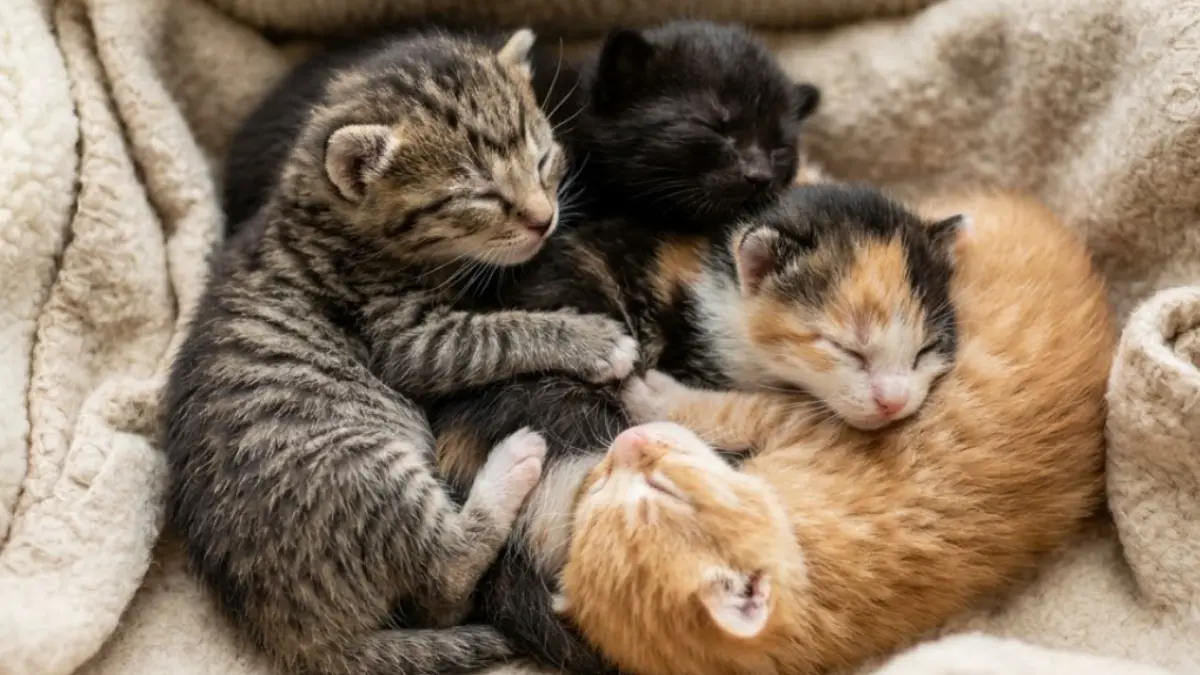
Welcoming a new furry companion into your home is an exciting milestone, but picking the perfect name often hinges on knowing whether your pet is male or female. Discover 3 simple methods to determine a kitten’s gender with up to 90% accuracy so you can name your new companion with total confidence!
- Prime Timing and Core Principles to Determine a Kitten’s Gender Accurately
- 3 Practical Methods to Determine a Kitten’s Gender with 90% Accuracy
- Safe Step-by-Step Procedure for Inspecting Kitten Gender at Home
- Great Name Suggestions Right After Determining Gender Successfully
- Frequently Asked Questions About Determining a Kitten’s Gender
- Final Thoughts on How to Determine a Kitten’s Gender and Name Selection
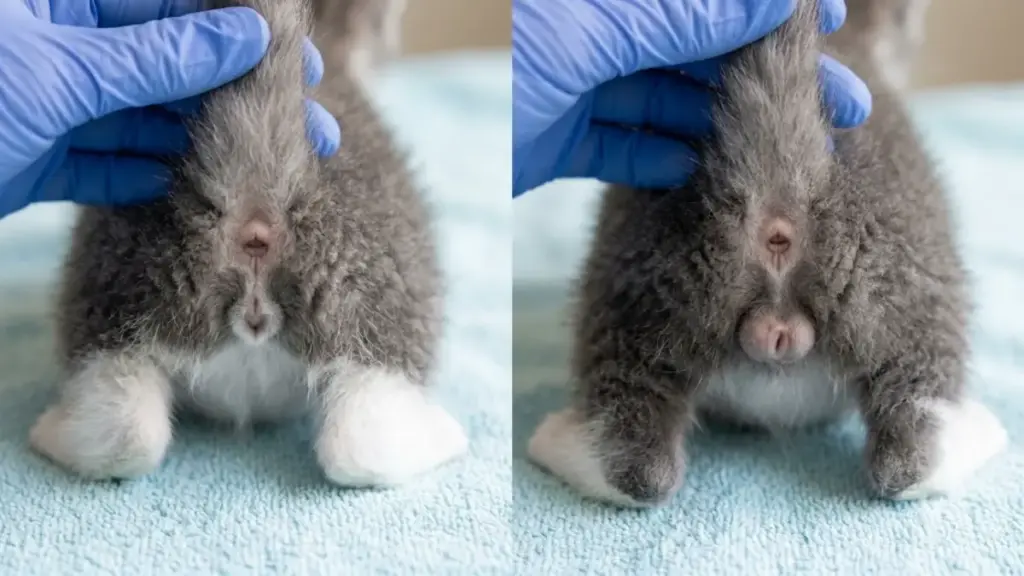
To accurately determine a kitten’s gender at home without specialized medical equipment, you must examine the physical spacing between the anus and the genital opening at 3 to 4 weeks of age. A male kitten features a wide gap resembling a colon (:), whereas a female kitten exhibits a narrow, slit-like gap resembling a semicolon (;).
Prime Timing and Core Principles to Determine a Kitten’s Gender Accurately
Understanding feline anatomy requires both patience and precise timing. Attempting physical evaluation during the initial stages of development frequently yields inaccurate assessments and unnecessary physical distress for the neonate.
Why You Should Avoid Rushing Gender Identification in Newborns
Neonate felines undergo rapid physiological transformations during their initial weeks of life. Attempting to determine a kitten’s gender immediately after birth often leads to mistaken identities due to under-developed structures.
Incomplete Genital Development in Kittens Under 2 Weeks Old
During the first 14 days of life, feline reproductive structures remain largely hidden within the pelvic body cavity. The physical anatomical landmarks are extremely tiny, swollen from birth, and obscured by fine neonatal fur. Consequently, attempting to determine a kitten’s gender at this stage relies almost entirely on flawed visual speculation.
Risks of Maternal Stress and Health Impacts of Early Handling
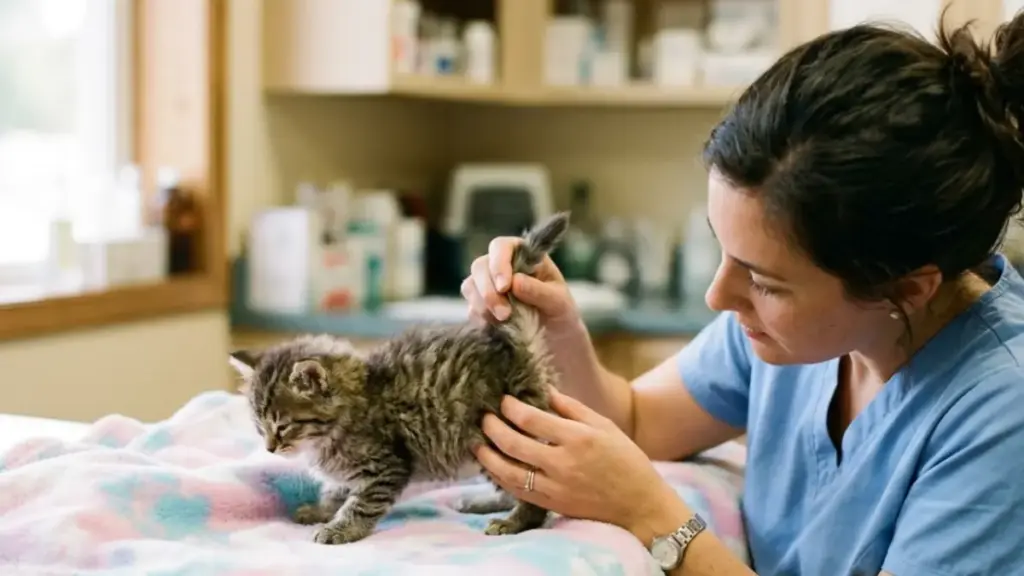
Removing neonates from the mother cat during their first two weeks to determine a kitten’s gender can disrupt critical bonding processes and thermal regulation. Excessive human handling induces severe stress in the mother, potentially triggering maternal rejection or aggressive protection behaviors. Furthermore, young kittens cannot regulate their body temperature independently, making prolonged physical inspection dangerous to their survival.
The 3–4 Week Milestone – The Ideal Window for Inspection
As kittens reach three to four weeks of age, their physical anatomy develops clear, distinguishable characteristics. This age window offers the optimal balance between physical safety and visual clarity to accurately determine a kitten’s gender.
Clear Morphological Shift in Anogenital Distance by Sex
By week four, the physiological distance between the anal opening and the urethral orifice expands differently based on biological sex. In male kittens, space develops to accommodate future testicular growth, whereas female structures remain compact and close together. Observing this spatial evolution allows owners to determine a kitten’s gender with exceptional consistency.
Accuracy Boost via Visual and Soft Palpation Techniques
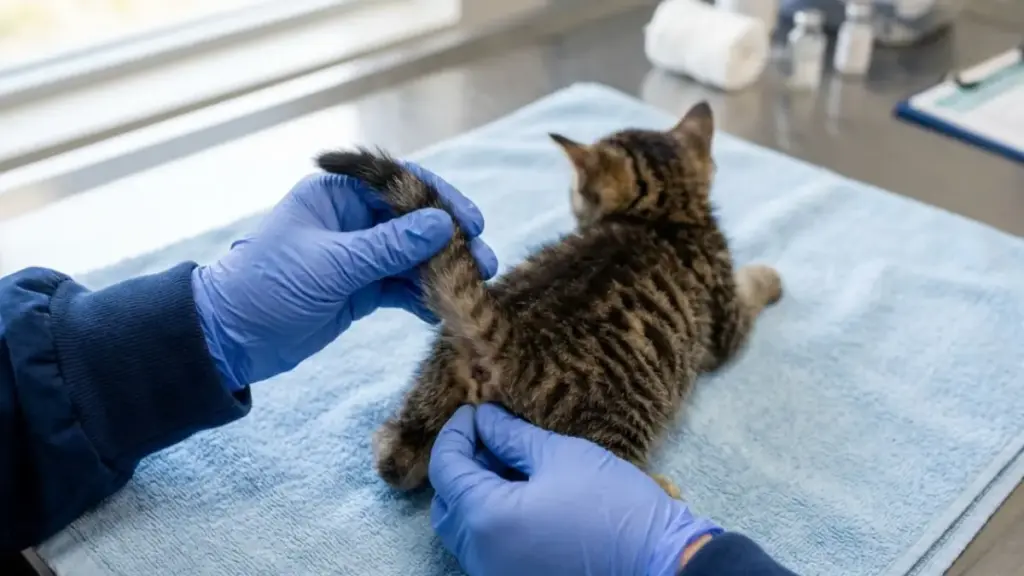
Combining visual inspections with extremely gentle touch increases identification confidence dramatically. A subtle physical examination allows caregivers to feel for early subcutaneous structures in males that visual checks might miss. Using both senses ensures pet parents determine a kitten’s gender with up to 90% physical certainty.
3 Practical Methods to Determine a Kitten’s Gender with 90% Accuracy
Field-tested techniques break down the identification process into simple, repeatable observation steps. These three methods leverage anatomy, genetics, and structural growth.
Method 1: Genital Shape and Distance Measurement (Punctuation Rules)
The visual layout of feline rear anatomy provides the most immediate physical confirmation available to breeders and shelter staff.
Identifying Males via the “Colon Sign” (:) with Wide Spacing
When inspecting a male kitten to determine a kitten’s gender, look directly beneath the tail above the anal opening. You will notice a distinct genital opening separated from the anus by approximately 1.3 centimeters (half an inch) in a four-week-old kitten. This spatial arrangement forms a round opening over another round opening, resembling a vertical “colon” punctuation mark (:). This generous gap accommodates the developing scrotum.
Identifying Females via the “Semicolon Sign” (;) or Narrow Slit
Female kittens display a significantly shorter distance between the anus and the vulva, often measuring under 0.6 centimeters (a quarter inch). The urinary opening appears as a narrow vertical slit located almost directly below the circular anal orifice. Together, these close-set features create a distinct “semicolon” shape (;). Recognizing this tight structural alignment helps caregivers determine a kitten’s gender accurately within seconds.
Method 2: Analyzing Coat Color Patterns via Color Genetics
Genetics plays a decisive visual role in feline hair pigmentation, providing immediate sex indicators through coat color inheritance.
The X Chromosome Link to Calico and Tortoiseshell Females
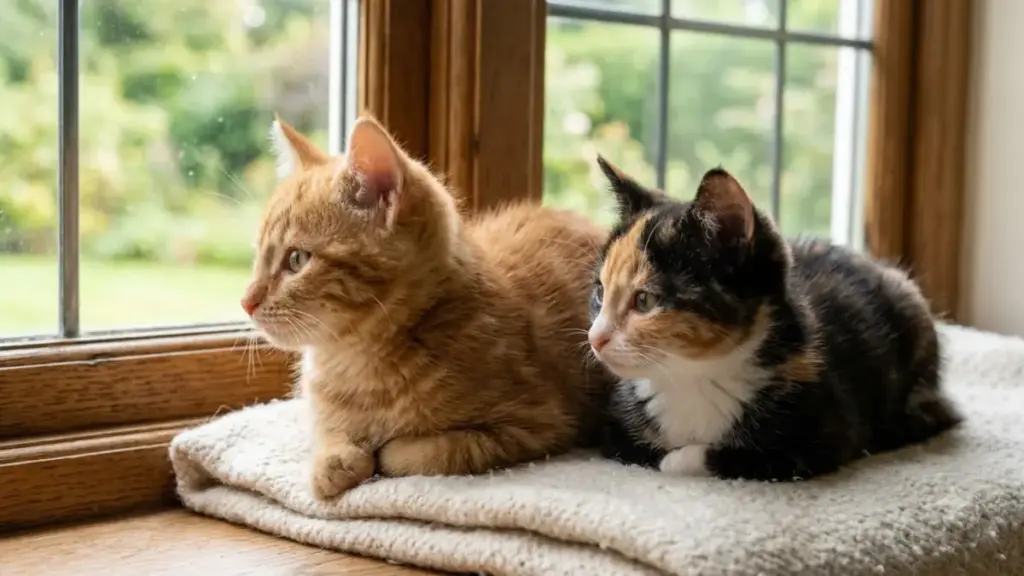
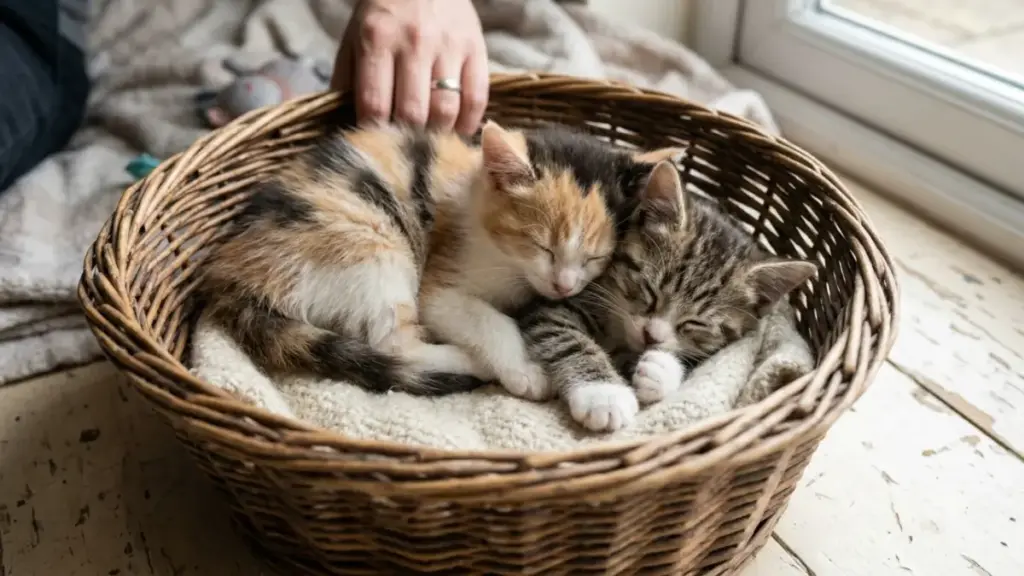
Feline coat color genes for orange and black pigment reside exclusively on the X chromosome. Because female felines possess two X chromosomes (XX), they can express both black and orange fur simultaneously alongside white patches. Consequently, calico and tortoiseshell patterns occur almost exclusively in female kittens with over 99% statistical certainty, allowing owners to determine a kitten’s gender merely by observing their coat patches.

Read more: Signs Cat Is Giving Birth: 4 Critical Labor Indicators to Spot Now!
Orange Tabby Coat Phenotype and Male Predominance
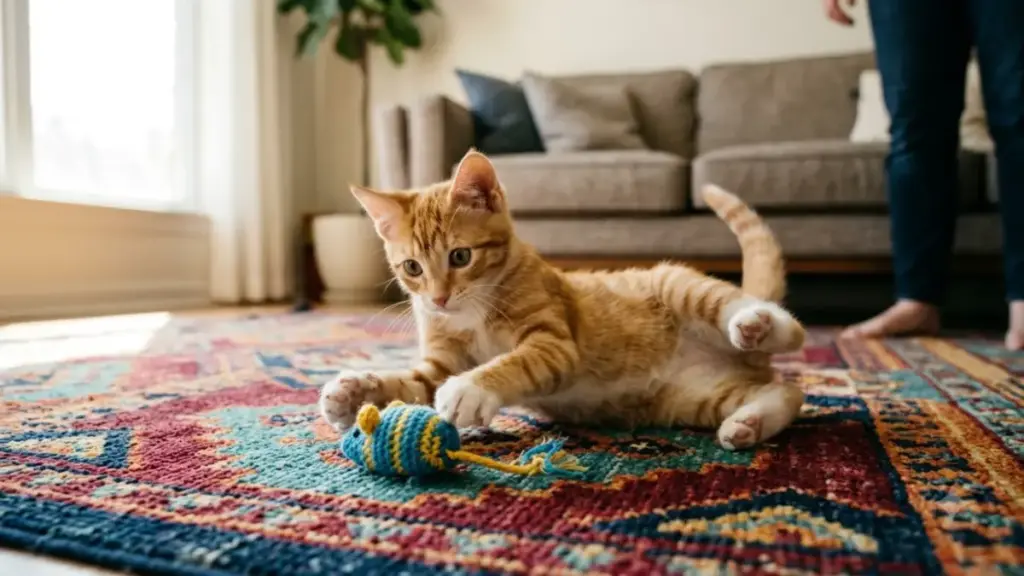
Conversely, red or ginger tabby coats offer a helpful visual clue to determine a kitten’s gender, as they appear predominantly in male felines. Because males carry only one X chromosome (XY), they require only one copy of the orange gene to display a fully orange coat. Females must inherit the orange gene on both X chromosomes to be solid orange, making roughly 80% of all ginger tabbies male.
Method 3: Comparing Behavioral Traits and Facial Morphology at 6–8 Weeks
As kittens mature into late infancy, physical head structure and social behaviors offer supplementary gender clues.
Observing Face Width and Jawline Structures in Males
By eight weeks of age, intact male kittens begin producing testosterone, which subtlely alters bone density and muscle distribution. Males frequently develop wider cheekpads, broader snout outlines, and a firmer jawline relative to their overall skull size. Observing these broadening cranial traits offers an excellent secondary check to determine a kitten’s gender.
Evaluating Personality Traits, Affection, and Spatial Exploration
Behavioral distinctions become increasingly noticeable as young felines interact with human caregivers and littermates, providing additional context to help determine a kitten’s gender. Young male kittens often exhibit higher tendencies toward bold spatial exploration, assertive play-fighting, and persistent attention-seeking. Female kittens frequently display cautious play styles, heightened environmental awareness, and independent social boundaries.
Safe Step-by-Step Procedure for Inspecting Kitten Gender at Home
Executing physical examinations requires proper preparation to prevent chilling, physical injury, or emotional trauma to the animals involved.
More Read

Environment Preparation and Warmth Maintenance During Inspection
Neonate and infant felines possess fragile immune systems and highly sensitive thermal regulation mechanics.
Ensuring Room Warmth and Sanitizing Hands with Mild Soap
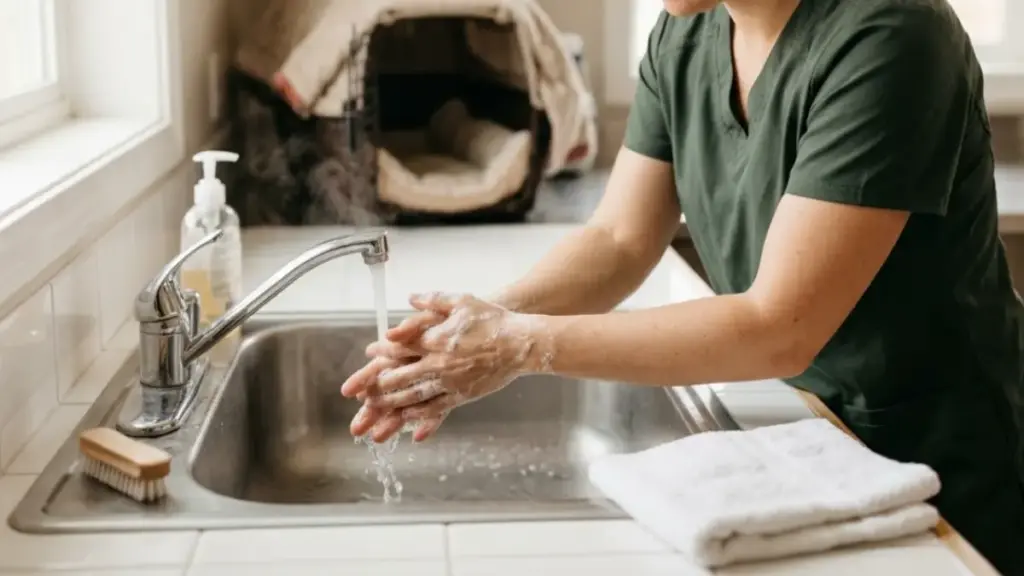
Before lifting any kitten from its nest, raise the room temperature to a comfortable 22–24°C (72–75°F) to safeguard against chill. Thoroughly wash your hands with unscented, non-toxic antibacterial soap and dry them completely. Warm hands prevent startling the kitten during handling, ensuring a peaceful session while you determine a kitten’s gender.
Limiting Handling Time to 2–3 Minutes to Prevent Hypothermia
Keep every physical inspection session short and efficient when you determine a kitten’s gender. Never hold a young kitten away from its nest for longer than two to three minutes at a time. Prolonged exposure causes swift body temperature drops and elevated stress hormone production, compromising the young animal’s health.
Tail-Lifting and Positioning Techniques Without Causing Fear
Forcing tail movement or holding a kitten upside down triggers reflex fear responses and vocal distress.
Taking the time to properly observe your young feline ensures a smooth transition into pet parenthood without mid-growth name revisions. Master these simple steps to determine a kitten’s gender accurately, and enjoy every magical moment bonding with your new furry best friend.
Anna
Scratching the Base of the Tail for Natural Elevation
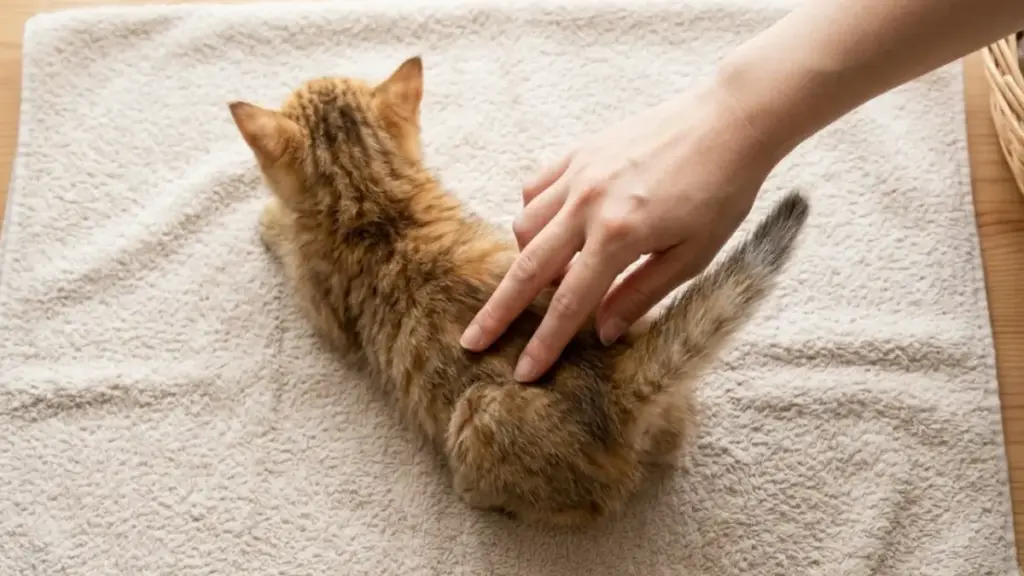
Instead of pulling or lifting the tail manually, place the kitten flat on a warm towel supported by your lap or a sturdy table. Gently scratch or stroke the fur right at the base of the tail where it meets the lower back. Kittens automatically lift their tails into a vertical position as a natural reflex, giving you a clear view to determine a kitten’s gender safely.
Handling Protective or Defensive Mother Cat Behavior
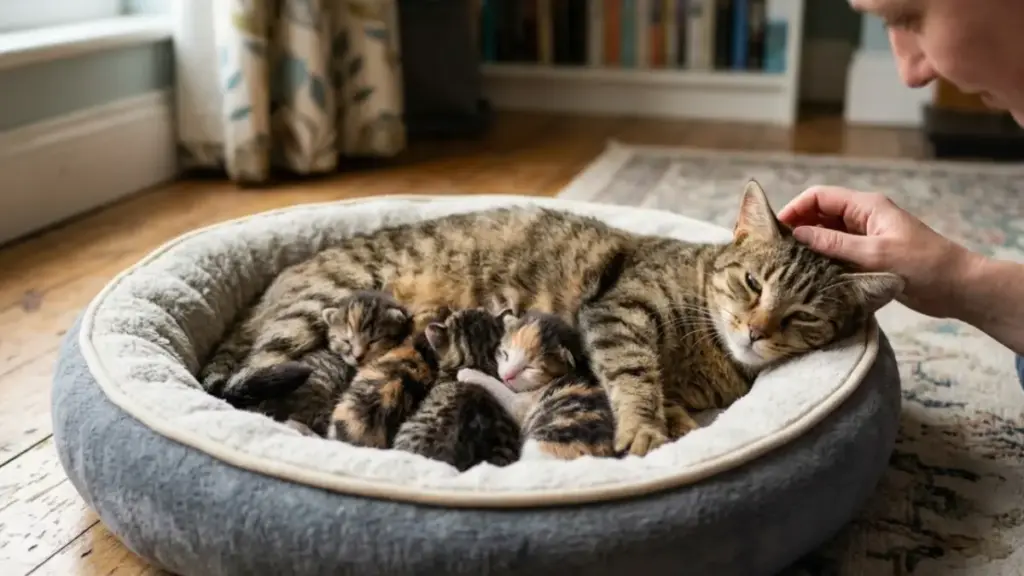
If the queen (mother cat) displays anxious pacing, vocalizing, or protective positioning, immediately return the kitten to her nest. Attempting to force an inspection against an aggressive mother risks maternal aggression toward human handlers or displaced stress onto the offspring. Wait until the mother is distracted by eating or resting elsewhere before attempting to determine a kitten’s gender.
Great Name Suggestions Right After Determining Gender Successfully
Confirming your kitten’s biological identity allows you to select a moniker that complements their physical charm and distinct personality.
Tailoring Names to Gender and Unique Individual Personalities
A thoughtfully chosen name creates a lasting bond between pet parents and their developing companion.
Elegant and Gentle Name Ideas for Female Kittens Based on Appearance
Female monikers often highlight delicate features, coat patterns, or soft vocalizations. Pairing physical attributes with charming names creates an immediate aesthetic match.
| Category | Name Ideas | Visual Inspiration |
| Floral & Nature | Lily, Daisy, Willow, Maya | Pastel coat shades, delicate frame |
| Elegant & Soft | Bella, Sophie, Luna, Gracie | Silky coat textures, graceful movement |
| Precious Gems | Ruby, Pearl, Amber, Opal | Bright eye color, rare coat patterns |
Selecting a refined name from this curated collection complements the visual identity confirmed once you determine a kitten’s gender.

Strong and Playful Name Ideas for Male Kittens in Modern Style
Male names typically reflect bold energetic habits, strong jawlines, or playful investigative behaviors. Modern naming trends embrace both classic literary characters and dynamic pop-culture icons.
| Category | Name Ideas | Personality Match |
| Bold & Strong | Leo, Thor, Max, Rex | High physical energy, wide facial frame |
| Modern & Trendy | Milo, Oliver, Jasper, Felix | Curious nature, vocal social habits |
| Playful & Energetic | Ziggy, Bandit, Rocket, Otis | Rapid sprinter, enthusiastic pouncer |
Utilizing these modern masculine selections enhances bonding immediately after you determine a kitten’s gender.
Common Pitfalls That Lead to Mismatched Names
Even seasoned feline enthusiasts can occasionally misinterpret physical developmental indicators.
Cryptorchidism in Male Kittens Causing Confusion with Females
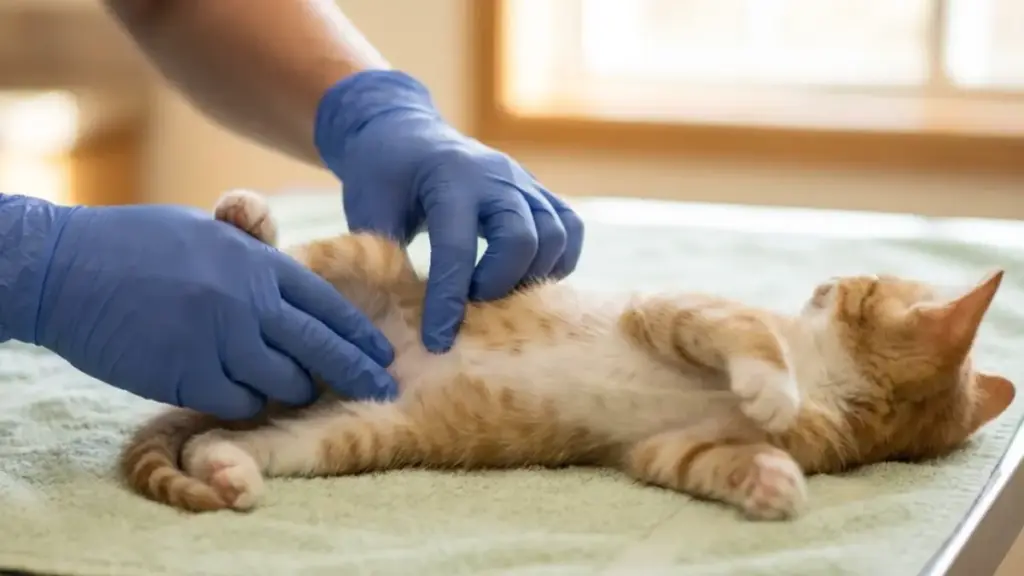
Undescended testicles, known medically as cryptorchidism, represent a major cause of gender identification errors in young felines. In certain male kittens, one or both testicles fail to drop into the scrotal sac during early growth, remaining hidden inside the abdomen. This temporarily smooth external appearance leads owners to misidentify young males as females when trying to determine a kitten’s gender.
Flexible Solutions: Choosing Gender-Neutral (Unisex) Names When Uncertain
When physical characteristics remain ambiguous at 3–4 weeks, choosing a versatile gender-neutral name eliminates future re-naming confusion. Monikers such as Charlie, Cleo, Pepper, Sunny, Blue, and Peanut work effortlessly regardless of adult sex development. Selecting a flexible unisex name preserves your excitement while giving your veterinarian time to definitively determine a kitten’s gender during initial vaccination visits.
Frequently Asked Questions About Determining a Kitten’s Gender
Can a veterinarian confirm my kitten’s gender during their first checkup?
Yes, a veterinarian can easily confirm biological sex when you try to determine a kitten’s gender during a routine first health examination around 6 to 8 weeks of age. Medical professionals use trained physical palpation and anatomical familiarity to verify physical sex with 100% precision.
Why does my male kitten look like a female at 3 weeks old?
Male testicles often do not fully drop into the visible scrotal sac until 6 to 8 weeks of age. At 3 weeks, the scrotal area remains flat and hair-covered, causing the male rear anatomy to look deceptively smooth like a female’s to an untrained observer trying to determine a kitten’s gender.
Does coat color guarantee kitten gender 100% of the time?
Coat color provides extreme accuracy for calico and tortoiseshell patterns (over 99% female due to XX chromosomes). However, orange tabby coats are only about 80% male, meaning coat color alone is not a 100% universal guarantee across all feline fur breeds when attempting to determine a kitten’s gender.
Final Thoughts on How to Determine a Kitten’s Gender and Name Selection
Accurately evaluating young felines requires a balance of proper timing, gentle handling, and visual patience. By waiting until the 3–4 week developmental mark and using proven visual cues like the colon and semicolon rule, pet parents can successfully determine a kitten’s gender and proceed with total peace of mind.
PLEASE LEAVE A COMMENT TO SHARE YOUR FAVORITE THOUGHTS OR FOLLOW OUR BLOG FOR THE LATEST UPDATES.