


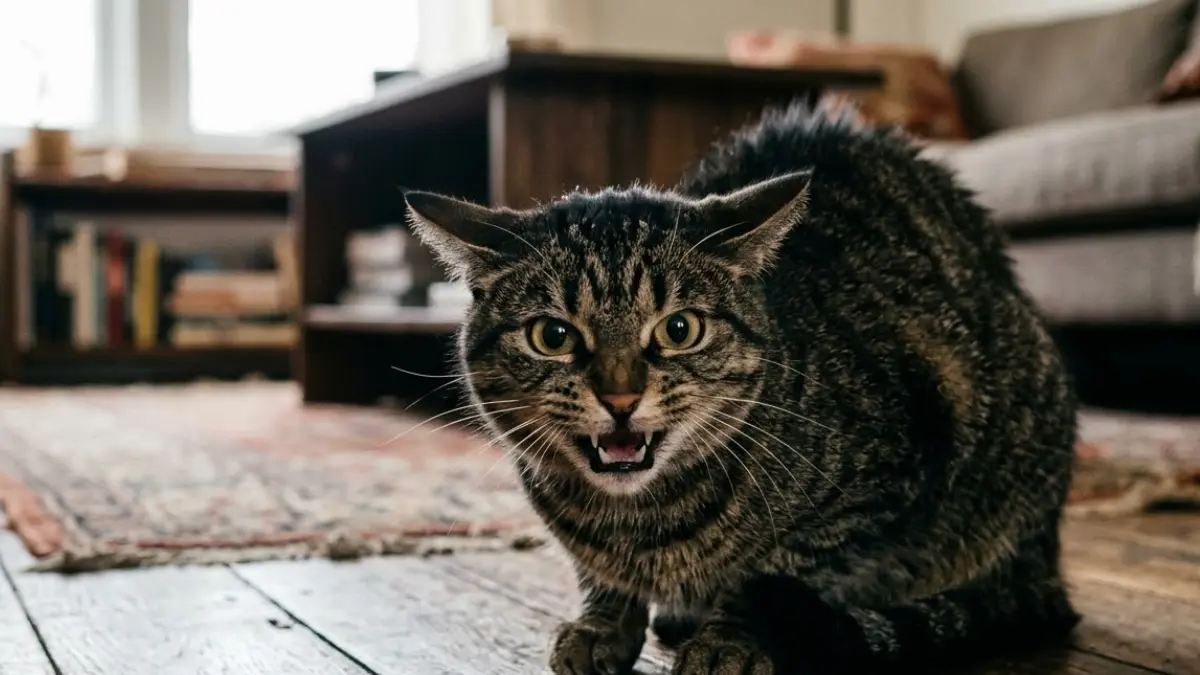
Dealing with an aggressive cat at home can be overwhelming, especially when sudden outbursts disrupt your household’s peace. Fortunately, understanding the root causes of severe behavioral issues allows you to implement structured solutions right from the comfort of your living room. In this guide, we explore 3 proven training methods designed to de-escalate violence, recondition your feline’s responses, and rebuild a harmonious bond.
- Recognizing the Nature of Feline Behavioral Disorders in an aggressive cat
- Method 1 – Deciphering Triggers for an aggressive cat via Desensitization Techniques
- Method 2 – Counter-Conditioning to Shift the Psychology of an aggressive cat
- Method 3 – Environmental Restructuring for an aggressive cat
- Safety Protocols and Crisis Management for an aggressive cat
- Frequently Asked Questions About Handling an aggressive cat
- Rebuilding Trust and Restoring Harmony with Your aggressive cat
Managing an aggressive cat requires immediate, structured behavior modification combining systematic desensitization, positive counter-conditioning, and environmental restructuring. By identifying specific environmental triggers, rewarding non-reactive behaviors, and creating safe vertical spaces, pet owners can permanently reduce feline hostility and restore safety to their home environment without resorting to harmful physical punishment.
Recognizing the Nature of Feline Behavioral Disorders in an aggressive cat
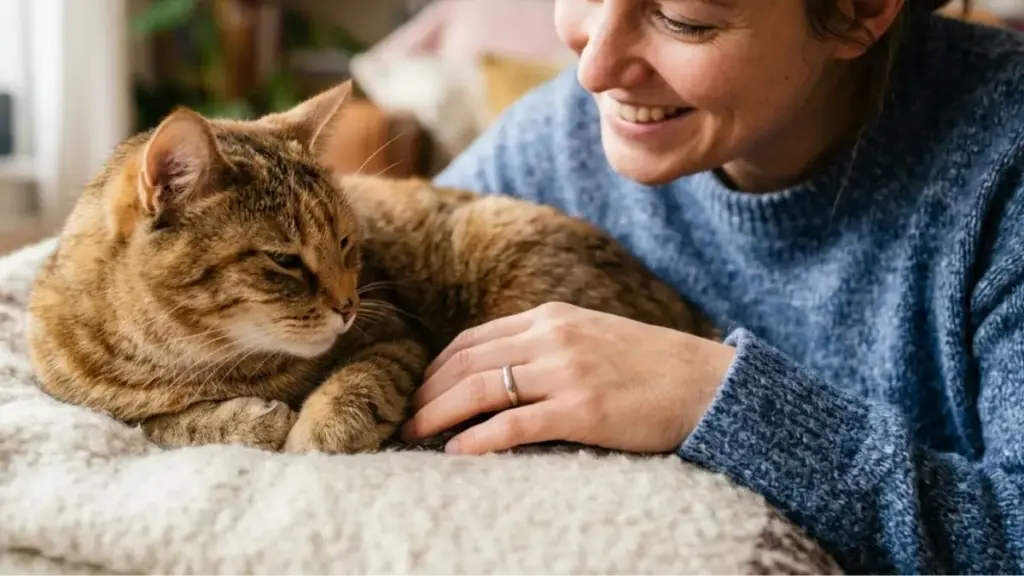
To effectively modify dangerous actions, pet owners must first differentiate between normal playfulness and deep-seated neurological or psychological distress. A domestic feline displaying extreme hostility is rarely acting out of malice; instead, these outbursts stem from defensive mechanisms triggered by perceived threats or underlying discomfort.
Differentiating Play Hostility from Severe Behavioral Aggression
Understanding the distinction between energetic play and genuine hostility is crucial for adopting the correct intervention strategy.
Clinical Indicators: Dilated Pupils, Flattened Ears, and Unprovoked Attacks
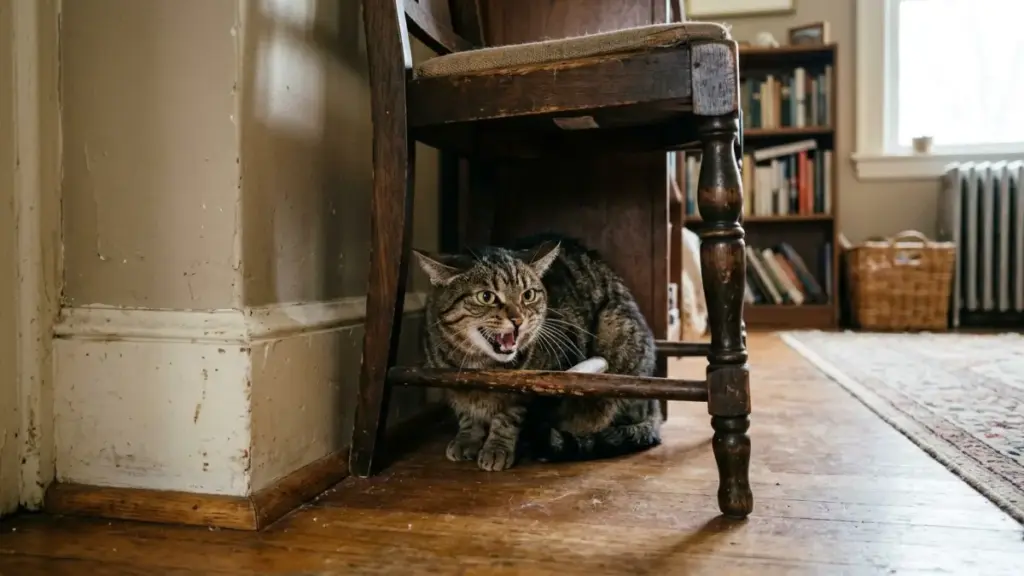
An aggressive cat exhibits distinct physiological markers that signal high autonomic arousal. Watch for fully dilated pupils that obscure the irises, ears pinned flat against the skull (often called “airplane ears”), a stiffened spine, and low-frequency growling or hissing. Unlike playful pouncing, true aggressive strikes involve unsheathed claws, direct eye contact, and deliberate bites intended to break skin rather than test boundaries.
Hazards of Physical Injuries and Psychological Breakdown in Felines
Allowing severe hostility to go unmanaged poses extreme risks to human caregivers and the animal alike. Bites from an aggressive cat carry dangerous anaerobic bacteria that can cause severe infections, such as cat scratch disease or cellulitis, requiring emergency medical treatment. Psychologically, a feline trapped in a perpetual state of hyper-arousal suffers from elevated cortisol levels, leading to long-term immune suppression, chronic digestive issues, and severe emotional exhaustion.
Behavioral rehabilitation is a journey built on patience, deep empathy, and steady daily progress. By understanding the underlying fear behind hostile actions, you can guide your aggressive cat toward a calmer, happier life.
Anna
Root Causes Driving Sudden Violent Outbursts
De-escalating feline hostility requires a deep investigation into what triggers the nervous system to switch into a survival-oriented fight-or-flight mode.
Historical Trauma, Social Deprivation, and Spatial Anxiety
Past experiences heavily dictate how felines perceive their current surroundings. Animals that experienced early childhood trauma, rough handling, or premature separation from their mother often lack critical self-regulation skills. Furthermore, living in crowded or highly confined indoor environments induces spatial anxiety, turning an otherwise gentle pet into an aggressive cat fighting for personal boundary control.
Biological Triggers: Hidden Pain, Hormonal Imbalances, and Environmental Stress
Medical issues are frequently disguised as behavioral problems. Internal pain from feline lower urinary tract disease, dental abscesses, or osteoarthritis can cause a feline to lash out when touched. Additionally, environmental stress—such as moving into a new home, hearing loud construction noises, or smelling stray animals outside—disrupts emotional balance, forcing an aggressive cat to react defensively to minor everyday stimuli.
Method 1 – Deciphering Triggers for an aggressive cat via Desensitization Techniques
Systematic desensitization is a scientifically validated behavior modification protocol designed to gradually reduce emotional reactivity. By exposing the animal to a controlled, micro-dosed version of its trigger, you re-educate its nervous system to remain calm.
Pinpointing Specific Environmental Triggers
Before starting any training protocol, you must conduct a detailed assessment to discover exactly what causes your pet’s distress.
Maintaining Behavioral Journals: Tracking Noise, Location, and Timing
Documenting every hostile event helps identify patterns that human eyes usually miss. Record the precise time of day, room location, ambient noise level, and any human actions occurring immediately before your aggressive cat displays threat behaviors. Pattern tracking reveals whether hostility is linked to territorial defense, fear of specific family members, or overstimulation from sudden movements.
Establishing the Safety Threshold Before Defensive Shifts
The safety threshold represents the maximum intensity or minimum distance at which your pet can perceive a trigger without reacting defensively. If an aggressive cat reacts angrily when an object is five feet away, its threshold is six feet. Effective desensitization must always take place below this threshold, ensuring the nervous system stays completely relaxed throughout the session.

Step-by-Step Controlled Exposure Protocols
Once thresholds are clearly defined, introduce gradual exposure protocols to systematically build emotional tolerance.
Micro-Exposures: Reducing Trigger Intensity Below Threat Levels
Begin by introducing the trigger at a extremely low level. For example, if loud voices trigger an aggressive cat, play recorded human conversation at a barely audible whisper. If the trigger is a visitor, have the person sit completely still twenty feet away without making direct eye contact. Maintaining this low intensity prevents the animal’s alarm system from triggering.
Progressive Exposure Cycles and Boundary Maintenance
Gradually increase trigger intensity over several weeks in tiny, incremental steps. If your aggressive cat remains totally calm during a session, move the stimulus slightly closer during the next attempt. If the animal shows subtle signs of tension, such as tail twitching or muscle freezing, immediately increase the distance to protect the safety threshold and avoid setbacks.

Read more: Why Your Aggressive Cat Attacks Other Pets: A Stage-By-Stage Guide To Household Peace
Method 2 – Counter-Conditioning to Shift the Psychology of an aggressive cat
While desensitization lowers fear responses, counter-conditioning actively replaces negative emotional reactions with positive ones. By pairing feared objects with high-value rewards, you change the animal’s internal perspective from fear to enthusiastic anticipation.
More Read

Associating Fear Triggers with High-Value Positive Rewards
Counter-conditioning rewires neural pathways, teaching the brain that the appearance of a former threat signals an incoming reward.
Utilizing High-Value Treats Exclusively During Trigger Exposures
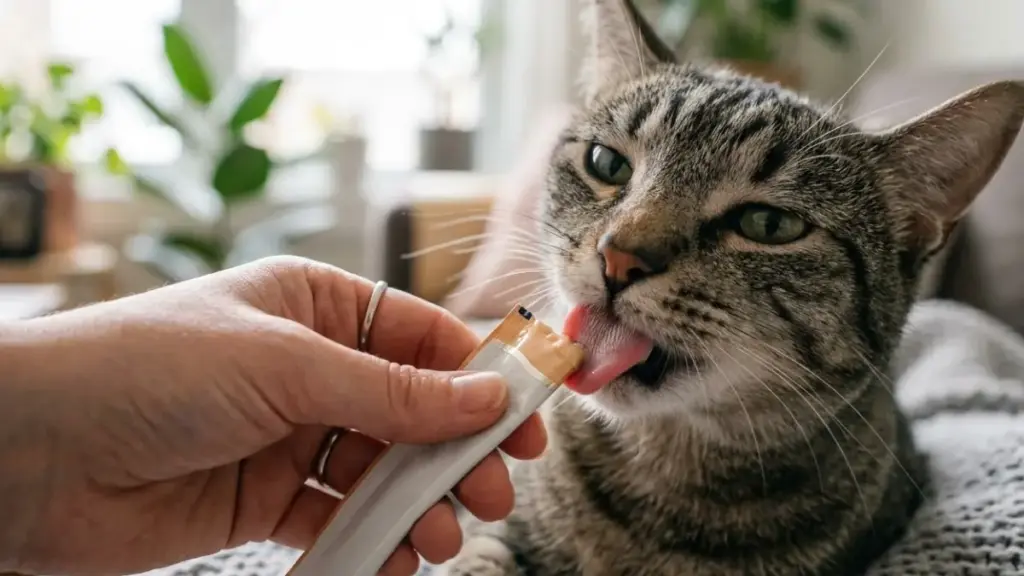
Reserve top-tier rewards—such as freeze-dried chicken, tuna, or squeeze-tube treats—exclusively for conditioning sessions. When the disturbing stimulus appears, immediately offer the treat to your aggressive cat. The moment the stimulus disappears, remove the treats entirely. This clear contrast teaches the animal that the presence of the trigger directly produces positive outcomes.
Pavlovian Shifts: Changing Neural Paths from Fear to Anticipation
With consistent practice, the brain undergoes a profound psychological transformation. Instead of releasing adrenaline when encountering a stimulus, the brain releases dopamine. An aggressive cat starts looking forward to previously stressful events because it associates them with delicious rewards, effectively replacing panic with pleasant expectation.
Interrupting Aggressive Momentum Before Escalation
Catching warning signs early allows caregivers to stop hostile behaviors before they turn into dangerous physical attacks.
Pattern Interrupts: Redirecting Focus Using Far-Range Toys
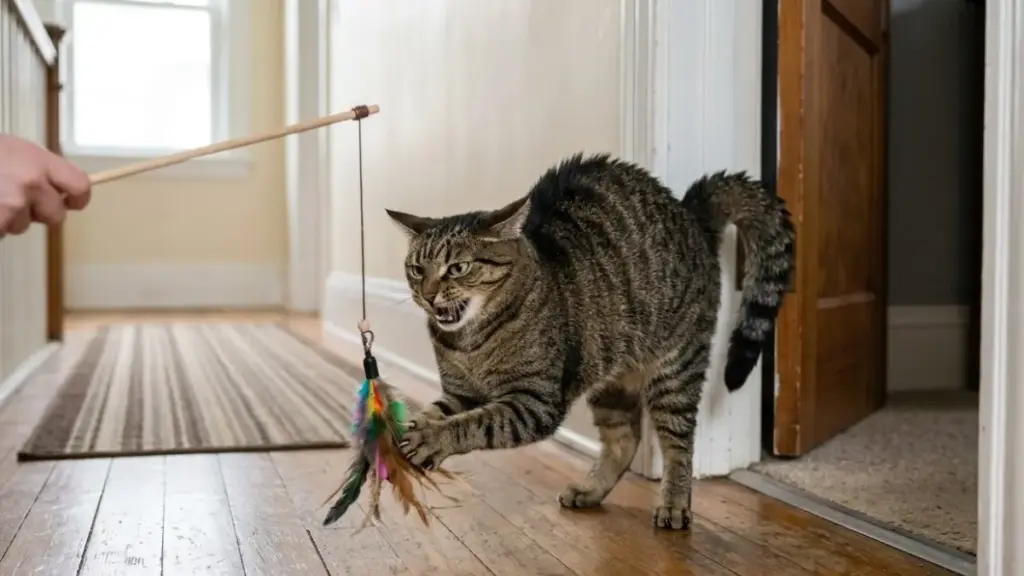
When you notice subtle signs of rising tension, disrupt the emotional momentum without using physical touch. Use a wand toy, a soft feather, or roll a treat across the floor to divert the attention of an aggressive cat. This safe distraction shifts the mental focus from perceived threats to natural hunting instincts, diffusing anger instantly.
Immediate Reinforcement for De-Escalated Body Postures
Carefully observe body language for any signs of physical relaxation, such as unclenched paws, lowered ears returning to a neutral position, or a soft blink. The moment your aggressive cat shifts away from defensive posturing, provide verbal praise and a treat. Reinforcing calm behavior teaches the animal that peaceful choices are far more rewarding than hostile ones.
Method 3 – Environmental Restructuring for an aggressive cat
An animal’s living space directly impacts its emotional stability and stress levels. Restructuring your home layout removes environmental pressure, providing a secure sanctuary where your pet feels in complete control of its surroundings.
Expanding Vertical Territory and Establishing Safe Havens
Felines view territory three-dimensionally. Restricting them to floor level increases feelings of vulnerability, triggering defensive behavior.
Wall Shelves and Cat Trees for Elevated Territorial Oversight
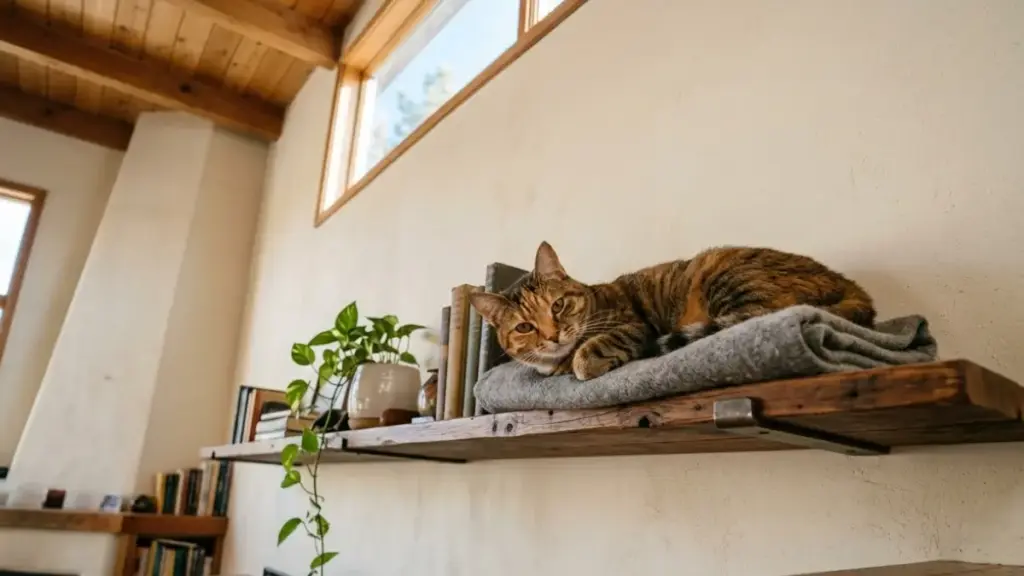
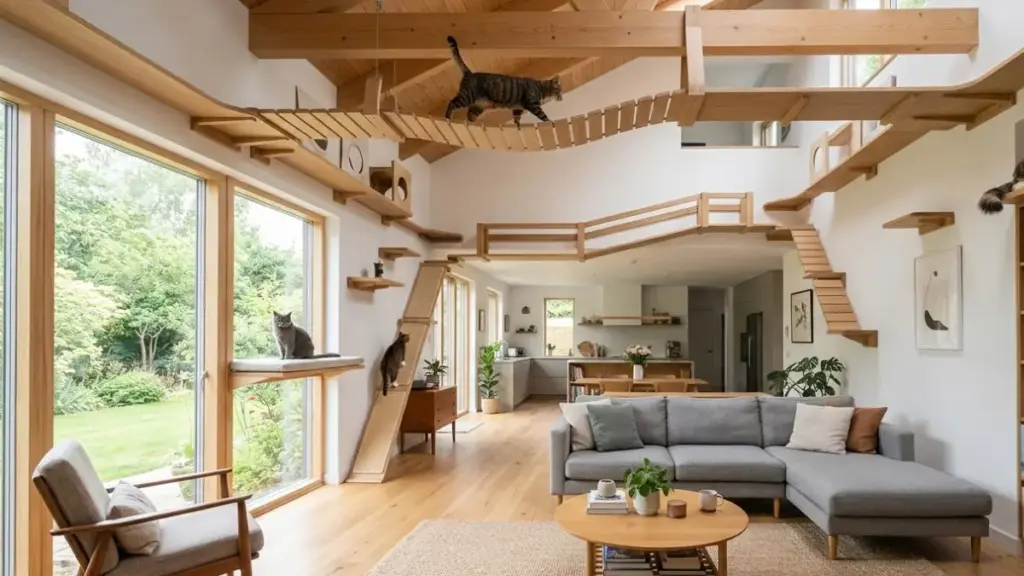
Installing sturdy wall shelves, window perches, and tall trees allows an aggressive cat to climb above human eye level. Elevated positions provide a sense of security, allowing the pet to survey its territory without feeling threatened. From a high perch, the animal can observe household activity calmly without feeling cornered or forced to defend itself.
Establishing Absolute Safe Zones Free from Human Intrusion
Designate specific areas in your home as completely off-limits to humans and other pets. Place a cozy covered bed or cardboard box in a quiet room, creating a dedicated retreat for your aggressive cat. Ensure that once the animal enters this safe zone, no one disturbs, pets, or approaches it, guaranteeing a stress-free haven for emotional recovery.
Optimizing Household Resources to Eliminate Competition
Resource scarcity is a major cause of territorial disputes and chronic stress in multi-pet households.
Dispersing Litter Boxes, Feeding Stations, and Water Bowls
Placing essential resources too close together creates tension hotspots that trigger hostility. Spread litter boxes, food dishes, and water fountains across different rooms to prevent guarding behavior. A stressed aggressive cat feels much safer knowing it can eat, drink, and use the litter box without crossing paths with potential threats.
Harnessing Synthetic Pheromones for Natural Nervous System Calming
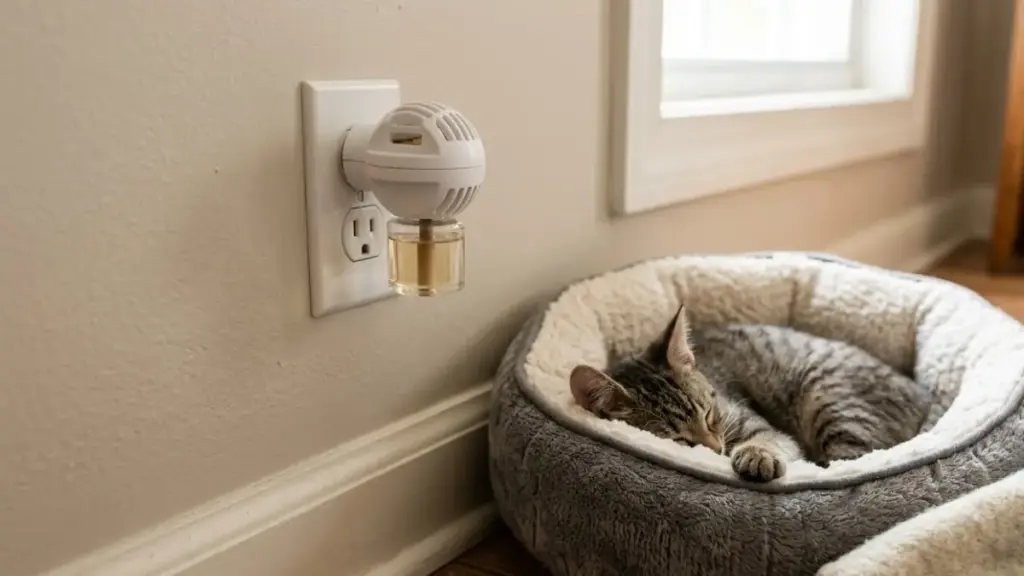
Plug-in synthetic feline facial pheromone diffusers release calming chemical signals throughout the living environment. These odorless compounds mimic natural comforting pheromones, telling the nervous system of an aggressive cat that the area is secure. Continuous pheromone therapy helps lower background anxiety, making behavior modification methods far more effective over time.
Safety Protocols and Crisis Management for an aggressive cat
When managing severe behavioral issues, human and animal safety must remain the top priority. Having clear emergency protocols prevents accidental injuries during sudden physical outbursts.
Personal Safety Rules During Sudden Hostile Outbursts
During violent episodes, handling the animal improperly can aggravate injuries and destroy trust that took months to build.
Banning Physical Punishment: Why Force Escalates Fear Responses
Never hit, yell at, spray water on, or physically restrain an aggressive cat during an attack. Physical punishment reinforces the animal’s belief that humans are dangerous threats, causing fear to turn into intense hostility. Responding with force shatters your bond and almost always escalates the severity of future violent outbursts.
Utilizing Thick Blankets and Barrier Shields to Interrupt Attacks
If you must step in to protect another pet or person, never use your bare hands. Use physical barriers like heavy throw pillows, large cardboard pieces, or thick folded blankets to block line of sight and cushion strikes. Dropping a thick blanket over an aggressive cat gently restricts its vision and movement, allowing you to move it to a quiet room safely without direct contact.

Knowing When to Seek Professional Intervention
Some severe cases require specialized medical support beyond standard home training methods.
Comprehensive Veterinary Exams to Rule Out Hidden Organic Pain
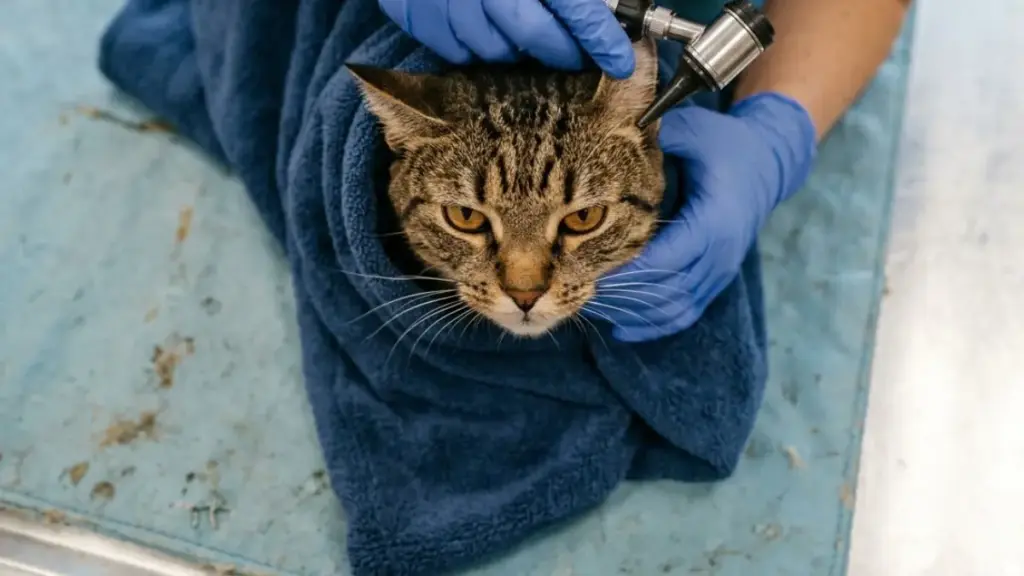
If sudden hostility appears without clear environmental triggers, schedule a thorough veterinary examination immediately. A vet can perform full blood panels, digital X-rays, and physical exams to identify hidden medical issues. Treating underlying dental pain, joint inflammation, or internal disorders often resolves behavioral issues in an aggressive cat completely.
Partnering with Board-Certified Veterinary Behaviorists (DACVB)
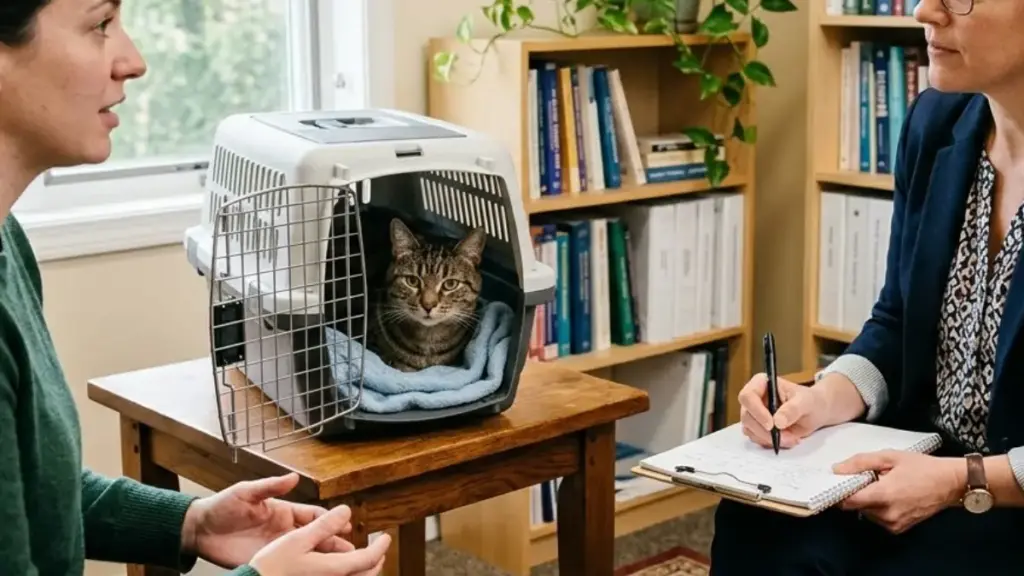
If systematic training and medical checkups do not yield progress, consult a board-certified veterinary behaviorist. These specialized professionals can prescribe short-term anti-anxiety medications alongside customized behavior modification plans. Professional support ensures your aggressive cat receives comprehensive care tailored to its unique psychological needs.
Frequently Asked Questions About Handling an aggressive cat
How long does it take to recondition a severe aggressive cat at home?
Rehabilitation timelines depend on how long the behavior has existed, its underlying causes, and consistency in training. Minor stress-induced hostility can improve within four to six weeks of environmental adjustments. However, deep-seated trauma or severe fear-based behavior in an aggressive cat typically requires six months to a year of steady desensitization and counter-conditioning.
Can feline pheromone diffusers fix an aggressive cat on their own?
Pheromone diffusers are supportive tools rather than complete solutions. While synthetic pheromones help lower overall stress levels, they cannot replace active behavior modification, desensitization, or environmental adjustments. Using diffusers alongside active training strategies delivers the best long-term results for an aggressive cat.

Should I isolate an aggressive cat in a separate room permanently?
Permanent isolation hurts emotional well-being and often increases behavioral problems over time. Temporary isolation is useful during active outbursts or initial rehabilitation phases to ensure safety. However, the ultimate goal is gradual reintegration, helping your aggressive cat feel safe and comfortable moving freely throughout your home.
Rebuilding Trust and Restoring Harmony with Your aggressive cat
Transforming a volatile home environment into a peaceful sanctuary requires patience, empathy, and consistent effort. Felines respond exceptionally well to predictable daily routines, gentle positive reinforcement, and respect for their personal boundaries. By applying systematic desensitization, counter-conditioning, and thoughtful environmental restructuring, you give your pet the tools it needs to feel safe. Over time, fear gives way to trust, allowing your aggressive cat to relax and become a confident, loving companion once again.
PLEASE LEAVE A COMMENT TO SHARE YOUR FAVORITE THOUGHTS OR FOLLOW OUR BLOG FOR THE LATEST UPDATES.