
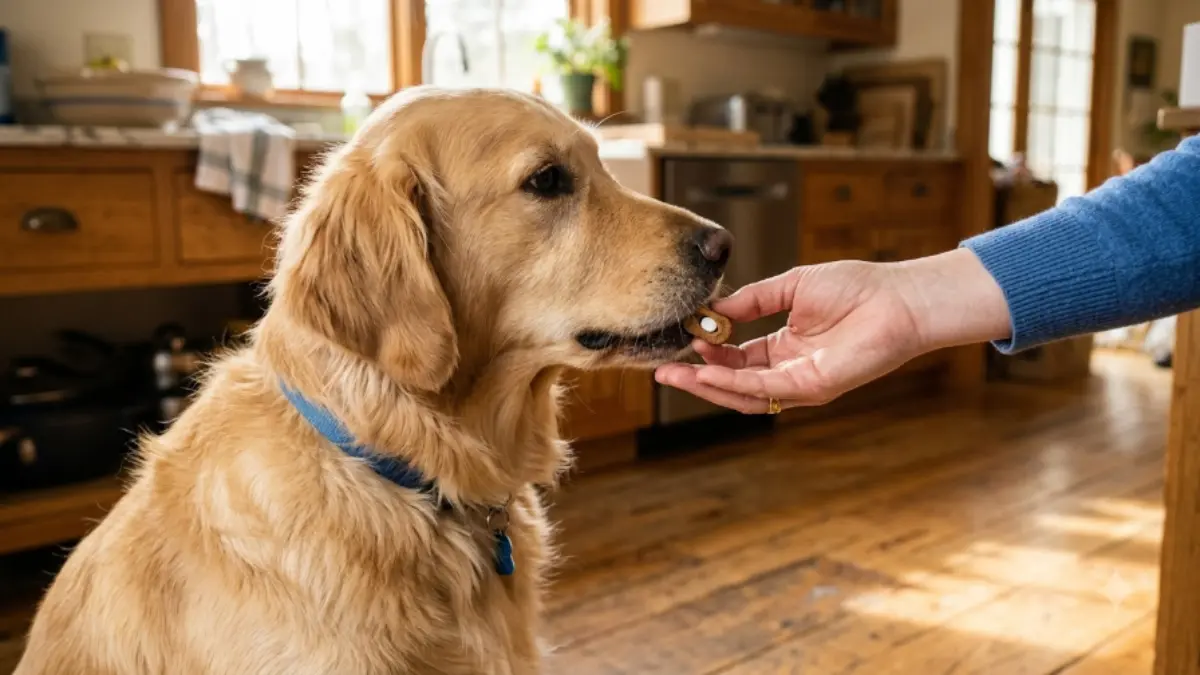

Administering prescribed medication to an anxious or stubborn canine companion can quickly turn into a stressful and dangerous experience for pet owners. Fear of getting accidentally bitten often forces many owners to pay up to $60 per visit just to have a veterinary clinic handle the task. However, paying professional fees every time your pet needs a simple pill or liquid dose is neither necessary nor cost-effective.
- Why Dogs Intentionally Vomit Pills and React Aggressively During Medication
- 5 Simple Hacks to Master the Art of How to Give Medicine to a Dog Like a Pro
- Save Up to $60 in Veterinary Fees by Mastermind Home Administration Techniques
- Essential Safety Rules to Guarantee Incident-Free Medication Time
- Frequently Asked Questions About Giving Dog Medication
- Mastering Home Care for a Happy, Healthy Canine Companion
By utilizing clever, stress-free techniques right in your kitchen, you can safely handle medication time without any fear or aggression. Discover how to give medicine to a dog without getting bitten using these 5 simple home hacks that will save you up to $60 today!
The safest, most efficient, and cost-effective way to give medicine to a dog without risking a painful bite is to bypass their defensive reflexes using non-threatening trickery or positive physical cues. When you trick their palate with high-value treats or use proper mechanical techniques like a soft-tipped pilling tool, you completely eliminate the struggle, protect your fingers, and save up to $60 in clinic assistance fees. Doing this consistently builds mutual trust and eliminates fear during daily pet care routines.
Why Dogs Intentionally Vomit Pills and React Aggressively During Medication
Understanding canine psychology is the first critical step to master how you give medicine to a dog safely at home. Most dogs do not act out of spite; rather, their dramatic refusal stems from deeply ingrained survival instincts and acute sensory protection mechanisms. Forcible physical restraint escalates claustrophobic anxiety, causing a normally gentle pet to turn defensive or snap wildly.
Psychological Fear and Self-Defense Instincts in Anxious Canines
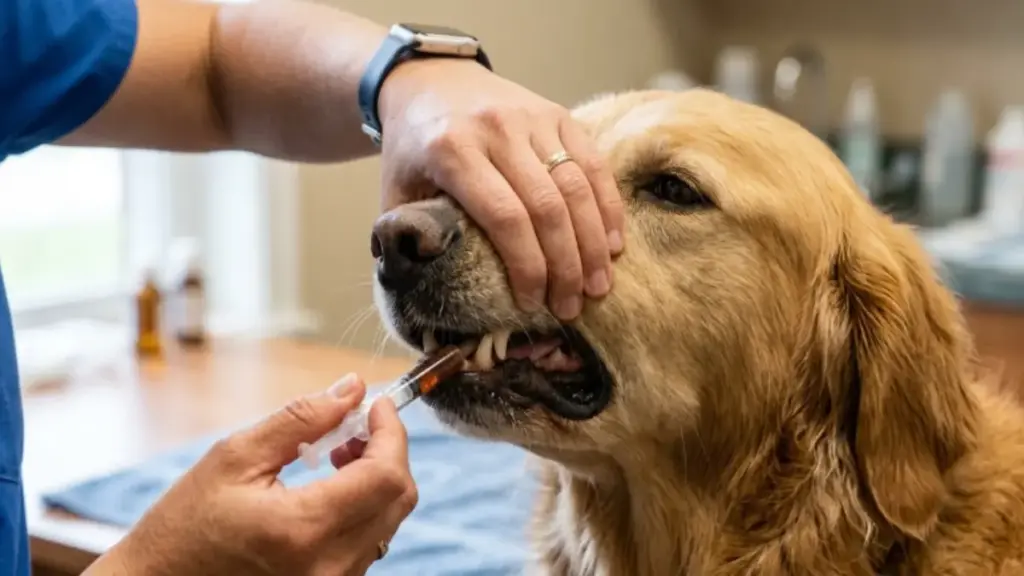
When you approach your pet with a firm grip and an unfamiliar chemical tablet, their internal fight-or-flight system activates instantly. Forcing open their jaw triggers an innate defensive reaction to protect their vulnerable airway and throat from invasive threats.
Sensing Chemical Bitterness and Natural Tongue Reflex Actions
Canine companions possess an extraordinary sense of smell and taste that instantly detects unpalatable pharmaceutical chemicals. When you attempt to give medicine to a dog, bitter chemical compounds trigger a powerful, protective gag reflex at the back of the tongue. This natural evolutionary defense mechanism causes immediate spitting, retching, or drooling. Understanding this instinctual oral response is essential when learning how to handle oral treatments without causing unnecessary distress or physical resistance during daily schedules.
Escalating Stress Caused by Owner Hesitation and Physical Force
Canines quickly perceive human nervousness, subtle body tension, and hesitation during daily health routines. When owners feel anxious or apply excessive physical force to give medicine to a dog, the pet senses immediate danger and reacts defensively. Forcible physical restraint escalates anxiety rapidly, transforming a simple routine pill session into an intense battle of resistance that increases accidental bite risks significantly.
Read more: Bruising after dog spaying and neutering: What causes it & 3 signs requiring immediate vet care!
Recognizing Pre-Bite Warning Signals to Prevent Injuries
To successfully manage oral care without incurring injury, you must read subtle canine warning signals long before an actual snapping incident occurs. Ignoring these body language cues guarantees an unsafe environment for both owner and pet.
Warning Signs: Growling, Fidgeting, Hard Stares, and Head Retraction
Recognizing canine distress signals is vital before attempting oral treatment at home. Subtle behavioral indicators like whale eyes, stiffening body posture, soft growling, and pulling the neck backward warn of impending defensive aggression. Ignoring these behavioral warnings while trying to give medicine to a dog leads directly to painful bites. Handlers must immediately pause, reset, and restore a calm environment whenever fearful body language appears. Remaining observant protects both owner and pet from accidental injuries.
Severe Consequences: Physical Injuries and Accidental Choking Hazards
Forcing medication down a struggling pet’s mouth carries severe safety hazards for everyone involved. Defensive bite punctures require urgent human medical treatment, while forced swallowing risks accidental tablet aspiration into the lungs. Improper handling when you give medicine to a dog can cause severe respiratory choking or aspiration pneumonia. Applying gentle, stress-free administration techniques prevents both human injury and traumatic pet experiences effectively.
5 Simple Hacks to Master the Art of How to Give Medicine to a Dog Like a Pro
Mastering home administration requires shifting from physical confrontation to clever deception and anatomical leverage. These five battle-tested hacks eliminate stress, safeguard your hands, and streamline daily healthcare routines.
Hack 1: Disguise Pills in Ultra-Enticing Food Treats (Pill Hiding Tricks)
The easiest way to manage oral treatments involves disguising medication inside an irresistible food matrix that triggers immediate swallowing without chewing.
The “3-Treat Illusion” Technique (2 Pure Treats, 1 Pill-Packed Treat)
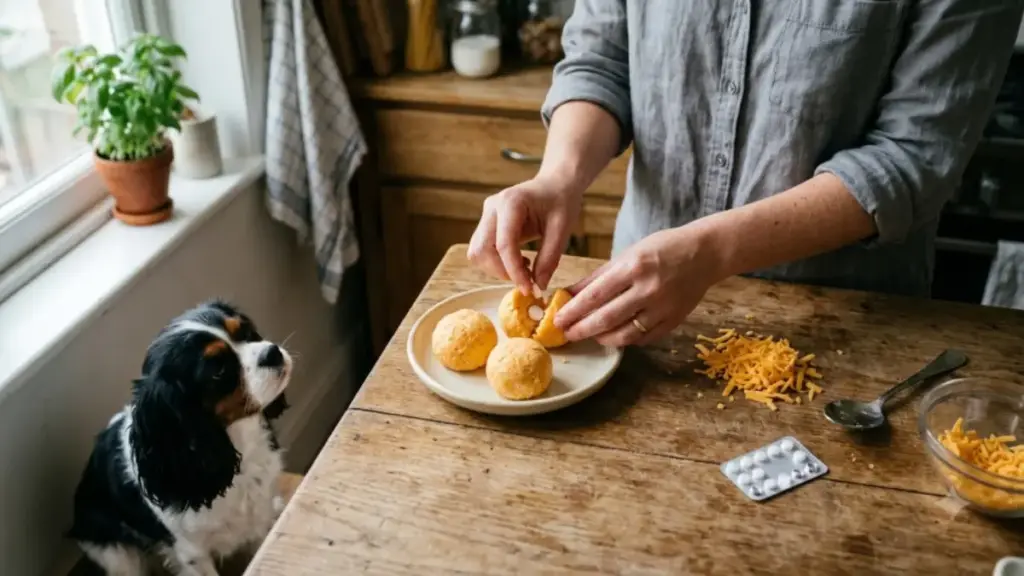
The three-treat strategy clever tricks canine focus through rapid, enthusiastic reward delivery. Offer two plain, high-value treats first so your pet swallows eagerly without suspicion or delay. Follow immediately with a third treat containing hidden tablets while holding a fourth reward in clear view. Rapid swallowing driven by treat excitement allows owners to give medicine to a dog effortlessly, avoiding suspicious sniffing, chewing, or spitting out bitter pills.
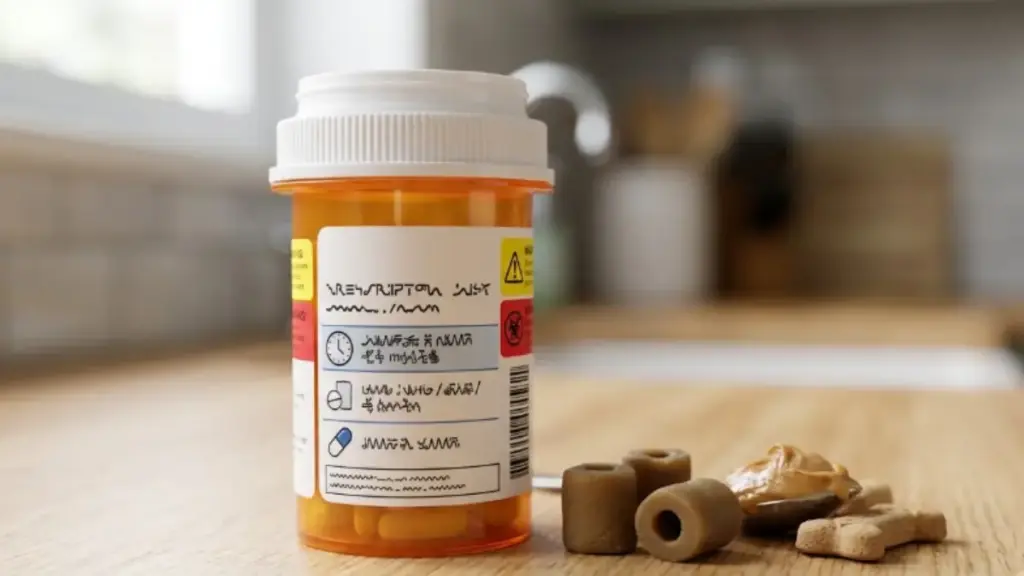
Wrapping Tablets in Smooth Peanut Butter, Soft Cheese, or Minced Sausage
Concealing pills inside aromatic food barriers masks bitter chemical odors effectively. Creamy peanut butter, pliable soft cheese, and savory minced sausage coat tablets completely, blocking unpalatable scents. Using rich, slippery treats to give medicine to a dog allows tablets to slide down the throat smoothly without requiring chewing. When you disguise pharmaceutical tablets using irresistible food wraps, make sure all ingredients are completely pet-safe and free from toxic additives like Xylitol.
Hack 2: The “Nose Blow & Throat Stroke” Technique to Trigger Natural Swallowing
When a dog refuses to eat treat disguises, utilizing subtle neurological reflexes guarantees a quick swallow while keeping your fingers out of the bite zone.
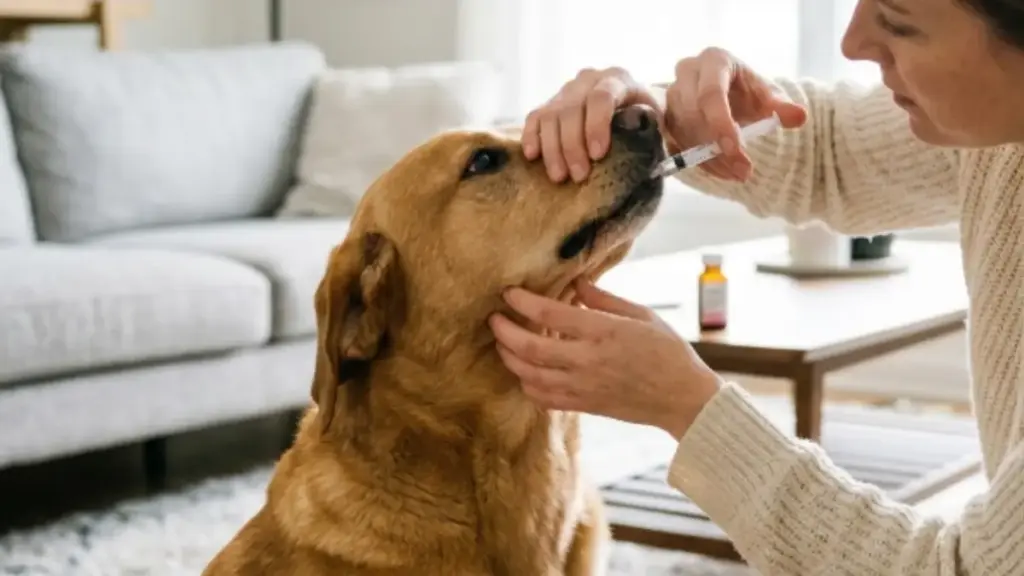
Safe Jaw Opening Mechanics from Behind the Head to Avoid Teeth
Proper hand positioning protects human fingers when opening a dog’s jaw manually. Position yourself comfortably behind your pet, cupping the upper snout with your non-dominant hand while gently tilting the head upward toward the ceiling. Applying soft, controlled pressure along the upper lips behind canine teeth opens the mouth safely. This controlled mechanical angle enables owners to give medicine to a dog without placing delicate fingers between sharp teeth.
Deep Tongue Placement, Jaw Closure, Gentle Nose Blowing, and Throat Massage
Place the tablet far back on the center base of the tongue, then hold the snout closed gently. Stroking the throat downward while blowing a soft, quick puff of air onto the nostrils triggers an automatic swallowing reflex. Utilizing this veterinarian-approved procedure allows handlers to give medicine to a dog cleanly, ensuring the pill is swallowed immediately without gagging, struggling, or defensive biting attempts. Maintaining gentle mechanical control makes swallowing predictable and calm every single time.
Hack 3: Crushing Pills and Mix Into Wet Food Feeds (Check Medication Types First)
Blending pulverized medication into fragrant daily meals is an effective, hands-off approach when dealing with a pet that exhibits extreme handler shyness.
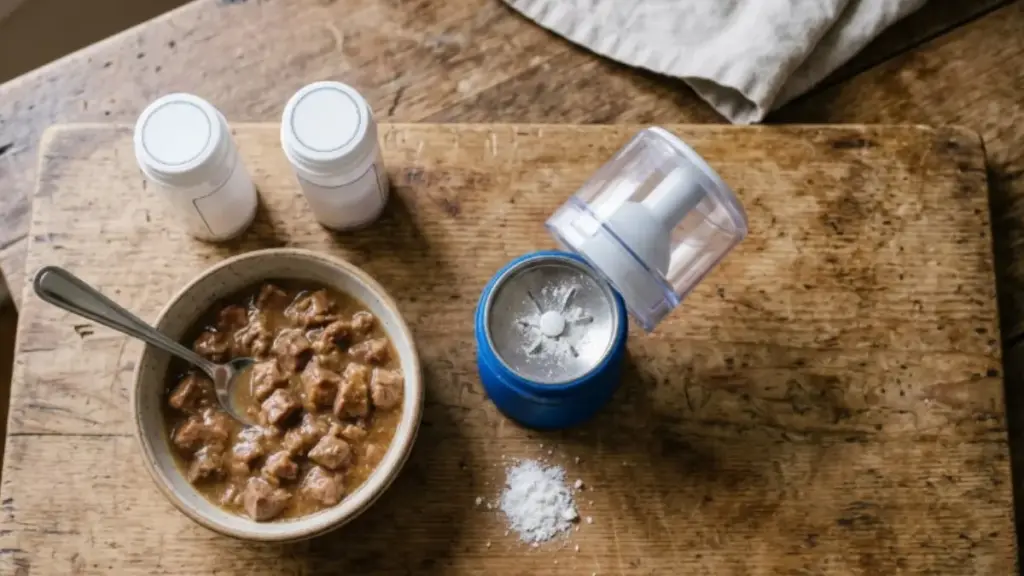
Distinguishing Crushable Compressed Tablets from Coated Capsules
Before crushing tablets, verifying pharmaceutical guidelines with your veterinarian or pharmacist is critical. While non-coated compressed tablets can be safely pulverized into fine powder, enteric-coated pills or time-release capsules must remain completely whole. Preserving structural pill integrity when you give medicine to a dog guarantees correct dosage absorption and prevents digestive irritation, ensuring optimal therapeutic effectiveness for recovering pets.
Blending Powder with Unsalted Bone Broth or Rich Meat Paté
Mixing crushed medication into highly fragrant wet food disguises bitter chemical odors perfectly. Unsalted warm bone broth, canned salmon, or rich beef paté create irresistible meals that mask pulverized pills completely. Serving this mixture as a tiny, concentrated starter dish allows owners to give medicine to a dog smoothly, turning daily healthcare schedules into enjoyable culinary treats your pet looks forward to.
Hack 4: Utilizing a Pill Gun Dispenser or Syringe Liquid Injector
Using mechanical delivery tools extends your physical reach, ensuring you can manage treatment without placing your hands near sharp teeth.
Leveraging Budget Pill Pushers to Reach Deep Throat Safely
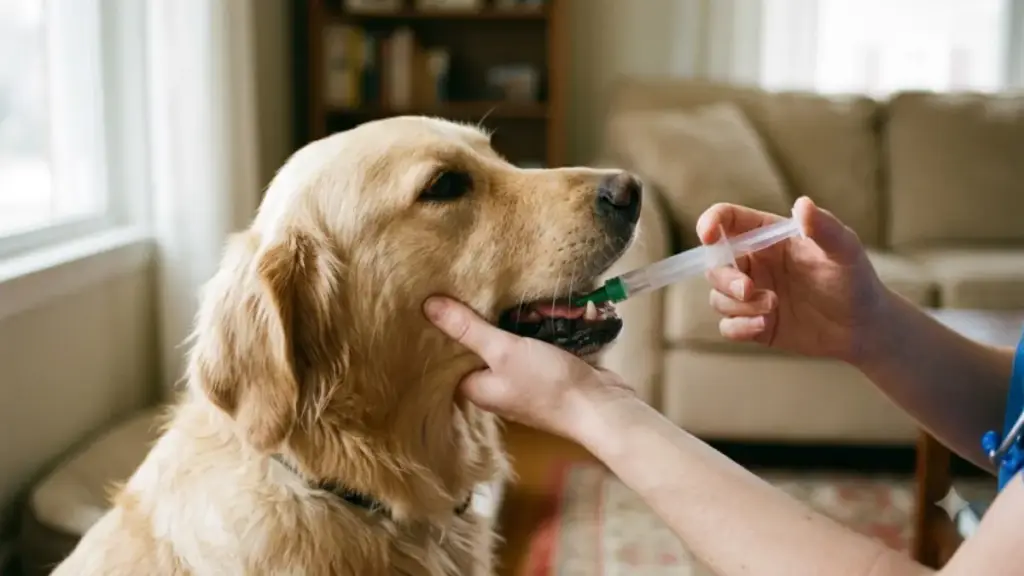
A pet pill gun or soft-tipped pill pusher is an indispensable, budget-friendly safety tool. Featuring a flexible rubber tip and manual plunger, it deposits tablets onto the back tongue accurately without finger exposure. Utilizing this simple applicator helps owners give medicine to a dog safely and quickly, protecting hands from sharp teeth while ensuring reliable tablet delivery for reluctant or highly anxious pets.
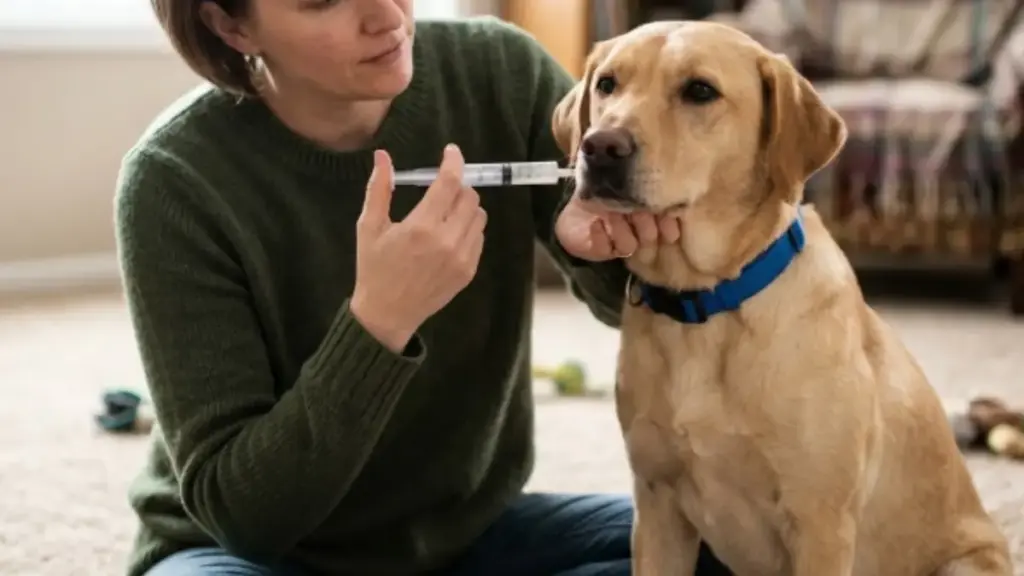
Precise Syringe Angle at the Cheek Pouch Side Rather Than Direct Throat
When administering liquid solutions, direct throat spraying causes coughing and choking hazards. Instead, slide the plastic syringe tip into the natural cheek pocket between the side teeth and inner lip. Depressing the plunger slowly in small liquid increments allows your pet to swallow naturally. This cheek-pouch technique lets handlers give medicine to a dog safely without panicking or fluid aspiration risks.
Hack 5: Gamifying Medication Time with Positive Reinforcement Training
Turning daily healthcare into an interactive game removes fear, building eager cooperation whenever medication time arrives.
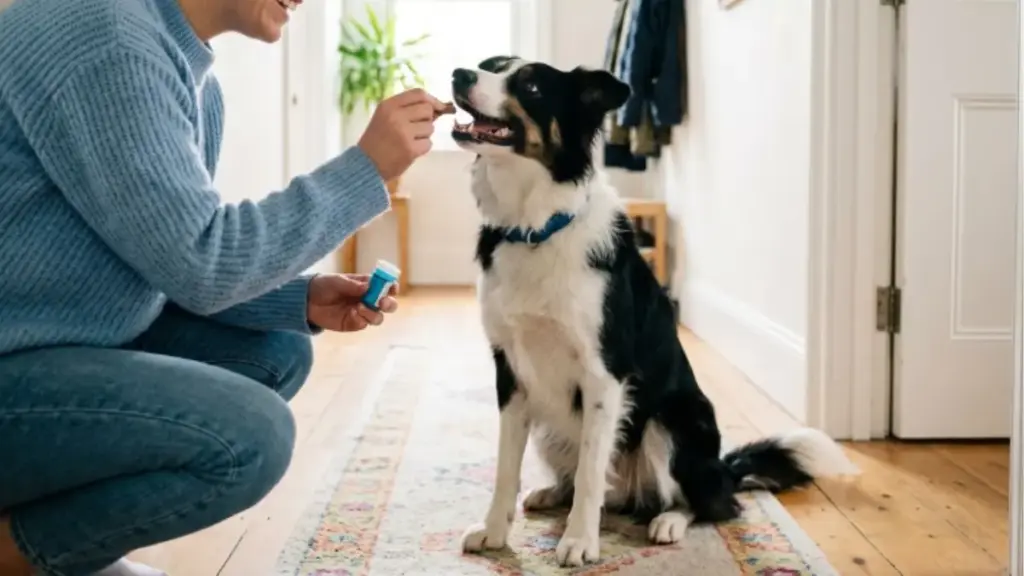
Incorporating Pills into Fast-Paced Command Sequences Like “Sit” and “Paw”
Transforming health routines into playful training sessions eliminates fear and stress completely. Engage your pet with quick obedience commands like ‘Sit’, ‘Paw’, or ‘Spin’, rewarding performance immediately with treat-wrapped pills. Incorporating medication into fast-paced game sequences allows owners to give medicine to a dog effortlessly, building enthusiasm and replacing anxiety with positive, reward-driven behavioral associations during daily healthcare. Active play turns routine health tasks into rewarding daily accomplishments.
Transforming Medication Schedules into Happy Bonding Moments
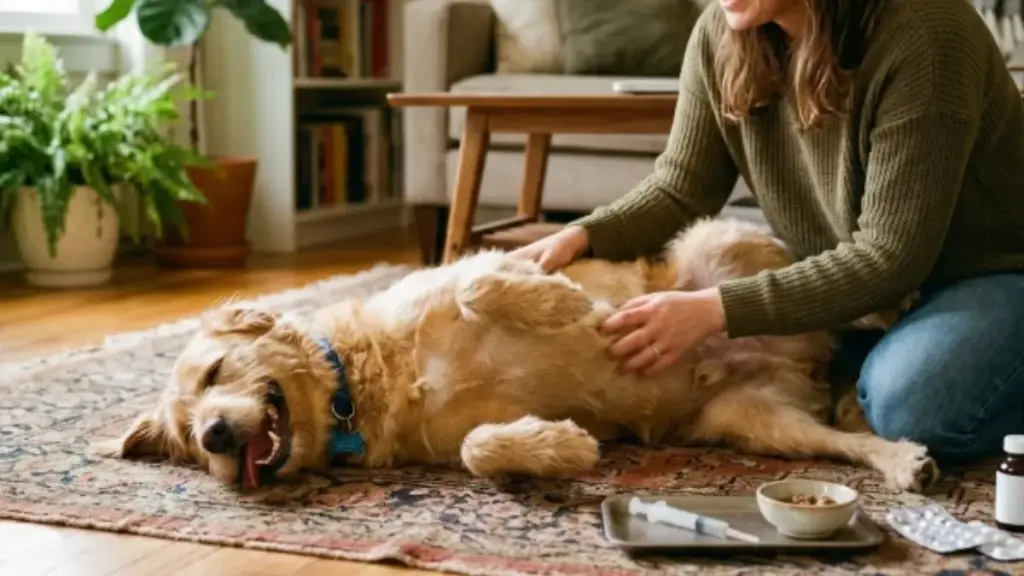
Ending every medication session with enthusiastic verbal praise, belly rubs, or playtime reinforces calm behavior. Never attempt treatments during stressful domestic moments or immediately after scolding your pet. Consistently pairing health care with affection ensures that learning how to give medicine to a dog strengthens your bond, creating a cooperative, stress-free routine that makes daily pet care simple and enjoyable.
Read more: 3 Critical Facts of a Rabies Injection for Dog You Must Monitor!
Save Up to $60 in Veterinary Fees by Mastermind Home Administration Techniques
Learning home administration techniques is not just about convenience—it provides major financial relief for long-term pet care budgets.
More Read
Breaking Down Wasted Expenses from Unnecessary Clinic Visits
Relying on veterinary staff for daily pill administration accumulates substantial recurring costs that quickly drain household finances.
Daily In-Clinic Medication Assistance Fees ($10-$15 Per Visit)
Veterinary clinics charge between $10 and $15 per visit for simple medication assistance services. For treatment plans requiring twice-daily doses over a five-day post-surgery period, clinic service charges quickly exceed $60 total. Mastering easy home techniques to give medicine to a dog eliminates these unnecessary daily outpatient fees completely, keeping your personal pet care budget manageable and highly cost-effective.
Taking full control of your pet’s healthcare at home deepens trust, eliminates fear, and saves valuable financial resources. When you master how to give medicine to a dog with patience, safety tools, and loving praise, you protect your hands while giving your pet the comfortable life they deserve.
Anna
Travel Fuel Costs, Commute Time, and Repeated Pet Transport Hassles
Transporting sick pets to veterinary clinics repeatedly burns expensive vehicle fuel, wastes valuable personal time, and causes unnecessary travel anxiety for recovering animals. Managing healthcare routines independently at home enables owners to give medicine to a dog in a familiar, comfortable setting. Home administration saves transportation costs, conserves time, and accelerates pet recovery by providing a quiet, low-stress environment.
Equipping Your Low-Cost Home Administration Tool Kit
Setting up an efficient home pilling station requires a tiny initial investment that pays for itself immediately.
Investing Under $10 for a Year’s Supply of Pill Guns and Peanut Butter
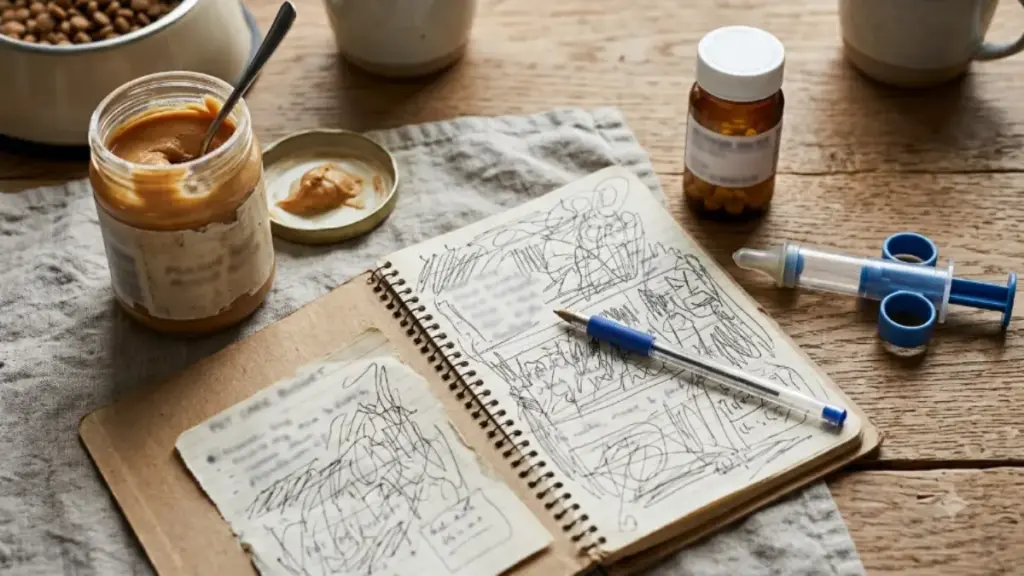
Equipping a functional home pet care station requires minimal financial expense. A durable rubber-tipped pill pusher costs around $4 online, while dog-safe peanut butter or soft cheese paste costs under $5. This tiny $9 total investment provides a full year of administration supplies. Using low-cost tools to give medicine to a dog delivers exceptional financial savings while making home treatment completely stress-free.
Handling Long-Term Prescription Courses Confidently at Home
Building confidence in home healthcare empowers owners to handle extended prescription courses, such as post-surgery antibiotics or long-term joint supplements, effortlessly. Knowing how to give medicine to a dog safely at home removes financial anxiety and clinic dependency, allowing you to manage full treatment cycles smoothly while saving up to $60 on every medical prescription course. Confident home care ensures long-term treatment success without clinic fatigue.
Essential Safety Rules to Guarantee Incident-Free Medication Time
While home tricks offer great convenience, safety protocols must always take top priority to prevent accidental toxic exposures or physical trauma.
List of Foods You Must NEVER Use to Wrap Pet Pills
Many common kitchen snacks contain ingredients that are extremely hazardous to canine health.
Toxic Substances: Xylitol-Loaded Peanut Butter, Chocolate, Raisins, and Garlic
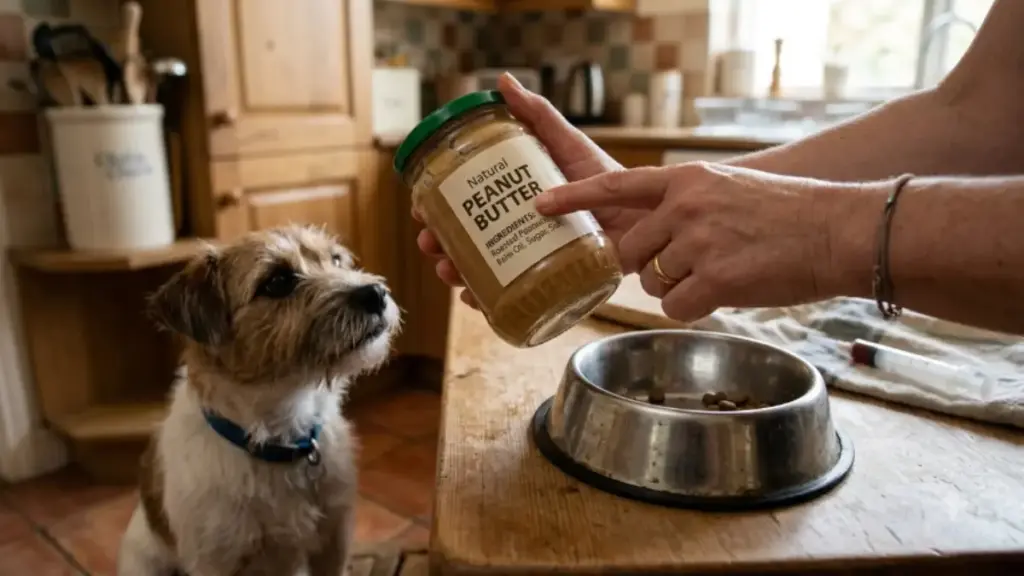
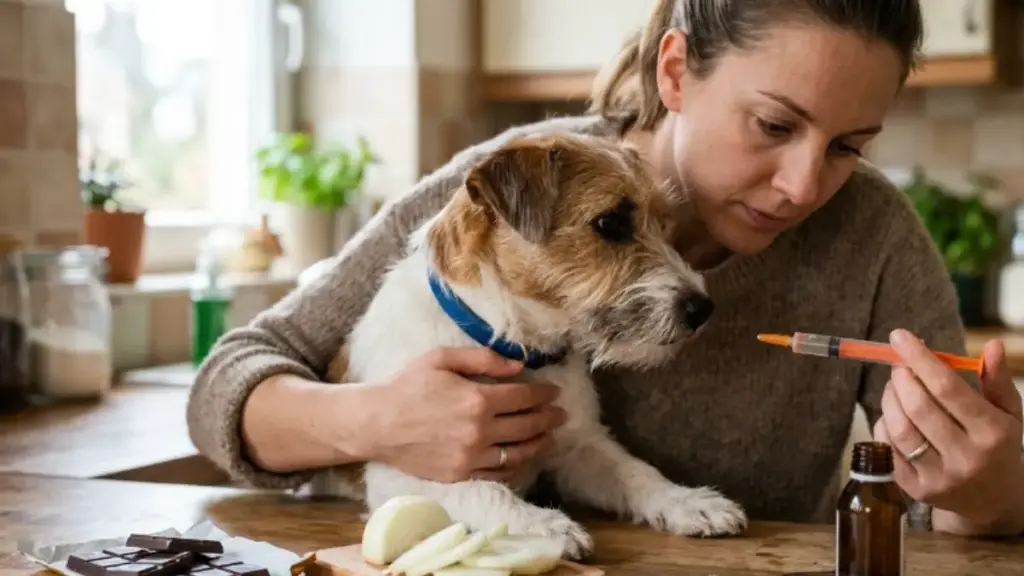
When wrapping pills in human foods, verifying non-toxic ingredients is absolutely essential for safety. Xylitol, a common artificial sweetener in sugar-free peanut butter, causes severe hypoglycemia and liver failure in canines. Chocolate, raisins, onions, and garlic are equally toxic. Checking food labels carefully before you give medicine to a dog prevents accidental poisoning and ensures safe, healthy treat wrappers during home care.
High-Fat Foods That Trigger Pancreatitis in Sensitive Breeds
High-fat food wrappers like greasy bacon, heavy butter, or fatty meat trimmings can trigger acute canine pancreatitis, a severe inflammation requiring emergency veterinary hospitalization. Opt instead for lean disguises like canned pumpkin, low-fat chicken breast, or commercial pill pockets. Selecting healthy, low-fat treats to give medicine to a dog protects digestive wellness while ensuring smooth, safe tablet delivery.
Handling Extremely Aggressive or Uncooperative Canines
If an animal exhibits severe fear-aggression or uncontrollable bite responses, modify your safety setup immediately.
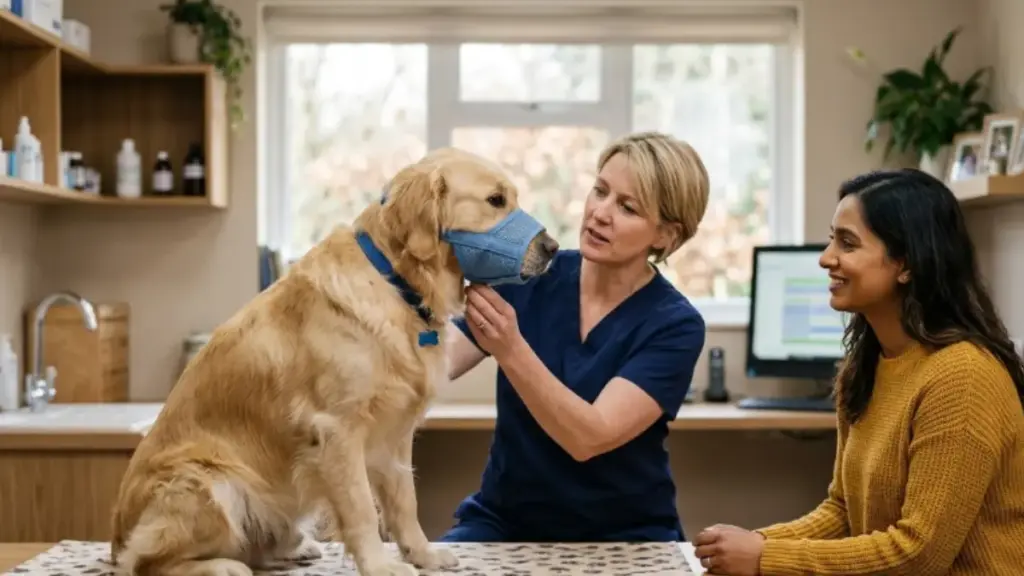
Utilizing E-Collars or Soft Fabric Muzzles for Safe Fixation
For fearful or aggressive pets, safety equipment provides essential bite protection for handlers. Utilizing a soft fabric muzzle or Elizabeth collar holds the jaw securely, allowing handlers to administer pills or liquid doses safely. Applying temporary safety gear when you give medicine to a dog protects human hands from defensive biting while maintaining a controlled, calm environment during necessary medical treatments.
Consulting Veterinarians for Liquid Substitutes or Injectable Formulations
If severe fear-aggression makes oral care impossible at home, never force dangerous physical battles. Consult your veterinarian to discuss alternative therapeutic options, such as flavored liquid suspensions, transdermal ear gels, or long-acting injections. Seeking professional alternatives when trying to give medicine to a dog ensures your pet receives vital treatment safely without damaging human-pet trust or risking physical injury.
Frequently Asked Questions About Giving Dog Medication
What should I do if my dog spits out the pill repeatedly?
Persistent pill ejection indicates suspicious tasting or improper placement on the tongue. Coat tablets completely in sticky treats like dog-safe peanut butter or meat paste so they slide down effortlessly. Alternatively, use a soft-tipped pill gun to place tablets farther back on the tongue, gently closing the snout and stroking the throat until a swallow occurs. These practical methods help owners give medicine to a dog reliably.
Can I crush my dog’s medication and mix it with water?
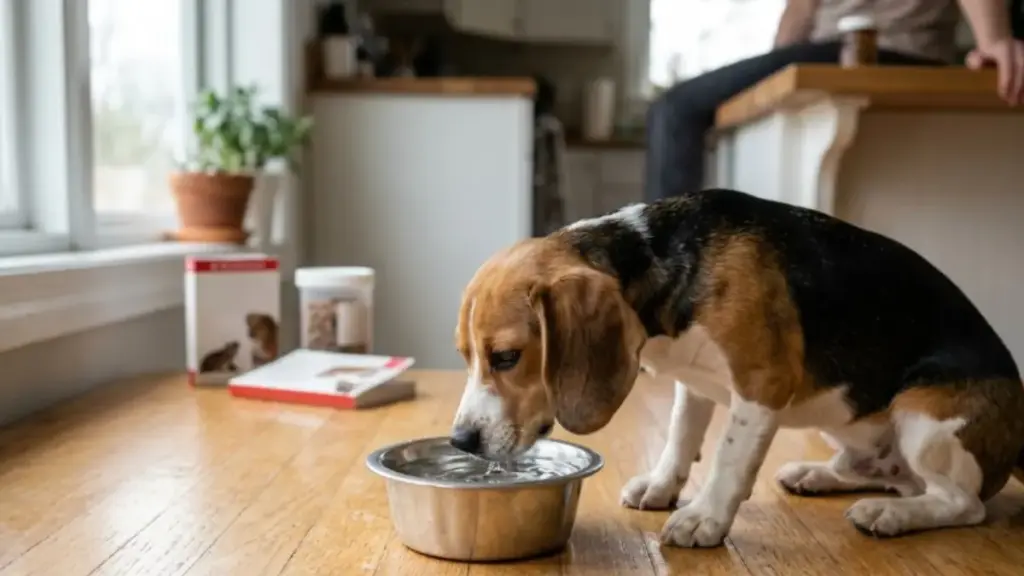
Crushing tablets is permissible only for standard solid pills verified by your veterinarian. Never crush time-release capsules or enteric-coated tablets, as breaking coatings alters dosage delivery and risks stomach irritation. Once approved, dissolve crushed powder into warm bone broth or water and inject slowly via oral syringe into the side cheek pocket. This technique offers a safe way to give medicine to a dog requiring liquid intake.
How do I give liquid medicine to a dog that bites?
Handling liquid medication for aggressive pets requires side-pocket syringe entry rather than direct front mouth insertion. Keep the mouth gently closed, pull back the side lip corner, and insert the syringe tip into the cheek pouch pocket behind the teeth. Depress the plunger slowly in small increments to allow natural swallowing. This cheek-pouch approach enables handlers to give medicine to a dog safely while avoiding bite hazards. Practicing this method keeps daily administration safe and calm.
Mastering Home Care for a Happy, Healthy Canine Companion
Mastering simple home administration techniques transforms stressful medication battles into smooth, routine bonding moments. By understanding canine psychology, utilizing enticing treat disguises, and employing safe physical tools like pill pushers or cheek-pouch fluid administration, you protect yourself from bite risks while ensuring your pet receives essential care promptly. Eliminating unnecessary veterinary clinic assistance fees keeps up to $60 in your pocket for every treatment cycle.
When you regularly give medicine to a dog at home, maintaining patience and positive reinforcement builds mutual confidence. Learning how to give medicine to a dog efficiently becomes an empowering skill that strengthens the lifelong bond between you and your loyal companion. Embracing gentle home care empowers pet owners while ensuring long-term canine wellness.
PLEASE LEAVE A COMMENT TO SHARE YOUR FAVORITE THOUGHTS OR FOLLOW OUR BLOG FOR THE LATEST UPDATES.