

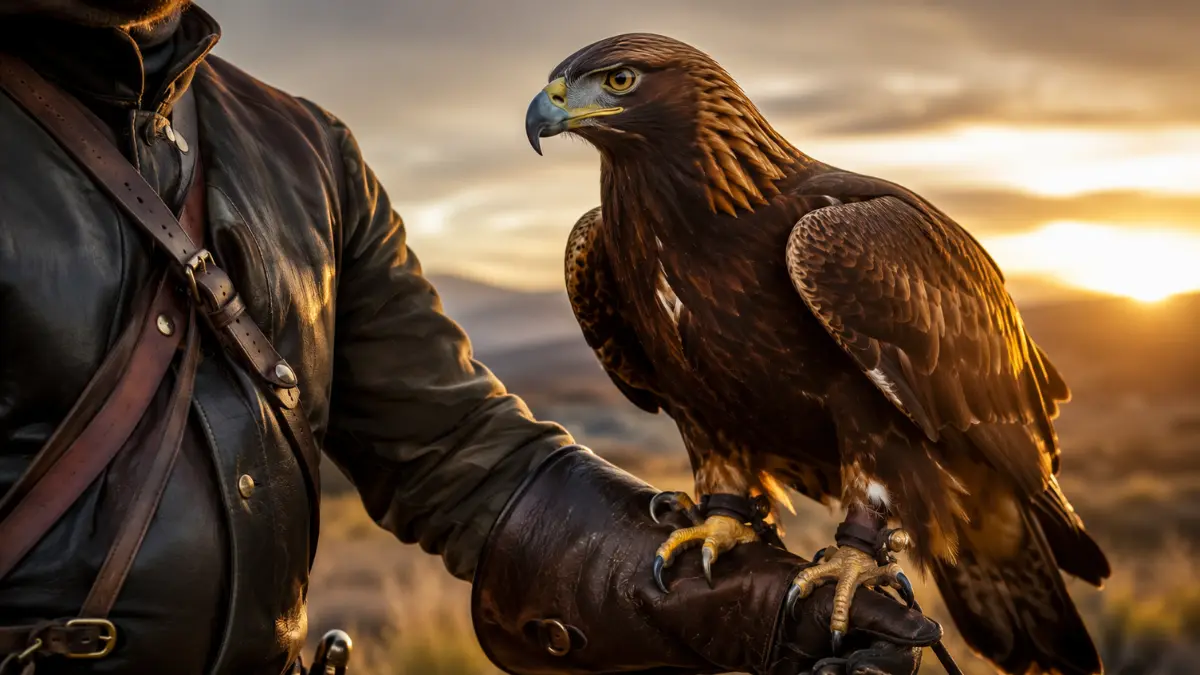

Handling a golden eagle demands an extraordinary commitment of expertise, specialized equipment, and lifetime dedication that completely sets it apart from keeping smaller raptor species or standard falconry birds.
- Core Differences When Keeping a Golden Eagle Compared to Other Eagle Species
- Risk Factors and Safety Hazards of Keeping a Golden Eagle as a Pet
- 5 Crucial Warnings Golden Eagle Owners Must Know Before It’s Too Late
- Practical Scenarios and Tactical Tips for Prospective Golden Eagle Handlers
- Frequently Asked Questions About Golden Eagle Management
- Final Expert Insights on Golden Eagle Management
Keeping a golden eagle is fundamentally different from managing any other raptor because of its sheer crushing power, extreme apex hunting instincts, and rigorous biological demands. Unlike smaller hawks or falcons, this species possesses the physical force to inflict life-threatening injuries, requires massive flight spaces, and demands strict adherence to federal licensing and weight management protocols.
Core Differences When Keeping a Golden Eagle Compared to Other Eagle Species
Apex Hunting Nature and Superior Physical Strength
Comparing Talon Grip Force and Wingspan Between the Golden Eagle, Bald Eagle, and Wedge-Tailed Eagle
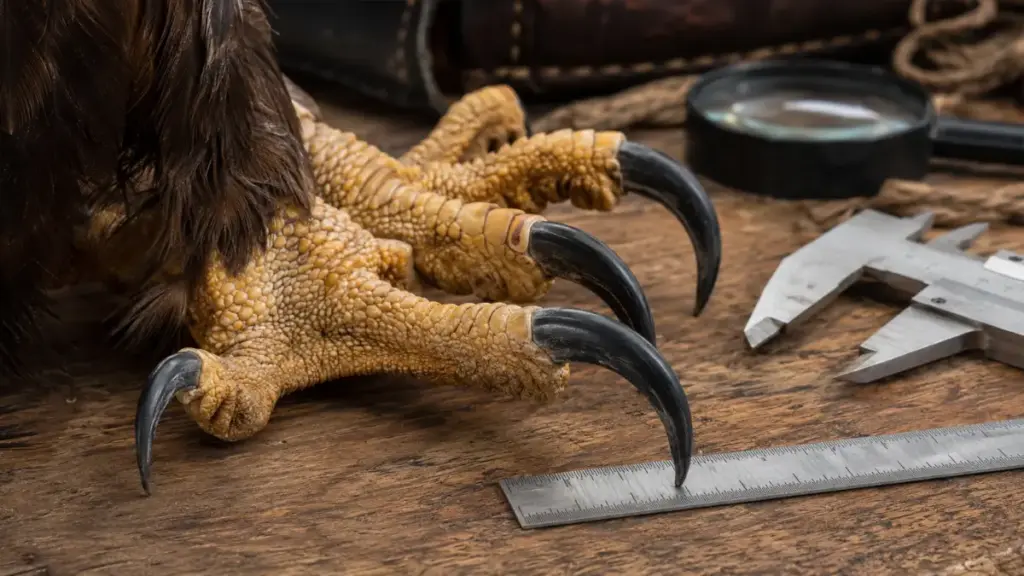
The crushing force exerted by the talons of a golden eagle easily reaches over 400 pounds per square inch, vastly outmatching the grip strength of most other birds of prey. While a Bald Eagle boasts an impressive wingspan, its feet are evolved primarily for catching slippery fish, meaning its grip dynamics differ from the terrestrial hunting structure
Similarly, while the Wedge-tailed Eagle possesses a comparable wingspan, the sheer muscle mass anchored to the hallux claw of a golden eagle gives it superior holding power designed to immobilize large prey. Managing this physical strength requires specialized leather equipment that standard raptor handlers never need to deploy.
Aggression Levels and Natural Instincts for Hunting Large Mammals in the Wild
In native environments, the golden eagle targets sizable mammals ranging from hares and foxes to young ungulates like deer and mountain goats. This innate mammalian hunting drive makes far more reactive to ground-based movement than fish-eating or bird-hunting raptors. When kept in captivity, these predatory instincts do not diminish; they must be carefully channeled through rigorous training protocols. An unexpected flash of movement from a pet or farm animal can trigger an immediate strike response from a golden eagle, making constant vigilance mandatory for any handler working with this apex predator.
Living Space Requirements and Isolated Training Environments
Minimum Aviary Volume for a Golden Eagle Versus Medium-Sized Eagle Species
Constructing an enclosure for requires immense space far exceeding standard raptor housing blueprints. The minimum aviary volume for a golden eagle must accommodate a wingspan exceeding seven feet without risking feather abrasion against walls or perches. While medium-sized eagles can thrive in traditional mews,a heavy-duty continuous flight enclosure built with reinforced steel framing, specialized rubberized meshing, and weather-resistant shelters. Inadequate housing dimensions inevitably lead to damaged flight feathers, severe foot bumblefoot infections, and chronic psychological distress for a captive.
Daily Flight Exercise Pressures to Maintain Physical Stamina and Mental Stability
Providing adequate exercise for a golden eagle involves far more than brief perching sessions or short tethered flights. To maintain cardiovascular health and psychological balance, requires open space to perform long-distance stoops and soaring maneuvers daily. Without intense physical exertion, quickly develops behavioral neuroses, excessive vocalization, and physical atrophy. Handlers must dedicate hours each day to traveling to remote, wide-open terrain where can fly freely without posing a risk to bystanders or domestic animals.

Risk Factors and Safety Hazards of Keeping a Golden Eagle as a Pet
Raw Meat Diets and Prohibitive Upkeep Costs
Need for Fresh Whole Prey Consumption Rather Than Commercial Frozen Foods
Feeding a golden eagle is a highly specialized task that cannot be satisfied using standard pet shop meats or commercial frozen diets. A healthy requires a continuous supply of whole prey, including intact rabbits, game birds, and large rodents, complete with bones, fur, and internal organs. Processed meats lack the vital roughage and nutritional balance required for a golden eagle to form normal castings and digest food properly. Sourcing high-quality, disease-free whole prey in large quantities creates a continuous financial and logistical burden for anyone maintaining.
Calcium Deficiencies and Micronutrient Risks Without a Standardized Menu
Failing to supply a complete whole-prey diet introduces severe health hazards, most notably metabolic bone disease caused by calcium deficiencies. When a golden eagle is fed muscle meat alone without bone meal and organ tissue, its body strips calcium directly from its skeleton to maintain metabolic function. This leads to brittle bones, joint deformities, and eventual paralysis in a growing golden eagle. Formulating a precise nutritional menu rich in essential vitamins, trace minerals, and natural fats is vital to preserving the structural integrity and long-term vitality of a golden eagle.

Life-Threatening Risks for Handlers and Surrounding Communities
Severe Traumatic Injuries Caused by Sharp Talons During Sudden Stress
Even an accidental movement by a golden eagle can result in catastrophic physical injuries to its handler. If becomes startled by a sudden noise or visual trigger, its reflex is to grip its perch—which is often the handler’s arm. The talons of can easily puncture deep muscle tissue, sever tendons, and crush human arm bones within seconds. Emergency medical intervention is frequently required when binds to a human handler, making specialized physical conditioning and thick, multi-layered arm guards essential equipment.
Direct Threats to Small Domestic Pets and Children in Living Areas
The inherent hunting drive of a golden eagle makes it fundamentally unsafe around small children and domestic pets. In a residential or semi-rural environment, a golden eagle views small dogs, cats, and livestock not as companions, but as immediate prey targets. Leaving a unsecured or flying it near populated areas creates a massive liability, as the bird can instantly target small animals from hundreds of yards away. Ensuring absolute safety requires isolated training zones completely devoid of public foot traffic or domestic pets.
5 Crucial Warnings Golden Eagle Owners Must Know Before It’s Too Late
Strict Legal Barriers and Master Falconry Certification Requirements
International and Local Legal Regulations Governing Golden Eagle Possession
Possessing a golden eagle is strictly regulated under international wildlife treaties and local conservation laws across the globe. In the United States, for example, the Bald and Golden Eagle Protection Act along with the Migratory Bird Treaty Act impose severe criminal penalties for unauthorized possession. Permits are granted exclusively to master-level falconers, legitimate scientific institutions, or certified rehabilitation centers. Securing legal clearance to house involves extensive background checks, property inspections, and rigorous paperwork that can take years to process.
More Read

Mandatory Multi-Year Apprenticeship and High-Level Master Falconry Credentials
You cannot simply purchase or capture a golden eagle as a beginner or intermediate bird enthusiast. Federal and state laws require an individual to complete a mandatory two-year apprenticeship as an Apprentice Falconer, followed by five years as a General Falconer, before achieving Master Falconer status. Only after demonstrating years of successful experience handling smaller raptors like Red-tailed Hawks or Harris’s Hawks can a master falconer apply for a special permit to capture or hold.

Weight Control Precision and Advanced Energy Management
Daily Weight Monitoring Protocols to Control Hunting Responsiveness
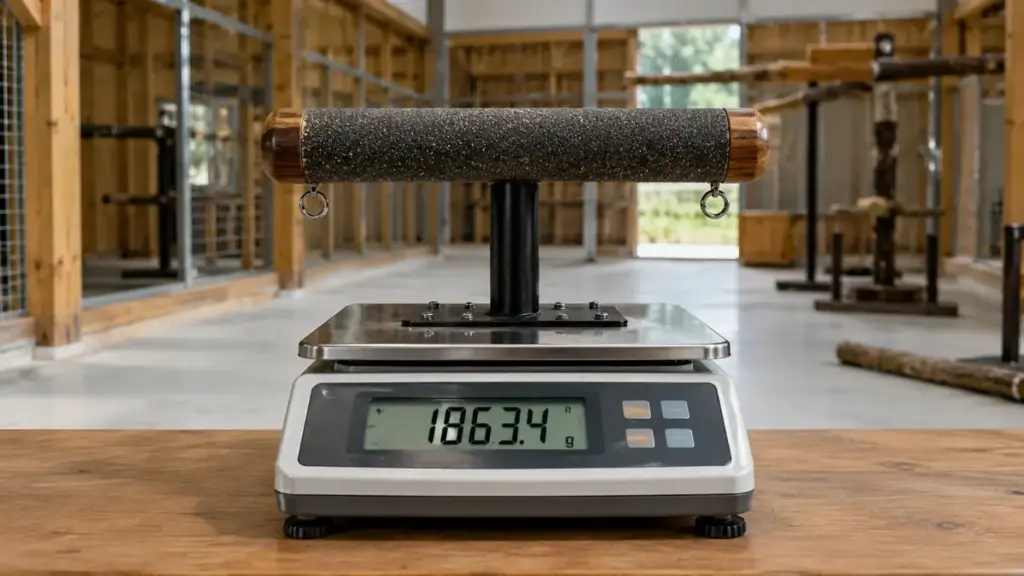
Managing a golden eagle requires daily precision weighing using high-accuracy digital scales calibrated to the single gram. A responds to training cues based strictly on its metabolic hunger drive; if the bird is overfed, it becomes completely unresponsive and may fly away or roost in trees for days. Conversely, if a golden eagle drops too far below its ideal hunting weight, it loses muscular strength and becomes susceptible to fatal bacterial infections. Handlers must maintain a detailed log tracking daily food intake, weather temperature, and weight fluctuations.
Severe Consequences of Sudden Overweight or Underweight Conditions
Extremes in weight fluctuation carry devastating consequences for a captive golden eagle. An overweight golden eagle lacks the motivation to return to the fist, increasing the risk of loss during free flight exercises. On the other hand, rapid weight loss leads to hypoglycemic shock, muscle wasting, and fatal organ failure in. Mastering the balance between exercise expenditure, ambient outdoor temperature, and caloric intake requires decades of hands-on raptor management expertise.
Multi-Decadal Time and Financial Commitments
Decades-Long Lifespan Requiring a Lifetime Dedication From the Owner
A healthy golden eagle kept in captivity can easily live between 30 to 50 years, often outliving its original handler. Taking in not a temporary hobby; it is a multi-decadal commitment that dictates your daily routine, vacation plans, and living arrangements for life. Entrusting a golden eagle to a casual pet sitter is impossible due to the advanced technical skills required to feed, weigh, and handle the bird safely. Handlers must prepare long-term estate plans to ensure their is cared for if they become incapacitated.
Prohibitive Specialized Veterinary Care Costs for Large Raptors
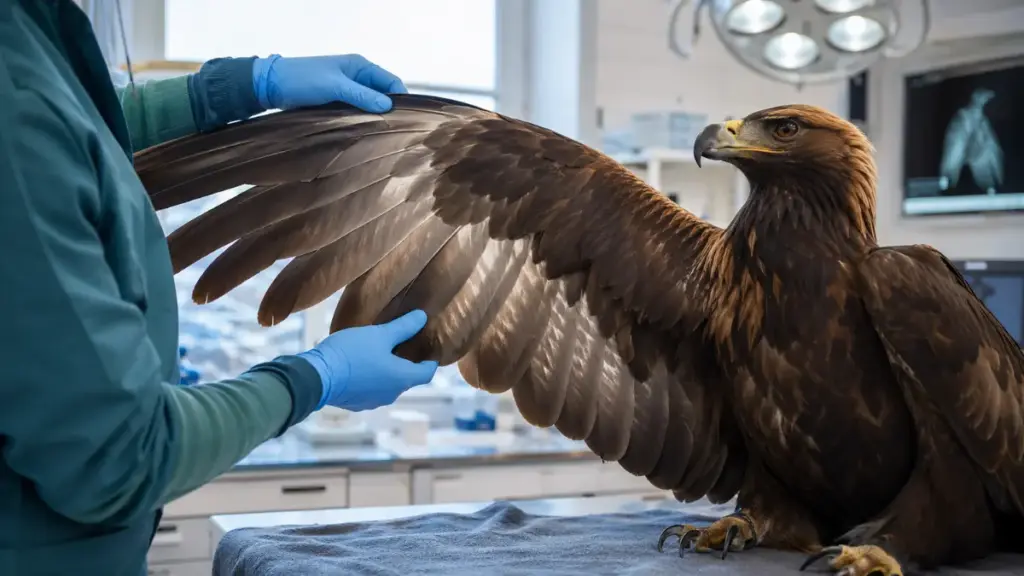
Veterinary care for a golden eagle requires avian specialists who possess equipment large enough to accommodate a massive raptor. Routine health checkups, blood work, feather imping, and emergency surgeries for cost thousands of dollars per visit. Furthermore, diagnostic procedures like digital x-rays, endoscopy, and anesthesia require specialized veterinary facilities equipped for mega-raptors. Owners must maintain significant financial reserves dedicated exclusively to the ongoing medical needs of their golden eagle.
Mandatory Professional Protective Equipment
Using Extra-Thick Leather Gauntlets, Hoods, and Heavy-Duty Jesses
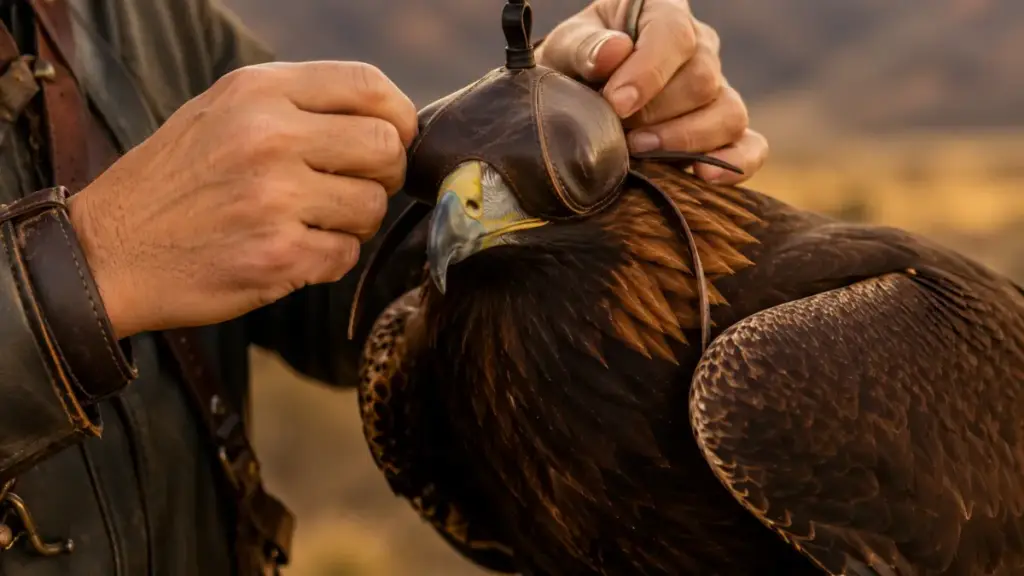
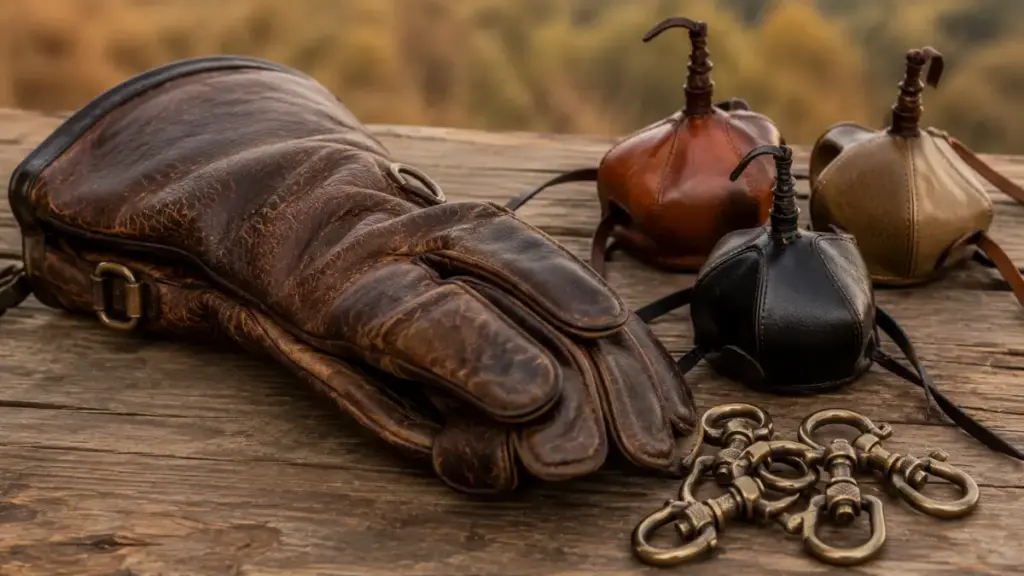
Standard falconry gauntlets made for hawks are completely useless against the crushing pressure of a golden eagle. Handlers must wear custom-crafted, triple-layered elk or bison hide gauntlets that extend above the elbow to shield against talon punctures. Additionally, a properly fitted leather hood is crucial to keep the golden eagle calm by removing visual stimuli during transport. Heavy-duty leather or synthetic jesses, swivels, and leash lines rated for high tensile strength are non-negotiable safety items when tethering a golden eagle.
Respecting the raw power, legal requirements, and biological needs of a golden eagle is the fundamental difference between successful master falconry and dangerous negligence.
Anna Miller
Common Errors with Homemade Equipment Causing Catastrophic Injuries
Attempting to craft homemade equipment or using subpar leather gear is a major cause of injury for both the handler and the golden eagle. Weak jesses can snap during a sudden bate, allowing a golden eagle to escape into the wild with gear attached, which often leads to entanglement and starvation. Poorly fitted hoods cause eye abrasions, while inadequate gloves result in severe talon punctures through the leather. Only field-tested, master-crafted equipment designed specifically for should ever be used.
Mental Preparedness for Behavioral Crises
Cage Biting, Screaming, and Aggression During Molting and Breeding Seasons
During annual molting periods and seasonal breeding cycles, a golden eagle undergoes intense hormonal shifts that alter its temperament. A normally docile golden eagle may exhibit extreme territorial aggression, persistent cage biting, and loud vocal screaming inside its aviary. These behavioral crises can last for months, testing the patience and psychological endurance of the handler. Understanding that these outbursts are driven by natural endocrine changes rather than spite is critical to maintaining a professional relationship.
Optimal Psychological Interventions to Soothe a Distressed Bird Without Violence
Correcting behavioral issues in a golden eagle requires positive reinforcement, physical restraint adjustments, and environmental modifications—never physical punishment. Attempting to use force or physical punishment against an aggressive golden eagle destroys trust instantly and will cause the bird to defend itself using its powerful beak and talons. Handlers use hooding techniques, reduced lighting, weight adjustment, and desensitization routines to calm a stressed safely while maintaining complete trust.
Read more: 2 successful breeding methods between the bald eagle and golden eagle for dark brown plumage!

Practical Scenarios and Tactical Tips for Prospective Golden Eagle Handlers
Evaluating Personal Readiness Before Acquiring a Bird
Checklist for Financial Capacity, Time Availability, and Housing Space
Before taking any steps toward acquiring a golden eagle, prospective handlers must evaluate their lifestyle against a strict personal capability checklist:
- Financial Capital: Do you have $15,000–$30,000 annually reserved for custom facilities, whole-prey nutrition, and specialized veterinary emergencies for a golden eagle?
- Time Commitment: Can you dedicate 3 to 5 hours every single day, 365 days a year, without exception, to flying, feeding, and cleaning up after a golden eagle?
- Property Size: Do you own multiple acres of rural land situated far from suburban developments, public roads, and dense pet populations?
Apprenticeship Roadmap Working Alongside Master Falconry Experts
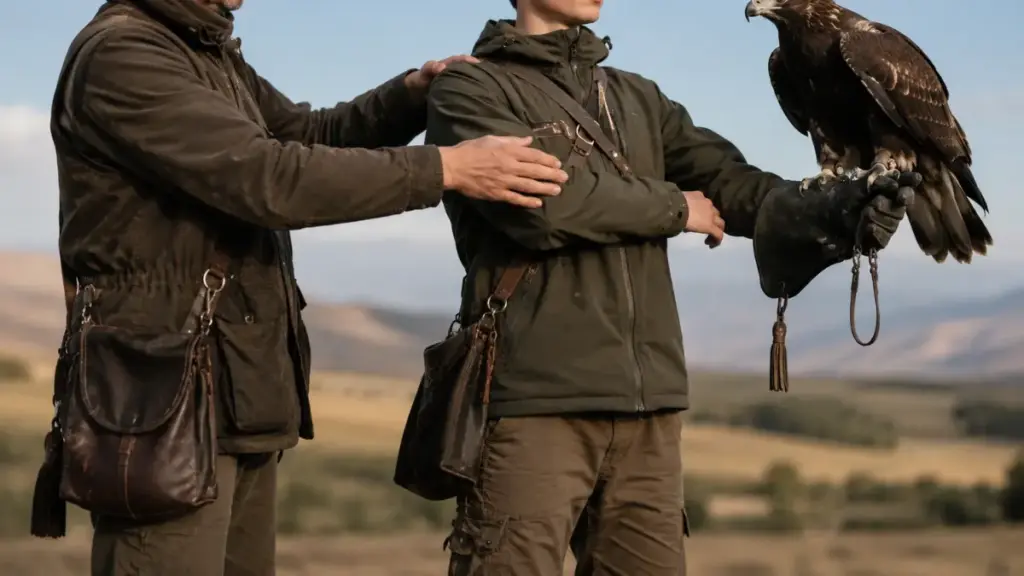
The only legal and safe pathway to handling a golden eagle is committing to a long-term mentorship under an experienced Master Falconer who specializes in large raptors. Working alongside a veteran mentor provides hands-on experience in managing bate responses, fitting hoods, and reading body language before taking on the massive legal liability yourself. This apprenticeship ensures that you develop muscle memory and emotional calm long before stepping into an enclosure with a live.
Emergency Response Procedures When Control Is Compromised
De-escalation Protocol and Physical Control Procedures During Accidental Attacks
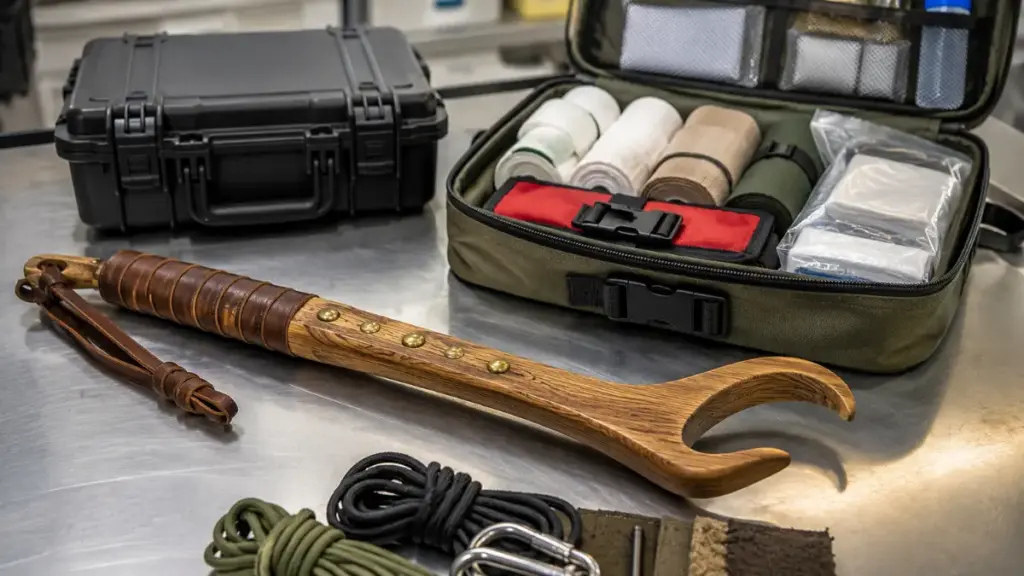
If a golden eagle grabs a handler’s arm or foot in a foot-binding attack, remaining calm is vital to survival. Pulling away instinctively triggers the raptor to tighten its grip further, driving the talons deeper into tissue. The de-escalation protocol requires the handler to pry back the rear hallux claw using a specialized claw pry tool or heavy leather wedge with their free hand while covering the head of the golden eagle with a jacket or hood to disrupt its visual focus.
Establishing a 24/7 Specialized Avian Veterinary Support Network
Emergency medical situations with a golden eagle occur without warning, from deep talon wounds to acute crop impactions. Handlers must establish direct contracts with certified avian veterinarians who remain on call 24 hours a day, 7 days a week. Having a dedicated avian hospital on speed dial, equipped with raptor-specific antibiotics, surgical suites, and trauma transport boxes, ensures immediate medical intervention if your golden eagle experiences a sudden health crisis.
Frequently Asked Questions About Golden Eagle Management
Can a Beginner Falconer Start Training a Golden Eagle Immediately?
No, a beginner falconer cannot start training a golden eagle immediately. Wildlife regulations strictly require an individual to complete a two-year apprenticeship and several years as a General Falconer before earning Master Falconer status. Only Master Falconers with specific state and federal authorizations are legally permitted to possess or train a golden eagle.
How Much Does it Cost Annually to Maintain a Golden Eagle?
Maintaining a golden eagle costs anywhere from $10,000 to over $25,000 per year, excluding initial construction costs for heavy-duty aviaries. High annual expenses stem from massive quantities of fresh whole prey, custom triple-layered bison gauntlets, specialized transportation vehicles, and high-level avian veterinary care required for a golden eagle.
What Is the Total Lifespan of a Captive Golden Eagle?
In captive environments with optimal whole-prey nutrition and professional medical care, a golden eagle can live between 30 and 50 years. This extreme longevity requires a lifetime commitment from the handler, as the bird will often outlive its original owner’s ability to fly it actively.
Final Expert Insights on Golden Eagle Management
Managing a golden eagle represents the absolute pinnacle of raptor stewardship, demanding elite technical proficiency, immense physical strength, and total dedication to apex predator care.
PLEASE LEAVE A COMMENT TO SHARE YOUR FAVORITE THOUGHTS OR FOLLOW OUR BLOG FOR THE LATEST UPDATES.