

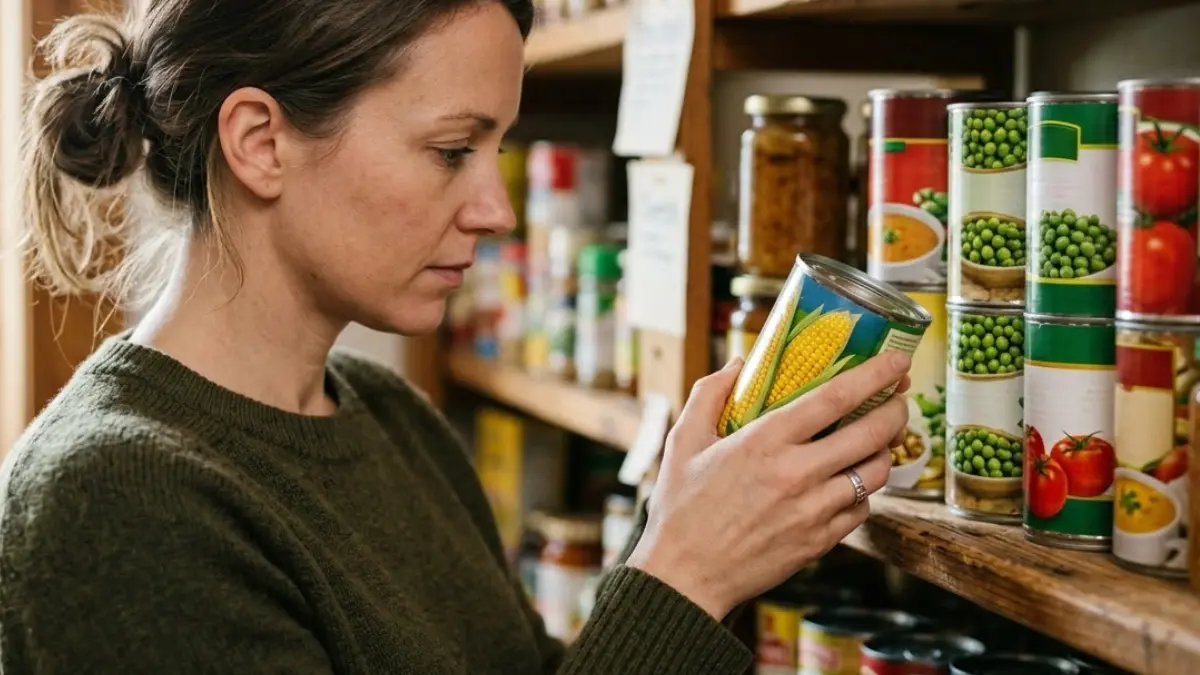

Many people rely on canned vegetables as a quick and cheap daily meal option, but could this habit be silently damaging your health? While convenient, eating canned vegetables every day introduces excess sodium, preservatives, and potential BPA exposure into your diet. Uncover the exact health risks of canned vegetables and check these 7 warning signs to know if you should stop eating them right now.
- The Unspoken Truth About Consuming Canned Vegetables Every Single Day
- Nutritional Degradation: What Happens to Canned Vegetables During High-Heat Processing?
- 7 Warning Signs You Should Stop Eating Canned Vegetables Immediately
- Strategic Solutions and Safer Alternatives to Canned Vegetables
- Frequently Asked Questions About Canned Vegetables
- Protecting Your Long-Term Health While Using Canned Vegetables
Eating canned vegetables every day is not inherently toxic, but doing so without precautions can lead to excessive sodium consumption, exposure to chemical lining compounds like Bisphenol A (BPA), and a noticeable deficit in heat-sensitive vitamins.
The Unspoken Truth About Consuming Canned Vegetables Every Single Day
Incorporating preserved produce into a daily routine provides unmatched convenience and long shelf-life. However, relying on these processed goods every day introduces subtle physiological stresses that often go unnoticed until symptoms manifest.

Elevated Sodium Content and Systemic Cardiovascular Risks
Commercially processed produce relies heavily on sodium chloride to extend shelf life and preserve texture over long periods.
Industrial Preservation and Sodium Load
Manufacturers utilize heavy brine solutions during the canning process. This industrial preservation method infuses high concentrations of sodium directly into the cellular structure of the ingredients. As a result, a single serving of canned vegetables can easily provide up to one-third of the recommended daily limit for sodium intake.
Systemic Impacts on Blood Pressure and Renal Function
Continuous high sodium intake forces the vascular system to retain fluid, significantly increasing blood volume. Over time, this fluid retention raises systemic arterial pressure and forces the kidneys to work continuously under high filtration loads, potentially triggering chronic vascular stiffness and renal strain.
Read more: 15 Fiber Supplement Foods to Pair with Ramen That Even Veggie Haters Will Love
Bisphenol A (BPA) Contamination and Can Lining Hazards
Beyond ingredient additives, the physical packaging of shelf-stable goods poses distinct bio-chemical concerns through plasticizer exposure.
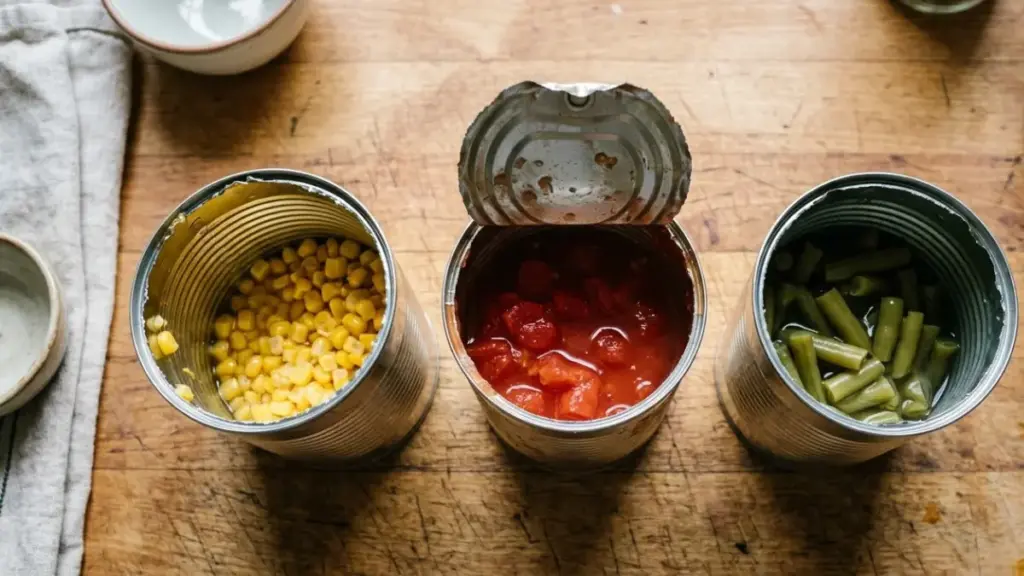
Leaching Mechanisms of BPA into Preserved Foods
Many metal containers feature an internal epoxy resin lining designed to prevent acidic corrosion of the tin or aluminum. These linings frequently contain Bisphenol A (BPA) or similar chemical substitutes. Over prolonged storage, especially when exposed to ambient temperature fluctuations, these synthetic compounds migrate directly into the stored food.
Endocrine Disruption and Immune System Modulation
Once absorbed into the human body, BPA acts as a xenoestrogen, mimicking natural hormones and binding to endocrine receptors. Regular ingestion of items stored in these cans can disrupt hormonal equilibrium, impair thyroid function, and induce low-grade systemic inflammation that alters immune system responses over time.
Nutritional Degradation: What Happens to Canned Vegetables During High-Heat Processing?
The transformation of farm-fresh produce into shelf-stable goods requires intense thermal treatment, fundamentally altering the nutritional architecture of canned vegetables.
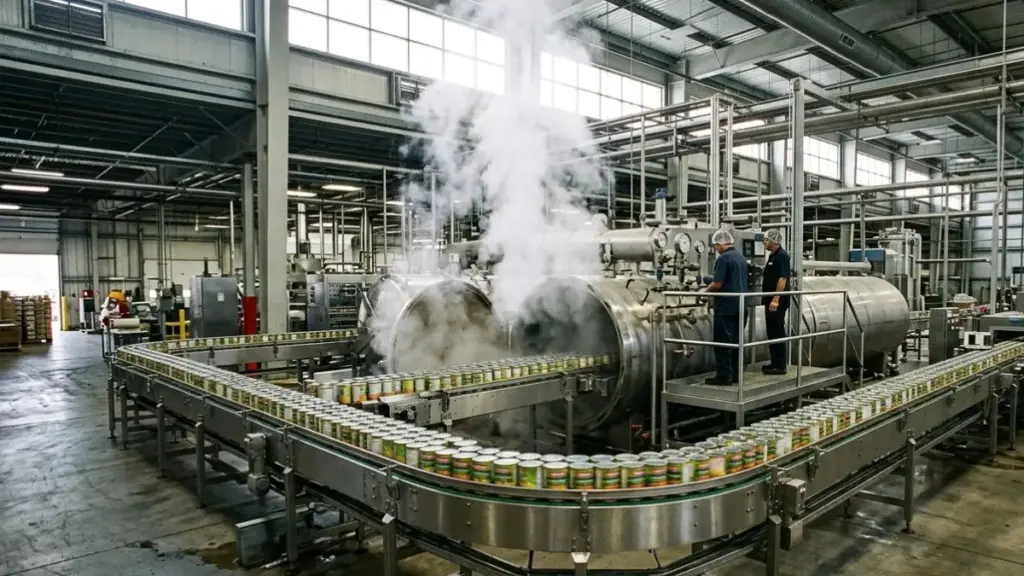
Thermal Sterilization and Vitamin Destruction
Industrial canning relies on retort sterilization—heating food containers to high temperatures under pressure to eliminate bacterial pathogens like Clostridium botulinum.
Thermal Degradation of Water-Soluble Micronutrients
This high-heat sterilization process is particularly destructive to water-soluble vitamins. Micronutrients such as Vitamin C and various B-complex vitamins break down rapidly under heat, causing processed items to retain significantly lower micronutrient concentrations than fresh alternatives.
Alteration of Antioxidant Profiles
While certain fat-soluble antioxidants like lycopene become more bioavailable through heating, many delicate polyphenols, flavonoids, and natural phytonutrients are degraded. The prolonged exposure to liquid media inside the container further causes these remaining nutrients to leach out of the plant matter.
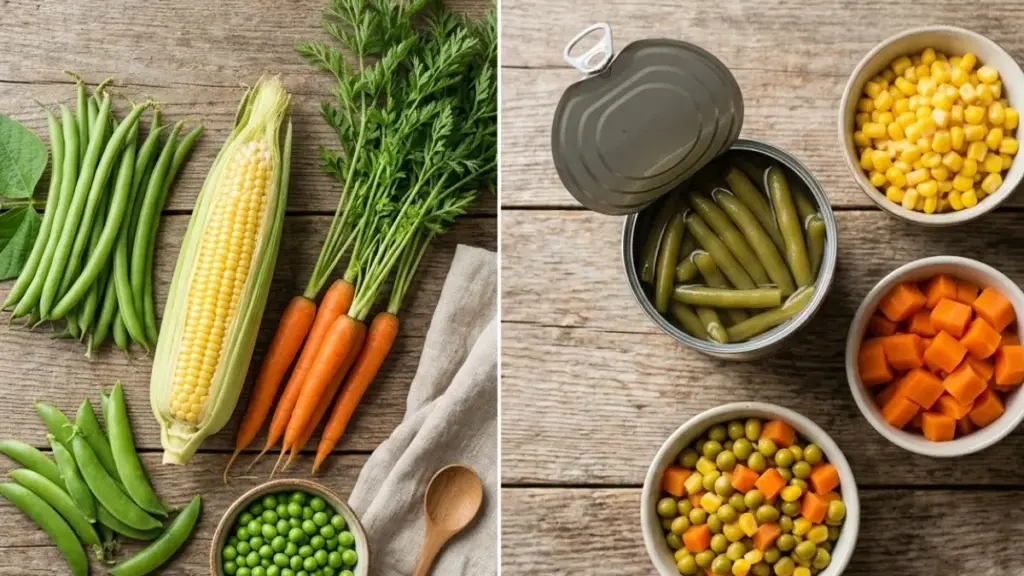
Structural Fiber Alteration and Digestive Mechanics
The physical texture of preserved produce differs markedly from raw or lightly steamed plants due to extended cooking cycles.
Softening of Plant Cell Walls and Dietary Fiber Shifts
Extreme heat breaks down pectin and hemicellulose within the cell walls of plant tissue. This softening reduces the structural integrity of insoluble fiber, accelerating gastric emptying but diminishing the beneficial bulk needed for optimal digestive motility.
Loss of Natural Live Enzymes for Microbiome Support
Fresh plant foods carry natural enzymes that assist initial enzymatic breakdown in the digestive tract. Thermal processing completely deactivates these natural compounds, placing the full burden of digestion entirely on pancreatic and intestinal secretions while reducing substrate variety for beneficial gut bacteria.
Balancing modern convenience with nutritional awareness is key to long-term vitality. Mindful preparation transforms simple pantry staples like canned vegetables into safer, healthier components of a well-rounded diet.
Jame
7 Warning Signs You Should Stop Eating Canned Vegetables Immediately
When daily intake of preserved foods exceeds your body’s tolerance for sodium, preservatives, or chemical residues, clear physical indicators emerge.
More Read


Gastrointestinal and Metabolic Warning Signs
The digestive tract is often the first system to manifest adverse reactions to excess processed food consumption.
Persistent Abdominal Bloating and Gastric Acid Reflux
Consistently eating canned vegetables packed with high sodium and artificial preservatives can cause significant water retention in the gut tissue and disrupt stomach acid balance. This frequently presents as chronic bloating, persistent gas, and uncomfortable acid reflux shortly after meal consumption.
Chronic Cravings Caused by Micronutrient Deficiencies
Because thermal processing reduces the density of active micronutrients, your body may register a state of hidden hunger. Despite consuming adequate calories, relying exclusively on processed greens can leave your metabolism searching for vital minerals, triggering continuous sugar or carb cravings throughout the day.

Systemic and Physiological Warning Signs
Beyond local gut issues, daily consumption of preserved pantry items can induce systemic physiological strain across multiple organ systems.
Fluctuating Blood Pressure and Peripheral Edema
If you notice unusual swelling in your fingers, ankles, or face (edema) alongside rising blood pressure readings, excess sodium from packaged produce is a likely contributor. The body retains extra fluid to balance serum sodium levels, creating vascular tension.
Persistent Fatigue Despite Adequate Caloric Intake
Feeling chronically lethargic despite eating regular meals can point to systemic inflammation or chemical overburden. Chemical compounds like BPA, combined with lower dietary bioavailability, force the liver and kidneys to work harder, draining overall daily energy levels.

Unexplained Skin Breakouts and Low-Grade Inflammation
Synthetic additive exposure can manifest externally through the skin. If your diet relies heavily on processed goods and you develop sudden dermal sensitivity, redness, or acne, your body may be responding to accumulated chemical linings or excess salt loads.
Frequent Headaches and Vascular Tension
Unusually frequent tension headaches can result from rapid sodium spikes and mild fluid imbalance. Regularly consuming canned vegetables high in sodium triggers subtle vascular contractions that often translate into persistent frontal headaches.

Irritable Bowel Disturbances and Stool Irregularity
A sudden shift from fresh produce to canned items can disrupt bowel regularity due to altered fiber structures and lack of living enzymes. Chronic diarrhea or alternating constipation frequently signals that your gut microbiome is struggling with preserved food sources.
Read more: 4 Shocking Side Effects of Eating Overnight Oats You Must Know!
Strategic Solutions and Safer Alternatives to Canned Vegetables
You do not need to eliminate convenience foods entirely, but implementing specific preparation strategies can significantly mitigate the health risks associated with canned vegetables.

Preparation Techniques to Minimize Sodium and Additives
Simple kitchen practices can drastically lower the chemical and salt footprint of preserved produce.
Rinsing Protocols to Reduce Residual Sodium
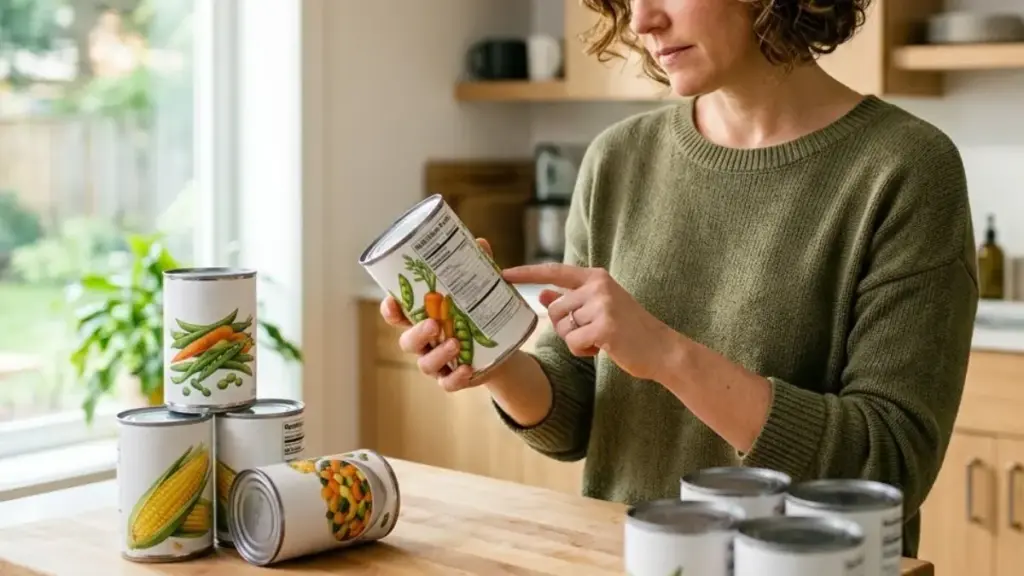
Draining the liquid media and rinsing the ingredients thoroughly under cold running water for at least two minutes can remove up to 40% of the added surface sodium. This simple step substantially lowers the glycemic and renal burden of your meal.
Selecting Glass Jars and BPA-Free Packaging
When purchasing preserved goods, prioritize glass jars or cartons over traditional metal cans. These containers eliminate the threat of synthetic resin migration into your food, protecting your endocrine system from synthetic compound accumulation.
Long-Term Dietary Optimization for Busy Lifestyles
Transitioning away from a total reliance on shelf-stable goods requires a balanced approach to meal prep.
Combining Frozen, Fresh, and Canned Options
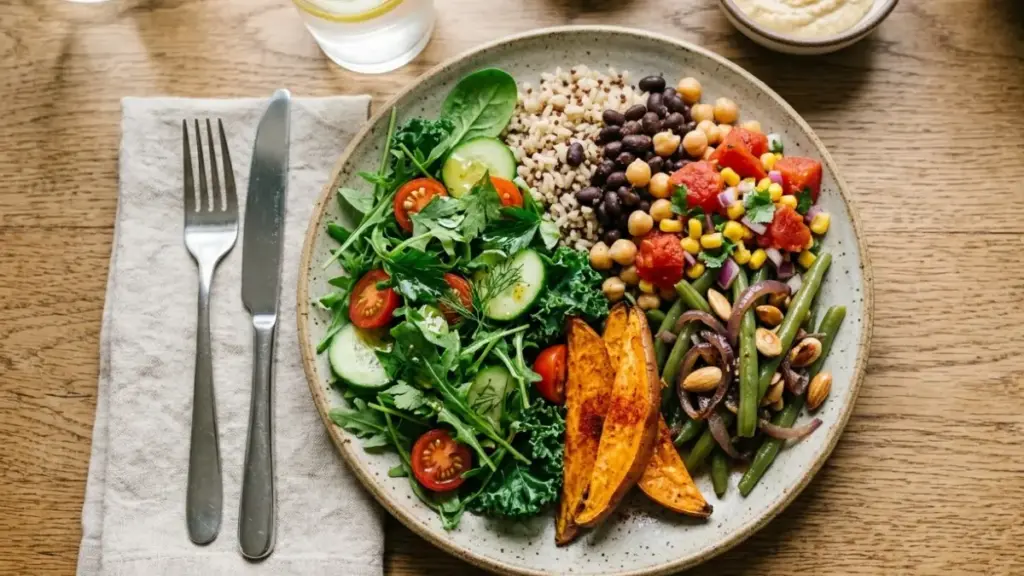
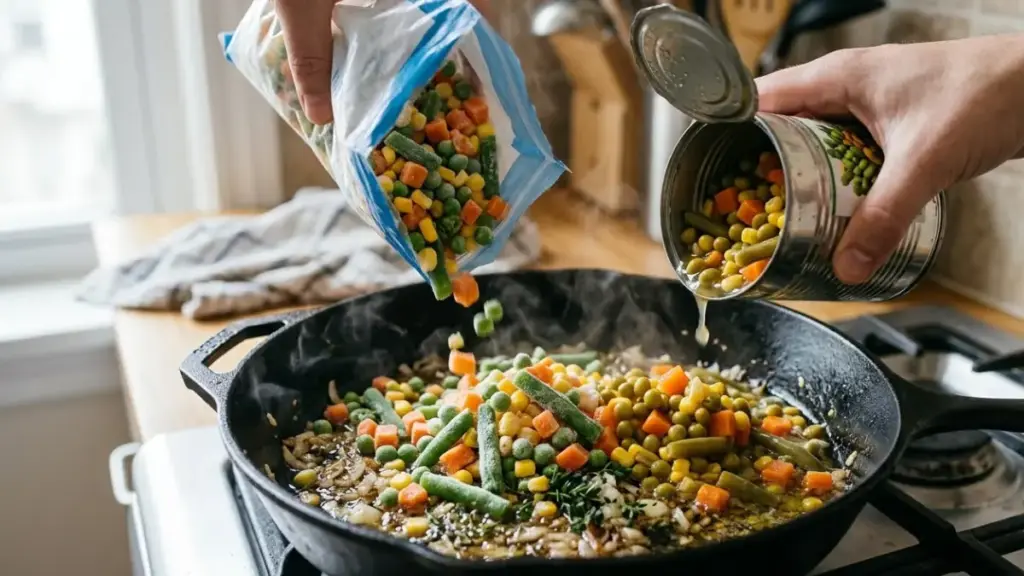
Flash-frozen alternatives often retain higher levels of sensitive vitamins because they are frozen immediately after harvest without extensive high-heat sterilization. Blending frozen produce with fresh raw greens creates a nutrient-dense foundation.
Establishing Safe Weekly Consumption Ratios
Rather than eating canned vegetables daily, limit their role to emergency backup or convenience options 2–3 times per week. Rotating your produce sources ensures diverse fiber intake and prevents compound accumulation from single packaging methods.
Frequently Asked Questions About Canned Vegetables
Does rinsing canned vegetables remove all the sodium?
Rinsing removes a significant portion of surface sodium—typically between 30% and 40%. However, because salt penetrates the vegetable tissue during processing, rinsing cannot eliminate all added sodium entirely.
Are frozen vegetables healthier than canned vegetables?
Yes, in most cases. Frozen vegetables are blanched quickly and flash-frozen at peak ripeness, preserving heat-sensitive vitamins and antioxidants better than canned vegetables, which undergo prolonged high-heat sterilization. Additionally, frozen options rarely contain added sodium or chemical preservatives.
How can I tell if a can contains BPA linings?
Look for explicit “BPA-Free” labels on the packaging. Many modern brands now use alternative linings made from acrylic or polyester, or offer foods stored in glass jars, which eliminate the risk of chemical leaching.
Protecting Your Long-Term Health While Using Canned Vegetables
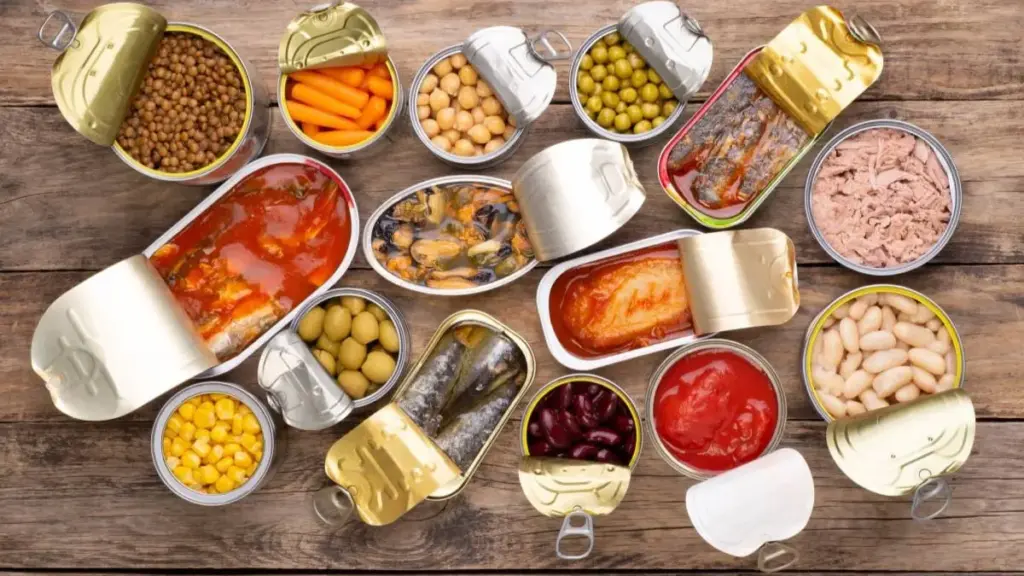
While canned vegetables offer undeniably convenient solutions for modern meal planning, using them every day can introduce silent dietary risks through sodium overload, reduced micronutrient density, and exposure to container linings. By learning to identify physical warning signs, rinsing preserved produce thoroughly, and alternating with fresh or frozen choices, you can protect your digestive and metabolic health without sacrificing convenience.
PLEASE LEAVE A COMMENT TO SHARE YOUR FAVORITE THOUGHTS OR FOLLOW OUR BLOG FOR THE LATEST UPDATES.