


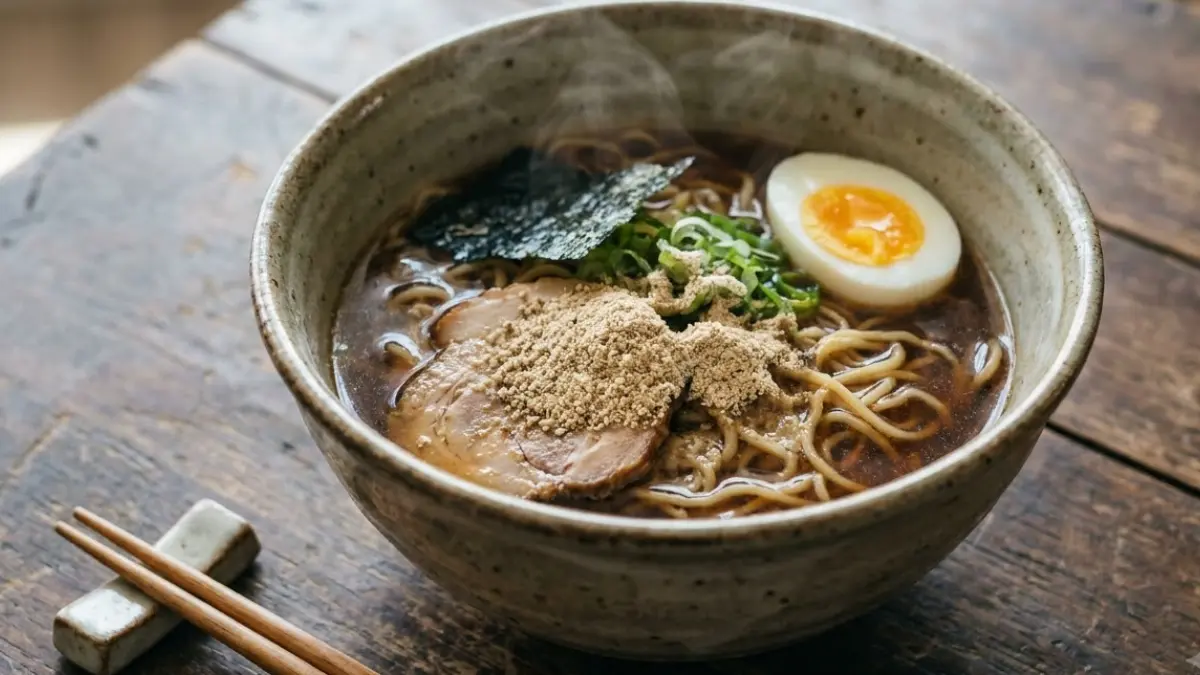
Getting enough dietary fiber can be a constant struggle for individuals who genuinely dislike the taste or texture of traditional vegetables. Instant ramen remains a comforting, quick meal favorite, but it naturally lacks the essential nutrients needed for healthy digestion. Fortunately, you do not have to force yourself to eat raw leafy greens to maintain a balanced, gut-friendly diet.
- Why Adding a Fiber Supplement to Your Ramen Is the Ultimate Veggie-Hater Solution
- Group 1: Tasteless and Odorless Soluble Fiber Powders Mixed Directly into Broth
- Group 2: Whole Grains, Seeds, and Legumes Transformed for Ramen
- Group 3: Mushrooms and Plant-Based Protein “Meat Substitutes”
- Group 4: Crunchy Toppings and Savory Sprinkles That Hide Fiber
- Golden Rules for Integrating a Fiber Supplement into Your Ramen Routine
- Frequently Asked Questions About Fiber Supplement Integration
- Conclusion: Upgrade Your Quick Noodle Meals Effortlessly
By combining clever ingredients directly into your favorite noodle broth, you can create delicious, nutrient-boosted meals effortlessly. Discover these 15 fiber supplement foods to pair with ramen that make healthy eating genuinely enjoyable even for dedicated veggie haters!
Integrating a high-quality fiber supplement directly into your daily ramen broth is the ultimate health hack for anyone who dreads eating traditional salads or bitter brassicas. By strategically selecting tasteless soluble powders, crunchy legumes, umami-rich mushrooms, and savory seed toppings, you completely transform a high-carbohydrate processed meal into a slow-digesting, gut-supportive powerhouse. You get all the comfort of rich broth and springy noodles while quietly meeting your daily digestive requirements without tasting a single leafy green.
Why Adding a Fiber Supplement to Your Ramen Is the Ultimate Veggie-Hater Solution
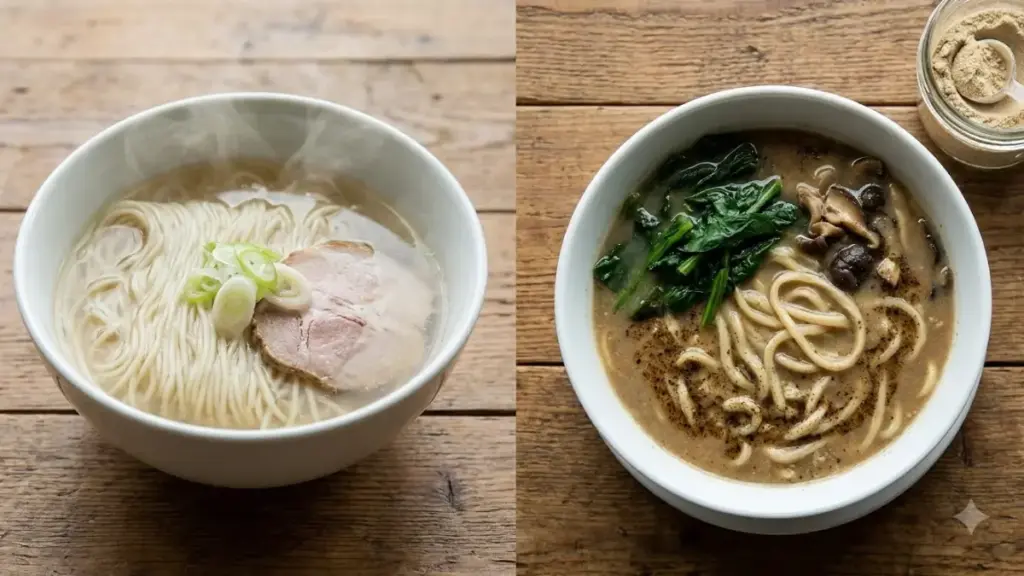
Transforming quick noodles into a nutritionally dense meal starts with understanding how dietary components interact inside your digestive tract. Adding a functional fiber supplement neutralizes the physiological drawbacks of fast-acting carbohydrates while preserving the intense savory flavors you crave.
Nutritional Balancing and Glycemic Control Mechanisms
Instant ramen noodles consist primarily of refined wheat flour, which degrades rapidly into simple glucose during digestion. Combining these refined carbohydrates with a concentrated fiber supplement alters the physical structure of the digestive bolus, flattening sudden blood sugar spikes.
Impact of Fast-Absorbing Carbohydrates on Digestion and Energy
Refined noodle strands contain minimal complex structures, leading to rapid gastric emptying and immediate absorption of glucose into the bloodstream. This surge triggers a sharp insulin release, followed by an inevitable energy crash, intense fatigue, and premature hunger signals within two hours of eating.
The Role of Fiber in Slowing Metabolism and Extending Satiety
When you introduce a soluble fiber supplement into warm liquid, it forms a viscous gel matrix inside the stomach. This gel delays gastric emptying, slows down enzyme breakdown of starches, and ensures a steady, prolonged release of energy while keeping you full for hours.
Read more: Craft 5 High-End Looking Cheap Food Meals That Deceive Your Eye Completely
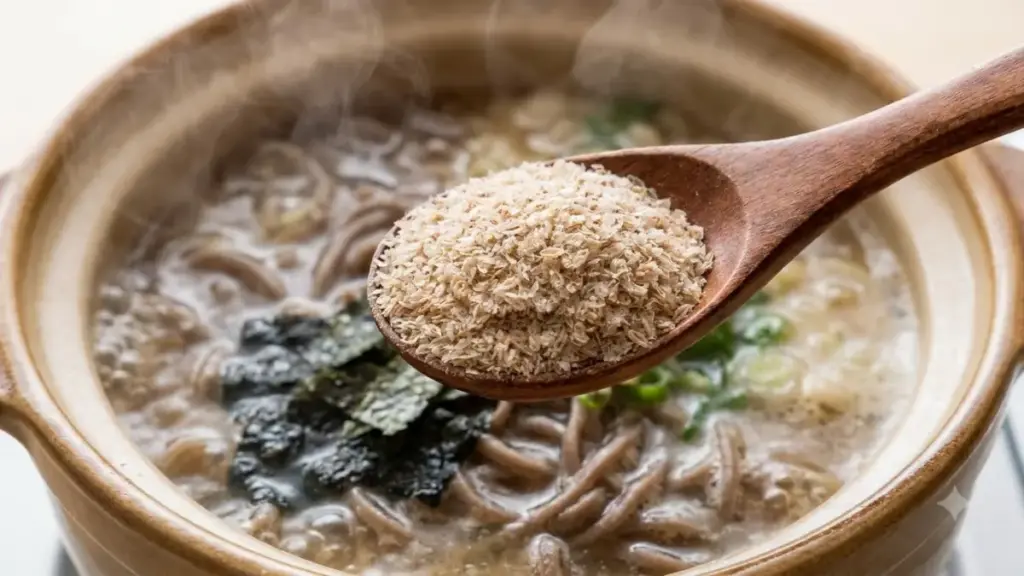
The Art of “Hiding” Fiber in Rich Broth Without Altering Taste
The primary reason vegetable-averse individuals avoid healthy eating is sensory aversion to bitter plant flavors and stringy textures. Utilizing a discreet fiber supplement allows you to leverage the powerful aromatic umbrella of garlic, soy, and sesame in ramen broth to completely mask added nutrients.
Solubility and Flavor Absorption Capabilities of Supplement Powders
Modern unflavored fiber extractions dissolve rapidly in hot aqueous liquids without altering fluid dynamics or leaving chalky residues. As the powder hydrates, it absorbs the rich, savory fats and seasonings of the ramen, completely blending into the background.
Overcoming the Psychological Barrier to Green Flavors Through Savory Seasonings
Human taste buds prioritize intense umami and sodium signals over mild background nutrients. By embedding a non-flavored fiber supplement into a deep tonkotsu or miso base, your brain registers purely comforting, savory indulgence rather than raw plant material.
Group 1: Tasteless and Odorless Soluble Fiber Powders Mixed Directly into Broth
For those who want zero texture changes or visual traces of vegetables in their bowl, tasteless soluble powders represent the gold standard of discrete nutrition enrichment.
Psyllium Husk Powder for Subtle Broth Body
Psyllium husk is a natural bulking agent derived from Plantago ovata seeds, making it an exceptionally potent fiber supplement option.
Precise Dosage Guidelines to Prevent Excessive Broth Thickening
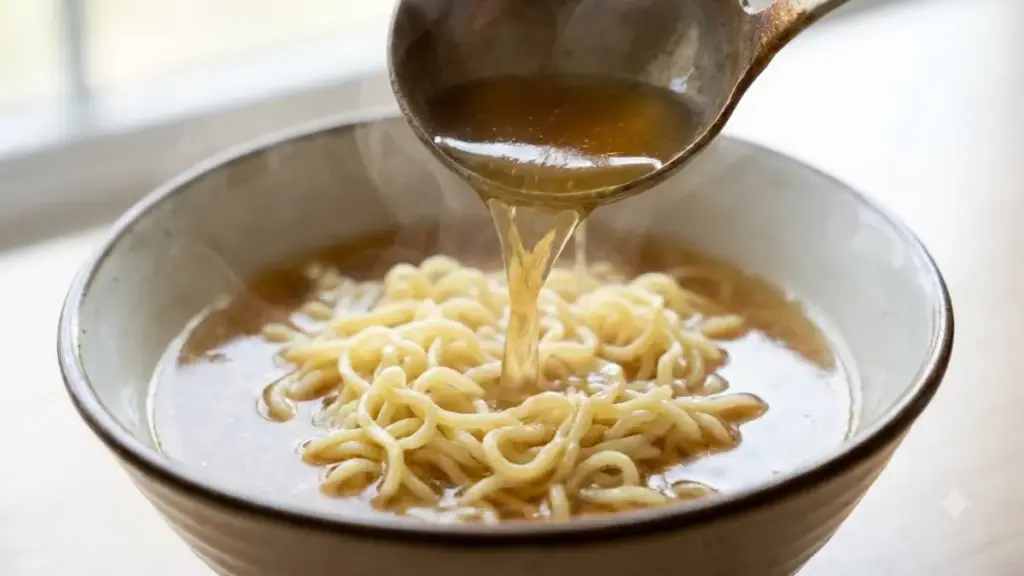
To maintain a liquid broth rather than creating a thick jelly, add exactly one teaspoon (about 3 to 5 grams) of finely ground psyllium husk per bowl. Whisking thoroughly ensures smooth distribution throughout the piping hot soup base.
Optimal Timing for Adding Powder to Retain Maximum Nutrients
Whisk your psyllium fiber supplement into the broth liquid immediately after removing the pot from active heat. Adding it during active boiling can break down complex polysaccharide chains and degrade its optimal gel-forming capacity.
Inulin Powder from Chicory Root for Natural Mild Sweetness
Inulin is a soluble fructan extraction that functions as a smooth-mixing fiber supplement with a clean finish.
Prebiotic Mechanisms That Nourish Beneficial Gut Microbiota

Beyond adding bulk, inulin acts as a targeted prebiotic fertilizer for Bifidobacteria residing in your lower intestine. Microbes ferment this carbohydrate source into short-chain fatty acids, directly strengthening the mucosal lining of your gut wall.
Dissolution Tips to Prevent Clumping in Hot Soup
To prevent gummy clusters, pre-dissolve your inulin fiber supplement in two tablespoons of warm water before stirring it into the boiling broth. This simple step guarantees complete, invisible integration across the entire meal.
Resistant Dextrin for 100% Flavorless Nutrient Density
Resistant dextrin is a hydrolysate starch engineered to resist human digestive enzymes while dissolving instantly in liquid.
Advantages of Preserving Noodle Texture and Broth Clarity
Unlike bulkier plant husks, resistant dextrin does not alter the viscosity, clarity, or mouthfeel of delicate broths. It acts as a ghost fiber supplement, leaving thin noodles perfectly springy and broth completely transparent.
Best Pairing Practices with Shoyu or Shio Ramen Bases
Because clear soy sauce (Shoyu) and salt-based (Shio) ramen soups easily reveal cloudiness, resistant dextrin is the ideal choice. It offers high-potency enrichment while keeping light, refined broths completely clear and aesthetically authentic.

Finely Ground Chia or Flaxseeds for Fiber and Omega-3 Balance
Milled flax and chia seeds provide a rich, nutty flavor profile alongside high doses of essential fatty acids and mucilage.
Grinding and Soaking Techniques for Natural Broth Richness
Always purchase pre-ground cold-milled seeds or grind them fresh in a spice mill before adding them to hot liquid. When exposed to broth, the soluble mucilage expands, giving light soups a luxurious, slow-simmered mouthfeel.
Dual Benefits for Cardiovascular and Lipid Metabolic Health
Combining milled seeds with ramen helps neutralize high dietary sodium through rich potassium levels while delivering plant-based alpha-linolenic acid (ALA). This dual action supports heart health while providing a robust food-based fiber supplement.
Group 2: Whole Grains, Seeds, and Legumes Transformed for Ramen
If you enjoy savory textures but dislike traditional vegetables like broccoli or spinach, whole legumes and processed grain additions offer an exceptional middle ground.

Shelled Edamame Beans for Nutty Texture Without Green Bitterness
Young soybeans provide a sweet, buttery bite that completely lacks the grassy, bitter compounds found in leafy greens.
Dense Protein and Fiber Ratios for Complete Nutritional Profiles
Adding half a cup of shelled edamame converts a simple noodle dish into a complete protein-and-fiber powerhouse. Each serving delivers roughly 4 grams of digestive bulk alongside complete essential amino acids.
The 2-Minute Boiling Method for Perfect Crisp-Tender Beans
Drop frozen shelled edamame directly into the boiling ramen pot during the final two minutes of cooking. This cooks them through while maintaining a satisfying crunch that mirrors high-end Japanese restaurant toppings.
Fermented Natto or Kinako Soy Flour for Authentic Japanese Depth
Fermented soy derivatives offer deep savory notes while acting as an authentic functional fiber supplement.

Soluble Fiber and Nattokinase Enzymes for Digestive Health
Natto provides rich mucilage fiber along with Nattokinase, an enzyme recognized for supporting blood flow and cardiovascular wellness. The fermentation process breaks down tough proteins, making nutrients exceptionally easy to digest.
Stirring Techniques for Rich Miso Ramen Integration
Whisking a spoonful of roasted soy flour (Kinako) or natto directly into hot miso ramen creates a thick, velvety sauce that clings to every noodle strand while masking stringy textures under bold umami notes.
Rolled Oats Processed as a Thickener for Tonkotsu Broth
Finely ground rolled oats act as an incredible thickening agent that mimics long-simmered pork marrow broth.
Emulating Hours of Bone Stewing with Natural Grain Starches
Boiling two tablespoons of fine oats directly with your broth powder releases amylose starches that emulsify fat droplets. This produces a rich, milky tonkotsu texture in minutes without adding heavy animal fats.
Beta-Glucan Content for Targeted Bad Cholesterol Reduction
Oats contain rich concentrations of beta-glucan, a specialized soluble fiber supplement compound proven to bind intestinal cholesterol. Incorporating oats helps absorb excess fats from processed seasonings before they enter your system.
Read more: 5 Dirt-Cheap Dinner Ideas For Broke And Utterly Lazy Nights
Sweet Corn Kernels for Natural Sweetness and Pop
Sweet corn kernels offer a delightful burst of sweetness that balances salty soy or pork broths while providing sturdy digestive roughage.
Insoluble Roughage for Superior Intestinal Motility
The tough outer hull of corn kernels consists of cellulose, an insoluble structural component that moves steadily through the digestive tract, encouraging regular bowel movements and optimal colon health.
Sautéing Corn in Butter Before Adding to the Noodle Bowl
Sautéing sweet corn in a touch of butter or sesame oil before dropping it onto your noodles caramelizes its natural sugars. This simple step adds a rich flavor layer that completely distraction-proofs the dish for picky eaters.
Group 3: Mushrooms and Plant-Based Protein “Meat Substitutes”
Replacing traditional toppings with nutrient-dense fungal starches and soy proteins allows you to build a dense fiber supplement foundation that tastes like rich, savory meat.
More Read

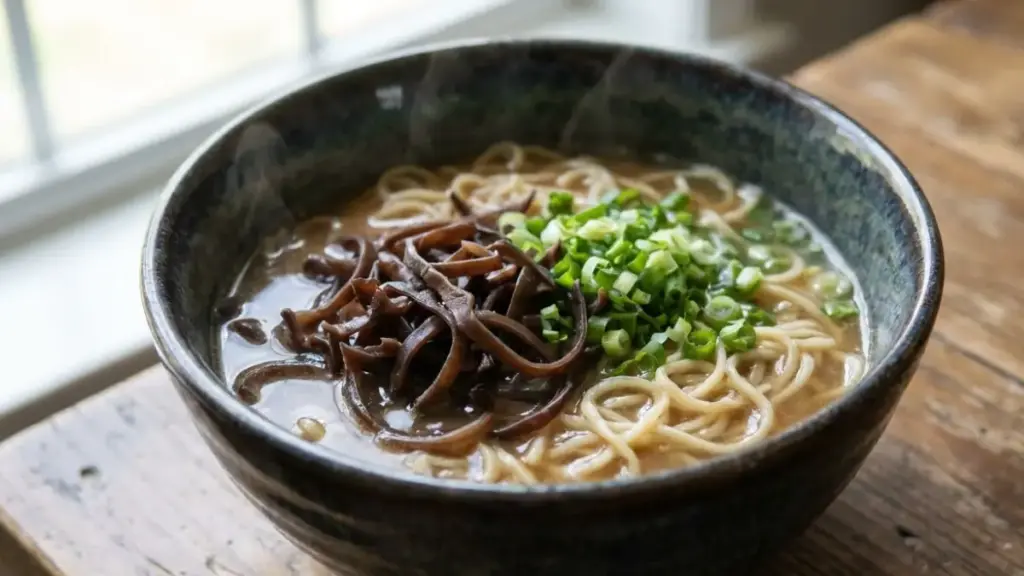
Shredded Wood Ear or White Jelly Mushrooms for Crunchy Texture
Edible tree fungi contain unique structural polysaccharides that deliver an incredible crunch without any vegetable flavor.
Replacing Green Plant Textures with Firm Snappy Fungal Bites
Thinly sliced wood ear mushrooms (Kikurage) provide a firm, gelatinous snap that replicates the fun texture of crisp bamboo shoots or bean sprouts without the raw vegetable aftertaste.

High Absorbency Properties for Maximum Flavor Integration
These mushrooms act like natural sponges, absorbing hot broth seasonings instantly. As you chew, they release savory soup liquid rather than plant juice, making them ideal for vegetable-averse individuals.
Shiitake Mushroom Powder for Umami and Fiber Enrichment
Dehydrated shiitake caps can be ground into a fine spice powder that functions as a savory fiber supplement.
Replacing Seasoning Packets with Natural Mushroom Concentrates
Commercial ramen flavor packets are often loaded with excess sodium and artificial additives. Swapping half the packet with concentrated shiitake powder adds deep umami, natural beta-glucans, and essential minerals.
Immune System Modulation Through Fungal Polysaccharides
Shiitake mushrooms contain lentinan, a complex polysaccharide that stimulates immune cell activity while nourishing beneficial intestinal flora as a slow-digesting fiber supplement source.
Baked Tofu Cubes or Crispy Tofu Puffs
Soybean curds pressed and fried or baked provide high-protein structure paired with gentle, non-irritating plant roughage.
Soaking Up Savory Broth While Delivering Plant Fiber
Crispy tofu puffs possess a porous interior that traps savory soup. Taking a bite releases a burst of broth while supplying 3 to 5 grams of structural soy protein and digestive bulk per serving.
Air-Frying Techniques to Reduce Excess Oil
Toss cubed tofu in a splash of low-sodium soy sauce and air-fry at 400°F (200°C) for 12 minutes until golden. This creates a crispy, crouton-like topping that adds zero greasy residue to your soup.
Finding creative ways to boost your gut health with a functional fiber supplement proves that balanced nutrition can be delicious, effortless, and tailored to any taste preferences.
Jame
Dehydrated Wakame Seaweed Rehydrated in Broth
Sea vegetables provide a quick, mineral-dense option that rehydrates directly inside your serving bowl within seconds.
Marine Algae Nutrients and Soluble Alginate Compounds
Wakame seaweed is rich in alginates, a specialized form of marine fiber supplement that protects stomach linings and slows down heavy starch absorption during digestion.
Rehydration Ratios to Prevent Diluting Rich Broth Bases
A tiny pinch (about 2 grams) of dried wakame expands up to tenfold when submerged in liquid. Adding just a small teaspoon ensures you receive maximum ocean minerals without absorbing all your delicious broth.
Group 4: Crunchy Toppings and Savory Sprinkles That Hide Fiber
Disguising healthy additions under crunchy, aromatic toppings is a classic technique for bypassing texture-based eating fears.
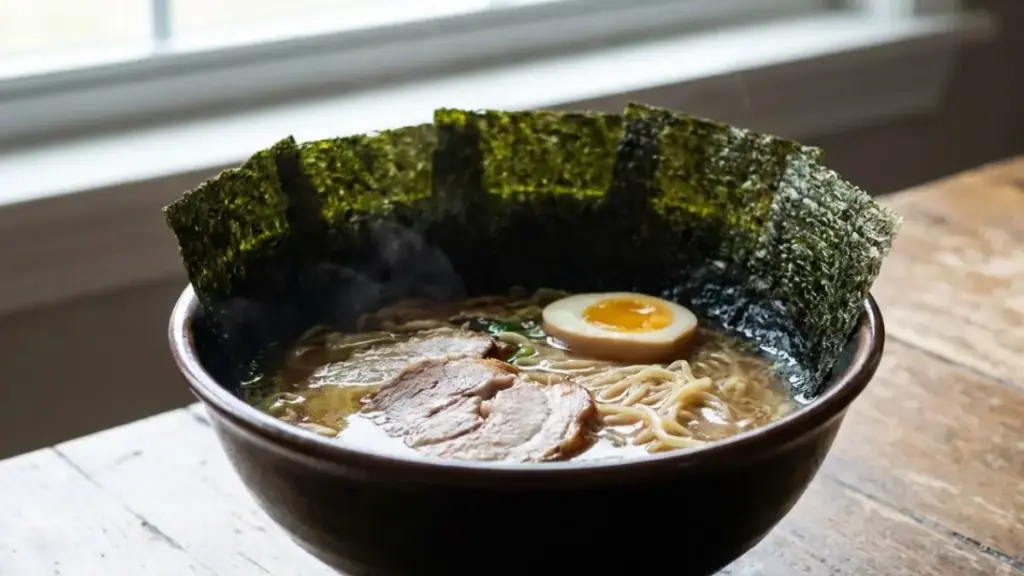
Crispy Roasted Nori Seaweed Strips
Nori sheets offer an effortless way to garnish your bowl while adding subtle coastal aromas and invisible nutrient density.
Seafood Umami Profile That Captivates Selective Palates
Crispy roasted nori sheets melt upon contact with warm soup, releasing concentrated glutamates that enhance the savory depth of pork, chicken, or seafood ramen bases without tasting like salad.
Arranging Seaweed to Maintain Maximum Crunch Until the Last Bite
Tuck sheets of nori vertically along the inside rim of your bowl just before serving. This keeps the upper half crisp for snacking while the lower edge infuses into the broth.
Dehydrated Kimchi Flakes or Crispy Freeze-Dried Kimchi
Freeze-dried kimchi provides all the bold, spicy flavor of traditional Korean side dishes with an addictive, potato-chip-like crunch.
Probiotic and Soluble Fiber Boosts for Intestinal Balance
Freeze-drying preserves active lactic acid bacteria and complex cabbage roughage, delivering a punchy fiber supplement that actively supports a healthy gut microbiome.
Tangy Spice Profiles That Overpower Raw Plant Flavors
The fiery combination of red pepper, garlic, and natural fermentation completely masks any underlying vegetable taste, making it ideal for spice-lovers who hate plain greens.
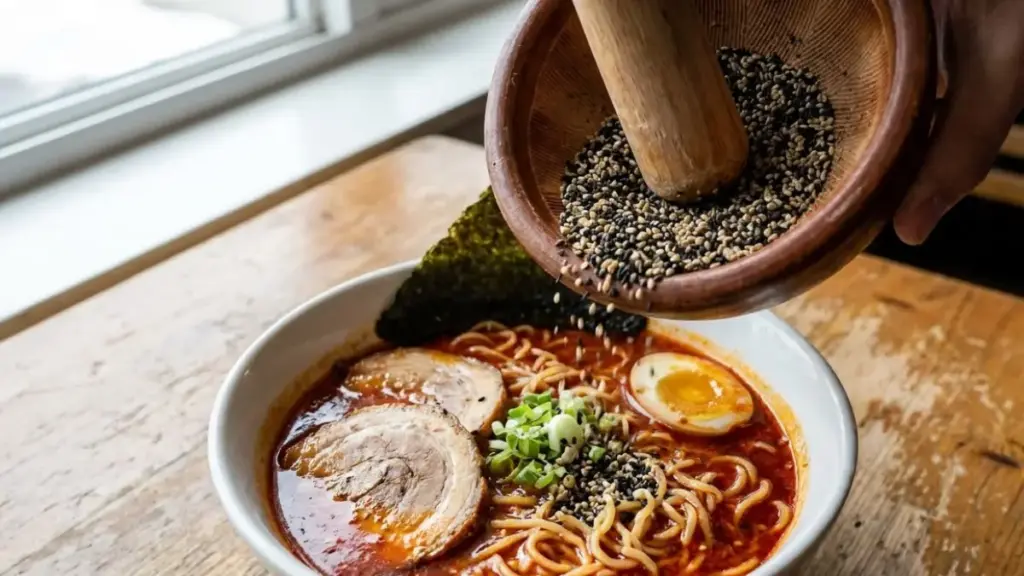
Ground Toasted Sesame Seeds (Goma) Sprinkled Intensely
Toasted sesame seeds are rich in healthy fats, structural minerals, and dense plant hulls that act as an aromatic fiber supplement.
Healthy Fats, Lignans, and Irresistible Nutty Aromas
Crushing sesame seeds releases rich sesamin lignans and natural aromatic oils. These compounds bind to spicy chili oils in your ramen, turning sharp heat into a smooth, nutty broth experience.
Combining Black and White Seeds for Visual and Sensory Contrast
A 50/50 mix of coarsely ground black and white sesame seeds adds beautiful visual appeal to instant ramen while delivering roughly 2 grams of natural fiber per tablespoon.
Crushed Lentil Chips or Legume Snack Toppings
Swapping traditional fried onions for crushed high-protein lentil chips creates an incredible crunchy topping loaded with hidden nutrition.
Texture Innovations Replacing Traditional Fried Shallots
Lentil and chickpea chips offer the same salty, savory crunch as standard potato chips or fried garlic flakes, but contain up to four times the dietary fiber per serving.
Comparing Nutrient Profiles Against Standard Starch Snacks
Crushing a handful of lentil chips over your ramen bowl introduces slow-digesting legume starches, preventing rapid glucose spikes while adding zero green flavor.
Golden Rules for Integrating a Fiber Supplement into Your Ramen Routine
While adding a functional fiber supplement to fast-noodle meals offers tremendous health benefits, increasing your intake too quickly can cause digestive discomfort if done incorrectly.
Gradual Dosage Escalation to Prevent Gas and Abdominal Cramps
Your gut microbiome requires time to adjust to increased fermentation activity and structural bulk in the colon.
Starting with 3 to 5 Grams Daily for Smooth Microbiome Adaptation
Begin by introducing just one small teaspoon (3 to 5 grams) of your chosen fiber supplement every few days. This allows beneficial bacteria to build up naturally without causing gas, bloating, or mild cramping.
Selecting Gentle Supplement Options for Sensitive Digestive Tracts
If you experience bloating easily, opt for highly purified resistant dextrin or acacia gum rather than coarse psyllium husk. These smooth extractions ferment more slowly in the lower gut, minimizing discomfort.

The Critical Importance of Hydration When Increasing Fiber Intake
Soluble powders require plenty of water to form a smooth gel matrix and move efficiently through the intestines.
Calculating Water Ratios Per Gram of Concentrated Fiber
For every additional 5 grams of concentrated fiber supplement added to your meal, drink at least 8 to 10 ounces of extra fresh water throughout the day.
Balancing Salt-Rich Ramen Broth with Clean Warm Water
Instant ramen broths often contain high sodium levels, which pull water away from the digestive tract. Counterbalance this by enjoying a glass of warm water alongside your meal to keep your fiber soft and functioning smoothly.
Frequently Asked Questions About Fiber Supplement Integration
Will adding a fiber supplement powder change the authentic taste of my ramen broth?
Unflavored options like resistant dextrin and inulin dissolve completely without changing the flavor or clear texture of your broth. Broth-thickening options like oats or psyllium husk add a rich, slow-simmered mouthfeel that actually improves cheap instant soup bases.
Can I mix a fiber supplement into cold instant noodle dishes or cold broth?
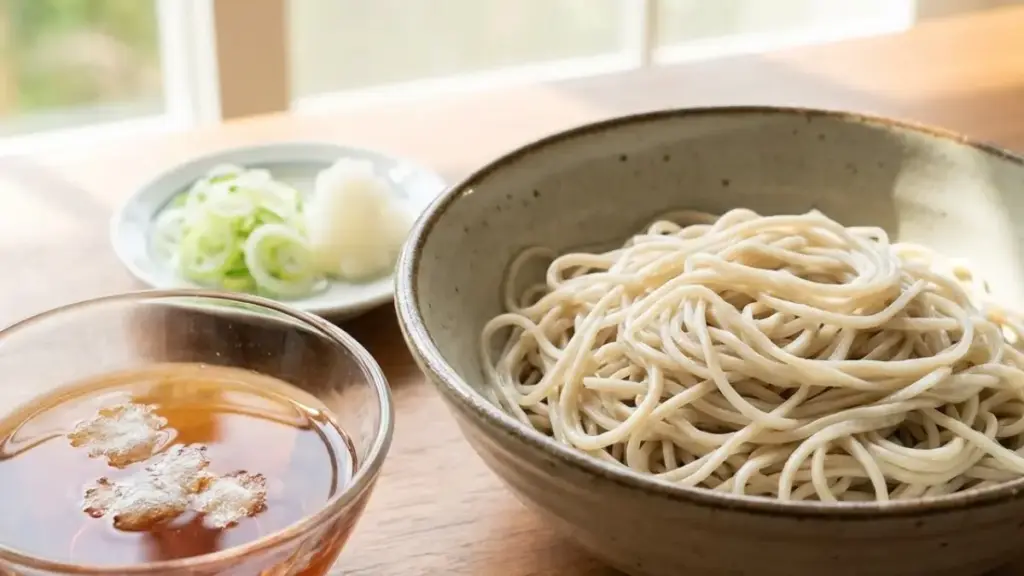
While most soluble powders dissolve best in warm liquid, fine resistant dextrin mixes effortlessly into cold broths or dipping sauces (like Zaru Soba sauce) without clumping or settling at the bottom.
Is it safe to consume a concentrated fiber supplement with instant noodles every day?
Yes, integrating a gentle fiber supplement into daily meals is a safe, effective way to meet recommended daily targets (25–38 grams), provided you drink plenty of water and build up your dosage gradually.
Conclusion: Upgrade Your Quick Noodle Meals Effortlessly
Mastering your daily health does not require forcing yourself to eat raw salads or bitter greens if you genuinely dislike them. By blending a high-quality fiber supplement powder directly into warm soup base or topping your bowl with crunchy sesame seeds, roasted nori, and crispy edamame, you can enjoy rich, comforting ramen while quietly supporting optimal digestive health.
PLEASE LEAVE A COMMENT TO SHARE YOUR FAVORITE THOUGHTS OR FOLLOW OUR BLOG FOR THE LATEST UPDATES.