


Few culinary ingredients bring the sheer versatility, rich texture, and creamy indulgence to the kitchen quite like Fresh Cheese. From the delicate curds of a morning cottage cheese bowl to the luxurious layers of a homemade lasagna whipped with fresh ricotta, unaged dairy products are staples in modern American households. However, because these culinary delights skip the traditional aging and curing processes that preserve hard cheeses, learning how to store fresh cheese properly is essential due to their incredibly fragile shelf life.
- Why Culinary Experts Prioritize How to Store Fresh Cheese Correctly
- Fresh Cheese vs. Aged Varieties: Structural and Storage Differences
- The Definitive Blueprint on How to Store Fresh Cheese at Home
- Common Pitfalls: Where Mistakes on How to Store Fresh Cheese Happen
- Food Safety Guidelines: Identifying Spoiled Fresh Cheese
- Culinary Applications: Preparing Dishes Safely with Fresh Cheese
- Summary of Storage Timelines for Fresh Cheese
- Frequently Asked Questions
- Final Translations
Many home cooks treat all dairy uniformly, tossing containers into the nearest open refrigerator shelf without considering humidity, air exposure, or bacterial proliferation. Improper handling does not just ruin the clean, milky flavor profiles of your premium ingredients; mastering how to store fresh cheese is also vital because poor placement presents genuine food safety hazards.
If you want to maximize your culinary investments and protect your household from foodborne illnesses, learning the precise mechanics of how to store fresh cheese is essential. This comprehensive, expert-verified guide breaks down the biological differences between cheese varieties, exposes common storage pitfalls, and provides an actionable blueprint to maximize dairy freshness.
Read More: The Clinical Reality Behind a High Protein Breakfast: 5 Groups Who Should Avoid It.
Why Culinary Experts Prioritize How to Store Fresh Cheese Correctly
To master home food preservation, you must first understand the environment that microbes love most. Unaged dairy products are highly perishable due to their fundamental chemical composition.

The High Moisture Threat in Fresh Cheese Varieties
Crucial food science data indicates that unlike Parmigiano-Reggiano or sharp Cheddar, which undergo extensive pressing and months of dehydration, Fresh Cheese retains the vast majority of its whey. This high water activity creates an optimal breeding ground for spoilage organisms and dangerous pathogens alike, which is why understanding how to store fresh cheese is so critical for household health.
When you leave soft cheeses exposed to ambient air or fluctuating temperatures, you are essentially rolling out the red carpet for molds, yeasts, and bacteria such as *Listeria monocytogenes*. Failing to implement correct techniques on how to store fresh cheese directly accelerates this pathogen growth. Certain groups—including pregnant women, older adults, and people with weakened immune systems—should take extra precautions with refrigerated ready-to-eat foods. Read Foods That Carry a Higher Risk of Listeria.
Listeria is a particular concern for food safety experts because, unlike most pathogens, it can multiply even at proper refrigeration temperatures. Knowing how to store fresh cheese correctly is your primary defense against these invisible microscopic threats.

Fresh Cheese vs. Aged Varieties: Structural and Storage Differences
Understanding the structural characteristics of your ingredients determines how they should be preserved in your kitchen.
The Unique Profiles of Popular Fresh Cheese Options
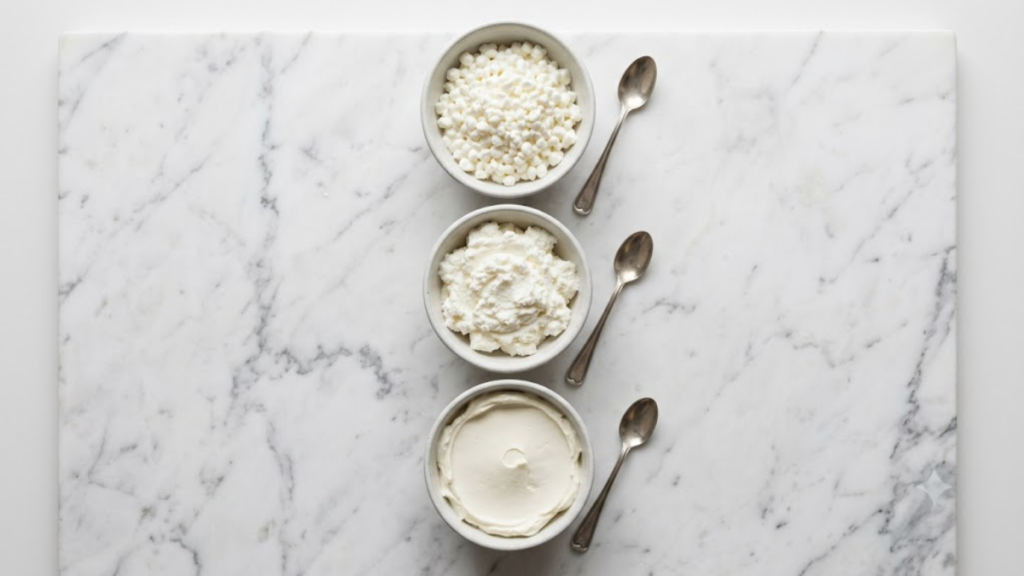
The term Fresh Cheese encompasses several distinct styles, each requiring slightly different environmental management:
- Cottage Cheese: Characterized by its soft, loose curds suspended in sweet cream. It features a very high moisture content and is highly vulnerable to surface mold if exposed to unsterile utensils. Knowing how to store fresh cheese like cottage cheese in its original tightly sealed container is the best defense against airborne spores.
- Ricotta: A delicate, fluffy product traditionally created by reheating the whey left over from the production of other cheeses. Its fine texture means it separates and spoils rapidly if subject to temperature shifts. When researching how to store fresh cheese to keep ricotta creamy and safe, keeping it stored strictly at the back of the refrigerator is paramount.
- Cream Cheese: A dense, smooth spread with a high milkfat content. While slightly more stable than ricotta due to its fat density, it goes rancid quickly when exposed to oxygen. Implementing airtight sealing techniques on how to store fresh cheese ensures your cream cheese maintains its rich flavor without developing a sour, oxidized tang.
Because these varieties lack the protective, hardened rinds or high salt concentrations of aged alternatives, they cannot tolerate even minor lapses in kitchen hygiene.
The Definitive Blueprint on How to Store Fresh Cheese at Home
Preserving the culinary integrity and safety of unaged dairy requires absolute consistency. Follow this professional step-by-step framework to handle your purchases correctly from the moment you leave the grocery store.
The Golden Rules for Refrigerating Unopened Fresh Cheese
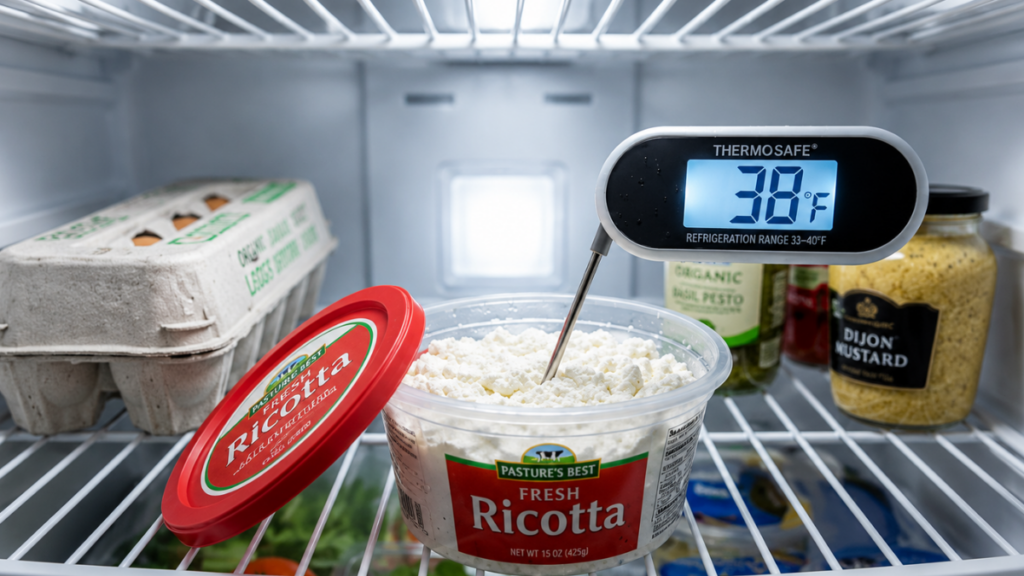
As soon as you arrive home, transfer the unopened containers directly into the coldest section of your refrigerator. Never store delicate Fresh Cheese in the refrigerator door shelves. The door experiences severe temperature drops and spikes every time the fridge is opened, which accelerates syneresis (the separation of liquid whey from the curd) and invites premature spoilage.
Instead, place them on the middle or bottom shelves near the back of the appliance. Practicing this placement strategy is a fundamental rule of how to store fresh cheese, ensuring your delicate dairy remains at a constant, food-safe temperature. By mastering how to store fresh cheese away from fluctuating zones, you effectively double its freshness window.
Read More: 4 must-have foods for an outdoor cookout that will blow your mind.
Post-Opening Protocols: Managing Air and Moisture for Fresh Cheese
The second you break a factory seal, you introduce environmental bacteria and fungal spores to the product. To extend shelf life after opening, implement these strict hygiene habits:
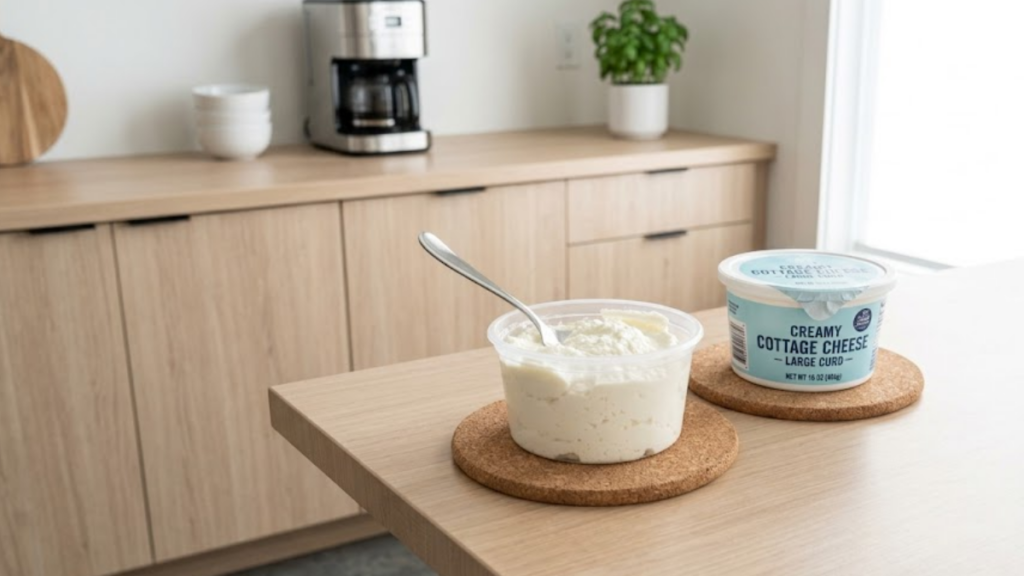
- Use Sterile Utensils: Never double-dip or use a spoon that has touched another food item. Even microscopic crumbs can introduce ambient mold spores that ruin an entire batch. Clean handling is a critical step when learning how to store fresh cheese without causing premature spoilage.
- Purge Excess Air: If you are keeping the product in its original plastic tub, place a piece of clean plastic wrap directly onto the surface of the cheese before closing the lid. This acts as a physical shield against oxygen. Minimizing oxygen exposure is an essential method of how to store fresh cheese to maintain its delicate flavor profile.
- Consider Inversion for Cottage Cheese: Storing a tightly sealed container of cottage cheese completely upside down in the fridge creates a vacuum effect inside the tub. This natural pressure shift slows down the growth of surface bacteria. This simple inversion hack is a highly effective trick for anyone looking to optimize how to store fresh cheese at home.

Common Pitfalls: Where Mistakes on How to Store Fresh Cheese Happen
Even seasoned home cooks frequently make fundamental mistakes that ruin their premium dairy products. Avoiding these errors will save you money and protect your health.
The Critical Disadvantages of Freezing Fresh Cheese
Freezing affects different dairy products differently. Learn Which Dairy Foods Freeze Well—and Which Don’t.
When faced with an abundance of leftover ingredients, many people wonder: can you freeze soft dairy? While freezing is an excellent option for hard cheeses, it is highly detrimental to Fresh Cheese.
When soft, moisture-rich curds freeze, the water content expands into microscopic ice crystals. These sharp crystals puncture the delicate protein walls holding the emulsion together. When the product thaws, the structural matrix collapses completely. You are left with a watery, grainy, and separated mess that is entirely unpalatable for direct consumption, though it may still be salvaged for cooked baking applications.
For this reason, freezing is rarely recommended when figuring out how to store fresh cheese for everyday use, as the extreme temperature alters the dairy’s physics. If you must use the freezer as a last resort for how to store fresh cheese, ensure the thawed product is strictly reserved for melting into hot sauces or savory casseroles.
Cross-Contamination and Refrigerator Placements for Fresh Cheese
Another major error is failing to isolate dairy from high-odor or raw foods. Open tubs of cream cheese or ricotta act like sponges, absorbing volatile aroma compounds from cut onions, garlic, or leftover fish stored nearby. Always keep your cheeses securely sealed in airtight containers. When mastering how to store fresh cheese, cross-contamination management is just as critical as temperature control. Isolating your dairy from aromatic ingredients is an indispensable rule of how to store fresh cheese if you want to preserve its sweet, clean, and milky profile.
Additionally, ensure your refrigerator temperature is monitored constantly with a dedicated thermometer. To keep food safe, the internal climate must consistently register below 40 degrees Fahrenheit (4 degrees Celsius).
“Unlike aged varieties that carry their own protective rinds, fresh cheese relies entirely on your kitchen habits for its defense. In food safety, cold consistency is the ultimate shield against invisible threats.”
Marcus Vance, Food Safety Microbiologist & Dairy Preservation Consultant
Food Safety Guidelines: Identifying Spoiled Fresh Cheese
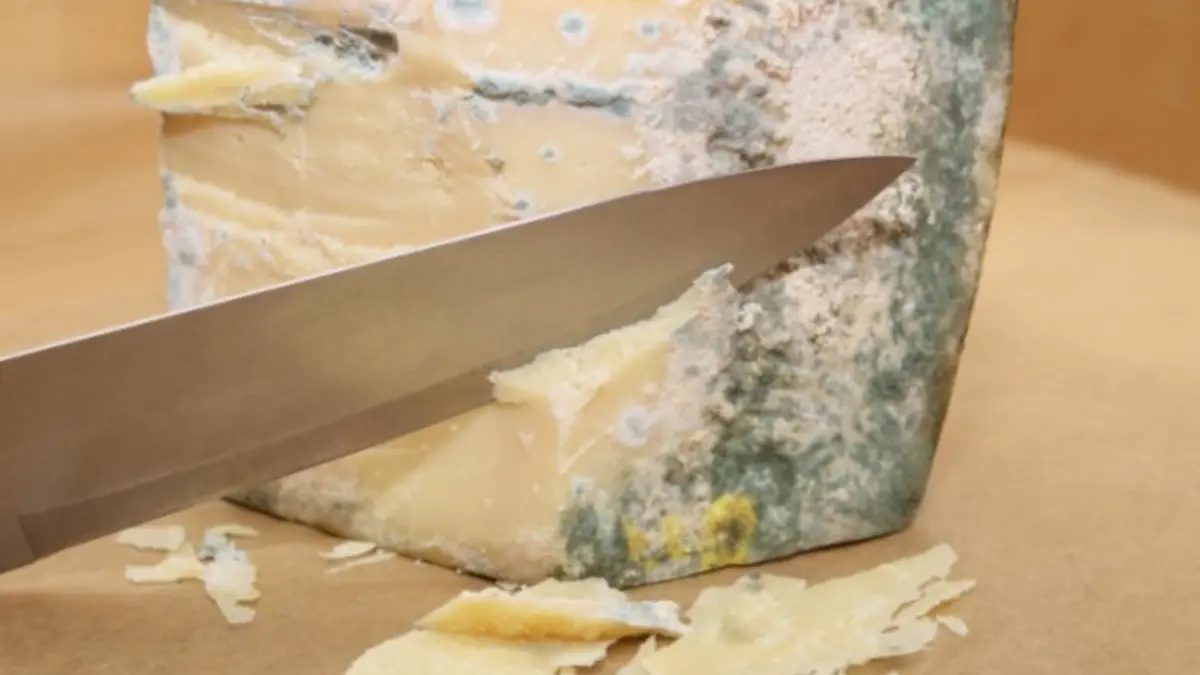
The old adage “just cut the mold off” applies only to low-moisture hard cheeses like Cheddar or Swiss. For soft, unaged varieties, the structural rules are entirely different. Because soft cheeses are highly porous and wet, invisible mold roots and bacterial colonies spread effortlessly through the entire container long before you see visible structural changes on the surface.
Therefore, a primary safety principle of how to store fresh cheese is to discard the entire container immediately if any visible mold appears. Attempting to salvage a compromised tub violates the core rules of how to store fresh cheese and directly exposes your household to dangerous mycotoxins.
The progression of soft dairy spoilage generally follows these warning phases:
- Visual Surface Mold: Spores become visible, meaning microscopic roots have already spread deeply. You must discard the entire container.
- Sour or Yeasty Odor: Indicates advanced bacterial proliferation and chemical breakdown. You must discard the entire container.
- Slime or Heavy Separation: Shows total structural degradation of the dairy emulsion. You must discard the entire container.
More Read

If you notice even a tiny speck of green or black mold growing on your cottage cheese or ricotta, do not attempt to scoop out the bad spot. Discard the entire container immediately. Additionally, trust your senses: any sour, sharp, ammonia-like, or yeasty aroma is an absolute indicator that the product is no longer safe to consume.
Culinary Applications: Preparing Dishes Safely with Fresh Cheese
Proper cooking techniques also help preserve the texture of dairy-based sauces. Read How to Prevent Cheese Sauces From Curdling. Using well-preserved ingredients correctly during cooking ensures your final dishes maintain a beautiful, luxurious texture.

Avoid Overheating and Acid Disruption
Because Fresh Cheese contains delicate whey proteins, it is prone to curdling or separating into an oily liquid when exposed to sudden, intense heat. When crafting cream sauces or cheese dips, always reduce your cooking temperature to low, or stir the cheese in at the very end of the cooking process off the direct heat source.
Maintaining this physical integrity during cooking is just as vital as knowing how to store fresh cheese in the refrigerator, as overheated dairy breaks down and loses its structural shelf life. Protecting these delicate protein chains ensures your culinary creations remain smooth, while following the basic guidelines on how to store fresh cheese keeps your leftover ingredients fresh for your next meal.
Furthermore, be mindful when pairing soft dairy with highly acidic ingredients like lemon juice or raw tomatoes. Add these components gradually to prevent the sudden drop in acid levels from breaking your smooth culinary emulsion.
Summary of Storage Timelines for Fresh Cheese
To keep your kitchen organized, refer to this quick reference guide for standard shelf-life expectations under ideal refrigeration conditions:
| Fresh Cheese Variety | Expected Shelf Life (Unopened) | Optimal Shelf Life (Once Opened) | Preferred Packaging Shield |
| Cottage Cheese | Refer to manufacturer date | 5 to 7 Days | Original tub with airtight surface wrap |
| Ricotta | Refer to manufacturer date | 3 to 5 Days | Glass jar or tightly sealed airtight container |
| Cream Cheese | Refer to manufacturer date | 10 to 14 Days | Tight foil wrap plus outer plastic container |
| Fresh Mozzarella | Refer to manufacturer date | 2 to 3 Days | Submerged completely in original packing brine |
Frequently Asked Questions
How long can fresh cheese safely sit out at room temperature?
According to strict FDA food safety standards, perishable items like soft cheeses should never be left within the danger zone—temperatures between 40 and 140 degrees Fahrenheit (4 to 60 degrees Celsius)—for more than two hours. If the ambient room temperature is above 90 degrees Fahrenheit (32 degrees Celsius), that safe window drops to just one hour.
Adhering to these strict time limits is a non-negotiable step when mastering how to store fresh cheese safely, as bacteria double in number every 20 minutes within this thermal range. Promptly returning your leftovers to a cold appliance remains the most critical rule of how to store fresh cheese to ensure it stays free from dangerous biological contamination.

What should I do if my fresh mozzarella runs out of brine?
If you open fresh mozzarella and do not use it all, do not let the remaining cheese dry out. You can easily create a simple preservative brine at home by mixing two cups of clean water with a teaspoon of kosher salt, or simply store the cheese submerged in fresh cold water, replacing the liquid daily.
Why does my cream cheese develop a watery layer on top?
This natural separation is called syneresis. It happens when the protein networks contract over time, squeezing out small amounts of liquid whey. If the cheese smells completely fresh and has been kept cold, simply drain the liquid off or stir it back into the spread before using. Understanding how to handle this natural moisture shift is a normal part of learning how to store fresh cheese, as syneresis itself does not mean your dairy has spoiled. However, if you notice an excessive amount of pooling whey, it may indicate that your methods on how to store fresh cheese need adjustment to better manage temperature fluctuations inside your refrigerator.
Final Translations
Mastering the fundamentals of how to store fresh cheese is an essential skill for anyone looking to run a safe, efficient, and delicious home kitchen. By controlling air exposure, maintaining clean kitchen habits, and tracking your refrigerator’s climate, you can easily preserve the delicate flavors and smooth textures of your favorite dairy products.
For more expert consumer protection alerts, digital media insights, and modern lifestyle strategies, be sure to follow The Couch Insider. If you want to dive deeper into optimizing health, building vitality, and formulating nutrient-rich meal plans using clean ingredients, check out our comprehensive library of articles in the Meals section today!