



For the past decade, mainstream nutritional philosophy in the United States has operated under a dominant directive: to optimize your metabolism, preserve lean muscle mass, and maintain prolonged satiety, you must prioritize a high protein breakfast. From keto-friendly egg white bowls to collagen-infused morning smoothies, protein is widely celebrated as the ultimate nutritional macro. Millions of busy Americans start their days by consuming large amounts of protein immediately after waking up, believing they are taking the best possible step for their long-term health.
- The Metabolic Blueprint: How a High Protein Breakfast Impacts Early Morning Biochemistry
- 5 Clinical Risk Groups Who Should Rethink a Traditional High Protein Breakfast
- Comparative Metabolism: Animal vs. Plant-Based High-Protein Dishes
- Nutritional Engineering: Designing a Safe High Protein Breakfast Alternative
- Frequently Asked Questions About the Safety of a High Protein Breakfast
- Final Thoughts
However, clinical metabolic science reveals a far more nuanced picture. While a high protein breakfast offers undeniable benefits for athletes and individuals with optimal metabolic health, it can place a significant structural burden on others. For people managing underlying organ dysfunctions, blood sugar instabilities, or specific enzymatic issues, overloading the body with protein early in the morning can create a serious health burden rather than a health benefit.
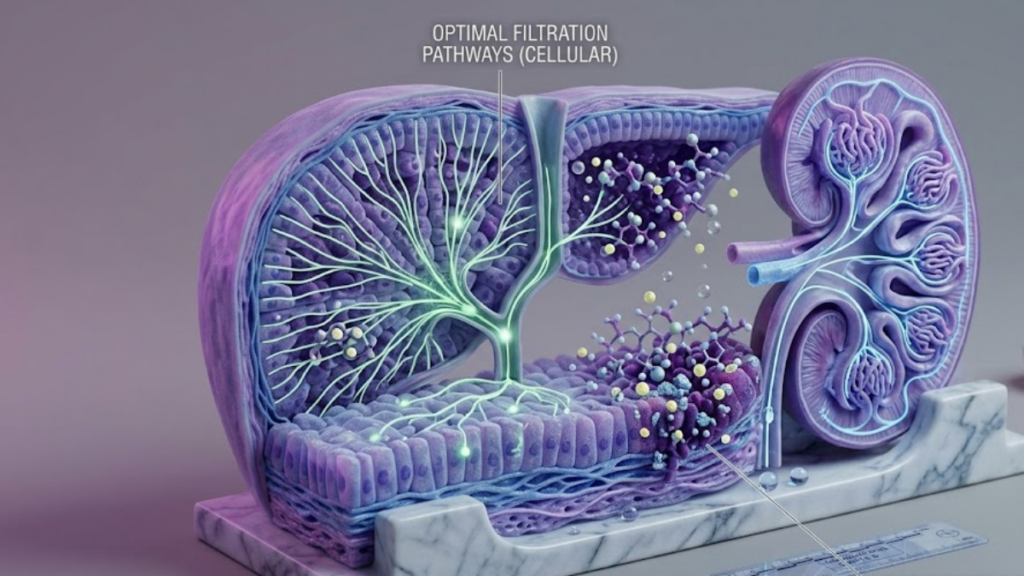
To make informed choices about your morning routine, you must understand how large doses of amino acids affect your internal organs. This comprehensive guide breaks down the complex biochemistry of morning protein metabolism, exposes the risks of over-supplementation, and provides an actionable blueprint to design balanced alternatives for vulnerable groups.
Read More: The Clinical Reality Behind a High Protein Breakfast: 5 Groups Who Should Avoid It.
The Metabolic Blueprint: How a High Protein Breakfast Impacts Early Morning Biochemistry
To understand why a heavy protein intake early in the day can backfire, we must look closely at how the human body processes macronutrients after a prolonged overnight fast. Routinely consuming a massive high protein breakfast forces the digestive system to handle an intense concentration of nitrogenous compounds all at once. Unlike carbohydrates and fats, which can be stored neatly in the body as glycogen or adipose tissue for later use, memory cells or excess amino acids cannot be saved for later.
Every gram of protein consumed must be utilized immediately for cellular repair, converted into glucose through gluconeogenesis, or broken down and cleared out by the liver and kidneys. When you overload your system with an oversized high protein breakfast, these metabolic filtration organs are forced to work at maximum capacity to filter the sudden rush of byproducts, turning a well-intentioned morning meal into a chronic physiological strain.

The Risks of Replacing Whole Foods with Concentrated High-Protein Dishes
In today’s fast-paced corporate culture, time constraints often lead people to skip whole-food meals in favor of convenience. This shift has created a widespread reliance on highly processed, concentrated supplements, such as whey isolates, soy bars, and ready-to-drink morning shakes. Swapping traditional whole foods for these quick-fix items is the easiest way to accidentally build an unbalanced high protein breakfast that lacks essential dietary fiber and micronutrients.
Without the natural structural matrix found in whole foods, these isolated powders dump amino acids into your bloodstream far too quickly. Drinking these liquid supplements as your primary high protein breakfast overloads the intestinal lining, rushing dense macronutrients straight to the liver before your digestive tract can establish a safe, regulated absorption rate.
Many of these commercial products deliver between 30 and 50 grams of highly refined protein in a single liquid serving. If you rely on protein supplements every morning, it’s also important to understand how different protein sources affect digestion. Read our guide on Probiotics for Digestive Health: The Ultimate Science-Backed Guide to Microbiome Safety. Consuming such a concentrated load on an empty stomach causes a rapid influx of amino acids into the bloodstream. For individuals with sluggish metabolic pathways, this sudden spike can overwhelm the body’s processing capacity, turning healthy High-Protein Dishes into a source of immediate internal stress.
Nitrogenous Waste and Kidneys: Processing a Dense High Protein Breakfast
When your body breaks down amino acids for energy, it removes the nitrogen component through a process called deamination. This chemical reaction produces ammonia, a highly toxic byproduct that can damage delicate cellular structures. To protect itself, the liver must immediately step in and convert this dangerous ammonia into urea, a much safer, water-soluble compound.

The stages of nitrogen waste metabolism and elimination in the body include:
- Stage 1 (Excess Amino Acids): The body takes in a large amount of protein, primarily in the early morning.
- Stage 2 (Liver Processing): As amino acids are metabolized, they produce toxic ammonia, which the liver immediately converts into urea.
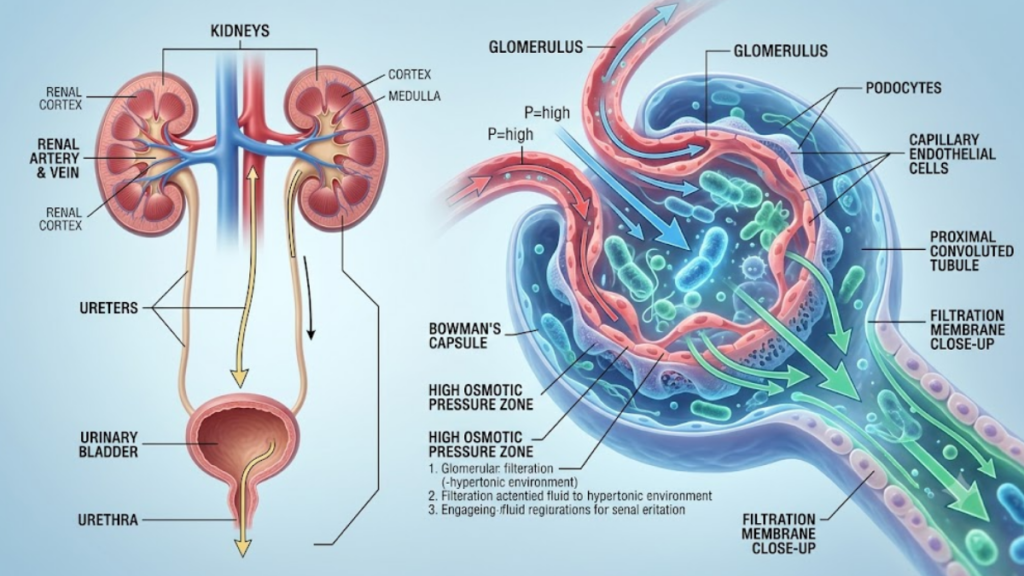
- Stage 3 (Kidney Filtration): Urea enters the bloodstream and travels directly to the kidneys, where it is filtered.
- Stage 4 (Excretion): The waste is completely eliminated from the body through urine.
This urea is then released back into the bloodstream, where it travels directly to the kidneys to be filtered and flushed out through urine.
When you consume a massive high protein breakfast right after waking up, you introduce a heavy nitrogen load at a time when the body is already mildly dehydrated from an overnight fast. This forced filtration requires the liver and kidneys to work at maximum capacity early in the day, creating a challenging environment for anyone with compromised organ function.

Altering the Gut Microbiome by Cutting Carbs for High-Protein Dishes
To maximize their protein intake, many health-conscious individuals severely restrict their carbohydrate consumption, cutting out whole grains, root vegetables, and fresh fruits from their morning meals. While this strategy may minimize immediate blood sugar spikes, it unintentionally deprives the gut of essential soluble and insoluble fibers. A healthy gut also depends on adequate fiber intake and a balanced microbiome. Learn more in our guide on Probiotics for Digestive Health: Benefits, Risks, and How to Choose the Right Supplement.
The beneficial microbes in the human large intestine rely on these complex carbohydrates as their primary food source. Without adequate fiber, the gut microbiome shifts out of balance. When your morning routine centers entirely around an extreme high protein breakfast without a corresponding serving of plant-based fiber, you starve these helpful bacteria.
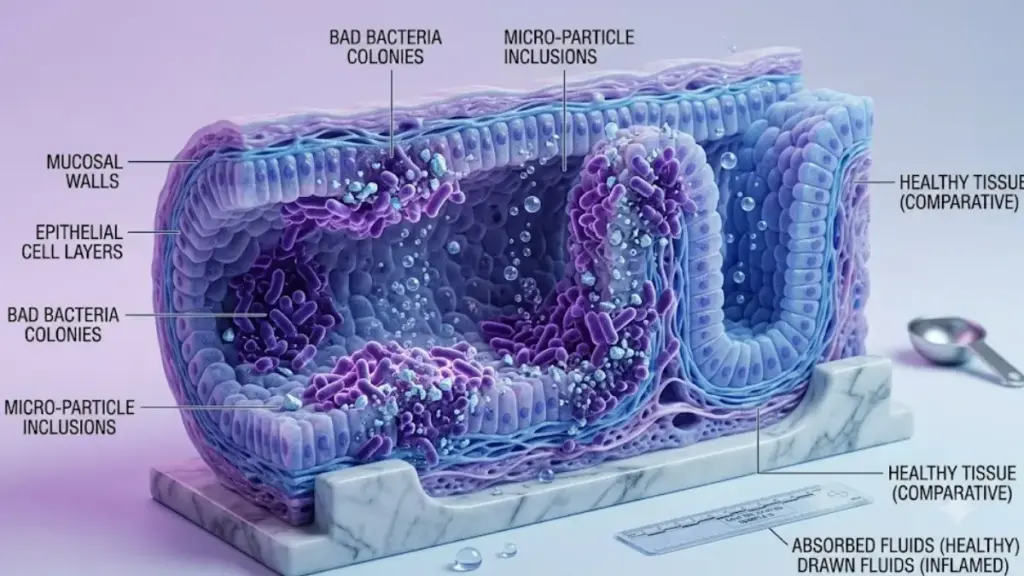
The excess undigested protein that bypasses the small intestine reaches the colon, where it is fermented by putrefactive bacteria. This alternative fermentation process generates toxic gases and metabolites, leading to issues like chronic abdominal bloating, flatulence, and general digestive discomfort. Over time, relying on this unbalanced high protein breakfast alters the microbial pH of your lower bowel, turning a well-intentioned health habit into a primary driver of internal dysbiosis and painful gas retention.
“Nutrition does not exist in a vacuum. A fifty-gram protein fast-break that vitalizes an athlete can overwhelm a compromised renal or hepatic pathway. Before you double down on a heavy morning amino load, ensure your liver and kidneys are actually cleared to process the debt.”
Julian Mercer, Health Consumer Advocate & Founder of The Functional Plate Project
5 Clinical Risk Groups Who Should Rethink a Traditional High Protein Breakfast
If you enjoy a baseline of optimal health, your body can manage an influx of morning amino acids with relative ease. However, for individuals living with specific chronic conditions, a heavy morning protein routine can accelerate tissue damage.

1. Individuals with Chronic Kidney Disease Managing High-Protein Dishes
In patients diagnosed with Chronic Kidney Disease (CKD), the delicate filtering units of the kidneys, known as nephrons, are already structurally compromised. When these individuals consume an abundance of High-Protein Dishes, the volume of urea in their blood rises sharply.
Because the kidneys cannot filter out this waste efficiently, the remaining healthy nephrons must work overtime to try and clear the bloodstream. For individuals with hidden or diagnosed renal vulnerabilities, consuming a heavy high protein breakfast every morning acts as a direct catalyst for metabolic overload.
This elevated filtration pressure causes structural damage to the remaining kidney filters over time, accelerating the decline of overall kidney function and pushing the patient closer to advanced renal failure. When vulnerable filtration systems are bombarded by the heavy nitrogenous waste of an extreme high protein breakfast, the increased workload destroys delicate tissues, proving that an aggressive morning protein habit can severely compromise long-term renal survival.
2. Patients with Elevated Uric Acid Triggered by a Purine-Heavy High Protein Breakfast
Gout is a painful inflammatory condition caused by the accumulation of needle-like uric acid crystals within the joints. Uric acid is the direct byproduct of the breakdown of purines, which are natural compounds found in high concentrations in many protein-rich foods.
Starting the day with a high protein breakfast centered around red meats, bacon, seafood, or heavy game proteins delivers a concentrated dose of purines to the liver. When uric acid production outpaces the kidneys’ ability to clear it, the excess crystals settle into the soft tissues of the joints—most commonly the big toe, ankles, and knees—triggering painful gout flare-ups.
3. Those with Advanced Liver Pathology Vulnerable to Morning High-Protein Dishes
As established, the liver is the body’s only defense mechanism for converting toxic ammonia into safe urea. In patients managing advanced liver conditions, such as cirrhosis, severe fatty liver disease, or chronic hepatitis, healthy liver cells are replaced by non-functional scar tissue. Routinely consuming an oversized high protein breakfast under these compromised conditions can overwhelm the remaining functional liver cells completely.
A breakfast loaded with heavy animal proteins can cause ammonia levels in the blood to rise faster than the liver can process it. This excess ammonia can cross the blood-brain barrier, disrupting the central nervous system and potentially leading to hepatic encephalopathy. Early symptoms include mild confusion and tremors, but severe cases can progress to disorientation, seizures, or dangerous hepatic comas. Choosing a dense high protein breakfast when the liver is structurally impaired creates a dangerous biochemical bottleneck, proving that unmanaged nitrogen loads can directly threaten neurological stability.
4. Diabetics Balancing Diabetic Nephropathy and High-Protein Dishes
Many individuals with Type 2 diabetes choose to cut out carbohydrates at breakfast and focus entirely on animal proteins to keep their morning blood sugar stable. While this can prevent immediate glucose spikes, relying on an extreme high protein breakfast can inadvertently accelerate complications for those with hidden diabetic nephropathy.
Chronic high blood sugar naturally weakens the delicate blood vessels inside the kidney’s filtration system. Introducing a large amount of animal protein early in the day increases the internal pressure within these vulnerable vessels, worsening protein leakage into the urine (albuminuria) and accelerating structural kidney damage. Instead of protecting your health, using a heavy high protein breakfast as a blood sugar management tool when your kidneys are compromised can speed up the decline of vital metabolic organs.
5. Individuals Using Cardiovascular Medications Who Consume a High Protein Breakfast
Morning meals centered around traditional animal proteins—such as pork sausages, bacon, and full-fat cheeses—are often packed with saturated fats and dietary cholesterol. Relying on these greasy processed meats to build a high protein breakfast daily raises blood lipid levels and contributes to the long-term buildup of plaque within the arteries.
This constant influx of saturated fat can reduce the clinical effectiveness of daily cardiovascular medications, such as statins or blood pressure regulators. Over time, this places additional stress on the entire circulatory system, increasing the long-term risks of hypertension and cardiovascular disease. Ultimately, constructing a heavy high protein breakfast out of high-fat animal products can quietly sabotage your blood vessels, turning a morning health routine into a direct threat to your long-term cardiovascular health.
Comparative Metabolism: Animal vs. Plant-Based High-Protein Dishes
Making safe dietary choices requires understanding how different protein sources impact your body’s internal chemistry. Review this comparative matrix to evaluate your options:
| Metabolic Evaluation Factors | Concentrated Animal Protein (Red Meat, Eggs & Dairy) | Lean Plant-Based Protein (Legumes, Seeds & Nuts) |
| Renal Filtration Workload | High; generates substantial nitrogenous waste that requires active clearance. | Low to Moderate; creates a cleaner amino acid profile with less metabolic waste. |
| Purine Concentration Levels | High to Extreme; can significantly raise uric acid levels in the blood. | Low to Moderate; low risk of triggering painful joint flare-ups. |
| Impact on Blood Lipids | Can raise LDL cholesterol due to accompanying saturated fats. | Naturally cholesterol-free; rich in heart-healthy unsaturated fats. |
| Soluble Dietary Fiber Content | Contains 0% fiber; provides no structural support for beneficial gut microbes. | High in prebiotic fibers that support a healthy gut microbiome. |
Read More: Lobster Thermidor Recipe Easy: 3 Shocking Secrets to Elite Seafood At Home!
Nutritional Engineering: Designing a Safe High Protein Breakfast Alternative
If you fall into one of these high-risk categories, you do not need to cut out protein entirely. Protein remains an essential macronutrient for cellular repair and hormone synthesis. Instead, the goal is to shift away from extreme, unbalanced protein loads and create a structurally stable, balanced morning routine.
More Read

Implementing the Balanced Plate Protocol for High-Protein Dishes
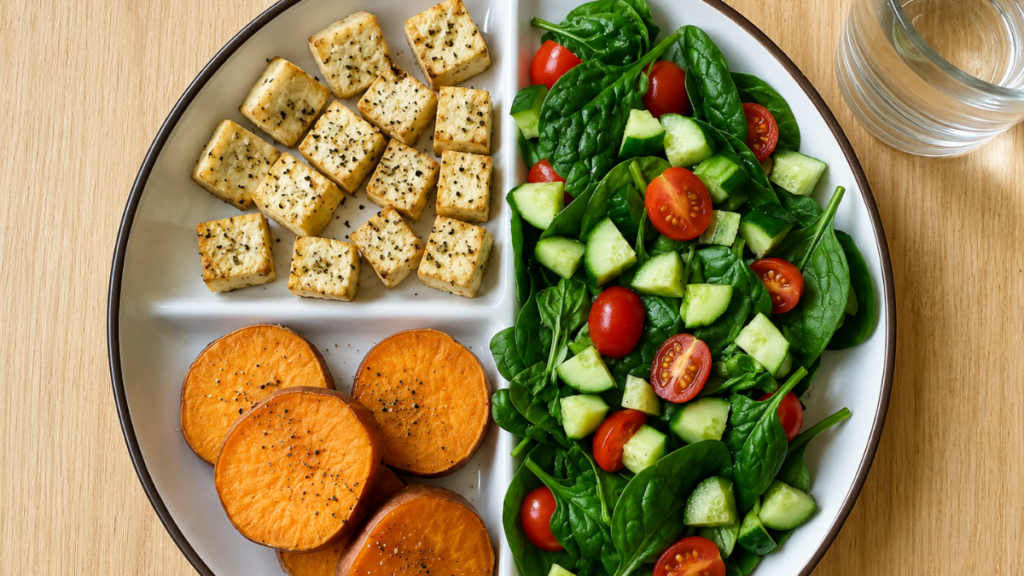
Instead of building a morning meal around protein alone, embrace the balanced plate framework recommended by modern clinical nutritionists. This ensures your body receives steady energy without experiencing digestive or metabolic strain. Shifting away from an isolated, meat-heavy high protein breakfast allows you to distribute your daily macronutrient workload more evenly across multiple organ systems.
By integrating healthy complex carbohydrates, healthy fats, and vital plant fibers alongside your clean protein sources, you create a sustainable nutritional synergy. This comprehensive approach guarantees that your version of a high protein breakfast actively fuels cellular repair and muscle maintenance throughout the morning without forcing your kidneys, liver, or gut microbiome to work under toxic, high-pressure conditions.
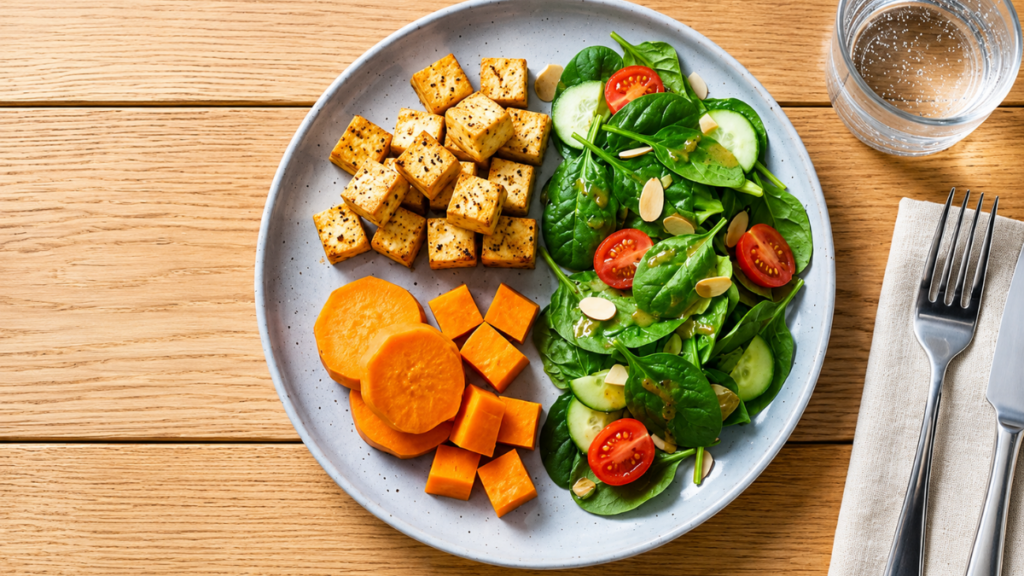
- 25% Lean, Clean Protein: Focus on high-quality, easily digestible options like egg whites, organic tofu, or nonfat Greek yogurt to support muscle maintenance without overloading your system.
- 25% Slow-Digesting Carbohydrates: Incorporate steel-cut oats, quinoa, or sweet potatoes to provide a steady release of energy and avoid sharp blood sugar spikes.
- 50% Micronutrient-Rich Fiber: Fill half your plate with steamed greens, berries, or avocado to introduce essential prebiotic fibers that support a balanced gut microbiome.

Swapping Processed Meats for Leaner Elements in Your High Protein Breakfast
Remove highly processed, sodium-dense meats like commercial bacon, pre-made breakfast sausages, and cured links from your kitchen. The American Heart Association also recommends replacing processed meats with lean protein sources and emphasizing vegetables, whole grains, beans, and other minimally processed foods as part of a heart-healthy eating pattern. If you are trying to build a nutritious high protein breakfast, relying on these factory-processed meats will inadvertently flood your cardiovascular system with harmful saturated fats and excess sodium.
Replace them with gentle, whole-food plant options or lean alternatives. Tempeh strips, sprouted lentils, or organic tofu scrambles seasoned with anti-inflammatory turmeric provide excellent nutrition while keeping your body’s internal workload light and manageable. Transitioning to these clean ingredients ensures your daily high protein breakfast supports muscle recovery and steady morning energy without placing an unnecessary metabolic burden on your liver and kidneys.
Maintaining Strict Pre- and Post-Meal Hydration for High-Protein Dishes
Water is the primary vehicle your kidneys use to flush out nitrogenous waste. To keep your system running smoothly, drink a large glass of warm water (roughly 12 to 15 ounces) immediately after waking up. This rehydrates your body after an overnight fast and jumpstarts healthy blood circulation.
Continue to sip water regularly throughout the morning to help your kidneys efficiently filter out the urea produced from your breakfast. Proper hydration is essential for supporting normal kidney function and healthy digestion. Our article on Why Drinking Enough Water Matters for Digestive Health explains how fluid intake affects bowel function and overall metabolism. ensuring metabolic waste moves out of your system without delay.
Frequently Asked Questions About the Safety of a High Protein Breakfast
Should individuals managing high blood pressure cut out morning protein?
No, people with hypertension do not need to eliminate protein from their morning routine. Protein is vital for cellular health and vascular repair. However, they should avoid sodium-heavy options like commercial bacon, canned meats, and processed cheeses. Shifting toward fresh egg whites, raw nuts, and plant-based proteins is an excellent way to support long-term cardiovascular wellness.
By making these mindful ingredient swaps, individuals managing high blood pressure can still enjoy the sustained satiety of a high protein breakfast without triggering dangerous fluid retention. Selecting clean, low-sodium protein sources ensures the morning meal actively protects arterial elasticity and assists with natural vascular repair throughout the day.
Is a morning whey protein shake safe for individuals with blood sugar issues?
No, relying on highly refined whey protein shakes on an empty stomach can be problematic for people with blood sugar instabilities. Because liquid whey is absorbed very rapidly, it can overstimulate the pancreas and trigger a sharp surge in insulin. This rapid shift can cause reactive hypoglycemia a few hours later, leaving you feeling dizzy, shaky, anxious, and fatigued.
How much protein should someone with chronic health issues eat at breakfast?
For individuals managing chronic kidney conditions or metabolic challenges, a general guideline is to target roughly 15 to 20 grams of protein for their morning meal. However, the ideal amount depends heavily on personal lab markers, such as your creatinine levels and estimated Glomerular Filtration Rate (eGFR). Always consult your primary care physician or a registered dietitian to establish the safest plan for your body.
Final Thoughts
A high protein breakfast can be an excellent tool for daily energy and muscle maintenance, provided it aligns with your body’s unique metabolic capabilities. If you are living with kidney challenges, gout, liver issues, or blood sugar fluctuations, the path to long-term health is not about consuming as much protein as possible. The key is choosing clean, easily digestible protein sources, combining them with healthy complex carbohydrates and prebiotic fibers, and tailoring your meals to your personal health needs.
For more expert consumer advocacy reports, digital media updates, and modern wellness insights, make sure to follow The Couch Insider. If you want to explore advanced strategies for optimizing physical stamina, enhancing vitality, and building nutrient-dense meal plans using clean, premium ingredients, dive into our extensive library of guides in the Quick & Easy section today!