



Choosing the right cooling system often feels like navigating a maze of conflicting specifications and misleading marketing claims. When you search for an AC portable air conditioner, you are bombarded with promises of arctic-like temperatures and silent operation. However, real-world data paints a different picture. Many homeowners discover too late that their high-BTU units struggle to cool even small rooms, while others find the noise levels unbearable for sleep.
- The truth about BTU ratings and actual room cooling
- AC portable air conditioner types: Why dual-hose is the only real choice
- Performance showdown: Portable AC vs Window AC vs Split units
- Best brands identified by real users
- How to choose the right BTU for your square footage
- Installation hacks for casement windows and unusual rooms
- Q&A: Does a portable split unit really exist?
The truth about BTU ratings and actual room cooling
Many consumers blindly follow BTU (British Thermal Unit) ratings printed on boxes, assuming a higher number automatically equals better performance. In reality, the efficiency of an AC portable air conditioner is heavily dictated by your home’s insulation, window types, and humidity levels.
Read more: Best portable air conditioner: Real-world rankings and the truth about brand longevity.
A 12,000 BTU unit might be adequate for a well-insulated 300-square-foot room but will fail miserably in a sun-drenched space with poor ventilation. Experts suggest that for areas with high humidity, much of the energy is spent just dehumidifying the air, leaving little capacity to actually drop the temperature. If your space feels “sticky” despite the unit running, the AC portable air conditioner is likely undersized for the moisture load, not just the temperature load.
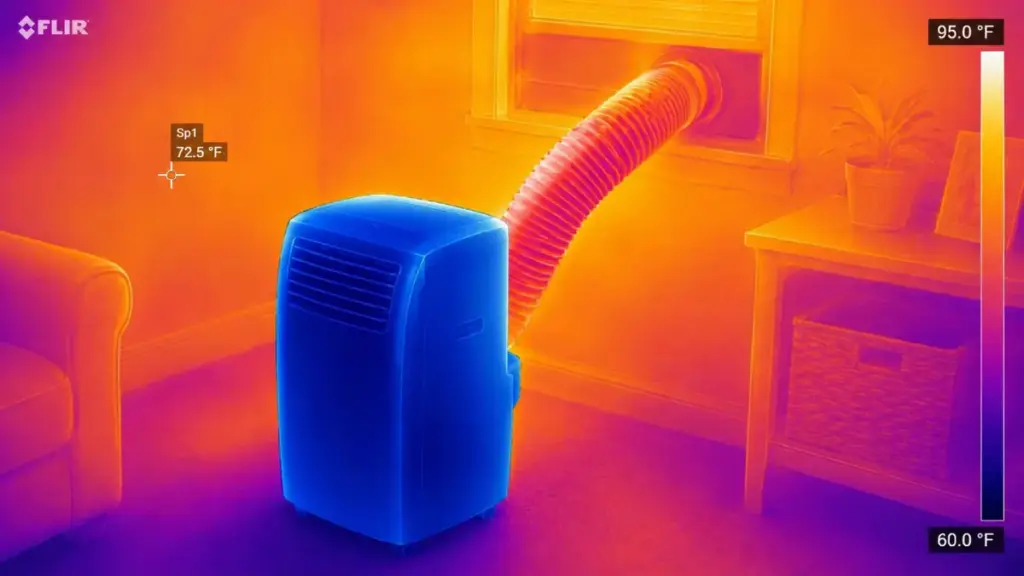
AC portable air conditioner types: Why dual-hose is the only real choice
The industry has long pushed single-hose units because they are cheaper to manufacture and easier to install. However, experienced users consistently warn against them. A single-hose AC portable air conditioner operates by exhausting air from the room, which creates negative pressure. This pressure forces hot, humid air from outside to seep into your home through door gaps and window cracks to replace the exhausted air.
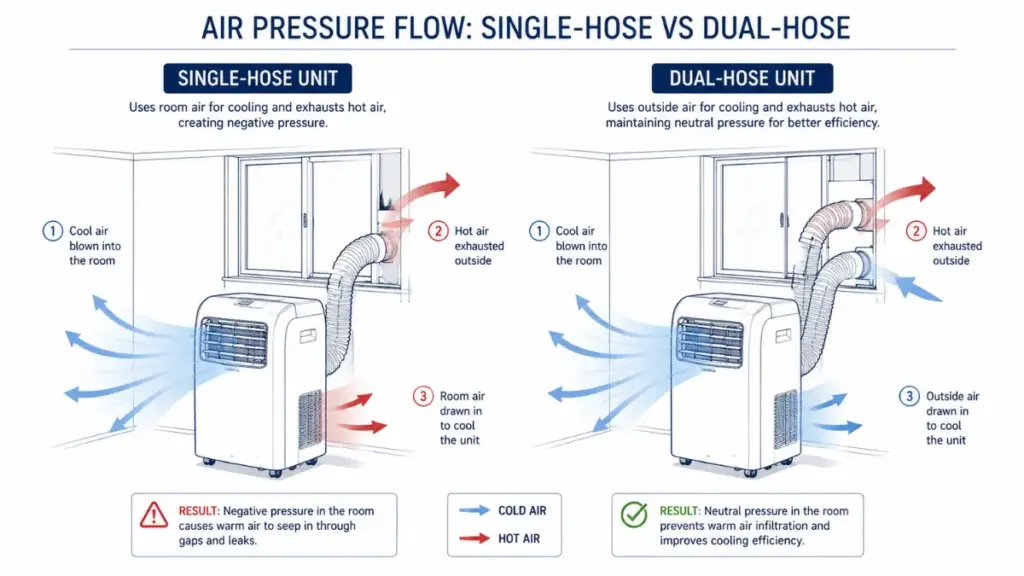
In contrast, a dual-hose AC portable air conditioner uses one hose to intake fresh air from outside to cool its condenser and another to exhaust the waste heat. This closed-loop system for the hot side significantly reduces the negative pressure effect, allowing the unit to maintain room temperature much more effectively. If you have the option, the dual-hose design is the single most important feature to prioritize for professional-grade performance.
Performance showdown: Portable AC vs Window AC vs Split units
| Feature | Window AC | Portable AC (1-hose) | Portable AC (2-hose) | Portable Split |
| Cooling Efficiency | Excellent | Poor | Fair/Good | Very Good |
| Installation | Hard (Fixed) | Easy (DIY) | Moderate (DIY) | Moderate |
| Noise Level | Moderate | Very Loud | Loud | Quiet |
| Negative Pressure | None | High | Low | None |
| Cost | Low | Low/Moderate | Moderate | High |
| Best For | Budget cooling | Small, tiny rooms | Small/Med rooms | Premium cooling |
When comparing systems, it is vital to keep an open mind. A window-mounted unit remains the gold standard for efficiency because it isolates the hot condenser entirely outside. An AC portable air conditioner is essentially a package unit wedged into an indoor space—it is inherently compromised by design.
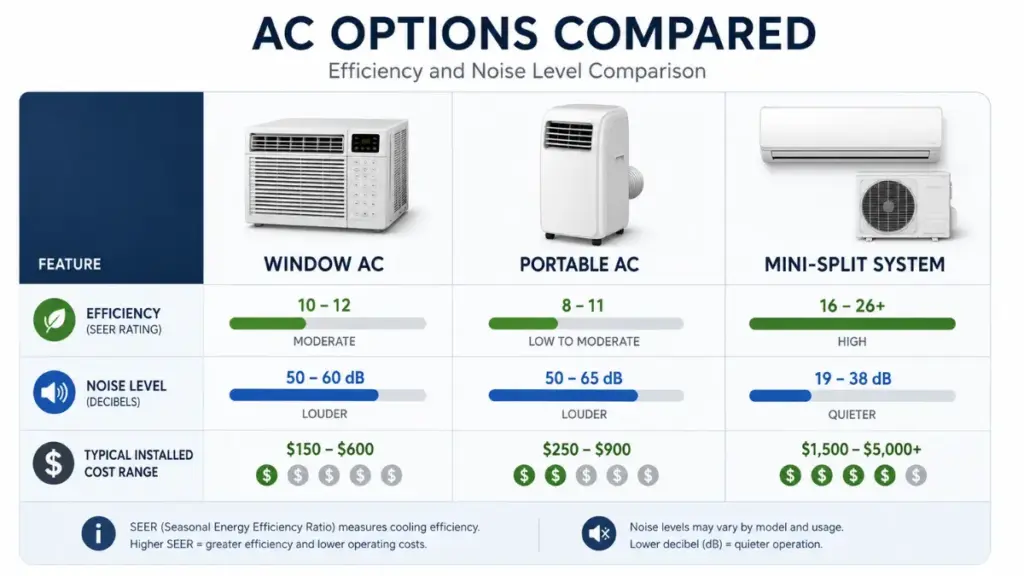
For renters or those in buildings with strict exterior modification rules, the AC portable air conditioner is often the only viable solution. However, if your landlord allows it, a window unit or a permanent mini-split system will always provide superior cooling-per-watt ratios. The trade-off is clear: you pay for the portability of your AC portable air conditioner with higher electricity bills and lower overall cooling output.
Best brands identified by real users
Based on years of collective user reports, certain brands have managed to build a better reputation for durability. Names like Whynter, Midea (specifically their “Duo” line), and Frigidaire often appear at the top of performance lists.
Read more: You Are Poisoning Your Body While Trying to Cool Down: 4 Fatal Summer Cooling Mistakes.
While brands like Black & Decker also offer serviceable units, users frequently note that the longevity of an AC portable air conditioner often depends on how well you manage the internal moisture. Choosing a brand that features an “inverter” compressor can also make a massive difference in both noise levels and energy consumption, as these units do not cycle on and off aggressively.
More Read

How to choose the right BTU for your square footage
Calculating the required capacity is not a guessing game. A good rule of thumb for an AC portable air conditioner is to ensure you have at least 20 to 25 BTUs per square foot of room space. If the room has high ceilings, large windows facing the sun, or multiple electronic devices generating heat, you must scale up accordingly.
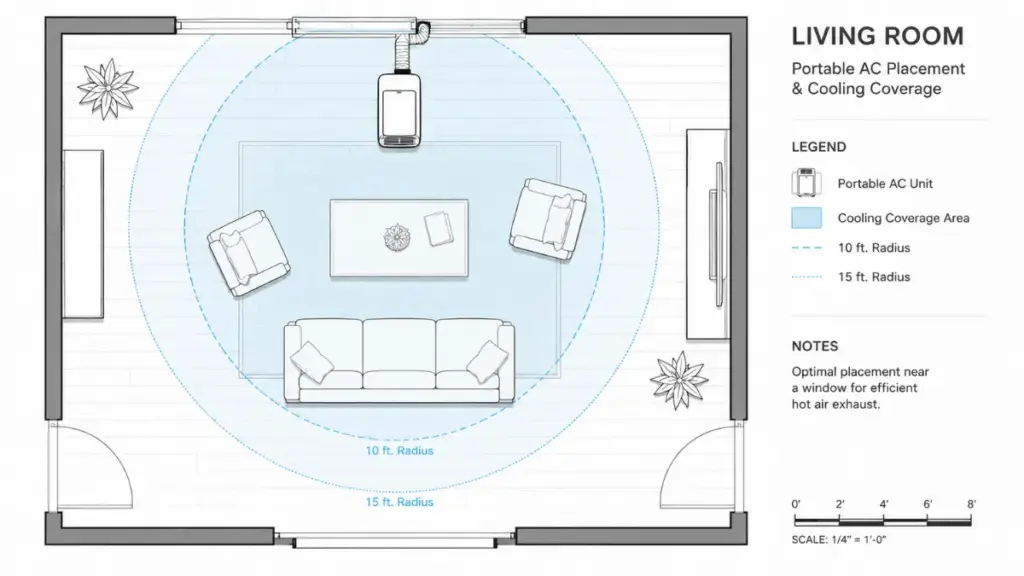
However, do not fall into the “bigger is better” trap. An AC portable air conditioner that is far too powerful will cycle off too quickly, failing to properly dehumidify the air. This leads to a room that feels cold but damp and uncomfortable. Finding the “sweet spot” ensures that the compressor runs long enough to pull moisture out of the air, which is the secret to true comfort.
Installation hacks for casement windows and unusual rooms
One of the biggest hurdles for an AC portable air conditioner owner is the installation process, especially with casement windows or doors. Many off-the-shelf kits are flimsy and leak heat. Many users have turned to DIY solutions, such as custom-cut clear acrylic or marine vinyl inserts.
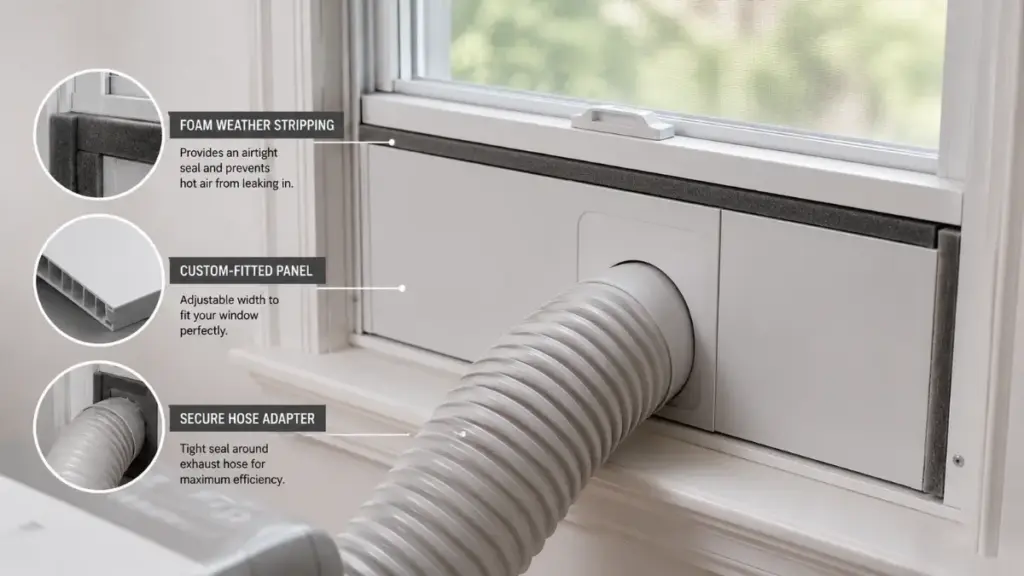
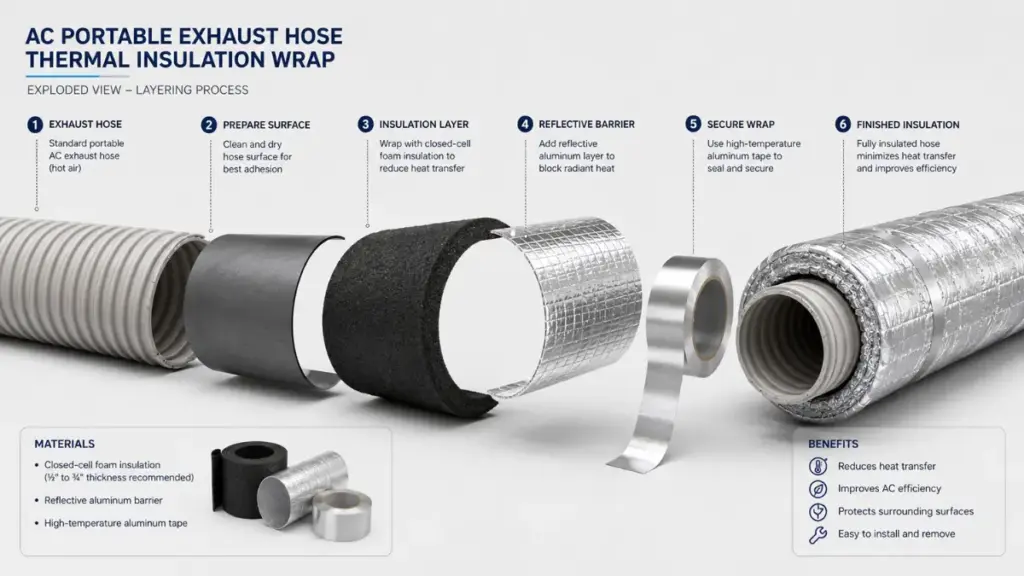
By measuring your window frame precisely and creating a custom plate to hold the exhaust hose, you eliminate the hot air leaks that plague standard kits. This small investment in time can make a poorly performing AC portable air conditioner feel like a brand-new, high-end unit. Remember, every gap around your hose is a point where the heat you are trying to remove is simply walking right back inside.
Q&A: Does a portable split unit really exist?
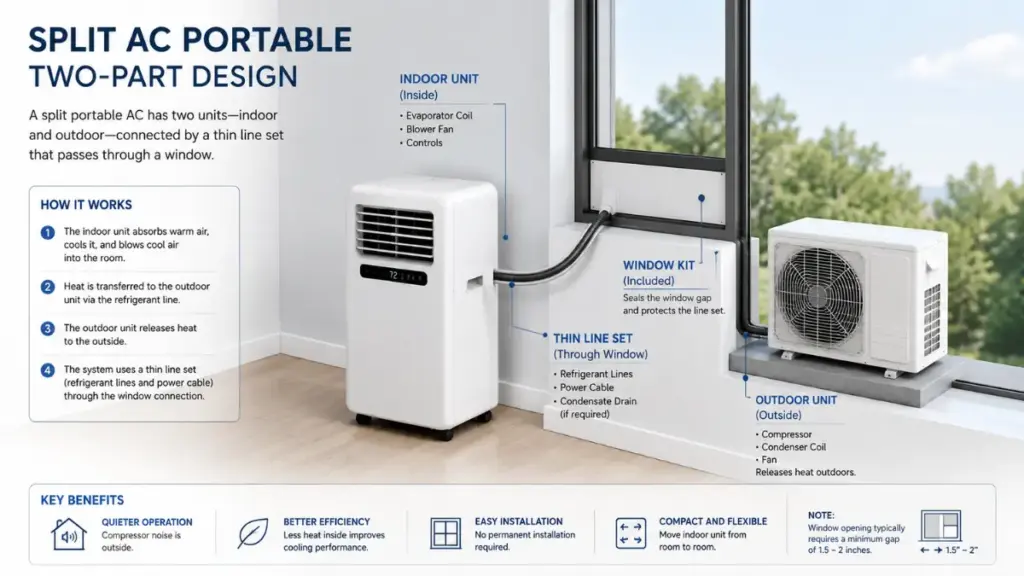
Yes, they do, but they are relatively rare in many markets. A portable split AC portable air conditioner connects the indoor unit and the outdoor heat exchanger with a slim, flexible refrigerant line. Because the condenser is outside, these units are significantly quieter and far more efficient than standard monoblock units.
“True cooling efficiency in a portable format is achieved by isolating the hot condenser from the living space, a design principle that split systems master perfectly.”
Cooling Technology Specialist
If you can find an inverter-driven portable split unit in stock, it is arguably the best purchase you can make if you cannot install a permanent wall-mounted system. They solve the noise issue, the negative pressure issue, and the heat-leak issue simultaneously. While the initial cost is higher, the long-term energy savings and improved sleep quality make the AC portable air conditioner split system a premium, yet worthwhile, choice.

The 3 golden rules before buying an AC portable air conditioner:
- The “Closed-Loop” Check: If you cannot find a dual-hose unit, budget for a DIY dual-hose conversion kit. It is not just a “nice-to-have” upgrade; it is the difference between a cooling machine and a glorified, loud dehumidifier.
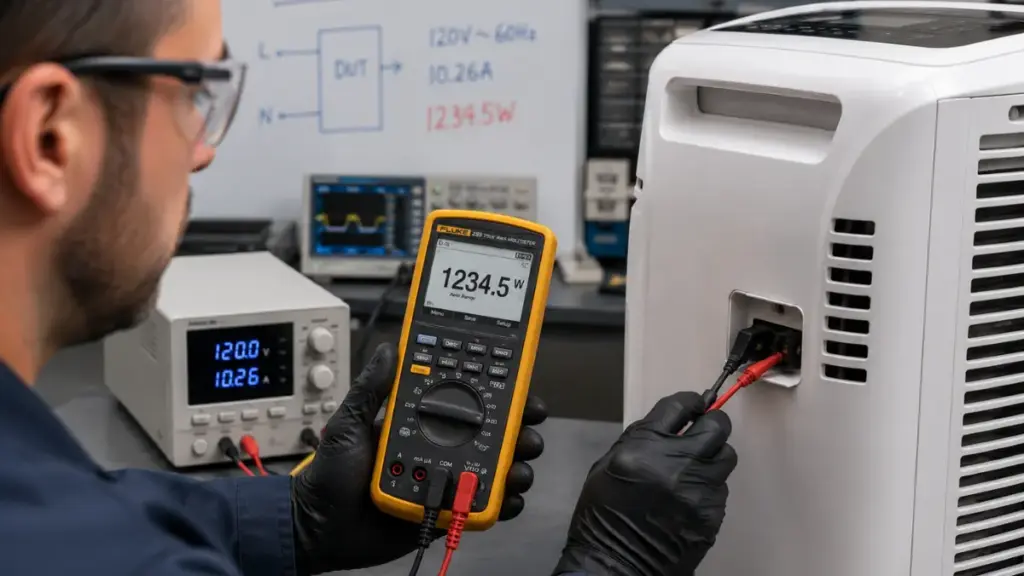
- Circuit Capacity Reality: Never assume your existing outlet can handle a 12,000+ BTU unit running on “Boost” mode along with other appliances. Check your breaker amp rating (15A standard). If the unit triggers the breaker, you have already wasted your money.
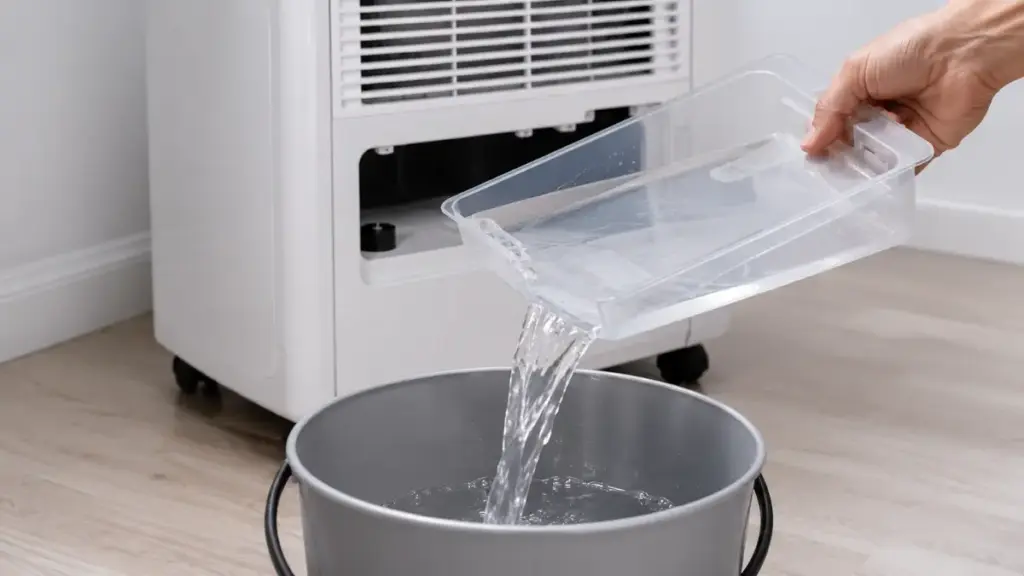
- The “Mold” Maintenance Protocol: Plan for the maintenance cycle. If you live in a humid climate, purchase a unit with a condensation pump or commit to the routine of manually draining the tank. Neglecting this will lead to mold growth on internal coils that effectively turns your AC into a biohazard.
In conclusion, navigating the market for an AC portable air conditioner requires you to be a skeptical buyer. Do not be swayed by bold claims. Look for dual-hose designs, check the actual BTU needs for your specific room, and prepare to invest a little effort into sealing your windows correctly. If you manage your expectations and follow these professional guidelines, your AC portable air conditioner will provide the relief you need when the summer heat becomes unbearable.
LEAVE A COMMENT TO GET EXPERT ADVICE OR FOLLOW THE COUCH INSIDER TO GET UPDATED ON THE LATEST KNOWLEDGE.