

The automotive industry has shifted from heavy steel and tactile gears to complex lines of code and massive digital interfaces. For driving enthusiasts, this transition marks a definitive gap between the era of true mechanical engagement and the modern age of software-defined vehicles. Today, we examine why the last Old SUVs built before software took over still rule the road, offering a level of capability that modern digital systems struggle to replicate.
Why SUVs stopped being purely mechanical
The migration from physical controls to digital networks was a gradual process that transformed how we interact with our vehicles. In the past, Old SUVs were designed as machines that could be serviced with basic hand tools. When you turned the key in an old 4×4 SUV, you were directly engaging a fuel system and a starter motor. Today, that connection is heavily buffered by multiple electronic control units. This evolution, while aimed at efficiency, stripped away the raw, predictable nature that defined analog SUVs. Understanding this change is vital for anyone who appreciates why mechanical SUVs hold such a unique position in history today.
Read more: Why the Honda Element Refuses to Depreciate Like Most Compact SUVs.
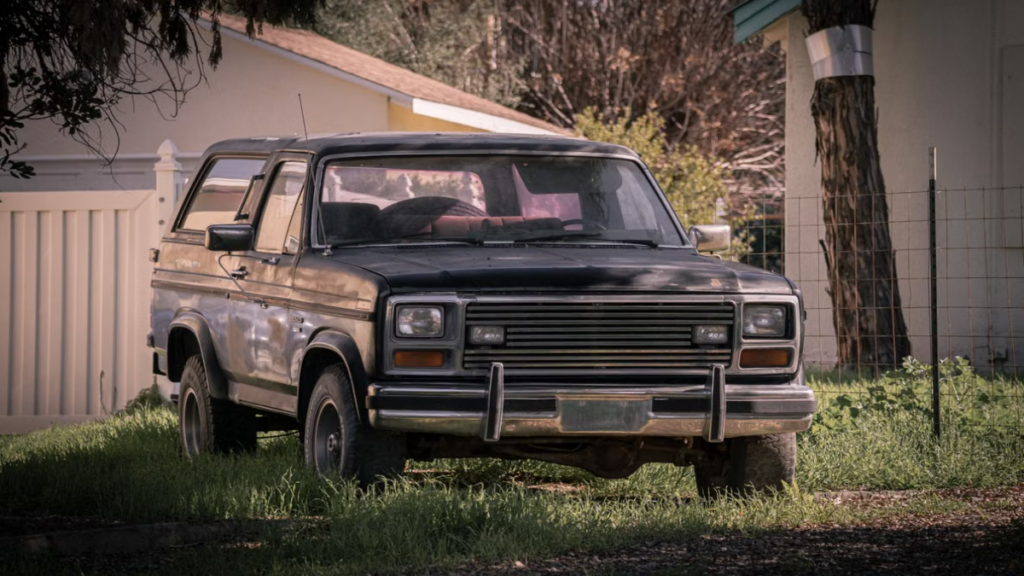
The five design philosophies that disappeared from old SUVs
The design language of classic SUVs was once rooted entirely in utility and durability. Several core philosophies have unfortunately vanished as software took over:
- Mechanical feedback: Road bumps were felt directly through the steering rack, not filtered through software algorithms.
- Serviceability: Every major component in vintage SUVs was accessible without needing complex diagnostic computers.
- Predictability: You never faced “limp modes” caused by a faulty digital sensor in an entertainment system.
- Heavy-duty simplicity: Using over-engineered steel parts was the standard for old 4×4 SUVs.
- Purpose-driven form: Every bolt and panel served a structural or functional requirement, not a marketing gimmick.
How software quietly replaced mechanical engineering
As the automotive world entered the 21st century, software became the primary differentiator. Instead of refining combustion through mechanical intake design, manufacturers began using software to manage complex fuel injection maps. While this made many used SUVs more efficient, it also introduced a layer of electronic fragility. When a vehicle’s primary functions depend on code, its lifespan is tied to the availability of proprietary electronic components. This trade-off is exactly why these classic models remain highly sought after by those who value long-term ownership and the ability to repair their own machines.

The last generation of SUVs that escaped the software era
Several iconic platforms define the final stand of the mechanical machine. These body-on-frame SUVs represent the pinnacle of an era where engineering dominated digital design.
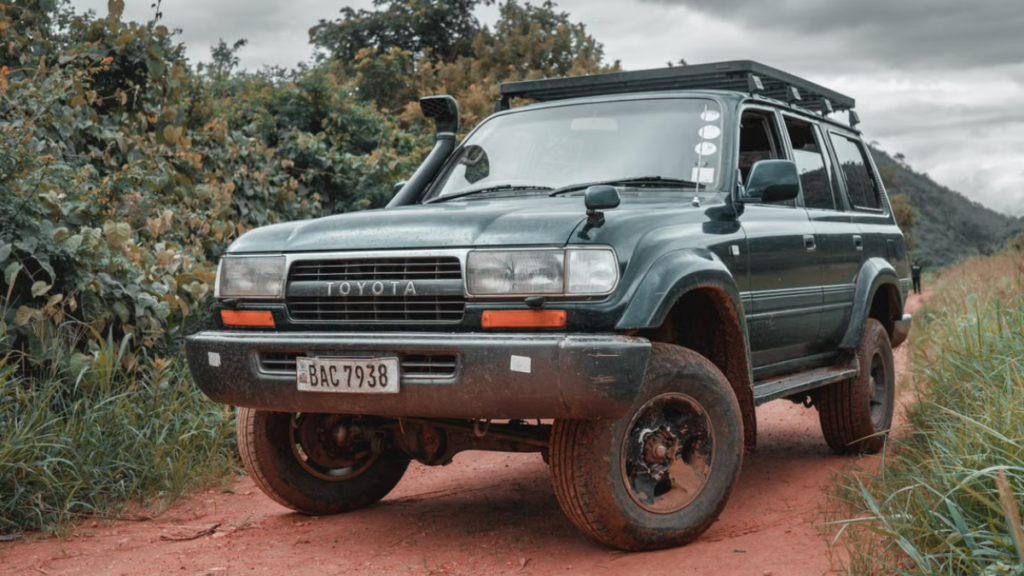
Toyota Land Cruiser 80 Series
This is arguably the most famous of all Old SUVs. It perfectly balanced off-road capability with interior comfort before digital complexity took over.
More Read

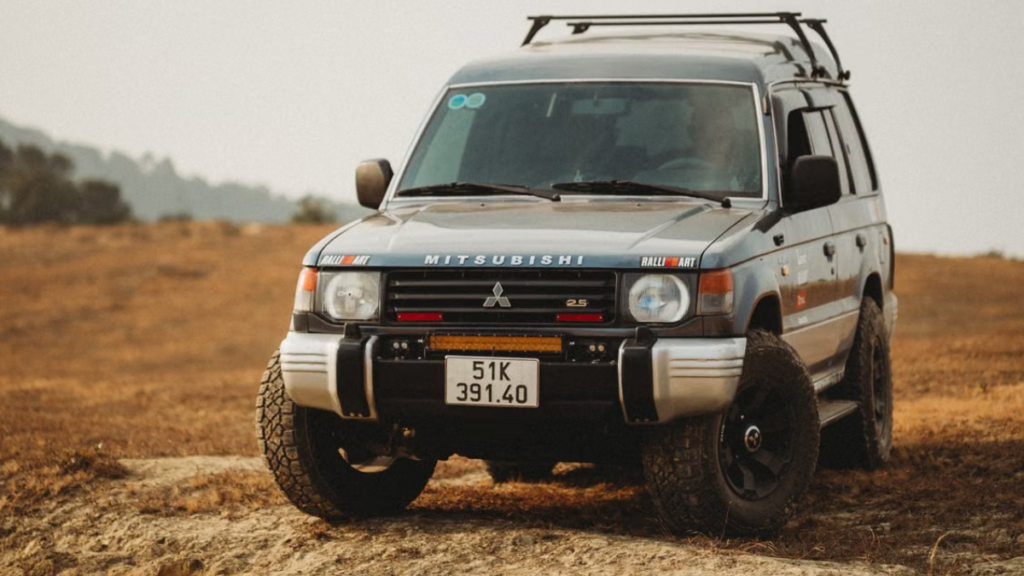
Mitsubishi Pajero
The early iterations of this model remain beloved for their robust 4WD systems, which rely on mechanical levers rather than software-defined switches.
Jeep Cherokee XJ
The XJ is a masterclass in minimalism. Its unibody construction and simple engine architecture make it one of the most modified Old SUVs in history.

Nissan Patrol Y61
A true titan of the analog SUVs world. It remains a top choice for global travelers who prioritize the ability to repair a vehicle in remote areas.

Lexus LX470

The LX470 shares the heart of the 100-series Land Cruiser, retaining a heavy-duty foundation that most modern, software-reliant crossovers cannot match.
Read more: CR-V Hybrid Sport vs. Sport Touring: Why the Sport-L is the Secret Sweet Spot.

Why many drivers now miss old SUVs more than ever
In a world where climate control and navigation are hidden inside submenus, the simplicity of Old SUVs has become a luxury. Drivers are becoming weary of mandatory software updates and subscription-based vehicle features. Owning one of these mechanical SUVs offers a sense of total autonomy. It is a rebellion against the “disposable” nature of modern technology. Whether used for weekend adventures or as a reliable daily driver, Old SUVs do exactly what they were built to do without requesting permission from a digital interface.
“True mechanical freedom is found when the driver and the machine share a language of gears and torque, not data streams.”
Jade

FAQ
Why are old SUVs becoming popular again?
Drivers are seeking an authentic, tactile experience that is lost in modern, software-defined vehicles. Old SUVs provide a direct, honest connection to the road.
Are old SUVs more reliable than modern SUVs?
In terms of mechanical longevity, Old SUVs often outperform modern vehicles because they lack the complex, failure-prone electronic systems found in today’s cars.
Which old SUVs are still practical for everyday driving?
The Toyota Land Cruiser 80 Series and Jeep Cherokee XJ remain highly practical for daily use. These used SUVs offer a balance of comfort and utility that remains relevant today.

Conclusion
The era of the purely mechanical vehicle has largely passed, but the legacy of Old SUVs continues to thrive. These machines stand as a testament to an age where engineering was measured by steel, gear ratios, and torque, rather than processor speeds. As we move further into a software-defined future, the value and appeal of these mechanical SUVs will only continue to rise.
LEAVE A COMMENT FOR EXPERT ADVICE OR FOLLOW OUR WEBSITE THE COUCH INSIDER TO STAY UPDATED WITH THE LATEST KNOWLEDGE.