
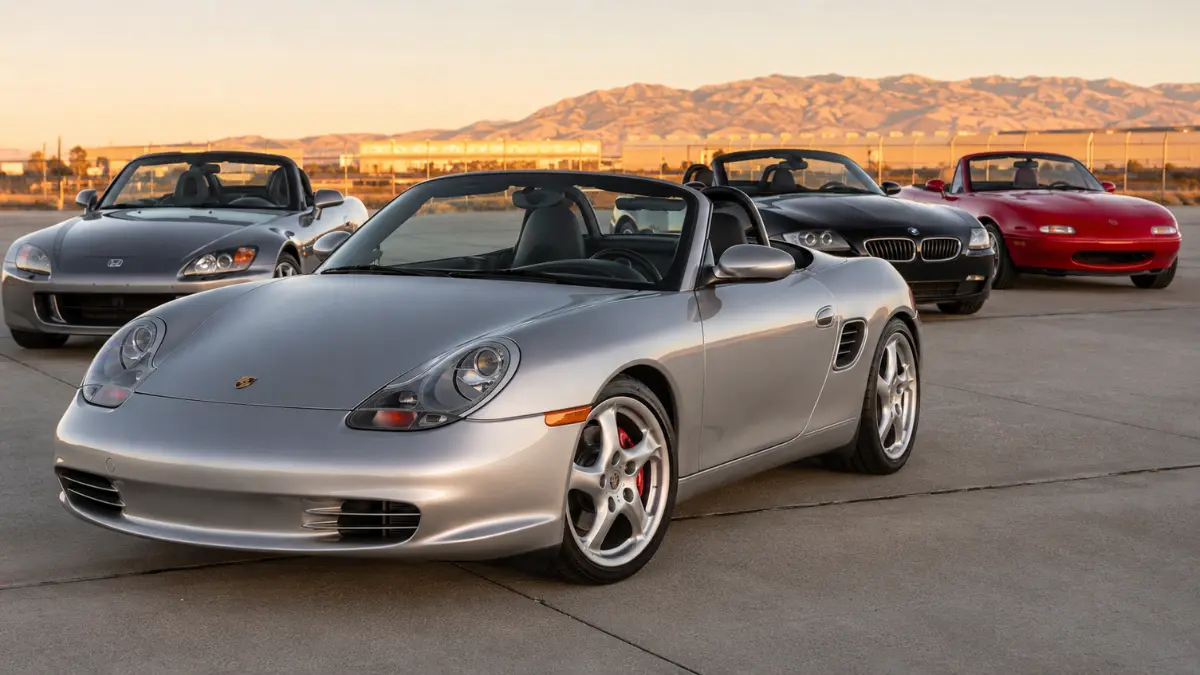

Evaluating a classic mid-engine Porsche Boxster against its primary sports car competitors from the 2004 model year requires a deep analytical look into mechanical engineering, long-term ownership realities, and financial depreciation curves. Over two decades after rolling off assembly lines, these lightweight open-top sports cars have transitioned from daily drivers into desirable enthusiast modern classics.
- Overview of four legendary 2004 roadsters and their unique appeal
- Evaluating twenty year reliability from real ownership experience
- Component replacement and maintenance costs of a Porsche Boxster
- Real world depreciation trends for 2004 roadster models
- Making the right buying decision for your automotive preferences
- Conclusion on choosing the ideal 2004 sports car
When analyzing the Porsche Boxster alongside key rivals like the Honda S2000, BMW Z4, and Mazda MX-5 Miata, prospective buyers must balance raw driving dynamics against long-term operating overhead. Understanding how each platform aging profile affects long-term ownership satisfaction remains the ultimate prerequisite before making an investment.
This comprehensive technical guide evaluates the mechanical architecture, component failure points, real-world maintenance expenses, and market valuation trends of the 2004 Porsche Boxster and its most prominent open-top rivals.
Overview of four legendary 2004 roadsters and their unique appeal
Selecting an enthusiast sports car from the 2004 model year offers a unique intersection of raw analog driver feedback and modern mechanical refinement. The 2004 Porsche Boxster represents the refined pinnacle of the first-generation 986 chassis, specifically the 986.2 facelifted variant featuring acoustic glass rear windows and upgraded engine management software.
During this era, automobile manufacturers engineered distinct chassis layouts that delivered radically different driving characteristics. Evaluating 2004 roadster cars requires looking beyond raw horsepower figures to analyze chassis stiffness, weight distribution, and steering feedback.
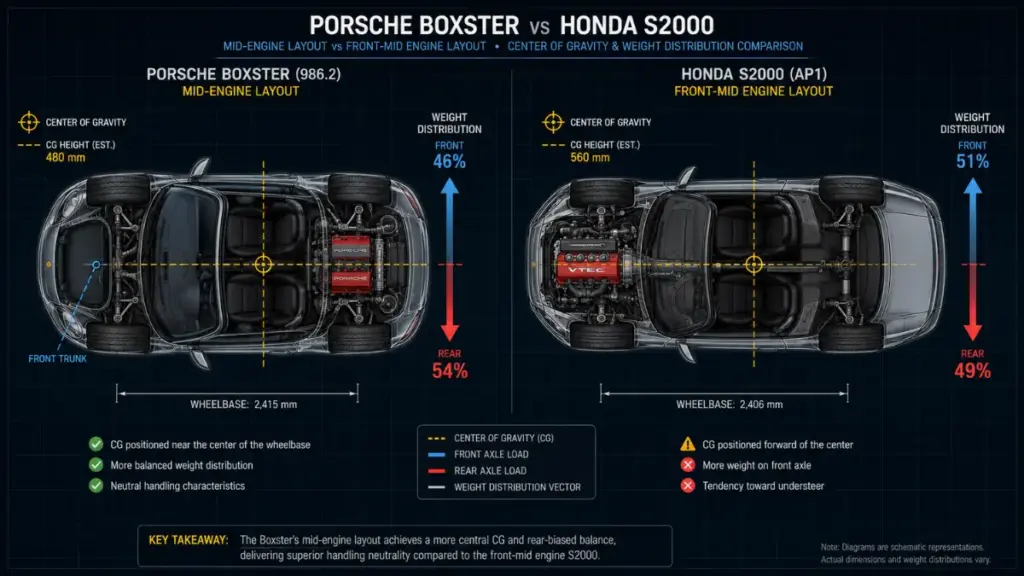
While the Porsche Boxster utilizes a mid-engine, rear-wheel-drive configuration, its primary rivals employed front-mid engine layouts that created vastly different polar moments of inertia during aggressive cornering maneuvers.
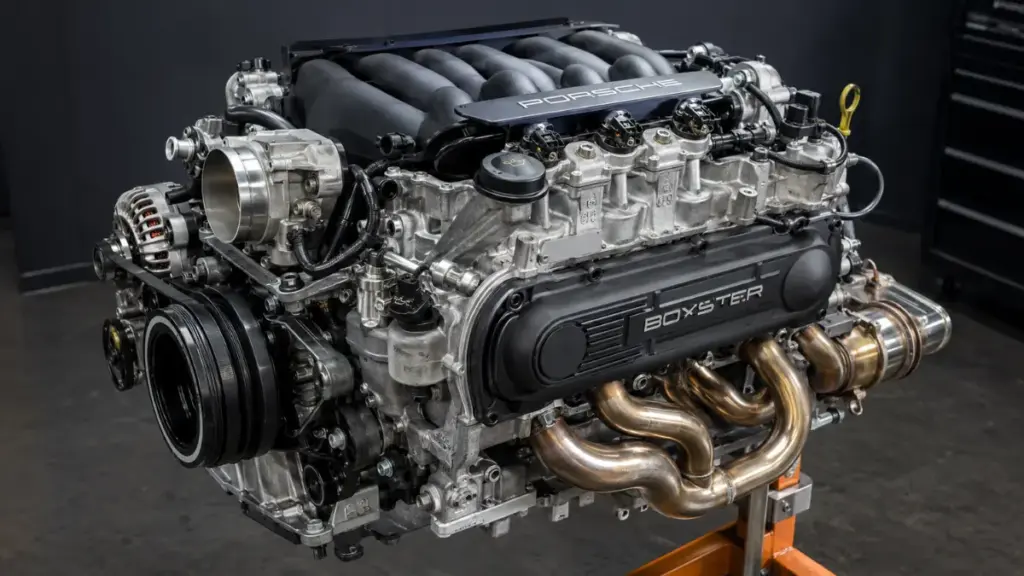
Porsche Boxster 986 point 2 as a mid engine performance benchmark
The 2004 Porsche Boxster utilizes a naturally aspirated flat-six engine positioned directly behind the passenger cabin and ahead of the rear axle line. This mid-engine placement produces an exceptionally low polar moment of inertia, enabling instantaneous turn-in response and remarkable high-speed cornering balance.
Equipped with either a 2.7-liter base engine or a 3.2-liter engine in the Boxster S variant, the 986.2 generation delivers smooth, linear power delivery paired with an unmistakable intake sound signature right behind the driver ears.
Furthermore, hydraulic power steering in the Porsche Boxster provides exceptional tactile feedback through the steering wheel, allowing drivers to feel subtle shifts in front tire traction long before understeer occurs.
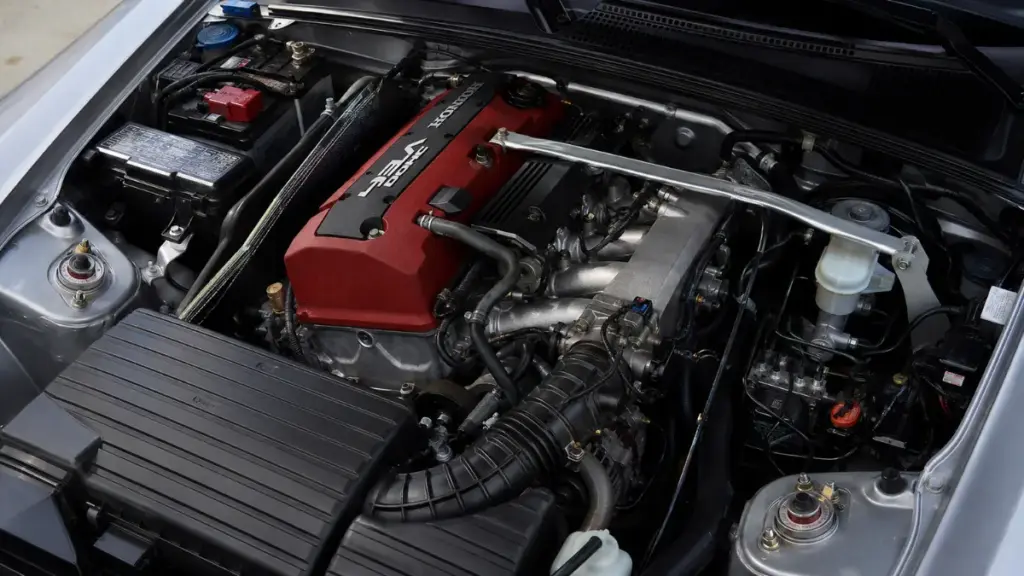
Honda S2000 AP2 with high revving atmospheric power
Comparing a Porsche Boxster vs Honda S2000 highlights two distinct engineering philosophies aimed at achieving pure driver engagement. The 2004 Honda S2000 marked the transition to the AP2 generation in North America, incorporating the 2.2-liter F22C1 inline-four engine with an 8,000 RPM redline.
Unlike the broad torque curve of the Porsche Boxster, the S2000 relies on high-rpm VTEC variable valve timing to generate its peak power high in the rev band. This engine is mated to one of the most precise, short-throw six-speed manual transmissions ever manufactured.
However, the stiff chassis and aggressive rear suspension geometry of the S2000 demand precise driver inputs, making it less forgiving near the limit compared to the progressive handling balance of a mid-engine car.
Read more: Level 2 Autonomy: 5 Cognitive Traps That Compromise Human Control In Modern Vehicles
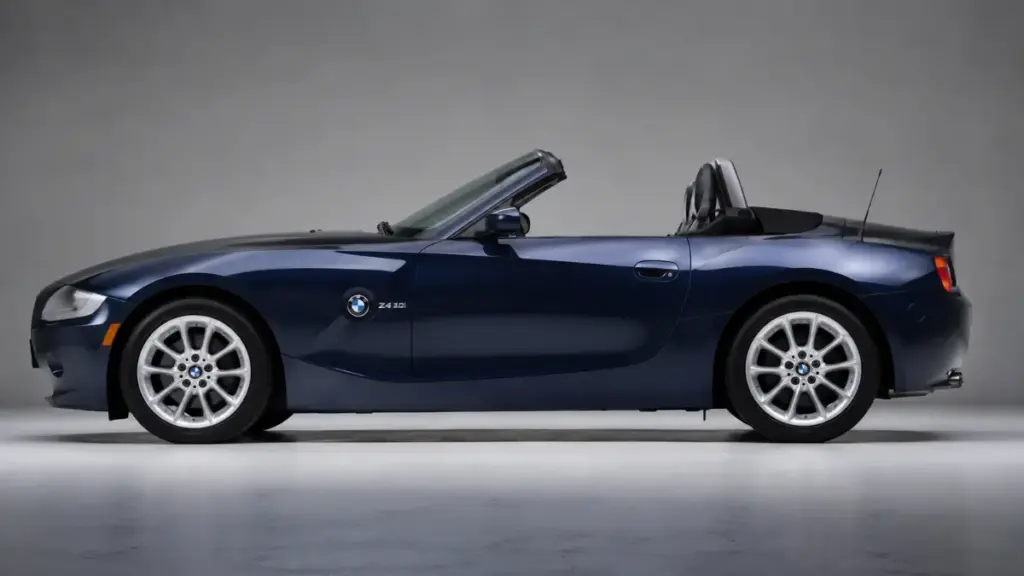
BMW Z4 E85 offering classic inline six roadster styling
The 2004 BMW Z4 E85 presents classic long-hood, short-deck proportions powered by the robust M54 naturally aspirated inline-six engine family. Positioned against the Porsche Boxster, the Z4 offers strong low-end torque delivery and classic rear-wheel-drive GT cruising capabilities.
Available with either a 2.5-liter or 3.0-liter displacement, the Z4 delivers smooth acceleration and low maintenance complexity regarding basic engine block components.
However, the early electric power steering system fitted to the E85 Z4 lacks the nuanced micro-feedback delivered by the hydraulic rack inside the Porsche Boxster, making high-speed cornering feel slightly artificial by comparison.
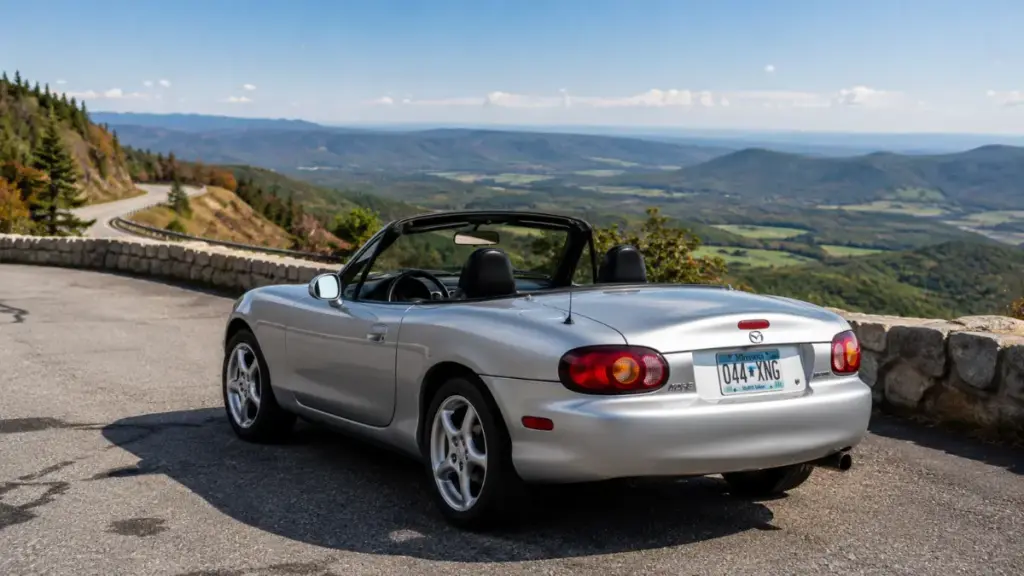
Mazda MX5 Miata as a lightweight and reliable convertible
The Mazda MX-5 Miata represents the purest expression of low-mass sports car engineering, weighing significantly less than a contemporary Porsche Boxster. Utilizing a humble 1.8-liter four-cylinder engine, the Miata relies on momentum driving tactics rather than outright straight-line acceleration.
While the Porsche Boxster offers superior high-speed stability and far greater structural rigidity, the Miata excels in operating affordability, component availability, and easy DIY maintenance.
For enthusiasts seeking low-risk entry into open-top motoring without high component replacement expenses, the Miata provides an accessible baseline against which German engineering costs must be measured.
Evaluating twenty year reliability from real ownership experience
Assessing the 20 year reliability of a Porsche Boxster requires separating internet hyperbole from actual mechanical durability data gathered across thousands of owner miles. When properly maintained with high-grade synthetic lubricants and timely component replacement, the core mechanical structure of the 986 chassis displays impressive longevity.
German chassis engineering from this era utilized robust zinc-galvanized steel panels that exhibit superior rust resistance compared to contemporary Japanese competitors. A well-kept Porsche Boxster showing 100,000 miles can feel structurally tighter than many lower-mileage vehicles constructed with lighter chassis bracing.
However, heat retention inside the tight rear mid-engine bay accelerates the degradation rate of rubber bushings, plastic coolant fittings, and ignition coils over long operating timelines.
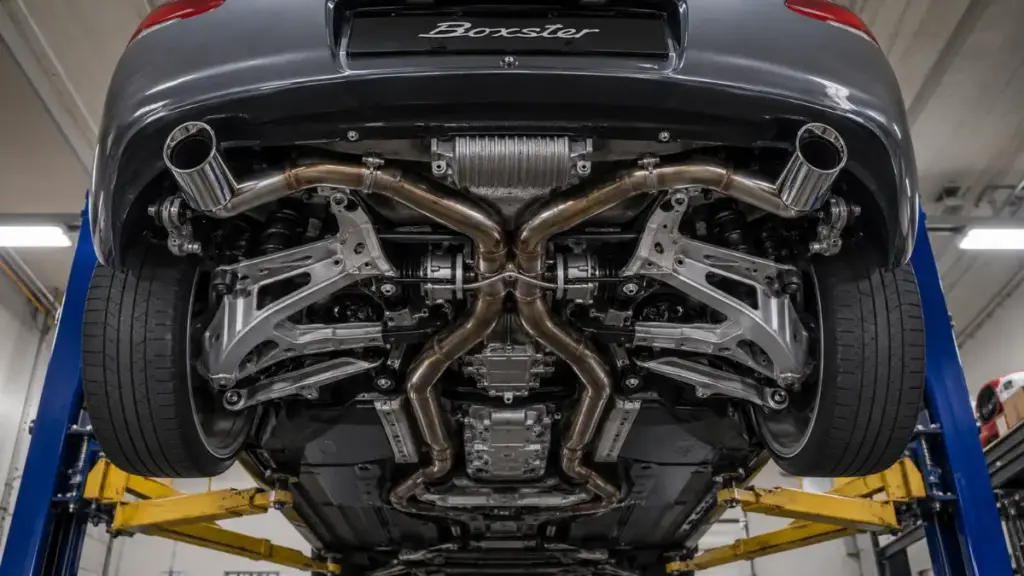
Structural integrity and mechanical durability of the Porsche Boxster
The unibody construction of the Porsche Boxster was designed from the ground up as a dedicated convertible chassis rather than a stiffened coupe adaptation. This architectural decision eliminated excessive cowl shake and provided structural rigidity capable of handling firm suspension tuning without flex.
Long-term ownership reports indicate that wheel bearings, steering racks, and manual transmissions inside the Porsche Boxster easily exceed 150,000 miles when operated without track abuse or fluid neglect.
The hydraulic convertible top mechanism on the 986.2 revision also proved far more durable than early cable-driven designs, provided owners lubricate pushrods and clear rear drain foam trays annually.
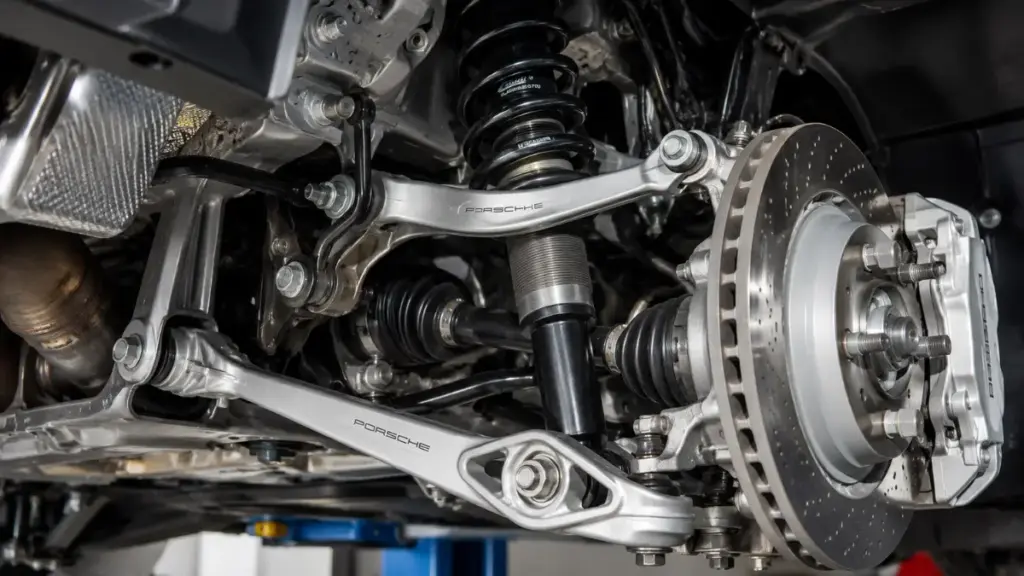
Debunking the intermediate shaft bearing issue on the Porsche Boxster
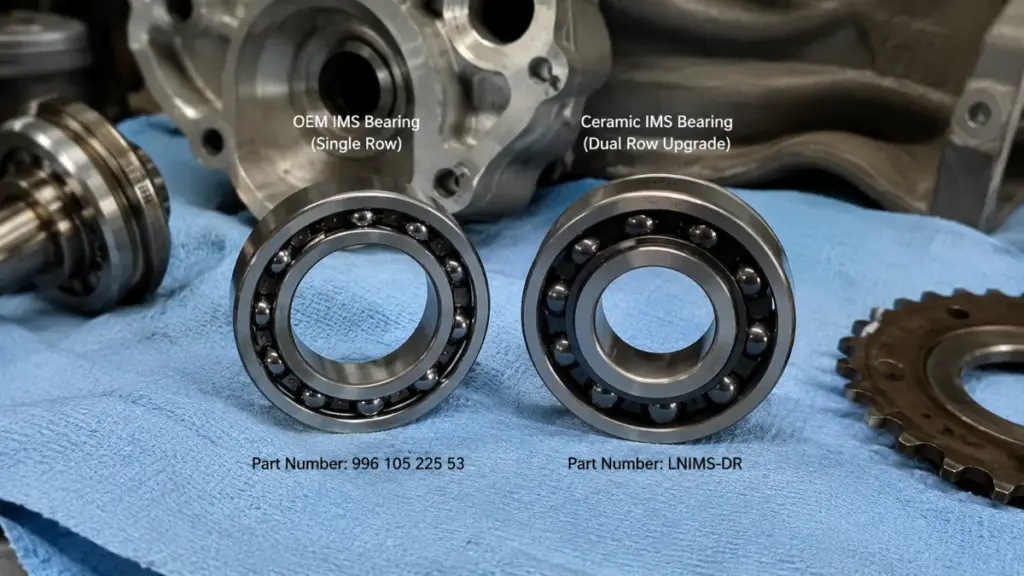
No discussion regarding the Porsche Boxster engine reliability is complete without addressing the intermediate shaft (IMS) bearing. The IMS transfers drive from the crankshaft to the camshafts inside the M96 flat-six engine family.
“Understanding actual component failure rates versus online panic allows sports car buyers to acquire exceptional performance values with complete peace of mind.”
Jade
In the 2004 model year 986.2 Porsche Boxster, factory engines utilized an updated single-row IMS bearing design. While early dual-row bearings had a low failure rate under 1%, single-row variants exhibited higher failure rates when operated with extended oil change intervals.
However, vast numbers of remaining 2004 vehicles have either already surpassed 100,000 miles without issue or received upgraded aftermarket ceramic cylindrical bearings during routine clutch replacement procedures. Installing a retrofitted bearing completely eliminates this structural failure point forever.
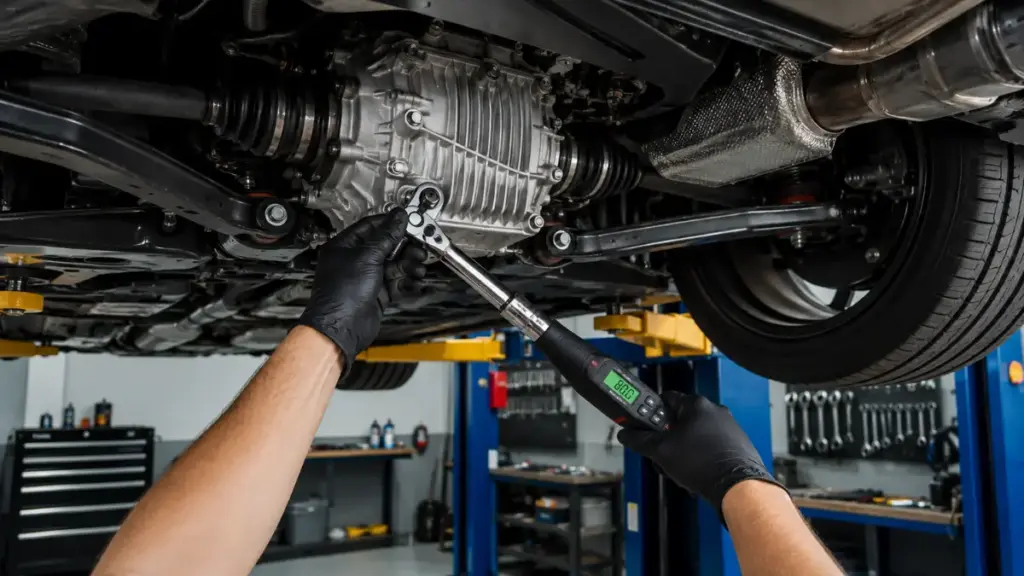
Assessing component longevity across competing 2004 roadster cars
Evaluating component wear across all four platforms reveals distinct failure patterns unique to each manufacturer engineering choices. While the Porsche Boxster suffers from localized engine bay thermal buildup, its chassis hardware remains exceptional.
By contrast, the Honda S2000 displays virtually bulletproof engine valvetrain durability but suffers from differential housing stress under hard launch conditions and driver seat leather wear.
The BMW Z4 features long-lasting engine blocks but requires complete cooling system overhauls—including plastic water pumps and expansion tanks—every 60,000 miles to prevent sudden overheating failures.
Read more: 10 Dangerous Truths About AI in Cars That Manufacturers Hide From You
Component replacement and maintenance costs of a Porsche Boxster
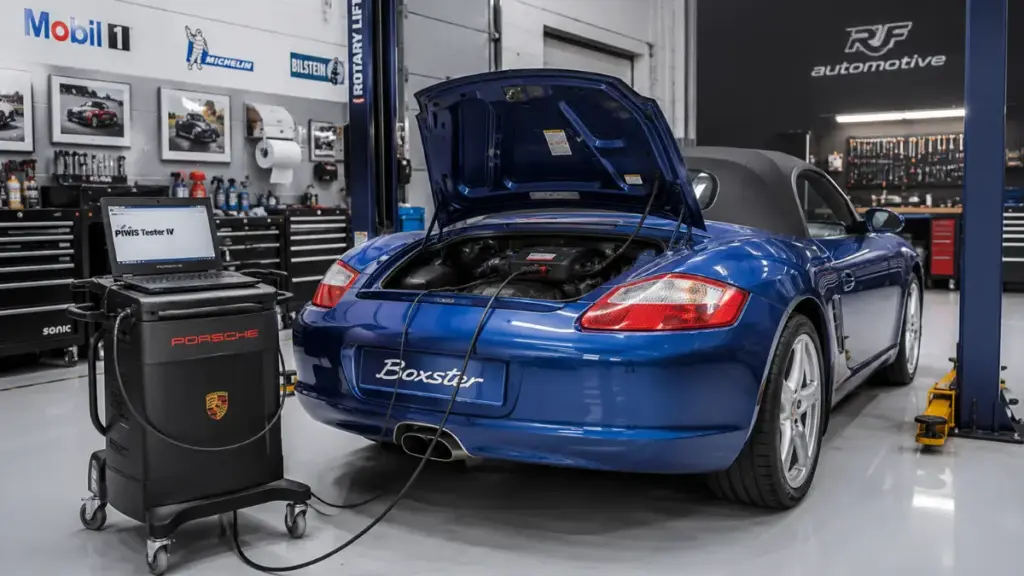
Understanding the real-world maintenance costs of a Porsche Boxster is essential for budgeting long-term vehicle ownership without financial surprises. Operating a premium German sports car requires accepting higher baseline part prices compared to high-volume Japanese commuter platforms.
More Read
Annual maintenance budgets for a 2004 Porsche Boxster typically range between $1,200 and $2,500 when factoring in fluid changes, tire replacements, and preemptive wear-item refreshing.
Neglecting preventative service schedules on a flat-six engine inevitably leads to catastrophic component failures that far exceed the routine servicing costs required to keep the car running perfectly.
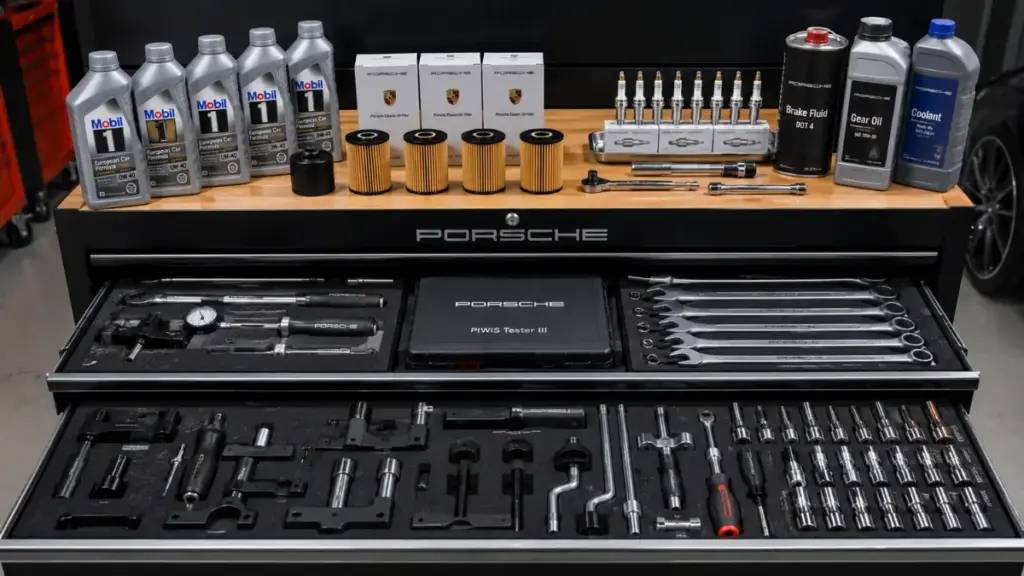
Routine maintenance costs of a Porsche Boxster and key wear items
Routine oil service on a Porsche Boxster requires roughly 9 quarts of high-grade full synthetic 5W-40 oil alongside a fresh filter cartridge. Performing this service every 5,000 miles or annually protects hydraulic lifters and chain tensioners from premature wear.
Key wear items that demand monitoring on a 2004 Porsche Boxster include:
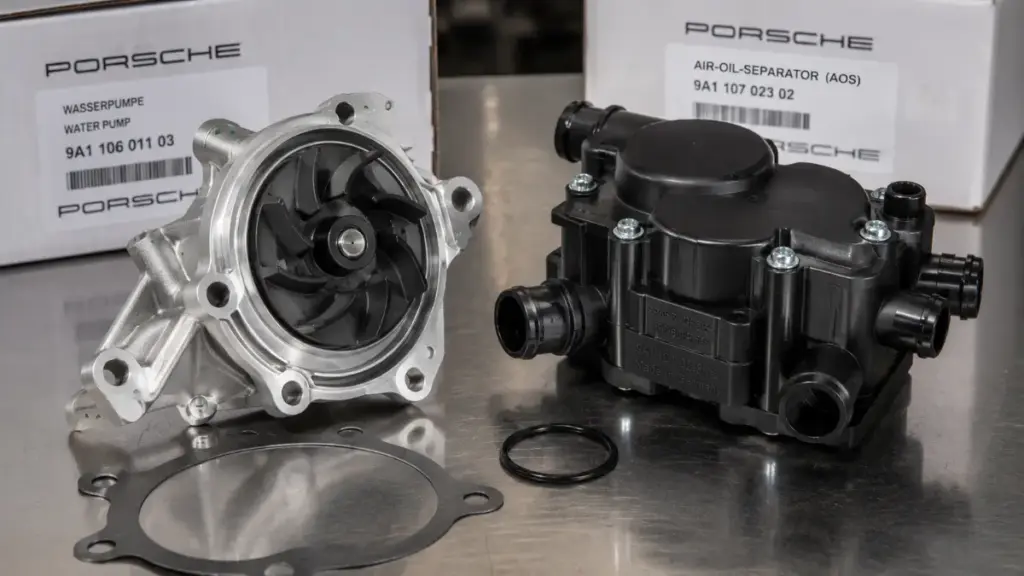
- Water pumps with plastic impellers (replacement recommended every 40,000–50,000 miles to prevent internal housing score damage)
- Air-Oil Separators (AOS) which regulate crankcase vacuum pressure and prevent oil ingestion into intake manifolds
- Ignition coil packs and spark plugs which degrade due to proximity to hot exhaust manifolds
- Front and rear suspension bump stops and control arm ball joints
Replacing these items proactively ensures that the engine and chassis remain operating at peak factory specifications without unexpected roadside breakdowns.
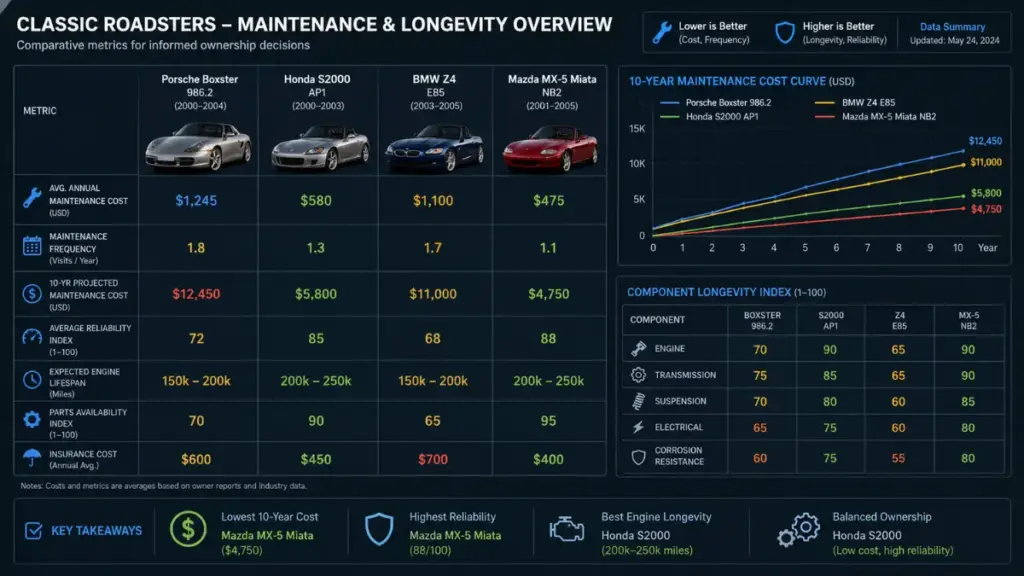
Comparing annual running expenses across four classic sports cars
To contextualize real-world ownership budgets, comparing annual operating costs across all four 2004 roadsters provides clear visibility into long-term financial commitments.
The following comparative table breaks down estimated maintenance, parts pricing, and service complexity across these four open-top models:
| Vehicle Platform | Est. Annual Maintenance | DIY Serviceability | Major Wear Point | Relative Parts Cost |
| Porsche Boxster (986.2) | $1,500 – $2,500 | Moderate (Mid-engine access) | Water Pump / AOS / IMS | Premium / Specialist |
| Honda S2000 (AP2) | $800 – $1,400 | High (Spacious engine bay) | Differential / Valve Retainers | Moderate / OEM Limited |
| BMW Z4 3.0i (E85) | $1,000 – $1,800 | High (Inline-6 front access) | Cooling System / Control Arms | Moderate / Aftermarket Rich |
| Mazda MX-5 Miata (NB/NC) | $400 – $800 | Very High (Simple mechanicals) | Soft Top / Brake Pads | Very Low / Universal |
Analyzing these figures illustrates that while the Porsche Boxster requires a higher baseline commitment, its performance envelope and engineering depth justify the additional financial allocation for driving enthusiasts.
Optimizing service budgets through independent specialist workshops
One of the most effective strategies for minimizing ownership costs on a Porsche Boxster is bypassing main dealer service departments in favor of qualified independent Porsche specialists. Dealer labor rates can easily exceed $250 per hour, whereas specialized independent shops offer deep expertise at significantly lower labor costs.
Furthermore, enthusiastic owners can easily complete minor services like air filter changes, cabin filter swaps, brake pad replacements, and battery installations in a home garage.
Sourcing high-quality OEM parts from specialized European parts distributors rather than marked-up dealership parts counters saves hundreds of dollars annually on routine servicing for your Porsche Boxster.
Real world depreciation trends for 2004 roadster models
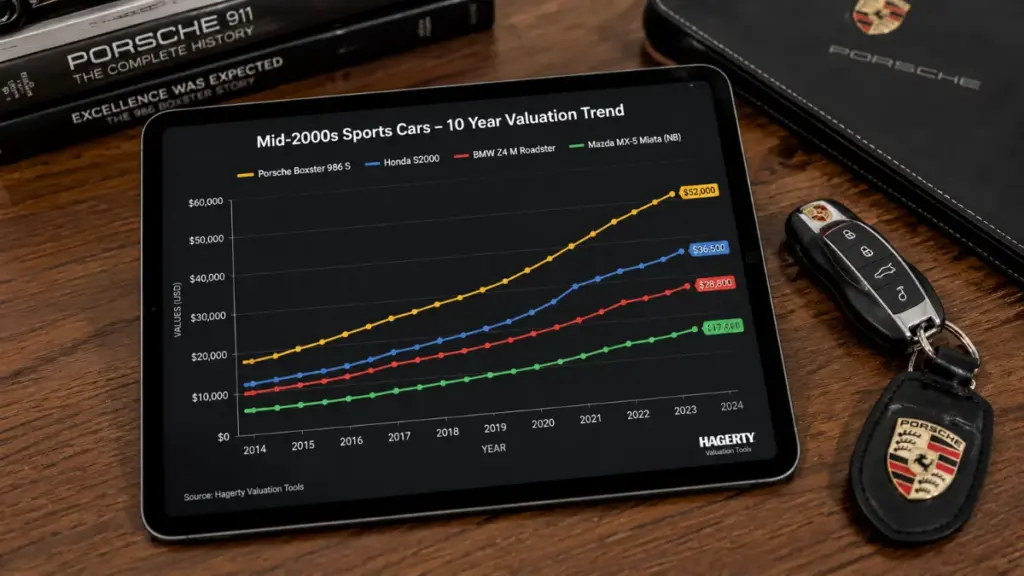
Evaluating used luxury car depreciation across these 2004 sports cars reveals that all four platforms have passed the lowest point of their financial depreciation curves. After falling for fifteen years, well-maintained examples are experiencing steady valuation increases among collector communities.
Depreciation curves for mid-engine sports cars like the Porsche Boxster follow a distinct U-shaped trajectory: rapid early loss, a long plateau at bottom-tier pricing, and an eventual upward turn driven by enthusiast demand for analog driving experiences.
Understanding these market dynamics enables smart buyers to enjoy sports car ownership with minimal net capital depreciation over multi-year holding periods.
Market valuation bottoming out for the classic Porsche Boxster
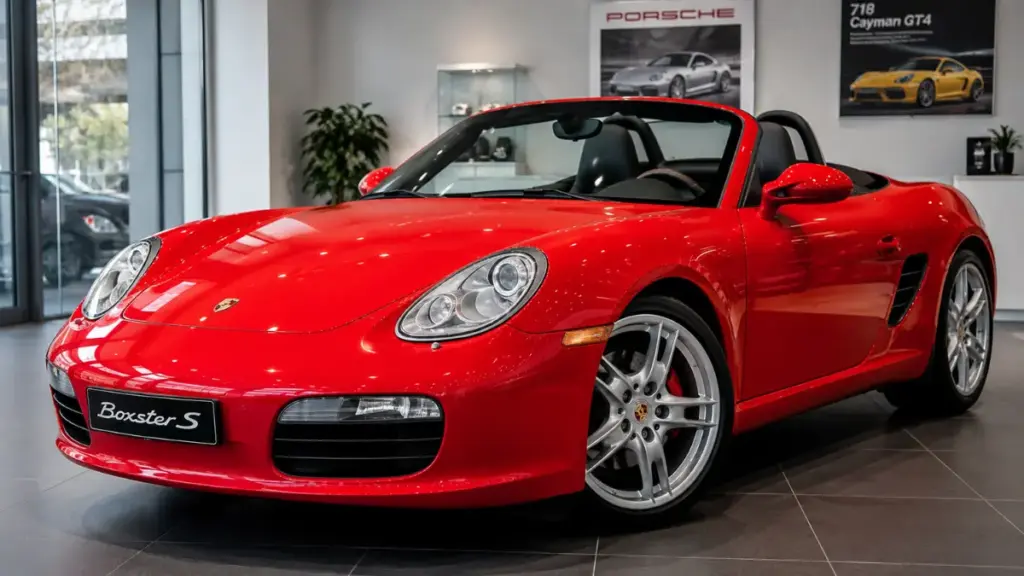
The market valuation for the 986.2 generation Porsche Boxster reached its absolute floor around 2018 to 2020. Today, well-preserved examples with documented service records and under 80,000 miles command between $12,000 and $20,000 depending on specification and transmission type.
S-models equipped with the 3.2-liter engine and 6-speed manual gearbox carry a distinct price premium over base 2.7-liter automatic Tiptronic variants.
As air-cooled 911 prices remain out of reach for average enthusiasts, the market has turned its attention toward the mid-engine Porsche Boxster, creating stable long-term price floors that protect owners against future equity loss.
Remarkable resale value retention of the iconic Honda S2000
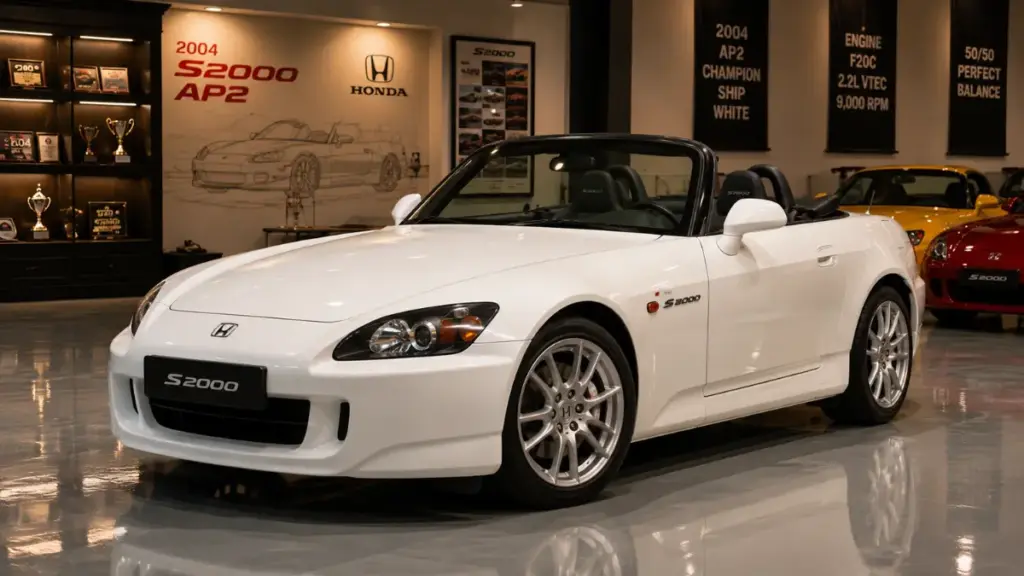
While the Porsche Boxster offers steady value retention, the Honda S2000 has experienced extraordinary price growth over the past five years. Low-mileage, unmodified AP2 models frequently fetch prices ranging between $28,000 and $40,000 at public auctions.
This valuation surge stems from the rarity of unmodified Honda engines combined with the high demand for high-rpm, atmospheric Japanese performance cars.
Consequently, purchasing an S2000 requires significantly higher initial capital outlay compared to acquiring a well-maintained 2004 Porsche Boxster offering similar performance capabilities.
Predictable used luxury car depreciation for BMW and Mazda rivals
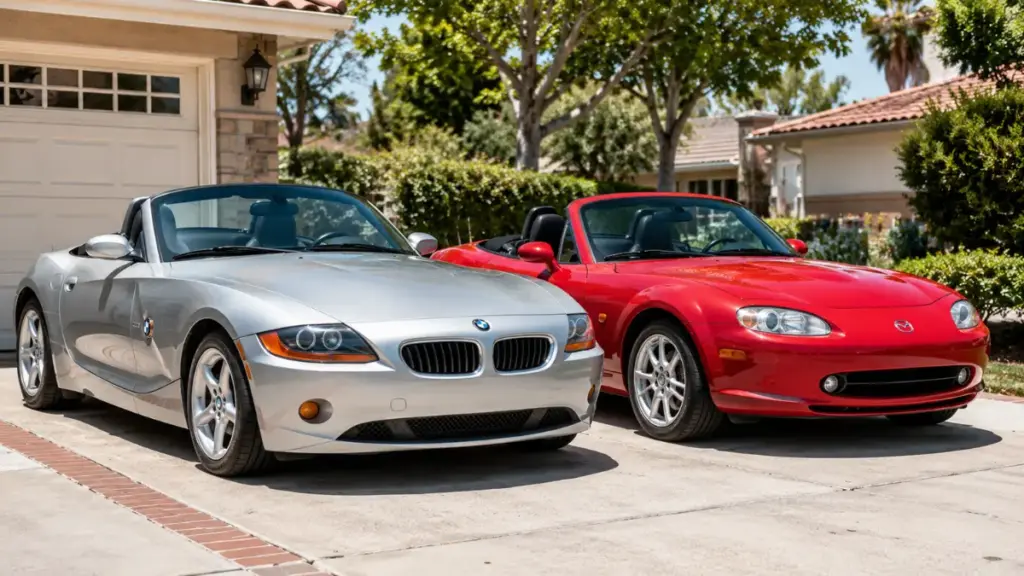
Analyzing the BMW Z4 and Mazda Miata reveals predictable pricing structures that cater to different buyer budgets. The E85 BMW Z4 trades at accessible price points similar to base Porsche Boxster models, though non-M variants lack strong upward appreciation momentum.
The Mazda MX-5 Miata retains excellent liquidity due to massive demand from track day enthusiasts, autocross drivers, and budget-conscious sports car buyers.
Choosing between a Porsche Boxster and these alternatives often comes down to whether a buyer prioritizes long-term collector appreciation potential or low upfront acquisition costs.
Making the right buying decision for your automotive preferences
Selecting the ideal roadster requires aligning your personal driving style, mechanical aptitude, and budget with the unique characteristics of each platform. The Porsche Boxster remains the undisputed choice for drivers seeking pure mid-engine balance, iconic brand heritage, and tactile steering precision.
However, purchasing any twenty-year-old sports car without rigorous mechanical evaluation can convert a dream purchase into a frustrating shop stay.
Executing a structured buying approach ensures that your journey into sports car ownership remains rewarding and financially sustainable.
Selecting a Porsche Boxster for pure mid engine driving dynamics
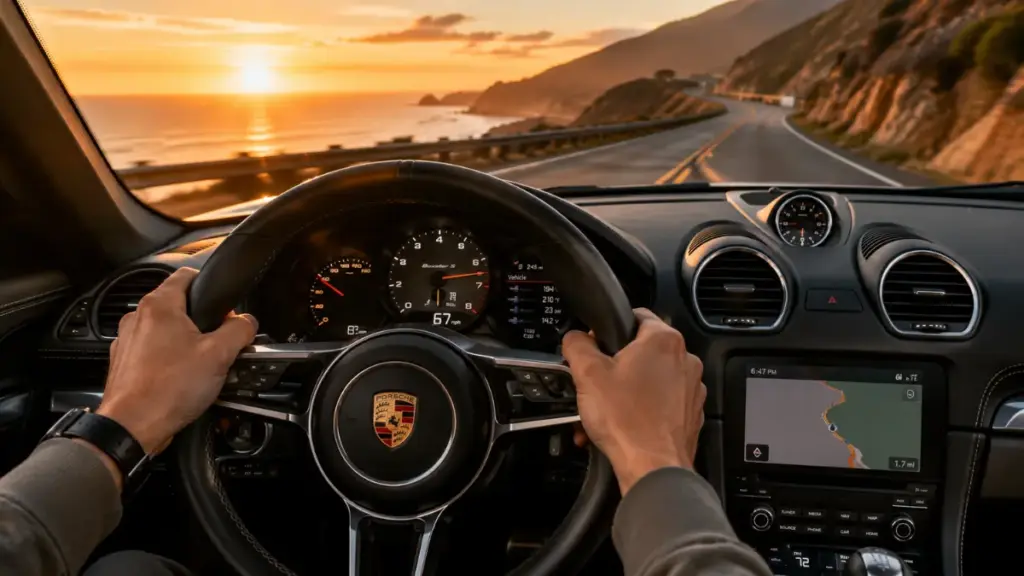
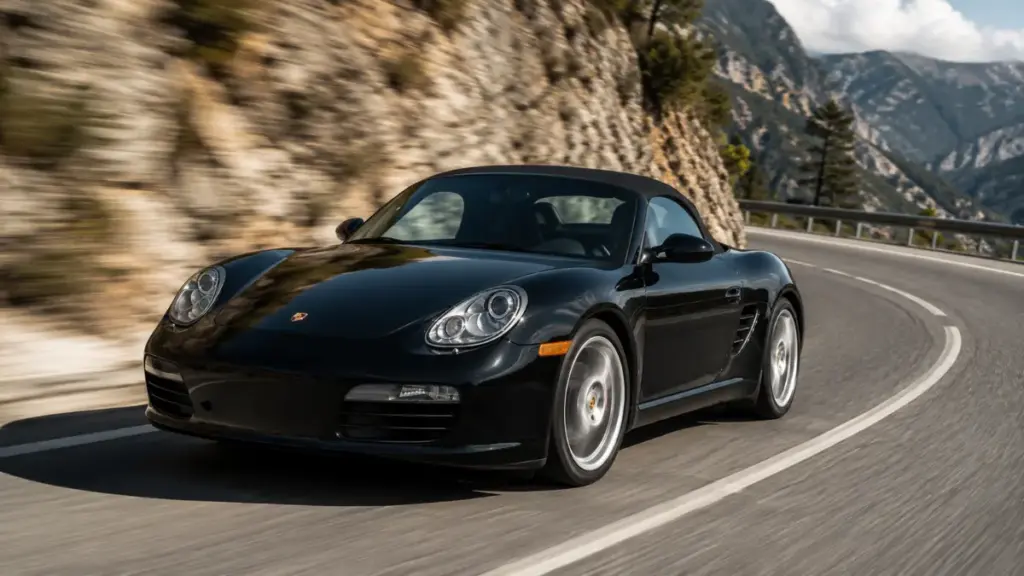
If your primary objective is experiencing world-class chassis feedback, linear flat-six power delivery, and effortless high-speed cornering balance, the Porsche Boxster stands supreme among 2004 choices.
“No front-engine sports car can replicate the precise rotational balance and instantaneous direction changes offered by a mid-engine Porsche chassis.”
Jade
While operating costs require a higher commitment than a Japanese roadster, the driving experience delivered by a well-tuned Porsche Boxster matches sports cars costing three times as much on today secondary market.
Pre purchase inspection protocols and vital used Porsche inspection steps
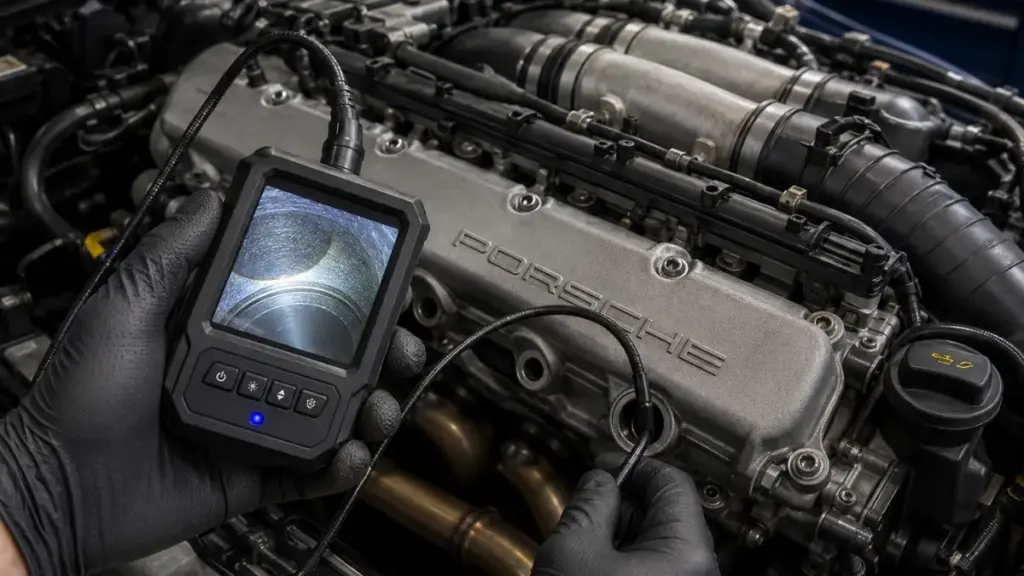
Executing a thorough used Porsche inspection before signing purchase paperwork is the single most effective action you can take to avoid hidden mechanical liabilities. A proper inspection performed by an independent specialist should take approximately two hours and include complete computer diagnostic scans.
Key inspection items must encompass:
- Borescope inspection through spark plug holes to check cylinder walls for bore scoring (especially on 3.2L engines)
- DME computer diagnostic scan checking for Overrev counts in Stage 1 and Stage 2 ranges
- Oil filter element inspection checking for bronze or metallic flakes indicative of IMS or bearing wear
- Underbody inspection for Rear Main Seal (RMS) oil seepage between engine block and transmission bellhousing
- Evaluation of cooling system hoses, radiators for debris build-up, and front air intake cleanouts
Spending $200 to $300 on a comprehensive pre-purchase inspection on a prospective Porsche Boxster provides complete negotiation leverage and protects your hard-earned capital.
Conclusion on choosing the ideal 2004 sports car
In conclusion, navigating the 2004 open-top sports car market reveals that the Porsche Boxster offers an unbeatable blend of engineering sophistication, tactile steering feedback, and mid-engine performance balance. While maintenance demands exceed those of basic commuter platforms, performing timely preventative care and leveraging independent specialists keeps running costs completely manageable.
Whether you choose the mid-engine precision of a Porsche Boxster, the high-revving thrill of a Honda S2000, the inline-six torque of a BMW Z4, or the low-mass simplicity of a Mazda Miata, entering this enthusiast segment offers incredible driving fulfillment.
By selecting a well-documented example and adhering to rigorous maintenance protocols, owning a classic 2004 Porsche Boxster delivers pure open-air driving joy that modern drive-by-wire vehicles simply cannot replicate.
LEAVE A COMMENT BELOW TO GET FREE EXPERT CONSULTATION OR FOLLOW OUR WEBSITE THE COUCH INSIDER TO UPDATE THE LATEST AUTOMOTIVE KNOWLEDGE.