



The modern vehicle has evolved from a simple mechanical transport tool into a complex digital data-harvesting machine. While marketing departments highlight the comfort and safety benefits of AI in cars, they carefully obscure the reality that your vehicle is now a persistent witness to your private life. For the average driver, the promise of automation feels like progress, but for those who look closely at the data streams, it feels more like an invasion.
- The hidden reality: Why your car is no longer just a machine
- The surveillance trap: How AI in cars monitors your private life
- The misinformation epidemic: AI in cars and the fake imagery crisis
- Dangerous side effects: What happens when AI in cars fails in real traffic?
- The 2027 mandate myth: Separating government facts from manufacturer fear-mongering
- User-reported issues: The “unlisted” problems with AI in cars
- Understanding the data ecosystem
- Conclusion: Is the future of AI in cars worth the privacy cost?
- Frequently asked questions
This article peels back the layers of marketing gloss to expose the systemic tracking, the technical glitches, and the unsettling future that manufacturers do not want you to analyze.
The hidden reality: Why your car is no longer just a machine
When we talk about AI in cars, we are not just discussing a navigation system that calculates the fastest route. We are discussing a rolling network node that logs every turn, braking pattern, and potential conversation within the cabin. The transition from analog to digital has turned the interior of a vehicle into a controlled environment where your every movement is interpreted by algorithms.
“The vehicle has ceased to be a private sanctuary and has become a sophisticated node in a global data-harvesting network, often without the driver’s informed consent.”
Jade
The industry argues that this is for your safety. However, the data collected by AI in cars often transcends simple safety metrics. It profiles your driving style, identifies your recurring destinations, and even predicts your emotional state based on facial muscle contractions detected by cabin cameras. The manufacturers treat this data as an asset, but for the driver, it is a liability that stays with the vehicle long after they have stopped using it.
The surveillance trap: How AI in cars monitors your private life
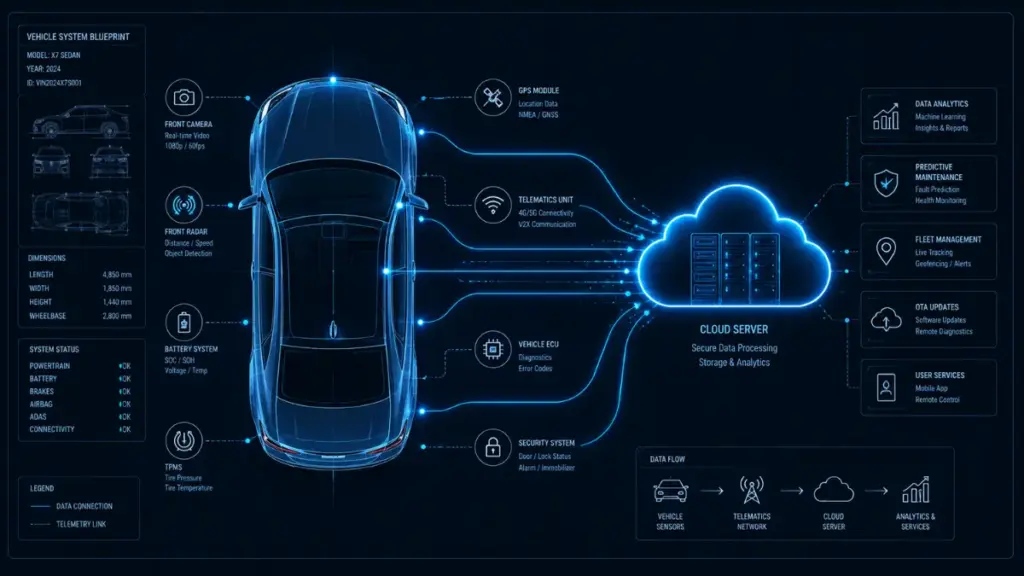
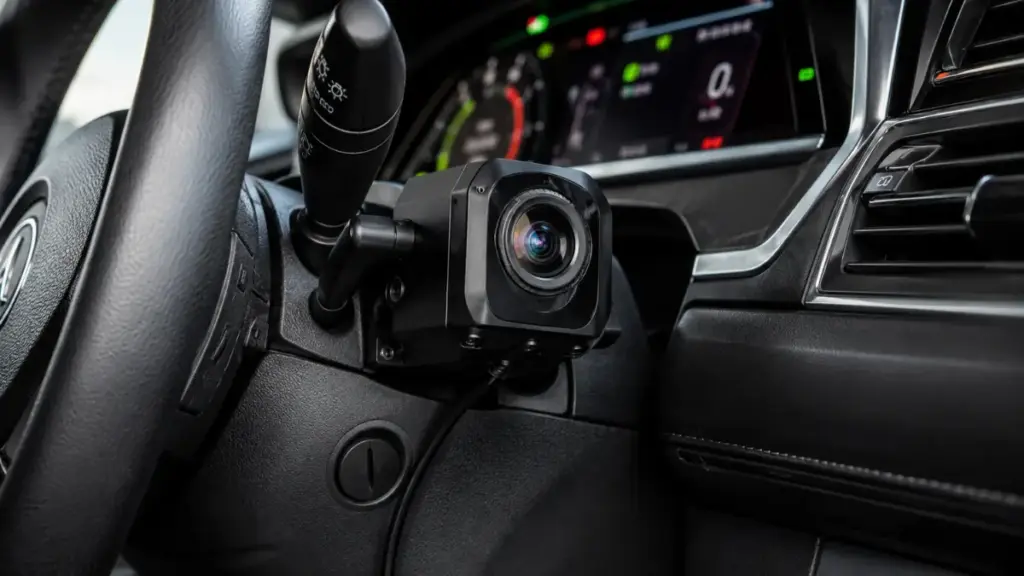
Modern vehicles equipped with advanced AI in cars utilize a fusion of exterior and interior sensors. While you focus on the road, the vehicle focuses on you. The interior cameras use computer vision to track your gaze, ensuring you are looking at the road, but they also capture metadata about your cabin environment.
Some systems are designed to detect passenger occupancy and monitor seat-belt usage, yet the underlying hardware is often capable of far more granular analysis. The danger of AI in cars lies in the lack of transparency regarding local data processing versus cloud-based analysis. If the vehicle is constantly sending telemetry to the manufacturer, your personal habits become part of a massive, aggregated database that can be sold to third-party insurance providers or marketing firms.
The misinformation epidemic: AI in cars and the fake imagery crisis
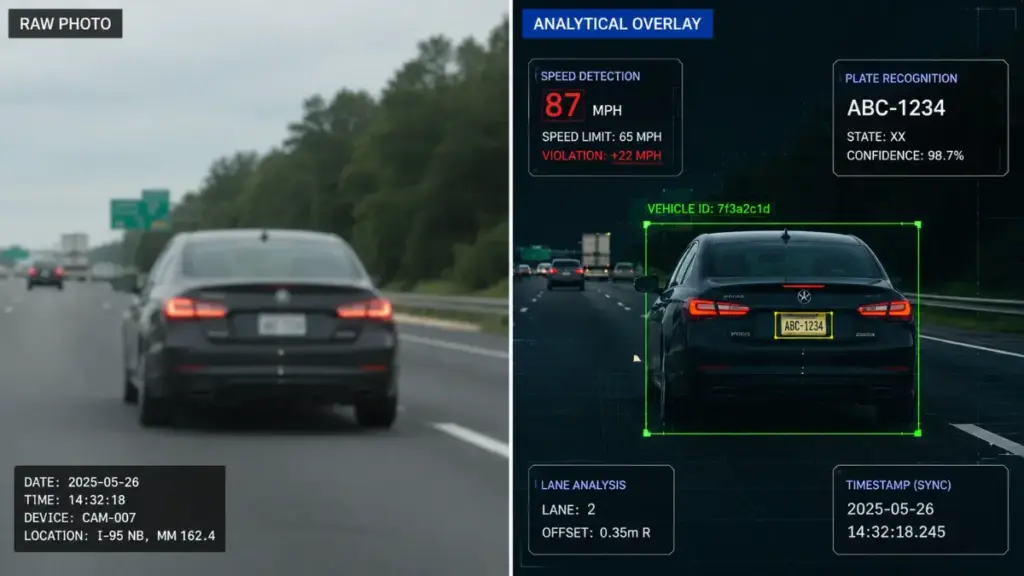
The internet is currently saturated with viral images of “mysterious vehicles” that look distorted, overly futuristic, or physically impossible. These often originate from low-quality photos taken from high altitudes or through distorted glass. Because AI in cars is a hot topic, users are quick to misidentify these as some secret government project or experimental prototype.
The reality is far more mundane: these images are often the result of camera shutter artifacts or simple human perception errors. However, this panic highlights a growing issue: the public is so accustomed to the rapid, often unexplainable advancement of AI in cars that they have lost the ability to distinguish between legitimate automotive technology and digital hoaxes. We must remain critical of what we see on forums and social media, as confusion only benefits those who profit from the lack of public understanding regarding vehicle capabilities.
Dangerous side effects: What happens when AI in cars fails in real traffic?
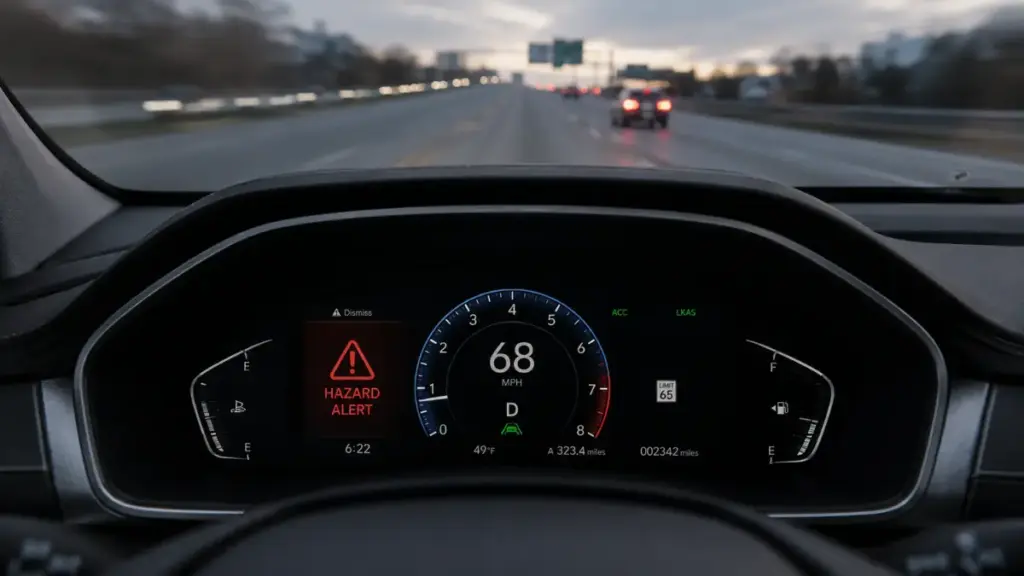
The promise of autonomy is often undermined by the reality of software errors. AI in cars is notoriously prone to “false positives”. A common, terrifying experience reported by drivers is the sudden, uncommanded braking caused by the system misinterpreting shadows, road debris, or even light reflections as imminent hazards.
This phenomenon, often called “ghost braking,” is one of the most significant safety risks introduced by AI in cars. When the vehicle decides that a stationary object exists where none does, it risks causing a rear-end collision from traffic behind you. Furthermore, the reliance on these systems is creating a generation of “zombie drivers”—individuals who stop paying attention because they trust the technology to handle the heavy lifting. When the technology inevitably fails, the driver lacks the immediate situational awareness to intervene, leading to catastrophic results.
The 2027 mandate myth: Separating government facts from manufacturer fear-mongering
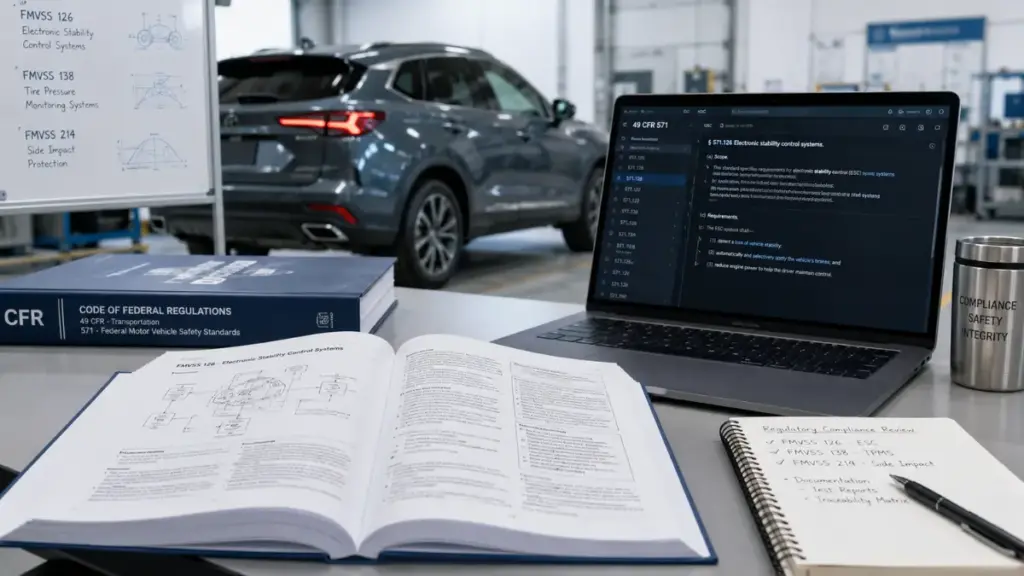
There is a widespread belief that by 2027, every new car will be required to have invasive monitoring systems installed. While certain regions are indeed updating safety regulations to include passive safety measures—such as detection of driver fatigue—manufacturers often use these mandates as a shield to justify excessive data collection.
It is crucial to distinguish between a government-mandated safety requirement and a manufacturer’s desire for data monetization. AI in cars is being implemented faster than legislation can keep up, allowing companies to set their own standards for “safety.” The 2027 timeframe is often cited, but the actual technical implementation varies wildly between brands. The industry is betting that by the time regulations catch up, the public will have already accepted these invasive practices as standard.
More Read
User-reported issues: The “unlisted” problems with AI in cars
Beyond the headlines, owners are sharing their frustrations with AI in cars in real-world environments. Users report that the “nanny” features—systems that beep incessantly if you take your eyes off the road for even a second—are becoming a distraction themselves. This constant auditory and visual clutter can stress a driver, making them less safe, not more.
There is a growing movement of owners attempting to physically disconnect or “patch” these black-box systems. They find that the AI in cars interferes with their ability to drive intuitively. The lack of an “off” switch for many of these features is a deliberate design choice, effectively trapping the user in a software-managed environment where the machine dictates the rules of engagement.
Understanding the data ecosystem
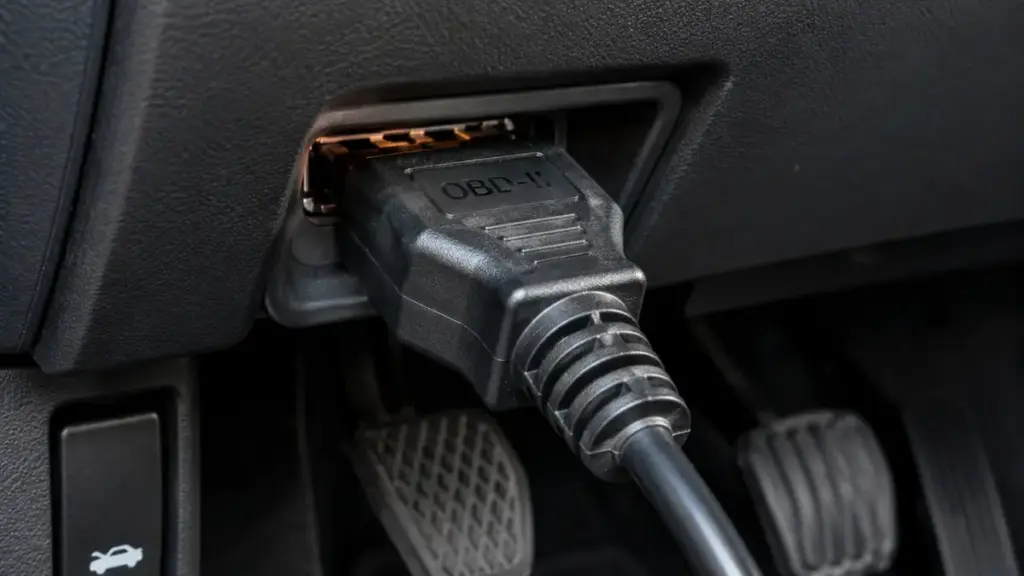
To truly grasp the impact of AI in cars, one must look at the data ecosystem. It is not just about the car itself; it is about the connectivity of the vehicle. When you link your smartphone to the car’s entertainment system, you are essentially creating a bridge between your personal digital life and the vehicle’s telemetry database.
Read more: Level 2 Autonomy: 5 Cognitive Traps That Compromise Human Control In Modern Vehicles
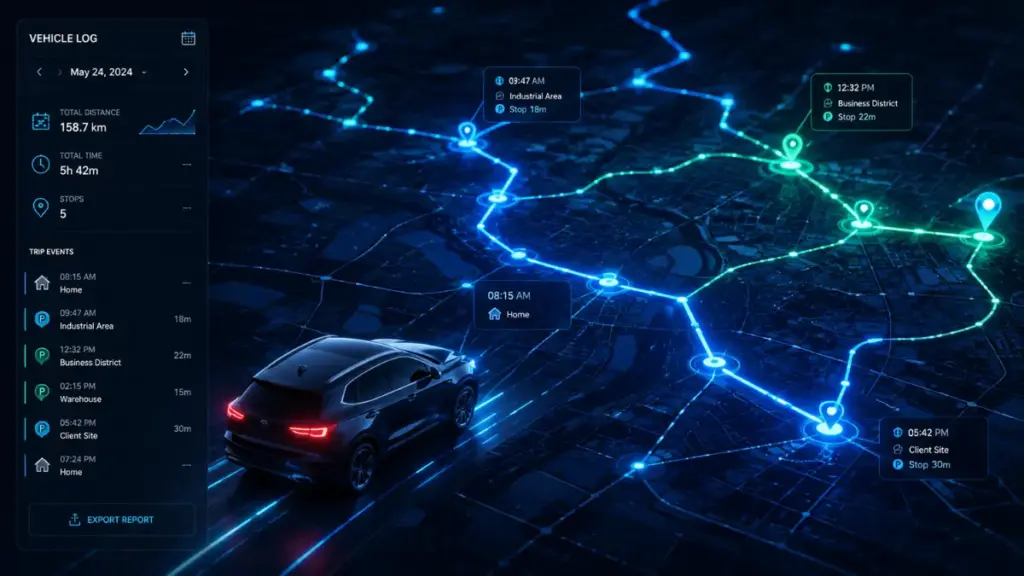
Manufacturers of AI in cars often state that data is “anonymized,” but in the era of big data, true anonymity is a myth. By correlating your vehicle’s GPS patterns with other publicly available data, it is trivially easy to identify your home address, your workplace, and your social associations. This is the hidden cost of the convenience that AI in cars provides—a persistent, accurate map of your life, stored on a server you cannot access.
Conclusion: Is the future of AI in cars worth the privacy cost?
The integration of AI in cars is an irreversible trend. Manufacturers argue that the benefits—increased safety, improved efficiency, and reduced human error—outweigh the risks. However, when we look at the reality of how these systems operate, the trade-off becomes much murkier. We are trading the autonomy of the driver for the surveillance of the algorithm.
As consumers, we need to demand more transparency. We must ask: where is the data going? Who has access to it? And most importantly, can we reclaim the right to operate our own vehicles without constant digital supervision? The future of the automotive industry depends on building trust, and currently, that trust is being eroded by the very technology that was meant to protect us.
Frequently asked questions
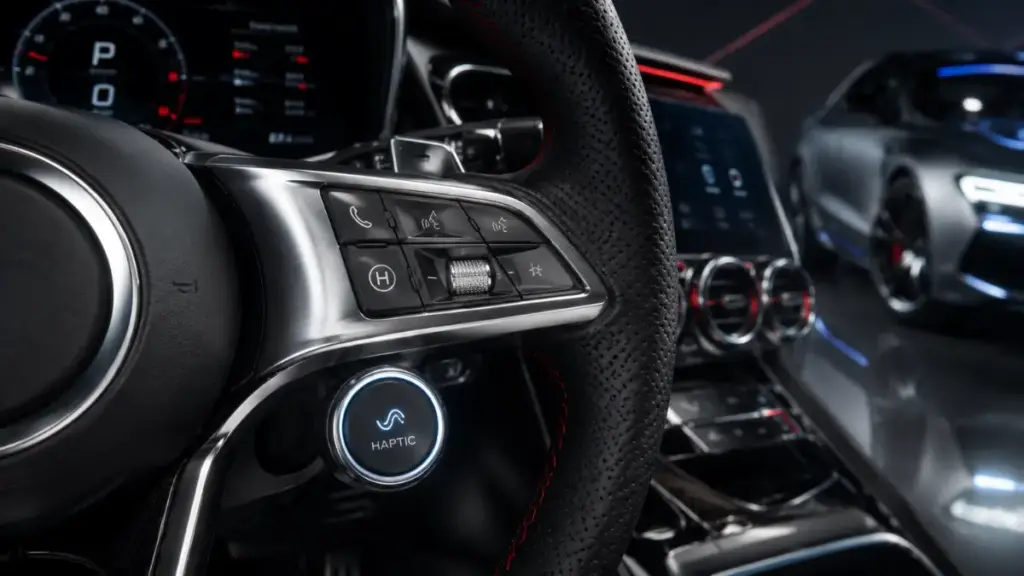
Can I fully disable AI in cars features without voiding the warranty?
Most modern vehicles integrate these features deep into the firmware. Disabling them often requires unauthorized modifications to the vehicle’s software, which will almost certainly void your manufacturer warranty and may cause other safety systems to fail.
Are all new vehicles by 2027 required to track my biometrics?
There is no universal mandate that requires the storage or transmission of your specific biometric data. However, many AI in cars systems use temporary, local biometric processing for features like driver attention monitoring, which is often a feature implemented by the manufacturer rather than a government requirement.
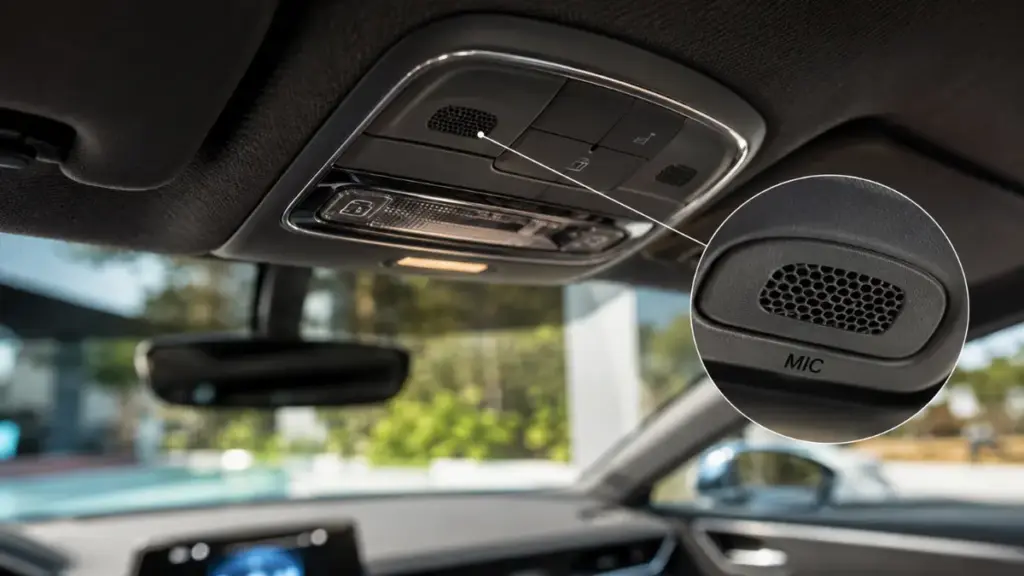
Does my car record audio inside the cabin?
While most manufacturers claim they do not record audio, the hardware (microphones for voice commands) is present. There have been ongoing debates about whether these microphones can be activated for purposes other than voice recognition, highlighting the need for stricter consumer privacy regulations.
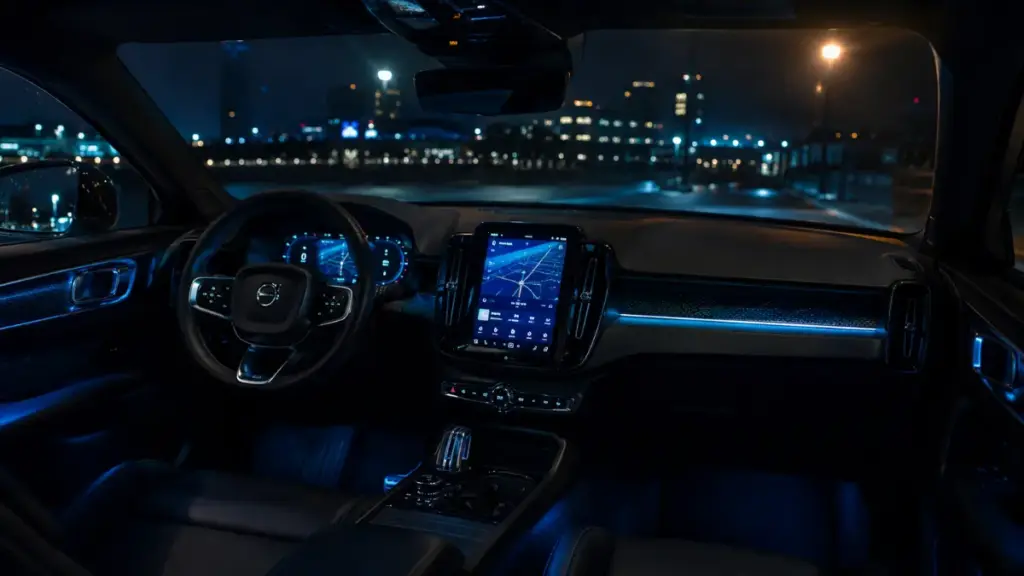
Is the data collected by AI in cars really private?
The “privacy” of your data depends entirely on the manufacturer’s terms of service. Most companies include clauses in their user agreements that allow them to share “de-identified” data with third parties. Once that data is out of your control, you have very little recourse regarding how it is used.
Read more: OTA updates: Separating the necessary patches from the silent bloat.
IF YOU HAVE ANY QUESTIONS ABOUT THE PRIVACY RISKS ASSOCIATED WITH YOUR SPECIFIC VEHICLE, PLEASE LEAVE A COMMENT BELOW TO BE ADVISED BY OUR EXPERTS, OR FOLLOW THE COUCH INSIDER WEBSITE TO STAY UPDATED ON THE LATEST DEVELOPMENTS IN AUTOMOTIVE TECHNOLOGY AND PRIVACY STANDARDS.