



Advanced Driver Assistance Systems, or ADAS, have shifted from being luxury-exclusive features to standard equipment on nearly every modern vehicle. You already know the marketing slogans: improved safety, reduced fatigue, and the promise of a semi-autonomous future. But when you move past the glossy brochures and look at the actual performance—specifically how these systems behave in the trenches of real-world traffic—the story becomes much more nuanced and, at times, frustrating.
The Promise vs. The Reality of Advanced Driver Assistance Systems
There is a distinct gap between the laboratory-tested capabilities of Advanced Driver Assistance Systems and the day-to-day experience of a long-distance commuter. While the tech is designed to save lives, its actual execution often leaves experienced drivers questioning whether the machine is truly “assisting” or merely hindering.
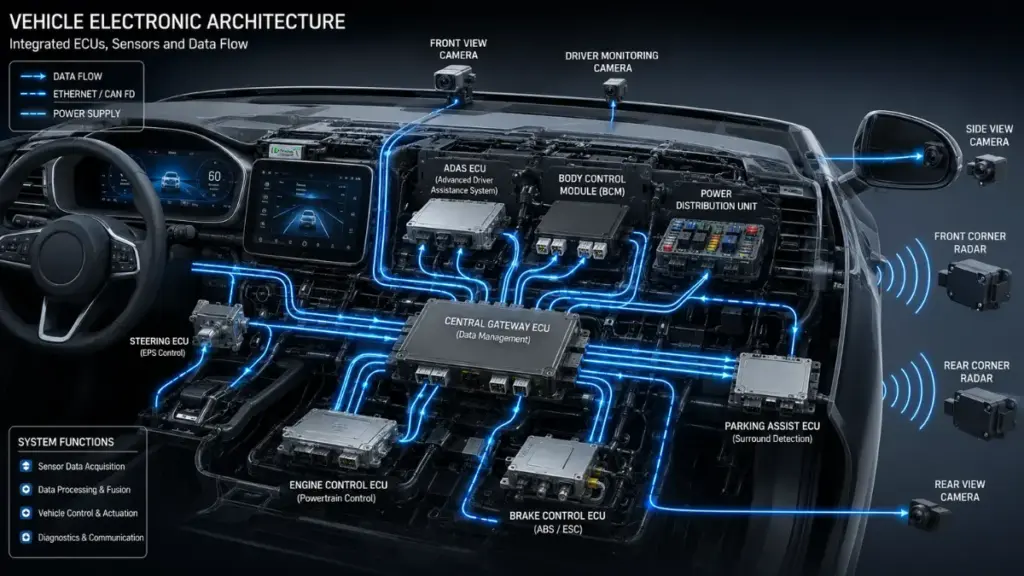
Drivers often find that standard Adaptive Cruise Control (ACC) lacks the human foresight to navigate complex traffic. When a system is programmed to prioritize safety distance above all else, it often reacts with aggressive, jerky braking to minor speed variations. This creates a “slinky effect” where the car slows down dramatically, prompting other drivers to cut in front of you, which then triggers the system to brake even more.
“It’s jarring how some brands deploy these safety suites. They are as conservative as a nervous teenager on their first driving lesson, reacting to phantom changes in speed while completely failing to account for the flow of traffic.”
Jade
Understanding the Limitations in Real-World Traffic
The most significant pain point for many users is the lack of sophistication in low-speed, high-density traffic. Advanced Driver Assistance Systems are frequently designed for ideal highway conditions, yet they are forced to operate in environments plagued by poor signage, aggressive human lane-changing, and unpredictable road surface conditions.
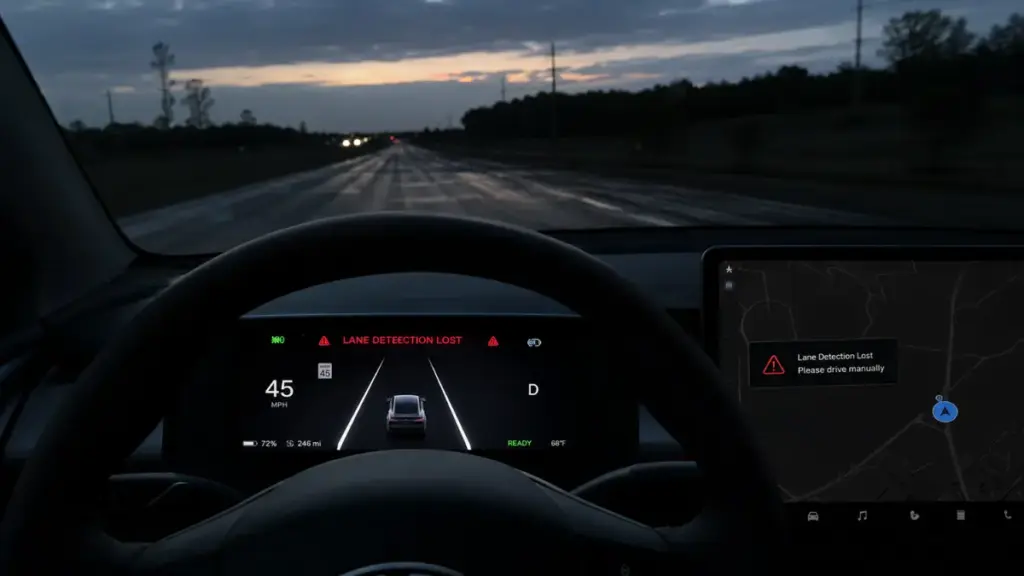
When the lines on the road are faded or missing, as is common in many aging urban areas, the system’s ability to maintain a lane degrades instantly. This forces the driver into a constant state of hyper-vigilance, waiting for the moment the car decides to “give up” or, worse, makes a micro-correction that feels unnatural. It is not uncommon for drivers to spend more mental energy monitoring the Advanced Driver Assistance Systems than they would if they were simply steering the vehicle themselves.
Why Advanced Driver Assistance Systems Often Feel Like a “Nanny”
The primary frustration with Advanced Driver Assistance Systems is the perceived lack of agency. For enthusiasts who view driving as a skill-based activity, having the car “fight” against them is not just annoying—it is a safety risk.
- Pothole Avoidance: When a driver needs to quickly swerve to avoid a road hazard, an active Lane Keep Assist (LKA) system may try to force the car back into the lane, directly into the hazard.
- False Positive Braking: Automatic Emergency Braking (AEB) systems sometimes trigger when they detect shadows, large metal signs, or even plastic bags blowing across the road. This can lead to sudden, unnecessary stops that risk being rear-ended by attentive drivers behind you.
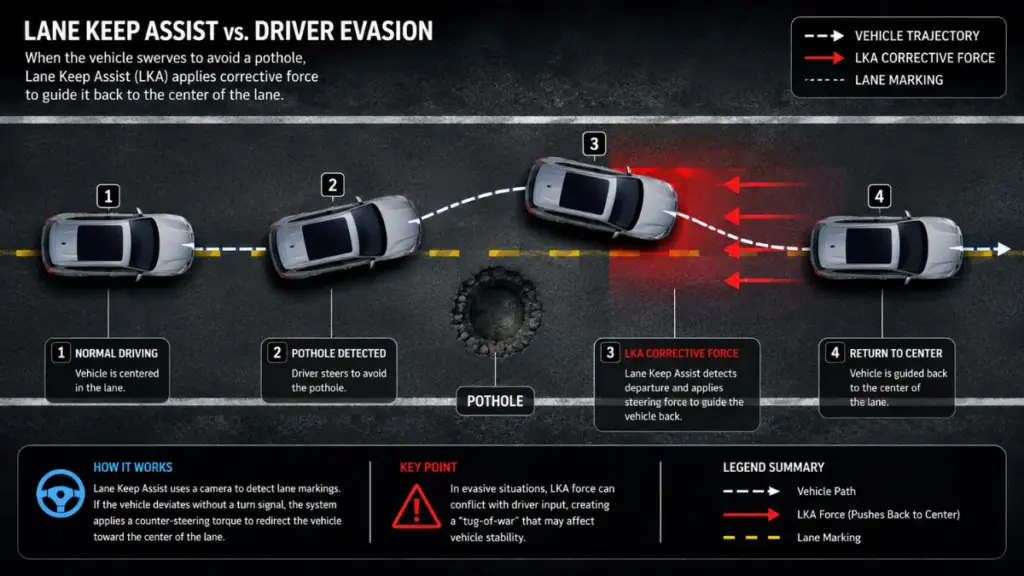
The consensus among many users is that while they appreciate the presence of blind-spot monitoring or parking cameras, the “nanny” features that aggressively control the vehicle’s steering or braking are often more trouble than they are worth.
Technical Disparities Between Manufacturers
It is a common misconception that all Advanced Driver Assistance Systems function with the same level of polish. In reality, the “driving philosophy” of the car manufacturer creates massive differences in how the tech feels on the road.
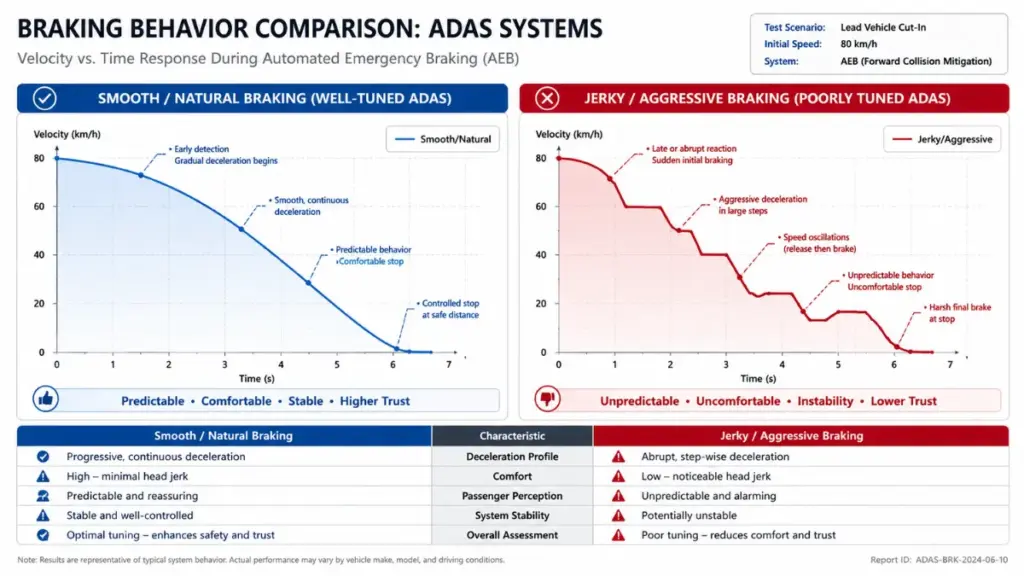
For example, high-end German manufacturers often tune their Advanced Driver Assistance Systems to intervene with a level of subtlety that mimics an experienced driver. In contrast, some mainstream brands tend to err on the side of extreme caution. This leads to the “jerky” performance that enthusiasts frequently complain about.
More Read

Custom Forks and the “Open Source” Solution
Because OEM (c software often lags behind user preferences, some owners are turning to custom “forks” of open-source driver-assistance software. These enthusiasts argue that custom-tuned versions of Advanced Driver Assistance Systems offer significantly smoother steering and throttle responses.
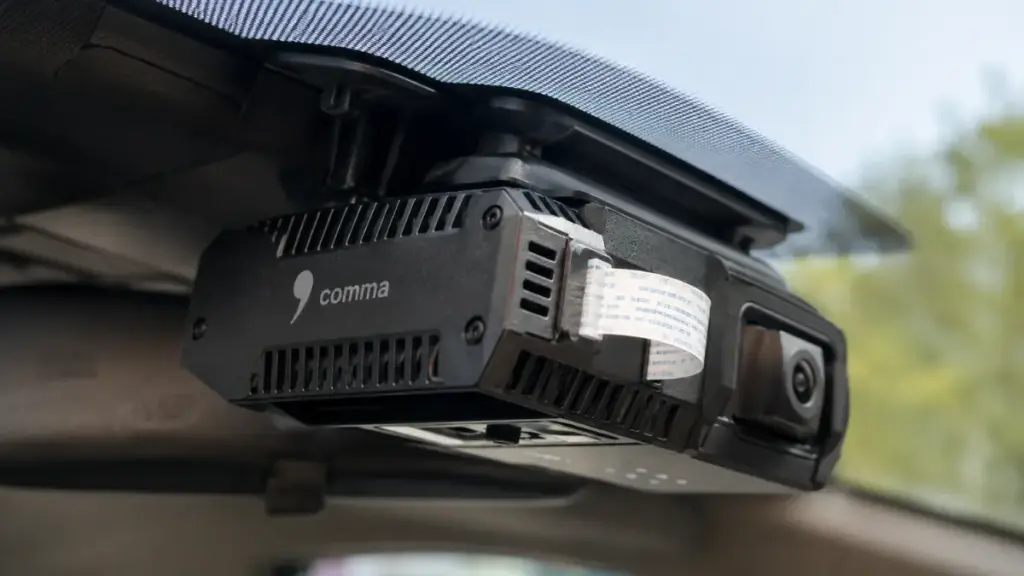
By modifying the parameters of Advanced Driver Assistance Systems, users can effectively customize the system to match their driving style, whether they prefer a relaxed cruise or a more responsive, performance-oriented feel.
The Financial Aspect: Why Manufacturers Gatekeep Tech
If Advanced Driver Assistance Systems can improve safety and driver comfort, why aren’t they standard on every vehicle, including large SUVs and trucks? The answer often lies in market segmentation.
- Premium Upselling: Manufacturers often restrict the full suite of Advanced Driver Assistance Systems to the highest trim levels to force customers into more expensive purchases.
- Production Costs: While the hardware (sensors/cameras) is becoming cheaper, the software development and calibration costs for Advanced Driver Assistance Systems remain high.
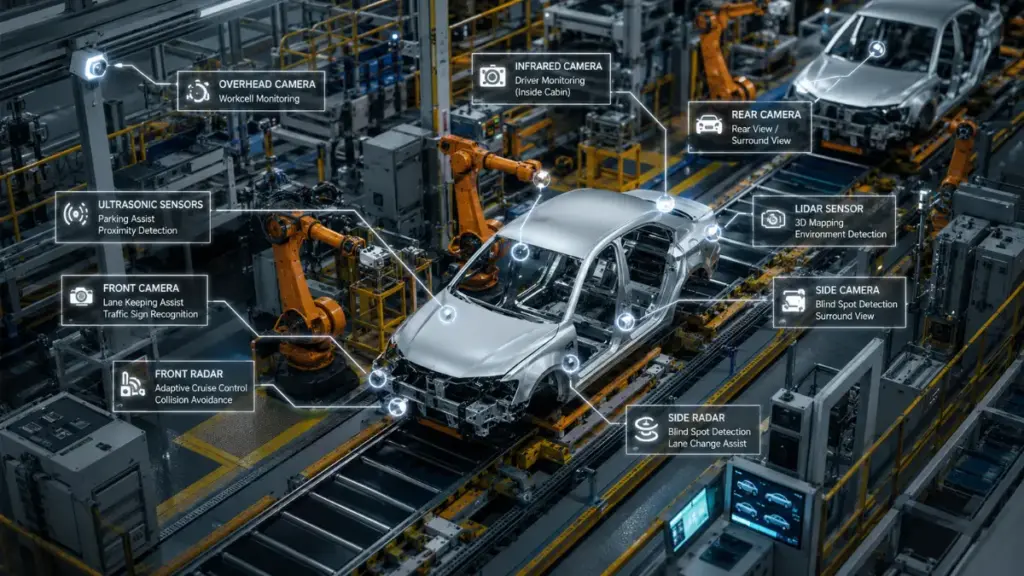
Many users find it baffling that an economy-class sedan often features a more comprehensive safety suite than a high-priced, luxury SUV. This discrepancy is a calculated strategy by manufacturers to maximize profit margins.
The Future of Human-Machine Interaction
As we move toward higher levels of autonomy, the role of Advanced Driver Assistance Systems will continue to evolve. However, the current iteration is still very much in a “growing pain” phase.
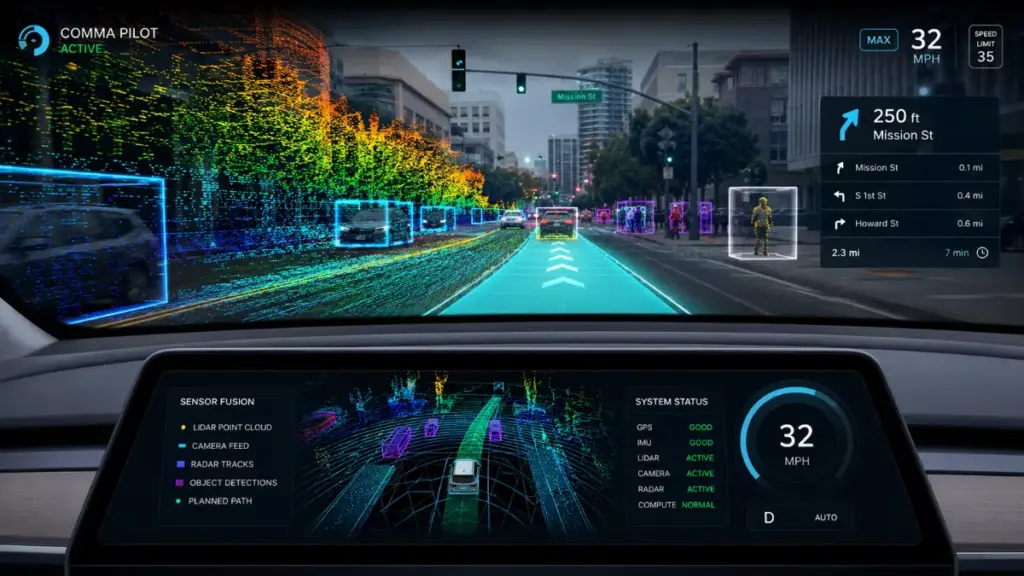
The core issue remains that human driving is highly contextual, while Advanced Driver Assistance Systems are logic-driven. The system cannot “see” a child playing near a driveway in the same way a human perceives potential intent. It only sees an object in motion.
Why “The Nanny” Isn’t Going Away
Despite the complaints, the trend toward mandatory inclusion of Advanced Driver Assistance Systems is accelerating. Governments and safety agencies see the data: even with the flaws, these systems reduce the frequency of low-speed accidents.
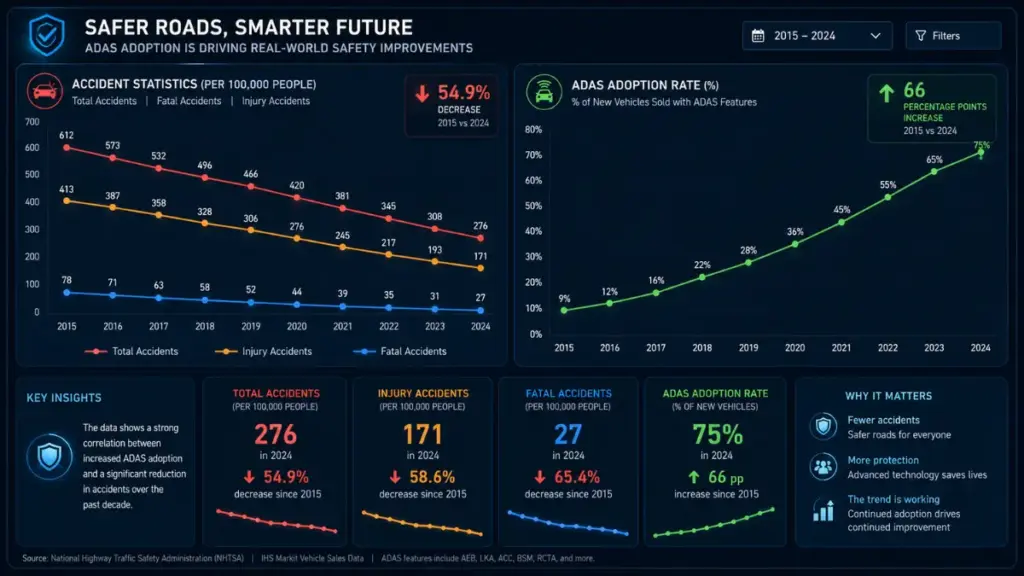
For the average consumer who does not care about the “feel” of the steering or the aggressive nature of the braking, Advanced Driver Assistance Systems provide a necessary safety cushion that compensates for distracted driving habits.
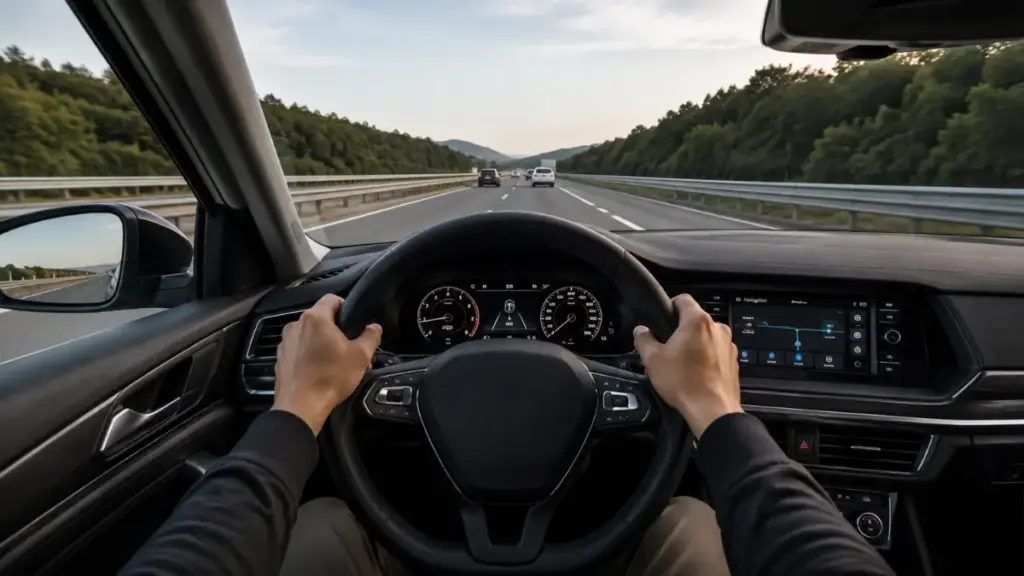
However, for those who value the driving experience, the solution is often found in better configuration, not the total removal of technology. Adjusting settings for following distance, sensitivity, and intervention levels can often transform an annoying system into a useful tool.
Addressing the Common Pain Points
If you find your vehicle’s Advanced Driver Assistance Systems to be intrusive, there are often ways to mitigate the frustration without compromising safety.
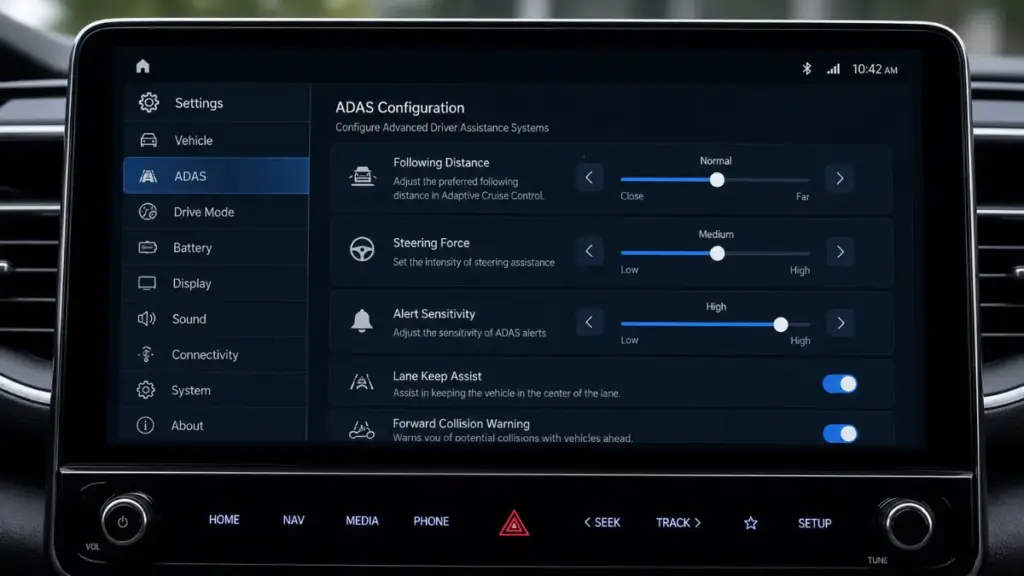
- Experiment with Following Distance: Often, setting the Advanced Driver Assistance Systems to the “farthest” distance setting results in much smoother acceleration and braking.
- Understand System Disengagement: Knowing exactly when and how the system will disengage—such as when tapping the throttle or using turn signals—is vital for regaining control.
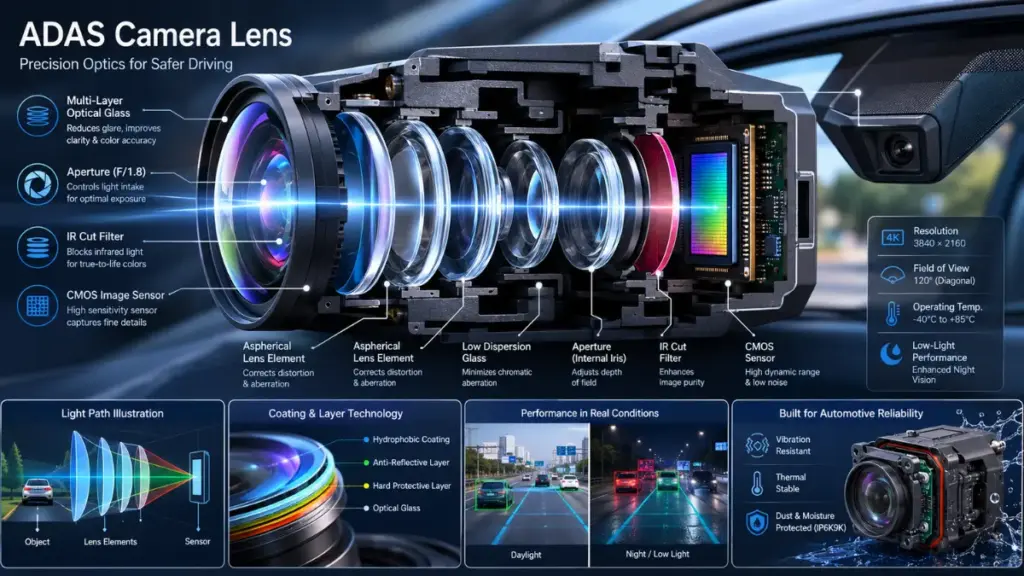
While the Advanced Driver Assistance Systems of today are far from perfect, they represent a significant step in the evolution of automotive engineering. As sensor fusion improves and software becomes more adaptive, the friction between the driver and the machine will likely decrease.
The Verdict on Modern Tech
Ultimately, whether you love or loathe Advanced Driver Assistance Systems, they are here to stay. The key for the informed driver is to understand the limitations of the technology they are using, and to leverage the features that genuinely assist while disabling or working around those that hinder.
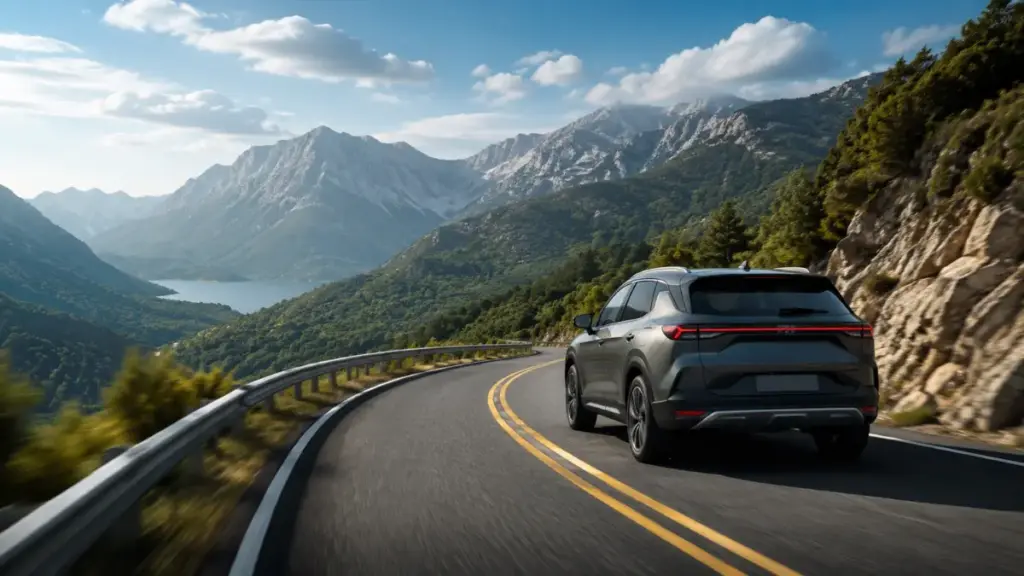
For those who prioritize absolute control, the market still offers options, though they are becoming increasingly rare. For everyone else, the goal should be to engage with these systems as a partner rather than an adversary, recognizing that the tech is a tool that requires human oversight.
Read more: Plug In Hybrid Electric Vehicle Long-Term Costs: The Brutal Truth.
Conclusion
Advanced Driver Assistance Systems are a massive technological leap that comes with significant growing pains. By moving beyond the surface-level marketing and understanding the technical reality—how they function, where they fail, and how to calibrate them to your needs—you can significantly improve your daily driving experience. While we are not yet at the stage of fully autonomous vehicles, these systems are effectively changing the landscape of modern travel.
LEAVE A COMMENT BELOW FOR EXPERT ADVICE OR FOLLOW THE COUCH INSIDER FOR THE LATEST UPDATES ON AUTOMOTIVE TECHNOLOGY.