



Waking up after taking a prescription pill to combat a rough night of insomnia often brings a welcome sense of rest, followed by the normal routine of grabbing your car keys for the morning commute. Assuming that feeling physically awake or drinking a strong cup of coffee means all trace elements of your prescription have left your bloodstream means you are exposing yourself to the hidden, legal dangers of sleep medication driving in 2026.
- The Illusion of Sobriety: Why Sleeping Pill Users Fail to Recognize Morning Impairment
- Red Alert Indicators: Warning Signs That You Are Unfit to Drive
- Direct Physical Impacts of Sleeping Aids on Driving Performance
- Crucial Long-Term Consequences of Chronic Medication Overuse
- Survival Guidelines: Crucial Safety Principles for Every Sleeping Pill User
- Everyday Questions About Sedatives and Roadway Safety
- Cultivating Mindful Habits for Long-Term Physical and Mental Balance
Staying safe behind the wheel requires recognizing that modern sleep aids can cause a form of “invisible intoxication” that lingers long after you open your eyes. By understanding how next-day residual impairment actively slows down your motor reflexes, learning why drivers frequently misjudge their own cognitive focus while under the influence of lingering sedatives, and exploring how to safely time your dosage to avoid a devastating sleep medication driving accident, you can protect everyone on the road.
Transitioning from an unmonitored bedtime routine to a highly structured, hours-conscious schedule protects your biological reflexes and secures your standing behind the wheel. Sourcing high-quality sleep support under medical guidance rather than self-prescribing random sedatives preserves your physical safety, ensuring your daily commute remains incredibly secure, light, and perfectly legal through every season when addressing the realities of sleep medication driving.

The Illusion of Sobriety: Why Sleeping Pill Users Fail to Recognize Morning Impairment
Maintaining consistent, razor-sharp physical reflexes during your morning commute requires a completely clean nervous system. When active professionals rely heavily on evening chemical aids to force their bodies into deep rest, their liver and kidneys can struggle to process and clear the active compounds before morning comes. Moving your recovery routine away from excessive chemical dependency protects your natural biological responses, helping you stay fully awake when navigating busy highways.
By studying how lingering sedative chemicals affect your cognitive processing speed, safety-conscious commuters can protect their driving records. Understanding the hidden biological changes that occur overnight is essential to avoid the mental trap of sleep medication driving.
These protective lifestyle considerations ensure that your brain remains fully capable of processing sudden road hazards without experiencing delayed responses. Without proper scheduling, a lingering dose of sedative chemicals can easily cloud your judgment, creating a false sense of security that leads to catastrophic errors behind the wheel. Recognizing how these substances affect your physical capabilities is critical to eliminate the risk of accidental sleep medication driving.
The Invisible Morning Fog and the Hangover Effect
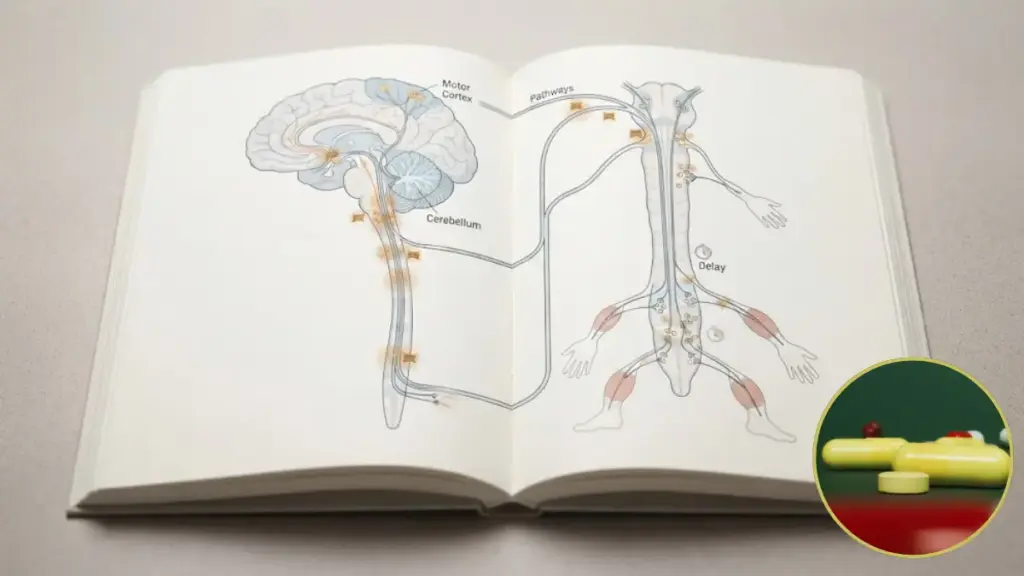
The lingering chemical influence of evening sedatives can create a dangerous mental fog that persists long after you step out of bed. While your conscious mind may feel active and capable of carrying out simple tasks like making breakfast, your bloodstream still contains significant levels of the active medication. This slow clearance rate means your brain is operating under a subtle, chemical weight, making it incredibly difficult to concentrate fully on the road during sleep medication driving.
This hidden impairment actively slows down your natural physical reflexes, adding critical fractions of a second to your reaction times. If a leading vehicle brakes suddenly or a pedestrian walks into the crosswalk, your brain struggles to send rapid, coordinated signals to your leg muscles to engage the brakes. This tiny physical delay can easily lead to a severe front-end collision, demonstrating why morning commutes can be so hazardous under the influence of sleep medication driving.
Sleep-Driving and the Hidden Danger of Unconscious Actions
Certain highly potent sedative medications can trigger unusual night behaviors, forcing users to interact with their environment while remaining completely asleep. Individuals experiencing this deep chemical state may automatically climb out of bed, unlock their vehicles, and drive onto public roads without any conscious awareness. This frightening sleep-driving state turns a normal family vehicle into a dangerous, unguided hazard, illustrating a terrifying risk of sleep medication driving.
Because the brain’s short-term memory centers are completely blocked by the active medication, the individual retains zero memory of their nighttime travels. They may wake up the next morning at their office desk or in a strange parking lot with no understanding of how they arrived. This total loss of conscious control highlights the extreme neurological impact of sedatives, making supervised medicine use essential to prevent sleep medication driving.

Red Alert Indicators: Warning Signs That You Are Unfit to Drive
Learning to recognize the early physical signs of lingering sedative impairment can prevent you from making a tragic mistake when pulling out of your driveway. Your nervous system will display distinct, visual and motor warning signs when struggling to clear overnight chemicals, helping you make a logical choice to stay off the road. Identifying these common physical indicators is crucial to protect your family and avoid the dangers of sleep medication driving.
Distorted Spatial Awareness and Impaired Vision
- Blurred Focus and Double Vision: Lingering chemical compounds relax the delicate muscles in your eyes, making it difficult to focus on distant street signs or track moving vehicles. This physical strain can cause you to misread lane markers and warning lights, posing an immediate hazard during sleep medication driving.
- Misjudging Speed and Vehicle Distances: Your brain’s ability to process visual distance is heavily compromised under the influence of sedatives, making other cars appear further away than they actually are. This visual distortion can lead to dangerous lane changes and unexpected near-misses, highlighting the risks of sleep medication driving.
Unconscious Micro-Sleep Episodes Behind the Wheel
- Sudden Moments of Unconscious Drift: Your brain may automatically shut down for several seconds at a time while you are waiting at intersections or driving at steady highway speeds. These brief, involuntary episodes of sleep leave your vehicle completely uncontrolled, a highly dangerous consequence of sleep medication driving.
- Waking Up to Rumbling Lane Indicators: The sudden, jarring vibration of your tires crossing over roadside rumble strips acts as a frightening wake-up call after a micro-sleep episode. This terrifying physical wake-up call is a clear warning that your body is fighting severe fatigue and must be pulled over immediately to prevent sleep medication driving.

Direct Physical Impacts of Sleeping Aids on Driving Performance
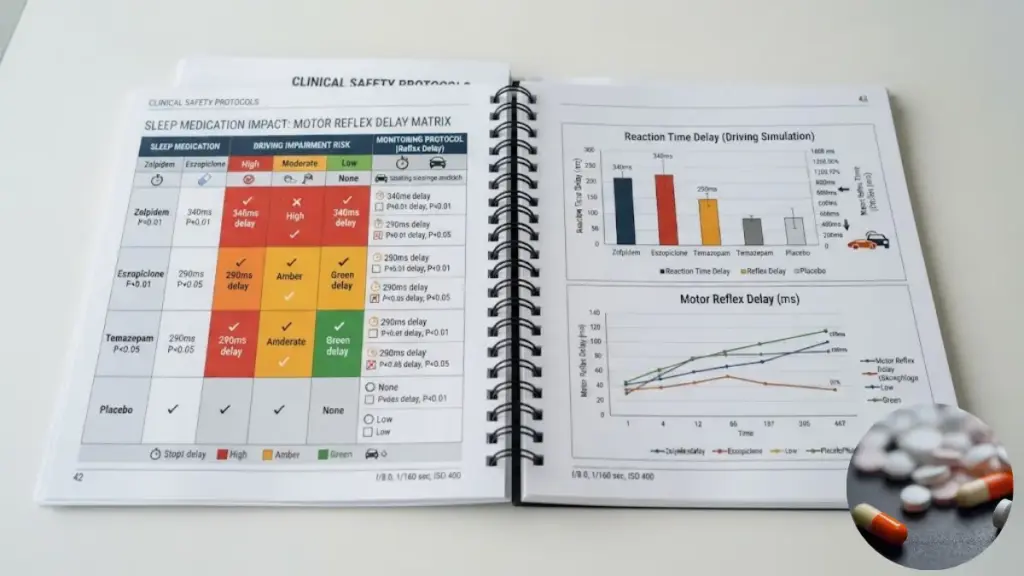
The chemical compounds in evening sleep aids act directly on your body’s motor control systems, disrupting how your muscles coordinate with your sensory inputs. Understanding these physical changes helps explain why even highly experienced drivers can struggle to maintain control of their vehicles when recovering from sleep medication driving.
Disrupted Motor Coordination and Severe Muscle Weakness
The active ingredients in sedative medications relax your muscular system, leaving your hands and legs feeling unusually heavy, weak, and unresponsive. This physical weakness makes it difficult to turn the steering wheel smoothly or modulate pressure on your gas and brake pedals with precision. This clumsy, uncoordinated movement can cause your vehicle to jerk unexpectedly, creating immediate dangers that complicate your sleep medication driving recovery.
Upon stepping out of your car, you may also experience a distinct sensation of dizziness and physical instability, struggling to walk in a straight line on the pavement. This loss of balance occurs because your inner ear and brain are struggling to process spatial information through a lingering chemical haze. Protecting yourself from physical injury requires resting until your coordination returns, proving the value of avoiding sleep medication driving.
Severe Irritability and Dangerous Outbursts of Road Rage
A highly stressed nervous system struggling against lingering sedative chemicals can easily become hyper-reactive, making you unusually sensitive to normal road frustrations. A simple honk from a neighboring vehicle or a minor delay at an intersection can trigger sudden, intense feelings of anger and panic. This emotional volatility is a common, overlooked warning sign that your brain is struggling with sleep medication driving.
Because your self-control centers are weakened by the medication, you are far more likely to engage in aggressive driving behaviors, such as tailgating or shouting at other commuters. This lack of emotional regulation can quickly turn a simple drive into a dangerous road conflict, putting everyone around you at risk. Restoring your emotional balance requires parking your vehicle safely and allowing your mind to calm down to recover from sleep medication driving.

Crucial Long-Term Consequences of Chronic Medication Overuse
Continuing to rely on heavy sleeping aids while maintaining a busy driving schedule can eventually lead to severe physical, mental, and legal complications. As your body builds a tolerance to the chemicals, you may find yourself taking larger doses, which extends the duration of your morning impairment. Understanding these severe risks is essential to protect your career and avoid the tragic impact of sleep medication driving.
More Read

Devastating Accidents and Severe Legal DUI Penalties
Losing control of your vehicle due to a sudden micro-sleep episode can lead to high-speed, head-on collisions that permanently alter lives. In the United States, driving under the influence of legally prescribed sleeping aids is prosecuted under the exact same DUI laws as driving under the influence of illicit substances. If you are stopped for erratic behavior, you can face immediate driver’s license suspension, thousands of dollars in legal fines, and potential jail time for sleep medication driving.
These legal penalties can completely ruin your professional career, increase your insurance rates, and drain your financial savings for years to years. Many drivers are shocked to learn that having a valid prescription does not shield them from a DUI conviction if the drug impairs their physical driving skills. Protecting your clean driving record requires establishing strict boundaries around your medication use, helping you avoid the legal trap of sleep medication driving.
Read More: Misdiagnosed As Cancer: The Shocking Case of a Living Brain Tapeworm and 4 Warning Signs

Systemic Tolerance and Severe Chronic Exhaustion
Using sedatives constantly can cause your nervous system to adapt to the chemical inputs, requiring you to consume larger, more dangerous doses to achieve the same sleep duration. This escalating cycle of chemical use keeps your body in a state of constant, low-grade sedation, making you feel perpetually tired throughout your working hours. This chronic exhaustion significantly increases your risk of causing an accident due to sleep medication driving.
Protecting your safety on the road is a journey of consistent, daily choices; true driving success requires choosing clear safety steps and tracking household habits with absolute dedication to support your physical wellness and eliminate the risks of sleep medication driving.
Ri
Over time, this chemical dependency can completely destroy your body’s natural sleep-wake cycle, making it impossible to fall asleep naturally. You may find yourself trapped in a frustrating cycle of daytime fatigue and nighttime restlessness, relying on stimulants like caffeine to stay awake during the day. Breaking this unhealthy cycle requires working with a doctor to rebuild your natural sleep patterns and eliminate the risks of sleep medication driving.

Survival Guidelines: Crucial Safety Principles for Every Sleeping Pill User
To help you protect your driver’s license and ensure your morning commute remains completely safe, let us explore some simple, practical habits you can implement at home.
Step 1 – Adhere to the Strict Eight-Hour Rest Rule
The most effective way to ensure your body has cleared all trace elements of your medication before you drive is to follow a strict eight-hour sleep rule. Never climb behind the wheel of a vehicle if you have slept for less than seven to eight hours after taking your evening sleeping aid. Giving your body this complete resting window allows your liver and kidneys to process the chemicals naturally, preventing the onset of sleep medication driving.
- Calculate your bedtime carefully, ensuring you take your medication early enough to allow for a full eight hours of undisturbed sleep.
- Avoid taking sleeping aids late in the night or during the early morning hours, as this will guarantee severe morning impairment.
- If you wake up early with less than seven hours of sleep, arrange for alternative transportation to work to protect your safety.
- Maintaining this strict scheduling rule is a highly effective way to keep yourself and other drivers safe from sleep medication driving.

Step 2 – Keep Your Household Sleeping Remedies Securely Locked
Developing a consistent habit of locking away your medications is a simple, powerful way to prevent accidental misuse and protect your family from chemical dangers. Store all your prescription sleep aids, over-the-counter allergy remedies, and relaxing supplements inside a secure, lockable container. This simple physical barrier prevents teenagers or visitors from accessing potent sedatives without your direct supervision, protecting your home from sleep medication driving risks.
- Keep the key to your medicine lockbox in a private, secure location that is out of reach of children and guests.
- Audit your medicine collection regularly, safely disposing of any expired sleeping aids to keep your inventory clean.
- Avoid leaving loose pills on kitchen counters, bathroom shelves, or bedside tables where they can be easily misplaced or stolen.
- Establishing these basic storage habits is a simple, effective way to keep your household safe and prevent sleep medication driving.

Step 3 – Never Mix Sleeping Aids with Alcohol
Combining your evening sleep medication with even a small amount of alcohol can trigger a dangerous, unpredictable chemical reaction that paralyzes your central nervous system. This toxic combination severely slows down your respiratory rate, placing you at immediate risk of slipping into a deep coma or experiencing fatal respiratory failure while asleep. Avoiding this dangerous mix is an absolute requirement to prevent sleep medication driving.
- Avoid drinking alcoholic beverages on evenings when you plan to take a prescription sleeping aid to help you rest.
- The combined sedative effects of alcohol and sleeping pills will cause extreme, long-lasting morning impairment that makes driving illegal.
- Always read the warning labels on your medication packaging to understand the dangerous chemical interactions linked to alcohol.
- Keeping your evening habits clean and free of alcohol is the most effective way to protect your life and avoid sleep medication driving.

Everyday Questions About Sedatives and Roadway Safety
Are natural melatonin gummies safe for driving the next day?
While natural melatonin gummies and herbal teas are generally milder than prescription sleeping pills, they can still cause noticeable morning drowsiness if used incorrectly. If you consume melatonin too late in the evening or take a dose that exceeds your body’s natural needs, the excess hormone can disrupt your circadian rhythms, leaving you feeling tired and slow the next day. This mild sedation can affect your vision and delay your reflexes, mirroring the risks of sleep medication driving.
- Always consume your melatonin supplements at least eight hours before you plan to wake up and drive your vehicle.
- Choose low-dose, high-quality herbal options and avoid consuming multiple sweet gummies close to your morning waking hours.
- If you wake up feeling dizzy or lờ đờ after taking a sleep supplement, wait until the feeling clears before driving.
- Using these basic safety standards helps keep your mind sharp and clear, allowing you to avoid the dangers of sleep medication driving.
Read More: 6 Devastating Consequences Of The Rising Trend Of Teen Benadryl Abuse
Why does drinking coffee after taking sleeping pills cause rapid heart palpitations?
Attempting to fight the lingering morning effects of a sleeping pill by drinking multiple cups of strong espresso can trigger a severe, uncomfortable conflict within your nervous system. Forcing a powerful stimulant like caffeine into a brain that is still chemically sedated does not improve your actual coordination; instead, it overstimulates your cardiovascular system, causing your heart rate to spike dangerously. This physical strain makes it highly unsafe to engage in sleep medication driving.
- The conflicting signals can cause severe hand tremors, muscle twitching, and intense anxiety, making it difficult to control your vehicle.
- Instead of relying on caffeine to wake up, drink several glasses of warm water to help your kidneys flush out the remaining sedatives.
- Pull your vehicle over to a safe roadside location immediately if you begin to experience a rapid, pounding heartbeat while driving.
- Understanding how these substances interact protects your cardiovascular health, helping you make smart choices to avoid sleep medication driving.

Cultivating Mindful Habits for Long-Term Physical and Mental Balance
Rebuilding a healthy, active lifestyle requires a simple, consistent focus on high-quality nutrition and proper food safety habits. When you store your fresh dairy or plant milks in a clean, cold refrigerator, you prevent environmental moisture from causing rot that can harbor dormant pathogens. This careful approach to food storage protects your digestive system from irritation, helping you maintain a safe and comfortable home as you enjoy your sleep medication driving prevention journey.
Make it a habit to check the temperature of your refrigerator regularly, ensuring it stays below forty degrees Fahrenheit to keep your milk and fresh foods perfectly cold. If you enjoy blending fresh fruit smoothies after your workouts, clean your blending equipment thoroughly with warm, soapy water after every single use. This simple cleaning routine prevents food residue from building up, keeping your kitchen tools hygienic and ready for your next recovery drink.
Furthermore, focusing on simple, whole-food ingredients is the most effective way to support your fitness goals and maintain your energy levels throughout the day. Balancing your daily meals with fresh fruits, lean proteins, and quality nutrients ensures your body receives a wide variety of essential vitamins and minerals. Keeping your kitchen organized and staying consistent with your healthy eating habits lets you fuel your workouts with absolute confidence and peace of mind, proving the real power of enjoying your sleep medication driving lifestyle.
PLEASE LEAVE A COMMENT TO SHARE YOUR HOUSEHOLD MEDICINE SAFETY TIPS OR FOLLOW OUR BLOG FOR MORE FAMILY WELLNESS GUIDANCE.