


Evaluating how mobile imaging architectures handle dynamic action under challenging illumination reveals a massive ideological divide in computational photography. The historical evolution from the classic Google Camera app era to modern generative machine learning frameworks has completely altered how mobile sensors balance exposure time, computational noise reduction, and natural contrast.
- Why low-light smartphone moving subjects are one of the hardest camera tests
- Pixel 4 XL vs Pixel 10 Pro camera: Which system handles movement better?
- Pixel 4 XL vs Pixel 10 Pro camera: HDR, shadows, and contrast performance
- Pixel 4 XL vs Pixel 10 Pro camera: Artificial intelligence processing versus photographic realism
- Why some mobile photography enthusiasts still prefer the Pixel 4 XL vs Pixel 10 Pro camera output
- Which specific device tuning matches your personal smartphone moving subjects shooting style?
- FAQ: Addressing structural mysteries of the Pixel 4 XL vs Pixel 10 Pro camera selection
- Conclusion
For enthusiasts tracking this technological trajectory, analyzing the performance of the Pixel 4 XL vs Pixel 10 Pro camera raises a critical operational question. This detailed analysis examines the structural mechanics of mobile photography, exploring how changing hardware priorities impact your ability to freeze motion when the lights go down.
Why low-light smartphone moving subjects are one of the hardest camera tests
Capturing a sharp frame of a fast-moving target inside a dim space remains the ultimate challenge for any pocket-sized digital imaging system. While static night modes have become incredibly polished, dynamic environments expose the deep physical limitations of tiny mobile sensors.
Read more: iPhone Camera vs Adobe Project Indigo: Is Less HDR Actually Better for Natural Photos?
Standard night modes achieve impressive clarity by multi-sampling stationary environments over several consecutive seconds. This structural integration allows computational frameworks to average out digital grain across perfectly aligned frames.
However, the moment an active subject steps into the frame, this stacking method causes significant ghosting artifacts. A camera setup that delivers stunning architectural evening shots can fail completely when tasked with capturing human motion, making the evaluation of the Pixel 4 XL vs Pixel 10 Pro camera highly relevant.
Why static night photos fail to reveal the whole story of Pixel low light photography
When evaluating standard mobile performance, static architectural testing does not reflect the erratic realities of real-world documentation. Stationary elements allow algorithms to extend exposure time safely without causing immediate edge degradation.
The true test of Pixel low light photography occurs when capturing dynamic interactions under unstable indoor light sources. When subjects move unexpectedly, multi-frame accumulation layers begin to conflict, creating overlapping silhouettes and soft textures that challenge the Pixel 4 XL vs Pixel 10 Pro camera processing systems.
How Pixel shutter speed determines whether a moment is captured or blurred
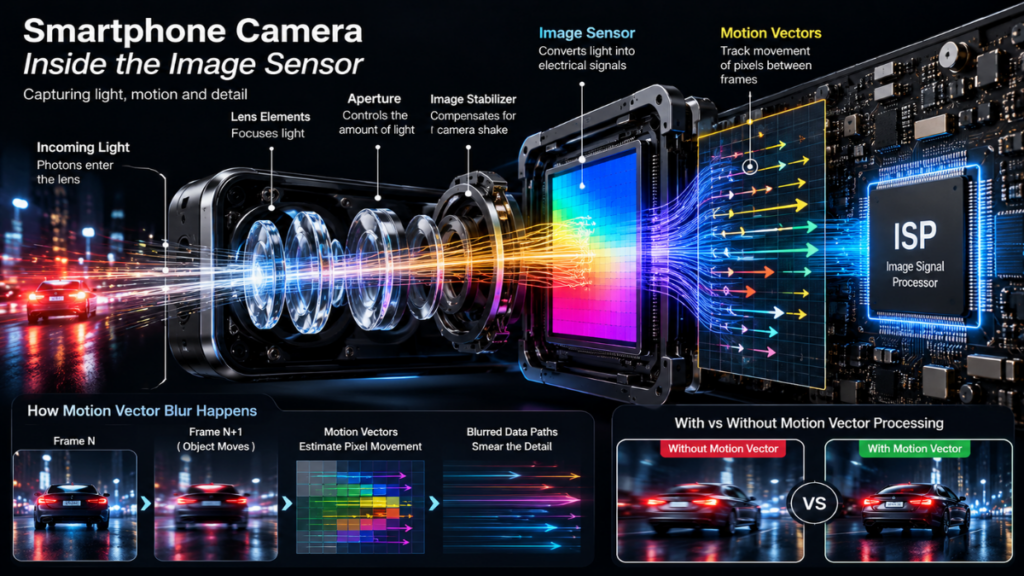
To freeze rapid kinetic energy without introducing digital artifacts, the camera system must maintain a fast Pixel shutter speed. If the sensor remains open too long, the physical displacement of the target across the pixel grid creates permanent distortion.
- Slower exposure windows collect sufficient illumination but introduce significant tracking distortion.
- Faster exposure windows preserve sharp physical details while requiring aggressive sensor sensitivity.
- Advanced tracking algorithms must calculate target velocity to adjust capture parameters in real time.
Maintaining a quick exposure window reduces the quantity of incoming photons hitting the physical sensor plane. Consequently, the imaging software within the Pixel 4 XL vs Pixel 10 Pro camera framework must compensate using clean digital amplification without ruining the file with noise.
Pixel 4 XL vs Pixel 10 Pro camera: Which system handles movement better?
Directly testing the vintage platform against modern mobile hardware highlights two entirely different engineering eras of the Google ecosystem. This comparison shows how changing software choices affect raw performance when capturing unexpected real-world action.
Fast shutter execution versus multi-frame computational photography in a Pixel camera comparison
The vintage system relies on classic HDR+ foundations developed under early computational leadership, focusing on shorter capture cycles that preserve sharp edges. This classic approach avoids over-exposing the scene, keeping the capture window tight to minimize errors.
In a comprehensive Pixel camera comparison, the modern platform deploys an expansive multi-frame configuration that pulls massive data from a larger sensor. While this creates clean files, the extended processing pipeline of the modern Pixel 4 XL vs Pixel 10 Pro camera setup can occasionally miscalculate rapid physical movement in low light.
Preventing Pixel motion blur in concerts, clubs, and dynamic dancing scenes
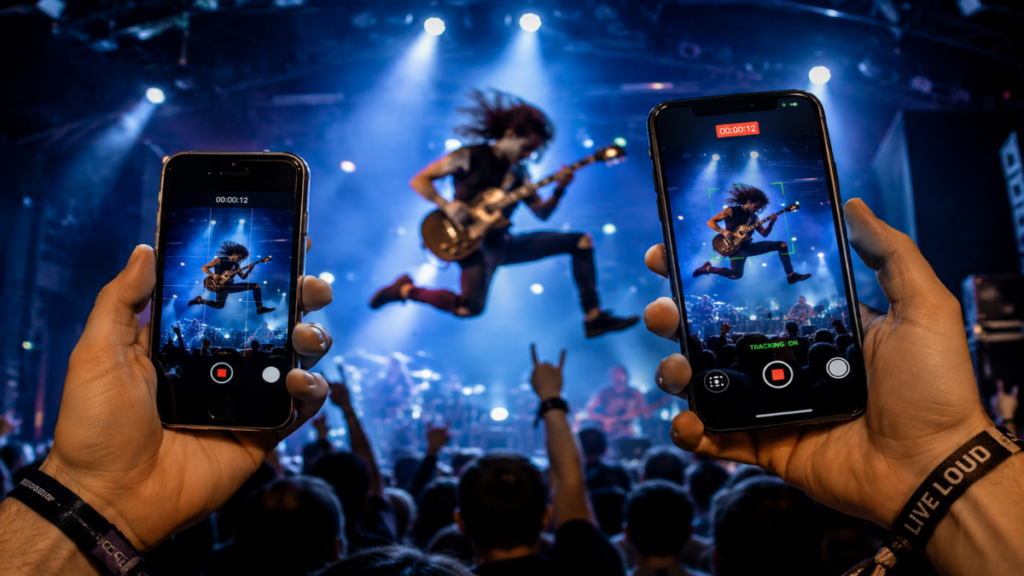
Inside chaotic environments like late-night venues or live musical concerts, tracking active performers requires immediate sensor responsiveness. Many mobile photographers note that older platforms often secure sharper character outlines under flashing club lights.
The modern platform sometimes favors bright exposures over fast motion tracking, resulting in softer facial details during sudden movements. The classic setup accepts higher digital noise to ensure the core shape remains recognizable, reducing problematic Pixel motion blur which is a key point in this Pixel 4 XL vs Pixel 10 Pro camera analysis.
Why brighter frames produced by a smartphone moving subjects tracking system don’t always mean sharper results
Modern imaging pipelines excel at illuminating dark backdrops, turning dim spaces into highly visible scenes. Yet, this aggressive exposure boost can create a false sense of overall image quality.
“A highly illuminated photograph loses its artistic utility if the main human subject is distorted by computational motion artifacts.”
Luna
Prioritizing raw exposure over motion freezing can compromise candid documentary photography, an area where the design choices of the Pixel 4 XL vs Pixel 10 Pro camera split opinions. A darker, sharper frame that preserves the true energy of a moment is often far more valuable than an artificially brightened image.
Pixel 4 XL vs Pixel 10 Pro camera: HDR, shadows, and contrast performance
The shift in how mobile devices balance highlights and midtones marks a major change in modern smartphone aesthetics. Evaluating these platforms reveals a clear transition from high-contrast imagery to flatter, HDR-heavy outputs.
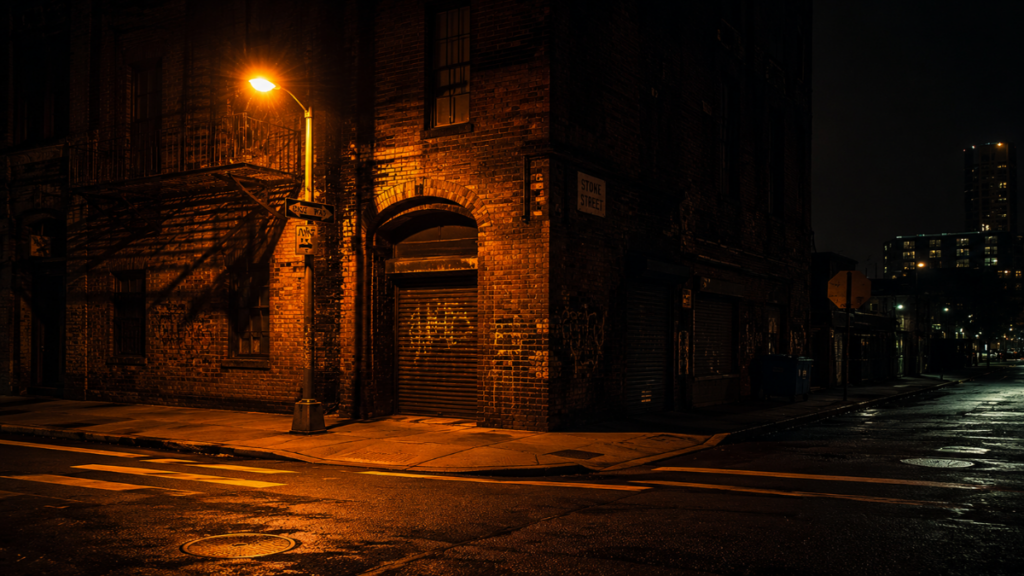
How each generation approaches shadow management in Pixel low light photography
The classic platform is celebrated for maintaining rich contrast, intentionally allowing deep shadow areas to remain dark. This preservation of true blacks prevents the image from looking washed out or artificially corrected when testing the Pixel 4 XL vs Pixel 10 Pro camera during Pixel low light photography.
The modern system leverages advanced high-dynamic-range processing to illuminate almost every corner of the frame. While this reveals hidden background details, it can reduce the natural depth and atmosphere of dim environments.
Does aggressive high dynamic range processing strip away the natural look in a Pixel camera comparison?
When software algorithms lift every shadow while pulling down bright light sources, the overall image contrast drops significantly. This uniform illumination can flatten three-dimensional spaces, making scenes look more like digital renders than physical spaces.
- Flattened midtones reduce the visual separation between foreground characters and backgrounds.
- Over-processed highlights can strip away the authentic glow of localized light sources.
- Uniform frame exposure often removes the intentional mood of artistic low-light environments.
Conducting a thorough Pixel camera comparison shows that modern updates prioritize absolute structural visibility over artistic lighting values. This technical calibration can sometimes strip away the dramatic tone that made early generations of the Pixel 4 XL vs Pixel 10 Pro camera famous.
Adjusting Pixel shutter speed variables to preserve an authentic low-light atmosphere
Preserving the real-world ambient environment requires a delicate balance between exposure duration and computational enhancement algorithms. The older framework maintains a tight control loop that prevents light amplification from overpowering natural night tones.
By keeping the baseline Pixel shutter speed optimized for quick exposures, the Pixel 4 XL vs Pixel 10 Pro camera systems achieve entirely different aesthetic results. This ensures that bright neon accents contrast beautifully against dark evening shadows.
Pixel 4 XL vs Pixel 10 Pro camera: Artificial intelligence processing versus photographic realism
The integration of advanced neural networks has changed the role of mobile software from simple image refinement to active scene reconstruction. This transition impacts how texture, detail, and human skin tones are rendered in low light.
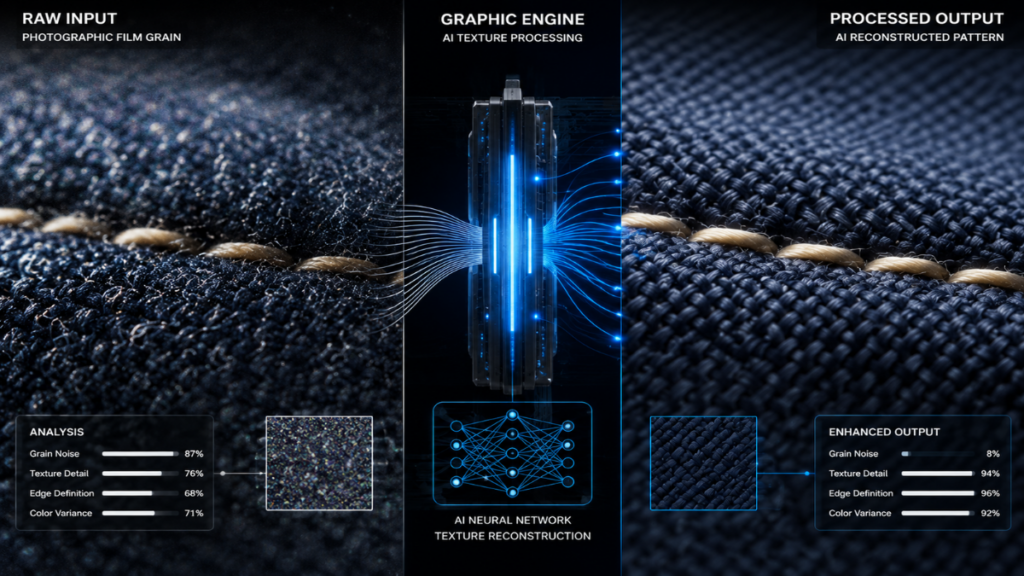
Where machine learning neural networks elevate the baseline of Pixel low light photography
Modern computational methods offer undeniable benefits when recovering details from extreme low-light environments. Advanced machine learning models accurately remove digital grain while maintaining clean color balance across the entire frame.
More Read

These modern systems make casual point-and-shoot photography effortless for everyday users. They deliver usable, bright results in environments where older sensors would struggle to capture visible shapes during Pixel low light photography, marking an evolutionary step for the Pixel 4 XL vs Pixel 10 Pro camera.
When computational frameworks introduce excessive Pixel motion blur during aggressive reconstruction
The reliance on heavy machine learning can backfire when algorithms attempt to reconstruct fine details like hair or fabric in dim lighting. When the sensor lacks clean data, the software can apply aggressive smoothing that looks unnatural under close inspection.
This artificial rendering can inadvertently emphasize Pixel motion blur by turning subtle movement into smeared digital patches. Human features can take on a painterly, airbrushed texture when the neural network over-corrects for sensor limitations, which is a key point of discussion for the Pixel 4 XL vs Pixel 10 Pro camera.
Which smartphone moving subjects tracking pipeline delivers a less synthesized image?
Analyzing the output files shows that the vintage setup operates with minimal software interference, leaving organic film-like grain untouched. This lack of aggressive smoothing gives images an authentic photographic quality that many enthusiasts prefer when testing the Pixel 4 XL vs Pixel 10 Pro camera.
As seen in the technical rendering breakdown:
- Classic Processing Style: Preserves organic image grain, maintains deep local contrast, emphasizes authentic evening moods.
- Modern Processing Style: Eliminates digital noise completely, enhances background brightness, introduces smooth AI textures.
The modern platform delivers exceptionally clean, noise-free images, but can lose subtle organic textures in the process. Choosing between the two options within the Pixel 4 XL vs Pixel 10 Pro camera spectrum depends on whether you prefer clean technical files or natural photographic character.
Why some mobile photography enthusiasts still prefer the Pixel 4 XL vs Pixel 10 Pro camera output
Despite massive hardware advancements over the last few years, a dedicated group of mobile photographers still praises older generations. This lasting appreciation highlights a distinct preference for classic mobile rendering styles.
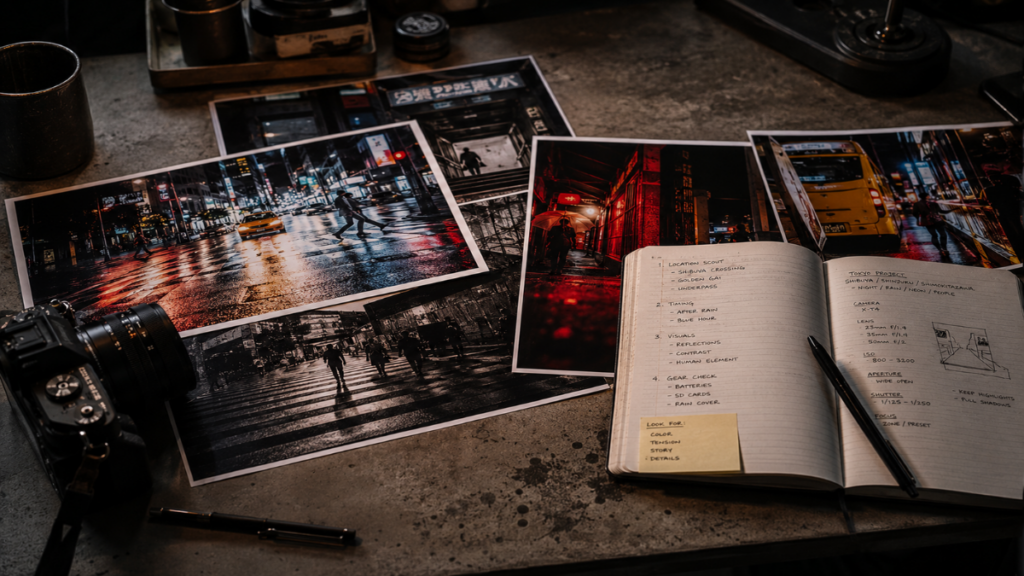
The artistic value of deep blacks and defined micro-contrast in Pixel low light photography
Early configurations of the Google Camera app focused on an aesthetic inspired by traditional film photography. By allowing shadows to remain rich and dark, these cameras created a powerful sense of scale and atmosphere during Pixel low light photography, which remains a strong point for the Pixel 4 XL vs Pixel 10 Pro camera.
This artistic direction contrasts sharply with modern industry trends, where devices compete to deliver the brightest possible image. For many, the high-contrast look provides a more compelling visual narrative.
Balancing pure optical resolution with classic rendering choices in a Pixel camera comparison
A photograph can be technically flawless—perfectly sharp with zero digital noise—yet feel sterile and uninspiring. The vintage system benefits from a distinct visual style that gives everyday snapshots a memorable quality.
- Natural grain adds texture and an organic feel to low-light shots.
- Unadjusted light sources preserve their real-world intensity and bloom.
- Predictable contrast levels make it easier to compose shots using light and shadow.
Conducting this focused Pixel camera comparison reminds us that resolution numbers do not fully define image quality. The emotional impact of an image relies heavily on how contrast and transitions are managed by the chosen Pixel 4 XL vs Pixel 10 Pro camera generation.
Why faster Pixel shutter speed tuning can create a more memorable dynamic image
Freezing an authentic human expression requires instant camera reaction time. When the camera system within the Pixel 4 XL vs Pixel 10 Pro camera framework prioritizes a high Pixel shutter speed over shadow amplification, it accurately documents the genuine feel of the moment.
This methodology prevents the camera software from introducing artificial sharpness adjustments over blurred boundaries. The final image retains its structural credibility, providing a clean record of fast-moving environments.
Which specific device tuning matches your personal smartphone moving subjects shooting style?
Choosing the right tool depends entirely on your specific photographic goals, your environment, and how much you value instant point-and-shoot convenience over artistic control.
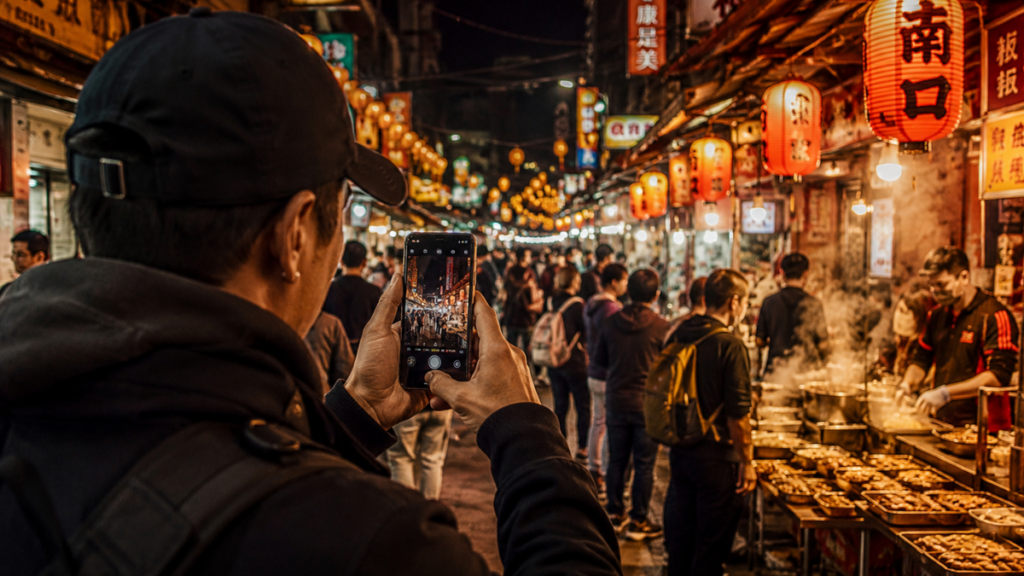
Analyzing the Pixel 4 XL vs Pixel 10 Pro camera performance for live concert venues and nightlife
If your priority is capturing fast action in dark venues without dealing with excessive software smoothing, the classic approach remains highly capable. It keeps exposure times short to reliably freeze sharp human expressions.
However, if you need to capture the entire venue clearly, including dark crowds and distant perimeters, the modern system is unmatched. The raw light-gathering capability of the Pixel 4 XL vs Pixel 10 Pro camera comparison shows how modern updates excel at revealing hidden details.
Handling complex environmental lighting transitions during travel and everyday Pixel low light photography
For daily usage where you encounter a wide mix of lighting scenarios, the modern flagship offers incredible versatility. Its ultra-wide lenses and long-range zooms provide massive framing flexibility for travel.
The modern platform delivers consistently usable results with minimal effort, making it the ideal choice for most casual users. It excels at balancing wide landscapes during complex Pixel 4 XL vs Pixel 10 Pro camera testing and Pixel low light photography sessions.
Minimizing erratic Pixel motion blur during intimate portrait sessions and family gatherings
Capturing candid family moments indoors requires a camera that handles unpredictable movement while rendering natural skin tones. The vintage setup excels at producing warm, lifelike portraits with excellent facial contrast.
The modern unit provides exceptional sharpness and clean backgrounds, but can occasionally over-process skin textures under dim indoor bulbs. Selecting the best option within the Pixel 4 XL vs Pixel 10 Pro camera ecosystem comes down to whether you prefer crisp technical execution or authentic, natural character without problematic Pixel motion blur.
FAQ: Addressing structural mysteries of the Pixel 4 XL vs Pixel 10 Pro camera selection
Is the newer modern generation objectively less effective at controlling Pixel motion blur?
No, the modern system features significantly faster processing hardware and an expanded physical sensor area capable of capturing massive amounts of light. However, its default software configuration favors bright, shadow-lifted images, which can occasionally lead to softer details on moving subjects compared to the older model’s high-contrast tuning, a notable factor in the Pixel 4 XL vs Pixel 10 Pro camera comparison.
Why do older computational files preserve sharper outlines during fast Pixel shutter speed exposures?
Early versions of the Google Camera app prioritized short exposure bursts to prevent frame misalignment artifacts. By accepting natural digital grain and keeping the baseline Pixel shutter speed high, the system avoided the digital smearing caused by aggressive multi-frame AI smoothing, which is an interesting design choice when comparing the Pixel 4 XL vs Pixel 10 Pro camera.
How can mobile users optimize settings to capture sharp smartphone moving subjects inside dim rooms?
To capture sharp smartphone moving subjects, users can manually lower the exposure slider to force the camera system to use a faster shutter speed. Additionally, using local lighting accents and disabling extended multi-second night modes helps prevent the processing pipeline of the Pixel 4 XL vs Pixel 10 Pro camera from introducing unwanted motion artifacts.
Conclusion
Comparing the classic rendering style against modern mobile flagships shows how much priorities have shifted in the mobile photography space. While newer hardware offers incredible low-light brightness and technical utility, the classic era’s focus on rich contrast and fast exposure cycles remains highly effective for freezing dynamic action. Choosing the ideal option from the Pixel 4 XL vs Pixel 10 Pro camera selection comes down to a simple preference: deciding between clean, illuminated visibility or natural, high-contrast character.
LEAVE A COMMENT TO GET A FREE CONSULTATION FROM OUR EXPERTS OR FOLLOW OUR WEBSITE THE COUCH INSIDER TO UPDATE THE LATEST KNOWLEDGE.