The promise of OTA updates was simple: your device would get better with time, effortlessly. Manufacturers pitched this as a revolution in convenience—no more dealership visits, no more manual firmware hunting, just magic happening in the background. However, for those of us living in the real world, the experience has turned into a high-stakes gamble. Far from a seamless improvement, these silent upgrades have become a source of system lockouts, broken hardware, and frustrating technical debt.
- The reality of automotive OTA updates
- The subscription trap
- How your “Smart” TV gets dumber overnight
- The mobile development nightmare: Life after CodePush
- The Old School revolt: Why some pros reject it
- Survival guide: Managing your system
- Analyzing the divide: Convenience versus control
- Conclusion: Owning your device or just renting it?
The reality of automotive OTA updates
When you purchase a vehicle, you expect to be the one in control. Yet, recent experiences across the automotive sector show that OTA updates can turn your most expensive asset into a temporary hostage.
When your car locks you out
The most harrowing tales come from users who found themselves stranded by their own vehicles. Whether it is an unexpected system update triggering while you are grabbing groceries or a software verification process that refuses to complete, the result is a total loss of access. There is an inherent contradiction in calling an update “over-the-air” when it renders the vehicle immovable. Manufacturers often fail to display clear progress bars or safety warnings, leaving drivers blind to why their dashboard has turned into an unresponsive brick.
The hidden danger of battery drainage
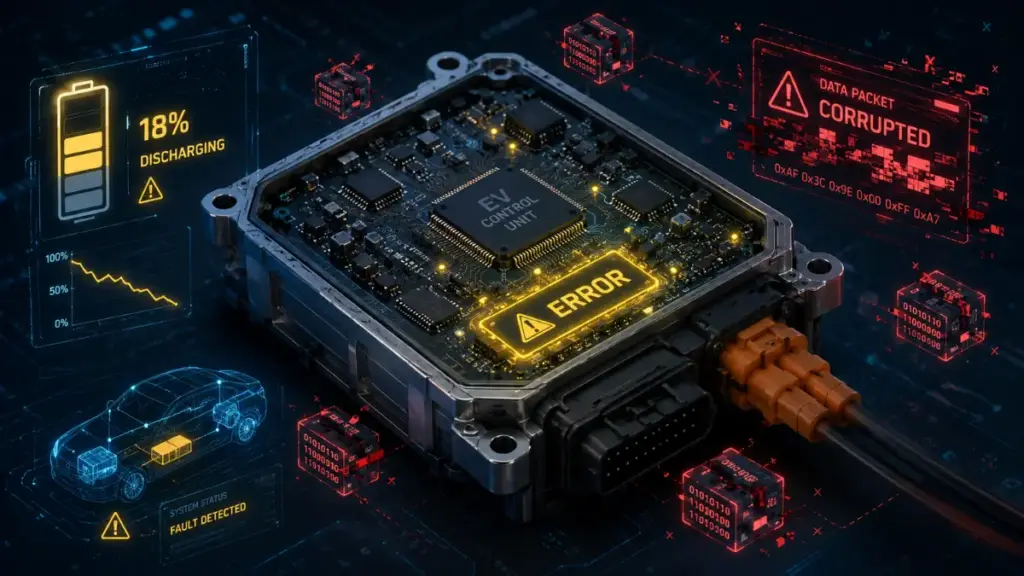
Another silent killer is the impact of OTA updates on the vehicle’s 12V battery. Many owners have reported that interrupted or buggy firmware installations lead to persistent power draws, draining the battery completely. For a modern EV, a dead 12V battery means the car won’t start, the doors won’t open, and the entire “smart” experience collapses. It is a critical failure that rarely makes it into the glossy brochures selling these features.
The subscription trap
It is becoming increasingly clear that OTA updates are being used as a Trojan horse for gated features. What was once part of the hardware you paid for is now being pushed behind a monthly subscription wall. Features that were promised at purchase are being toggled off or restricted, forcing owners to log into proprietary portals just to regain access to their own hardware. This shift from ownership to rental is the unspoken cost of constant connectivity.
How your “Smart” TV gets dumber overnight
If you think your home ecosystem is safer, the reality of television firmware tells a different story. The recent push of OTA updates for smart displays has shown that “improvement” is a subjective term.
The firmware-induced audio bug
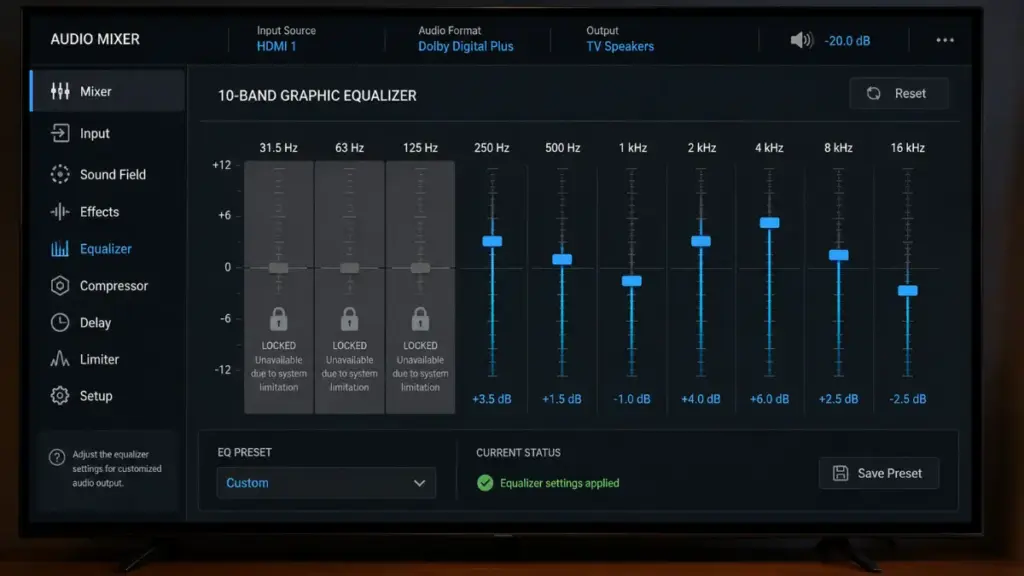
For many, a late-night update meant waking up to a television that no longer supports 5.1 audio. Despite checking cache files, resetting settings, and toggling every input option, the system remains broken. The frustration is compounded when support agents suggest manual USB updates for a defect caused by an automated push. It begs the question: if the update is mandatory, why does it lack a basic compatibility test?
Broken visuals and VRR issues
Beyond audio, the loss of features like Variable Refresh Rate (VRR) or ghosting issues following an update has plagued high-end models. When an update forces settings that degrade input latency or break motion handling, the television effectively becomes a lower-tier product than the one you bought. In the world of OTA updates, your hardware specifications are no longer static—they are volatile.
The mobile development nightmare: Life after CodePush
Developers are caught in the crossfire of OTA updates. With the retirement of legacy tools like CodePush, the ecosystem has splintered. The “simple” path of shipping a JS-bundle patch is now a logistical headache.
Read more: Plug In Hybrid Electric Vehicle Long-Term Costs: The Brutal Truth.
“The true cost of modern connectivity is not just the price of the device, but the sacrifice of your absolute control over its future performance.”
Jade
The version-targeting “Whack-a-Mole”
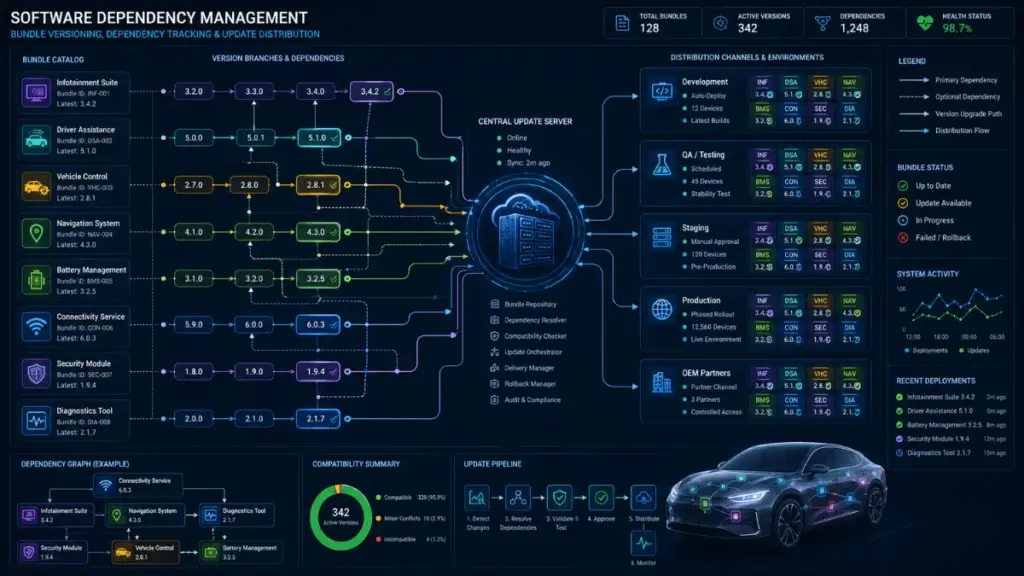
The biggest hurdle is managing which binary versions are compatible with which patches. Developers spend hours playing a dangerous game of “Whack-a-Mole,” ensuring that a fix pushed for one version does not break another. When compatibility is not handled automatically, you are forced to target every single binary release in the field. This is not just tedious; it is a massive risk to stability.
More Read

The cost of control
Self-hosting an update server might look like a cost-saving measure on paper, but the maintenance overhead is staggering. Between ensuring high uptime, managing bundle diffs, and verifying integrity, the burden of maintaining OTA updates often outweighs the benefits of the patches themselves. For smaller teams, the choice is bleak: pay exorbitant fees for managed services or risk reliability by hosting your own.

The Old School revolt: Why some pros reject it
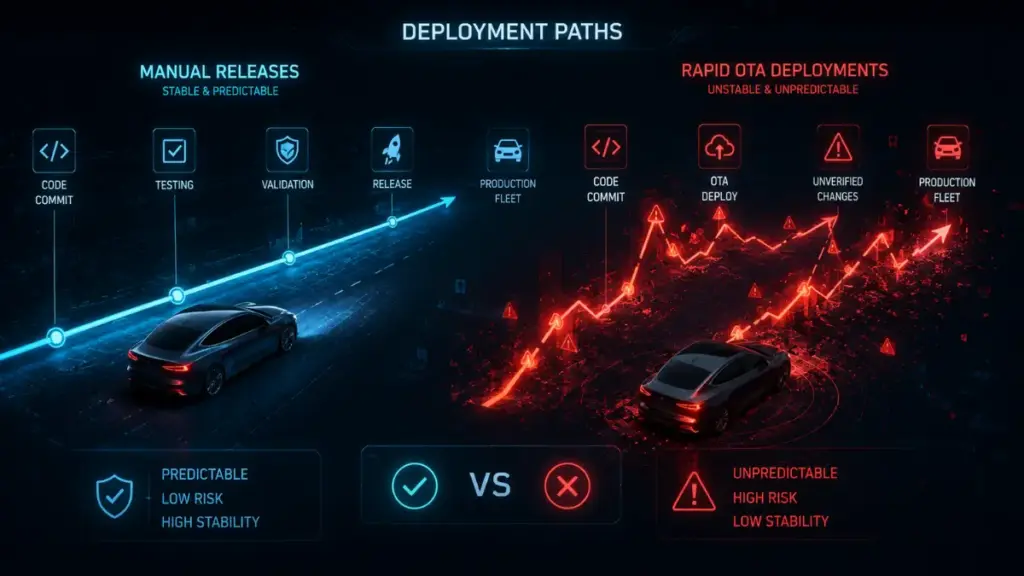
There is a growing movement of developers and power users who are opting out of OTA updates entirely. The philosophy is simple: a well-tested, stable release is worth more than a dozen rapid-fire patches.
The danger of “Vibe Engineering”
“Vibe engineering”—the act of pushing code rapidly without rigorous regression testing—has made the modern update cycle toxic. When speed is the only metric, quality is the first casualty. Those who reject OTA updates argue that they prefer the safety of a formal App Store or Play Store review process. While it may take a few days, it provides a buffer against the kind of catastrophic regressions that occur when you push a broken bundle to thousands of devices at once.
Manual updates as the final frontier
For those who refuse to be tethered, the USB port remains the last bastion of user agency. By manually flashing firmware, you control the timing, the version, and the environment. It is the only way to ensure that your device stays exactly as you want it, rather than what an automated server decides you need.
Survival guide: Managing your system
If you cannot avoid OTA updates, you must at least manage the risk. Here is how you can regain control.
Setting hard boundaries
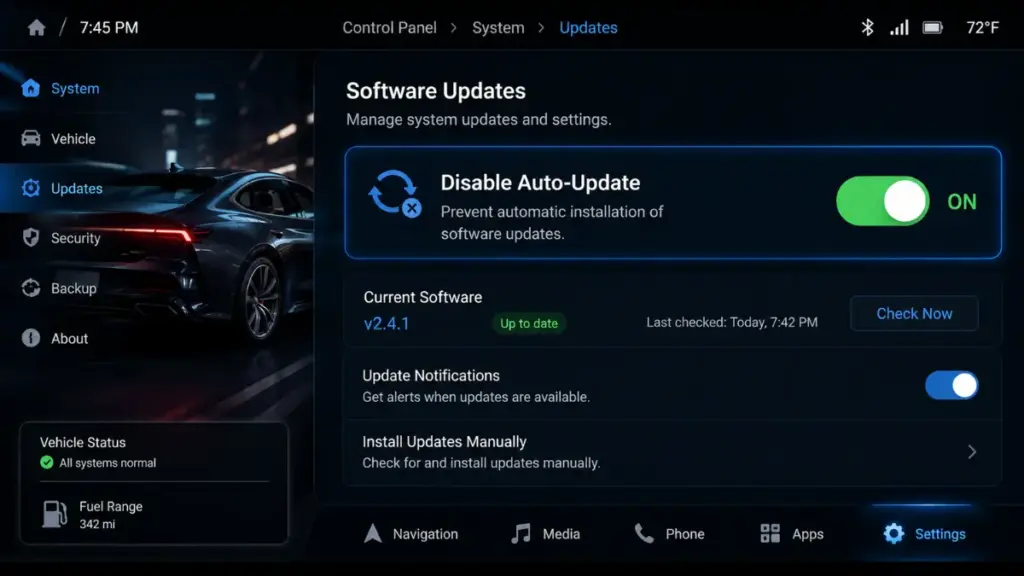
Never allow your critical devices to update unattended. If you must use a device that demands connectivity, configure it to “notify” rather than “install.” By the time an update reaches your machine, it should be something you have vetted, not something that happens behind your back.
The importance of rollback strategies
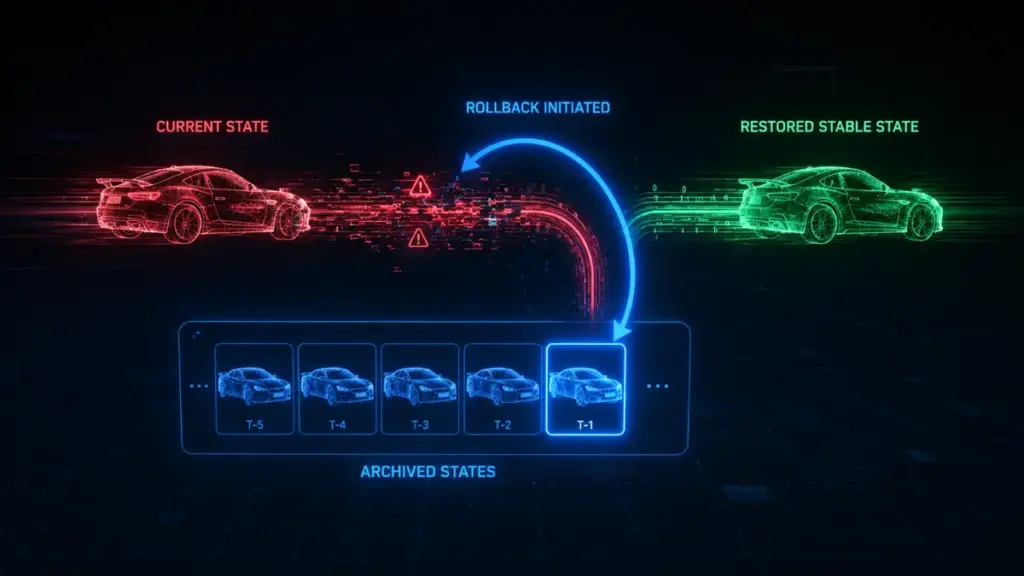
If your platform supports it, build a rollback toggle from day one. If you are a developer, this is non-negotiable. If you are an end-user, look for options to revert firmware or OS versions. The moment an update hits a critical failure, your ability to jump back to a “Last Known Good” configuration will save your device—and your sanity.
Analyzing the divide: Convenience versus control
The industry is currently split between two irreconcilable goals: the corporate desire for a “forever-connected” device that can be modified at will, and the user requirement for a stable, predictable tool. OTA updates are the battleground for this struggle.
“In an era of rapid deployment, stability is often the first victim of the race to ship the next firmware feature.”
Jade
When are they necessary?
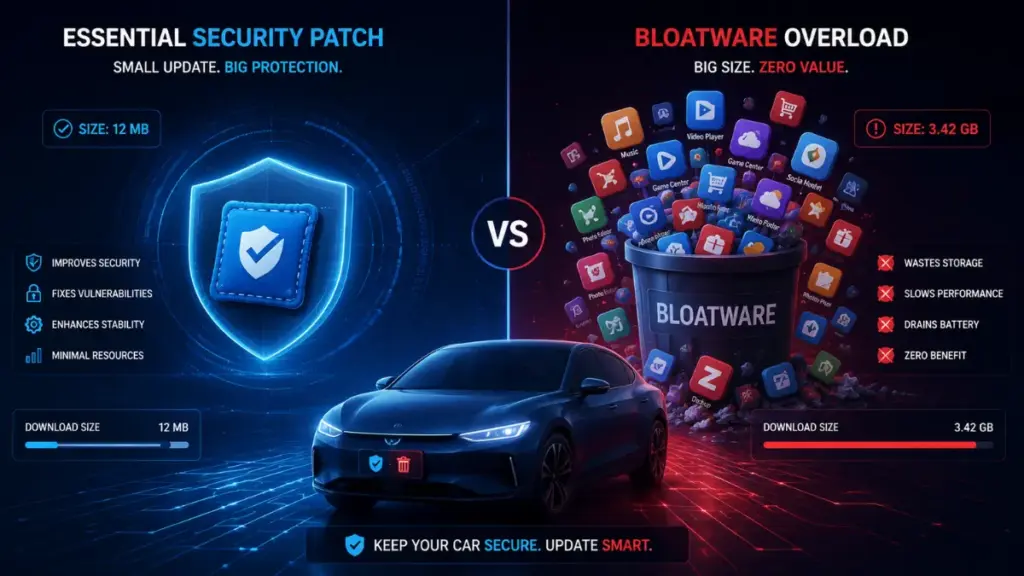
We cannot dismiss the utility entirely. Critical security patches, emergency brake calibrations, and hardware-level stability fixes are valid use cases. However, these are rare. Most of what passes for a “firmware update” today is just bloat, experimental features, or telemetry gathering disguised as progress.
The telemetry concern
We must also acknowledge the telemetry data being harvested during every update. Every handshake between your device and the manufacturer’s server is an opportunity to track your usage, your location, and your habits. The “seamlessness” of these OTA updates comes at a high price: the erosion of your digital privacy.
Conclusion: Owning your device or just renting it?
The era of OTA updates is not going away, but it is time to stop viewing it as a benevolent service. It is a tool, and like any tool, it is being used to serve the interests of the manufacturer, not the user. When your car, your TV, and your phone become dynamic targets for remote manipulation, you stop being the owner and start being a tenant in your own ecosystem.
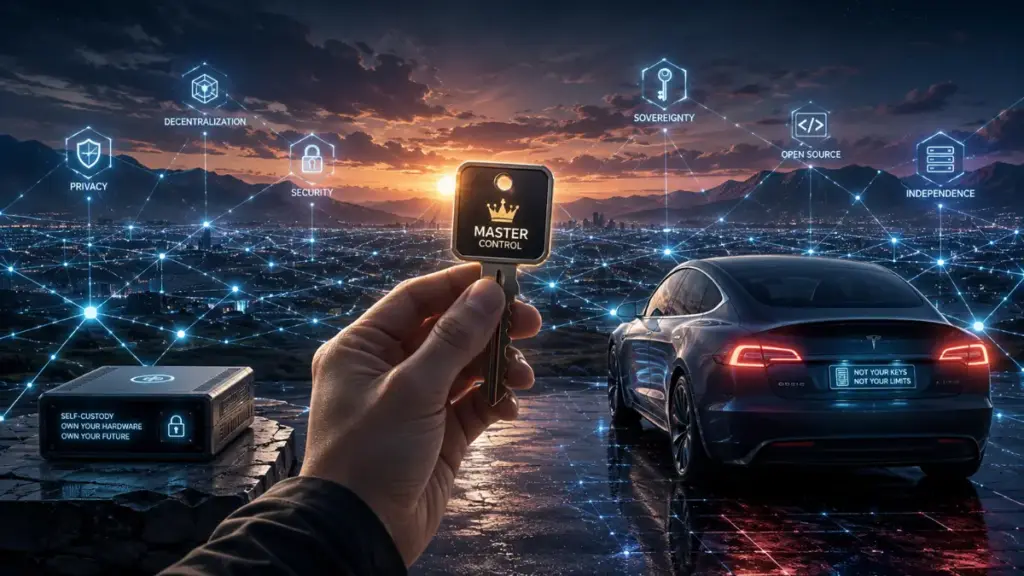
To reclaim your hardware, you must be skeptical. You must demand transparency, refuse the bloat, and take charge of your own update cycle. The future of technology should be about empowering the user, not about silently changing the rules while you are asleep. Keep your firmware under your control, and do not let the promise of convenience compromise the integrity of your tools.
IF YOU HAVE EXPERIENCED SYSTEM FAILURES OR HAVE QUESTIONS ABOUT SECURING YOUR HARDWARE, LEAVE A COMMENT BELOW TO GET ADVICE FROM OUR EXPERTS, OR FOLLOW THE COUCH INSIDER TO STAY UPDATED ON REAL-WORLD TECH INSIGHTS.