


A house cat bite may seem minor, but sharp feline teeth penetrate deep into soft tissue, trapping harmful bacteria under the skin. Even a small puncture from a beloved indoor pet can rapidly lead to severe bacterial infections, tissue swelling, or conditions like Cat Scratch Disease if left untreated.
- Uncovering Common Myths and the True Infection Risks of a Cat Bite
- Unraveling Medical Conditions Behind Sudden Aggressive Cat Attacks
- First Aid and Clinical Medical Protocols for a Severe Cat Bite
- Long-Term Strategies to Manage Behavior and Prevent Recurrent Bites
- Frequently Asked Questions About Feline Bite Hazards
- Final Insights on Managing Cat Bite Risks Safely
Yes, a house cat bite is extremely dangerous and requires immediate medical evaluation. Unlike dog bites that crush tissue, feline teeth act like sharp hypodermic needles that inject aggressive pathogens deep into tendon sheaths and joint capsules. Furthermore, sudden aggressive attacks in previously gentle cats are usually driven by severe underlying pain, rabies, acute hyperthyroidism, or sudden central nervous system dysfunction rather than simple behavioral spite.
Uncovering Common Myths and the True Infection Risks of a Cat Bite
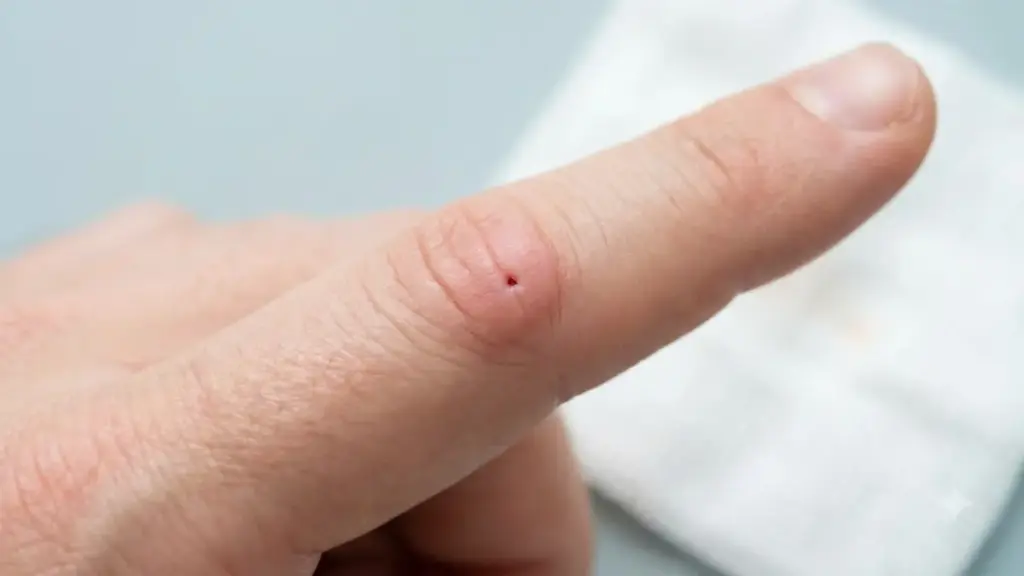
Many pet owners foolishly dismiss a minor cat bite because the surface wound looks tiny or because their pet lives exclusively indoors. However, clinical data shows that up to 80% of feline punctures become infected, making them far more treacherous than most canine wounds.
Medical Facts About Feline Tooth Structure vs. Clean Pet Myths
The popular belief that indoor pets carry no dangerous pathogens is a dangerous misconception. A feline mouth hosts a complex microbiome of opportunistic bacteria regardless of home cleanliness.
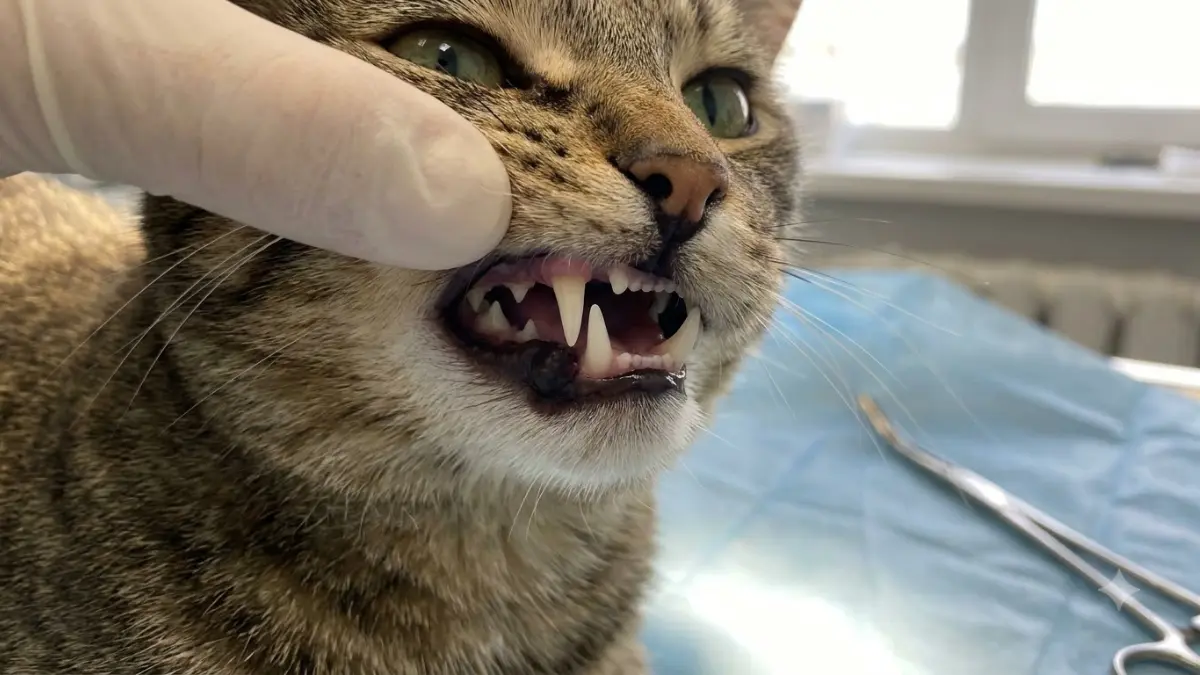
Sharp Canine Teeth Function Like Hypodermic Needles Deep in Soft Tissue
Feline canines are long, slender, and exceptionally sharp. When a cat bite occurs, these teeth easily pierce human skin, driving oral pathogens deep into fascia, muscle, and tendon sheaths. When the tooth withdraws, the tiny surface puncture hole closes almost immediately. This seals anaerobic bacteria inside a dark, warm, low-oxygen environment—creating perfect conditions for explosive bacterial growth while preventing natural wound drainage.
Oral Bacteria Pasteurella Multocida Spreads Rapidly Through Tissue
The primary pathogen involved in a cat bite is Pasteurella multocida, a virulent gram-negative organism present in the oral cavity of over 70% of healthy cats. Pasteurella produces potent endotoxins that destroy human tissue cells rapidly. Unlike other wound infections that take days to manifest, Pasteurella can multiply exponentially and cause severe tissue destruction within a mere 2 to 6 hours after initial exposure.
Read more: Why Cats Frantically Try To Open Closed Doors: Crucial Feline Stress Symptoms To Stop Now
Early Recognition of Dangerous Complications Following a Cat Bite
Recognizing early warning signs can mean the difference between a simple course of oral antibiotics and emergency surgical debridement or amputation.
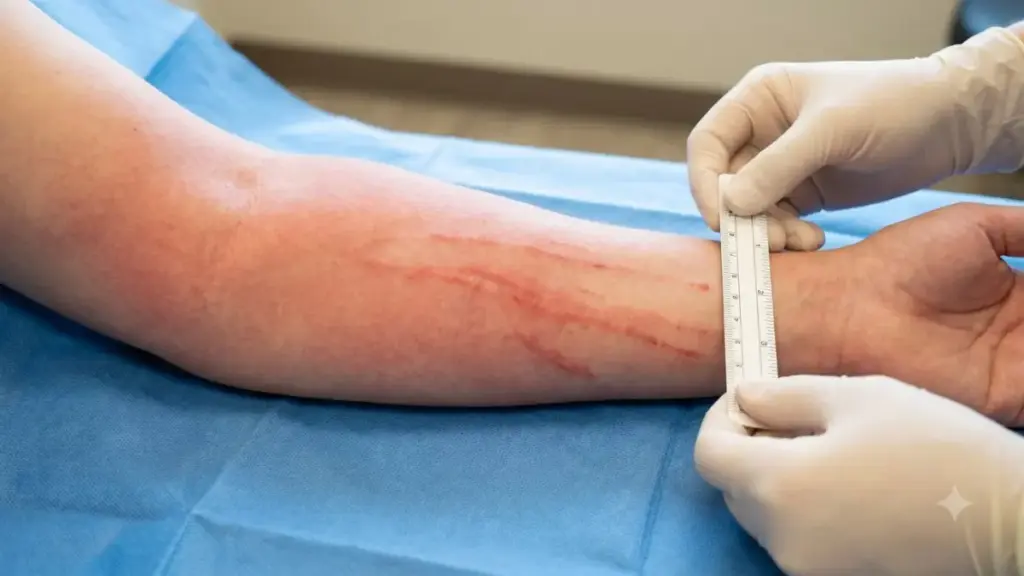
Swelling, Spreading Redness, and Purulent Discharge Within 12 to 24 Hours
Within 12 to 24 hours post-exposure, an infected cat bite site will display marked erythema (redness) that rapidly expands outward from the initial puncture mark. The surrounding area becomes hot to the touch, severely tender, and tense. Purulent discharge or foul-smelling pus may begin oozing from the sealed puncture site as white blood cells fight the overwhelming bacterial load.
Systemic Symptoms Warning of Sepsis: High Fever, Swollen Lymph Nodes, and Muscle Spasms
If local defenses fail, bacteria enter the lymphatic system and bloodstream. Patients experiencing systemic escalation from an untreated cat bite will develop high fevers, chills, generalized muscle aches, and painful regional lymphadenopathy (swollen lymph nodes in the armpit or groin). Without urgent care, this condition can rapidly progress to tenosynovitis, septic arthritis, irreversible tissue necrosis, or life-threatening systemic sepsis.
Unraveling Medical Conditions Behind Sudden Aggressive Cat Attacks
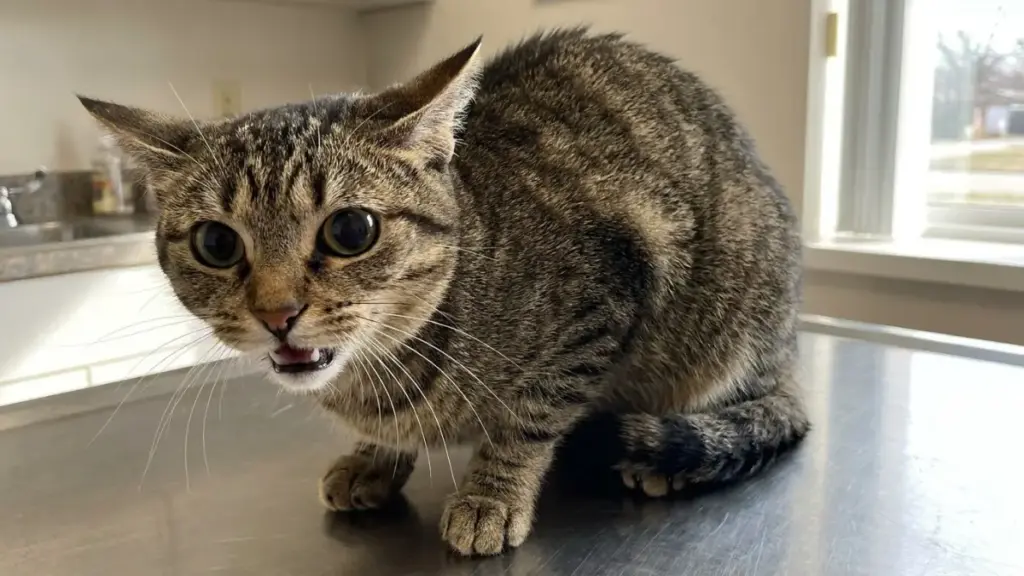
When an affectionate companion pet unexpectedly launches a violent attack, pet owners must realize that sudden aggression is almost always a physical symptom of severe physiological distress or neurological disruption.
Rabies and Central Nervous System Disorders in Felines
Rabies remains the most dangerous viral disease associated with violent feline behavior, directly affecting brain function and impulse control.
Silent Incubation and Sudden Personality Shifts from Docile to Furious
During the rabies incubation period—which ranges from two weeks to several months—a feline displays no outward symptoms. However, once the virus reaches the brain, personality changes manifest abruptly. A normally loving feline may suddenly become hyper-irritable, anxious, and prone to executing an unprovoked cat bite on anyone nearby. This furious stage represents an acute neurological breakdown.
Viral Brain Invasion Triggering Aggressive Reflexes, Hydrophobia, and Loss of Control
As the rabies virus destroys limbic and cortical brain tissue, felines lose all voluntary behavioral control. They experience severe muscle spasms, involuntary vocalization, extreme hypersensitivity to light or sound, and difficulty swallowing (leading to trademark foaming at the mouth). The urge to attack and deliver a cat bite becomes an involuntary viral propagation reflex.

Hyperthyroidism, Chronic Pain, and Physical Neurological Syndromes
Physical suffering frequently masquerades as behavioral aggression in domestic pets.
Acute Pain Outbursts from Arthritis, Organ Damage, or Hidden Abscesses
Cats are masters at masking chronic discomfort. When an owner unknowingly touches a sensitive area affected by osteoarthritis, spinal spondylosis, internal organ inflammation, or a hidden sub-dermal abscess, the pet experiences excruciating shock. The resulting cat bite is an involuntary reflex driven by intense pain and self-preservation rather than malice.
Thyroid Hormone Surges Causing Continuous Nervous Tension and Violent Outbursts
Feline hyperthyroidism, caused by functional thyroid nodules, floods the body with excess thyroxine. This hormonal surge dramatically elevates basal metabolic rate, blood pressure, and central nervous system arousal. Cats with untreated hyperthyroidism live in a state of perpetual physiological stress, lowering their tolerance threshold so drastically that minor environmental stimuli can trigger a sudden, violent cat bite outburst.
Read more Is Your 1-Year-Old Feline’s Demanding Behavior Normal, Or Is It Time For Aggressive Cat Treatment?
First Aid and Clinical Medical Protocols for a Severe Cat Bite
Immediate, aggressive wound management within the “golden hour” post-injury significantly decreases the statistical probability of deep tissue destruction and emergency surgical intervention.
More Read


Mandatory On-Site First Aid Steps in the “Golden Hour”
Taking proper steps immediately after an injury occurs is critical to reducing bacterial load before microbes colonize deeper tissue layers.
Continuous Flushing Under Running Water with Antibacterial Soap for 15 Minutes
Immediately following a cat bite, place the wound under a continuous stream of lukewarm running tap water. Wash forcefully with antibacterial liquid soap for at least 15 continuous minutes. Mechanical irrigation is the single most effective method for flushing out deep-seated saliva, surface dirt, and viral particles before the puncture wound seals itself shut.
Povidone-Iodine Disinfection and Sterile Pressure Bandaging Without Tight Constriction
After thorough washing, apply an antiseptic solution such as 10% Povidone-Iodine or Chlorhexidine directly into and over the wound. Cover the area with a clean, sterile gauze pad and secure it loosely with medical tape. Do not bind the wound tightly or use liquid surgical glues, as sealing an infected cat bite creates an anaerobic chamber that accelerates deep bacterial tissue destruction.

Emergency Medical Evaluation and Specialist Treatment Protocols
Self-treatment at home is never sufficient for puncture wounds involving hands, feet, joints, or immunocompromised individuals.
Empiric Broad-Spectrum Antibiotic Regimens to Prevent Tissue Necrosis
Physicians almost universally prescribe immediate oral or intravenous broad-spectrum prophylactic antibiotics for any deep cat bite. First-line therapy typically involves Amoxicillin-clavulanate (Augmentin), which effectively targets both Pasteurella multocida and co-pathogenic oral anaerobes. Prompt antibiotic administration halts tissue necrosis and prevents long-term joint disability.
Tetanus Booster and Rabies Post-Exposure Prophylaxis (PEP) Risk Assessment
During urgent care evaluation, medical providers will assess immunization history. A tetanus booster is mandatory if the patient’s last dose was over five years ago. Furthermore, if the cat bite came from an unvaccinated, stray, or unaccounted-for pet, medical staff will initiate Rabies Post-Exposure Prophylaxis (PEP), consisting of human rabies immunoglobulin (HRIG) and a series of four rabies vaccine injections.
Long-Term Strategies to Manage Behavior and Prevent Recurrent Bites
Preventing future injuries requires a dual approach focused on comprehensive veterinary healthcare and proactive home environmental management.
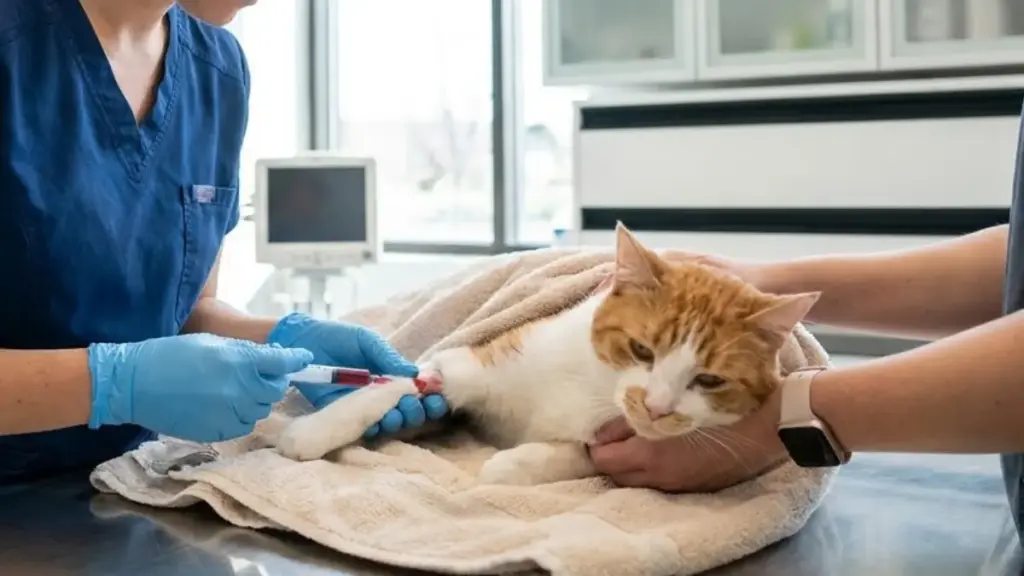
Routine Veterinary Health Screenings for Early Detection
Regular veterinary visits can uncover occult diseases before they manifest as behavioral breakdowns or physical aggression.
Bi-Annual Blood Panels and Neurological Screenings for Hidden Pathologies
Cats aged seven and older should undergo comprehensive blood panels, urinalysis, and physical neurological exams every six months. Screening for kidney disease, diabetes mellitus, hyperthyroidism, and neurological decline allows early clinical intervention, eliminating pain-induced triggers that lead to an unexpected cat bite.
Understanding the hidden health triggers and deep microbiological risks behind a cat bite empowers pet owners to act decisively, seek timely medical care, and protect both human and feline well-being.
Anna
Maintaining Mandatory Rabies Vaccination Schedules and Health Records
Keep your pet’s rabies immunizations strictly up to date according to local municipal laws. Maintaining organized, easily accessible vaccination records protects your pet from mandatory quarantine measures and gives medical doctors peace of mind should an accidental cat bite occur during routine handling or grooming.

Optimizing Home Environment and Mastering Feline Body Language
Creating a secure, predictable living space minimizes baseline anxiety and prevents defensive aggression.
Establishing Dedicated Safe Zones to Reduce Environmental Stressors
Designate quiet, low-traffic areas in your home equipped with vertical climbing trees, hiding boxes, and separate resources (litter box, food, water). These safe zones allow your pet to retreat comfortably when feeling overwhelmed by visitors, loud noises, or household changes, dramatically reducing stress-induced incidents that lead to a cat bite.

Recognizing Subtle Warning Signals: Tail Flicking, Ear Flattening, and Growling
Learn to read subtle physiological cues before overstimulation escalates into violence. An agitated pet will twitch the tip of its tail, flatten its ears backward against its skull (“airplane ears”), dilate its pupils, or emit low vocal growls. Recognizing these early warning signs allows you to instantly pause interaction and step away, effectively preventing a painful cat bite.
Frequently Asked Questions About Feline Bite Hazards

Can a house cat bite cause Cat Scratch Disease (CSD)?
Yes. While Cat Scratch Disease is most commonly transmitted through claws contaminated with flea feces, a cat bite can also introduce the causative bacterium, Bartonella henselae, into human soft tissue. Symptoms include regional lymph node swelling, low-grade fever, fatigue, and localized skin lesions near the puncture site.
How quickly can a cat bite infection become life-threatening?
An infection from a cat bite can turn extremely dangerous within 12 to 24 hours due to the rapid multiplication of Pasteurella multocida. If bacteria enter deep tendon sheaths or the bloodstream, it can cause severe tenosynovitis, permanent joint loss, or life-threatening septic shock within 24 to 48 hours without antibiotic therapy.
What should I do if my indoor cat bites me without provocation?
First, perform immediate 15-minute wound washings and seek urgent human medical evaluation. Second, isolate your pet in a quiet, comfortable room with food and water. Avoid confronting the animal, and contact your veterinarian immediately to schedule a comprehensive health examination to identify underlying pain, endocrine issues, or neurological illness.
Final Insights on Managing Cat Bite Risks Safely

Treating every puncture wound with medical seriousness is essential to protecting your long-term health and maintaining a loving relationship with your pet. By understanding the deep anatomical risks of canine tooth structure, responding instantly with proper hygiene, and addressing sudden behavioral changes through expert veterinary care, you can prevent severe medical complications and ensure a safe, peaceful home for years to come.
PLEASE LEAVE A COMMENT TO SHARE YOUR FAVORITE THOUGHTS OR FOLLOW OUR BLOG FOR THE LATEST UPDATES.