

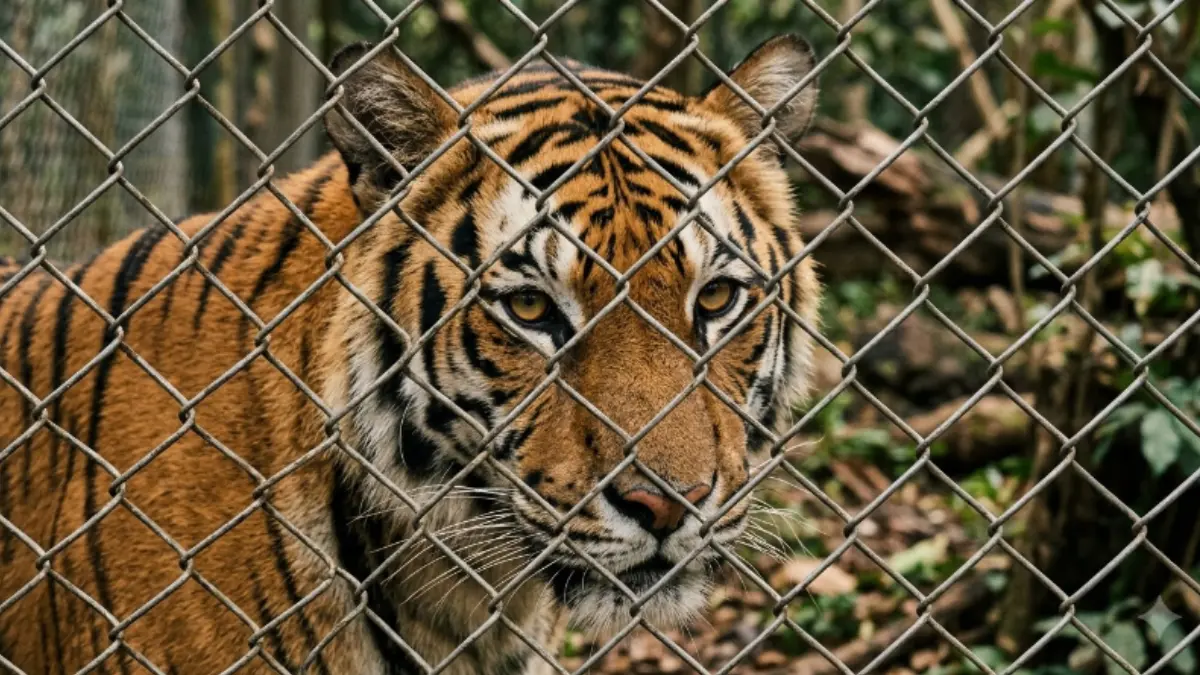

Tiger varieties kept as exotic pets have sparked widespread popularity online, leading many people to believe that captive-bred big cats can be safely domesticated like house pets. However, housing wild predators in human environments ignores thousands of years of natural evolutionary instincts and physiological demands.
- Unmasking the pet tiger trend: The explosion of captive tiger varieties in confinement
- Top 5 core differences between pet tigers and wild big cats people misunderstand
- Legal liabilities and severe safety hazards of pet tiger varieties
- Humane solutions and sustainable directions for wild tiger conservation
- Frequently Asked Questions about tiger varieties
- The path forward for protecting wild tiger varieties
While captive specimens may appear docile, their fundamental biology remains virtually identical to their wild counterparts across different subspecies. Here are 5 major differences between pet tiger varieties and wild tigers that most people still misunderstand—and why keeping big cats at home is dangerous!
Keeping big apex predators inside residential backyards is a dangerous illusion because taming a single animal never erases its genetic predatory wiring. Despite claims that private breeders produce harmless tiger varieties, captive big cats retain every ounce of their wild instincts, physical power, and territorial needs.
Unmasking the pet tiger trend: The explosion of captive tiger varieties in confinement
The widespread viral popularity of exotic pets on social media platforms has created a false narrative surrounding private ownership. Across various countries, private menageries now hold thousands of apex predators in backyards, basements, and roadside exhibits.
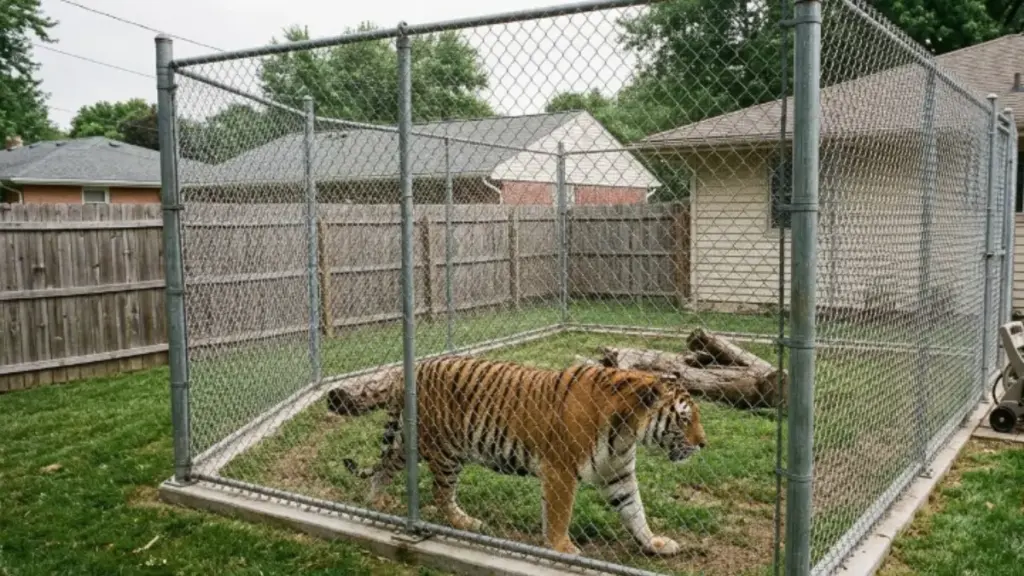
Alarming reality of suburban pet big cats
The sheer volume of apex predators living in human residential zones has reached unprecedented levels. Modern statistics indicate that private holdings contain thousands of individual big cats, creating a shadow population outside accredited zoological facilities.
Record numbers of captive big cats exceeding wild populations
In several nations, the population of privately owned tiger varieties living in cages far exceeds the total number of wild individuals remaining across all Asian habitats. This massive imbalance highlights an escalating welfare crisis driven by unregulated private breeding pipelines.
Exotic pet desire and the social media algorithm trap
Viral videos featuring young cubs playing in living rooms portray a distorted image of apex predator care. Social platforms amplify cute imagery while omitting the severe safety risks, financial burdens, and ethical issues that arise when these tiger varieties mature into full-sized apex predators.
Genetic alterations and degeneration from irresponsible breeding
To maximize profits, commercial exotic pet markets frequently engage in selective breeding practices that compromise animal health. These practices yield striking visual traits at the expense of physiological stability and long-term vitality.
Inbreeding practices generating abnormal color variations
Private markets heavily favor unusual coat colors, such as white or golden morphs. Achieving these rare traits within captive tiger varieties relies heavily on intensive line-breeding and inbreeding, which drastically shrinks the genetic pool and exposes recessive mutations.
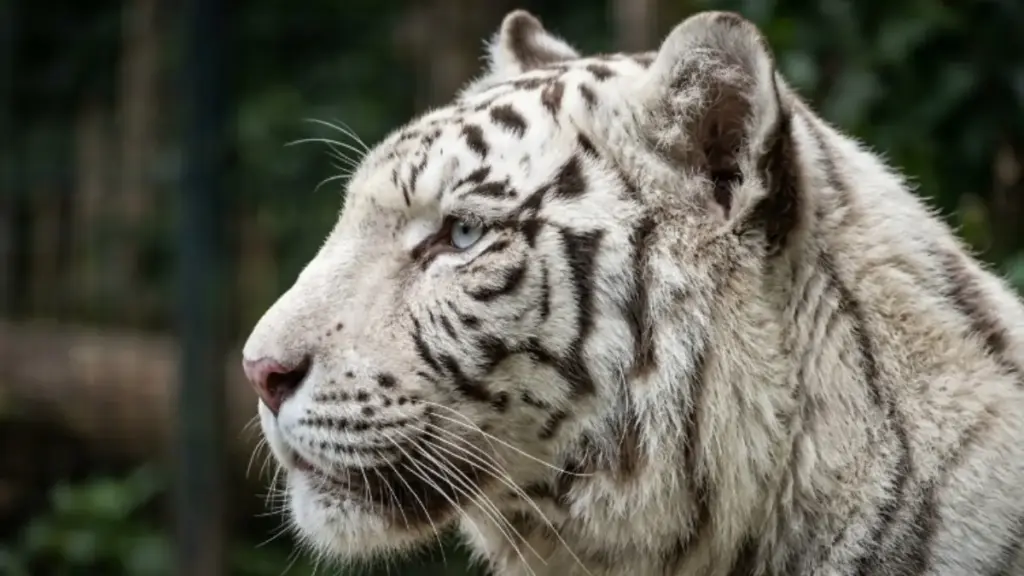
Hidden congenital defects behind exotic coat morphs
Beneath the striking appearance of unique color morphs lie severe internal issues. Many color-selected tiger varieties suffer from cleft palates, crossed eyes, immune deficiencies, and spinal deformities that severely reduce their quality of life.
Top 5 core differences between pet tigers and wild big cats people misunderstand
Public perception often confuses hand-reared docility with true evolutionary domestication. Disregarding fundamental biological truths leads to tragic accidents and severe animal suffering.
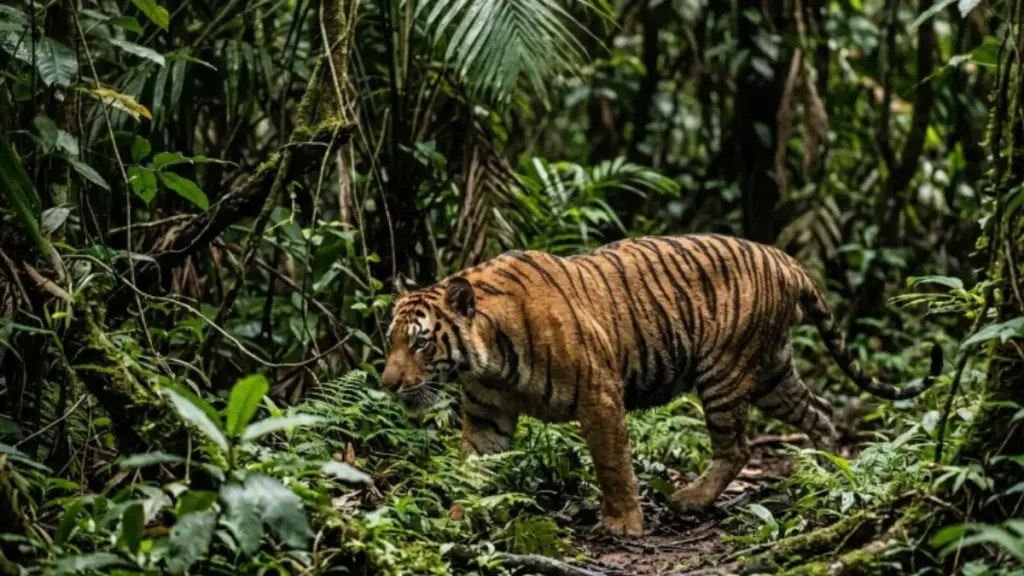
Myth 1 – “Tigers raised from cubs completely lose predatory instincts”
A common misconception among exotic pet owners is that bottle-feeding an infant carnivore permanently rewires its neurological development.
Instinctive biological traits endure across generations
Basic hunting, stalking, and territorial behaviors are hardwired into the neural architecture of all tiger varieties. Raising an individual in a house does not eliminate millions of years of predatory evolutionary adaptations.
Sudden predatory triggers under unexpected sensory stimulation
A sudden movement, a high-pitched voice, or the presence of a small pet can instantly trigger aggressive responses in captive tiger varieties. When these natural instincts surface, human handlers have virtually no physical ability to stop an attack.
Myth 2 – “Dietary needs for captive tiger varieties are easy to satisfy”
Feeding a 500-pound obligate carnivore requires significantly more effort than purchasing commercial meat from a local grocery store.
Strict calcium, mineral, and raw meat requirements
In nature, wild predators consume whole carcasses including bones, organs, and hide to balance their nutrient intake. Captive tiger varieties require precise calcium-to-phosphorus ratios and specific micronutrients to maintain bone density and organ health.

Severe malnutrition and skeletal deformities from artificial diets
When private owners feed improper poultry or muscle-meat diets, captive tiger varieties rapidly develop metabolic bone disease. This condition causes painful bone softening, joint collapse, and permanent physical crippling.
Myth 3 – “A spacious backyard offers sufficient territory”
Human home dimensions fail to meet the spatial requirements of large mammalian predators.
Massive natural territories versus restricted domestic pens
Wild individuals patrol home ranges spanning tens to hundreds of square kilometers. Confining any of the large tiger varieties to a suburban enclosure reduces their natural roaming space by over 99.9 percent.

Psychological distress and stereotypic pacing from confinement
Enclosed environments frequently induce severe psychological stress. Captive tiger varieties often display stereotypic behaviors, such as continuous repetitive pacing and self-mutilation, signaling profound mental degradation.
True respect for apex predators means protecting their wild habitats rather than confining them to backyards. Ending the commercial trade in tiger varieties ensures these magnificent animals endure where they belong—in the wild.
Michael Sarah
Myth 4 – “Keeping pet tigers aids in preserving endangered tiger varieties”
Private breeders often claim their activities support global wildlife conservation efforts, but this assertion is scientifically unfounded.
Genetic hybridization renders captive stocks useless for wild reintroduction
Unregulated breeding mixes distinct geographical lineages, creating generic hybrid populations. These hybrid tiger varieties lack genetic purity, making them entirely unsuitable for official reintroduction programs managed by accredited conservation bodies.

Commercialization diverts resources from in-situ habitat protection
Promoting private pet ownership transforms endangered wildlife into commercial merchandise. This trade distracts the public from supporting genuine in-situ conservation efforts that protect natural ecosystems for wild tiger varieties.
Myth 5 – “Domestication can transform big cats into loyal companions”
Confusing tamed behavior with true evolutionary domestication creates a false sense of security for private owners.
Tamed individual status vs. evolutionary domestication process
Domestication requires thousands of years of selective breeding for reduced aggression and cooperative traits. Taming merely conditions an individual animal to tolerate humans, leaving its wild genetic nature intact within all tiger varieties.
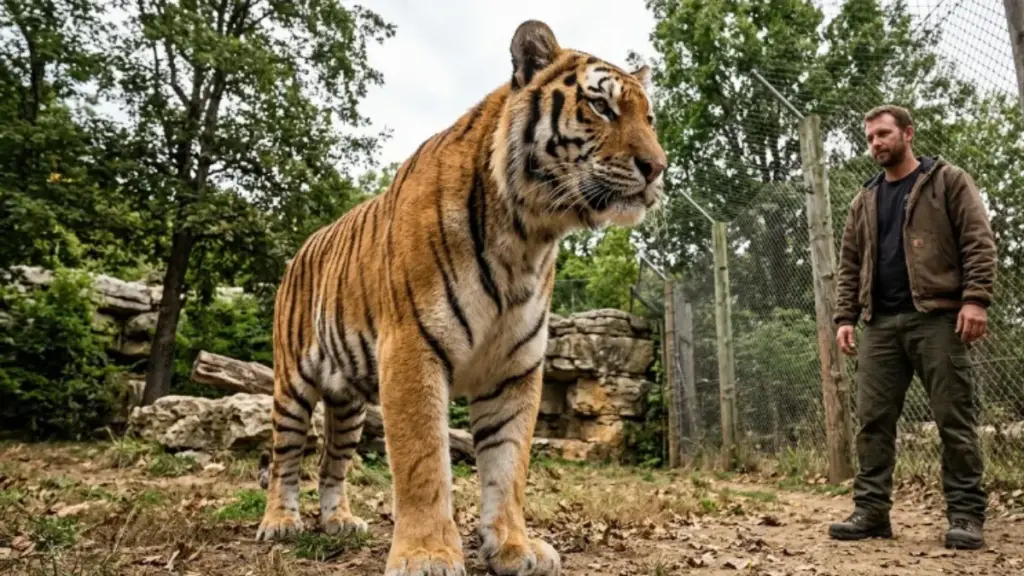
Unpredictable mood shifts and extreme safety hazards
Changes in health, hormone levels, or environmental stress can alter a captive animal’s temperament without warning. Due to their physical strength, even playful interactions with mature tiger varieties can cause severe injury or fatal accidents.
Legal liabilities and severe safety hazards of pet tiger varieties
The consequences of keeping dangerous apex predators in residential areas extend beyond animal welfare, posing direct risks to public safety and community security.
More Read
Readmore: Harsh reality: 3 reasons why 90% of captive the tigers cannot survive in the wild!
Escalating threats to public safety and private owners
When private containment measures fail, the surrounding community faces immediate physical danger from powerful predators.
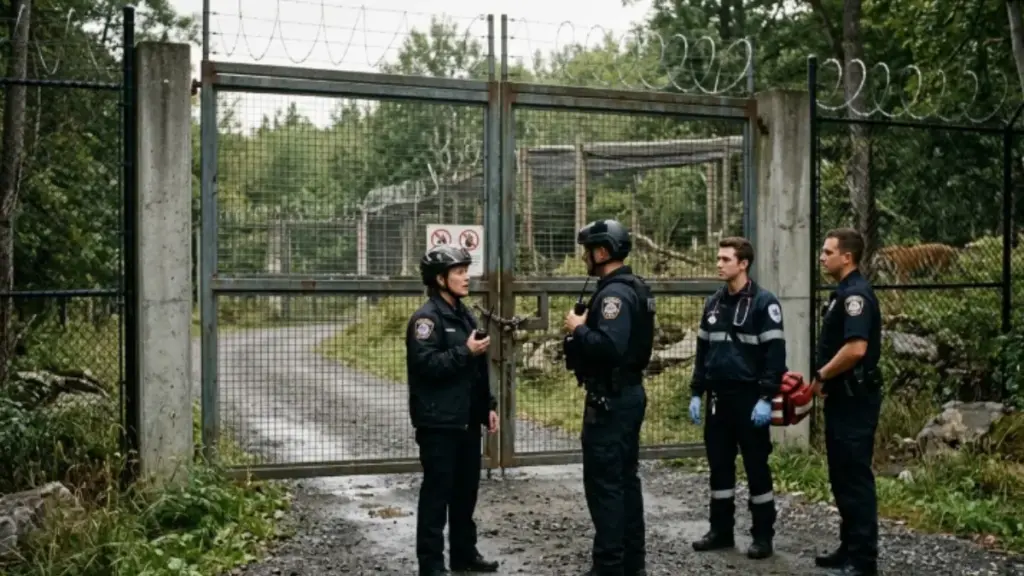
Escape incidents and life-threatening human encounters
Inadequate fencing and human error lead to periodic escape incidents involving captive tiger varieties. Emergency responses in residential areas frequently require lethal force to protect public safety, resulting in tragic outcomes for the animals.
Massive financial strain of long-term care and veterinary medical bills
As big cats mature, their food, enclosure maintenance, and specialized veterinary care costs escalate dramatically. Financial strain often leads owners to neglect basic husbandry needs for their tiger varieties, worsening animal welfare conditions.
| EXPENSE CATEGORY | ESTIMATED ANNUAL COST (USD) |
| Specialized Raw Meat Diet | $10,000 – $15,000 |
| Veterinary Care & Anesthesia | $5,000 – $12,000 |
| Enclosure Maintenance & Security | $8,000 – $20,000 |
| Liability Insurance | $3,000 – $10,000 |
Strict legal frameworks and growing opposition to exotic pet ownership
Legislation worldwide is shifting toward stricter regulation and outright prohibitions on private big cat ownership.
International laws and local ordinances regulating dangerous wild animals
Federal statutes, such as the Big Cat Public Safety Act in the United States, along with international CITES regulations, ban private possession and direct public contact with captive tiger varieties.
Corporate and social accountability in dismantling commercial markets
Public awareness campaigns continue to discourage social media platforms from monetizing exotic pet content, reducing market demand for commercially bred tiger varieties.
Humane solutions and sustainable directions for wild tiger conservation
Protecting big cats requires shifting public support away from private ownership toward verified sanctuaries and habitat preservation initiatives.

Read more: How legitimate sanctuaries differ from commercial breeding operations for tiger varieties
Transforming public awareness through genuine conservation education
Educational outreach must help the public distinguish between ethical rescue facilities and commercial breeding operations disguised as sanctuaries.
Differentiating accredited rescue sanctuaries from commercial breeding facilities
True sanctuaries accredited by organizations like the Global Federation of Animal Sanctuaries (GFAS) do not breed, buy, sell, or allow direct public contact with captive tiger varieties. Their primary mission is lifelong care for rescued animals.
Promoting respect for wildlife over personal possession
Educational initiatives emphasize observing wild animals in their natural habitats rather than treating them as status symbols or personal pets.
Concrete steps to protect wild ecosystems
Long-term survival for big cats depends on supporting field conservation efforts that protect natural habitats and wild populations.

Supporting accredited anti-poaching and habitat conservation funds
Directing financial support to established national park reserves ensures anti-poaching patrols, habitat corridor restoration, and community co-existence programs can effectively protect wild tiger varieties.
Rejecting cruel wildlife tourism and commercial animal exploitation
Refusing to pay for cub-petting attractions, photo opportunities, or performances removes the profit motive that drives the unregulated breeding of tiger varieties.
Frequently Asked Questions about tiger varieties
Can captive-born big cats ever be safely released into the wild?
Releasing captive-born big cats into native habitats is rarely successful. Animals raised in captivity lack essential hunting skills and fear of humans. Furthermore, genetic hybridization among captive tiger varieties can compromise the genetic integrity of wild populations.
What should you do if you encounter an exotic big cat kept illegally?
Report the location and details immediately to local law enforcement or state wildlife agencies. Reporting illegal holdings helps authorities relocate neglected tiger varieties to accredited sanctuaries equipped for specialized care.
Why do white big cats suffer from more health issues than normal coat morphs?
White coat variations result from a rare recessive genetic trait. In commercial markets, producing white tiger varieties relies on repeated inbreeding, which significantly increases the risk of genetic defects, organ weakness, and physical deformities.
The path forward for protecting wild tiger varieties
Preserving big cats requires ending the commercial exploitation of captive animals and focusing resources on protecting wild habitats. Taming an individual predator never alters its fundamental biological nature, and domestic environments cannot satisfy the complex needs of these animals. Supporting accredited sanctuaries and field conservation projects remains the most effective way to ensure a secure future for all tiger varieties.
PLEASE LEAVE A COMMENT TO SHARE YOUR FAVORITE THOUGHTS OR FOLLOW OUR BLOG FOR THE LATEST UPDATES.