
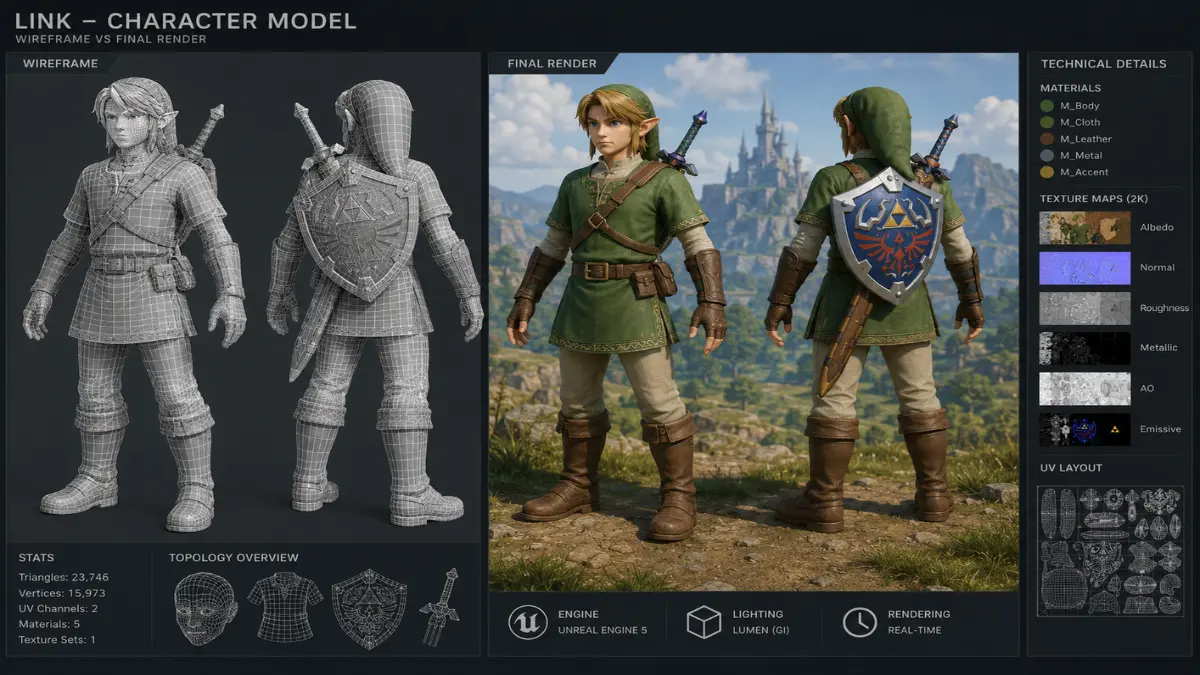

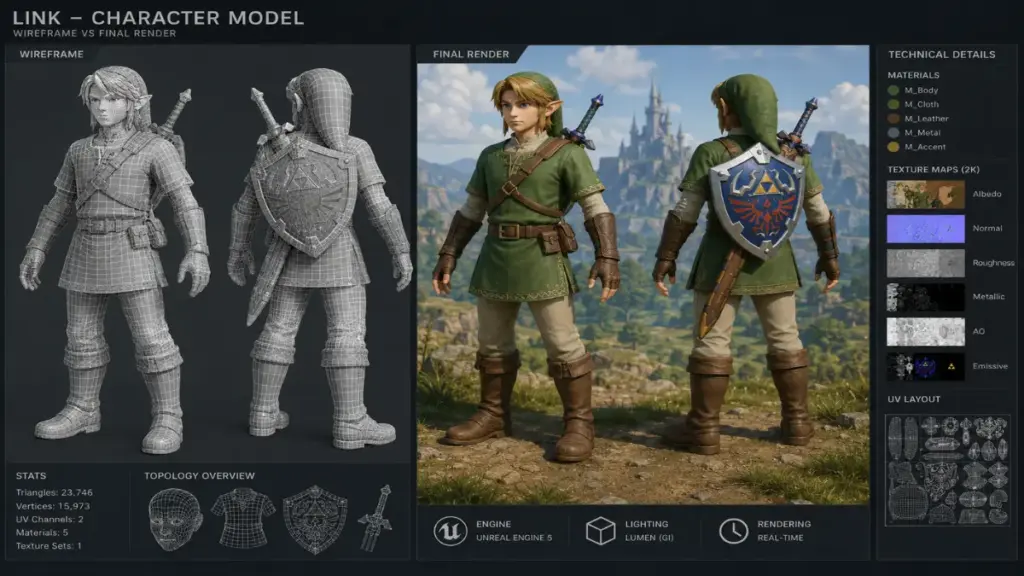
An Ocarina of Time Remake is the most anticipated project in gaming, but rumors of a bold $90+ price tag have ignited a firestorm of debate. Can Nintendo truly convince millions of players to pay a premium for this legend? While the standard $70 remains the AAA MSRP norm, current market trends suggest Nintendo may test a higher ceiling for their most legendary first-party Nintendo game
Why this specific title is different
Not every legacy project could support premium pricing, but this specific Ocarina of Time Remake occupies a unique position in gaming history. It remains one of the highest-rated games ever made, helped define modern 3D action-adventure design, and continues to influence industry standards decades later. That cultural significance makes it a stronger candidate for premium pricing than almost any other legacy title in the Nintendo library.
In this article, “$90+” does not necessarily mean a price hike for every standard copy. Instead, it refers to a tiered strategy—such as a deluxe edition—designed to test how much value fans place on a premium Ocarina of Time Remake. We are looking at a future where Nintendo leverages its immense brand loyalty to bridge the gap between classic nostalgia and modern AAA production costs.
Business Reasons for a Premium Pricing Strategy
1. Testing the Ceiling of Gamer Willingness to Pay
The market is shifting; while the base price sits at $70, publishers are increasingly normalizing higher spending through premium SKUs. An Ocarina of Time Remake serves as the perfect candidate for Nintendo to test this elasticity. By offering a tiered system, Nintendo avoids alienating budget-conscious players while capturing the surplus value from dedicated fans. In other words, Nintendo would not be charging everyone more—it would simply give its biggest fans the option to spend more on a definitive experience. This strategy effectively segments the market based on engagement levels.
2. Zelda as a High-Margin Prestige Franchise
Unlike many AAA games that see deep discounts within months, Nintendo has consistently maintained premium pricing for flagship releases. Breath of the Wild remained close to its original MSRP for years after launch despite selling more than 30 million copies worldwide. This pricing stability suggests that Nintendo views the Ocarina of Time Remake as a prestige franchise rather than a commodity. Because these titles maintain their value, Nintendo is not forced to engage in “race to the bottom” discounting, allowing them to anchor their prices at higher tiers comfortably.
More Read
| Zelda Pricing Trend | Strategy Pattern |
| Initial MSRP | Maintained near launch price for years |
| Post-Launch Strategy | Frequently sold at or near MSRP |
| Discount Cycle | Rarely discounted below 30% for 3+ years |
3. The “System Seller” Economic Model
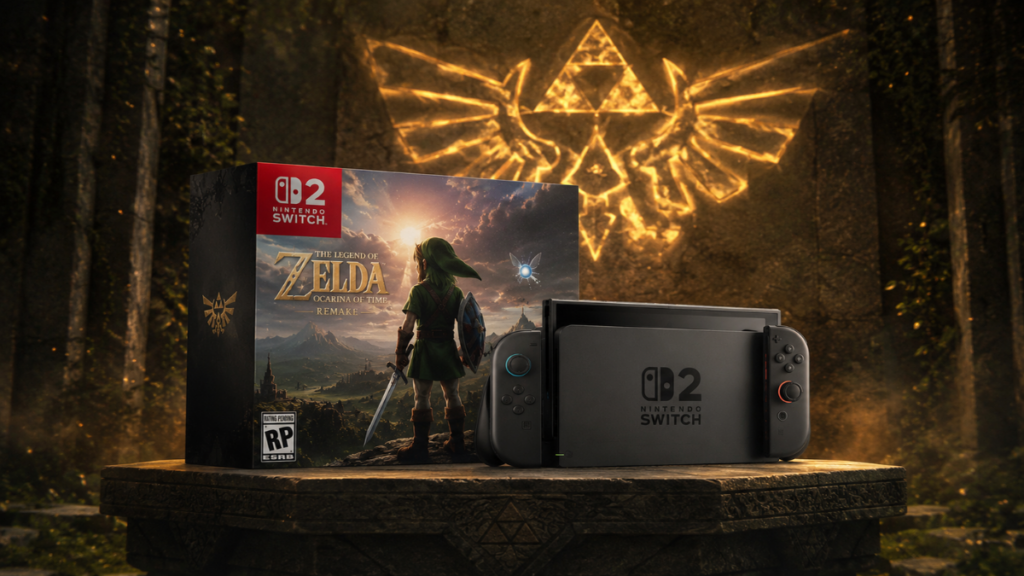
Major releases act as anchors for the hardware ecosystem. If an Ocarina of Time Remake launches alongside a Nintendo Switch 2, it would likely serve as the primary hardware-driver. By bundling the game with new hardware or exclusive accessories, Nintendo captures the value of the platform transition, positioning the game as a luxury gateway. This creates a symbiotic relationship where the software validates the hardware purchase, making the $90+ entry point feel like part of a larger, high-value ecosystem upgrade.
4. Modern Production Costs for an AAA Remake
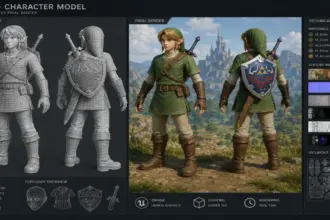
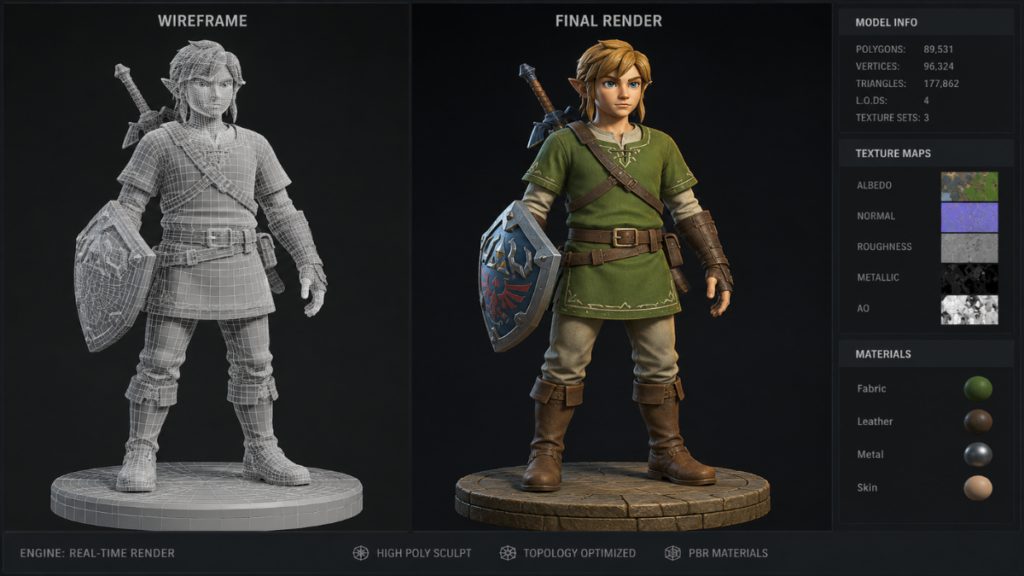
Rebuilding a classic is a massive financial commitment. Compared with older ports, a true Ocarina of Time Remake requires dramatically greater production resources. Recent high-end projects such as Resident Evil 4 or Dead Space illustrate how rebuilding a classic now involves modern motion capture, cinematic animation, and advanced lighting. These costs justify a higher tier of game pricing compared to simple texture upgrades. Nintendo is essentially funding a modern blockbuster project, and the business logic dictates that revenue must scale to meet the increased R&D expenditure.
“True legends are never just recycled; they are reimagined to serve as a bridge between the golden age of gaming and the future of technology.”
Luna
5. Premium Entertainment Brand Positioning
Nintendo has historically avoided aggressive discount cycles for flagship franchises, reinforcing the perception that their games retain long-term value. By maintaining a higher price point for an Ocarina of Time Remake, Nintendo protects its brand equity. This strategy separates their release from third-party titles that often sacrifice perceived quality for short-term volume. A higher price point acts as a signal of quality, ensuring the product is perceived as a premium entry in the library of the Nintendo Switch 2.
6. Aggressive Demand for High-End Collector Bundles
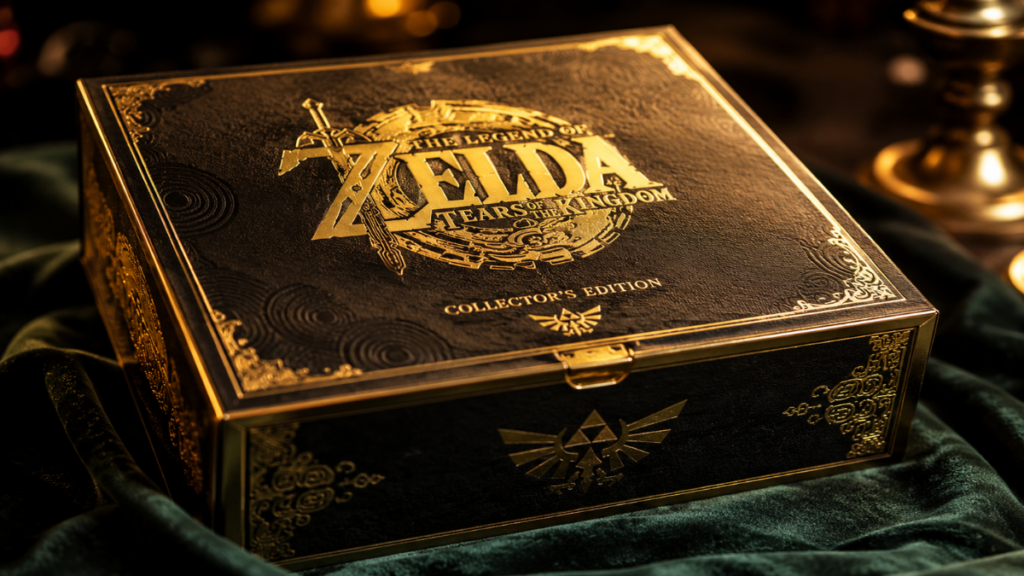
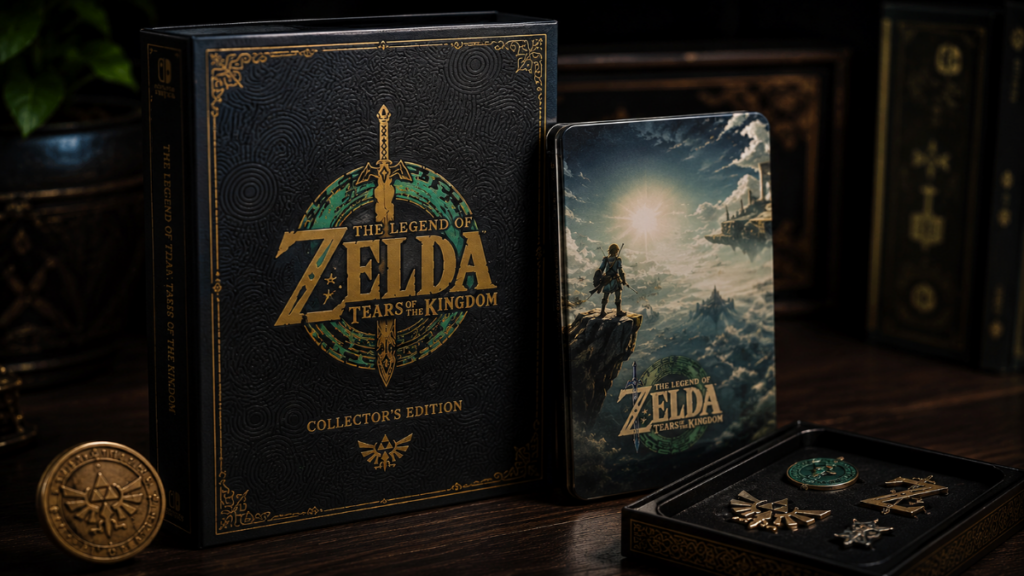
Sales patterns surrounding recent collector’s editions suggest that a significant segment of the player base prioritizes exclusivity over cost. Nintendo can leverage this for the Ocarina of Time Remake by creating high-value bundles, ensuring the average amount spent per fan significantly exceeds the standard $70 retail price. When fans see the value in a steelbook, a high-quality artbook, and a soundtrack, the $90 threshold is easily crossed. This is not just a sale; it is a community-driven expansion of the product’s lifecycle and profitability.
7. Turning Nostalgia into a Sustainable Business Model
If Nintendo successfully launches an Ocarina of Time Remake with a higher pricing structure, it creates a viable roadmap for the rest of their library on the Nintendo Switch 2. This is not just a one-off product launch; it is a strategic experiment to determine if their storied history can be transformed into a sustainable, high-value business model for future AAA remake projects. Success here proves that the Nintendo pricing strategy can evolve, protecting the legacy catalog while ensuring that these iconic worlds are modernized for a new, higher-spending generation.
Frequently Asked Questions
Would Nintendo risk fan backlash with a $90 edition?
Nintendo likely minimizes this by keeping the $70 standard edition available, using the $90+ bundle only as an optional premium tier for collectors who value extra content.
Why do Zelda games rarely get discounted?
Nintendo’s Nintendo pricing strategy focuses on long-term value, as evidenced by their flagship titles maintaining stable pricing long after launch to preserve brand prestige.
Would collectors be the real target audience for a $90 edition?
Yes. Collectors and core fans are the most likely to purchase a deluxe edition of this Ocarina of Time Remake that includes exclusive physical items that hold value for years.
Would Nintendo still release a $70 edition?
Yes, this would likely remain the entry point for the average consumer, while the premium tier serves as an additional revenue driver for the core fanbase.
Conclusion
If Nintendo ever decides to charge more than the traditional AAA price, Ocarina of Time Remake is arguably the only title capable of convincing millions of players that the premium is justified. Whether Nintendo actually takes that step remains unknown, but if any game is capable of redefining what players consider a “premium” release, this title is arguably the strongest candidate. It would represent a bold shift toward a sustainable business model where prestige and nostalgia meet cutting-edge development.
LEAVE A COMMENT TO GET EXPERT ADVICE OR FOLLOW OUR PAGE THE COUCH INSIDER TO STAY UPDATED WITH THE LATEST KNOWLEDGE.