

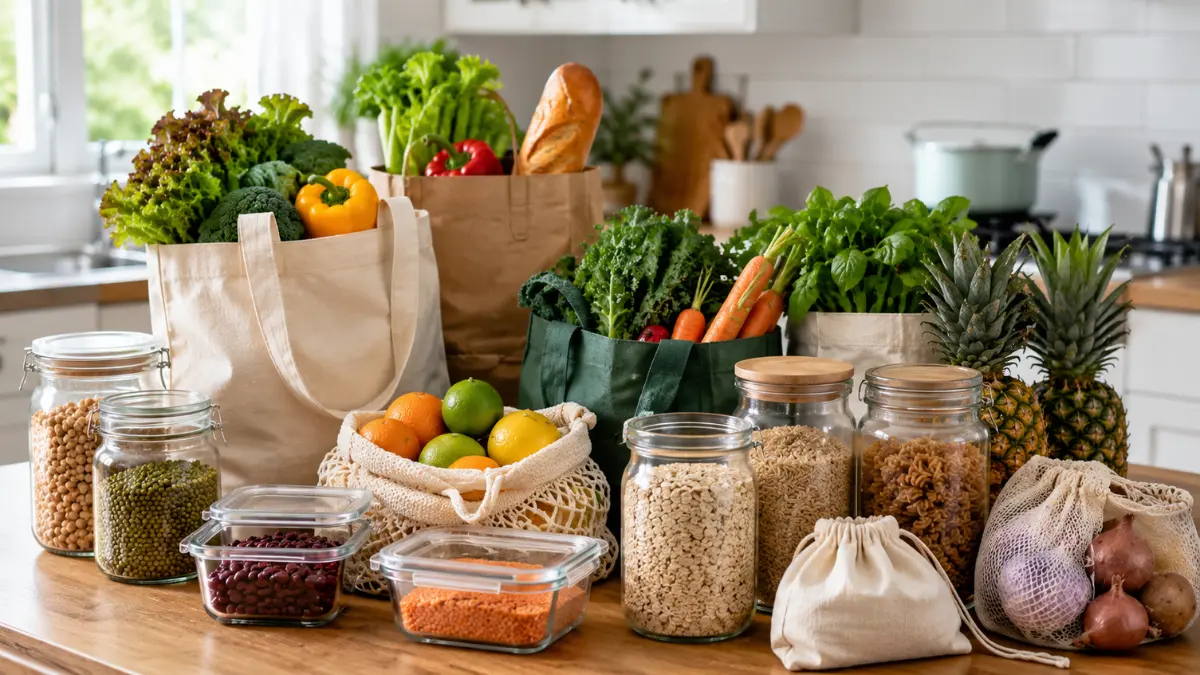

Food storage planning starts with a smart weekend grocery strategy that streamlines your meal prep and cuts down on household spending. Buying versatile, long-lasting ingredients eliminates daily market runs and helps you maintain a well-balanced diet throughout a busy workweek.
- Smart Weekend Shopping Solutions to Optimize Food Storage and Household Budget
- The 8 Golden Foods for Your Weekly Food Storage Plan
- 4 Medical-Grade Prep and Refrigerator Layout Steps Post-Shopping
- Practical Actionable Hacks and Safety Rules to Extend Freshness
- Frequently Asked Questions About Food Storage
- Mastering Your Weekly Kitchen Flow Through Strategic Planning
Executing a structured strategy for food storage during your weekend trip directly eliminates midweek takeaway orders and reduces spoiled produce by up to forty percent. Investing two hours in selecting robust ingredients and prepping them systematically ensures healthy meals are instantly accessible, saving both valuable time and household income.
Smart Weekend Shopping Solutions to Optimize Food Storage and Household Budget
Adopting a single-trip routine transforms how your kitchen functions while cutting unnecessary spending.
Benefits of a Once-a-Week Shopping Strategy for Busy Professionals
Shopping once a week builds a reliable barrier against chaotic evening meal decisions.
Maximum Savings on Travel Time, Incidental Costs, and Unnecessary Waste
Consolidating your shopping into one dedicated trip slashes fuel expenses and prevents costly impulse purchases. Spontaneous trips often lead to buying duplicate items that end up rotting in the back of the fridge. Managing a structured inventory through proper food storage cuts total food waste substantially over a single month.
Principles for Selecting Long-Shelf-Life Foods Without Sacrificing Nutrition
Selecting ingredients requires evaluating their physical structure and nutrient retention over time. Root vegetables, dense brassicas, and intact proteins retain their vitamin content exceptionally well when preserved correctly. Strategic food storage keeps micronutrient levels stable so every meal remains as nourishing as the day it was bought.
| Food Category | Primary Advantage | Ideal Storage Method |
| Root Vegetables | High Durability | Cool, dark pantry |
| Whole Poultry | High Protein | Portion & Freeze |
| Hard Citrus | Slow Oxidation | Crisper drawer |
Common Weekly Preservation Challenges and Practical Solutions
Storing fresh provisions for seven full days introduces natural hurdles that require simple, proactive adjustments.
Rapid Spoilage, Nutrient Loss, and Bacterial Cross-Contamination
High moisture levels and improper air circulation cause leafy greens to wilt rapidly and foster mold growth. Furthermore, storing raw meats above ready-to-eat items creates severe cross-contamination risks. Implementing organized food storage protocols keeps raw proteins isolated while maintaining the crispness of delicate produce.
The Importance of Understanding Categorization and Temperature Rules
Refrigerators feature distinct temperature zones that directly impact how long items remain safe to consume. Placing delicate dairy on door shelves exposes it to constant thermal fluctuations during opening. Mastery over food storage requires placing high-perishable items in the coldest internal sections to maintain uninterrupted cooling.
Read more: The 15-Minute Prep Lie: The Brutal Truth Behind Viral Easy Prepared Meals
The 8 Golden Foods for Your Weekly Food Storage Plan
Selected for their durability, versatility, and nutritional density, these eight ingredients form the backbone of an efficient weekly kitchen.
Fresh High-Protein Foods and Long-Lasting Plant Proteins
Proteins provide foundation for daily energy, making their preservation top priority during prep sessions.
Fresh Poultry and Red Meat: Portioning Techniques and Deep-Freezing Methods
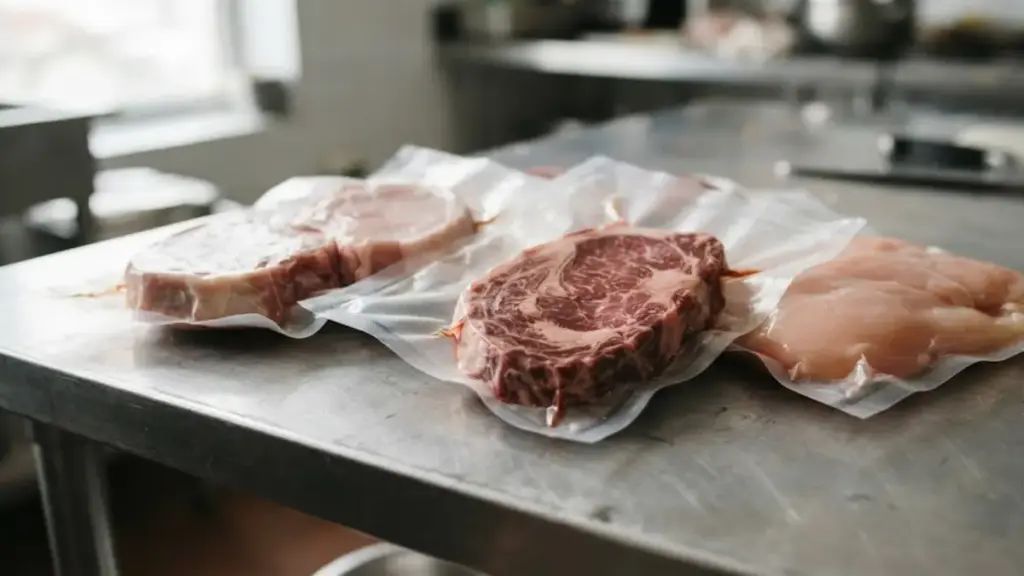
Purchasing bulk cuts of chicken breast or lean beef provides high value, provided you manage portion control immediately upon returning home. Slice meat into individual serving sizes, wrap them tightly in freezer paper, and seal them inside airtight containers. This tailored food storage technique prevents freezer burn and allows quick defrosting without wasting excess protein.
Dry Beans and Pulses: Sustainable Plant-Based Proteins with Endless Shelf Life
Lentils, chickpeas, and black beans represent the ultimate low-maintenance staples for any home chef. They remain stable for months without refrigeration, offering exceptional protein and fiber at minimal cost. Proper dry food storage in glass jars keeps pests away while keeping pantry shelves visually organized and easy to navigate.
Firm Root Vegetables and Hardy Greens
Bulky produce offers remarkable resilience against natural decay when handled with basic care.
Root Crops (Carrots, Potatoes, Squash): “Bulletproof” Vegetables for Room and Cool Storage
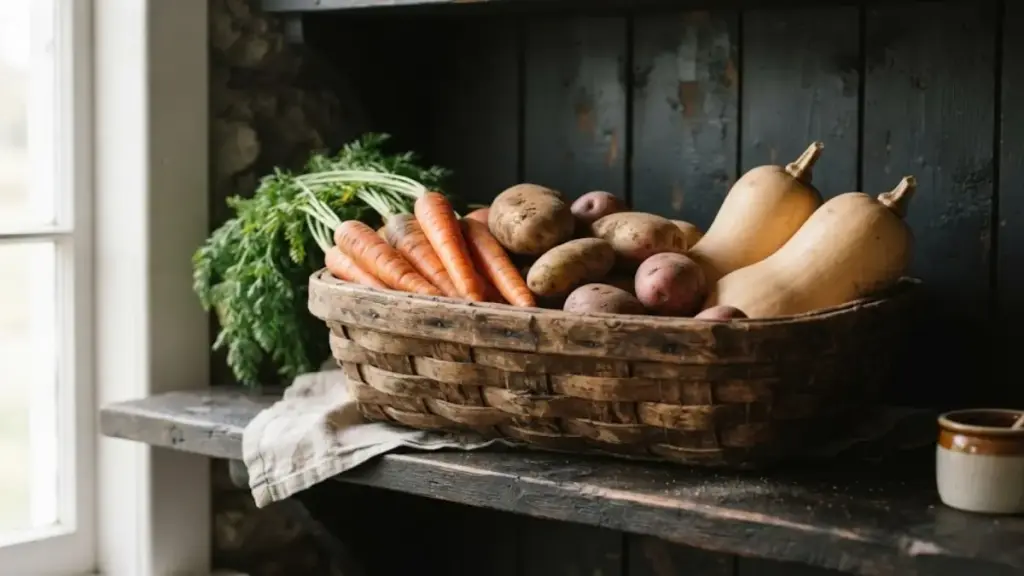
Carrots, sweet potatoes, and butternut squash feature thick cellular structures that resist moisture loss naturally. Store potatoes and squash in a cool, dark cabinet, away from direct sunlight, to avoid early sprouting. Carrots thrive in the refrigerator, maintaining their crisp texture through smart food storage practices like wrapping them in damp towels.
Crucible Vegetables (Broccoli, Cabbage): Superior Crispness and Extended Freshness
Cabbage and broccoli outperform delicate spinach or lettuce by remaining fresh for up to two weeks. Cabbage heads can be sliced incrementally as needed without spoiling the remaining vegetable. Keeping them dry inside the crisper drawer ensures your food storage setup delivers crunchy, nutrient-dense greens through the entire workweek.
Read more: 5 Clever Flavor Shifts To Devour 5-Day Cooked Chicken In Fridge Safely
Fermented Foods, Fresh Eggs, and Thick-Skinned Fruits
These versatile staples add vital micronutrients, healthy probiotics, and natural sweetness to your diet.
Fresh Eggs: Flexible Nutrition with a Natural 3-to-4-Week Shelf Life
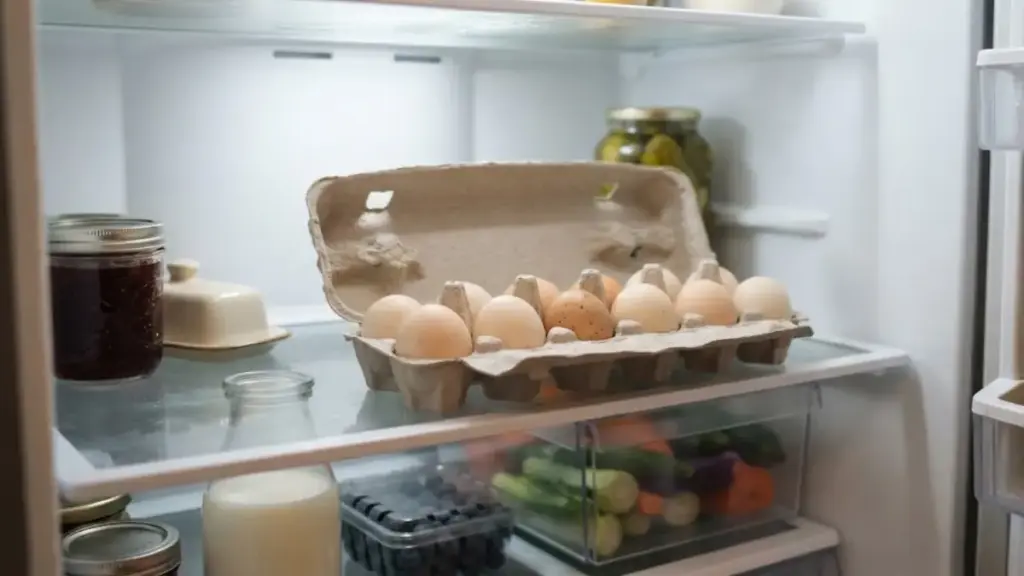
Chicken eggs come equipped with a natural protective coating that preserves internal quality for weeks under refrigeration. Store eggs in their original paper carton on an internal refrigerator shelf rather than the door. This stabilized food storage approach protects delicate shells from constant thermal shock every time the fridge opens.
Yogurt and Fermented Staples: Supporting Gut Health with Natural Acidic Shelf Life
Greek yogurt, kefir, and kimchi possess low pH levels created by beneficial lactic acid bacteria. This natural acidity acts as a barrier against spoilage organisms, extending their usability well past typical fresh dairy limits. Keeping fermented products sealed forms a key pillar of long-term food storage for gut-friendly meal plans.
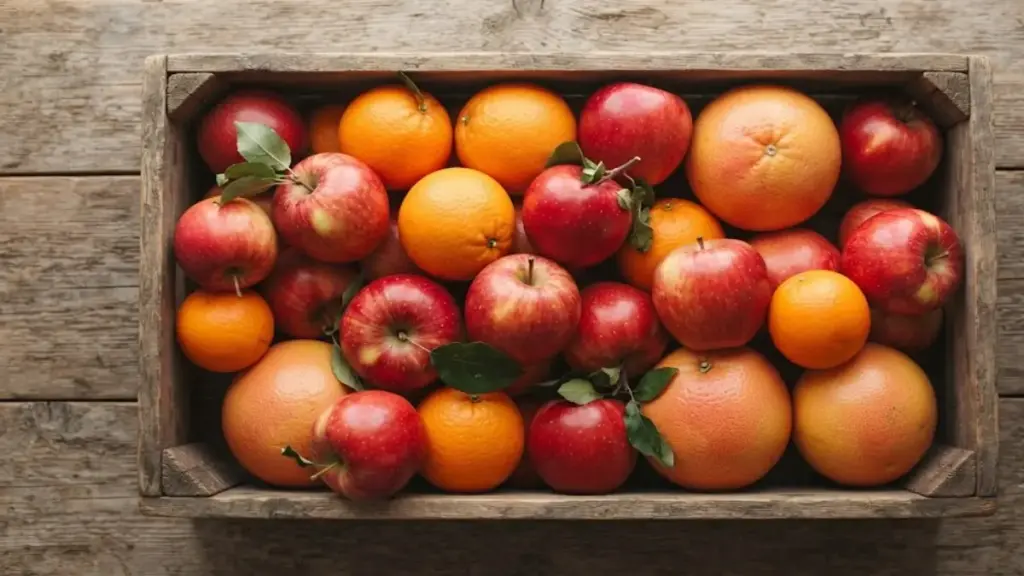
Thick-Skinned Fruits (Apples, Oranges, Grapefruit): Slow Oxidation for All-Week Freshness
Apples and citrus fruits feature protective outer rinds that dramatically slow down natural oxidation processes. Apples release ethylene gas, so keeping them in a separate crisper drawer prevents nearby produce from ripening prematurely. Controlled fruit food storage guarantees crisp, juicy snacks remain ready to eat from Monday through Sunday.
Aromatic Roots (Onions, Garlic, Ginger): Flavor Boosters Containing Natural Antimicrobials
Onions, garlic, and ginger contain sulfur compounds and gingerols that act as natural antibacterial agents. Store whole garlic and onions in breathable mesh bags in a cool pantry, keeping them separated from potatoes. Incorporating aromatics into your weekly food storage enhances simple home-cooked dishes while maximizing ingredient shelf life.
4 Medical-Grade Prep and Refrigerator Layout Steps Post-Shopping
Transforming your raw groceries into stable inventory requires a logical workflow immediately after returning home.
More Read
Step 1: Sorting and Streamlining Fresh Arrivals
Isolate ingredients immediately based on their specific environmental needs to avoid accidental spoilage.
Segregating Dry Items, Immediate Prep Produce, and Direct Freezing Stock
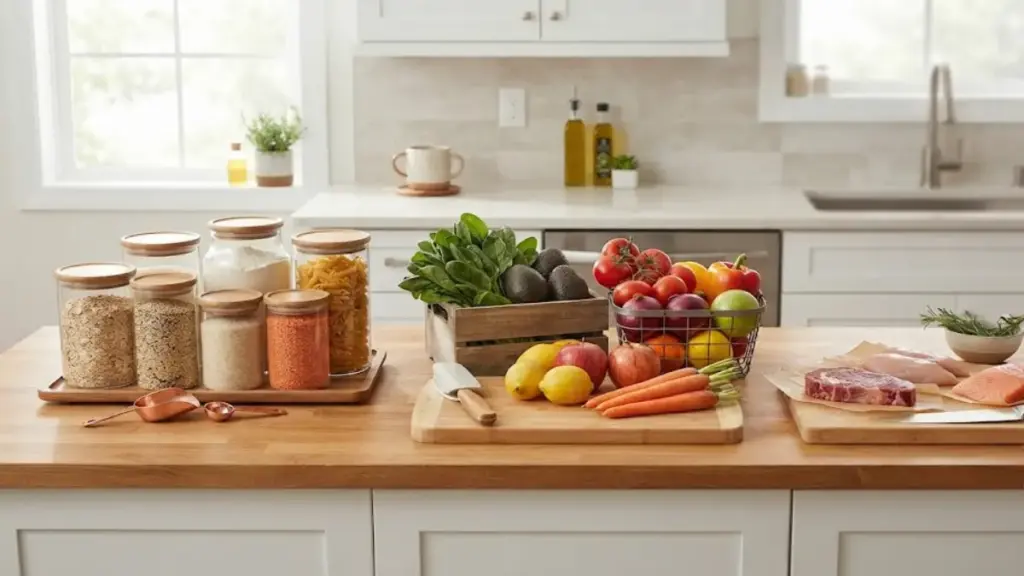
Divide your haul into three distinct channels on your kitchen counter before opening any containers. Dry grains go straight to pantry containers, while raw meats are divided into immediate meal portions for the freezer. Structured systematic food storage saves hours of redundant sorting during busy weeknight dinner preparations.
Proper Washing and Thorough Drying Protocols for Leafy Greens
Moisture is the primary catalyst for bacterial rot and premature breakdown in fresh vegetables. Wash greens thoroughly to eliminate soil microbes, then process them through a salad spinner until completely dry. Executing dry-focused food storage prevents slimy leaves and extends green produce life dramatically.
Step 2: Packaging Techniques and Vacuum Sealing Standards
Selecting proper storage containers shields food from oxygen exposure and ambient odor transfer.
Glass Containers vs. BPA-Free Plastics: Choosing Ideal Preservation Wraps
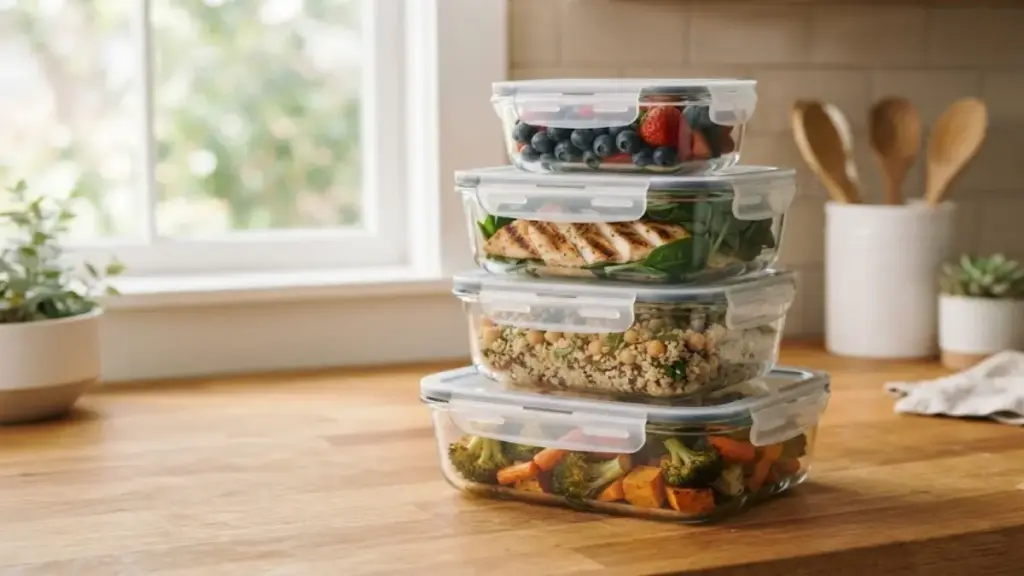
High-borosilicate glass containers offer superior chemical resistance, prevent odor staining, and transition safely from freezer to oven. Sealable BPA-free containers provide lightweight alternatives for daily workplace lunches. Choosing high-grade containers strengthens your overall food storage setup against premature oxidation and freezer burn.
Portion Control Methods to Prevent Repetitive Defrost Cycles
Refreezing thawed meat destroys muscle fiber texture and invites rapid bacterial growth. Divide bulk meats into single-meal portions using parchment paper separators or individual freezer bags before freezing. Disciplined meal-sized food storage preserves raw protein structural integrity while reducing meal assembly time.
Developing an organized approach to food storage empowers you to save time, reduce household food waste, and enjoy fresh, wholesome meals every single day.
Jame
Step 3: Refrigerator Organization and FIFO Implementation
Arranging your cooling appliance according to thermal dynamics prevents forgotten food and hidden rot.
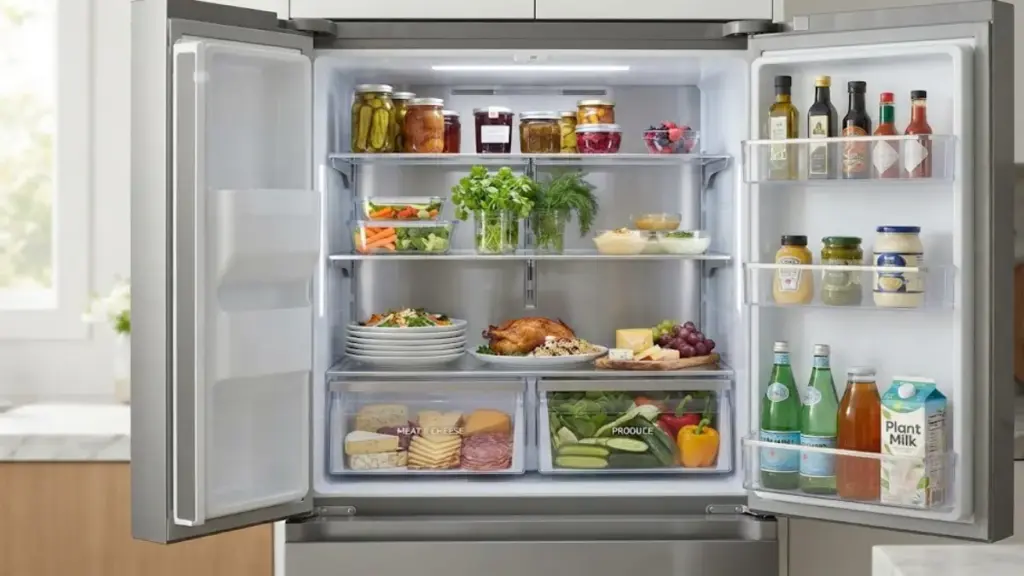
Temperature Zone Mapping: Door, Upper Shelves, Lower Shelves, and Crisper Drawers
Assign ingredients to refrigerator zones that match their environmental sensitivity:
- Upper Shelves: Ready-to-eat foods, cooked leftovers, and fermented jars where temperatures remain steady.
- Lower Shelves: Raw meats sealed inside glass containers to prevent drips onto lower items.
- Crisper Drawers: Humidity-controlled environments dedicated exclusively to fresh produce.
- Door Shelves: Condiments and acidic juices that tolerate minor thermal fluctuations.
Proper temperature layout forms the core of safe household food storage practice.
Placing New Items Behind Older Stock (First In, First Out)
Position freshly bought groceries behind existing items on every shelf to ensure older stock gets consumed first. Rotating inventory eliminates forgotten containers hiding in back corners until mold develops. Adopting FIFO rules within your food storage system reduces household food waste to near zero.
Step 4: Labeling with Prep Dates and Midweek Audits
Maintaining clear visual tracking prevents guesswork regarding ingredient freshness and safety.
Labeling Hacks for Tracking Prep Dates and Expiration Limits
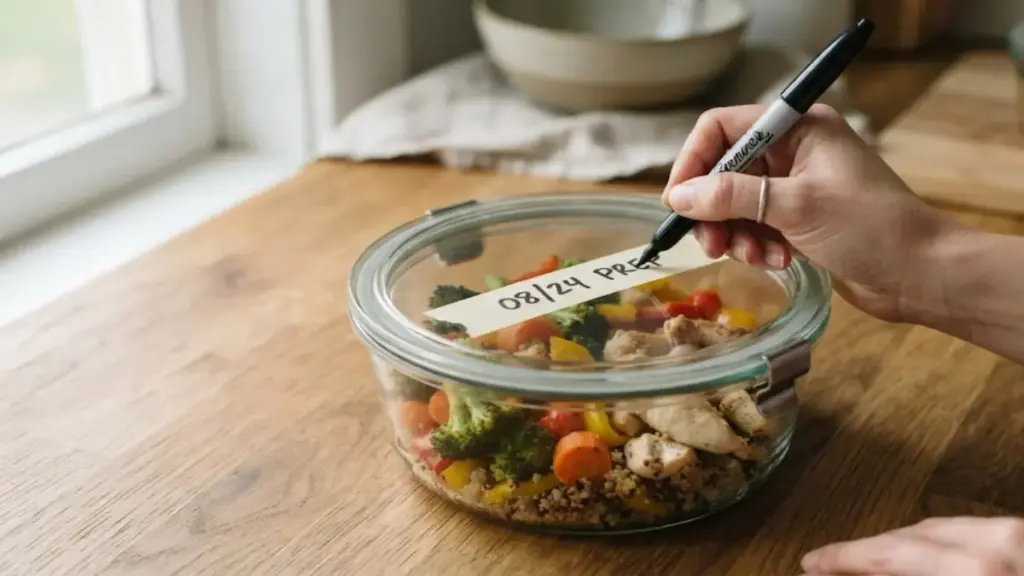
Attach painter’s tape or washable labels to every prepped glass container, recording the exact preparation date. Clear date tracking removes ambiguity about whether three-day-old cooked chicken remains safe for consumption. Organized labeled food storage empowers family members to select food confidently without opening containers unnecessarily.
Midweek Freshness Audits to Adjust Weekly Meal Plans
Spend three minutes every Wednesday evening inspecting crisper drawers and shifting items near their freshness limit into immediate dinner recipes. Catching slightly softened vegetables early allows you to incorporate them into soups or stir-fries seamlessly. Active midweek management keeps your food storage pipeline flowing efficiently without unexpected loss.
Practical Actionable Hacks and Safety Rules to Extend Freshness
Fine-tuning moisture levels and temperature parameters protects your grocery investment against decay.
Moisture and Temperature Control: The Golden Keys to Food Preservation
Managing micro-environments inside individual containers dictates whether fresh food lasts three days or ten.
Paper Towel Moisture-Absorbing Hacks for Leafy Greens
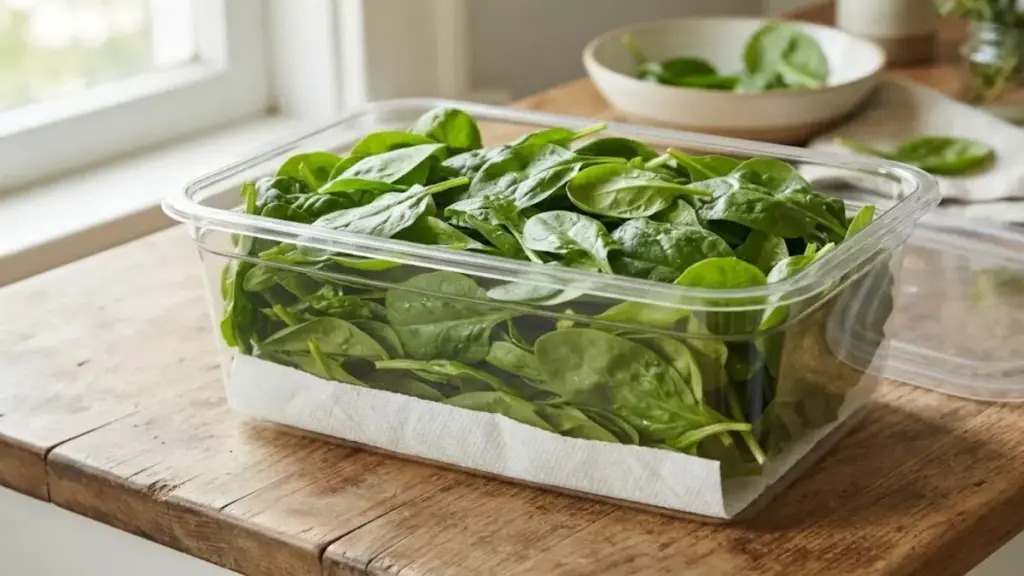
Place a clean paper towel inside storage containers holding washed greens or berries to capture ambient condensation. Excess surface water accelerates fungal spore growth, leading to soft brown spots on delicate leaves. Integrating absorbent towels into green food storage keeps humidity balanced for crisp salads all week long.
Maintaining Precise Appliance Temperatures Under Four Degrees Celsius (Forty Degrees Fahrenheit) and Minus Eighteen Degrees Celsius (Zero Degrees Fahrenheit)
Bacterial proliferation slows down dramatically below four degrees Celsius (forty degrees Fahrenheit), while home freezers must stay at minus eighteen degrees Celsius (zero degrees Fahrenheit) to halt microbial action entirely. Hang dedicated analog thermometers inside your fridge and freezer to monitor actual internal temperatures reliably. Precise climate regulation guarantees your food storage setup prevents foodborne pathogen growth effectively.
Classic Mistakes to Avoid in Food Preservation
Steer clear of these common household habits that inadvertently ruin stored provisions.
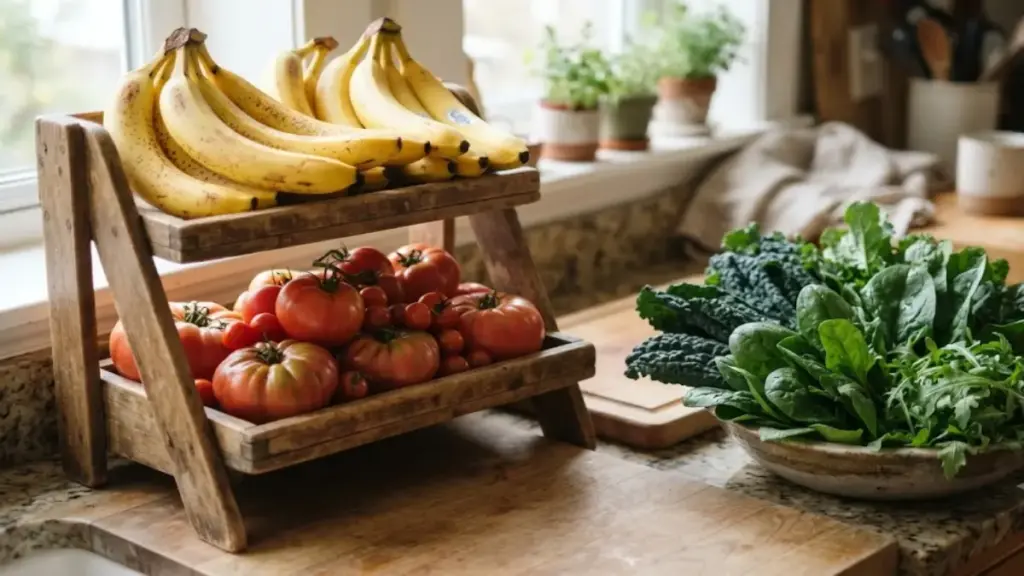
Never Store Ethylene-Emitting Fruits Near Sensitive Leafy Vegetables
Bananas, ripe tomatoes, and apples produce natural ethylene gas that accelerates decay in nearby leafy greens, cucumbers, and broccoli. Storing ethylene producers alongside sensitive crops causes premature yellowing and bitterness within forty-eight hours. Isolating gas emitters maintains fresh food storage conditions across all produce categories.
Avoid Overcrowding the Refrigerator to Preserve Cold Air Circulation
Cramming shelves full prevents cold air currents from circulating freely, creating warm pockets where spoilage thrives. Leave roughly twenty percent open space between containers to promote rapid cooling throughout the cabinet interior. Maintaining balanced airflow ensures your food storage hardware maintains stable ambient temperatures continuously.
Frequently Asked Questions About Food Storage
How long can cooked meal prep dishes stay safe in the refrigerator?
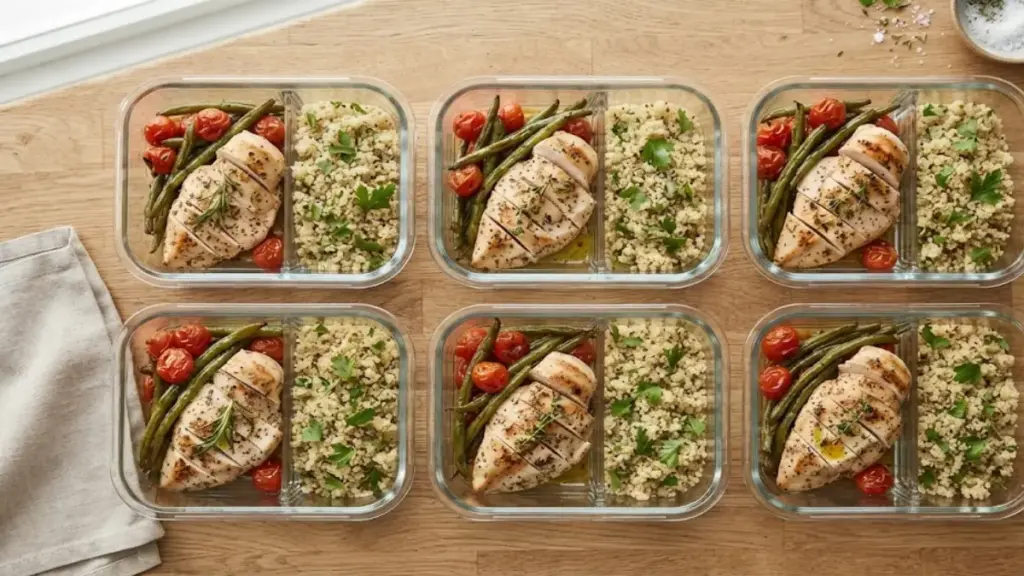
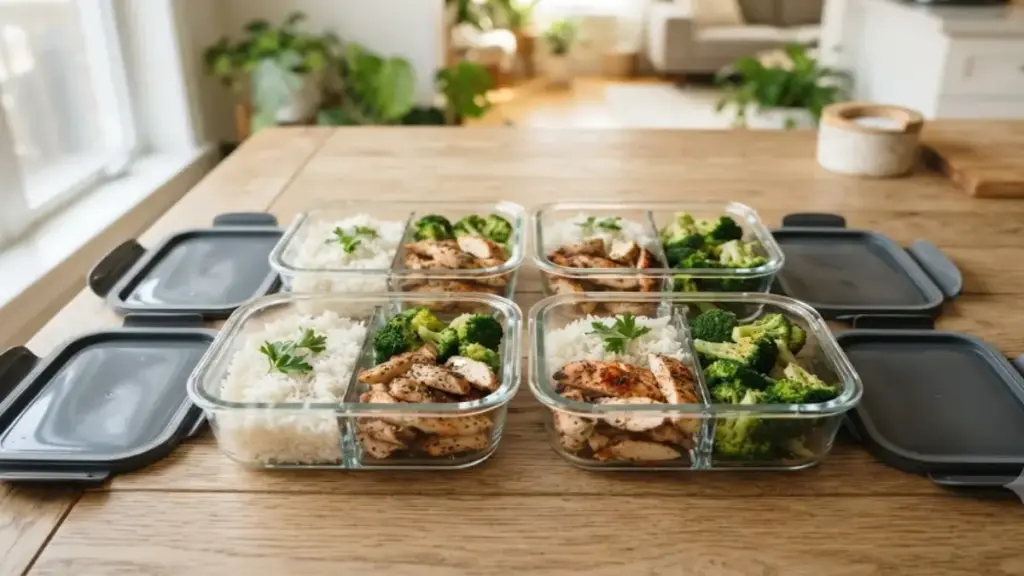
Most cooked meals featuring poultry, lean beef, or cooked grains remain safe and tasty for three to four days when stored below four degrees Celsius (forty degrees Fahrenheit) in airtight glass containers.
Can I freeze fresh eggs to extend their usability?
Raw eggs should never be frozen in their shells because expanding liquids will crack the outer casing. Instead, crack eggs into a bowl, whisk whites and yolks together gently, then freeze the liquid in silicone ice trays.
What is the best way to keep berries fresh without mold developing?
Wash berries in a mild diluted vinegar-water solution (one part white vinegar to three parts water) to destroy surface mold spores. Dry them thoroughly on paper towels, then place them in breathable containers lined with fresh towels.
Mastering Your Weekly Kitchen Flow Through Strategic Planning
Building an efficient kitchen routine relies on actionable systems rather than daily stress. By purchasing durable staples during weekend trips, organizing your refrigerator according to thermal zones, and monitoring moisture levels, you eliminate wasted food and reduce unnecessary spending. Master these straightforward preservation techniques to enjoy delicious, stress-free meals every day of the week.
PLEASE LEAVE A COMMENT TO SHARE YOUR FAVORITE THOUGHTS OR FOLLOW OUR BLOG FOR THE LATEST UPDATES.