

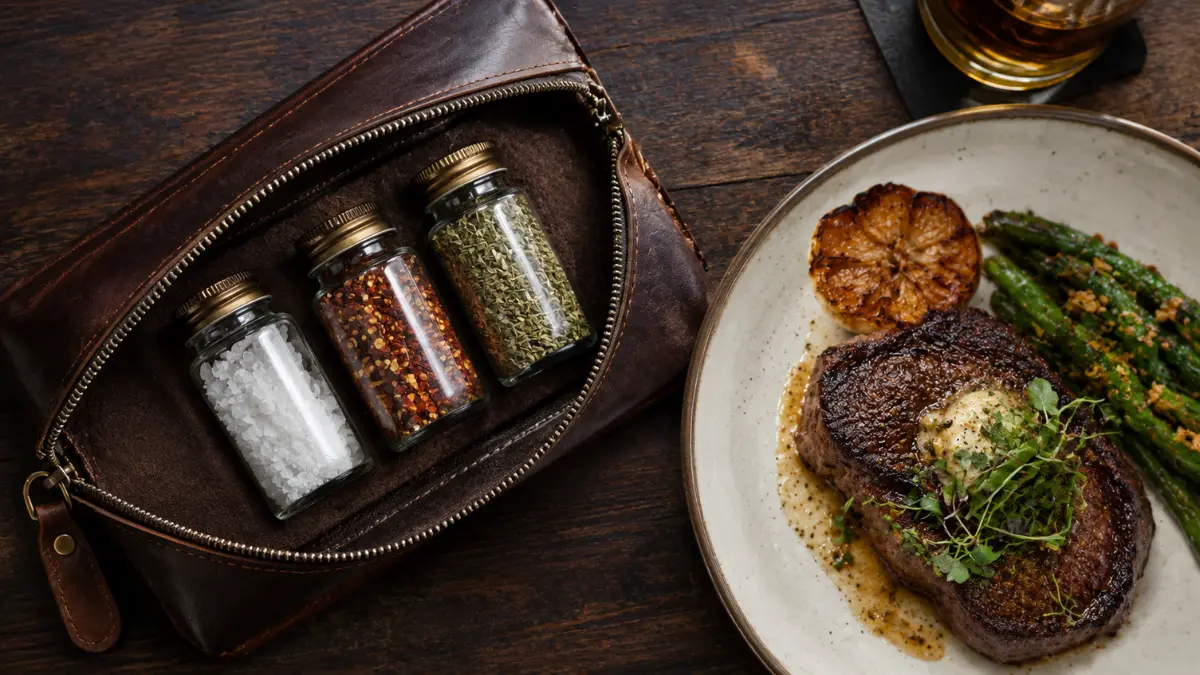

Restaurant food is meant to be a delightful dining experience, but stepping into an unfamiliar eatery always carries the risk of a bland or poorly seasoned dish. Carrying a few flavor-enhancing essentials in your bag or pocket can immediately turn a culinary disappointment into a delicious meal. Here are 3 portable seasonings you should always carry to rescue bad restaurant food whenever you try a new spot!
- Why Restaurant Food Quality Doesn’t Always Meet Your Expectations
- Top 3 Pocket Seasonings to Instantly Rescue Disappointing Restaurant Food
- Subtle Table Manner Rules for Adjusting Restaurant Food Smoothly
- Essential Travel Storage and Care Tips for Portable Seasonings
- Frequently Asked Questions About Restaurant Food Seasoning Hacks
- Transforming Uninspired Dining Out Into Great Culinary Experiences
Dining out is supposed to be a rewarding reward after a grueling week, yet nothing deflates your mood faster than taking a bite of uninspired, flat, or overly greasy restaurant food. Carrying a tiny seasoning rescue kit gives you direct control over your dining experience, transforming under-seasoned soups, limp vegetables, or heavy fried items into flavorful culinary wins.
Why Restaurant Food Quality Doesn’t Always Meet Your Expectations
To fix a underwhelming meal effectively, you first need to understand why commercial kitchens frequently fail to hit the mark on basic seasoning. While professional kitchens aim for consistency, the fast-paced nature of modern gastronomy creates systemic flaws in everyday restaurant food.
Read more: 5 Nutritious Pregnancy Dishes You Didn’t Know About: The Vital Benefit Spinach Offers
The Impact of Industrial Ingredients and Processing Methods
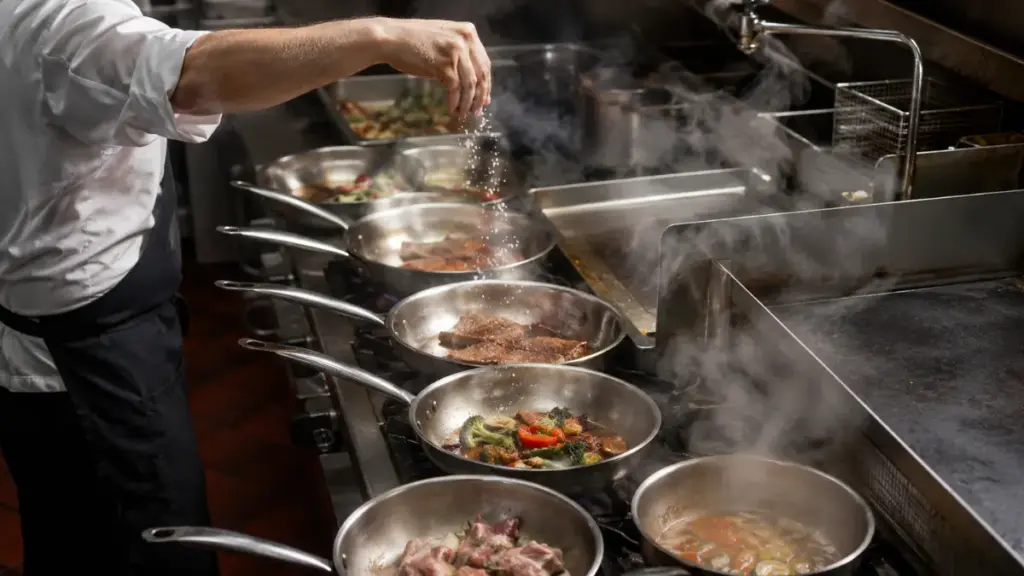
Industrial food distribution prioritizes shelf-stability and rapid prep over vibrant, nuanced flavor profiles. When commercial kitchens prep huge batches of broth, sauces, or meats hours in advance, delicate aromatic compounds evaporate long before the dish hits your table, resulting in muted restaurant food.
Flavor Degradation When Ingredients Suffer From Imbalanced Seasoning
When food sits in holding stations, moisture evaporates unevenly, disrupting the critical balance between salt, acid, and fat. A soup prepared during the morning prep shift might taste wonderfully rounded initially, but hours later under heat lamps, it turns flat or excessively salty. This degradation leaves restaurant food tasting tired, lifeless, and devoid of distinct top notes.
“A great dining experience shouldn’t be left entirely to chance; carrying a few personal flavor enhancers empowers you to transform even the most disappointing restaurant food into a satisfying culinary success.”
Jame
The Risk of Bland or Excessively Greasy Dishes at Unfamiliar Eateries
High-volume kitchens often rely on heavy oils and butter to mask a lack of fresh seasoning, creating a dish that feels heavy without offering real taste depth. When visiting an unverified establishment, you face two primary hazards: hyper-processed meals coated in thick, neutral grease, or timidly cooked items that lack enough basic sodium to activate your taste buds, rendering the restaurant food completely boring.
Gustatory Physiology and the Science of On-The-Spot Table Corrections
Understanding how human taste receptors operate allows you to modify problematic dishes right at the table without needing to send the plate back to the kitchen.
The Science of Acid, Salinity, and Heat Interaction on the Tongue
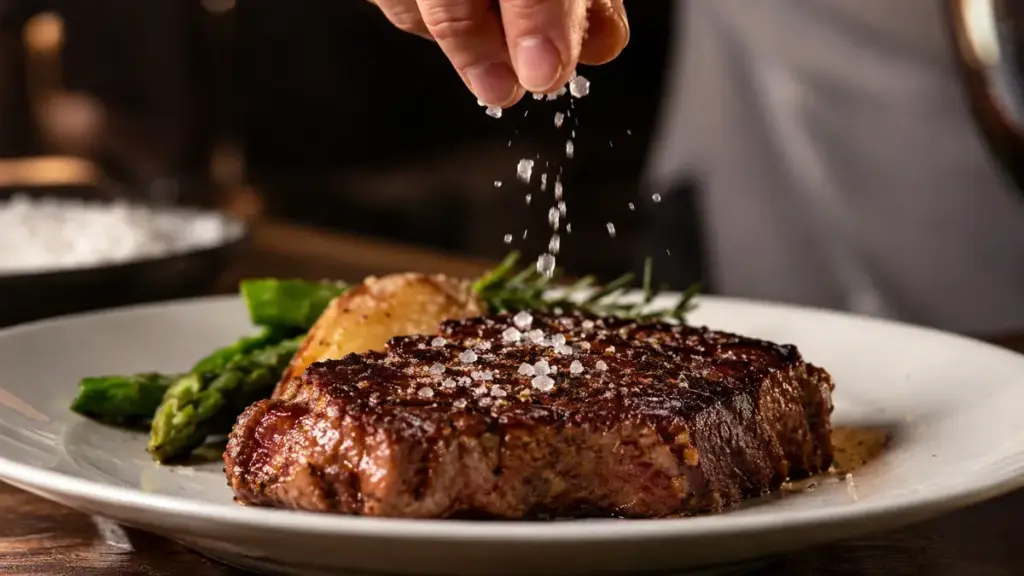
Your tongue processes five primary taste modalities, but salinity, acidity, and pungency act as natural flavor amplifiers. Salt suppresses natural bitterness while accentuating sweetness and savory umami; acid cuts through dense lipid layers to brighten muted notes; and capsaicin triggers trigeminal nerve stimulation to heighten sensory awareness. Injecting these elements into flat restaurant food instantly reactivates suppressed flavor profiles.
The Importance of Autonomous Seasoning to Protect Your Dining Experience
Relying entirely on a line cook’s palate means surrendering control over your meal’s outcome. Taking personal ownership of final taste adjustments guarantees that your financial investment in dining out delivers a satisfying experience, ensuring you never have to endure unpalatable restaurant food silently.
Top 3 Pocket Seasonings to Instantly Rescue Disappointing Restaurant Food
Building a compact, portable flavor kit requires selecting versatile ingredients that deliver maximum impact per milligram. These three essential seasonings offer emergency flavor repair for any failed dish.
1. Flaky Sea Salt or Refined Chili Pepper Salt
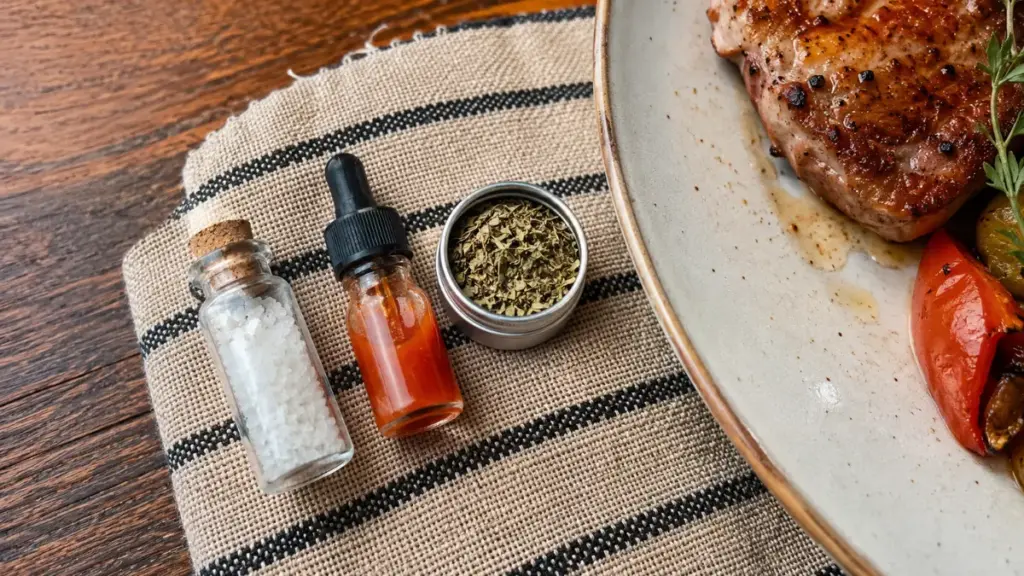
Standard table salt is finely ground, harsh, and dissolves too rapidly into liquids without providing textural contrast. Premium flaky sea salt or chili-infused salt provides precise mineral crunch and burst-release salinity.
Restoring Natural Savory Depth to Bland Soups, Stews, and Grilled Dishes
Under-seasoned broths and grilled meats lack structural foundation. Sprinkling a pinch of flaky sea salt over lukewarm soups or pale grilled chicken immediately binds with surface moisture, restoring savory depth to lackluster restaurant food without making it taste harsh or overly briny.
Stimulating Salivation and Highlighting Natural Food Finish
Sodium ions activate salivary glands, creating the fluid environment needed for taste molecules to reach your taste buds efficiently. A subtle touch of chili salt stimulates salivation, unlocking hidden sweetness in roasted vegetables and highlighting the authentic background notes of restaurant food.
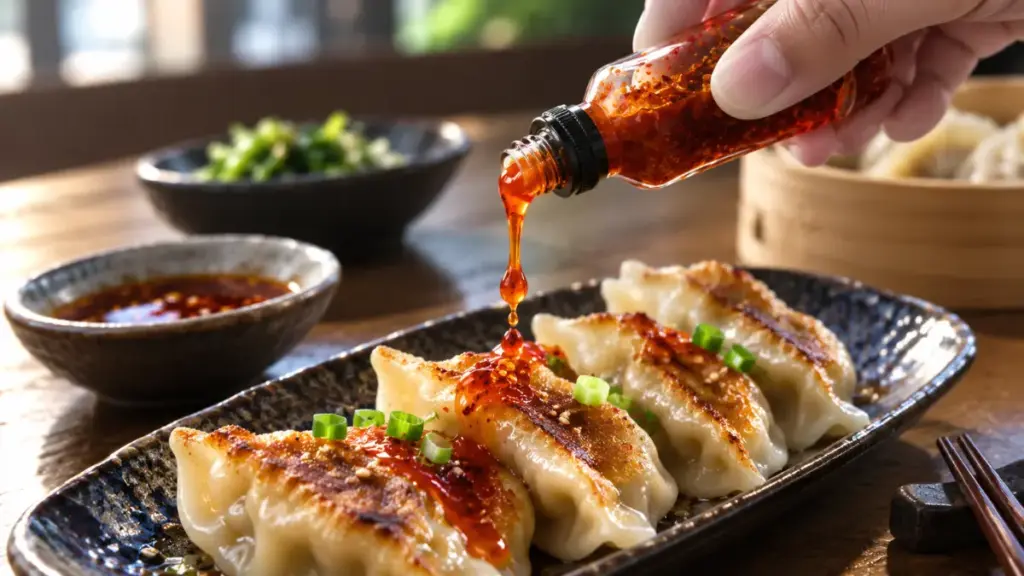
2. Mini Hot Sauce or Dried Chili Crisp Glass Jar
When a dish suffers from excessive oil or zero spice character, liquid chili drops or crunchy chili oil act as an immediate corrective element.
Overpowering Fishy Odors and Heavy Fats in Stir-Fries and Fried Items
Deep-fried appetizers and poorly handled seafood dishes often smell unpleasantly oily or fishy when prep standards slip. A micro-dose of concentrated hot sauce or dried chili crisp introduces volatile aromatic compounds that cut through lipid coatings, refreshing fried restaurant food effortlessly.
Choosing the Right Heat Level to Enhance Without Overwhelming Main Flavors
The goal is elevation, not destruction. Carrying a medium-heat sauce with bright vinegar notes ensures you mask unwanted grease without numbing your palate, keeping the core ingredients of your restaurant food recognizable and enjoyable.
3. Mixed Herb Garlic Powder or Freeze-Dried Citrus Powder
Aromatic complexity separates average cooking from brilliant meals. Compact herbal blends and dehydrated citrus powders deliver instant freshness without adding unwanted liquid volume.
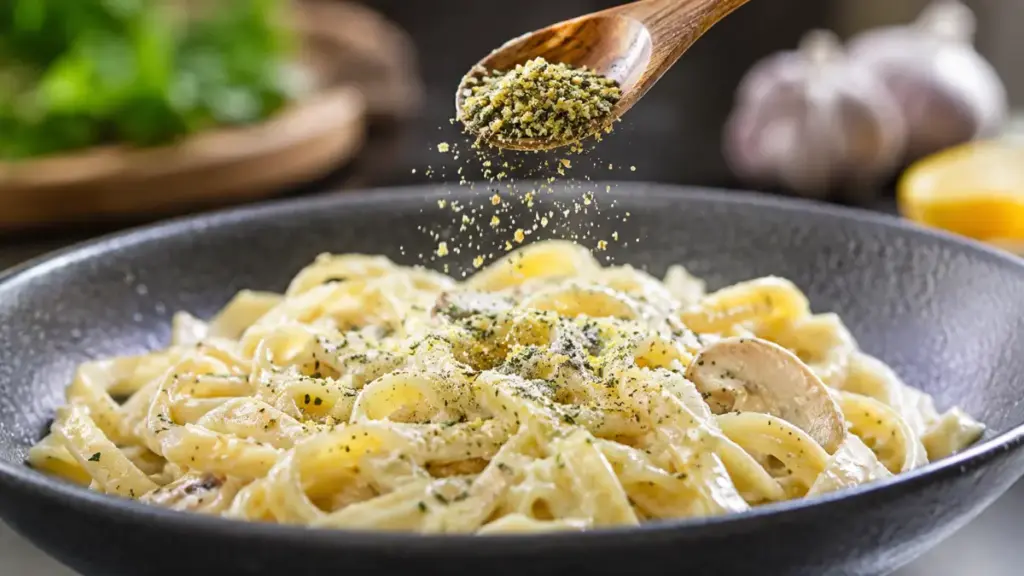
Enhancing Complex Aromatic Layers for Unseasoned Western and Asian Dishes
Creamy pasta sauces and stir-fried rice noodles often lack top-note aromatics. A sprinkle of garlic powder mixed with parsley, oregano, or crushed coriander adds immediate nose appeal, enriching bland restaurant food across diverse culinary traditions.
Balancing Greasiness and Adding Natural Tartness Without Fresh Lemons
Asking a busy server for fresh lemon wedges can interrupt your meal pacing. Freeze-dried lime or lemon powder delivers clean citric acid that cuts through heavy cream or sugar-laden glazes, restoring crisp balance to heavy restaurant food.
Subtle Table Manner Rules for Adjusting Restaurant Food Smoothly
Modifying your plate at a dining table requires finesse, consideration, and social awareness to avoid awkward situations with companions or staff.
More Read

Readmore: Crush Steakhouse Bills With This 15-Minute Ultra Recipe Quick Steak Hack
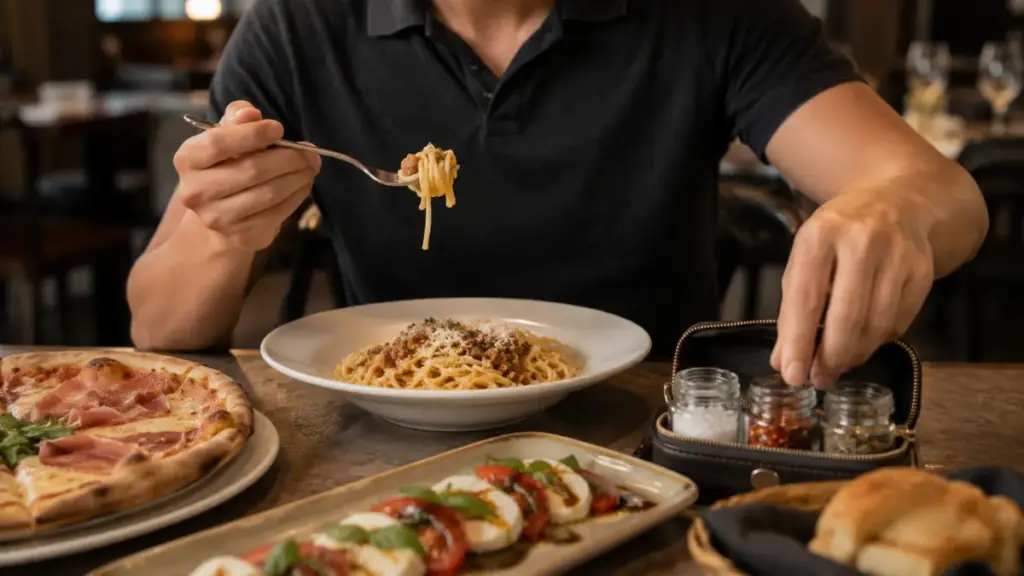
Polite Seasoning Rules and Low-Profile Habits
Using personal condiments should remain a quiet personal preference rather than a dramatic public statement about kitchen quality.
Sampling the Original Dish Before Applying Personal Seasonings
Never season a dish sight unseen. Always taste at least one full bite of the meal as presented by the kitchen. This demonstrates respect for the culinary staff’s effort and prevents you from over-salting already well-balanced restaurant food.
Gentle Table Actions That Respect the Shared Space and Hospitality Staff
Keep your portable seasoning tools discrete. Reach into your coat or bag quietly, apply a small pinch or drop, and return the container out of sight. Avoid making grand gestures that could offend hospitality workers or draw negative attention to your restaurant food.
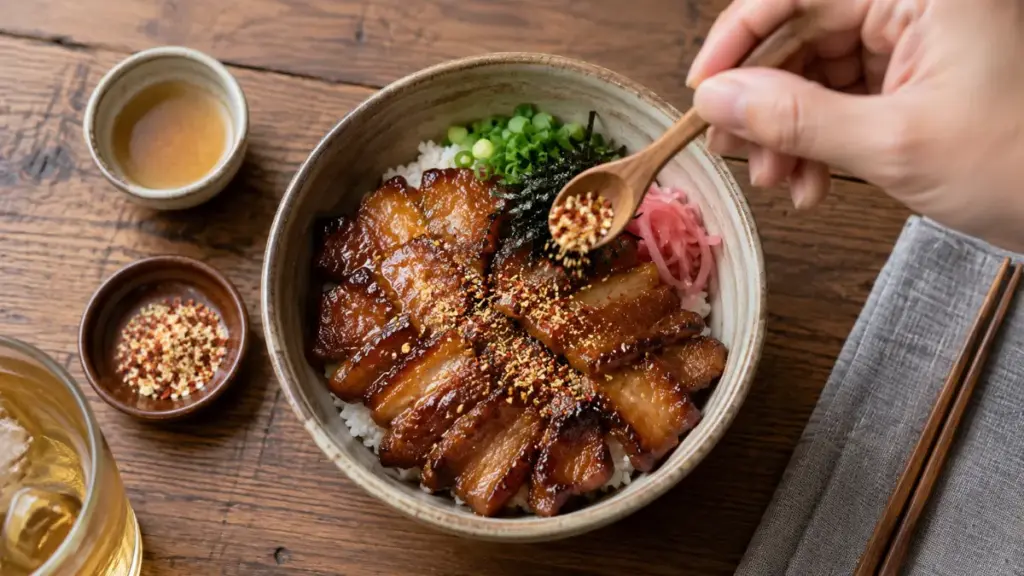
Combining Seasoning Elements to Optimize Dish Flavors
Mastering basic flavor pairing allows you to solve specific taste problems with surgical precision.
Combining Subtle Acid and Spice to Fix Overly Sweet Stews or Sauces
Commercial sauces frequently contain excessive sugar to appeal to broad markets. Adding a splash of micro hot sauce combined with citrus powder cuts through sweet glazes, transforming cloying braised meats into savory, balanced restaurant food.
Utilizing Flaky Salt and Herbs to Upgrade Uninspired Boiled or Steamed Dishes
Steamed vegetables and boiled proteins often taste uninspired due to plain water prep. A light dusting of flaky sea salt paired with mixed herb garlic powder creates an instant savory crust, elevating plain restaurant food into a flavorful dish.
Essential Travel Storage and Care Tips for Portable Seasonings
Carrying food ingredients in your purse, jacket, or pocket requires secure packaging and leak-proof containers to prevent messy accidents.
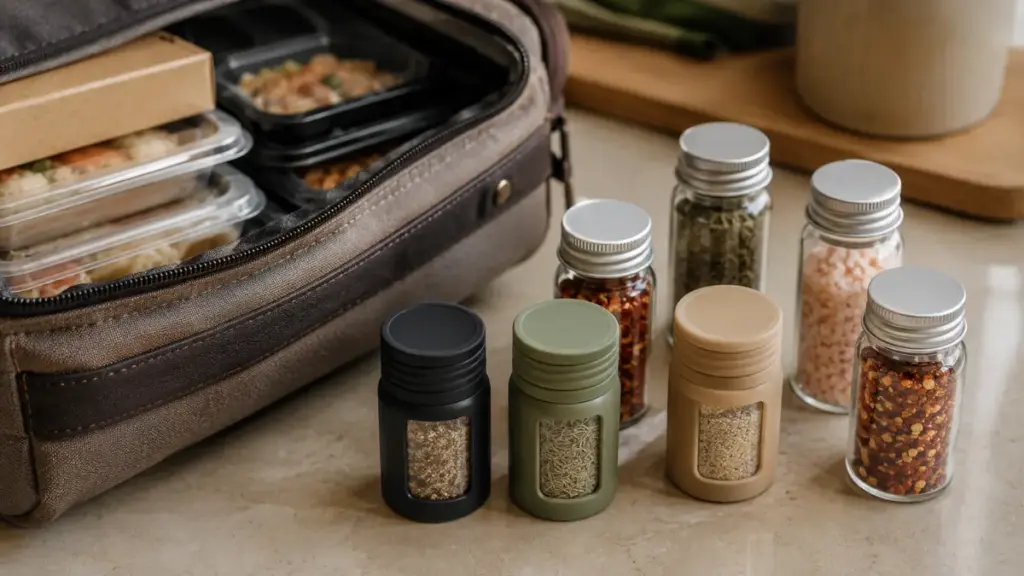
Safe Storage Methods and Secure Container Choices
Selecting durable packaging materials ensures your personal flavor kit remains sanitary, dry, and safe to consume.
Choosing BPA-Free Food-Grade Plastic or High-Durable Mini Glass Vials
Avoid cheap, non-food-safe plastic containers that leach chemical smells into your seasonings. Choose high-grade borosilicate glass vials or BPA-free silicone squeeze bottles to store salt, spice blends, and liquid drops used for restaurant food.
Verifying Airtight Lids to Prevent Messy Spills in Bags or Apparel
Liquid hot sauces and fine salt powders expand under changing ambient temperatures and movement. Double-check that all mini bottles feature inner silicone gaskets and secure screw caps so your portable kit never ruins your clothing or bag while searching for good restaurant food.
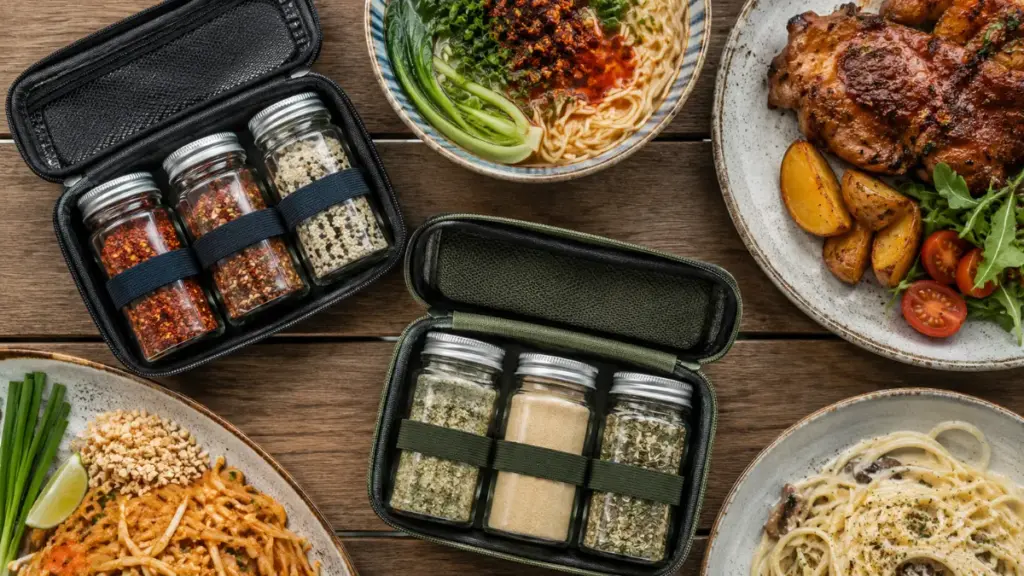
Customizing Portable Seasoning Kits for Different Culinary Styles
Adapting your portable kit to match your dining destination ensures maximum versatility wherever you eat.
Minimalist Seasoning Kits Designed for Travel and Street Food Exploration
When visiting night markets or outdoor food stalls, carry an ultra-lightweight keychain vial containing a 2-in-1 salt and chili powder mix. This single item cuts through heavy oils, brightens grilled skewers, and rescues informal street restaurant food.
Customizing Flavors to Match Personal Taste Profiles for Effortless Dining
Tailor your seasoning kit to match your preferred eating style. If you love Mediterranean cuisine, prioritize oregano-citrus salt; if you frequent Asian eateries, prioritize Sichuan chili dust and sesame salt. Having your ideal flavor profile ready ensures you enjoy every bite of restaurant food.
Frequently Asked Questions About Restaurant Food Seasoning Hacks
Is it rude to bring your own seasonings into a restaurant?
Not if done discreetly. As long as you taste the dish first and apply your personal spices subtly without making loud complaints, customizing your restaurant food is a practical way to ensure an enjoyable meal.
What is the most versatile single seasoning to carry in a purse or pocket?
Flaky sea salt mixed with crushed red pepper flakes or dehydrated lemon peel is the most versatile choice. It adds essential salinity, pleasant texture, and mild brightness to almost any style of restaurant food.
How do I prevent mini liquid sauce bottles from leaking during travel?
Use screw-cap silicone bottles rated for liquids, leave a small amount of air space at the top to accommodate pressure changes, and keep liquid containers wrapped in a small ziplock bag inside your kit while hunting for restaurant food.
Transforming Uninspired Dining Out Into Great Culinary Experiences
Carrying a compact, well-curated kit of portable seasonings gives you complete control over your dining experience, turning bland or poorly prepared meals into memorable dishes. With high-quality sea salt, micro hot sauces, and aromatic herb-citrus blends, you can easily correct flavor imbalances right at the table. Equip your pocket with these three simple flavor tools, taste your food thoughtfully, and enjoy delicious dining out on your own terms.
PLEASE LEAVE A COMMENT TO SHARE YOUR FAVORITE THOUGHTS OR FOLLOW OUR BLOG FOR THE LATEST UPDATES.