



If you have been feeling unexplainably ill lately—battling bouts of gastrointestinal distress that seem to come and go like a recurring nightmare—you are not alone. Across communities, countless individuals are questioning the safety of their grocery staples. The persistent question echoing in kitchens and clinics is: “What did I actually eat?” Navigating the reality of Cyclosporiasis disease has become a daunting task, especially when official guidance feels sparse and the symptoms remain stubbornly unpredictable.
- Unmasking the Cyclosporiasis disease crisis: Real-world suspects
- Why your washing routine might be failing you
- The food investigator’s report: What are people actually eating?
- Deep dive into high-risk produce (Visual Guide)
- The “ugly” side effects others won’t talk about
- How to protect yourself: Beyond washing and sanitizing
- Frequently asked questions about Cyclospora safety
- Conclusion: Taking control of your food safety
Unmasking the Cyclosporiasis disease crisis: Real-world suspects
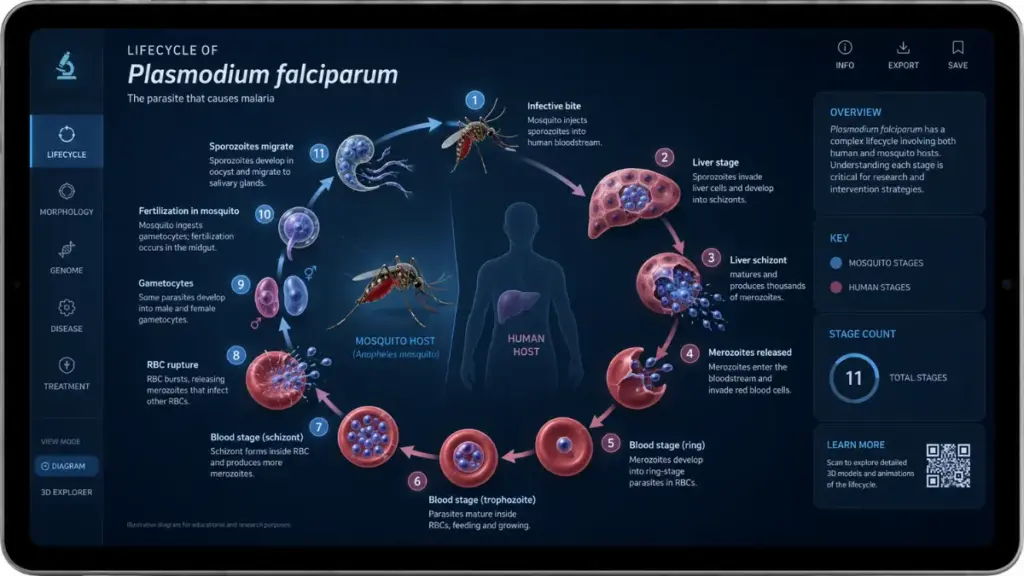
The frustration stems from the nature of the parasite itself. Unlike common bacteria that might be easily traced to a single bad batch of meat, this microscopic invader operates differently. When you are hit with Cyclosporiasis disease, the journey to recovery is often marred by a lack of clear answers from healthcare providers. Many people have reported being brushed off or misdiagnosed because symptoms like explosive diarrhea, cramping, and fatigue mirror other common stomach bugs.
The reality is that Cyclosporiasis disease thrives in environments where commercial agriculture meets large-scale distribution. It is not just a matter of “bad luck” at a specific restaurant; it is a systemic challenge. Because the incubation period for Cyclosporiasis disease can span from 2 to 14 days, connecting the dots to a specific meal you ate nearly two weeks ago is an investigative feat that most people cannot achieve on their own.

Why your washing routine might be failing you
“The illusion of cleanliness is the greatest enemy of food safety; when nature evolves its defenses, our outdated kitchen habits must evolve with it.”
Ri
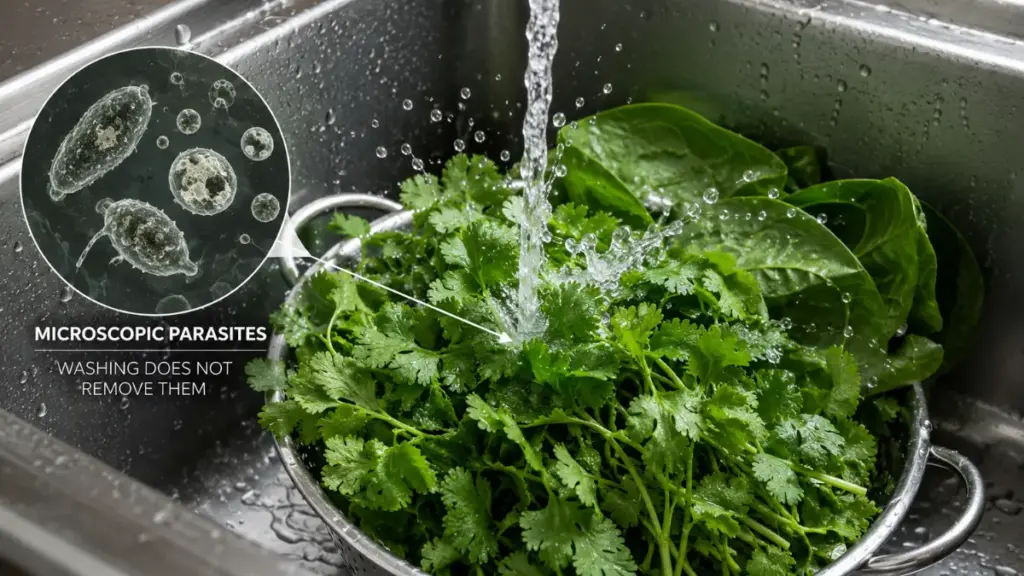
One of the most dangerous myths circulating is that a quick rinse under the tap or a soak in vinegar is enough to neutralize the threat. Let us be clear: professional-grade hygiene is not a substitute for the biological reality of this parasite. The structure of the Cyclospora oocyst is notoriously resilient. It is specifically adapted to survive in soil and water environments, making simple washing techniques ineffective.
Many people have fallen into the trap of using dish soap or vinegar, believing these will sanitize their produce. Unfortunately, Cyclosporiasis disease is not deterred by these mild surfactants. The only proven method to ensure your safety is heat. Relying on washing techniques that do not reach the required temperatures is why so many people remain caught in the cycle of infection and relapse.
The food investigator’s report: What are people actually eating?
When we look at the patterns of those suffering from Cyclosporiasis disease, certain culprits emerge with high frequency. It is important to remember that these are not just random ingredients; they are staples of the modern diet that often bypass the heat-treatment process entirely.

| Food Item | Suspected Risk Level | Heat Treatment Potential |
| Leafy Greens (Salad Mixes) | Extremely High | Low |
| Fresh Raspberries | High | Low |
| Fresh Cilantro & Herbs | High | Low |
| Shredded Lettuce (Fast Food) | Very High | Low |
| Pre-packaged Deli Salads | High | Low |
The common thread is clear: these are fresh, raw, and often processed in bulk facilities. The risk is amplified when these items are distributed to multiple food outlets, explaining why a single outbreak can ripple across entire states.
Deep dive into high-risk produce (Visual Guide)
Leafy greens: The hidden culprit in salads
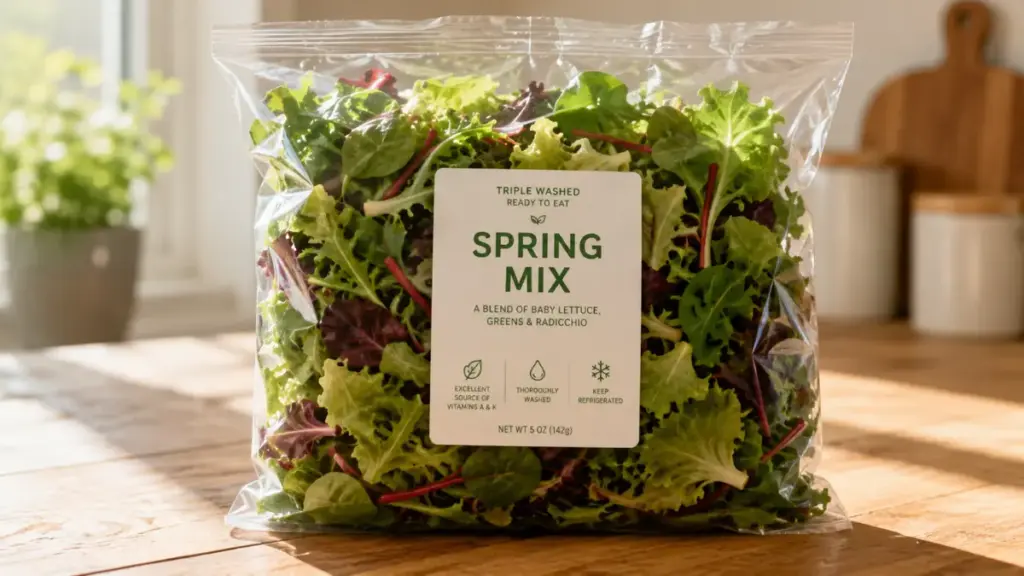
Leafy greens are the backbone of the modern diet, but they are also the most difficult to sanitize. Because these plants have large surface areas with complex textures, they can harbor pathogens effectively. When you consume a bagged salad, you are often eating produce that has been handled by many hands and machines, increasing the surface area for potential contamination linked to Cyclosporiasis disease.
Fresh raspberries and soft berries
Soft berries are another significant area of concern. Because of their delicate structure, they cannot be scrubbed or subjected to rigorous cleaning processes. When Cyclosporiasis disease enters the supply chain here, it often penetrates the interior of the fruit, making it virtually impossible to remove at home.
More Read


Cilantro and fresh herbs in commercial dishes
Cilantro and other fresh herbs are frequently used as garnishes in fast-food dishes and restaurant salads. Often, these herbs are not cooked; they are added fresh at the last second, meaning if they were contaminated, there is no thermal barrier to protect the consumer from Cyclosporiasis disease.

Shredded lettuce in fast-food chains
Perhaps the most discussed suspect in current forums is the shredded lettuce used in mass-market tacos and burgers. When you look at the scale of operations, these suppliers provide millions of servings. A single point of contamination can trigger a massive surge in Cyclospora foodborne illness across the country.

Pre-packaged deli salads and mixed greens
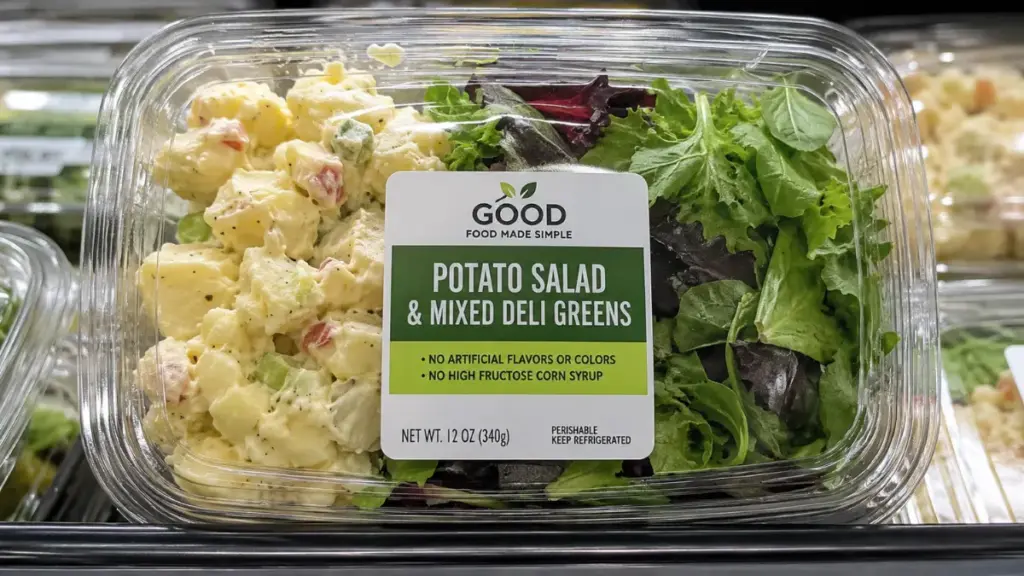
Deli salads, such as those with mayonnaise bases or pre-cut vegetables, sit in display cases for extended periods. This environment can sometimes allow for cross-contamination, and like other raw foods, they are rarely subjected to the temperatures necessary to kill the parasite.
Read more: Max Dose of Ozempic for Weight Loss: 7 Harsh Realities You Must Know.
The “ugly” side effects others won’t talk about
“True healing begins when we stop dismissing our bodies’ signals and start investigating the hidden truth behind what we consume.”
Ri
While medical reports focus on “gastrointestinal distress,” the reality for those suffering from Cyclosporiasis disease is far grimmer. Many individuals report a “rollercoaster” of recovery—they feel better for two days, only to have the symptoms come roaring back. This persistent nature of Cyclospora infection symptoms can lead to significant weight loss, lethargy, and a mental toll that is rarely addressed.
In many cases, the patient is forced to become their own investigator. Doctors, overwhelmed by the lack of clear diagnostic protocols for this specific parasite, may suggest generic probiotics when the patient actually requires specific antibiotic treatment. This delay in targeted intervention often extends the suffering, leading to weeks of interrupted life, missed work, and profound fatigue.

How to protect yourself: Beyond washing and sanitizing
Read more: 11 Dark Truths About GLP-1 Side Effects Users Are Finally Exposing.
To effectively avoid Cyclosporiasis disease, you must adjust your strategy toward heat and local sourcing. While it may seem extreme, the current landscape of food safety requires proactive measures.
- Prioritize Cooked Foods: If you are worried, opt for vegetables that have been cooked to at least 158°F. This temperature is the death knell for the parasite.
- Source Locally and Transparently: If you buy from a farm stand, ask questions. Understand if they import products from larger, commercial distributors.
- Avoid Raw Restaurant Salads: During peak outbreak periods, skip the raw salad options when eating out. Opt for hot, freshly prepared dishes instead.
- Handle Frozen Produce Carefully: While the science is still debated, some evidence suggests that rapid freezing of specific commercial produce can reduce risks. However, always aim to cook these items before consumption.

Frequently asked questions about Cyclospora safety
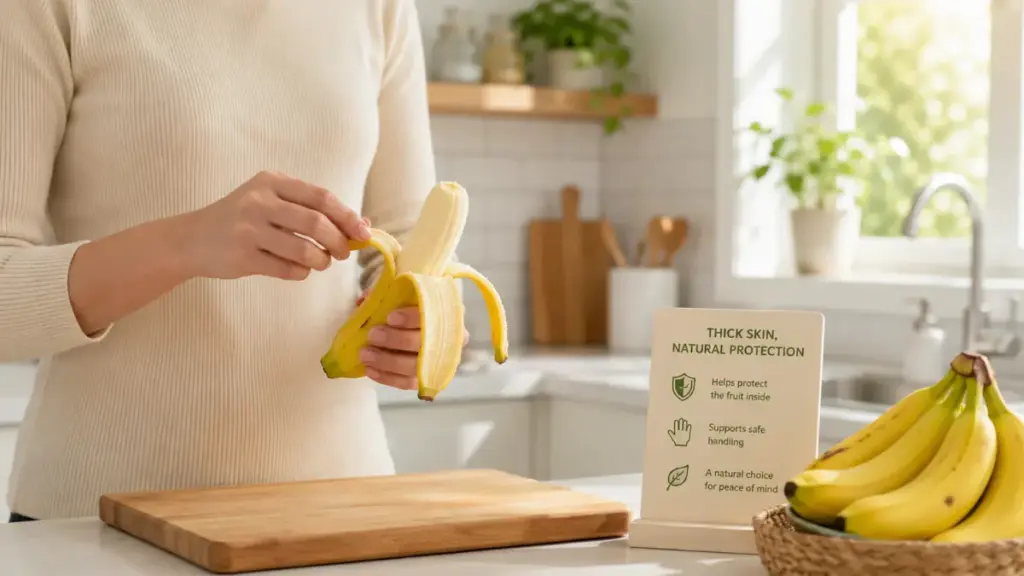
Is it safe to eat fruits like apples and bananas?
Fruits that have a thick, peelable skin are generally much safer than berries or leafy greens. By peeling the fruit yourself, you remove the surface area where the parasite might reside.
Does Cyclosporiasis disease spread from person to person?
No, it is primarily foodborne or waterborne through contaminated fecal matter. You are not at high risk from casual contact, but good hand hygiene is always essential.
Can I rely on my home freezer to kill the parasite?
Do not count on it. Standard home freezers are not designed to reach the extreme temperatures or the specific freezing cycles used in industrial food processing.
Conclusion: Taking control of your food safety
Understanding Cyclosporiasis disease is the first step toward reclaiming your health and peace of mind. While the current state of food regulation leaves much to be desired, you can protect yourself by making informed choices about what you put on your plate. Avoid the pitfalls of “raw convenience” and lean toward cooked, locally vetted, and carefully selected produce.
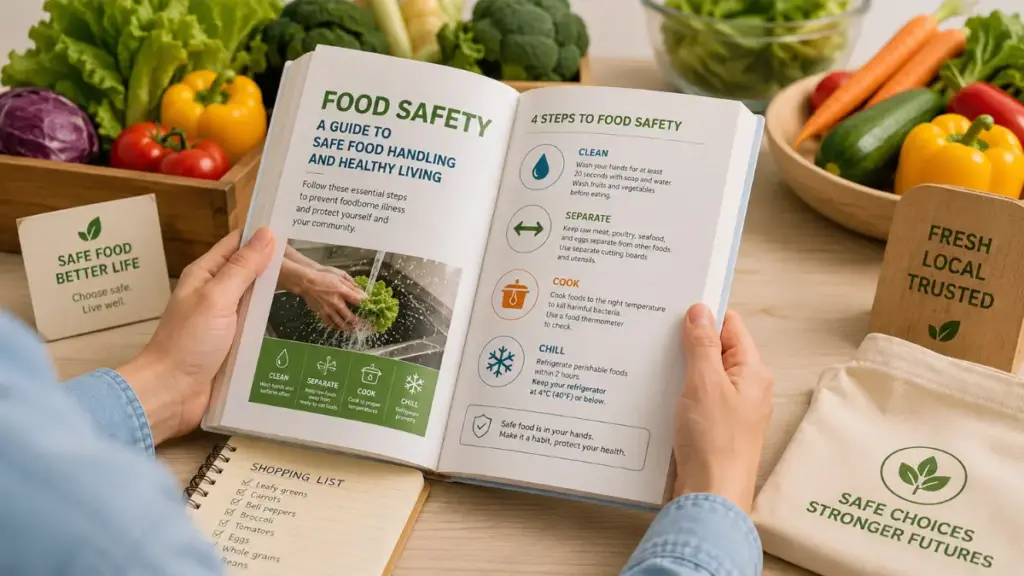
The path to systemic safety requires that we continue to share our experiences and demand higher standards from our food suppliers. Do not suffer in silence; if you believe you have symptoms, push for proper testing and be vocal about your history.
IF YOU HAVE EXPERIENCED RECURRING GASTROINTESTINAL ISSUES OR SUSPECT YOU HAVE BEEN EXPOSED TO CYCLOSPORA, LEAVE A COMMENT TO GET ADVICE FROM OUR EXPERT COMMUNITY OR FOLLOW THE COUCH INSIDER TO STAY UPDATED ON THE LATEST FOOD SAFETY DEVELOPMENTS.