



Living with insomnia after chemotherapy is a silent battle that shifts the very foundation of your recovery. While clinical guidelines often offer standardized advice, the raw reality involves sleepless nights, medication side effects, and a persistent mental state that refuses to power down. This guide dissects the unfiltered experiences of those navigating this journey, moving beyond basic medical pamphlets to address the complex, often messy, reality of reclaiming your rest.
- The Unspoken Truth About Insomnia After Chemotherapy
- When the Mind Won’t Shut Off: The Psychological and Physical Toll
- Real-World Survival Tactics: What Actually Works Beyond the Clinic
- The Controversial Mix: Managing Medical Advice vs. Community Experience
- When to Consult Your Care Team About Medical Sleep Aids
- Finding Peace in Your New Post-Cancer Routine
- Conclusion
The Unspoken Truth About Insomnia After Chemotherapy

Dealing with insomnia after chemotherapy is an exhausting cycle that often feels like a permanent feature of your new normal. When you are deep in the trenches of treatment, the medical team focuses on the cancer itself, often sidelining the devastating impact of sleep loss.
Read more: The Hidden Danger of Sleep Medication Driving: Why You May Not Be Sober Behind The Wheel in 2026
The reality is that insomnia after chemotherapy is not just trouble falling asleep. For many, it is a physiological overhaul. Your body, bombarded by toxic chemicals, struggles to regulate its own rhythm. The frustration of being awake until 5 AM, watching the world start while you are still battling the previous day’s fatigue, is a reality that few outside the survivor community truly comprehend.
“True restorative rest after treatment is not merely a biological necessity; it is a hard-won victory that requires patience, rigorous self-advocacy, and the courage to adapt to your new normal.”
Clinical Oncology Research Fellow
When the Mind Won’t Shut Off: The Psychological and Physical Toll
One of the most persistent hurdles in overcoming insomnia after chemotherapy is the racing mind. It is a state where your brain refuses to disengage, constantly cycling through health anxieties and the sheer trauma of the treatment process.
Why Common Sleep Aids Often Fail
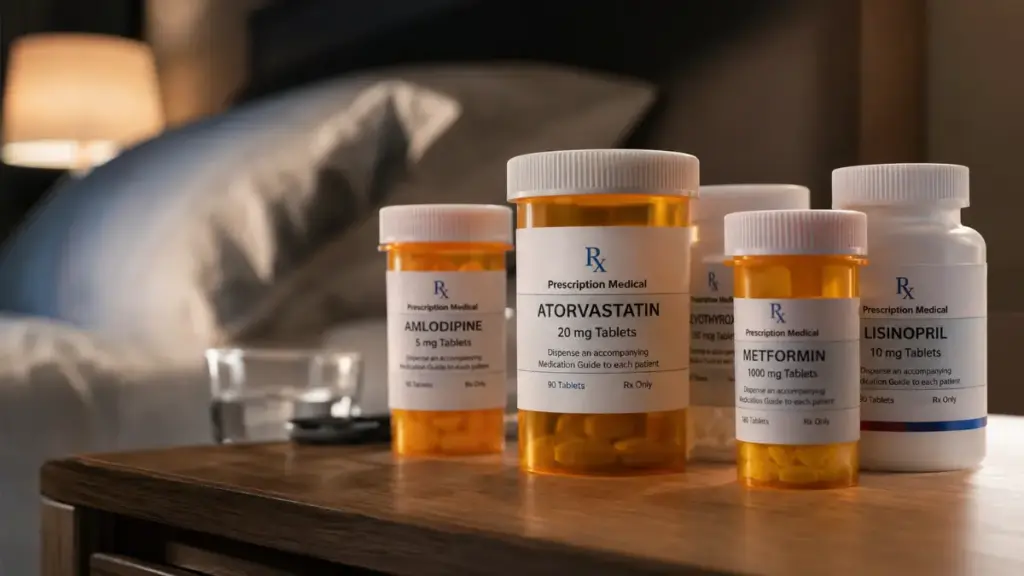
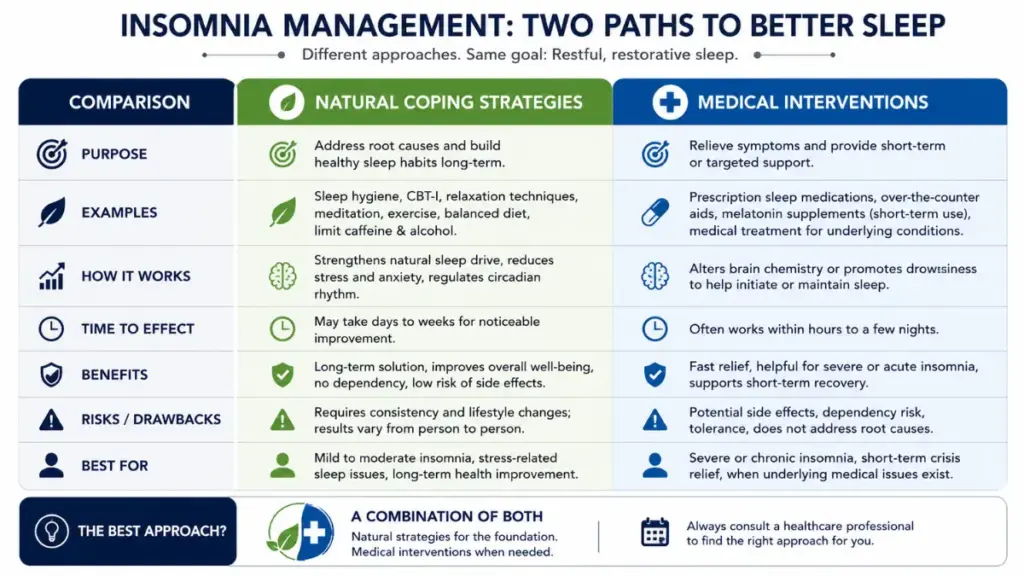
Many survivors report that standard OTC options like Benadryl, which were once go-to solutions, now cause agitation or an unbalanced feeling. This is a critical observation often missed in clinical literature. Furthermore, prescription drugs like Trazodone or Ativan—while effective for some—carry the heavy burden of grogginess or the fear of dependency.
Neuropathy and Physical Discomfort
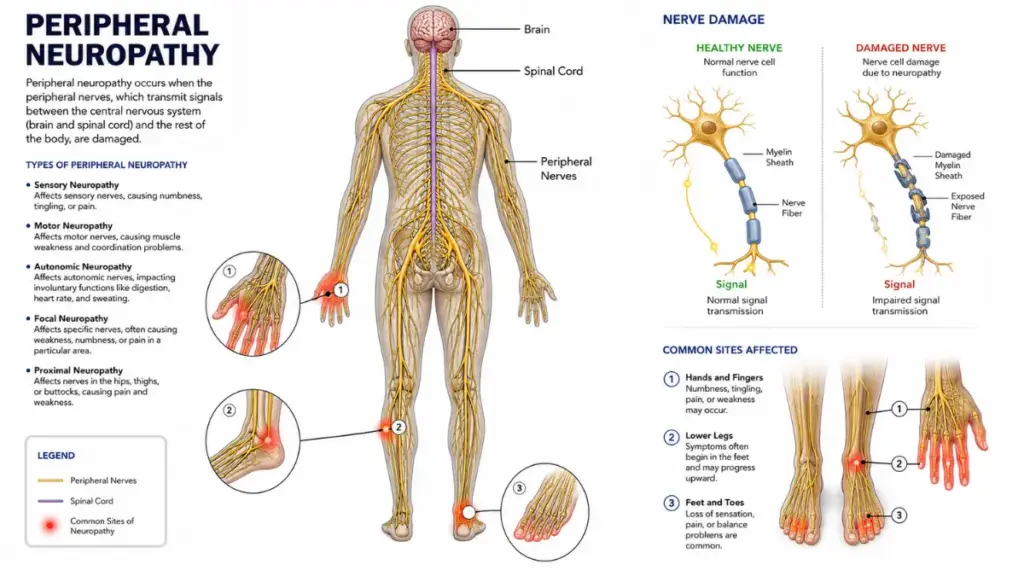
Beyond the mental state, physical issues like neuropathy (nerve pain) and muscle spasms make finding a comfortable position nearly impossible. If you are struggling with insomnia after chemotherapy, you know that even the softest mattress can feel like a bed of needles when your nerves are firing off-schedule.
Real-World Survival Tactics: What Actually Works Beyond the Clinic
When the medical establishment provides limited answers, survivors turn to unconventional nesting strategies to manage insomnia after chemotherapy.

The Art of Sensory Deprivation
Creating a cocoon is essential. Survivors have found that pitch-black rooms, weighted blankets, and cooling wraps for the head and neck are more than just comforts—they are survival tools. By masking the sensory inputs, you allow your body to lower its guard, which is the first step in managing insomnia after chemotherapy.
More Read
Navigating Supplements and Cannabis
There is a vibrant, albeit cautious, discussion about the use of CBD, Indica edibles, and magnesium. However, the golden rule remains: Never introduce any supplement, no matter how natural, without clearing it with your oncology pharmacy team. Clinical trials are delicate; the wrong interaction can negate weeks of aggressive treatment for insomnia after chemotherapy.

The Controversial Mix: Managing Medical Advice vs. Community Experience
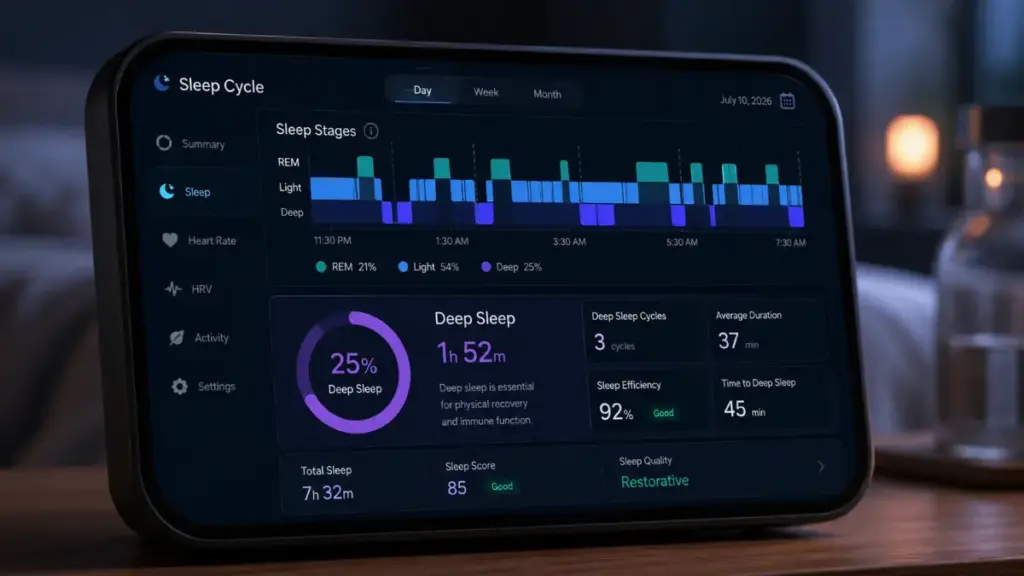
It is crucial to balance scientific research with community-led wisdom regarding insomnia after chemotherapy. While studies on yoga—specifically programs like YOCAS (Yoga for Cancer Survivors)—show measurable improvements in anxiety and fatigue, they are not a quick fix.
The Role of Mindfulness and Movement
Gentle Hatha yoga and mindfulness training are powerful because they address the cortisol levels that spike post-treatment. If you are dealing with insomnia after chemotherapy, you might find that simple, instructor-led movements help bridge the gap between physical exhaustion and mental rest.

When to Consult Your Care Team About Medical Sleep Aids
Do not suffer in silence. If your current struggle with insomnia after chemotherapy is affecting your ability to function, you must initiate a direct, evidence-based conversation with your oncologist.
Preparing for Your Consultation
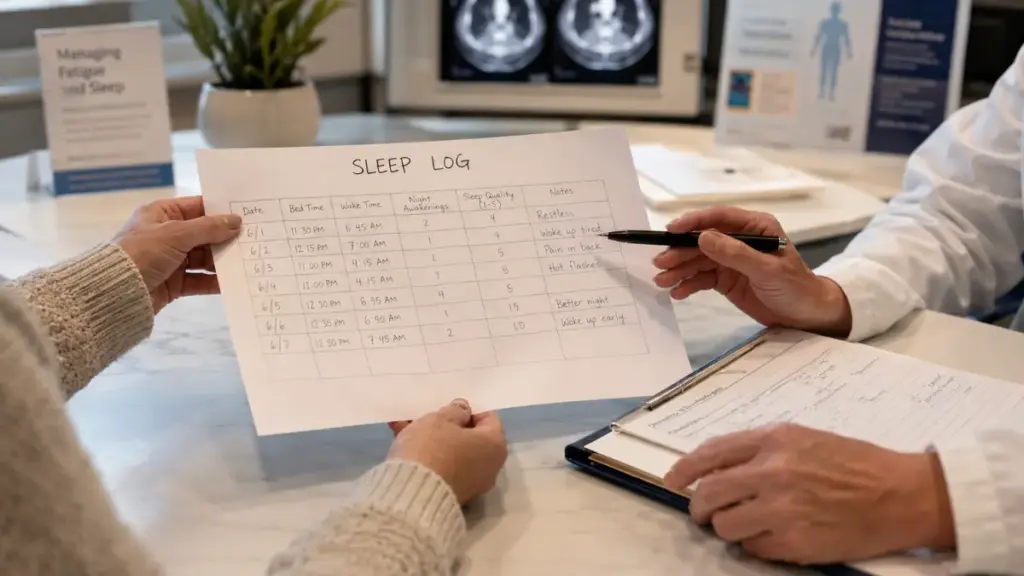
Bring a sleep log. Document when you go to bed, when you wake up, and what supplements or medications you have tried. Ask specifically about potential interactions with your current chemotherapy protocol and referrals to specialized sleep therapists who understand the nuances of post-cancer recovery sleep.
Finding Peace in Your New Post-Cancer Routine
Perhaps the most challenging realization for those facing insomnia after chemotherapy is the need to forgive your own body. If your sleep cycle is shifted, forcing yourself to maintain a traditional 9-to-5 sleep schedule might only amplify your stress. Some survivors find that by accepting their new circadian rhythm—even if it means unconventional hours—they reduce the anxiety of the clock.
The Importance of Patience
Recovery is not a linear path. Your body has survived a profound chemical assault; giving it the time it needs to reset its internal clock is part of the healing process for insomnia after chemotherapy.

Understanding the Role of Stress
The persistent stress of being a survivor can manifest as night-time hyperarousal. Your body is stuck in a fight-or-flight mode. Techniques that stimulate the parasympathetic nervous system are critical for anyone suffering from insomnia after chemotherapy. Whether it is listening to audiobooks to distract your mind or using specific deep-breathing patterns, these small, consistent actions eventually aggregate into better quality rest.

Conclusion
Navigating insomnia after chemotherapy is perhaps one of the most grueling aspects of survivorship, yet it is often the one where you feel most isolated. By understanding the chemical, physical, and psychological triggers—and by being vigilant about what you put into your body—you can regain a measure of control. Remember that you do not have to fight this alone. Coordinate closely with your medical team, advocate for your own wellness, and be gentle with yourself as your body recalibrates its battle with insomnia after chemotherapy.
LEAVE A COMMENT TO GET FREE ADVICE FROM OUR EXPERTS OR FOLLOW THE COUCH INSIDER TO UPDATE THE LATEST KNOWLEDGE.