

Waking up every morning with stiff, aching joints and fearing that simple daily movements will only cause more pain can leave you feeling trapped inside your own body. Assuming that aging forces you to live with constant joint discomfort and believing that older adults fitness routines will only worsen your inflammation means you are missing out on the body’s natural healing power.
- The Biological Power of Low-Impact Movement in Senior Joint Health
- Four Life-Changing Exercises to Eliminate Joint Pain Safely
- Essential Precautions for Safe Exercise Execution
- Encouraging Indicators of Improving Joint Health
- Frequently Asked Questions About Older Adults Fitness
- Reclaiming Freedom and Vitality Through Gentle Movement
Reclaiming painless mobility and rebuilding functional joint strength simply requires targeting your musculoskeletal system with gentle, strategic movement. By exploring 4 highly effective, joint-friendly exercises tailored for older adults fitness—designed to lubricate stiff cartilage, strengthen supporting muscles, and restore easy flexibility—you can safely shed joint aches and enjoy an active, vibrant life.
Incorporating low-impact movement into your morning routine protects your delicate cartilage from chronic stiffness. Sourcing your daily stamina from smooth, controlled exercise preserves your joint health, ensuring your mobility remains comfortable, steady, and secure across every passing year.
Prioritizing gentle, structured mobility work over sedentary rest offers a reliable, science-backed way to experience the direct physical advantages that happen when you adopt older adults fitness. Transitioning away from prolonged sitting prevents joint capsules from drying out, allowing natural movement to nourish your connective tissues day after day.
Read More: Understanding the Reality of Health Insurance Denial and Fighting Back
The Biological Power of Low-Impact Movement in Senior Joint Health
Understanding how gentle exercise repairs aching joints requires looking at the microscopic environment within joint capsules. Cartilage—the smooth, protective coating cushioning the ends of your bones—lacks a direct blood supply and relies entirely on movement to absorb vital nutrients. Engaging in low-impact older adults fitness exercises creates a gentle pumping action that stimulates the synovial membrane, flooding the joint cavity with fresh synovial fluid to lubricate stiff surfaces. This continuous fluid circulation washes away cellular waste products while bathing cartilage fibers in essential oxygen and glucose.
- Enhanced Synovial Fluid Secretion: Smooth joint movement encourages membrane cells to release nutrient-rich fluid, reducing friction between bone ends.
- Reduction of Low-Grade Joint Inflammation: Gentle, rhythmic muscle contractions clear metabolic waste from joint cavities, soothing nerve endings and easing persistent aches.
- Quadriceps and Hamstring Reinforcement: Building muscle strength around the knees absorbs ground impact forces, protecting sensitive joint cartilage from shock.
- Improvement in Dynamic Balance: Activating deep postural muscles restores foot feedback, helping maintain steady foot placement and preventing dangerous falls.
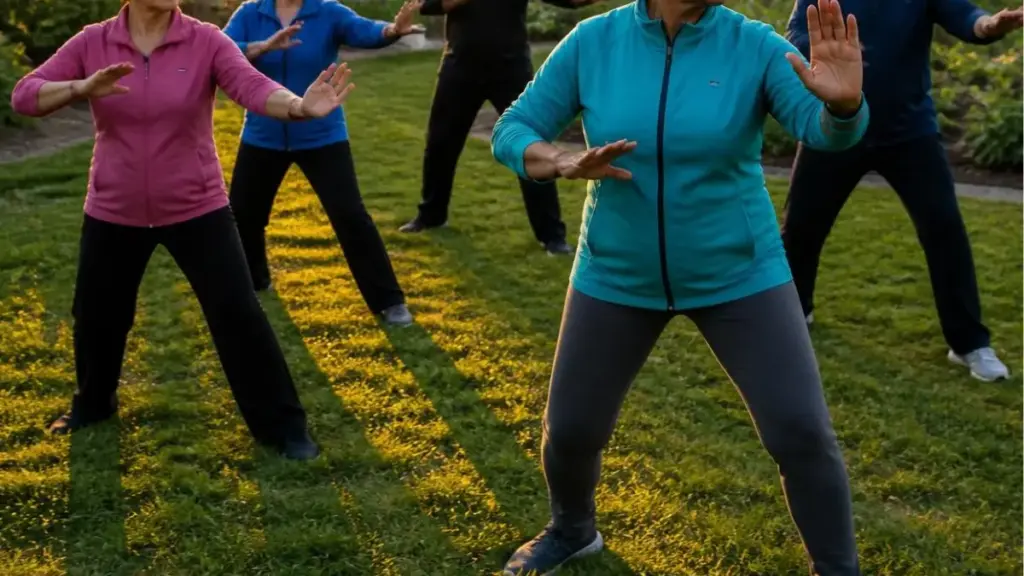
Reinforcing the muscular framework around major joints is equally crucial for long-term pain management. When surrounding leg and hip muscles grow weak, everyday movements force the articular cartilage to absorb heavy mechanical impact, accelerating joint wear. Consistent participation in older adults fitness builds protective muscular tension that offloads pressure from vulnerable joints, allowing cartilage to heal naturally. Strengthening these supportive tissues ensures your body maintains structural alignment, making daily walking, stair climbing, and standing effortless.
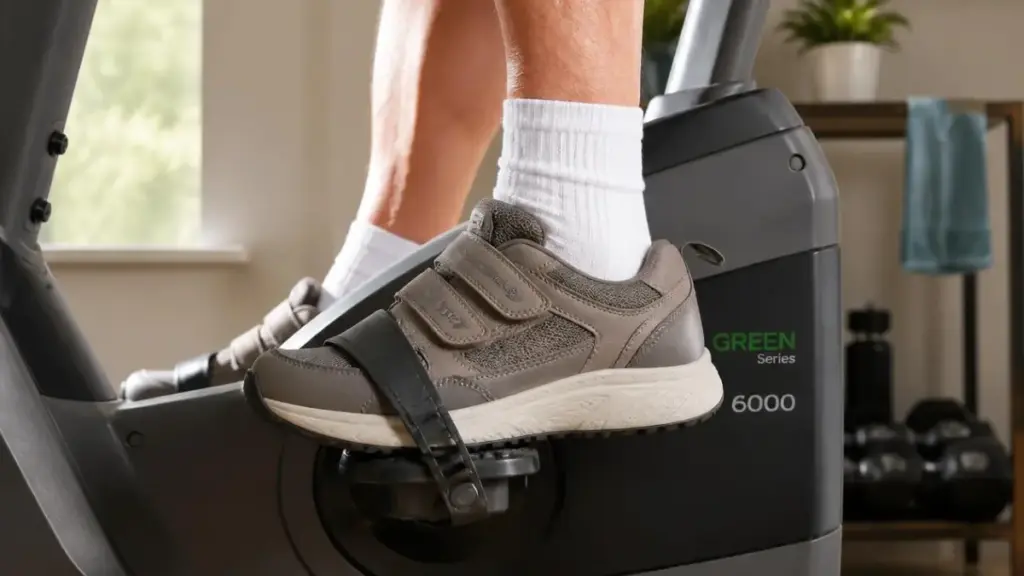
Four Life-Changing Exercises to Eliminate Joint Pain Safely
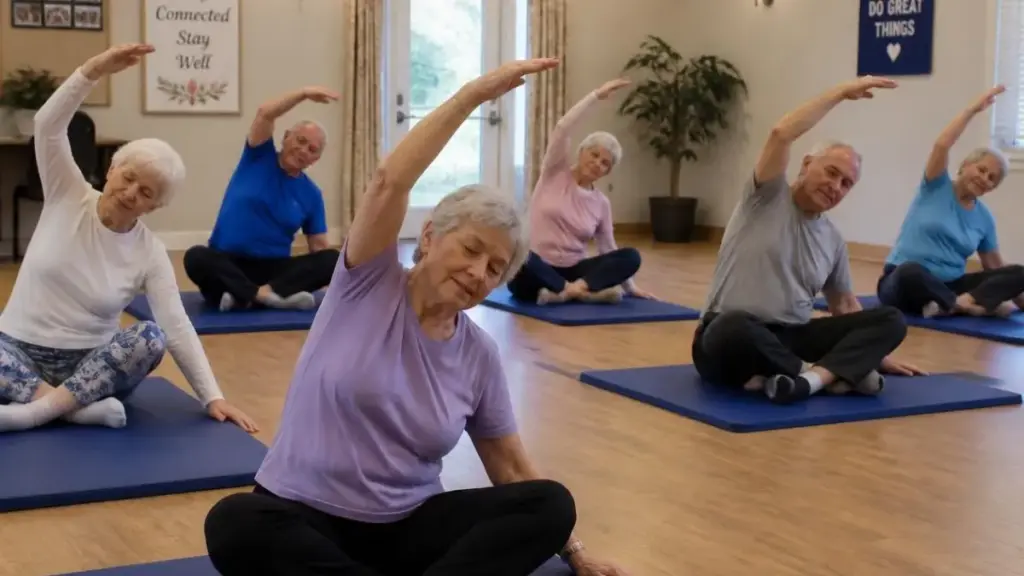
Rebuilding joint function without triggering acute inflammation requires choosing exercises that isolate key muscle groups while keeping joint loading minimal. Incorporating these four low-impact movements into your routine will help restore your mobility and maximize your older adults fitness benefits. By focusing on smooth, controlled execution rather than speed or heavy resistance, you can safely relieve joint tightness and restore physical freedom.
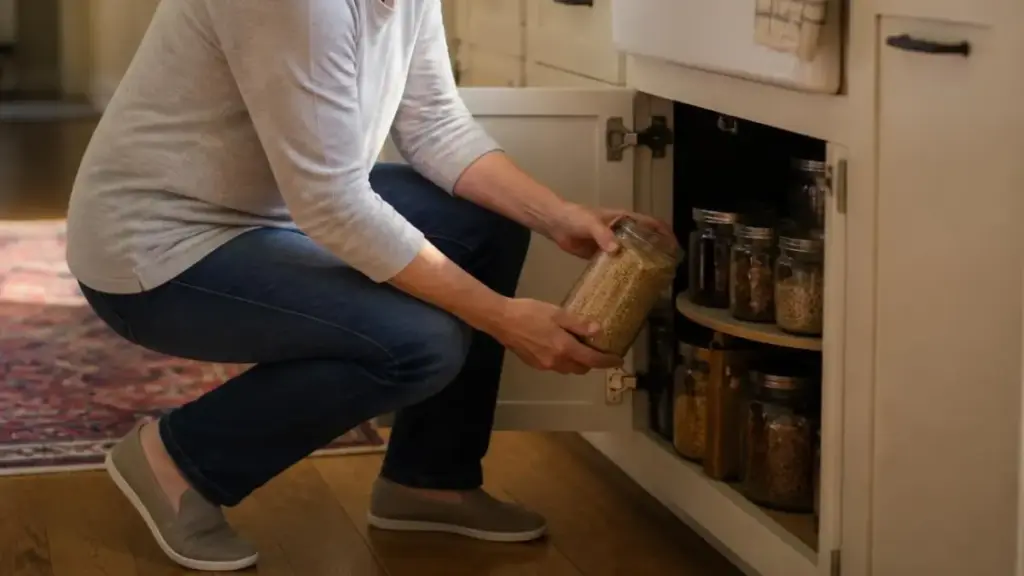
Passive Shoulder Rotations and Arm Reaches with a Light Cane
Frozen shoulders and rotator cuff stiffness often make basic daily tasks, like reaching into upper cabinets or dressing, frustrating and painful. Holding a lightweight wooden cane or broom handle with both hands allows your stronger arm to gently guide your stiff shoulder through a smooth, passive range of motion.
This supported movement frees up joint capsule adhesions and boosts local blood circulation, serving as an essential upper-body movement in older adults fitness. Gradually reaching the cane upward and side-to-side warms up the surrounding muscles without straining delicate tendons. Increased blood flow eases chronic neck and upper-back tightness, preventing shooting pain from traveling down your arms. Maintaining flexible shoulder joints restores upper-body freedom and builds confidence in your older adults fitness progress.
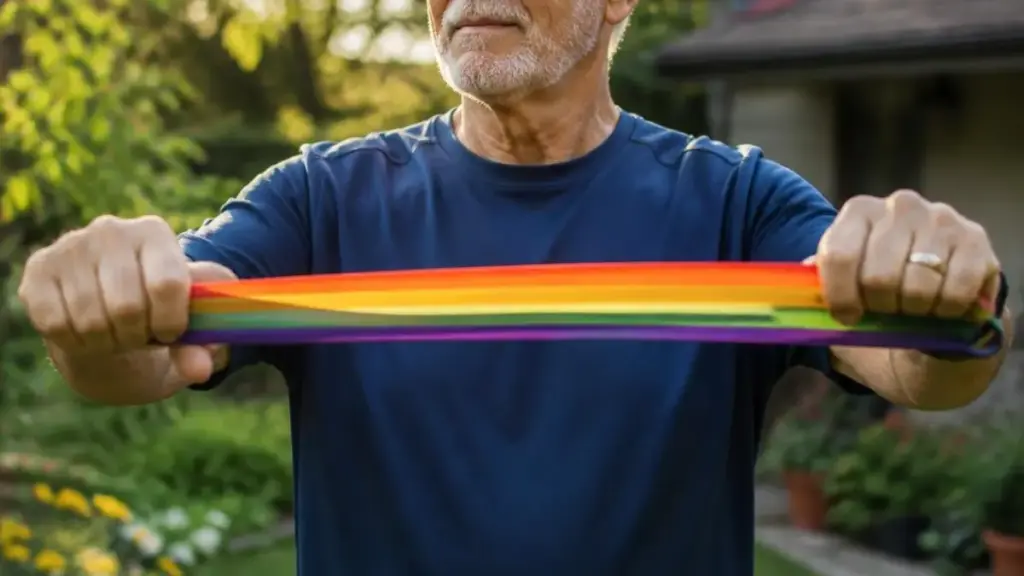
Seated Knee Extensions and Ankle Flexion Exercises
Weak quadriceps muscles force your knee joints to absorb the full impact of your body weight with every step you take. Sitting upright in a sturdy chair and slowly extending one leg straight out engages your front thigh muscles without placing heavy mechanical compression on your kneecap. Adding gentle ankle flexes at the top of the movement strengthens the Achilles tendon, making this a cornerstone exercise for older adults fitness.
Strengthening your thigh muscles creates a natural shock absorber that stabilizes your knees when standing up or climbing stairs. Concurrently, flexing your ankles stimulates the calf muscle pump, encouraging healthy blood flow back toward your heart and reducing lower-leg swelling. Building lower-limb strength keeps your stride sure-footed and supported through older adults fitness.
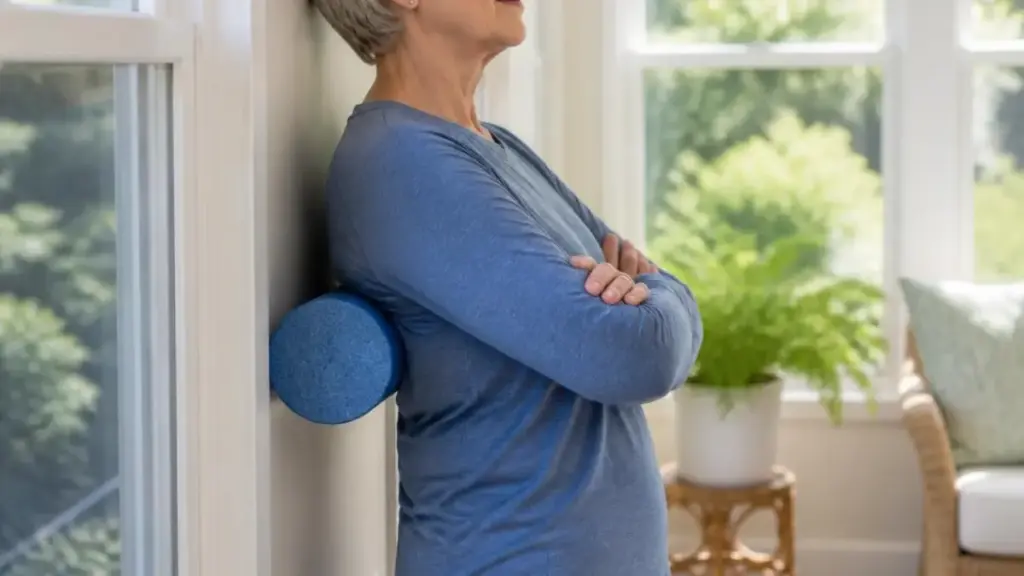
Standing Hip Tilts and Gentle Pelvic Rotations with Chair Support
Tight hip flexors and stiff lower-back vertebrae frequently compress the sciatic nerve, causing dull aches in your lower back and hips. Standing behind a stable chair and holding the backrest for balance allows you to gently tilt your pelvis forward and backward in a controlled motion.
This subtle movement releases tight lumbar muscles and expands the hip joint cavity, providing noticeable lower-back relief through older adults fitness. Unlocking hip mobility makes standing up from deep sofas, getting out of cars, and bending down much smoother and less painful. Relaxing tense lower-back muscles restores natural pelvic alignment, reducing uneven wear on your hip joints. Maintaining flexible hip joints is crucial to preserving comfortable movement in older adults fitness.
Heel-to-Toe Rocking and Toe Lifts for Venous Return
Your feet and ankles serve as the primary foundation for every standing movement, yet stiff ankle joints can disrupt your natural walking gait and increase fall risk. Standing near a wall or sturdy table and slowly rocking up onto your tiptoes before rolling back onto your heels gently stretches your foot arches.
This rhythmic rocking motion activates deep nerve receptors in the soles of your feet, enhancing spatial balance within older adults fitness. In addition to sharpening balance, the pumping action of your calf muscles assists your circulatory system in pushing pooling fluids out of your ankles. Clearing tissue fluid swelling reduces ankle stiffness, making daily walking feel light and comfortable. Strengthening foot and ankle reflexes provides an essential safety net for long-term older adults fitness.
Essential Precautions for Safe Exercise Execution
While low-impact mobility exercises offer profound joint relief, practicing proper safety habits is necessary to avoid over-exertion or accidental slips. Following these core precautions ensures you execute your routine safely and gain the full benefits of older adults fitness. Establishing a secure exercise environment allows you to build strength with complete peace of mind.
More Read

Respecting Pain Thresholds and Workout Duration
The most critical rule when exercising with arthritis or joint stiffness is to honor your body’s natural pain signals and avoid pushing through sharp, acute joint pain. A mild, dull muscle stretch is normal during movement, but sharp, stabbing sensations indicate joint strain that requires immediate rest.
Breaking your daily movement into two short ten-minute sessions rather than one long workout prevents joint fatigue while supporting older adults fitness. Adjusting exercise volume based on daily joint comfort allows your tissues to adapt without triggering inflammatory flare-ups. On days when joints feel particularly tender, focus on gentle, passive range-of-motion movements rather than weighted resistance work. Adapting your workout intensity ensures steady, long-term progress in older adults fitness.

Securing Safe Exercise Spaces and Equipment
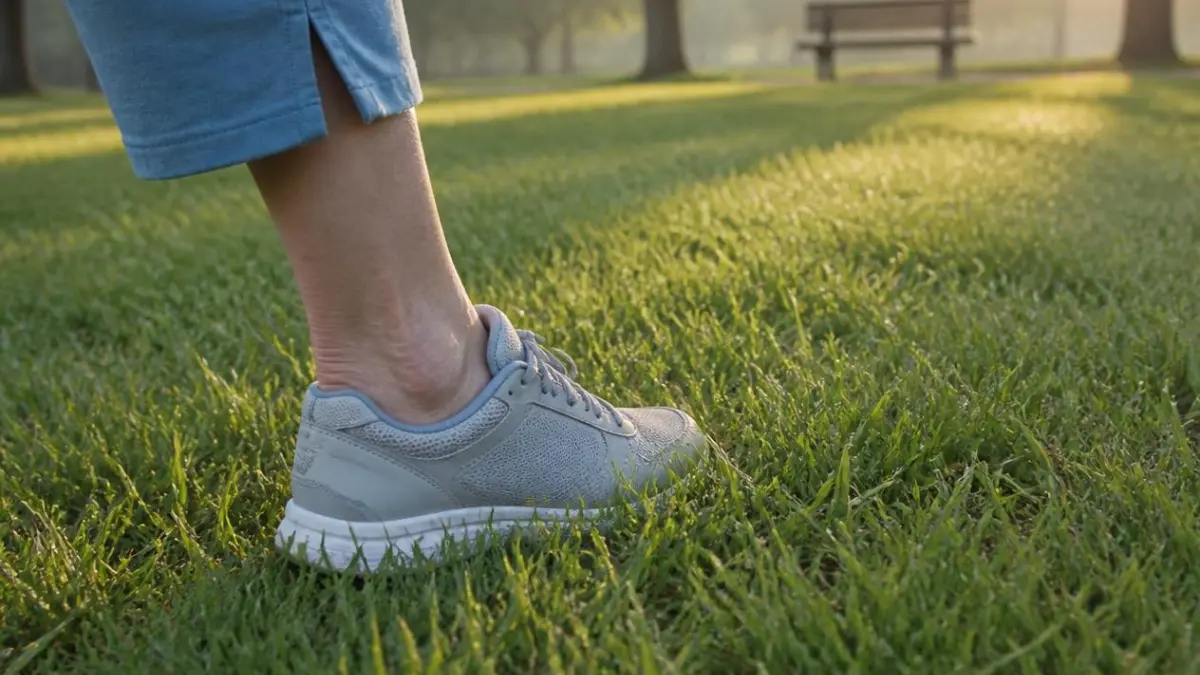
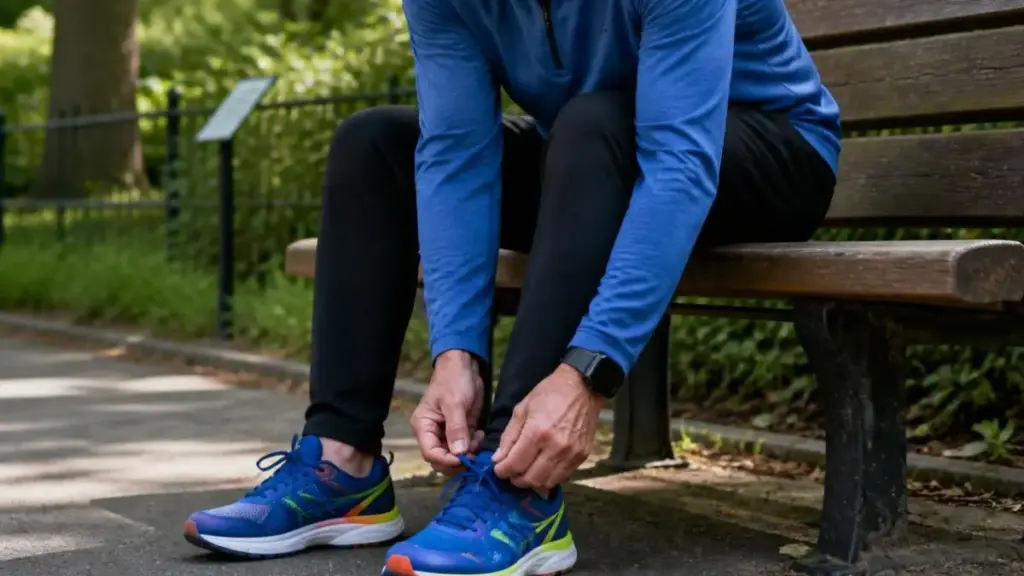
Setting up a safe workout area is essential to prevent accidental stumbles or slips during balance drills. Always use a heavy, stable wooden or metal chair without wheels, and place it on a non-slip rubber mat or carpeted surface. Wearing comfortable, supportive shoes with soft rubber outsoles provides the foot traction needed to execute balance movements safely within older adults fitness.
Reaching your long-term health goals is a journey built on daily, intentional choices; true physical resilience comes from prioritizing simple, whole-food nutrition, maintaining strict hygiene habits, and supporting your body’s natural healing capacity with a personalized plan to master older adults fitness.
Ri
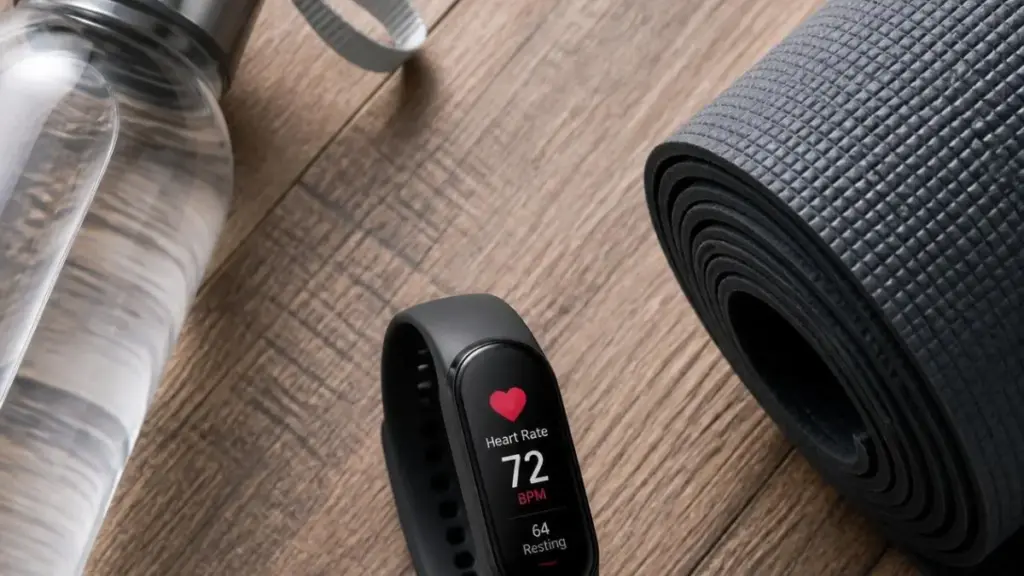
Remove loose rugs, clutter, or electrical cords from your exercise space to ensure clear foot placement at all times. Keep a glass of water nearby to stay hydrated throughout your routine, supporting joint fluid production. Preparing a safe, organized environment allows you to focus entirely on your older adults fitness goals.
Encouraging Indicators of Improving Joint Health
Monitoring positive physical changes helps confirm that your mobility routine is actively soothing your joint tissues and strengthening supporting muscles. Recognizing these encouraging warning signs keeps you motivated as you pursue older adults fitness.
- Reduced Morning Stiffness Duration: Experiencing a noticeable drop in the time it takes for stiff joints to loosen up after waking confirms improved synovial fluid flow.
- Smoother Natural Range of Motion: Reaching overhead, turning your head, or bending your knees without catching or grinding indicates healthier joint cartilage.
- Decreased Frequency of Deep Aches: Observing a steady reduction in persistent, dull joint aches reflects lowered systemic tissue inflammation.
- Lighter, More Confident Gait: Walking with fluid steps and stepping off curbs without hesitating signals improved leg strength and joint stability.
Tracking these subtle physical improvements provides tangible proof that your consistency is paying off. As joint lubrication improves and supporting muscles grow stronger, daily activities like climbing stairs, carrying groceries, or gardening become comfortable and enjoyable. Celebrating these small victories reinforces your commitment to an active lifestyle, paving the way for long-term mobility and independence through older adults fitness.
Frequently Asked Questions About Older Adults Fitness
Should older adults with acute rheumatoid arthritis flare-ups perform these exercises?
During an acute rheumatoid arthritis flare-up characterized by hot, visibly swollen, or severely painful joints, you should temporarily pause active resistance exercises and rest the affected limbs. Pushing through acute autoimmune joint inflammation can worsen tissue damage and prolong the flare-up. Once acute heat and swelling subside, reintroduce gentle, non-weighted range-of-motion drills to prevent joint stiffness and resume your older adults fitness path.
- Rest acutely inflamed joints and apply cold ice packs for fifteen minutes to calm swelling.
- Perform gentle, non-weighted finger and ankle wiggles to maintain basic joint fluid circulation without load.
- Resume full mobility routines gradually once skin temperature and joint swelling return to baseline.
- Consulting your rheumatologist ensures you adapt your exercise routine safely to protect your older adults fitness progress.
Is warm or cold therapy better before and after a joint pain workout?
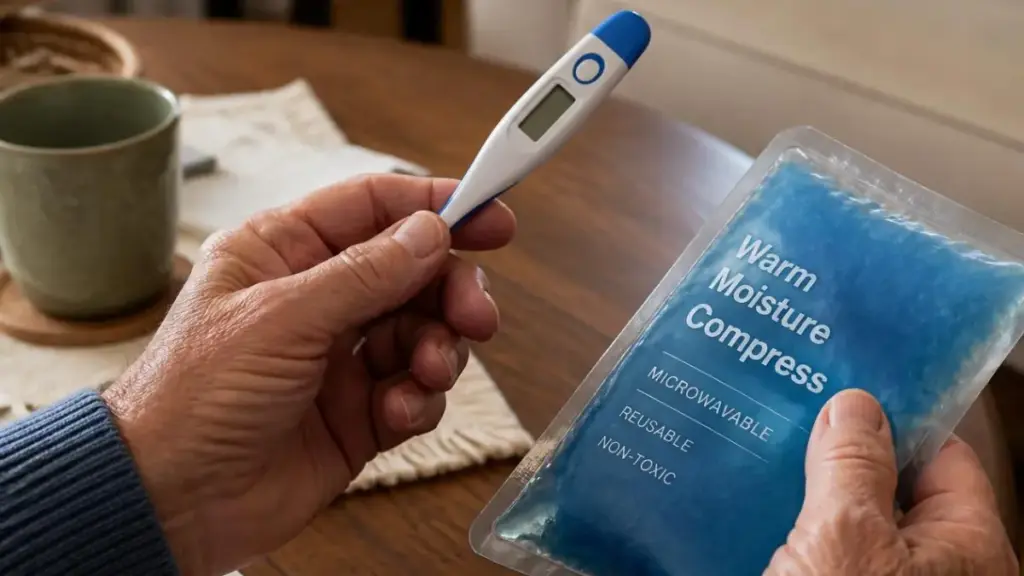
Applying moist heat before your workout warms up cold, stiff joints by expanding blood vessels and increasing muscle pliability, making movement much smoother. After completing your exercise routine, applying a cold ice pack for ten to fifteen minutes helps constrict local blood vessels and prevent post-workout tissue inflammation. Utilizing heat before movement and cold afterward provides optimal joint comfort within older adults fitness.
- Apply a warm towel or heating pad to stiff knees or shoulders for ten minutes before starting your routine.
- Complete your gentle mobility exercises while muscles and tendons are warm and pliable.
- Use a cold gel pack wrapped in a thin cloth on tender joints after exercising to minimize swelling.
- Combining thermal therapies with gentle movement maximizes joint comfort and advances older adults fitness.
Read More: Hurt After Your First Workout? 4 Life-Saving Beginner Fitness Recovery Hacks
What time of day is best for seniors to perform joint relief exercises?
Mid-morning is generally the most effective time for seniors to perform joint relief exercises, as body temperature has naturally risen and initial morning stiffness has begun to lessen. Exercising mid-morning allows you to move with greater comfort compared to early morning hours when joints are coldest. Choosing a consistent time when your energy is high helps establish a lasting habit for older adults fitness.
- Take a warm morning shower to help loosen tight muscles before engaging in structured movement.
- Schedule your ten-minute exercise session between breakfast and lunch when energy levels are stable.
- Avoid performing intense exercises right before bedtime to ensure your body relaxes for deep sleep.
- Finding a comfortable daily rhythm ensures long-term consistency and success in older adults fitness.
Reclaiming Freedom and Vitality Through Gentle Movement
Shedding chronic joint pain and regaining your physical independence does not require strenuous gym workouts or painful physical strain. Real, lasting joint relief begins with the simple, daily commitment to move your body through gentle, supportive mobility exercises. By nourishing your joint cartilage, strengthening key supporting muscles, and restoring your natural flexibility, you take full control of your physical well-being.
Every smooth rotation, seated extension, and gentle hip tilt presents a direct opportunity to lubricate your joints and clear away persistent aches. Committing to a low-impact exercise routine builds a resilient body that allows you to enjoy gardening, playing with grandchildren, and walking comfortably. Embrace the healing power of gentle movement today, move with ease, and enjoy the vibrant, pain-free life that comes with mastering older adults fitness.
PLEASE LEAVE A COMMENT TO SHARE YOUR FAVORITE RECOVERY HABITS OR FOLLOW OUR BLOG FOR THE LATEST HEALTH ADVICE.