

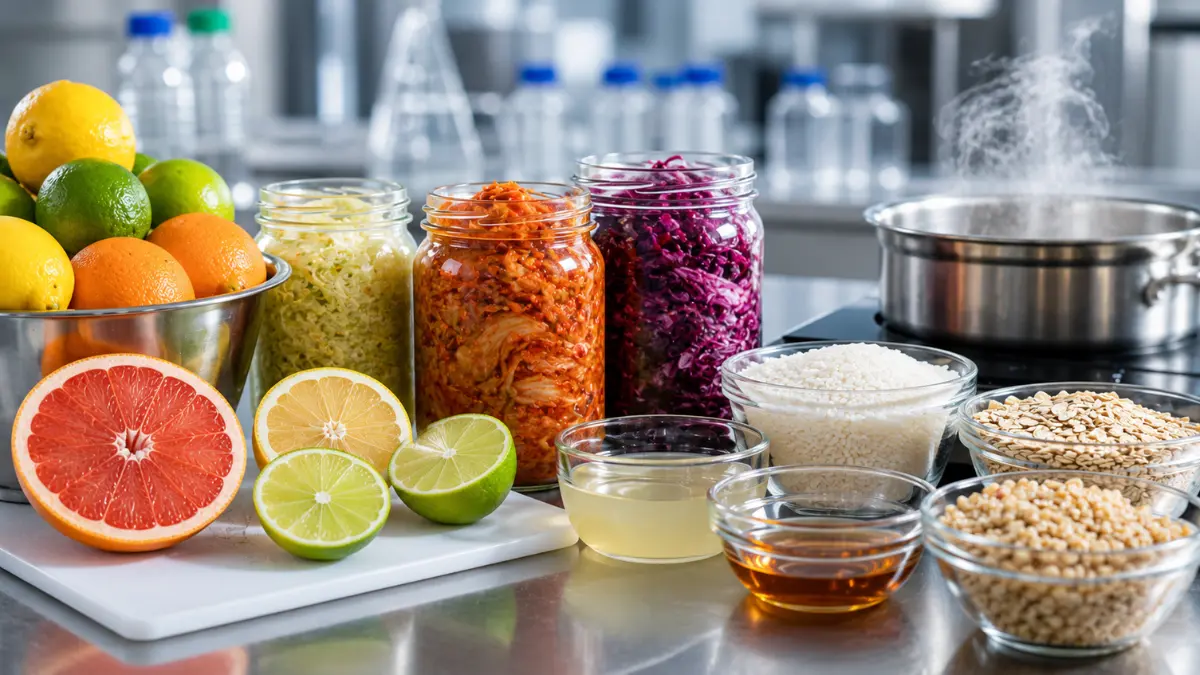

Protecting your household requires understanding the biological barriers that make certain foods naturally hostile to pathogen survival, such as high acidity (low pH), low moisture levels, and high-heat processing.
- Uncovering Biological Barriers to Protect Yourself from Food Poisoning caused by Listeria and E. coli
- Safe Food Categories to Effectively Prevent Food Poisoning
- Medical-Grade 4-Step Food Selection and Preparation Protocol
- Critical Safety Considerations and Advanced Guidelines for Vulnerable Groups
- Frequently Asked Questions About Food Poisoning
- Mastering Food Safety Against Bacterial Outbreaks
To prevent severe Food Poisoning during active bacterial outbreaks, the most effective strategy is consuming foods with a pH below 4.4, items with a water activity level (a_w) under 0.85, or meals cooked thoroughly past 165°F (74°C). These specific chemical and thermal thresholds actively neutralize microbial metabolism, stopping bacterial proliferation before ingestion.
Uncovering Biological Barriers to Protect Yourself from Food Poisoning caused by Listeria and E. coli
Foodborne illness isn’t merely a matter of bad luck; it is a direct interaction between pathogenic micro-organisms and the environment provided by our food supply. When widespread contamination occurs, understanding how bacteria operate allows consumers to build an impenetrable defense in their kitchens. By altering environmental factors like acidity and moisture, we convert vulnerable food items into hostile zones for bacteria to prevent Food Poisoning.
Persistent Vitality of Listeria monocytogenes and E. coli in Foods
Bacteria like Listeria monocytogenes and Escherichia coli present unique challenges to public health due to their distinct biological survival mechanisms. While many common bacteria perish under basic cold storage or mild salinity, these two species have evolved sophisticated adaptations. Understanding their physiological resilience is essential for evaluating home food safety protocols against Food Poisoning.
Why Listeria Thrives at Refrigerator Temperatures (4°C) and Resists Saline Environments
Listeria modifies its cell membrane lipid composition to maintain fluidity and metabolic transport in cold conditions. Furthermore, it exhibits extreme osmotolerance, surviving salt concentrations as high as 10% to 20%. This physiological toughness allows it to multiply steadily inside refrigerated cured meats, soft cheeses, and unpasteurized dairy, transforming long cold-storage periods into major Food Poisoning hazards.
Severe Enterotoxicity and Systemic Infection Risks from Shiga Toxin-Producing E. coli (STEC)
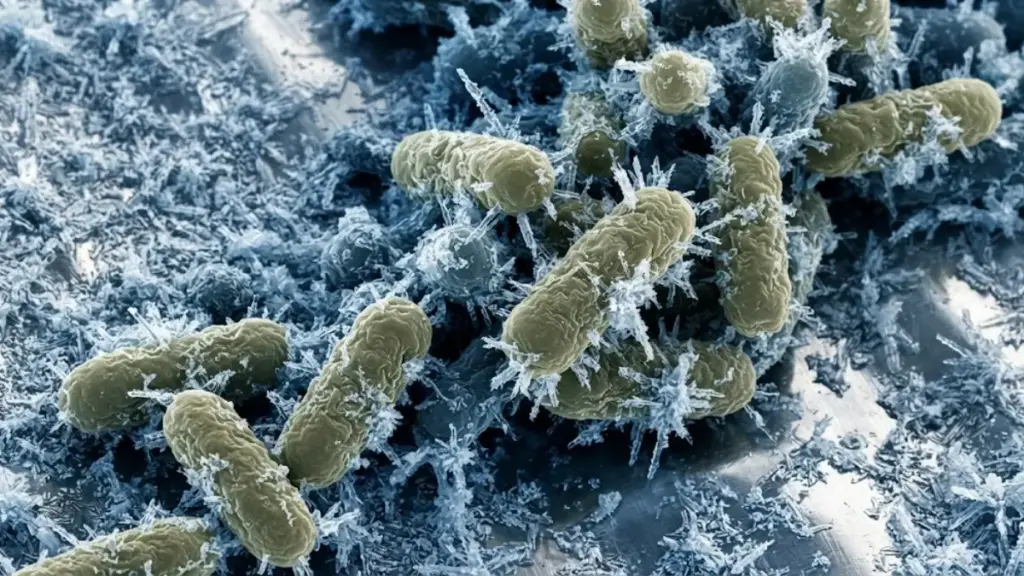
While many E. coli strains remain harmless inhabitants of the human gut, Shiga toxin-producing E. coli (STEC) strains—such as O157:H7—pose life-threatening health risks. STEC strains produce potent cytotoxins that disrupt protein synthesis within human endothelial cells. Upon ingestion, these bacteria attach to the intestinal lining, inducing severe hemorrhagic colitis characterized by excruciating abdominal cramps and bloody diarrhea. In vulnerable individuals, the toxin enters the bloodstream, damaging renal microvasculature and leading to Hemolytic Uremic Syndrome (HUS). This condition causes acute kidney failure, microangiopathic hemolytic anemia, and systemic organ distress, making STEC prevention a critical priority in avoiding severe Food Poisoning.
Read more: Active Aging: 6 Anti-Aging Superfoods You Are Probably Eating Wrong
The Principle of “Hurdle Technology” Neutralizing Microbial Reproduction
In modern food microbiology, absolute safety relies on “Hurdle Technology”—a scientific methodology that applies multiple preservation factors simultaneously to prevent bacterial survival and Food Poisoning. Instead of relying on a single preservation step, hurdle technology combines parameters such as acidity, reduced water content, and heat. When bacteria encounter multiple sub-lethal barriers concurrently, their homeostatic mechanisms break down, consuming all cellular energy attempting to repair internal balance, which ultimately causes cell death or complete growth inhibition.
Critical pH Growth Thresholds for Listeria (Below 4.4) and Metabolic Interruption via Acidic Media
Acidity is one of the most effective natural barriers against Food Poisoning pathogens. Bacterial enzymes responsible for energy production and cell division function within a narrow internal pH window. Listeria monocytogenes generally cannot proliferate at a pH below 4.4, while most E. coli strains are inhibited as pH drops below 4.0. When food items possess low pH values, hydrogen ions diffuse across the bacterial cell membrane, lowering internal cytosolic pH. To survive, the cell must expend finite ATP reserves pumping protons outward. Once ATP is exhausted, internal cellular structures denature, halting bacterial metabolism entirely and eliminating Food Poisoning risks.
The Role of Low Water Activity (a_w) in Preventing Bacterial Spore and Cell Multiplication
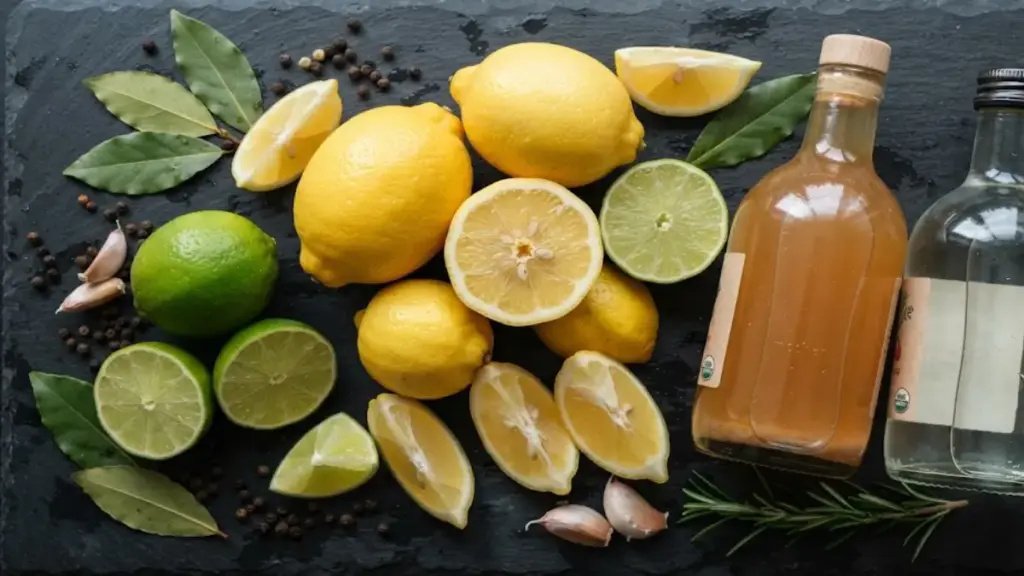
Water activity (a_w) measures the unbound, free water molecules available for biological reactions in food, distinct from total moisture content. Pure water holds an a_w of 1.00, whereas most disease-causing bacteria require an a_w above 0.91 to sustain metabolic transport. When food products exhibit an a_w below 0.85, osmotic pressure draws water out of bacterial cells through cellular plasmolysis. Devoid of available free water, microbial cells cannot transport nutrients across their membranes, rendering them metabolically inactive or causing irreversible structural collapse to protect against Food Poisoning.
Safe Food Categories to Effectively Prevent Food Poisoning
Selecting safe ingredients during widespread pathogen outbreaks requires identifying foods that naturally possess structural or chemical defenses. By focusing on low pH levels, reduced water activity, and verified thermal processing, consumers can assemble a daily diet that minimizes exposure to active microbial threats and Food Poisoning.
Low pH (High Acidity) and Standardized Fermented Foods
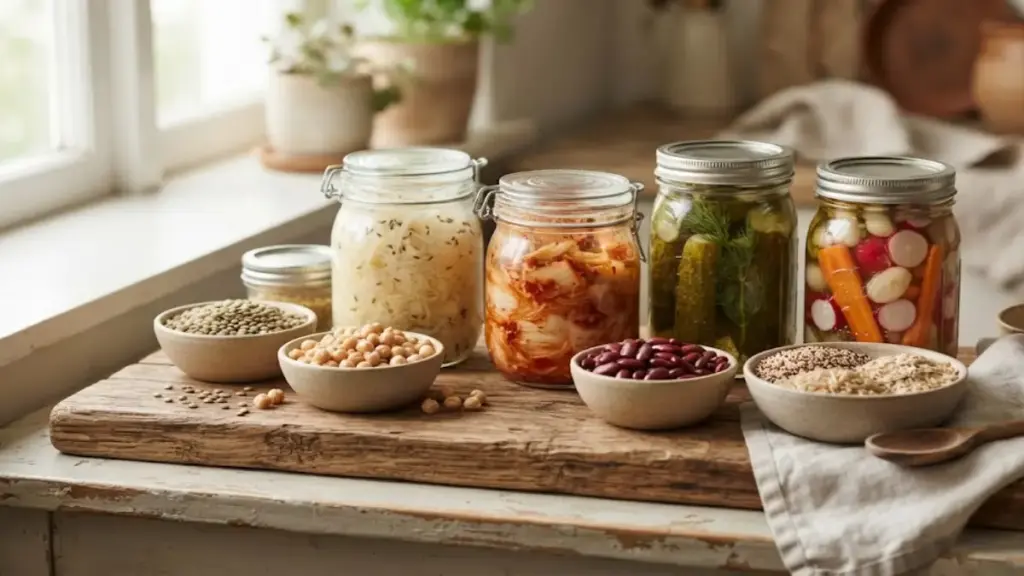
Acidic and fermented food groups represent some of the most reliable options during Food Poisoning safety emergencies. The natural chemical environment of these items prevents opportunistic pathogens from gaining a foothold, provided they are processed and stored correctly.
Citrus Fruits, Pickled Products, and Fermented Foods Maintaining Safe pH Levels
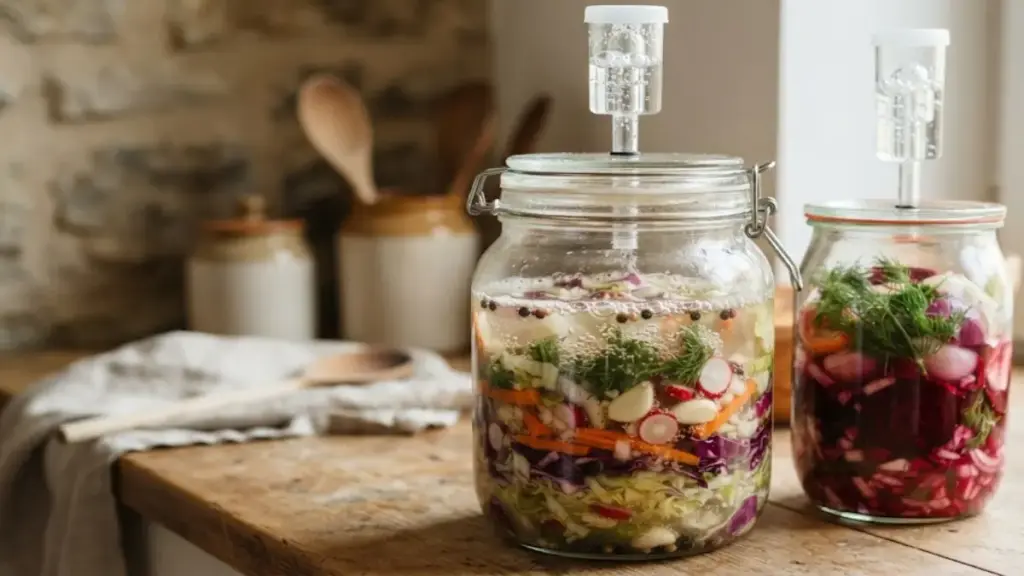
Naturally acidic fruits—including oranges, lemons, limes, and grapefruits—boast inherent citric acid concentrations that keep internal pH levels safely between 2.0 and 3.5. Similarly, commercially pickled vegetables submerged in acetic acid solutions (vinegar) maintain stable acidic environments below the critical 4.4 threshold. Genuine fermented foods, such as authentic sauerkraut, kimchi, and traditional yogurt, undergo controlled lactic acid fermentation. This process rapidly lowers pH while generating antimicrobial compounds like bacteriocins, creating an environment hostile to pathogenic invaders and lowering Food Poisoning risks.
Natural Lactic Acid Mechanisms Eradicating Opportunistic Strains at the Surface
During active fermentation, beneficial lactic acid bacteria (LAB) such as Lactobacillus species consume simple sugars present in raw ingredients, converting them into organic lactic acid. This localized acid production drastically lowers external pH within hours, penetrating bacterial cell walls. The undissociated lactic acid molecules cross bacterial membranes, disassociating inside the alkaline cytoplasm, causing intracellular acidification. This mechanism inhibits enzymatic functions in E. coli and Listeria, eliminating pathogen colonization on food surfaces and protecting against Food Poisoning.
Read more: 6 Scientifically Proven Fermented Foods For Gut Health and Faster Metabolism
Dry Goods, Low Moisture Items, and High-Temperature Processed Foods
Eliminating moisture or applying lethal thermal energy are primary methods for rendering food safe from Food Poisoning. Items in these categories prevent bacterial cellular activity, offering stable shelf lives during ongoing outbreaks.
Dry Nuts, Whole Grains, and Dehydrated Foods (a_w < 0.85$) Causing Bacterial Dehydration
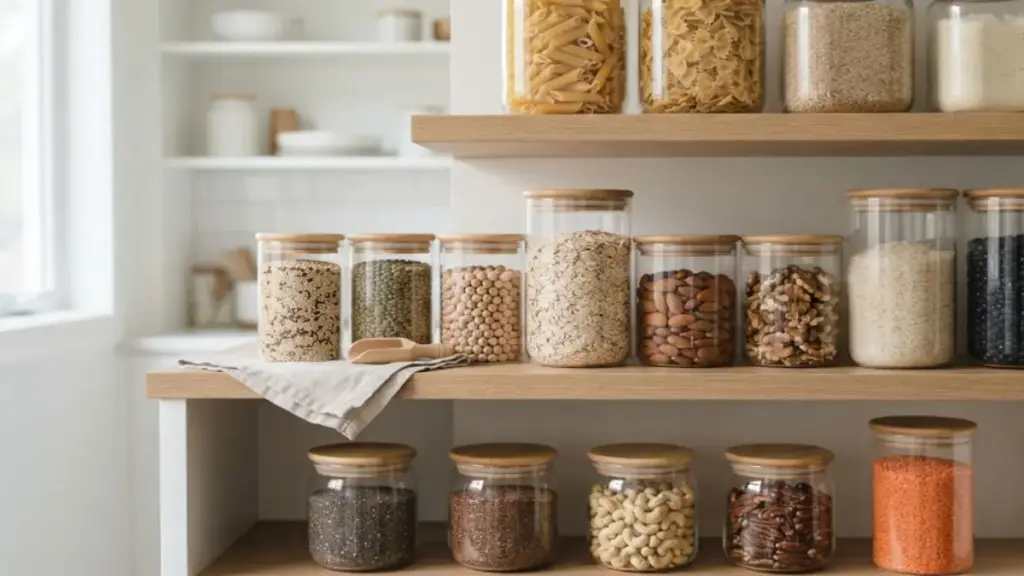
Dry goods—such as raw almonds, walnuts, rolled oats, brown rice, dry beans, and dehydrated fruit—boast water activity levels ranging between 0.20 and 0.60. Because these values fall well below the minimum a_w threshold of 0.91 required for E. coli and Listeria multiplication, any bacteria landing on these surfaces experience severe cellular dehydration. Without available moisture, vegetative cells cannot divide, ensuring these dry pantry staples remain free from microbial proliferation and Food Poisoning threats.
Fully Cooked Foods Safely Transcending the Temperature Danger Zone
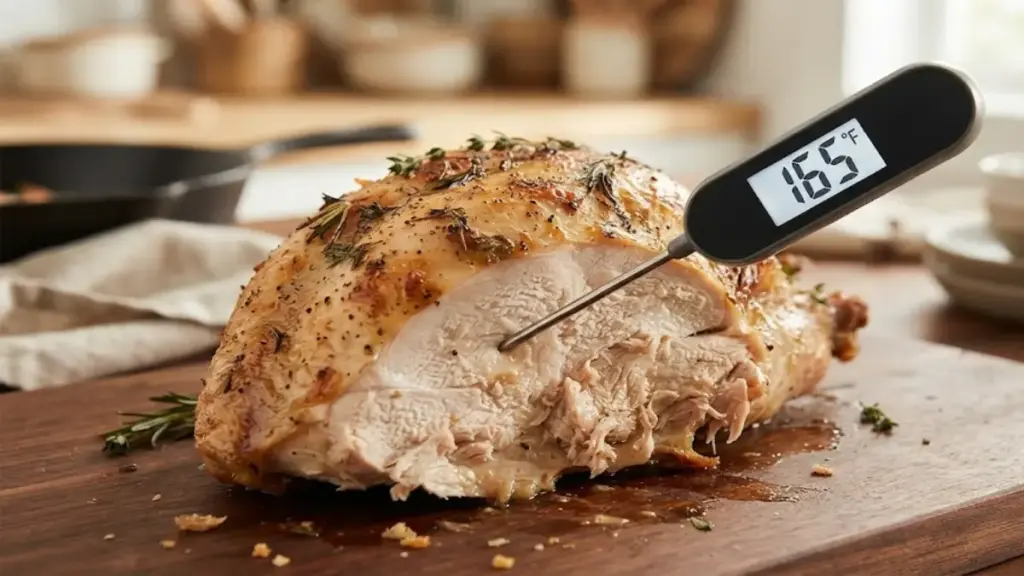
Thermal processing remains the definitive method for destroying bacterial pathogens in nutrient-rich foods like meat, poultry, and seafood. Cooking food until internal temperatures consistently exceed 165°F (74°C) delivers sufficient thermal kinetic energy to rupture outer bacterial cell membranes, denature essential transport proteins, and permanently destroy viral and bacterial DNA, eliminating any risk of Food Poisoning.
Medical-Grade 4-Step Food Selection and Preparation Protocol
Executing a structured, clinical approach to home food handling removes guesswork and eliminates Food Poisoning contamination risks. Following standardized food safety steps ensures dangerous pathogens never cross from raw agricultural commodities onto ready-to-eat meals.
More Read


Step 1 – Categorization and Control at the Grocery Level
Preventing Food Poisoning infection begins long before cooking; it starts during product selection at retail markets. Avoiding inherently high-risk items stops potential pathogens from entering your home environment.
Protecting your family during widespread bacterial outbreaks requires turning scientific knowledge into daily kitchen habits. By respecting thermal boundaries and applying natural preservation principles, you can eliminate hidden risks and prevent severe Food Poisoning.
Dr. Alexander Mercer
Avoiding High-Risk Groups: Unpasteurized Milk, Soft Cheeses, Deli Meats, and Raw Sprouts
During active outbreaks, high-risk food groups should be strictly avoided by health-conscious consumers to avoid Food Poisoning. Unpasteurized (raw) milk and cheeses made from unheated milk harbor live bacterial populations due to the lack of thermal processing. Soft cheeses such as feta, brie, camembert, and queso fresco provide high moisture and low acidity, creating ideal environments for Listeria. Deli meats and cold cuts carry contamination risks during post-processing slicing, while raw sprouts (alfalfa, clover, mung bean) are grown in warm, humid conditions that favor E. coli replication.
Inspecting Packaging, Pasteurized Certification Labels, and Expiration Dates
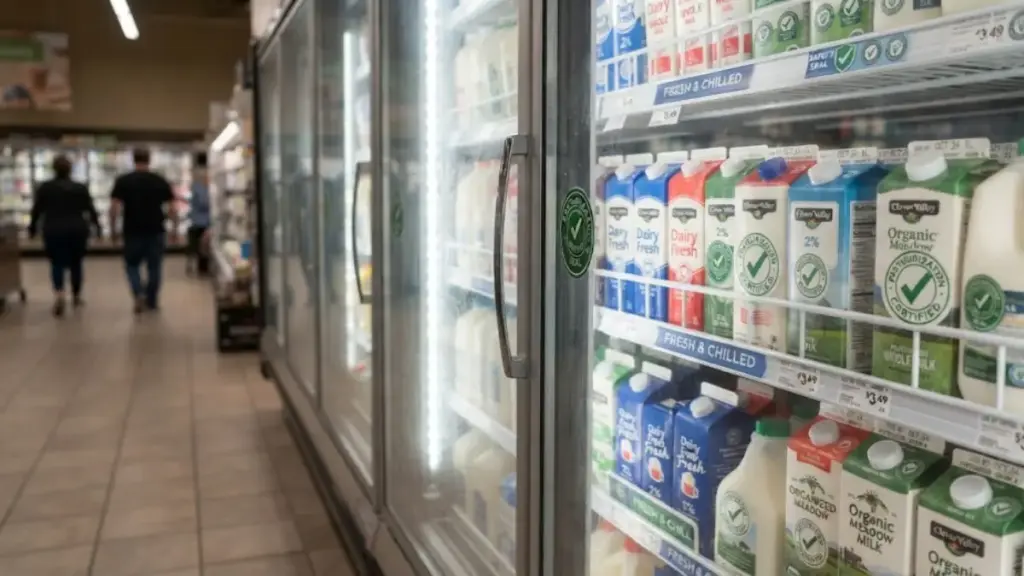
When purchasing packaged items, examine the physical integrity of all containers. Avoid cans with dents, bulges, or compromised seals, as these signal anaerobic microbial gas production or structural degradation. Always inspect dairy, juice, and egg packaging for explicit “Pasteurized” labeling. Furthermore, strictly observe “Use-By” and expiration dates, as cold-tolerant bacteria like Listeria can multiply to dangerous levels over extended storage times, raising Food Poisoning concerns.
Step 2 – Pre-treatment and Cross-Contamination Isolation
Once safe ingredients arrive home, preventing cross-contamination during storage and prep is critical to avoid Food Poisoning. Physical separation and proper washing techniques keep pathogens contained.
Strict Separation Protocols for Cutting Boards and Knives Between Raw and Ready-to-Eat Items
Cross-contamination occurs when pathogens transfer from raw animal products or unwashed produce onto ready-to-eat foods. To prevent this, establish color-coded cutting boards: dedicated red boards for raw meats and green boards for produce and cooked items. Utilize separate, sanitized stainless steel knives for each category. Never place cooked protein back onto an unwashed plate or surface that previously held raw meat, as invisible juices can transfer live E. coli strains directly to ready-to-eat food, leading to severe Food Poisoning.

High-Pressure Running Water Produce Washing Techniques Without Aerosolizing Bacteria
Washing fresh produce requires care to avoid aerosolizing Food Poisoning pathogens across kitchen surfaces. Place vegetables under high-pressure running potable water while gently scrubbing surfaces with a dedicated produce brush. Avoid soaking produce in standing water basins, which allows bacteria from one piece to contaminate the entire batch. Crucially, keep water spray moderate to prevent splashing droplets onto surrounding counters, dishware, or drying racks, which can spread microscopic pathogens throughout the kitchen.
Step 3 – Thermal Control Beyond the Danger Zone
Heat is the most effective tool for destroying vegetative bacteria and avoiding Food Poisoning. Precise internal temperature monitoring ensures all food items pass safely through critical thermal thresholds.
Utilizing Instant-Read Food Thermometers for Core Temperatures
Visual indicators like meat color or clear juices are unreliable metrics for pathogen destruction. Always utilize a calibrated, instant-read digital food thermometer inserted into the thickest portion of the food, away from bone or fat. Hitting these exact core temperatures ensures complete bacterial mortality throughout the item, eliminating Food Poisoning threats.
Thermal Exposure Timelines Destroying Listeria and E. coli Cell Membranes
Bacterial death is a function of both temperature and time. Exposing pathogens like Listeria and E. coli to elevated heat damages their cell membranes. Maintaining uniform heat distribution eliminates cold spots where bacteria might survive, protecting against Food Poisoning.
Step 4 – Rapid Cooling Protocols and Correct Storage
Proper storage after cooking prevents surviving spores from germinating and stops environmental bacteria from multiplying during cooling periods to keep food free from Food Poisoning.
The 2-Hour Rule: Rapid Refrigeration Below 40°F (4°C)
Cooked food left at room temperature rapidly enters the Temperature Danger Zone, allowing bacteria to double in population every 20 minutes. Apply the strict 2-Hour Rule: refrigerate or freeze all perishable items and leftovers within two hours of cooking stops bacterial enzymatic activity, locking in safety against Food Poisoning.
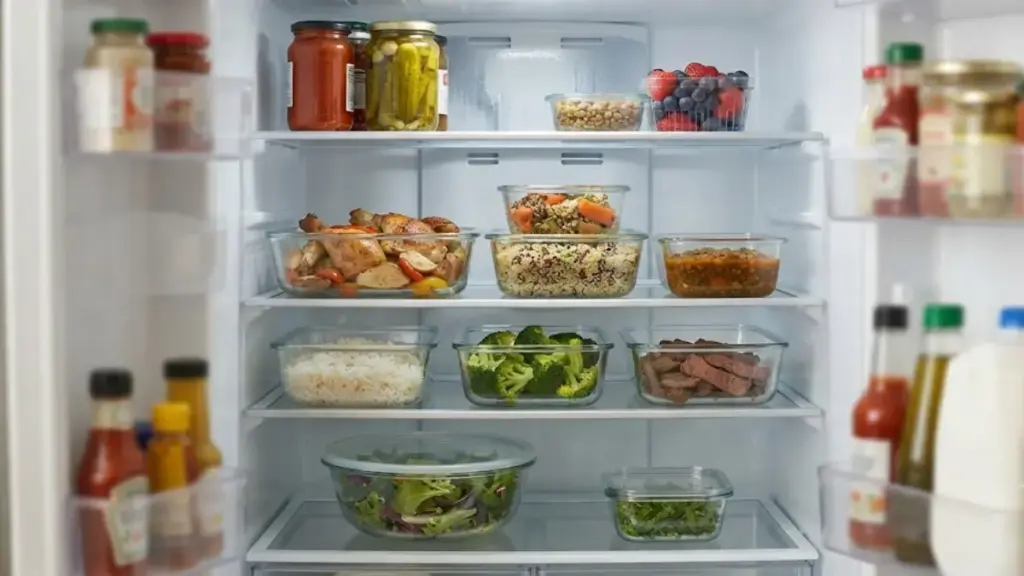
Portioning Foods in Shallow Containers to Optimize Heat Dissipation
Placing large, hot pots of soup, stew, or solid meats directly into a refrigerator can trap heat at the center for hours, warming the entire fridge cavity. To achieve rapid, uniform cooling and avoid Food Poisoning, divide large batches into shallow glass or plastic containers no more than two inches deep.
Critical Safety Considerations and Advanced Guidelines for Vulnerable Groups
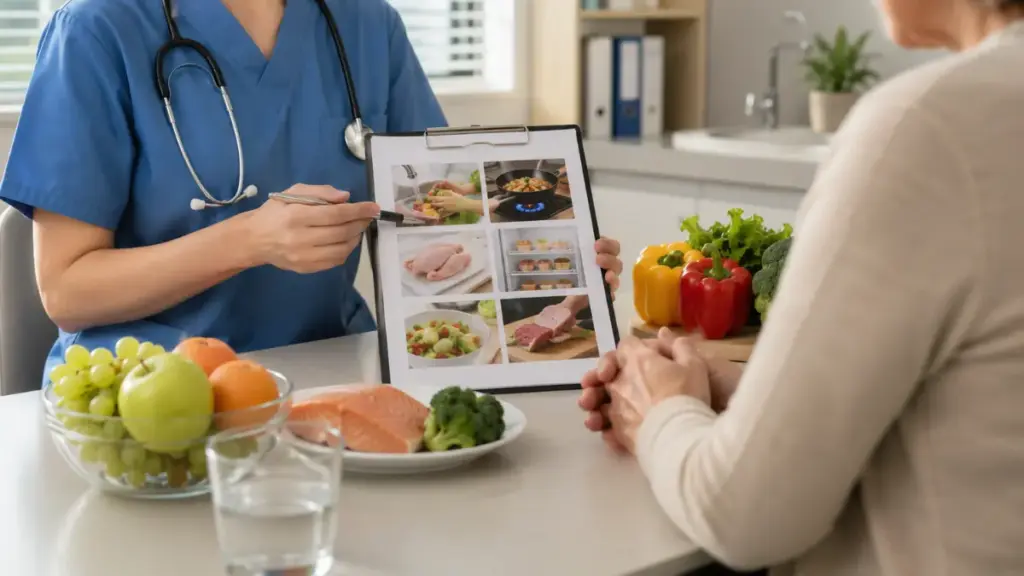
While robust individuals may experience mild gastroenteritis from foodborne pathogens, vulnerable populations face life-threatening systemic risks from Food Poisoning. Customizing home sanitation and dietary choices based on health status provides essential protection against severe complications.
Regular Kitchen Maintenance and Equipment Sanitation
Maintaining kitchen hygiene extends beyond washing cutting boards; it requires systematic sanitization of storage environments where cold-tolerant pathogens can accumulate over time and lead to Food Poisoning.
Sanitizing Refrigerator Interiors to Prevent Listeria Accumulation
Because Listeria monocytogenes can grow inside cold environments, refrigerator interiors require periodic sanitization. Clean internal shelves, crisper drawers, and door seals every two weeks using a solution of one tablespoon of unscented liquid chlorine bleach per gallon of warm water, or a specialized food-safe antibacterial cleaner. Wipe up spills immediately, especially raw meat juices, to prevent persistent bacterial colonies from establishing reservoirs on internal surfaces and causing Food Poisoning.
Maximum Storage Times for Cooked Leftovers in Refrigeration
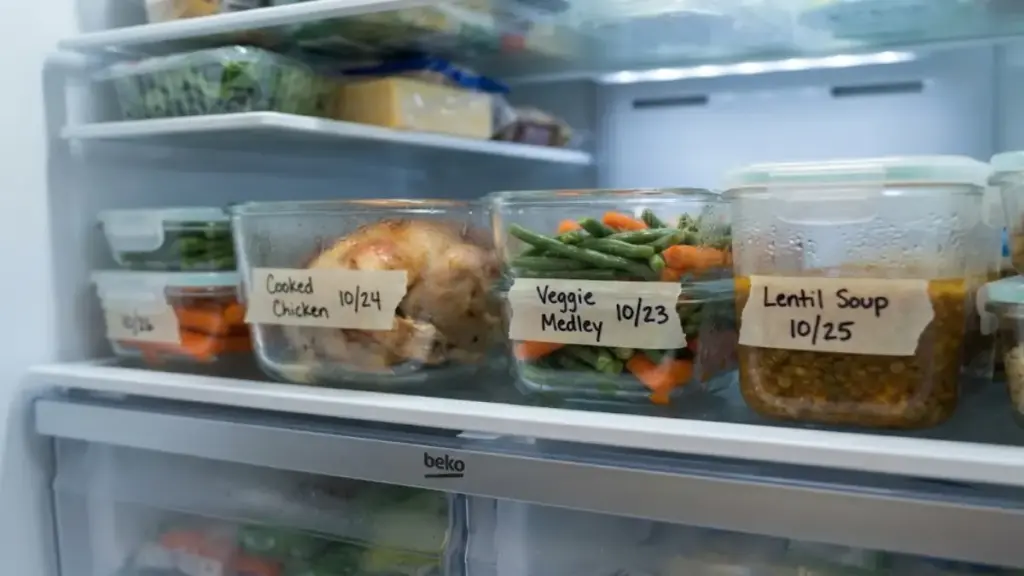
Refrigeration slows bacterial growth but does not stop it indefinitely. Cooked leftovers stored should be consumed within 3 to 4 days to prevent Food Poisoning. Beyond this window, psychrotrophic organisms can multiply to infectious levels without altering the food’s smell, texture, or appearance. Label container lids with preparation dates, and discard any refrigerated cooked items that exceed this strict 4-day threshold.
Targeted Guidance for Immunocompromised Populations
Pregnant women, adults aged 65 and older, young children, and individuals with compromised immune systems due to chemotherapy, organ transplants, or chronic conditions require rigorous Food Poisoning safety measures.
Strict “Boil and Cook Thoroughly” Regimens for High-Risk Individuals
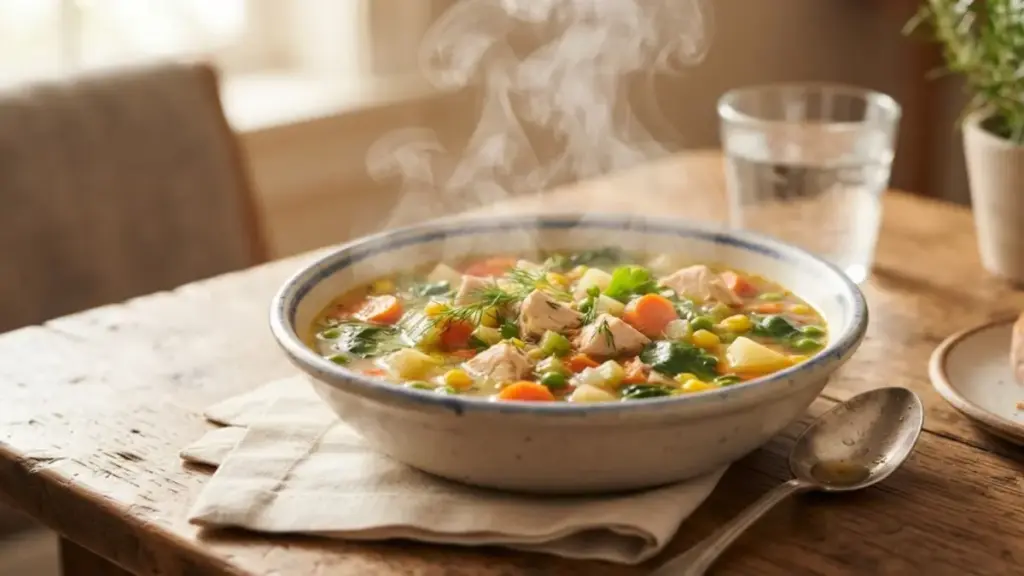
High-risk individuals must strictly observe a fully cooked diet, eliminating all raw or undercooked animal products to avoid Food Poisoning. Avoid soft cheeses, unpasteurized juices, cold deli meats, and raw smoked seafood unless heated to steaming hot immediately before serving. Additionally, high-risk groups should avoid raw sprout varieties entirely, as internal seed structures can harbor E. coli cells that cannot be removed through surface washing.
Emergency Action Protocols for Symptoms of Gastroenteritis
If a vulnerable individual exhibits early signs of Food Poisoning infection—such as sustained high fever, persistent vomiting, bloody stools, or signs of severe dehydration—immediate medical intervention is necessary. Early clinical testing via stool cultures or polymerase chain reaction (PCR) assays can quickly identify specific E. coli or Listeria strains, enabling timely antimicrobial therapy or supportive intravenous fluid replacement to prevent systemic complications like septicemia, meningitis, or renal failure.
Frequently Asked Questions About Food Poisoning
Can refrigeration kill bacteria like Listeria and E. coli?
Refrigeration does not kill bacteria; it merely slows or halts their metabolic reproduction. While E. coli growth stops below 40°F (4°C), Listeria monocytogenes can actively adapt and slowly multiply at standard refrigerator temperatures, remaining a Food Poisoning hazard.
Are organic fruits and vegetables safe from E. coli outbreaks?
Organic certification regulates agricultural inputs like synthetic pesticides and fertilizers, but it does not make produce immune to bacterial contamination. Organic produce can harbor E. coli from natural soil amendments or irrigation water runoff. All produce—organic or conventional—must be thoroughly washed under high-pressure running water before consumption to lower Food Poisoning risks.
Does washing raw chicken in the sink remove surface Listeria or E. coli?
Washing raw poultry or meat in the sink is strongly discouraged by food safety experts. Running water over raw meat fails to remove embedded bacteria; instead, it splashes contaminated water droplets across sinks, faucets, countertops, and nearby dishware, increasing Food Poisoning risks. The only effective method to eliminate bacteria on raw meat is cooking it to a core temperature of 165°F (74°C).
Mastering Food Safety Against Bacterial Outbreaks
Navigating active bacterial outbreaks requires a proactive strategy built on scientific food preservation principles. By prioritizing low-pH fermented foods, low-moisture dry goods, and items subjected to rigorous thermal processing, you can establish reliable barriers against microbial threats. Pair smart ingredient choices with precise kitchen protocols—such as strict separation of preparation tools, calibrated thermometer checks, and rapid shallow-container cooling—to safeguard your household against severe Food Poisoning.
PLEASE LEAVE A COMMENT TO SHARE YOUR FAVORITE THOUGHTS OR FOLLOW OUR BLOG FOR THE LATEST UPDATES.