

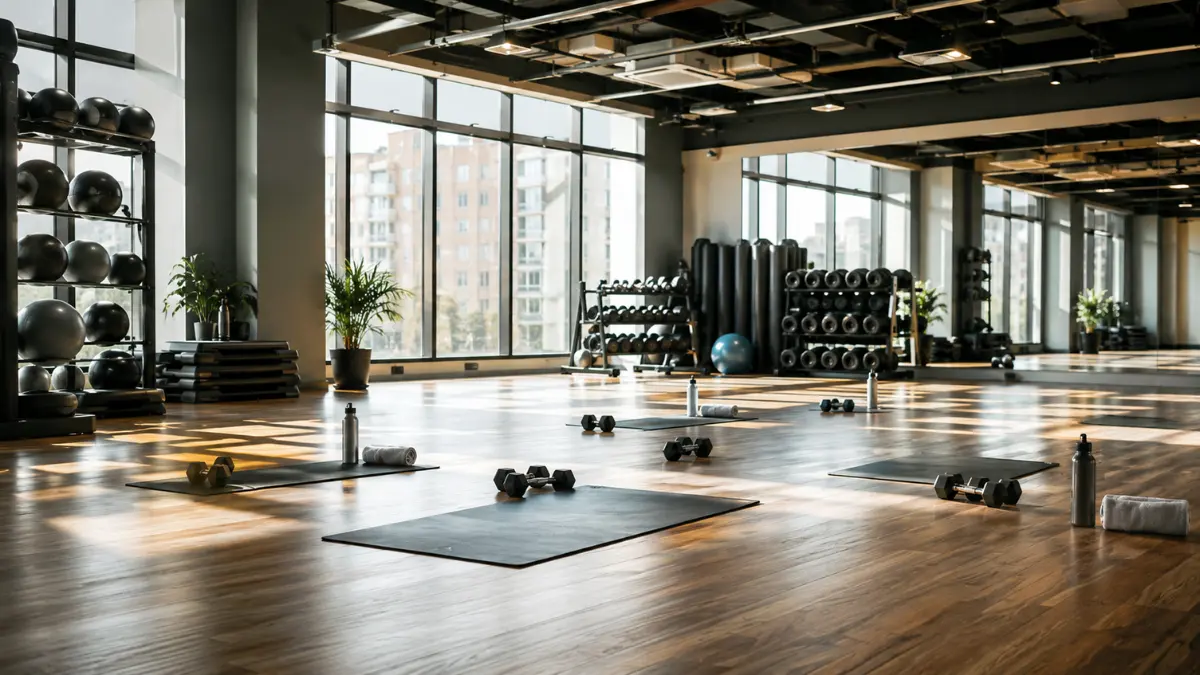

Arriving at a crowded park or cramped studio only to realize there is no space, inadequate ventilation, or zero proper equipment can instantly derail your entire team’s momentum. Assuming that any open space will suffice and failing to carefully evaluate locations for group workouts means you risk dangerous exercise hazards, wasted effort, and frustrated training partners.
- Environmental Impact: How Venue Choice Dictates Team Performance
- Five Essential Venue Audits for Uncompromising Group Safety
- Environmental Hazards That Cause Sudden Exercise Injuries
- Telltale Indicators of an Unsafe Workout Venue
- Frequently Asked Questions About Venue Selection
- Building an Electrifying, Safe Community Space
Creating an electrifying, high-energy environment while guaranteeing participant safety requires a strategic approach to venue selection. By examining the vital environmental factors behind successful team training and exploring 5 essential tips for selecting group workouts venues—including checking flooring shock absorption, verifying acoustic controls, auditing equipment accessibility, assessing spatial density, and securing emergency clearance—you can optimize every session and build an unbeatable fitness community.
Stepping into a properly vetted training space protects your joint cartilage from repetitive impact shocks. Sourcing your venue from certified facilities ensures consistent airflow and adequate spatial margins, keeping your team’s energy steady, safe, and focused. Prioritizing structured environmental audits over random outdoor spots is a proven, highly effective way to master group workouts without risking physical injuries or logistical friction.
Environmental Impact: How Venue Choice Dictates Team Performance
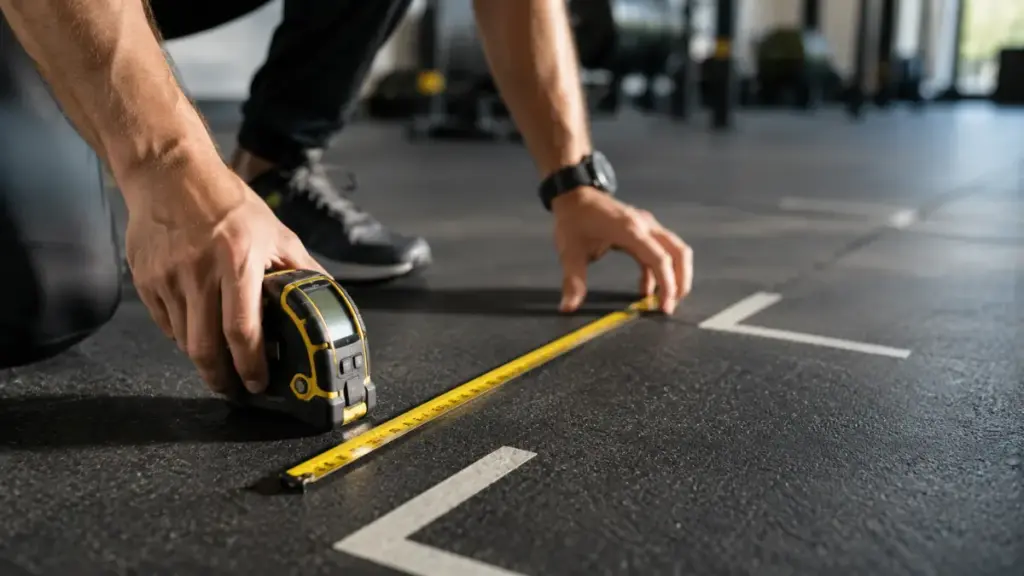
The physical environment where your team gathers directly shapes the quality of movement, psychological focus, and overall safety of your training sessions. Exercising on inadequate surfaces or inside poorly ventilated rooms creates invisible physical barriers that drain energy and increase joint strain. A well-chosen training space acts as an active catalyst, allowing participants to move freely and express full physical power during group workouts.
| Feature | Poor Venue Choice | Optimal Venue Choice |
| Flooring | Hard / Slippery Floors | Sprung Wood / Rubber Matting |
| Ventilation | Stagnant, Low-Oxygen Air | Continuous Fresh Air Flow |
| Space | Cramped Spatial Density | 2–3 Meter Member Radius |
| Impact / Outcome | ❌ Increased Injury Risk & Early Fatigue | ✅ Peak Physical Output & Shared Team Energy |
Environmental psychology demonstrates that spatial freedom directly influences social interaction and personal movement confidence. When participants worry about colliding with nearby lifters or slipping on polished tiles, their central nervous systems restrict range of motion to prevent falls. Securing an open, professionally cushioned facility removes these mental distractions, fostering the trust needed for vibrant, high-intensity group workouts.

Indoor Facilities vs. Outdoor Grounds: Balancing Climate and Freedom
Choosing between an indoor commercial facility and an outdoor public space requires balancing environmental control against spatial freedom. Indoor venues offer predictable climate management, specialized flooring, and integrated audio systems, making them ideal for structured, high-tempo sessions. However, enclosed spaces require mechanical ventilation systems to process high humidity and CO2 output during group workouts.
Read More: Mile Walk Test: 1 Woman’s Agonizing Injury Pitfall You Must Avoid
Outdoor parks provide abundant fresh air, natural sunlight, and unlimited spatial margins, creating an invigorating community atmosphere. Yet outdoor terrain introduces unpredictable variables such as uneven grass, hidden gopher holes, direct solar heat, and changing weather conditions. Evaluating these environmental tradeoffs ensures your chosen location aligns with your training style, weather forecasts, and safety goals for group workouts.
Five Essential Venue Audits for Uncompromising Group Safety
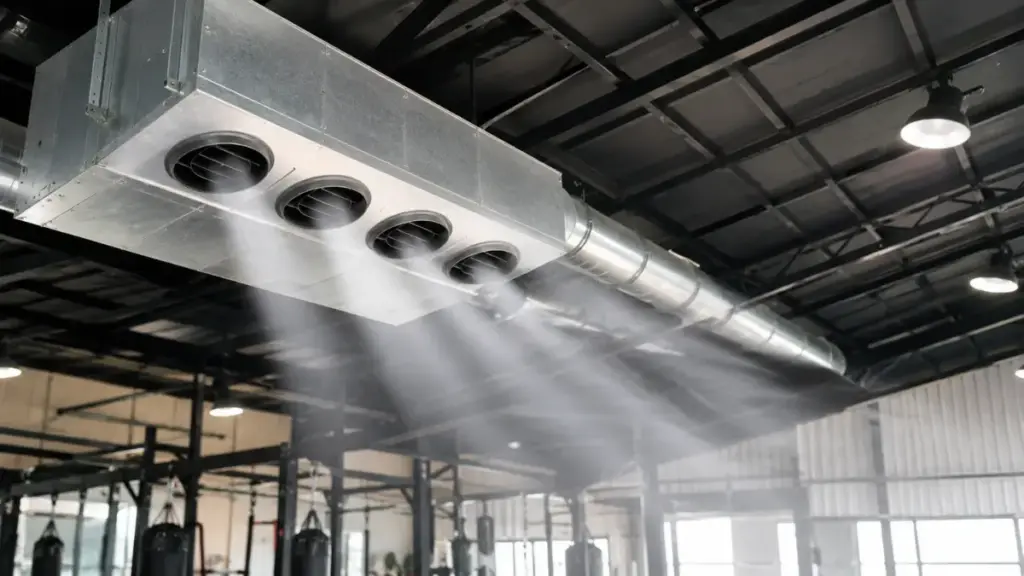
Before inviting participants to a new location, conducting a systematic venue audit is critical to prevent sudden accidents. Incorporating these five essential safety checks into your location selection process guarantees a professional, hazard-free foundation for group workouts.
Reaching your long-term health goals is a journey built on daily, intentional choices; true physical resilience comes from prioritizing simple, whole-food nutrition, maintaining strict hygiene habits, and supporting your body’s natural healing capacity with a personalized plan to master group workouts.
Ri

Flooring Shock Absorption and Surface Traction
The physical composition of your workout floor dictates how much mechanical impact force travels into your knees, ankles, and lumbar spine during plyometric movements. Training on unyielding concrete, stone tiles, or worn synthetic carpet forces your joint cartilage to absorb heavy landing shocks, leading to joint inflammation over time. Professional sprung hardwood floors, dense rubber matting, or flat natural turf absorb impact energy, protecting your joints during group workouts.
| Surface Type | Impact Absorption | Slip Resistance | Ideal Exercise Type | Joint Safety Rating |
| Sprung Hardwood | Excellent (High Yield) | High (Treated Finish) | Dance, Agility, Bodyweight | Outstanding |
| Interlocking Rubber | Superior (High Density) | Maximum (Textured) | Heavy Weights, HIIT, Circuits | Outstanding |
| Natural Flat Grass | Moderate (Soil Yield) | Variable (Weather-Bound) | Running, Bodyweight, Bootcamps | Good (Dry Conditions) |
| Polished Concrete | Zero (Rigid Shock) | Low (Dust-Sensitive) | Avoid Dynamic Jumps | Dangerous |
Along with shock absorption, surface traction plays a pivotal role in preventing acute slips and groin strains during lateral cuts or quick sprints. Polished concrete and smooth tiles collect dust and sweat rapidly, creating slick surfaces that invite sudden falls. Selecting high-friction, shock-absorbing materials ensures participants maintain solid foot grip throughout dynamic group workouts.
Spatial Density Margins and Ceiling Clearance
Cramming too many athletes into an undersized room forces lifters into uncomfortable proximity, increasing the risk of accidental collisions with swinging kettlebells or jumping ropes. Establishing a strict spatial density margin—allocating a minimum two-to-three-meter radius around every participant—guarantees uninhibited movement and visual awareness. Proper spacing allows every lifter to execute full-range movements safely in group workouts.
| Direction | Required Clearance | Functional Purpose |
| Front | 2–3 meters | Allows ample room for forward movement, lunges, and acceleration |
| Back | 2–3 meters | Ensures safe backward motion and rotational clearance |
| Left | 2–3 meters | Prevents collision during lateral movements and arm extensions |
| Right | 2–3 meters | Maintains a safe distance from adjacent participants |
| Overall Clearance | 2–3m buffer around member | Prevents collisions, optimizes airflow, and maximizes workout safety |
Vertical clearance is equally vital when planning movements like barbell overhead presses, box jumps, or jump rope intervals. Low-hanging light fixtures, ceiling fans, or exposed pipes create hazardous overhead obstacles that restrict exercise options and cause accidental hand strikes. Verifying generous ceiling height ensures your team trains with full physical confidence during group workouts.
Air Circulation Velocity and Indoor Air Quality
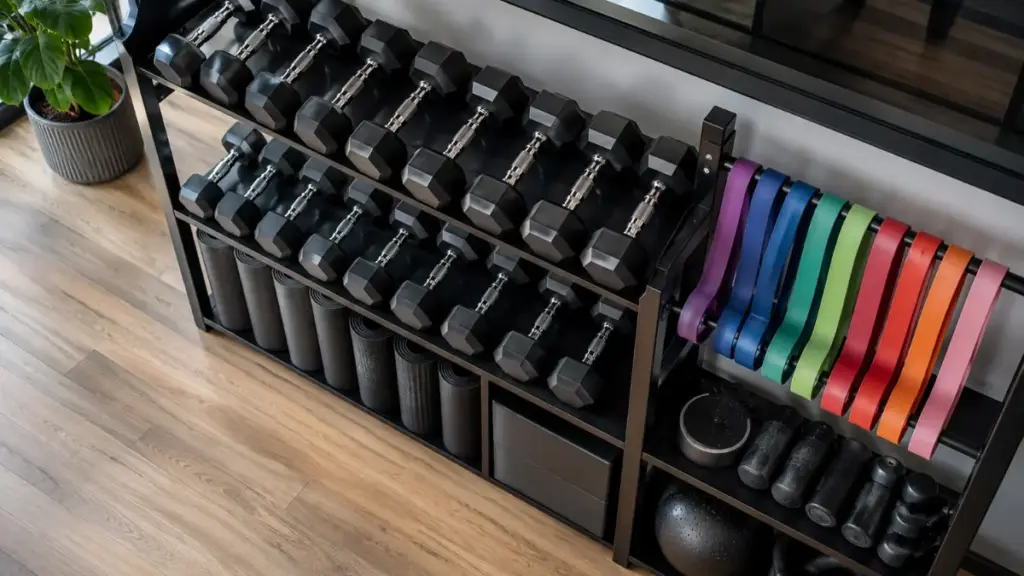
When a large group exerts physical effort simultaneously, oxygen consumption surges while heat, moisture, and carbon dioxide accumulate rapidly. In an enclosed room lacking proper air exchanges, stagnant air leads to oxygen deprivation, causing sudden dizziness, mental brain fog, and premature physical fatigue. Installing high-volume commercial air exchangers or opening large cross-ventilation doors keeps oxygen levels rich during group workouts.
Poor airflow also traps ambient humidity generated by sweat, creating a damp environment where airborne pathogens and mold spores thrive. Inspecting HVAC filtration units and smelling the air quality before booking a studio prevents respiratory irritation among participants. Ensuring continuous fresh air velocity keeps respiratory systems clear and energy levels soaring through group workouts.

Sound Permissibility, Acoustics, and Legal Compliance
Rhythmic music and clear vocal instruction are essential elements for maintaining energy and pacing during team training. However, hosting loud sessions in public parks or near residential quarters without checking local noise ordinances can result in sudden police interventions or fines. Verifying local commercial sound permits and respecting public park quiet hours prevents embarrassing disruptions to your group workouts.
Indoor studio acoustics must also be tested to ensure speech clarity remains crisp over background music. Rooms constructed with bare concrete walls and metal ceilings create echoing acoustic environments where coach instructions blur into unintelligible noise. Selecting spaces equipped with acoustic dampening panels allows coaches to deliver crisp safety cues without straining their voices in group workouts.
Auxiliary Amenities and Emergency Vehicle Clearance
A complete venue evaluation extends beyond the immediate exercise floor to include essential auxiliary infrastructure. Providing clean drinking water stations, accessible restroom facilities, and secure gear storage areas allows participants to focus entirely on their training. Having basic comfort amenities readily available elevates the overall participant experience during group workouts.
| Auxiliary Facility | Standard Requirement | Operational Purpose | |
| 1 | Hydration | Fresh drinking water refill stations | Prevents dehydration and supports continuous physical exertion |
| 2 | Sanitation | Clean restrooms & handwashing sinks | Maintains hygiene and prevents the spread of bacteria |
| 3 | Storage | Secure personal item storage | Keeps belongings safe so members can train without distraction |
| 4 | Emergency Access | Unobstructed medical vehicle access | Ensures rapid response and evacuation during severe injuries |
| 5 | First-Aid | On-site fully stocked first-aid kit | Provides immediate care for minor cuts, sprains, or sudden injuries |
Most importantly, you must confirm that emergency medical vehicles can access the exercise area without encountering locked gates or narrow pedestrian barriers. Keeping a clear, unobstructed path for emergency personnel and locating the nearest medical facility ahead of time is a non-negotiable safety duty. Securing rapid emergency access protects participant well-being in the event of acute medical issues during group workouts.
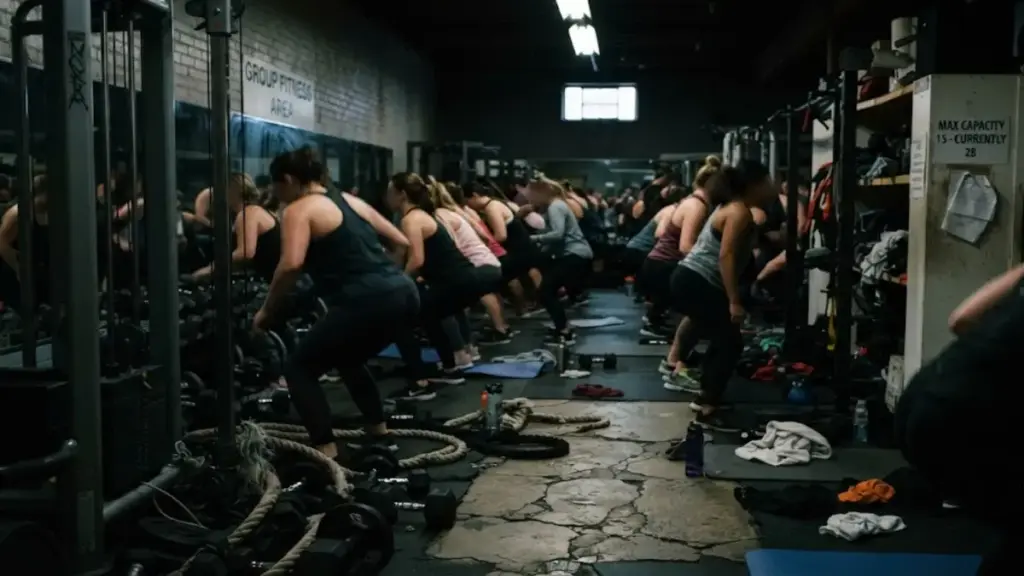
Environmental Hazards That Cause Sudden Exercise Injuries
Ignoring venue quality often leads to sudden physical injuries that could easily be prevented through proper site inspection. Reviewing these common environmental hazards helps you identify compromised locations before hosting group workouts.
More Read

Unseen Ground Depressions and Slick Moisture Patches
Outdoor grass fields often conceal hidden gopher holes, tree roots, or sudden soil dips beneath lush green blades. When an athlete lands on an uneven patch during a sprint or lateral shuffle, the ankle joint can roll inward violently, tearing lateral ligaments. Conducting a thorough walk-through of outdoor grass fields to flag or avoid ground depressions prevents catastrophic joint injuries during group workouts.
Indoors, sweat droplets accumulating on polished wooden or tile floors create slick moisture patches that invite sudden slips. A participant stepping onto an unnoticed wet spot during a explosive jump can lose balance, causing severe lumbar or head impacts. Keeping dry mops nearby and sweeping the floor between sets eliminates slip hazards in group workouts.
Hypoxia, Heat Prostration, and Poor Ventilation Fainting
Exercising in cramped, windowless rooms without active mechanical ventilation creates a high-CO2 environment that starves active muscles of oxygen. As oxygen saturation drops, participants experience acute lightheadedness, nausea, and sudden fainting during heavy sets. Ensuring continuous air exchange prevents oxygen deprivation and keeps lifters alert throughout group workouts.
In outdoor settings, hosting high-intensity bootcamps on unshaded asphalt lots during peak summer hours risks heat prostration and sunstroke. Radiating surface heat combined with direct solar exposure elevates core body temperatures dangerously fast, causing heat exhaustion. Selecting shaded park areas or shifting outdoor training times to cooler morning hours guards against heat injuries in group workouts.
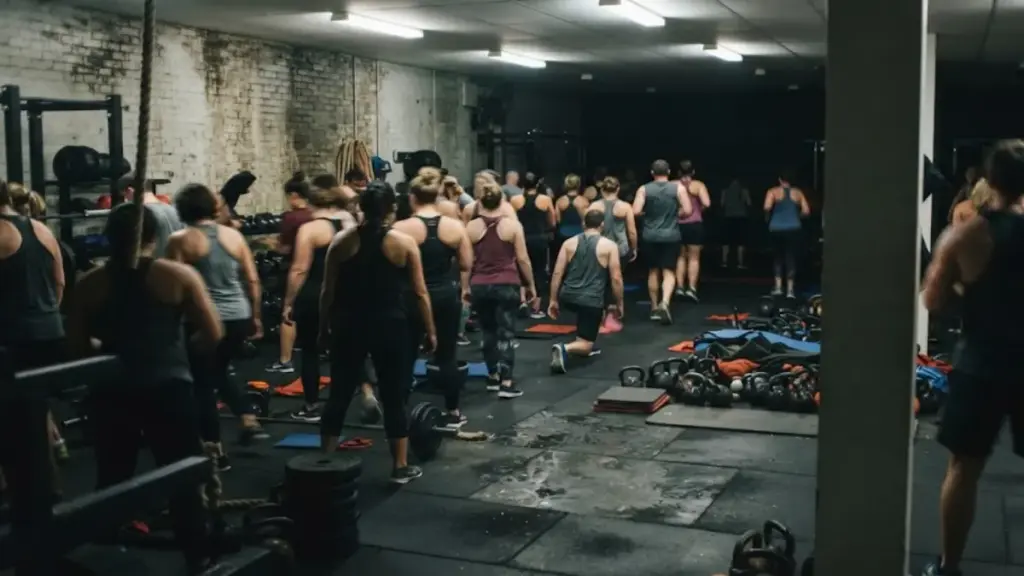
Telltale Indicators of an Unsafe Workout Venue
Spotting environmental red flags before setting up equipment allows you to relocate your session before safety is compromised. Recognizing these warning signs ensures you maintain high standards when selecting spaces for group workouts.
| Red Flag Category | Key Indicators | Associated Risk | |
| 1 | Mold & Odor | Persistent musty smell / Visible mold growth | Respiratory issues, allergies, reduced air quality |
| 2 | Flooring Damage | Warped wood boards / Peeling rubber matting | Tripping hazard, joint impact, loss of traction |
| 3 | Ventilation Failure | Stagnant air / Excessive room heat | Heat exhaustion, dizziness, accelerated fatigue |
| 4 | Debris & Contamination | Uncleaned glass shards / Trash on turf | Cuts, punctures, skin infections, hygiene risks |
| 5 | Hazardous Fixtures | Low hanging fixtures / Exposed electrical wiring | Head impacts during jumps, electric shock hazards |
Lingering Musty Odors and Rapid Temperature Spikes
Walking into an indoor space and detecting a persistent musty smell indicates hidden water damage, inadequate ventilation, and active mold growth within air ducts. Inhaling mold spores during heavy breathing irritates bronchial passages, triggering asthma attacks and respiratory inflammation. Leaving damp, poorly ventilated rooms protects participant lung health during group workouts.
Another warning sign is a rapid surge in room temperature and humidity within the first five minutes of warm-ups. If ambient air grows heavy and suffocating almost immediately, the HVAC system lacks the capacity to handle your group’s thermal output. Relocating to a space with active climate control prevents heat illness during group workouts.
Warped Floorboards, Peeling Rubber, and Outdoor Debris
Inspecting flooring integrity often reveals hidden trip hazards like warped hardwood planks, loose rubber mat seams, or frayed carpet edges. A participant catching a shoe toe on a raised rubber edge during a high-speed agility drill can trip forward onto hard equipment. Inspecting floor seams and avoiding uneven surfaces keeps movement paths clear for group workouts.
In public parks, unmaintained turf frequently harbors hazardous litter like broken glass shards, metal bottle caps, or animal waste hidden in tall grass. Exercising on unsanitary ground risks skin lacerations during floor exercises like planks or burpees. Selecting well-maintained, regularly swept park areas ensures a clean, safe ground surface for group workouts.
Frequently Asked Questions About Venue Selection
Is an indoor studio or an outdoor park better for hosting beginner group workouts?
An indoor fitness studio with professional sprung flooring and climate control is generally far superior for hosting beginner team workouts. Indoor venues provide a predictable, hazard-free environment where newcomers can focus entirely on learning proper exercise mechanics without dealing with heat, wind, or uneven ground. Starting beginners indoors minimizes environmental distractions and builds foundational confidence for group workouts.
- Select indoor studios with high-traction rubber or sprung wood floors to protect unconditioned joints.
- Utilize climate-controlled indoor spaces to keep temperature and humidity stable during introductory sessions.
- Transition beginners to outdoor park settings only after they demonstrate solid joint stability and movement control.
- Prioritizing predictable indoor environments ensures beginners build strength safely in group workouts.
How should coaches handle sudden weather shifts during outdoor group workouts?
Coaches hosting outdoor sessions must establish a clear weather contingency protocol and identify a nearby covered shelter before the workout begins. If sudden rain makes grass slick or lightning appears nearby, the coach must immediately pause the session and move the team to a dry, covered pavilion or indoor space. Having a pre-planned weather backup ensures team safety during outdoor group workouts.
- Check detailed local weather radar forecasts one hour before setting up outdoor equipment.
- Identify a covered pavilion, gazebo, or indoor parking structure near your outdoor training site as an emergency weather backup.
- Cancel or relocate outdoor sessions immediately if lightning, extreme heat warnings, or torrential rain develop.
- Prioritizing participant safety over finishing a outdoor workout maintains trust in your group workouts.
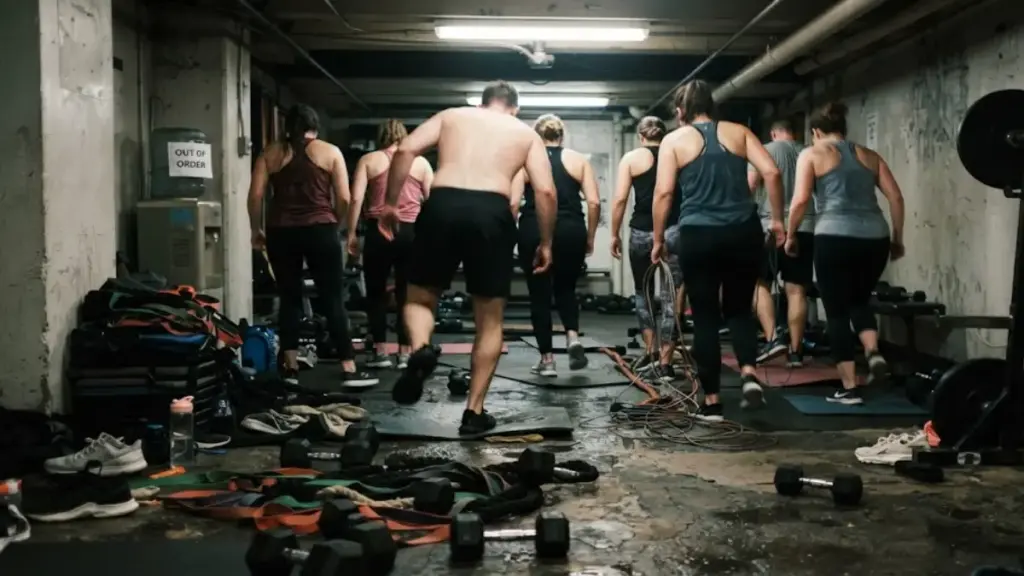
What percentage of a group workout budget should be allocated to venue rental?
Allocating approximately fifteen to twenty-five percent of your total operational budget toward securing a high-quality, safe venue is a standard industry benchmark. Investing in a professional facility with shock-absorbing floors, proper ventilation, and clean amenities directly elevates participant retention and reduces liability risks. Prioritizing venue quality over minor marketing expenses ensures a premium foundation for group workouts.
- Budget fifteen to twenty-five percent of session revenue for professional indoor studio rentals or park permits.
- Factor in permit fees, insurance coverage, and amenity access when calculating outdoor venue costs.
- Avoid selecting low-cost, unventilated spaces simply to save money at the expense of safety.
- Investing in a safe, high-quality venue builds a reputable, long-lasting community around your group workouts.
Read More: Exercise Guidelines: How Many Weekly Hours Do You Actually Need?
Building an Electrifying, Safe Community Space
Creating a successful, long-lasting team fitness culture depends on providing a safe, inspiring environment where participants can push their limits with total confidence. A carefully vetted venue with shock-absorbing floors, rich airflow, and generous spacing transforms routine exercise into an uplifting community experience. By eliminating environmental hazards and prioritizing participant safety, you set the stage for sustainable physical progress.
Taking the time to conduct thorough venue audits demonstrates true leadership and care for your fitness community. Every well-planned session reinforces member trust, encourages attendance, and protects participants from preventable joint strain. Take charge of your training environment today, audit your locations with care, and unlock the full transformative potential of group workouts.
PLEASE LEAVE A COMMENT TO SHARE YOUR FAVORITE RECOVERY HABITS OR FOLLOW OUR BLOG FOR THE LATEST HEALTH ADVICE.