



Testosterone Replacement Therapy is increasingly recognized for its vital biological role in female health, particularly during perimenopause when declining androgen levels can drastically reduce sexual desire. While estrogen therapy alone addresses hot flashes, combining androgen treatment specifically targets hypoactive sexual desire disorder by restoring natural endocrine function.
- Evaluating the Status of Testosterone Replacement Therapy in Treating Female Libido Loss
- Clinical Efficacy Comparison: Estrogen Alone vs. Combined Testosterone Replacement Therapy
- Analysis of Influencing Factors and Biochemical Markers Deciding Treatment Success
- Application Scenarios and Micro-Dosing Strategies to Prevent Virilization
- Tactical Tips and Practical Advice for Optimizing Your Perimenopause Recovery Journey
- Frequently Asked Questions About Testosterone Replacement Therapy
- Restoring Balance and Reclaiming Vitality in Perimenopause
Yes, Testosterone Replacement Therapy is clinically proven to be the primary endocrine solution for restoring lost sexual desire in perimenopausal women when low libido stems from androgen deficiency rather than purely social or psychological friction. While traditional estrogen therapies repair local tissue dryness, they fail to ignite the central nervous system’s motivational drive; adding targeted, low-dose androgen therapy directly activates dopamine pathways in the brain, effectively resolving Hypoactive Sexual Desire Disorder (HSDD) without causing masculinizing side effects when monitored correctly.
Evaluating the Status of Testosterone Replacement Therapy in Treating Female Libido Loss
Current State of Low Libido (HSDD) in Perimenopausal and Menopausal Women
Identifying Comprehensive Female Endocrine Decline and Its Impact on Quality of Life
Perimenopause marks a chaotic shift in reproductive biology. While estrogen drop-offs trigger hot flashes and night sweats, the parallel drop in circulating androgens quiet signal pathways vital for motivation and vitality. Women experiencing this decline report profound fatigue, loss of muscle tone, and a complete erosion of sexual intimacy. This condition, medically classified as Hypoactive Sexual Desire Disorder (HSDD), is not merely a mental barrier but a physical depletion caused by failing glandular output.
Why Traditional Estrogen Therapies Often Fail to Resolve the “Cooling Off” Issue
For decades, standard Hormone Replacement Therapy (HRT) focused exclusively on estrogen and progesterone. While estrogen restores vaginal tissue elasticity and lubrication, it leaves the neurological spark untouched. Patients frequently inform gynecologists that despite comfortable physical intercourse, the internal urge or spontaneous desire remains entirely absent. Estrogen restores the mechanical infrastructure, but Testosterone Replacement Therapy supplies the neuro-chemical engine needed to rekindle sexual interest.
Read more: Perimenopause Rage: The Day I Became A Stranger To Myself
Uncovering Stereotypes About Testosterone: The Barriers Preventing Women from Seeking Treatment
The Myth of Testosterone as an “Exclusive Male Hormone” and the Fear of Physical Changes
The misconception that testosterone belongs solely to men remains a formidable barrier in female healthcare. Many women fear that undergoing Testosterone Replacement Therapy will lead to facial hair growth, voice deepening, or aggressive personality shifts. These exaggerated fears stem from high-dose anabolic steroid abuse rather than controlled, physiologic bio-identical restoration. In healthy female biology, testosterone is actually the most abundant circulating steroid hormone before menopause, outnumbering estrogen in absolute concentration.
Natural Biological Role of Androgens in the Female Body: From Bone Density to Vitality
Female dynamic biology relies heavily on endogenous androgens to maintain structural and metabolic integrity. Beyond sexual wellness, testosterone maintains bone mineral density, preserves lean skeletal muscle mass, supports cognitive clarity, and regulates everyday physical stamina. When androgen levels fall, women experience systemic sluggishness. Recognizing this systemic mandate helps patients view Testosterone Replacement Therapy not as an unnatural enhancement, but as essential restorative medicine.
Clinical Efficacy Comparison: Estrogen Alone vs. Combined Testosterone Replacement Therapy
Limitations of Estrogen-Only Replacement Therapy on Sexual Function
Mechanism of Estrogen in Improving Vaginal Mucosal Hydration Without Brain Activation
Estrogen acts primarily on local peripheral tissues. By binding to estrogen receptors in the vaginal mucosa and lower urinary tract, it increases blood flow, enhances cellular turnover, and restores natural moisture. However, these physiological corrections operate almost exclusively below the belt. Estrogen does not directly stimulate the central reward circuitry that governs spontaneous fantasy, sexual arousal, or motivation to initiate intimate encounters.
Severe Depletion of Free Testosterone Despite Estrogen Supplementation
Oral estrogen supplementation can paradoxically worsen androgen deficiency. When oral estrogen passes through the liver, it stimulates the overproduction of Sex Hormone-Binding Globulin (SHBG). High SHBG acts like a sponge, soaking up unbound hormones and causing levels of Free Testosterone to plunge further. As a result, a woman receiving standard HRT might feel less bothered by hot flashes, yet find her intimate drive lower than before starting treatment.
Breakthroughs with Combined Androgen Therapy: Reactivating Desire from the Central Nervous System
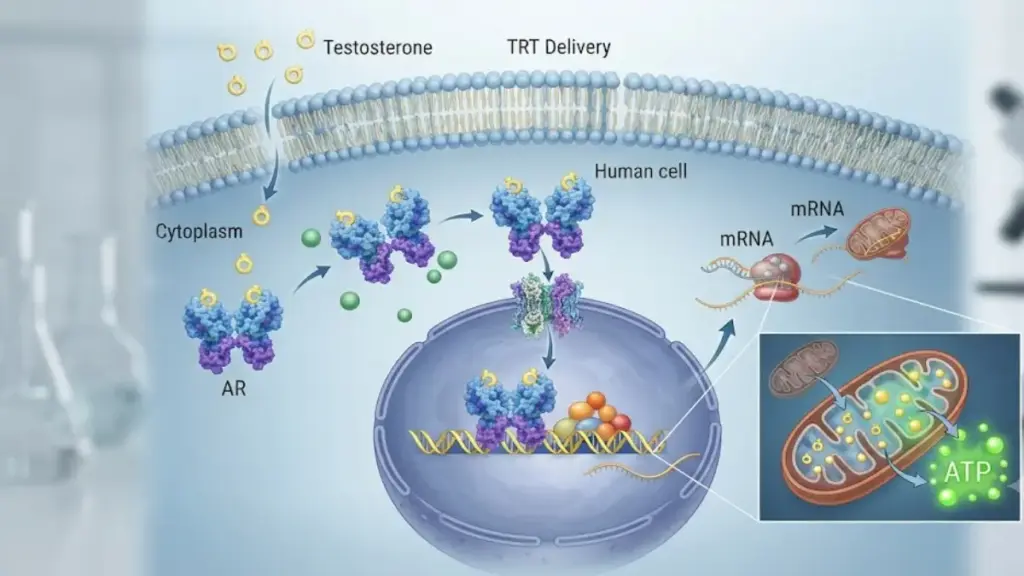
Impact of Testosterone on the Hypothalamus and Dopamine System to Restore Desire
Combining targeted androgen protocols with baseline HRT bridges the gap between physical comfort and neurological drive. Testosterone crosses the blood-brain barrier to interact with receptors in the hypothalamus and limbic system. This binding action triggers the release of dopamine—the brain’s primary pleasure and reward neurotransmitter—while modulating serotonin levels. Consequently, Testosterone Replacement Therapy restores both central sexual motivation and peripheral sensitivity.
Comparing Sex Frequency, Orgasm Quality, and Overall Energy Between Both Approaches
Clinical trials comparing estrogen-only regimens against combined protocols yield stark contrasts. Women receiving combined therapy report statistically significant increases in satisfying sexual events (SSEs) per month, heightened clitoral sensitivity, and faster attainment of intense orgasms. Furthermore, patients report marked improvements in general vitality, day-to-day mood stability, and motivation, proving that Testosterone Replacement Therapy provides multi-systemic benefits far beyond the bedroom.
Read more: Boost Your Child’s Brainpower: How A High-Dose Pregnancy Supplement Enhances Child Memory

Analysis of Influencing Factors and Biochemical Markers Deciding Treatment Success
Crucial Role of Free Testosterone and SHBG Markers in Medical Diagnosis
The Role of Sex Hormone-Binding Globulin (SHBG) in Binding and Inactivating Free Hormone
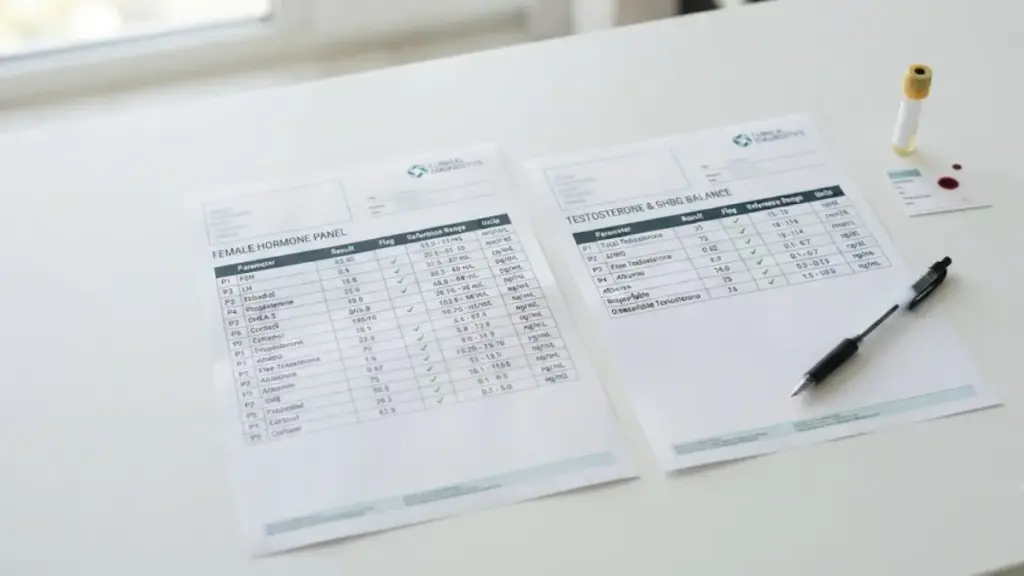
Total serum testosterone metrics can be highly misleading when evaluating a perimenopausal woman. Over 98% of circulating testosterone is bound tightly to SHBG and albumin, leaving only a tiny fraction biologically active. If a patient presents high SHBG levels, her total hormone metrics might appear normal while her active Free Testosterone is practically zero. Accurately assessing SHBG is therefore vital prior to initiating Testosterone Replacement Therapy.
Accurate Blood Testing Methods to Determine True Female Testosterone Deficiency Thresholds
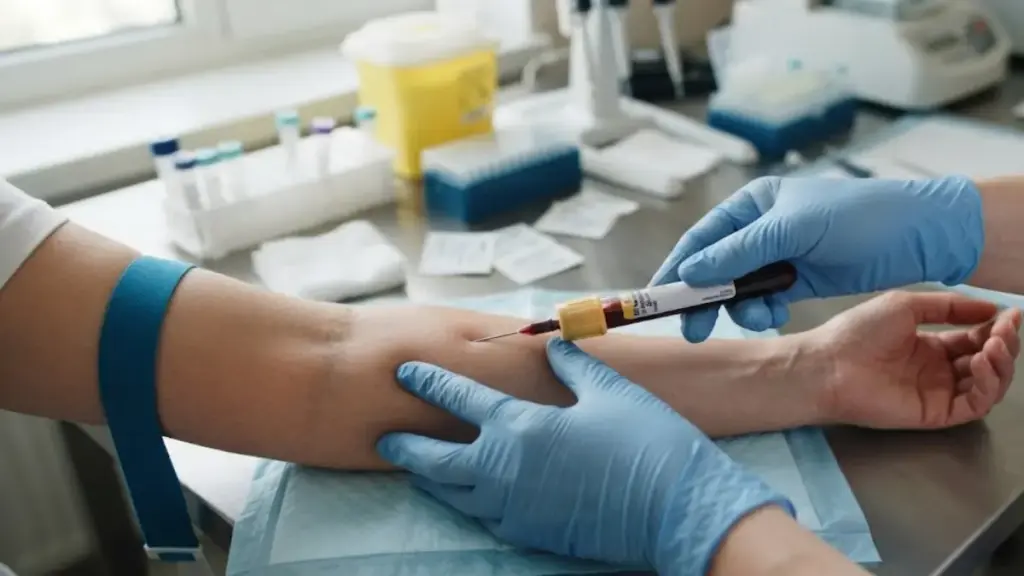
Standard direct immunoassay blood tests often lack the sensitivity required to measure low female androgen concentrations accurately. Clinicians rely on Liquid Chromatography-Tandem Mass Spectrometry (LC-MS/MS) paired with equilibrium dialysis to calculate active circulating fractions precisely. Establishing an accurate baseline prevents misdiagnosis and ensures that Testosterone Replacement Therapy is prescribed only to patients with true biochemical deficits who will benefit from intervention.
Risk Factors and Prerequisite Conditions Before Commencing Therapy
Cardiovascular Health, Liver Function, and Gynecological Cancer Risk Screenings
Safety protocols demand a thorough baseline health screen before starting treatment. Physicians evaluate lipid panels, hepatic enzyme levels, and cardiac markers, as unmonitored androgen administration can alter cholesterol ratios if mismanaged. Comprehensive pelvic ultrasounds, up-to-date Pap smears, and screening mammograms are obligatory to rule out hormone-sensitive neoplasia before clearing a patient for Testosterone Replacement Therapy.
Impact of Psychology, Marital Relationship Dynamics, and Chronic Stress on Treatment Outcomes
Hormones do not act in a vacuum. Unresolved marital conflict, chronic psychological stress, and high cortisol levels significantly suppress sexual responsiveness regardless of blood chemistry. Cortisol actively inhibits androgen receptor sensitivity across brain tissues. For Testosterone Replacement Therapy to achieve maximum clinical efficacy, physicians must address systemic stressors and recommend relationship counseling whenever non-hormonal barriers contribute to low desire.

Application Scenarios and Micro-Dosing Strategies to Prevent Virilization
Principles of Micro-Dosing in Female Testosterone Replacement Therapy
Dose Calculation Formulas: Dosing at 1/10th to 1/20th of Male Therapeutic Doses
The cornerstone of safe female administration is strict low-dose precision. Female physiology operates successfully on a fraction of male androgen requirement. Clinical micro-dosing protocols calculate female starting doses at roughly 1/10th to 1/20th of standard male replacement therapies. Prescribing Testosterone Replacement Therapy at these micro-levels restores youthful female physiological serum ranges (typically 30–70 ng/dL total) without breaching upper limits.
More Read

Selecting Optimal Transdermal Formulations (Creams, Gels) to Maintain Steady Levels
Oral androgen preparations are discouraged due to hepatic first-pass metabolism, which taxes the liver and negatively impacts lipid profiles. Transdermal preparations—specifically custom-compounded creams or approved metered-dose gels applied to clean skin—are preferred. Transdermal delivery ensures smooth, steady systemic absorption, eliminating sharp spikes and maintaining stable plasma levels during long-term Testosterone Replacement Therapy.

Recognizing Signs and Managing Unwanted Side Effects
Monitoring Early Virilization Symptoms: Acne, Hirsutism, Voice Changes, or Hair Loss
While micro-dosing minimizes risk, individual enzymatic sensitivity varies. Patients must remain vigilant for early hyperandrogenism signs, such as increased facial sebum production, cystic acne along the jawline, dark hair growth (hirsutism), or unexplained hair thinning on the scalp. Detecting these subtle signals early allows clinicians to modify the Testosterone Replacement Therapy regimen before irreversible changes, like voice deepening, occur.
PLEASE LEAVE A COMMENT TO SHARE YOUR FAVORITE THOUGHTS OR FOLLOW OUR BLOG FOR THE LATEST UPDATES. Reclaiming intimate wellness during perimenopause is a journey rooted in science, self-advocacy, and bio-identical balance; when monitored with medical precision, Testosterone Replacement Therapy offers women a safe, transformative path back to full vitality.
Ri
Down-Dosing or Pausing Treatment When Serum Hormone Levels Exceed Safe Limits
Regular blood work is mandatory during the initial six months of treatment. If laboratory testing indicates serum levels climbing past upper female physiological limits—even if the patient feels well—clinicians immediately reduce the daily application volume or pause treatment temporarily. Fine-tuning the dose keeps Testosterone Replacement Therapy within a safe therapeutic window for long-term health.

Tactical Tips and Practical Advice for Optimizing Your Perimenopause Recovery Journey
Building a Strict Medical Monitoring Roadmap with Endocrinologists or Gynecologists
Routine Follow-up Schedules, Blood Test Cadence, and Clinical Response Tracking
Successful hormone restoration relies on consistent clinical oversight. A standard monitoring roadmap requires follow-up consultations at 6 weeks, 3 months, and 6 months after initiating therapy, followed by biannual check-ups. Every check-up tracks symptom relief alongside complete blood counts, liver profiles, and free hormone levels to verify the ongoing safety of Testosterone Replacement Therapy.
Optimizing Lifestyle: Resistance Training, Nutrient-Dense Diets, and Sleep Management
Pharmaceutical interventions perform best when backed by healthy lifestyle habits. Resistance weight training stimulates endogenous growth hormone, increases receptor sensitivity, and preserves lean muscle mass. A diet rich in healthy fats, zinc, and magnesium provides biochemical building blocks for hormone synthesis, while 7–9 hours of daily sleep reduces cortisol, allowing Testosterone Replacement Therapy to work efficiently.

Golden Guidelines for Women Seeking Proactive and Safe Treatment
Strict Warnings Against Purchasing Male-Formulated Testosterone Products Unsupervised
A major hazard in female self-care is buying over-the-counter or online male-strength androgen products. Male formulations contain concentrations far too high for female biology; a single male dose can deliver a full month’s worth of female requirements, causing acute virilization and severe liver strain. Women must avoid unsupervised products and obtain Testosterone Replacement Therapy only through licensed medical professionals using proper female-concentrated formulas.
Fostering Mutual Understanding and Open Communication with Your Partner During Recovery
Physical healing is enhanced by open interpersonal communication. Low libido often creates misunderstandings between partners, leading to feelings of rejection or emotional distance. Discussing the medical realities of perimenopausal hormone decline helps partners understand that lost desire is a biological issue rather than a loss of affection. Including your partner in the recovery process creates a supportive environment that maximizes the benefits of Testosterone Replacement Therapy.

Frequently Asked Questions About Testosterone Replacement Therapy
How long does it take to see noticeable improvements in libido after starting therapy?
Most clinical trial participants report positive changes in energy levels and mental motivation within 3 to 4 weeks of starting micro-dosed therapy. Significant improvements in libido, clitoral sensitivity, and sexual satisfaction usually manifest between weeks 8 and 12, once transdermal serum levels stabilize.

Will micro-dosed testosterone therapy cause permanent voice changes or facial hair?
When prescribed at strict female physiological doses (micro-doses) and monitored by an endocrinologist, the risk of masculinizing side effects remains extremely low. Mild symptoms like minor oily skin are reversible by reducing the dose, preventing permanent side effects like voice deepening from occurring.
Is Testosterone Replacement Therapy safe for long-term use in perimenopausal women?
Global consensus guidelines support the safety of transdermal female androgen therapy for up to 24 months based on randomized controlled trial data. Long-term safety requires ongoing clinical supervision, annual mammograms, and periodic liver and lipid blood checks to ensure serum levels stay within standard ranges.

Restoring Balance and Reclaiming Vitality in Perimenopause
Navigating the perimenopausal transition requires a modern, evidence-based approach to female endocrine health. Low libido is not an inevitable consequence of aging, but a treatable physiological imbalance. By shifting away from outdated taboos and embracing precise, micro-dosed Testosterone Replacement Therapy, women can safely restore central nervous system drive, regain physical stamina, and enjoy a vibrant intimate life under professional medical guidance.
PLEASE LEAVE A COMMENT TO SHARE YOUR FAVORITE THOUGHTS OR FOLLOW OUR BLOG FOR THE LATEST UPDATES.