



Waking up to sudden, agonizing headaches, unexplained seizures, or terrifying neurological glitches can leave you feeling completely helpless and desperate for answers. Assuming that bizarre brain symptoms are just stress-related migraines and failing to realize that parasitic infections like neurocysticercosis can silently invade the central nervous system means many people delay seeking life-saving medical care.
- The Silent Intruder: Understanding How Brain Parasites Take Hold
- The Unconventional Recovery Path: Complementing Clinical Care with Whole-Body Healing
- Essential Safety Boundaries and Food Hygiene Practices
- Everyday Questions About Brain Parasites and Neurological Recovery
- Rebuilding Mindful Routines for Lifelong Health and Vitality
Overcoming a severe neurological diagnosis requires unwavering resilience, precise medical intervention, and an open mind toward healing. By exploring one woman’s harrowing real-life battle with neurocysticercosis—and discovering the unconventional, highly personalized recovery strategy she used alongside clinical treatment to reclaim her mind and body—you can gain valuable insights into this rare condition and find hope in the face of medical adversity.
Transitioning from an unmonitored, stressful lifestyle to a highly structured, medically guided healing phase protects your central nervous system from chronic inflammation. Sourcing your physical stamina from clean whole-food nutrition and adequate sleep preserves your cellular longevity, ensuring your brain’s recovery remains smooth, sustainable, and safe through every stage of treatment. Prioritizing these evidence-based strategies alongside anti-parasitic therapy is a reliable, science-backed way to experience the direct physical advantages that happen when you combat neurocysticercosis.

The Silent Intruder: Understanding How Brain Parasites Take Hold
Sustaining a healthy central nervous system requires an attentive awareness of how environmental pathogens can cross biological barriers into delicate neural tissues. When active individuals experience mysterious neurological changes without realizing that parasitic larvae can lodge within the brain, delay in diagnosis can lead to severe swelling and chronic tissue damage. Moving away from self-diagnosis and relying on advanced neuroimaging protects your long-term health, helping you navigate complex medical challenges with confidence. By studying how Taenia solium larvae cause localized brain swelling, health-conscious individuals can understand the vital importance of early medical intervention when dealing with neurocysticercosis.
These critical diagnostic steps ensure that your healthcare team can design a targeted treatment plan to eliminate larval cysts without triggering excessive brain inflammation. Without proper medical testing, mistaking parasitic lesions for standard tension headaches can allow cysts to mature and cause persistent seizures over time. Learning how to identify early warning signs and seek immediate specialist care is essential to protect your cognitive function and achieve a full recovery from neurocysticercosis.
The Biological Reality of Parasitic Invasion in the Brain
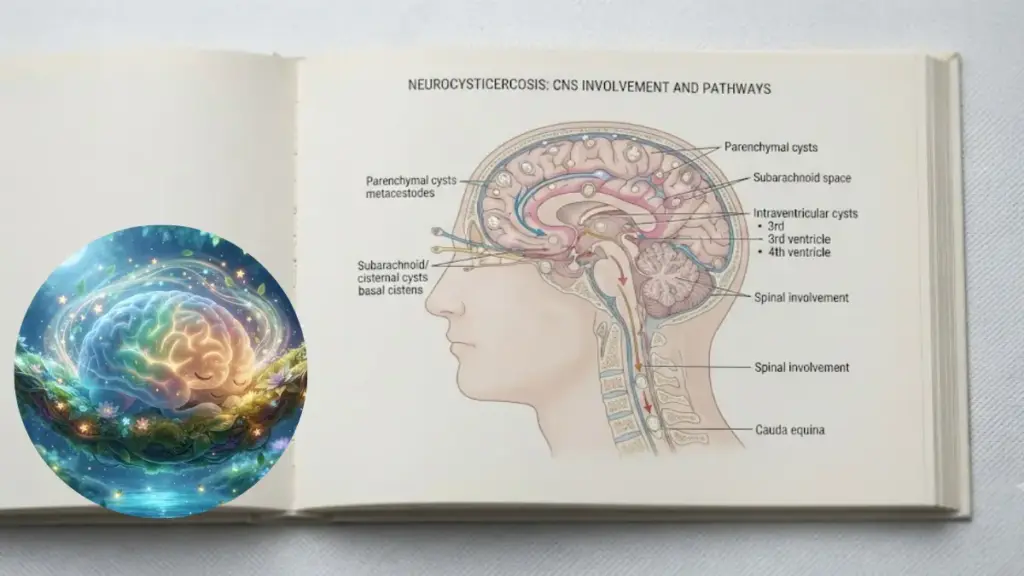
To understand how this condition impacts human health, we must look at the life cycle of the pork tapeworm, Taenia solium. Contrary to common misconceptions, neurocysticercosis is not contracted by simply eating undercooked meat; rather, it develops when a person accidentally ingests microscopic tapeworm eggs through contaminated water or unwashed produce. Once swallowed, these microscopic eggs hatch in the digestive tract, allowing tiny larvae to enter the bloodstream and travel straight through the blood-brain barrier into the central nervous system.
Once inside the brain tissue, the larvae form small fluid-filled cysts, effectively hiding from the human immune system for months or even years. As long as the cysts remain intact, patients may experience very few noticeable symptoms, making the infection extraordinarily difficult to detect early on. However, when the larvae eventually die off, the immune system launches a massive inflammatory attack against the foreign proteins, leading to severe localized swelling that triggers the terrifying seizures and excruciating head pain characteristic of neurocysticercosis.
Read More: Experimental Alzheimer’s Drug Shields Brain: How It Reduces 4 Levels of Alcohol Withdrawal Damage
One Woman’s Journey: From Sudden Seizures to Diagnostic Clarity
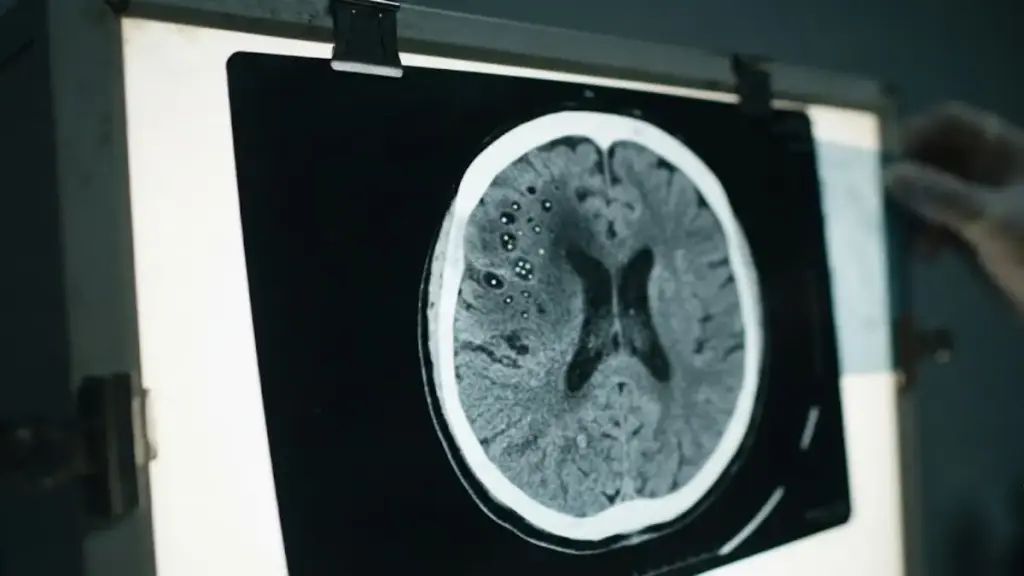
When Sarah, a thirty-two-year-old graphic designer, experienced her first grand mal seizure at home, her life was turned upside down in an instant. Initially dismissed by emergency room doctors as a severe panic attack driven by intense work stress, her symptoms quickly escalated to include debilitating daily migraines, extreme light sensitivity, and frightening memory blackouts. Refusing to accept that her physical deterioration was purely emotional, Sarah sought out a specialized neurologist who ordered an immediate high-resolution brain MRI, revealing multiple active cysts consistent with a clear diagnosis of neurocysticercosis.
Receiving a brain parasite diagnosis felt overwhelming and terrifying, but having an accurate medical explanation provided Sarah with a clear roadmap forward. Her clinical team immediately prescribed a combination of targeted anti-parasitic medications, high-dose anti-inflammatory corticosteroids to manage brain swelling, and daily anti-seizure drugs to stabilize her neural pathways. This aggressive pharmacological approach was essential to kill the larvae safely while shielding her delicate brain tissue from destructive immune responses caused by neurocysticercosis.

The Unconventional Recovery Path: Complementing Clinical Care with Whole-Body Healing
While conventional pharmaceuticals saved Sarah’s life by controlling acute brain swelling and eradicating the parasite, she realized that true long-term healing required a deeper, whole-body approach. The heavy medications left her feeling physically exhausted, nauseous, and mentally foggy, making daily tasks exhausting. To accelerate her neurological recovery and rebuild her cellular strength, Sarah designed an unconventional, holistic support protocol to run alongside her clinical prescriptions for neurocysticercosis.
Reaching your long-term health goals is a journey built on daily, intentional choices; true physical resilience comes from prioritizing simple, whole-food nutrition, maintaining strict hygiene habits, and supporting your body’s natural healing capacity with a personalized plan to overcome neurocysticercosis.
Ri

Mitigating Systemic Neuroinflammation Through Targeted Anti-Inflammatory Nutrition
Understanding that brain swelling was the primary cause of her severe headaches and cognitive fog, Sarah completely overhauled her daily diet to eliminate all potential inflammatory triggers. She removed highly processed foods, refined sugars, artificial additives, and chemical sweeteners from her kitchen, as these items can provoke low-grade systemic inflammation.
Instead, she built her daily meals around nutrient-dense whole foods, focusing on anti-inflammatory leafy greens, fresh blueberries, and clean omega-3 plant lipids like raw walnuts and avocados, which provide essential building blocks to nourish the brain during recovery from neurocysticercosis.

In addition to whole foods, Sarah incorporated warm, soothing bone broths and herbal infusions made from raw ginger and turmeric, which contain natural anti-inflammatory compounds that gently support the body’s immune system.
By keeping her blood sugar levels stable and eliminating dietary irritants, she significantly reduced the daily intensity of her headaches, providing her central nervous system with a peaceful environment to heal from the inflammatory damage left by neurocysticercosis.
Calming the Nervous System with Sensory Deprivation and Deep Rest Protocols
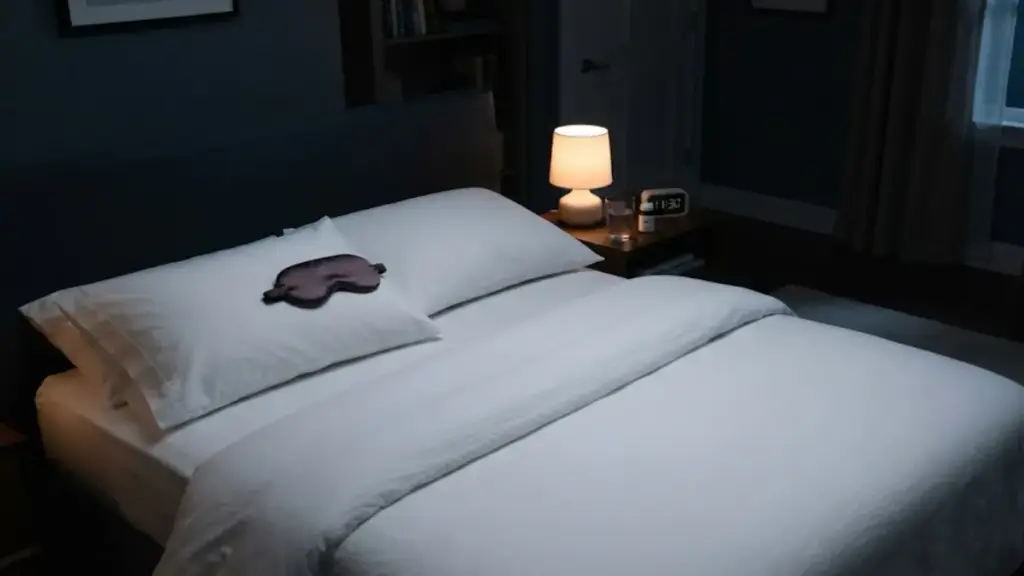
Recognizing that chronic psychological stress and sensory overstimulation could trigger breakthrough seizures, Sarah implemented a strict, non-negotiable sleep and relaxation protocol. She transformed her bedroom into a completely dark, cool, and soundproof sanctuary, eliminating all electronic screens thirty minutes before bed to protect her natural melatonin production. Restoring her body’s natural circadian rhythms allowed her brain to enter deep, restorative sleep cycles, which are essential for clearing metabolic waste from neural tissues affected by neurocysticercosis.
To complement her sleep routine, Sarah began practicing daily sensory deprivation techniques, spending twenty minutes every afternoon lying comfortably in a quiet, darkened room with a cool compress over her eyes. She practiced slow, diaphragmatic breathing exercises to stimulate her vagus nerve, actively shifting her body out of a high-stress “fight-or-flight” state into a calm, parasympathetic healing mode.
This intentional nervous system regulation helped minimize her anxiety, reduced muscle tension, and significantly lowered her sensitivity to environmental triggers during her battle with neurocysticercosis.

Gentle Neuromuscular Re-Education and Low-Impact Movement
As her acute symptoms began to stabilize, Sarah gradually introduced low-impact physical movement to rebuild her motor coordination and regain her physical confidence. Avoiding harsh, high-intensity exercise that could spike blood pressure or cause head jarring, she focused instead on slow, controlled activities like balance-focused yoga stretches and gentle outdoor walks in nature. Moving her body in a calm, intentional manner helped stimulate vascular circulation without overexhausting her central nervous system, proving to be a vital component of her recovery from neurocysticercosis.
These gentle movement routines provided her brain with a steady supply of oxygen-rich blood, helping to wash away metabolic waste while stimulating the release of natural growth factors that encourage neural repair. Over several months of consistent, low-impact exercise, Sarah experienced a dramatic improvement in her balance, mental clarity, and overall physical stamina, successfully rebuilding her strength after overcoming neurocysticercosis.

Essential Safety Boundaries and Food Hygiene Practices
While Sarah’s story highlights the power of combining conventional medical treatment with holistic lifestyle habits, preventing initial exposure to parasitic eggs remains the most effective defense against this severe brain condition. Practicing strict food safety and hygiene protocols in your home kitchen is essential to protect your family from accidental infection. Following these simple, evidence-based safety guidelines ensures you safeguard your health and avoid the risks associated with neurocysticercosis.
More Read

- Practice Rigorous Hand Hygiene: Always wash your hands thoroughly with warm water and soap for at least twenty seconds before handling food, before eating, and immediately after using the restroom or changing diapers.
- Thoroughly Wash All Raw Produce: Wash all fresh fruits and green vegetables under running water before consuming them, even if you plan to peel them, to remove potential microscopic parasitic eggs.
- Ensure Proper Meat Cooking Temperatures: Cook all pork and red meats to safe internal temperatures—at least 145°F with a three-minute rest time—using a digital probe thermometer to kill any potential larvae.
- Drink Safe, Filtered Water: When traveling to regions with poor sanitation, drink only bottled or boiled water, and avoid ice cubes made from untreated tap water to prevent exposure to neurocysticercosis.
Read More: Misdiagnosed As Cancer: The Shocking Case of a Living Brain Tapeworm and 4 Warning Signs

Everyday Questions About Brain Parasites and Neurological Recovery
Can neurocysticercosis be cured completely without permanent brain damage?
Yes, with early diagnosis and appropriate medical care, many patients achieve a complete recovery from neurocysticercosis without suffering long-term neurological deficits. When anti-parasitic drugs and anti-inflammatory steroids are administered correctly, the larvae can be eliminated safely while keeping brain tissue swelling under control. However, the exact extent of recovery depends on the number of cysts present, their location within the brain, and how quickly medical treatment is initiated.
- Work closely with a qualified neurologist to monitor your cyst resolution through follow-up brain MRI scans.
- Take all prescribed anti-seizure and anti-inflammatory medications exactly as directed to prevent unexpected complications.
- Support your brain’s natural healing capacity with anti-inflammatory whole foods, proper hydration, and adequate rest.
- Combining professional medical care with supportive lifestyle habits offers the best opportunity for a full recovery from neurocysticercosis.

Is neurocysticercosis contagious from person to person?
No, neurocysticercosis itself is not directly contagious from one person to another through casual contact, coughing, or kissing. A person with brain cysts cannot transmit those cysts directly to family members. However, a person infected with an intestinal tapeworm can shed microscopic tapeworm eggs in their stool, which can accidentally infect others if strict hand hygiene is not maintained. Practicing thorough handwashing after using the bathroom is essential to prevent environmental contamination and protect your loved ones from neurocysticercosis.
- Ensure everyone in your household practices proper hand hygiene, especially before preparing or eating meals.
- If a family member is diagnosed with a tapeworm, seek medical treatment promptly to clear the intestinal infection.
- Clean and sanitize bathroom surfaces regularly using disinfectant sprays to maintain a hygienic home environment.
- Following these simple sanitation measures provides strong protection against accidental infection with neurocysticercosis.
Rebuilding Mindful Routines for Lifelong Health and Vitality
Rebuilding a healthy, active lifestyle after overcoming a serious health challenge requires a consistent focus on high-quality nutrition and proper hygiene habits. Storing fresh berries, leafy greens, and plant milks in a clean, cold refrigerator prevents moisture buildup that can harbor unwanted pathogens. This attentive approach to food storage protects your digestive system from irritation, ensuring your home remains a safe, comfortable space as you recover from neurocysticercosis.
Make it a habit to inspect your refrigerator temperature regularly, keeping it below forty degrees Fahrenheit to preserve your fresh produce safely. If you enjoy making nutrient-rich fruit smoothies to support your recovery, clean your blending equipment thoroughly with warm, soapy water after every single use. This simple cleaning routine prevents food residue from accumulating, keeping your tools hygienic and ready for your next healthy drink.
Focusing on simple, whole-food ingredients is the most reliable way to fuel your body and maintain steady energy levels throughout the day. Balancing your daily meals with fresh fruits, lean proteins, and quality plant fats ensures your nervous system receives a wide array of essential vitamins and minerals. Keeping your kitchen organized and staying dedicated to clean eating habits allows you to move forward with confidence and peace of mind, proving the true strength of a holistic approach to overcoming neurocysticercosis.
PLEASE LEAVE A COMMENT TO SHARE YOUR FAVORITE RECOVERY HABITS OR FOLLOW OUR BLOG FOR THE LATEST HEALTH ADVICE.