


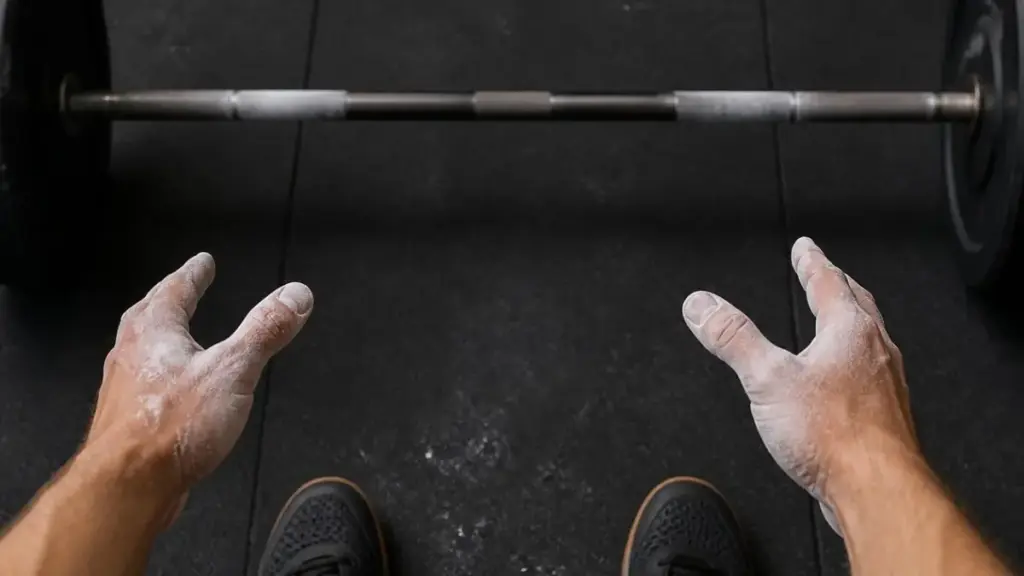
Chasing that skin-splitting, vascular feeling during a heavy workout can make you feel invincible, but pushing past your body’s physiological limits can turn a satisfying pump into serious tissue damage. Assuming that an extreme muscle pump is always a badge of muscle growth and failing to recognize when intracellular pressure crosses into cellular danger means you are putting your nervous system and vascular health at serious risk.
Maximizing muscular hypertrophy safely requires learning how to distinguish between healthy blood engorgement and dangerous tissue distress. By exploring the fine line between bodybuilding artistry and vascular risk—and uncovering 5 critical red flag signs to immediately halt your muscle pump chase—you can protect your muscle fibers, avoid debilitating nerve entrapment, and build a powerful physique safely.
The Biological Engine of the Pump: Growth Driver vs. Cellular Threat
At its physiological core, a muscle pump occurs when high-volume resistance exercises compress local venous blood vessels while arterial blood continues surging into working muscle belly tissue. As metabolic waste products like lactic acid and hydrogen ions accumulate, they create an osmotic gradient that pulls extracellular plasma directly into muscle cells. This rapid intracellular swelling expands cell membranes, triggering mechanical tension pathways that signal muscle protein synthesis.
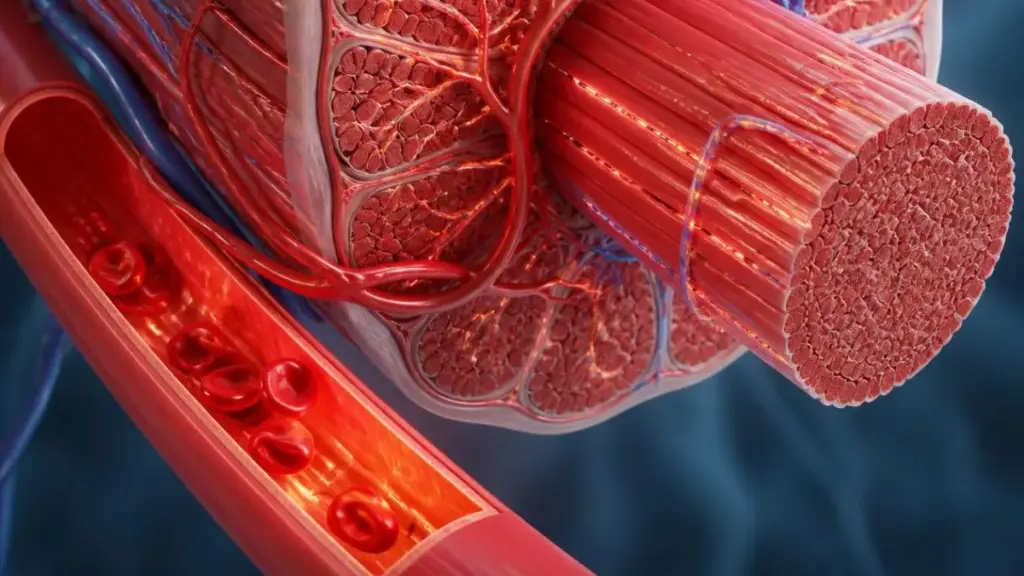
However, mistaking temporary blood engorgement as the absolute metric for long-term hypertrophy often leads lifters into dangerous territory. Continually forcing additional reps when muscles are already fully engorged drives tissue pressure beyond healthy physiological thresholds. When intramuscular swelling compresses local capillary beds, oxygen delivery stalls, trapping metabolic toxins and creating a hypoxic environment that damages muscle fibers rather than growing them during a muscle pump.
Five Critical Warning Signs to Instantly Stop Chasing the Pump
Recognizing the exact moment when healthy metabolic stress shifts into dangerous tissue strain is essential for longevity in weightlifting. Cease your set immediately if you experience any of these five physiological red flags while attempting to intensify your muscle pump.

Sign One: Sharp, Stabbing Pain Replacing Normal Burning Fatigue
Healthy metabolic fatigue feels like a warm, diffuse burning sensation across the entire muscle belly as lactic acid builds up. In contrast, experiencing a sudden, sharp, or localized stabbing sensation at a tendon attachment point indicates micro-tearing of connective fibers. Continuing to force reps through sharp tendon pain invites catastrophic muscle tears and long-term tendon detachment, signaling a dangerous end to your muscle pump.
Sign Two: Peripheral Numbness, Tingling, and Loss of Sensation
When intracellular fluid volume swells beyond capacity, excessive intramuscular pressure can physically compress nearby peripheral nerve pathways. Experiencing a “pins and needles” sensation, numbness, or loss of motor feedback in your hands or feet means nerve conduction is being compromised. Sustaining high pressure against compressed peripheral nerves leads to nerve damage and chronic motor dysfunction caused by an uncontrolled muscle pump.

Sign Three: Uncontrollable Muscle Tremors and Trajectory Decay
As central nervous system fatigue peaks and intracellular calcium reserves deplete, muscle fibers lose their ability to contract smoothly. Severe shaking, erratic bar trajectories, and an inability to control the eccentric phase mean your motor units are completely exhausted. Continuing a set when joint stabilization fails shifts heavy loads onto passive ligaments and cartilage, inviting severe structural joint trauma during a muscle pump.
Read More: Physical Activity Dementia: 5 Unexpected Causes of Early Memory Loss
Sign Four: Discolored, Pale, or Bluish Skin Swelling
When extreme muscle contractions completely block venous return, deoxygenated blood pools within capillaries while arterial inflow stalls. If the skin over your working muscle turns pale, cold to the touch, or takes on a purplish hue alongside tense swelling, local tissue hypoxia is occurring. Starving localized muscle tissue of fresh oxygen and blood circulation risks localized cellular necrosis if you continue forcing a muscle pump.

Sign Five: Sudden Lightheadedness, Dizziness, and Brain Fog
Engorging large muscle groups—such as the quadriceps or back muscles—with massive volumes of blood sequesters a significant portion of total systemic blood volume away from central circulation. This rapid peripheral blood pooling can trigger a sudden drop in central blood pressure, reducing cerebral oxygen delivery. Experiencing sudden lightheadedness, tunnel vision, or brain fog creates an immediate risk of fainting and hitting your head on heavy gym equipment during a muscle pump.
Reaching your long-term health goals is a journey built on daily, intentional choices; true physical resilience comes from prioritizing simple, whole-food nutrition, maintaining strict hygiene habits, and supporting your body’s natural healing capacity with a personalized plan to master the muscle pump.
Ri
Severe Medical Emergencies Born from Pump Abuse
Ignoring your body’s early distress signals and forcing extreme volume can lead to serious medical conditions that require emergency hospital intervention. Understanding these severe complications highlights why moderation is essential when managing a muscle pump.
More Read

- Acute Compartment Syndrome: Excessive fluid accumulation within rigid fascial compartments cuts off blood supply, requiring emergency surgical fasciotomy to prevent limb necrosis.
- Exertional Rhabdomyolysis: Extensive muscle cell destruction releases massive amounts of myoglobin into the bloodstream, clogging kidney filtration tubules and risking acute renal failure.
- Tendon Avulsion Fractures: Forcing maximum muscular contractions against fully engorged, inelastic tissues tears tendons directly off bone insertion sites.
- Chronic Peripheral Nerve Palsy: Prolonged mechanical compression of nerve pathways leads to long-term motor weakness and loss of sensation in affected limbs.

Monitoring muscle soreness and urine color in the hours following an intense high-volume workout is vital to catching systemic toxicity early. If muscle swelling feels unusually firm, hot, or painful to touch, or if your urine turns a dark cola color, seek immediate emergency medical care. Protecting your kidneys and muscle tissue requires respecting physical boundaries when seeking a muscle pump.
Frequently Asked Questions About Muscle Pump Safety
Do nitric oxide supplements increase the risk of injuries caused by a muscle pump?
Nitric oxide (NO) boosters and pre-workout vasodilators expand blood vessel diameters, significantly increasing blood inflow into active muscle tissues during exercise. While enhanced vasodilation improves blood flow, combining high-dose supplements with extreme, unmonitored lifting volume can accelerate intracellular fluid buildup. Lifters using potent nitric oxide supplements must stay vigilant for signs of nerve compression or excessive compartment pressure during a muscle pump.
- Use nitric oxide supplements strictly within manufacturer-recommended dosage guidelines.
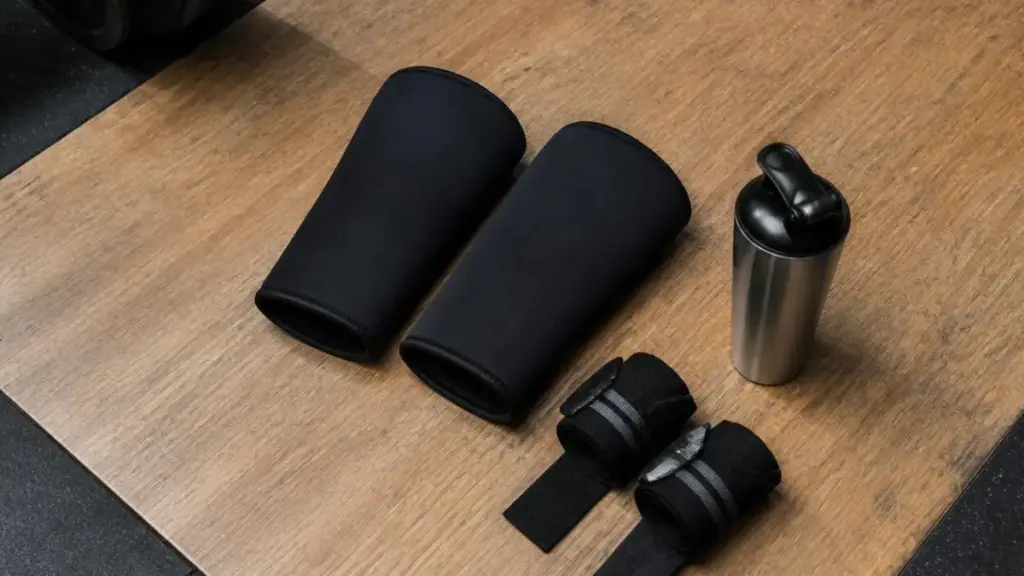
- Avoid combining high-dose vasodilators with restrictive occlusion straps or blood flow restriction (BFR) bands.
- Allow adequate intra-set rest times to let metabolic waste flush out between heavy working sets.
- Supplementing responsibly allows you to enjoy vascular benefits without risking tissue strain from a muscle pump.
How can I differentiate between healthy muscle swelling and dangerous tissue inflammation?
Healthy muscle swelling feels full, warm, and pliable, gradually subsiding within sixty to ninety minutes after your workout concludes without lingering joint pain. In contrast, dangerous tissue inflammation or internal bleeding presents as rigid, hot, and intensely tender swelling that worsens hours after training. If swelling restricts joint motion or causes persistent throbbing pain at rest, you are dealing with tissue damage rather than a healthy muscle pump.
- Track how quickly your muscle swelling subsides following the completion of your workout routine.
- Seek medical evaluation if muscle swelling remains rock-hard or intensely painful after twenty-four hours.
- Avoid applying heavy heating pads to acutely inflamed, painfully swollen muscle groups post-workout.
- Distinguishing cellular fatigue from tissue trauma protects your musculoskeletal system after a muscle pump.

What is a safe duration for a muscle pump to persist after a workout finishes?
A normal, healthy post-workout swelling response typically peaks immediately after exercise and gradually dissipates over thirty to ninety minutes as resting blood flow normalizes. Intracellular fluids naturally reabsorb into systemic circulation as metabolic waste clears. If a muscle belly remains abnormally distended, hard, or painful for several hours post-training, it indicates local micro-trauma or fluid entrapment rather than a normal muscle pump.
- Expect muscle fullness to fade naturally as your heart rate and circulation return to baseline levels.
- Engage in light walking or passive stretching post-workout to accelerate metabolic waste removal.
- Elevate affected limbs post-workout if you notice mild fluid retention in your lower extremities.
- Respecting natural physiological recovery windows ensures long-term progress when cultivating a muscle pump.
Read More: The Hidden Danger of Sleep Medication Driving: Why You May Not Be Sober Behind The Wheel in 2026

Balancing Cellular Swelling with Long-Term Structural Safety
Achieving impressive muscular hypertrophy does not require pushing your tissues to the brink of acute injury or compartment distress. The metabolic swelling associated with weightlifting is a valuable catalyst for muscle growth when kept within safe biological limits. By balancing moderate-weight pump work with heavy mechanical tension sets and allowing adequate intra-set rest, you build lasting muscle mass without risking vascular or nerve damage.

Learning to listen to early warning signs—such as sharp tendon pain, peripheral numbness, or severe shaking—ensures your training stays productive for years to come. Your long-term physical strength depends on protecting your nervous system and connective tissues today. Embrace intelligent, monitored training strategies, respect your body’s biological signals, and build a powerful physique safely by mastering the muscle pump.
PLEASE LEAVE A COMMENT TO SHARE YOUR FAVORITE RECOVERY HABITS OR FOLLOW OUR BLOG FOR THE LATEST HEALTH ADVICE.