



High-end gyms are increasingly enticing members with ultra-luxury post workout recovery amenities, from freezing cryotherapy chambers and icy plunges to infrared saunas. Promised as the ultimate shortcut to instant muscle repair and peak performance, these expensive wellness suites have quickly transformed from niche therapies into status-driven fitness rituals.
- The Irresistible Allure of Luxury Post Workout Recovery Trends
- The Biological Truth Behind Expensive Post Workout Recovery Modalities
- Evaluating the Economic Value and Physical Risks of Luxury Amenities
- Building a Science-Based Post Workout Recovery Plan Without Wealthy Gym Trends
- Frequently Asked Questions About Post Workout Recovery
- Mastering Sustainable Post Workout Recovery for Long-Term Athletic Success
However, behind the soothing ambient lighting and premium price tags lies a growing debate among gym-goers and sports scientists alike. Are these high-tech post workout recovery methods genuinely delivering superior biological benefits, or are fitness enthusiasts simply paying top dollar for sophisticated marketing and a placebo effect? This in-depth analysis breaks down real member experiences to reveal what truly drives muscle recovery versus what is merely pure hype.
Luxury fitness facilities no longer rely solely on heavy iron or high-end cardio machines to justify premium memberships; instead, they sell the promise of effortless, high-tech recuperation. True physiological restoration relies heavily on fundamental biological mechanisms—including a structured post workout recovery routine—rather than shiny, expensive hardware. While cold chambers and thermal suits offer temporary sensory relief, they do not automatically replace the foundational pillars of cellular repair. Understanding the stark difference between genuine metabolic regeneration and cleverly packaged luxury trends is essential for any athlete seeking long-term performance gains.
The Irresistible Allure of Luxury Post Workout Recovery Trends
Member Perspectives on High-End Wellness Suites
Modern commercial gyms have evolved into opulent wellness sanctuaries where membership tiers grant exclusive access to specialized thermal zones. Members frequently report that stepping into an icy plunge pool or relaxing inside a whole-body cryotherapy chamber provides an immediate sense of accomplishment and luxury post workout recovery. This luxury atmosphere transforms routine physical exertion into an elite lifestyle habit. When members invest heavily in exclusive memberships, the emotional gratification derived from utilizing cutting-edge amenities often colors their perception of physical recuperation.
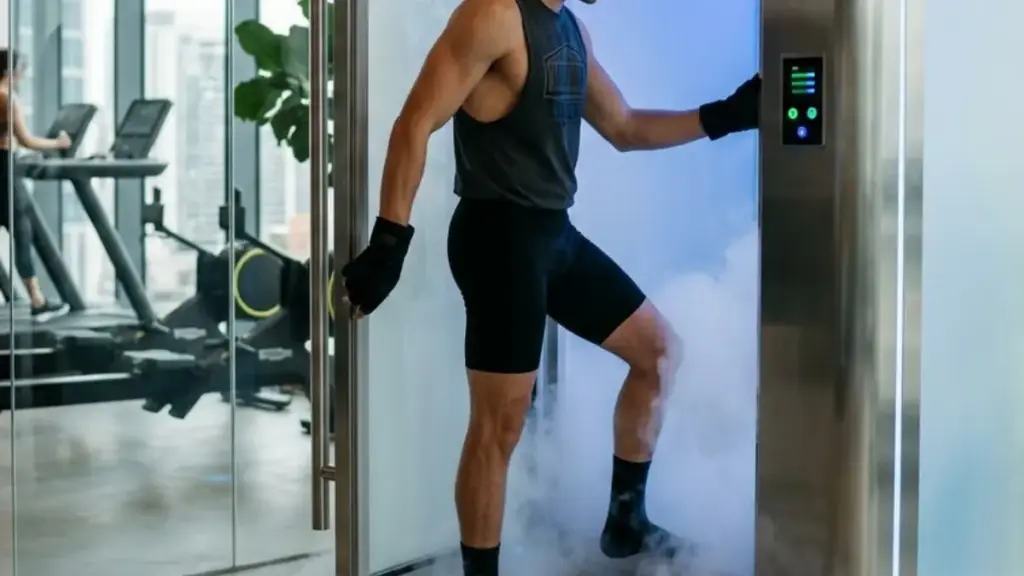
The psychological impact of high-end wellness suites extends beyond mere physical sensations. Members routinely associate the shivering shock of cryo tanks or the soothing heat of sauna rooms with immediate muscle healing. This sensory feedback creates a powerful feedback loop, reinforcing the belief that expensive modalities are inherently superior to traditional rest. Consequently, gym-goers develop a strong psychological attachment to these luxury rituals, often viewing them as indispensable components of their daily post workout recovery fitness regimen.
Read more: The Surprising Science-Backed Benefits Of Spending Just 5 Minutes In Daily Prayer For Health
Marketing Hype Versus Biological Reality
Fitness marketing campaigns routinely leverage complex scientific jargon to sell specialized thermal equipment to eager gym members. Words like cellular rejuvenation, rapid lactic acid flushing, and metabolic acceleration are frequently featured on promotional brochures for post workout recovery services. While these claims sound compelling on paper, they frequently oversimplify the complex biological cascades required for real tissue repair. Marketing narratives often present temporary vascular responses as permanent physiological upgrades, blurring the line between momentary relief and long-term adaptation.
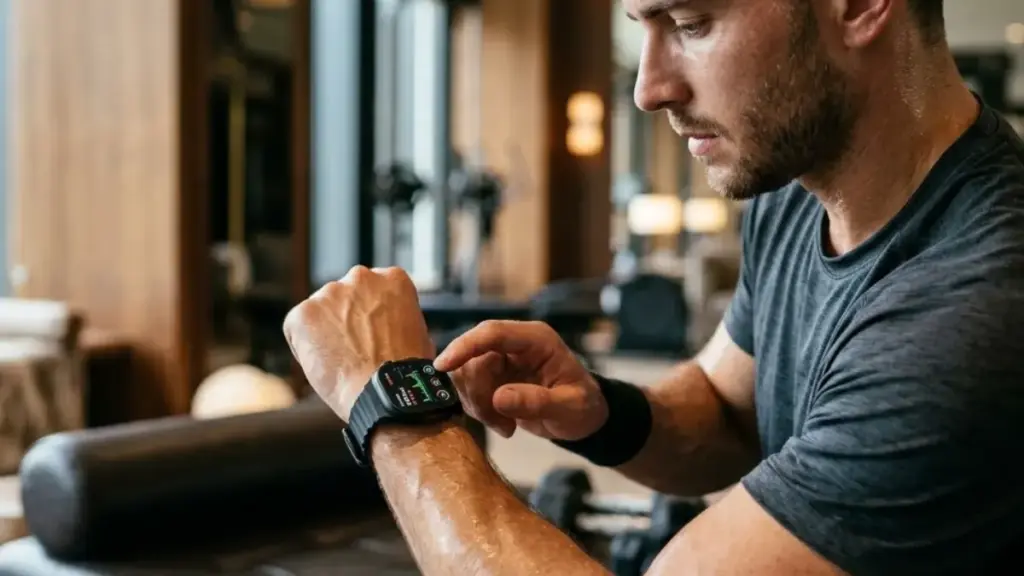
The disparity between promotional promises and physiological reality becomes evident upon closer scientific examination. A significant portion of the immediate vigor reported after sub-zero cold exposures stems from acute adrenaline surges rather than deep muscle tissue repair. This neurochemical spike produces an immediate feeling of alertness, which marketers easily repackage as proof of accelerated healing. Without long-term physiological adaptation, these expensive post workout recovery sessions primarily offer short-lived sensory stimulation rather than lasting muscular restoration.
The Biological Truth Behind Expensive Post Workout Recovery Modalities
The Science of Cold Plunge and Cryotherapy
Cryotherapy and cold water immersion trigger rapid peripheral vasoconstriction, driving blood flow away from extremities toward core organs. When the cold stimulus is removed, rapid vasodilation occurs, flushing tissues with fresh blood. This vascular pumping mechanism is widely praised for reducing acute soreness and swelling after strenuous physical exercise. Athletes often experience immediate relief from localized discomfort, making cold therapy a staple post workout recovery choice in professional sports management.

However, suppressing inflammatory pathways post-exercise comes with significant physiological trade-offs. Acute inflammation is a vital biological signal that triggers muscular hypertrophy and structural reinforcement. By aggressively blunting this natural response immediately after resistance training, cold exposure can inadvertently impair long-term muscle growth and strength adaptations. Therefore, while cold immersion excels at short-term pain relief, its indiscriminate post workout recovery use can hinder overall muscular development.
Thermal Dynamics of Post Workout Recovery Saunas
Infrared and traditional saunas operate on heat-induced vasodilation, expanding blood vessels and elevating heart rate to mimic mild cardiovascular exercise. This increased circulation accelerates the delivery of oxygen and key nutrients to fatigued muscle tissue while aiding the removal of metabolic waste products. Furthermore, the elevated body temperature promotes muscle relaxation and reduces joint stiffness, creating an ideal environment for physical relaxation post workout recovery.
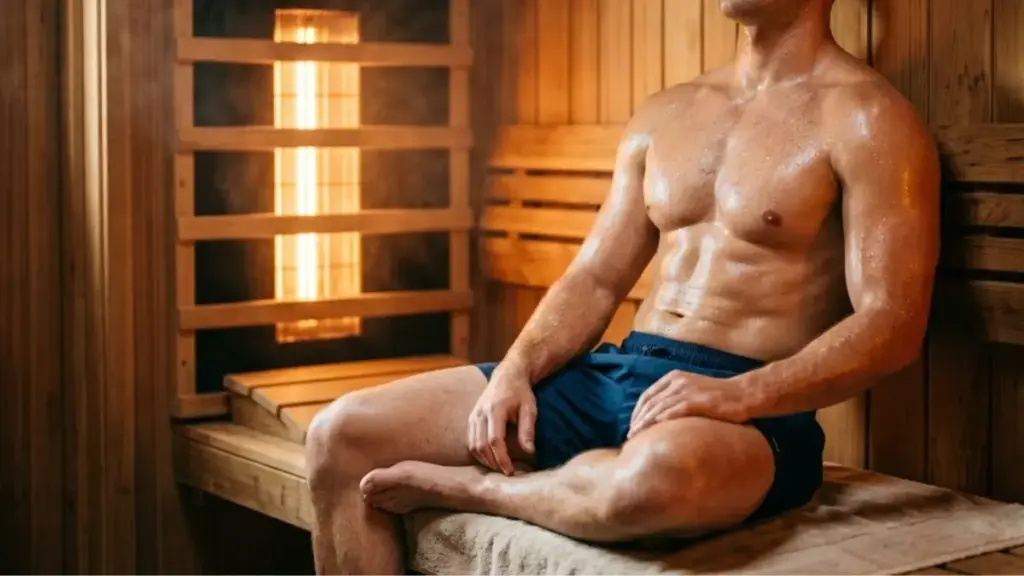
Despite these cardiovascular benefits, thermal sauna sessions impose additional metabolic stress on an already fatigued system. Sweating profusely without adequate fluid replacement leads to acute dehydration and electrolyte imbalances, impairing cellular function. Furthermore, excessive heat exposure immediately following heavy training can prolong systemic nervous system fatigue, delaying total bodily restoration if not balanced with appropriate hydration and rest.
Achieving peak fitness performance requires cutting through commercial noise and focusing on proven biological fundamentals. Prioritize your sleep, fuel your body with intentional nutrition, and let genuine science guide your post workout recovery journey rather than expensive marketing trends.
Ri
Evaluating the Economic Value and Physical Risks of Luxury Amenities
Cost versus True Biological Value
Investing thousands of dollars annually in luxury gym memberships for thermal amenities warrants a critical financial assessment. When comparing the monetary cost of weekly cryo sessions against their measurable impact on muscle growth or fat loss, the return on investment appears surprisingly low. Many recreational lifters achieve identical, if not superior, progress using simple, budget-friendly post workout recovery recuperation methods like basic stretching, light movement, and balanced nutrition.
More Read

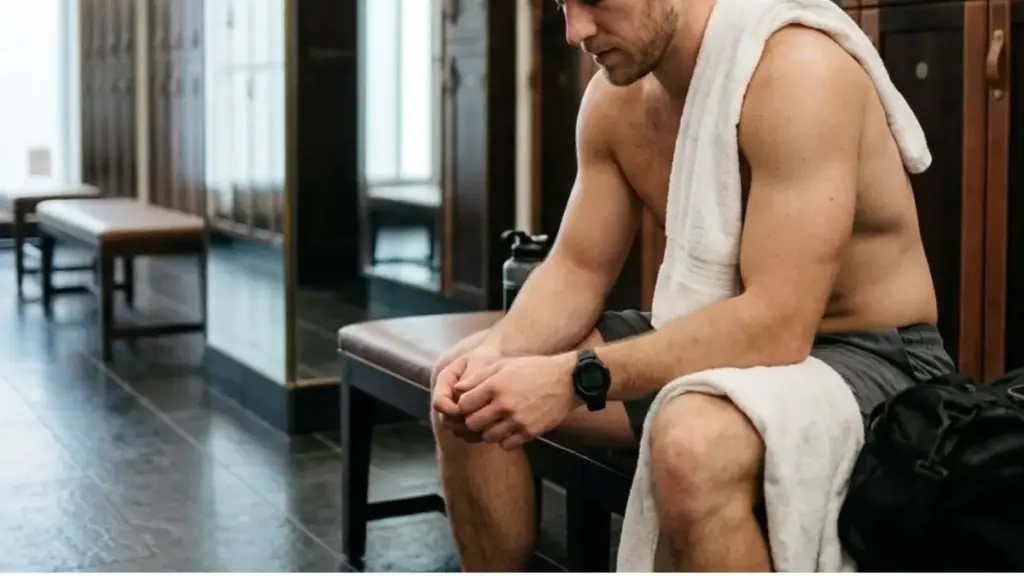
Long-term studies on gym members reveal that heavy reliance on expensive modalities often creates a false sense of security. Enthusiasts may spend lavishly on cold tanks while neglecting foundational post workout recovery habits like sleep quality or daily macro intake. When these primary health markers are compromised, no amount of high-tech thermal therapy can prevent burnout, injury, or stagnant athletic performance.
Over-Reliance and Physical Risks
Indiscriminate utilization of extreme thermal environments carries tangible physical risks that gym members often overlook. Exposing the human body to sub-zero temperatures or intense heat immediately after high-intensity training can strain the cardiovascular system. Rapid temperature swings demand significant exertion from heart tissue and autonomic pathways, which can trigger adverse reactions in susceptible individuals.

Moreover, blunting neural feedback mechanisms through chronic cold exposure can mask micro-trauma and joint strain. When athletes continuously numb soreness rather than allowing natural repair cycles to complete, they risk transforming minor overuse injuries into chronic structural conditions. Over-reliance on artificial post workout recovery comfort mechanisms ultimately undermines the body’s intrinsic capacity to adapt, repair, and build resilient connective tissue over time.
Building a Science-Based Post Workout Recovery Plan Without Wealthy Gym Trends
Master the Core Biological Pillars
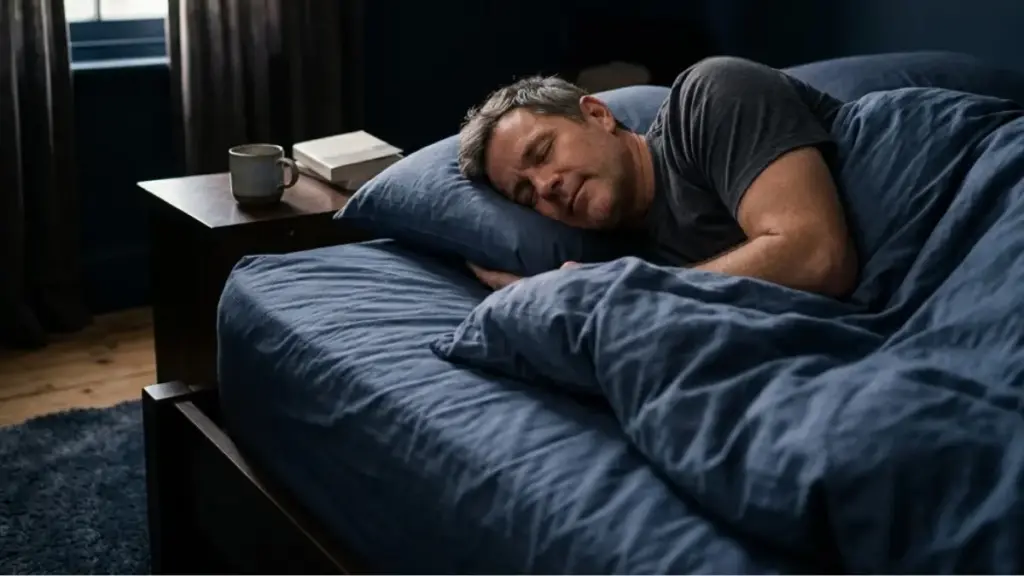
True athletic restoration is anchored in physiological fundamentals that cost nothing to implement. Quality sleep remains the single most potent therapeutic tool available to human biology, driving human growth hormone secretion and tissue synthesis during deep sleep stages. Prioritizing seven to nine hours of undisturbed nightly sleep provides exponential post workout recovery performance returns compared to any short-duration cryo session.

Targeted nutrition forms the second non-negotiable pillar of metabolic healing. Consuming high-quality protein alongside complex carbohydrates within the post-exercise window replenishes depleted glycogen reserves and initiates myofibrillar protein synthesis. Hydration enriched with essential electrolytes further ensures optimal nutrient transport across cell membranes. When these core elements are consistently met, reliance on luxury equipment becomes entirely optional.
Read more: 10 Harsh Realities of Insomnia After Chemotherapy and How Survivors Actually Cope
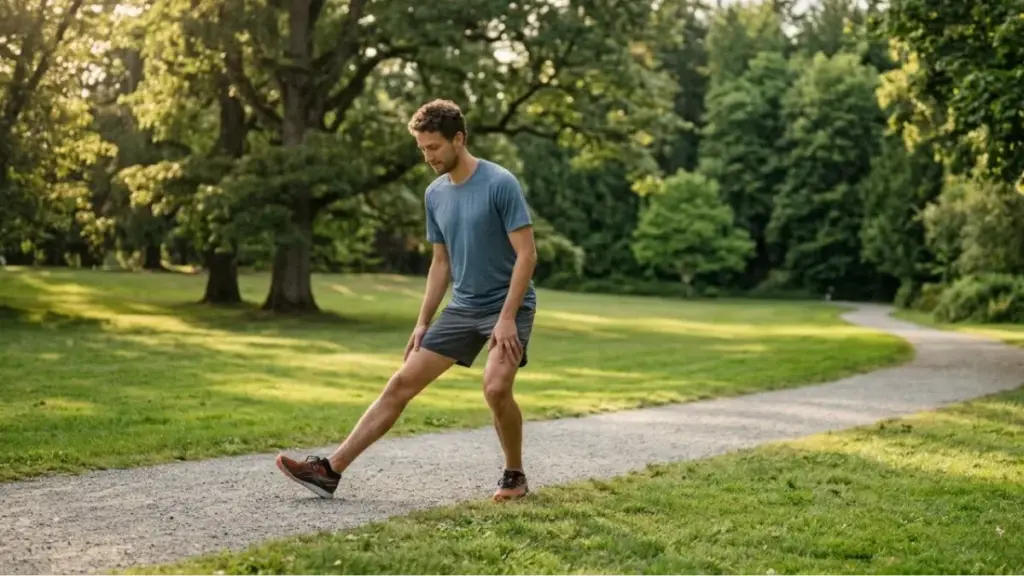
Active Restoration Protocols and HRV Monitoring
Active recovery protocols, such as low-intensity walking, cycling, or targeted mobility work, offer superior blood circulation benefits without imposing additional systemic fatigue. Light physical activity gently elevates cardiac output, facilitating lactic acid clearance and nutrient delivery naturally. Integrating gentle movement patterns on off-days maintains joint articulation while keeping the central nervous system in a restful, parasympathetic state post workout recovery.
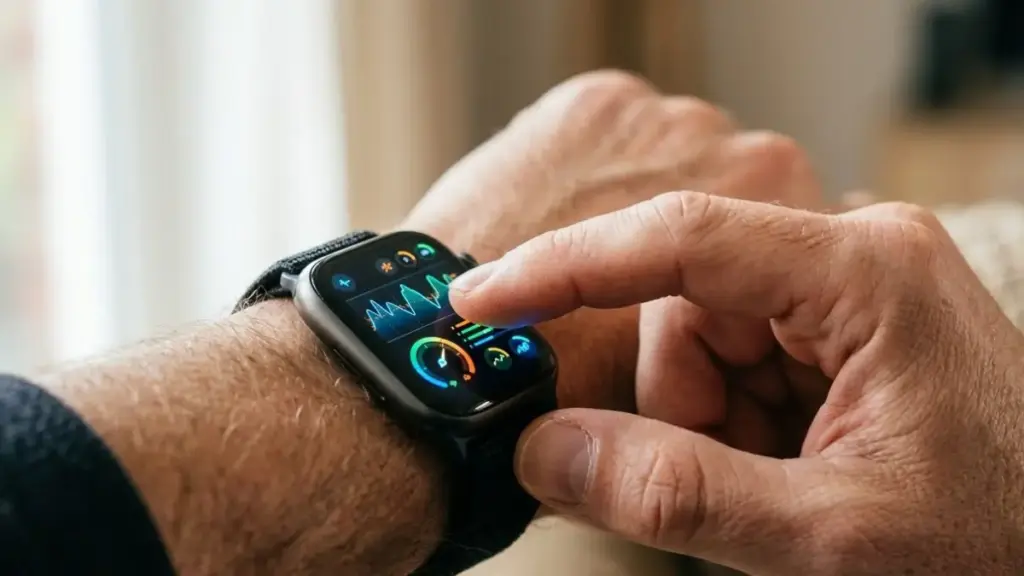
Leveraging heart rate variability (HRV) metrics provides objective, real-time data regarding autonomic nervous system balance. Monitoring HRV trends allows athletes to make informed decisions about training intensity and rest days based on real physiological readiness rather than subjective feelings. This data-driven approach empowers individuals to customize their post workout recovery rest cycles precisely, eliminating the need for expensive trial-and-error luxury therapies.
Frequently Asked Questions About Post Workout Recovery
Does cold plunge hinder long-term muscle hypertrophy?
Yes, research indicates that frequent cold water immersion immediately following resistance training can blunt anabolic signaling pathways and impair long-term muscle growth.

How often should gym members use saunas for muscle repair?
Utilizing a sauna two to three times per week for 15 to 20 minutes provides optimal cardiovascular and circulatory benefits without causing excessive systemic fatigue or dehydration.
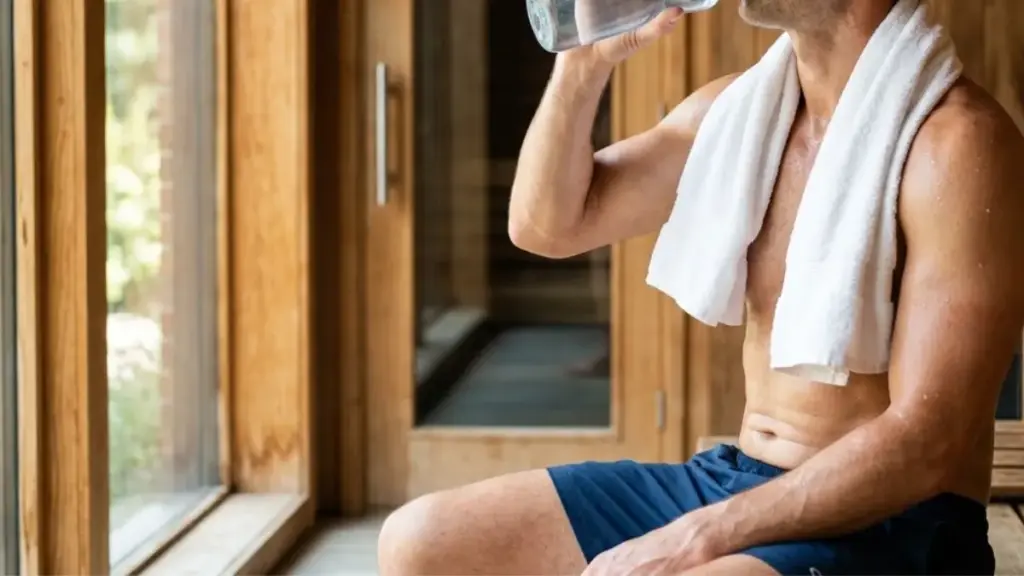
Are expensive luxury recovery trends superior to sleeping 8 hours?
No, luxury thermal modalities cannot replicate or replace the restorative cellular, hormonal, and neurological processes that occur during seven to nine hours of deep sleep.
Mastering Sustainable Post Workout Recovery for Long-Term Athletic Success
True physical progression is built upon consistent, evidence-based habits rather than high-priced fitness trends. While luxury amenities like cold plunges, whole-body cryotherapy, and infrared saunas can offer enjoyable sensory experiences and temporary comfort, they remain secondary add-ons in the broader scope of human biology. Relying on commercial gimmicks while neglecting essential lifestyle factors leads to diminished physical returns and unnecessary financial expenditure.
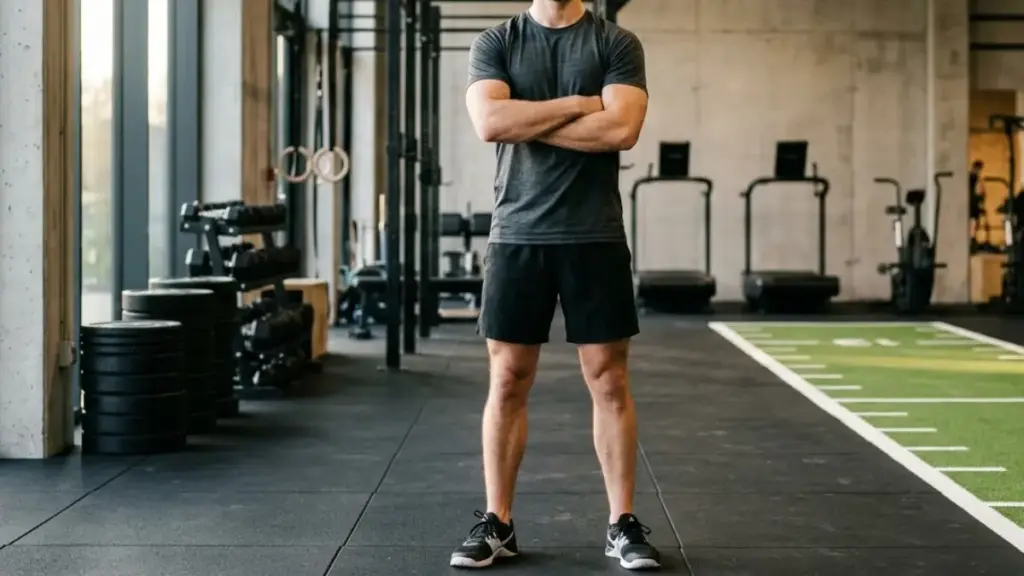
By prioritizing consistent deep sleep, targeted post-exercise nutrition, structured hydration, and active movement protocols, athletes can achieve optimal muscle healing and sustained performance gains naturally. Understanding the physiological mechanisms governing tissue repair allows individuals to make intelligent, cost-effective decisions about their health. Master the core biological fundamentals first, and view luxury amenities as optional sensory indulgences rather than mandatory requirements for athletic excellence.
PLEASE LEAVE A COMMENT TO SHARE YOUR FAVORITE THOUGHTS OR FOLLOW OUR BLOG FOR THE LATEST UPDATES.