



Feeling the world spin or experiencing sudden dark spots in your vision every time you stand up from a chair can leave you feeling disoriented and fearful of sudden falls. Assuming that postural lightheadedness is just a harmless inconvenience and failing to realize how a structured weekly exercise plan can recalibrate your vascular tone means you are leaving your cardiovascular reflexes dangerously untrained.
- The Mechanics of Standing Dizziness: Why Your Circulation Stalls
- Twelve Weekly Exercise Moves to Recalibrate Vascular Reflexes
- Weekly Scheduling Blueprint for Safe Vascular Recovery
- Essential Precautions and Early Red Flag Warning Signs
- Frequently Asked Questions About Weekly Exercise for Dizziness
- Standing Tall with Total Confidence and Vitality
Eliminating orthostatic dizziness and restoring steady blood flow to your brain requires targeted movement patterns that condition your blood vessels to pump against gravity. By exploring 12 gentle, highly effective movements tailored for your weekly exercise routine—focused on strengthening the calf muscle pump, boosting venous return, and stabilizing blood pressure shifts—you can permanently banish lightheadedness and stand up with total confidence.
Read More: Group Fitness: 3 Unexpected Benefits of Working Out in a Crowd
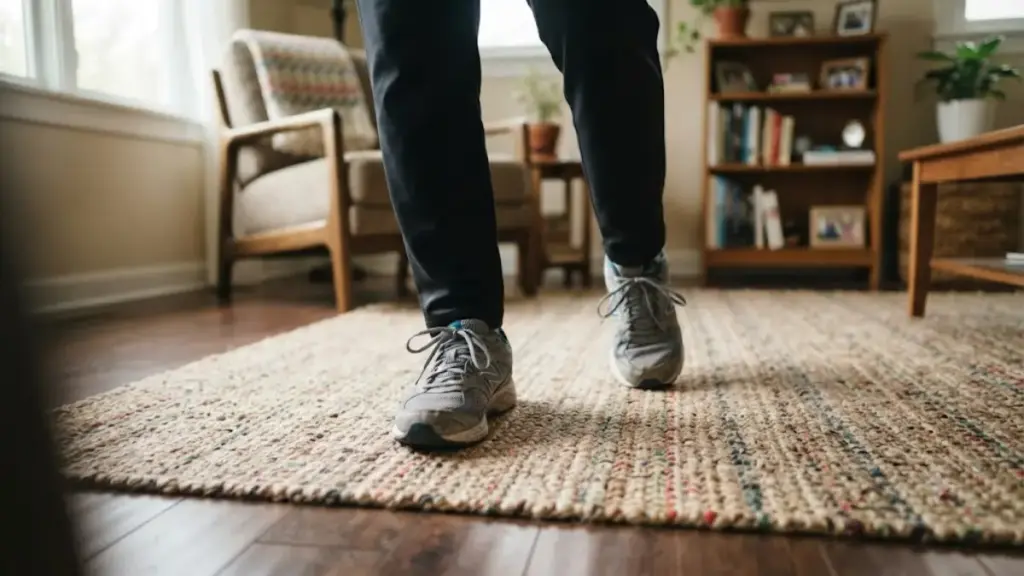
The Mechanics of Standing Dizziness: Why Your Circulation Stalls
Understanding why standing up triggers sudden lightheadedness requires examining how gravity interacts with your vascular system. When you transition from lying or sitting to an upright stance, roughly 500 to 1,000 milliliters of blood instantly pools in your lower extremities and pelvic veins. In a healthy circulatory system, specialized pressure sensors called baroreceptors located in the carotid sinus and aortic arch instantly signal your heart to beat faster and your blood vessels to constrict, maintaining steady cerebral blood flow.
- Venous Blood Pooling: Gravity pulls fluid downward into deep leg veins upon standing, temporarily decreasing venous return to the heart.
- Transient Cerebral Hypoxia: A delayed baroreceptor response causes a transient drop in blood pressure, depriving brain cells and optic nerves of oxygen.
- Impaired Baroreceptor Sensitivity: Aging or sedentary living desensitizes arterial pressure sensors, delaying the automatic vascular constriction needed to stabilize pressure.
- Weakened Skeletal Muscle Pump: Atrophied calf and thigh muscles fail to compress deep veins, leaving blood trapped in the lower limbs.
When baroreceptor sensitivity declines or calf muscle tone weakens, this autonomic reflex lags behind your physical movement. Blood pressure drops sharply, oxygen supply to the brain dips temporarily, and you experience blurry vision, lightheadedness, or instability. Incorporating a targeted weekly exercise routine directly retrains these cardiovascular reflexes, restoring baroreceptor responsiveness and strengthening the muscular pumps that push blood upward against gravity.
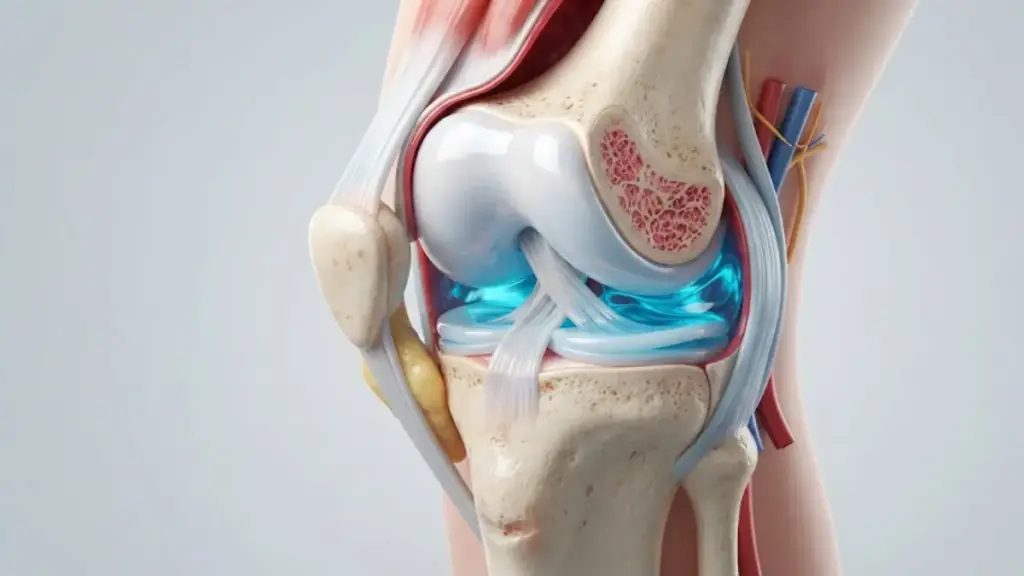
Twelve Weekly Exercise Moves to Recalibrate Vascular Reflexes
Rebuilding vascular responsiveness requires a progressive movement strategy that transitions safely from floor-based activations to seated and standing drills. Incorporating these twelve movements into your weekly exercise schedule will systematically condition your blood vessels and eliminate postural dizziness.
Lying Supine Moves to Initiate Blood Flow
- Move 1 – Ankle Circles and Point-Flex Rotations: Lying flat on your back, slowly point and flex your toes before rotating your ankles in wide circles. This gentle action clears stagnant blood from foot veins without challenging arterial pressure, making it an ideal first step in your weekly exercise routine.
- Move 2 – In-Bed Air Bicycles: Raising your legs slightly, move your knees in a smooth cycling motion. This activates the calf and thigh muscle pumps, encouraging venous blood pooled in the lower legs to flow back toward your heart.
- Move 3 – Passive Glute Bridges: Bend your knees, plant your feet flat, and lift your hips toward the ceiling. Elevating the pelvis uses gravity to drain pooled blood from pelvic veins back into central circulation, optimizing your weekly exercise session.
- Move 4 – Wall-Supported Leg Elevation: Rest your legs vertically against a wall at a ninety-degree angle while breathing deeply. This passive inversion uses gravity to clear peripheral swelling and flood central blood vessels with pooled fluid.

Seated Support Moves to Train the Autonomic System
- Move 5 – Alternating Heel-Toe Presses: Sitting upright in a sturdy chair, alternate between raising your heels high and lifting your toes off the floor. Rhythmical calf contractions force deep leg veins to pump blood upward, serving as a core activation move in weekly exercise.
- Move 6 – Seated Single-Leg Knee Extensions: Slowly extend one leg straight out, hold for two seconds, and flex your ankle toward your shin. Strengthening the quadriceps creates a muscular sleeve that compresses femoral blood vessels during daily movement.
- Move 7 – Seated Torso Twists with Chest Extension: Sit tall, expand your ribcage, and rotate your upper body gently from side to side. Opening the chest cavity increases intrathoracic space, enhancing cardiac blood intake during weekly exercise.
- Move 8 – Seated Knee-to-Chest Compression Pulls: Hug one knee tightly toward your chest, compressing abdominal and pelvic blood vessels. Releasing the squeeze triggers an influx of oxygenated blood, conditioning abdominal vascular beds.

Standing Support Moves to Master Pressure Transitions
- Move 9 – Chair-Supported Standing Calf Raises: Stand behind a heavy chair, place your hands on the backrest, and rise high onto your tiptoes. Contracting the calf muscles at maximum length forcefully drives blood past venous valves, making this a vital standing move in weekly exercise.
- Move 10 – Controlled Slow High-Knee Marches: Hold a stable support and lift your knees alternately in a slow, controlled rhythm. This rhythmic leg lifting reinforces postural balance while forcing thigh muscles to maintain arterial pressure.
- Move 11 – Chair-Supported Mini Squats: Bending your knees slightly, sink down a few inches before pressing back up through your heels. Mini squats activate the body’s largest muscle groups, training baroreceptors to adjust pressure during elevation changes in weekly exercise.
- Move 12 – Staggered Stance Weight Shifts: Place one foot forward and shift your body weight slowly between your front and back legs while breathing deeply. This shift challenges vestibular balance and conditions pelvic vascular walls to maintain steady pressure.

Weekly Scheduling Blueprint for Safe Vascular Recovery
Structuring your training volume correctly is critical to avoid overtaxing your nervous system or triggering fatigue-induced blood pressure drops. Following a balanced schedule ensures your blood vessels adapt safely without physical exhaustion.
More Read

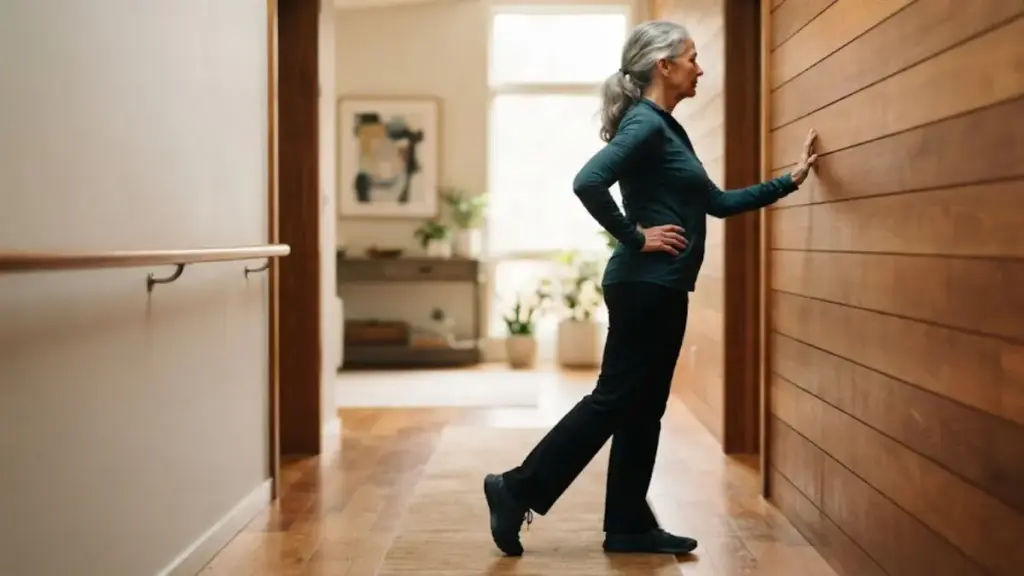
Distributing Exercise Zones Across the Week
Rather than attempting all twelve moves in a single exhausting session, divide the movements across three to five days per week based on position. Spend Mondays and Thursdays focusing on lying and seated movements to build baseline muscle pump strength. Use Tuesdays and Saturdays for standing balance moves with chair support, keeping Wednesdays and Sundays dedicated to complete cardiovascular rest within your weekly exercise program.
Space each exercise set with generous rest periods, allowing your pulse and blood pressure to return to a level baseline before moving to the next exercise. Short, frequent sessions trigger positive vascular adaptation without overloading your heart. This gentle progression builds sustainable circulatory stamina through weekly exercise.
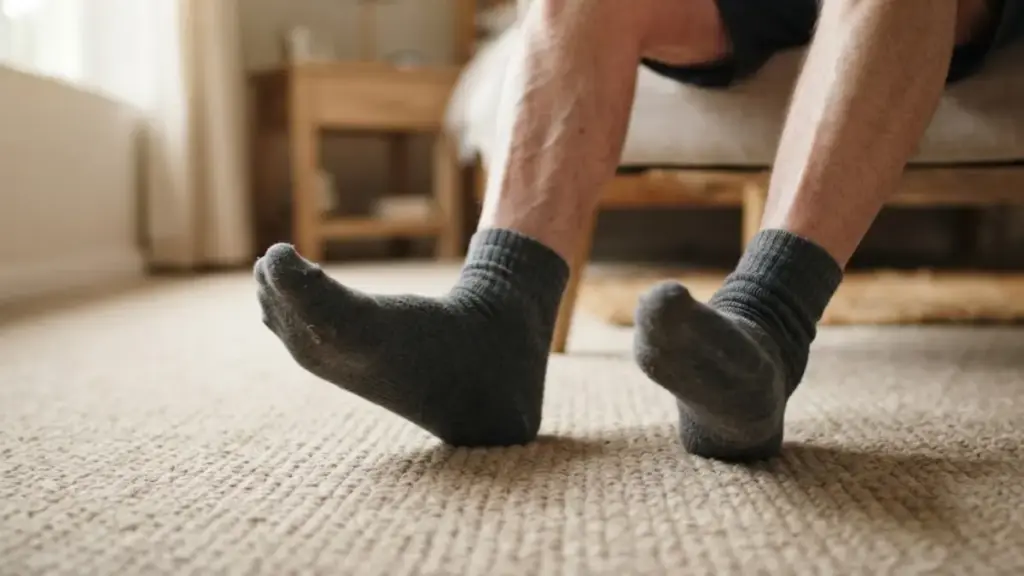
Essential Positional Transition Rules
- The Pause-and-Breathe Rule: When moving from lying down to sitting, sit on the edge of the bed or chair for at least five seconds before attempting to stand up.
- Diaphragmatic Inhalation: Take a deep breath through your nose as you stand up, engaging your core muscles to boost intrathoracic pressure.
- Immediate Ankle Flexion: If you feel mild lightheadedness upon standing, immediately pump your calves by rising onto your tiptoes while holding a sturdy object.
- Hydration Pre-Loading: Drink a glass of warm water ten minutes before starting your session to expand circulating blood volume.
Reaching your long-term health goals is a journey built on daily, intentional choices; true physical resilience comes from prioritizing simple, whole-food nutrition, maintaining strict hygiene habits, and supporting your body’s natural healing capacity with a personalized plan to master your weekly exercise.
Ri

Essential Precautions and Early Red Flag Warning Signs
Exercising with postural dizziness requires strict attention to bodily warnings to prevent falls and avoid over-exertion. Recognizing when to pause ensures your safety throughout your weekly exercise journey.

Recognizing Brain Hypoxia Distress Signals
If you experience sudden ringing in your ears (tinnitus), cold sweats on your forehead, or tunneling vision while executing standing moves, stop immediately. These symptoms indicate acute cerebral hypoxia, signaling that blood pressure has dropped below safe limits. Continuing to exercise through cold sweats or tunnel vision risks sudden fainting and impact trauma during weekly exercise.
When warning signs flare, immediately sit down in a secure chair or lie flat on the floor with your feet elevated above your heart. Elevating your legs rapidly restores cerebral blood volume, resolving lightheadedness within seconds. Resting quietly until your vision clears completely is vital before attempting further movement in weekly exercise.
Fluid Intake and Environmental Precautions
Circulating blood volume depends heavily on total body hydration. Exercising in a dehydrated state decreases plasma volume, exacerbating postural blood pressure drops regardless of muscle pump strength. Drink adequate fluids, including natural electrolytes, throughout the day to keep blood volume optimal for weekly exercise.
Additionally, avoid exercising in overheated rooms or immediately after eating large meals. High ambient heat causes peripheral blood vessels to dilate, while digestion draws significant blood volume into abdominal organs, leaving less blood available for central circulation. Training in a cool, well-ventilated space ensures a safe, comfortable weekly exercise experience.
Read More: 4 Minute Exercise: Quadruple Senior Fitness with This Short Protocol

Frequently Asked Questions About Weekly Exercise for Dizziness
How long does it take for a weekly exercise routine to significantly reduce postural lightheadedness?
Most individuals who follow a consistent weekly exercise plan notice a reduction in postural lightheadedness within three to six weeks. Reconditioning baroreceptor sensitivity and building calf muscle tone requires repeated, gentle stimulation over time. Staying consistent with daily ankle pumps and seated leg extensions ensures steady cardiovascular adaptation, helping you stand up comfortably through weekly exercise.
- Expect initial improvements in leg muscle tone and ankle mobility within two weeks of starting.
- Notice fewer episodes of vision dimming upon standing after four weeks of regular movement.
- Continue performing maintenance exercise drills indefinitely to preserve vascular tone and baroreceptor sensitivity.
- Consistency is essential to maintain steady blood pressure control and long-term safety through weekly exercise.
How should individuals with chronic low blood pressure adjust their exercise intensity?
People with chronic low blood pressure (hypotension) should focus on extended warm-ups, slower positional changes, and lower-body muscle activation drills. Performing extra seated calf raises and ankle point-flexes before standing helps prime venous return before challenging postural stability. Incorporating compression garments or increasing sodium intake under medical supervision also supports safe participation in weekly exercise.
- Spend extra time performing lying and seated foot pumps before attempting standing movements.
- Transition between positions very slowly, pausing for ten seconds at each stage.
- Consult your physician about incorporating medical-grade compression stockings to aid venous return.
- Tailoring movement speeds prevents sharp blood pressure drops during your weekly exercise routine.
Should medical compression stockings be worn while performing standing exercise moves?
Wearing medical-grade graduated compression stockings during standing exercises is an effective way to prevent venous pooling in the lower legs and feet. Compression sleeves apply external pressure to superficial veins, forcing blood into deeper veins where muscle contraction pumps can drive fluid upward toward the heart. Utilizing compression wear enhances safety during standing drills in your weekly exercise routine.
- Wear knee-high or thigh-high compression stockings with a 15–20 mmHg pressure rating during standing sessions.
- Put compression garments on early in the morning before fluid pools in lower leg tissues.
- Ensure compression socks fit smoothly without bundling or pinching behind your knees during exercise.
- Pairing compression garments with muscle activation exercises maximizes blood flow stability in weekly exercise.

Standing Tall with Total Confidence and Vitality
Overcoming postural dizziness and protecting yourself from dangerous falls does not require intense, exhausting gym workouts. Lasting vascular health begins with simple, intentional movements that train your blood vessels to pump blood efficiently against gravity. By strengthening your calf pumps, boosting venous return, and respecting bodily warnings, you take full control of your circulatory well-being.

Every foot pump, seated knee extension, and supported calf raise directly conditions your baroreceptors and restores steady blood flow to your brain. Committing to a low-impact exercise schedule builds a resilient circulatory system that allows you to stand up smoothly, walk confidently, and enjoy daily life without fear. Embrace the healing power of targeted movement today, stand tall with confidence, and experience the lasting vitality that comes with mastering your weekly exercise routine.
PLEASE LEAVE A COMMENT TO SHARE YOUR FAVORITE RECOVERY HABITS OR FOLLOW OUR BLOG FOR THE LATEST HEALTH ADVICE.